Chiang Mai to Chiang Rai: Day Trip or Overnight Guide
Chiang Rai sits about 200 km north of Chiang Mai and offers a completely different atmosphere: smaller, quieter, and packed with remarkable temples and border-region culture. This guide covers every transport option, the best things to do, and whether a day trip is actually enough.
Tickets & tours
Live prices and dates from our booking partner. If you book, we may earn a commission at no extra cost to you.
TL;DR
- Chiang Rai is about 180 km north of Chiang Mai — about 3.5 to 4 hours by bus or car depending on traffic.
- A day trip is doable but tight; an overnight stay lets you see the White Temple at golden hour and explore the Night Bazaar properly.
- The White Temple (Wat Rong Khun), Blue Temple (Wat Rong Suea Ten), and the night market scene are the main draws.
- Buses from Chiang Mai Arcade Terminal run frequently and cost around 150-180 THB one-way — by far the cheapest option.
- Skip the golden triangle if you're short on time; it's an additional 60 km from Chiang Rai city and less impressive than the reputation suggests.
How to Get from Chiang Mai to Chiang Rai
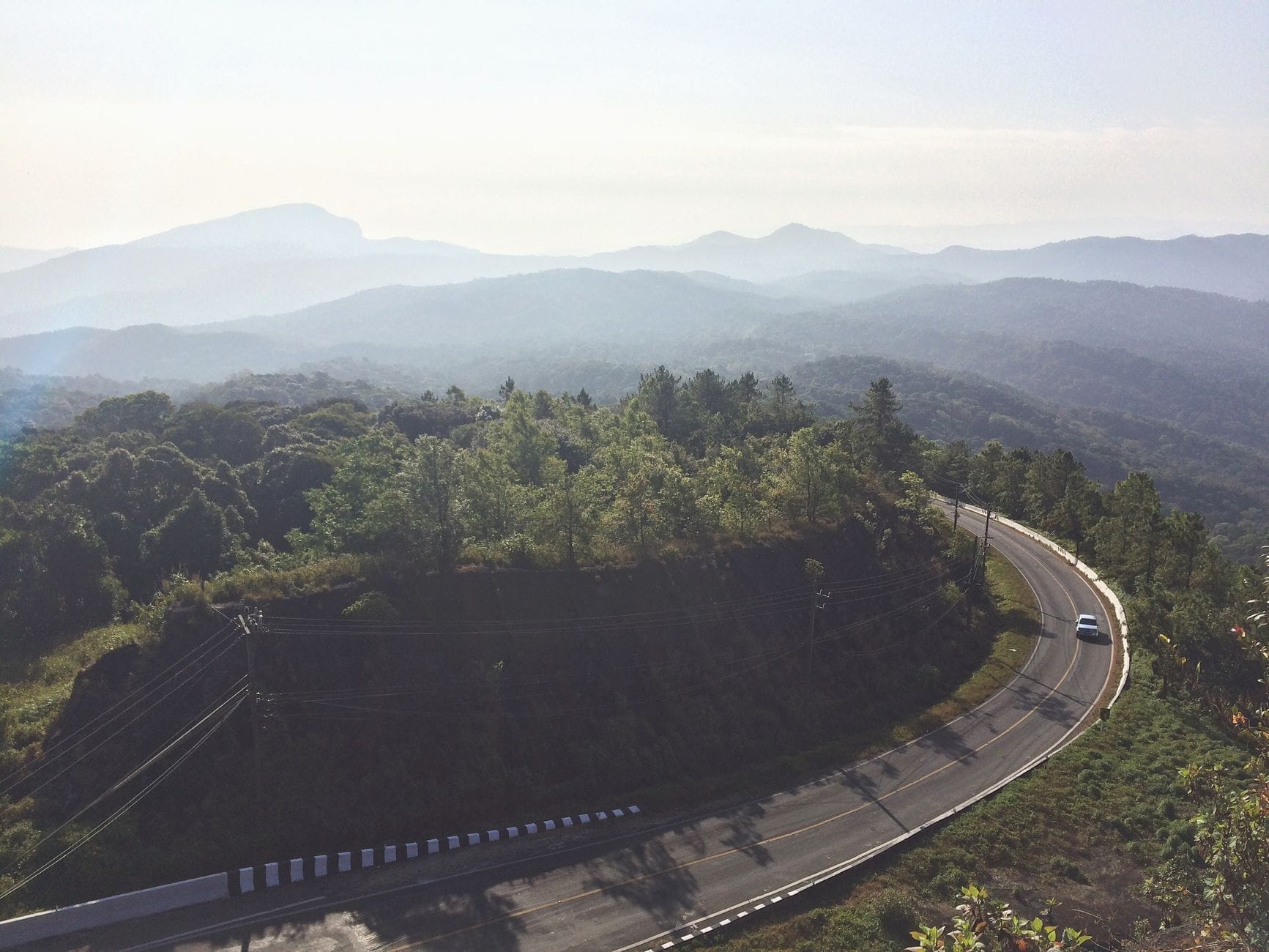
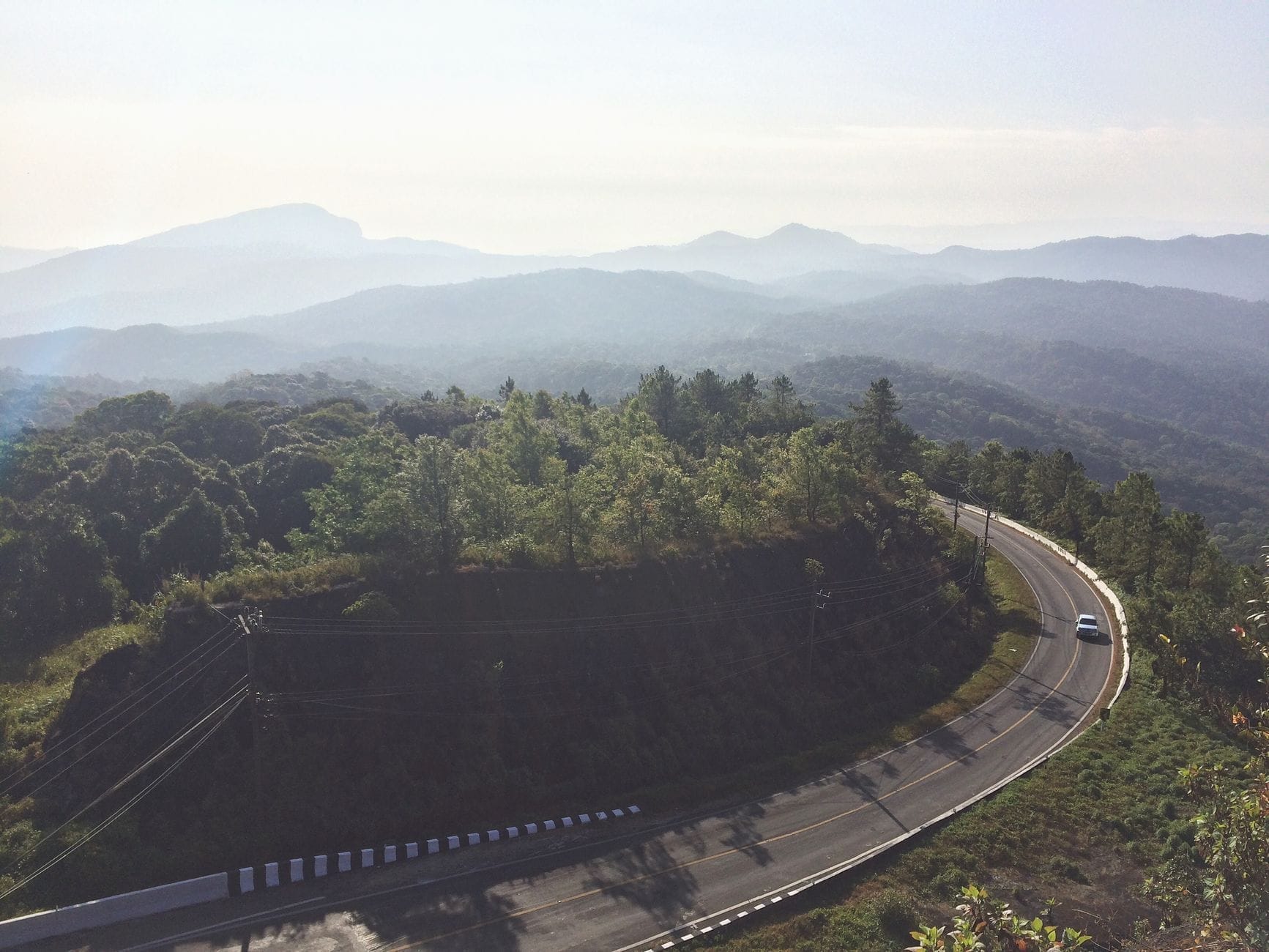
The journey from Chiang Mai to Chiang Rai covers around 180 km via Highway 118, which cuts through forested hills and small mountain towns. The road is scenic but demands attention from drivers, especially after rain. Most travelers choose between public bus, private minivan, a rented car, or an organized tour. There is no direct train service.
- Public Bus (Arcade Terminal) Greenbus and a few other operators run air-conditioned coaches from Chiang Mai Arcade Bus Terminal (Terminal 2) roughly every 30-60 minutes between 6:00 AM and 5:30 PM. Journey time is 3 to 3.5 hours. Tickets cost around 150-180 THB one-way. This is the most reliable budget option — seats are comfortable and the route is straightforward.
- Private Minivan Several minivan companies operate the route for around 200-250 THB per person. They pick up from guesthouses in the Old City and Nimman areas but tend to be slower overall because of multiple stops. Confirm the departure point carefully before booking.
- Rented Car or Motorbike Driving yourself gives total flexibility, especially if you want to stop at roadside waterfalls or temples en route. Rent a car for around 800-1,500 THB per day from reputable agencies near Nimman Road. The route via Highway 118 is genuinely one of northern Thailand's better scenic drives. Motorbike riders should note the road has some steep climbs.
- Organized Day Tour Tours departing Chiang Mai typically cover the White Temple, Blue Temple, Black House (Baan Dam), and sometimes a tea plantation or the Mae Kah Luang market. Prices start around 1,200-2,000 THB per person including transport. Convenient but rushed — you rarely get more than 45 minutes at each site.
💡 Local tip
Book bus tickets at the Arcade Terminal counter the morning of travel — seats rarely sell out on weekdays. On long weekends and national holidays, book the day before to guarantee your preferred departure time.
Day Trip vs. Overnight: Which One Is Right for You
A day trip to Chiang Rai from Chiang Mai is physically possible, but it involves a lot of time in transit for limited ground coverage. If you leave Chiang Mai at 7:00 AM, you'll arrive around 10:00-10:30 AM. With a last bus back at around 6:00 PM, you have roughly five hours to cover the White Temple, Blue Temple, and Black House — three sites spread across different parts of the city and its outskirts. That's workable but there's almost no buffer for delays, lunch, or spontaneity.
An overnight stay changes the calculus entirely. You can hit the White Temple in the late afternoon when the tour buses have thinned out, spend the evening at Chiang Rai's Night Bazaar, and wake up for the morning market before heading back. Accommodation in Chiang Rai is generally cheaper than Chiang Mai, with solid guesthouses available for 400-700 THB per night and mid-range hotels for 1,200-2,500 THB. If you have two nights, you can also do a day trip to Doi Mae Salong or push further toward the Myanmar border.
⚠️ What to skip
Organized day tours often claim to cover 5-6 sites but spend significant time at tourist shops and tea tastings that benefit the operator. If you're booking a tour, read recent reviews carefully and ask exactly how long is spent at each temple.
The White Temple and Other Key Attractions
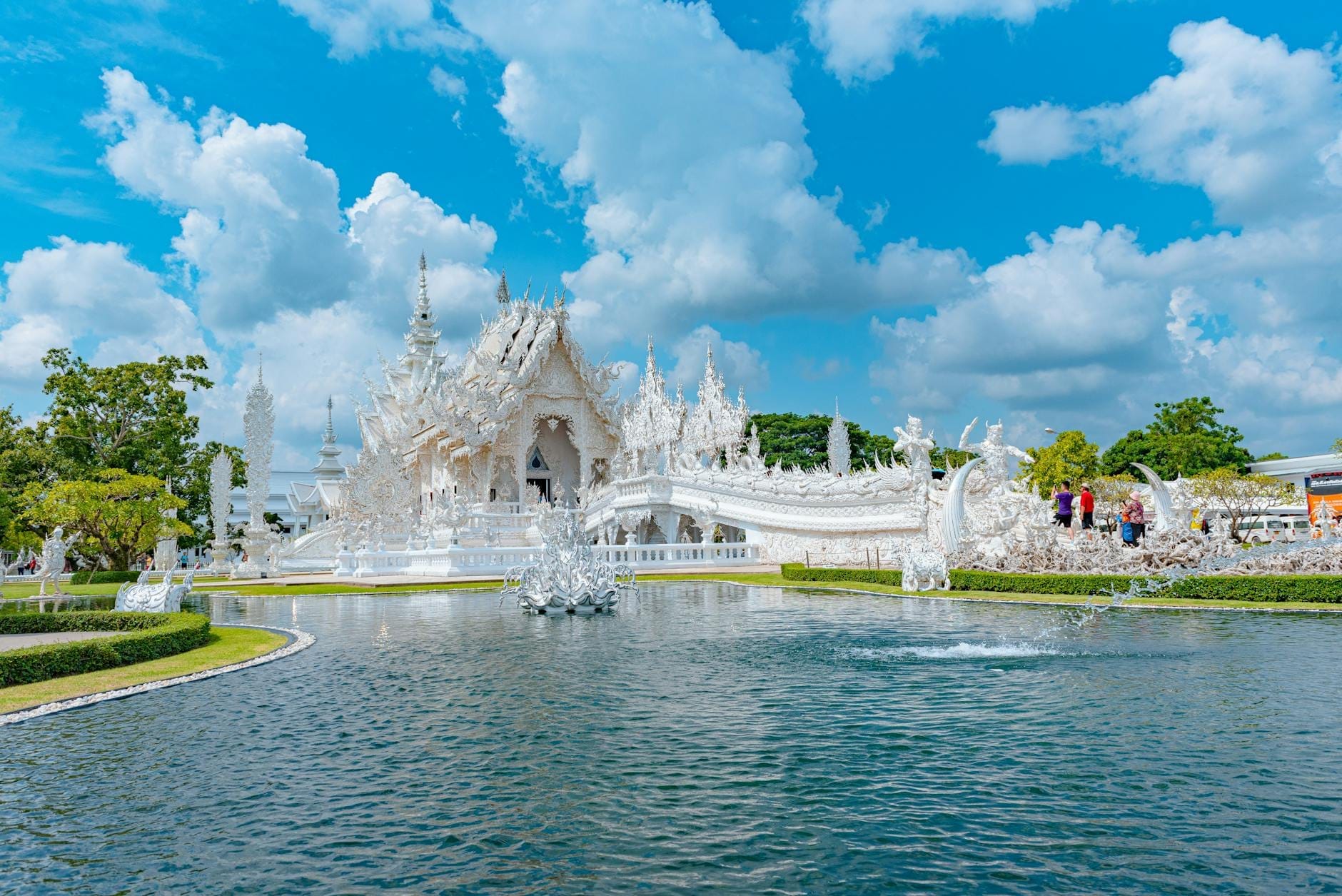
Wat Rong Khun, universally known as the White Temple, is the reason most visitors make this trip. The contemporary design by artist Chalermchai Kositpipat is legitimately unlike any other temple in Thailand: white and mirrored glass covering every surface, with a causeway flanked by hundreds of sculpted hands rising from the earth. It's striking, genuinely original, and worth the trip. Entry for foreigners is 100 THB for the temple grounds and 200 THB including the art gallery. Arrive before 9:30 AM or after 3:00 PM to avoid the worst of the tour groups.
The Blue Temple (Wat Rong Suea Ten) is about 4 km from the city center and draws far smaller crowds than its white counterpart. The cobalt blue interior is richly decorated and the main Buddha image is one of the most photographed in the region. It's free to enter. Combine it with a visit to Chiang Rai's night bazaar on the same evening for an efficient itinerary.
Baan Dam (the Black House) is artist Thawan Duchanee's sprawling compound of dark structures filled with animal skulls, pelts, and provocative art. It's the philosophical opposite of the White Temple and probably more interesting to anyone with an arts background. Entry is 80 THB. Located about 13 km north of the city, it requires a songthaew or taxi to reach.
- Wat Rong Khun (White Temple): 100 THB entry, open daily 8:00 AM-5:00 PM, best before 9:30 AM
- Wat Rong Suea Ten (Blue Temple): free entry, open daily 7:00 AM-7:00 PM, less crowded than the White Temple
- Baan Dam Museum (Black House): 80 THB entry, open daily 9:00 AM-5:00 PM, 13 km north of city
- Chiang Rai Night Bazaar: free, operates from around 6:00 PM, best selection of local handicrafts in the north
- Doi Mae Salong: a Yunnan Chinese mountain village 70 km from Chiang Rai, ideal for a second day extension
Practical Logistics: Getting Around Chiang Rai
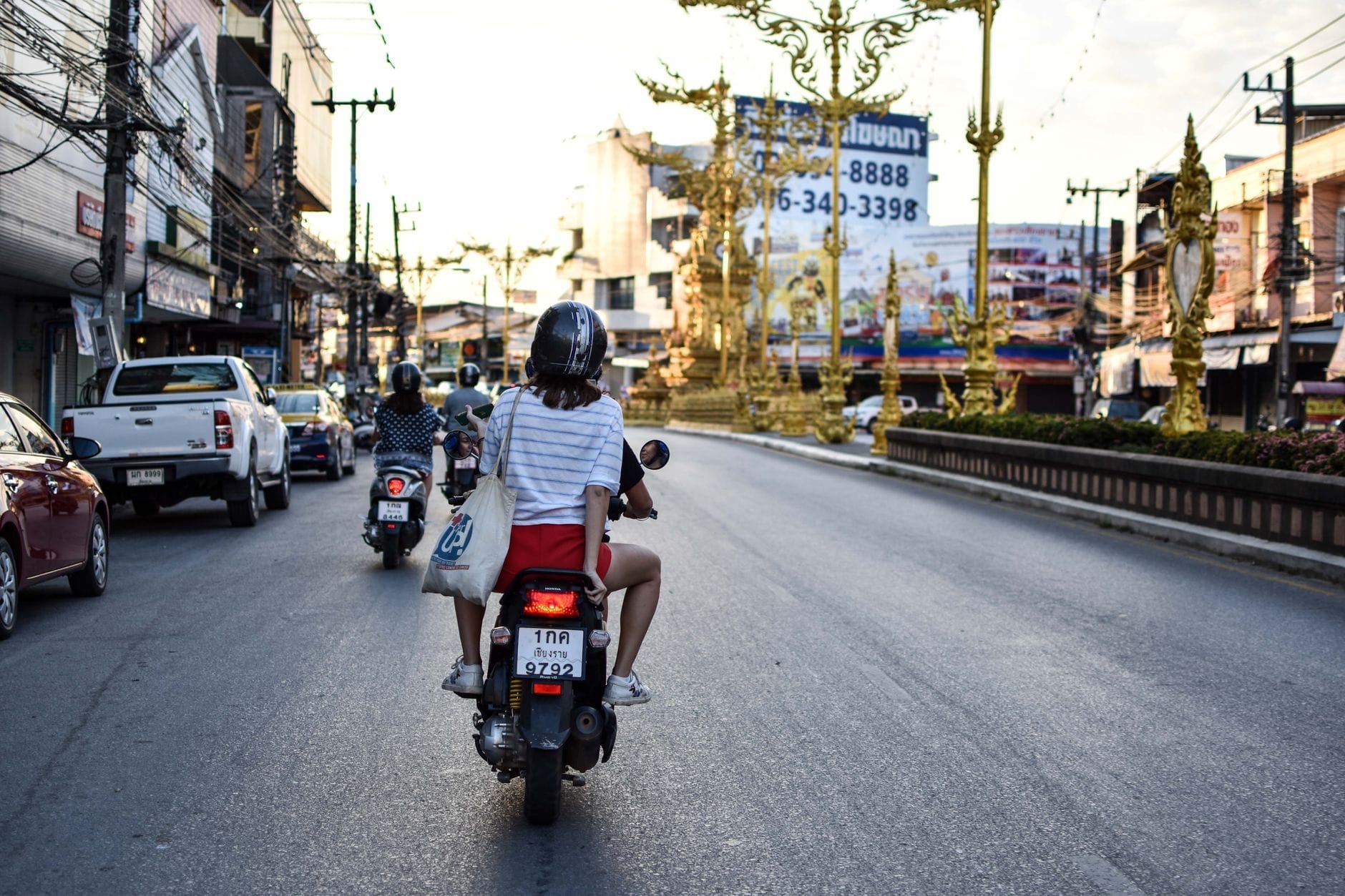
Chiang Rai city is smaller and more spread out than Chiang Mai. The city center is walkable, but reaching the White Temple (13 km south), Black House (13 km north), and Blue Temple (3 km north) requires transport. Songthaews operate around the city for 30-60 THB per trip, but they run irregular routes and can be difficult to flag down outside the center. Tuk-tuks and motorcycle taxis are more reliable for short hops.
Renting a motorbike in Chiang Rai for around 200-250 THB per day is the most practical option for independent travelers. It lets you combine the White Temple, Blue Temple, and Black House in a single loop without waiting for shared transport. If you're doing a day trip from Chiang Mai by bus, consider booking a tuk-tuk tour of the three main temples directly at the bus terminal for roughly 300-400 THB — drivers there know the standard circuit well.
✨ Pro tip
If you drive yourself from Chiang Mai, take Highway 118 (not the faster Highway 1) for the scenic route through Wiang Pa Pao. You'll pass roadside Arabica coffee stands and mountain viewpoints that don't appear on any map. Add about 30 minutes to the journey.
When to Go and What to Expect by Season
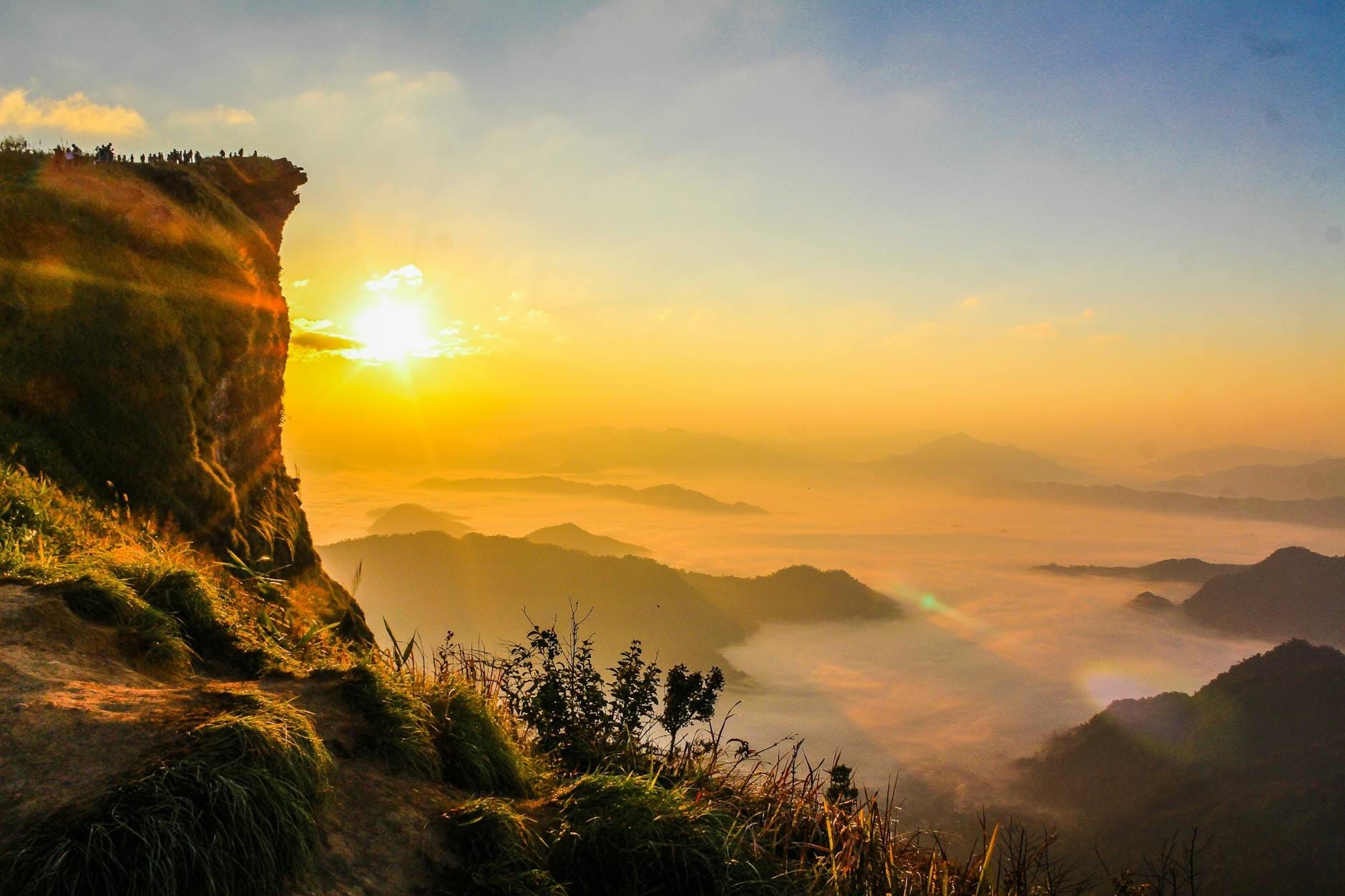
The best time to visit Chiang Rai is during the cool season, from November through February, occasionally extending into early March. Temperatures in the mountains north of the city drop noticeably at night, and the air quality is at its best. This overlaps with the busiest tourist period in northern Thailand, so expect more visitors at the White Temple and higher accommodation prices. If you're planning your broader trip, the best time to visit Chiang Mai guide covers the full seasonal breakdown that applies to this region.
From March through May, northern Thailand experiences its burning season, when air quality can deteriorate significantly due to agricultural burning. Chiang Rai is often affected as badly as — or worse than — Chiang Mai during this period. The Chiang Mai burning season guide explains the health implications in detail. The rainy season (June-October) brings lush green landscapes and far fewer tourists; roads are passable, but some mountain routes beyond Chiang Rai can flood after heavy rainfall.
Where to Stay If You Spend the Night
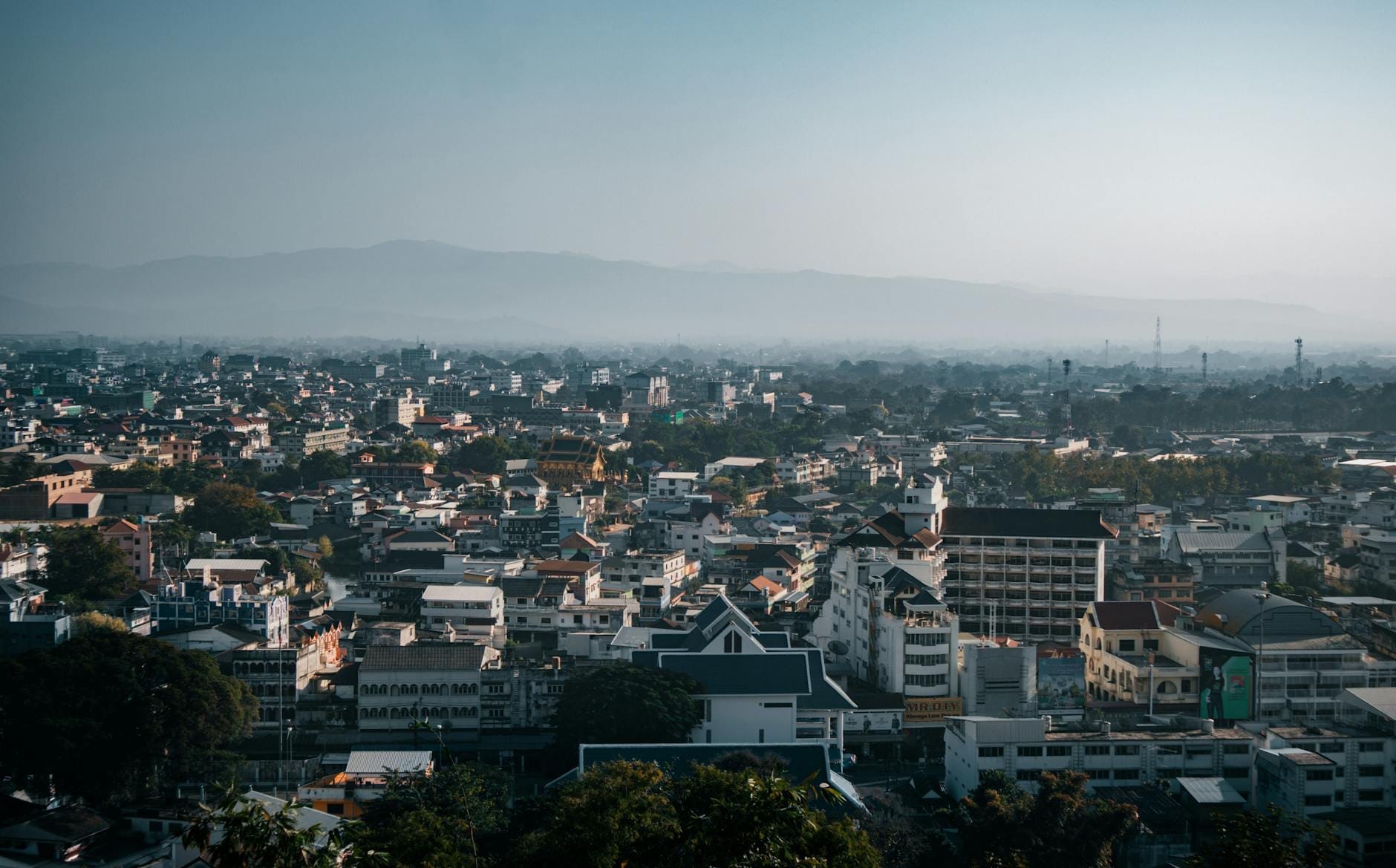
Chiang Rai's accommodation scene is more limited than Chiang Mai but has improved significantly in recent years. The area around the Night Bazaar and the Kok River is the most convenient base: close to dining, transport, and with easy access to songthaews heading to the temples. Budget guesthouses in this zone run 350-600 THB per night for a clean private room. Mid-range boutique hotels cost 1,200-2,500 THB and often include breakfast.
If you're deciding between a longer stay in Chiang Mai versus splitting time between the two cities, consider that Chiang Rai works best as an extension rather than a base. Chiang Mai has better infrastructure, more dining variety, and far more things to fill multiple days. The where to stay in Chiang Mai guide covers the best neighborhoods in detail if you're still figuring out your home base in northern Thailand.
- Budget (under 600 THB): Guesthouses near the Night Bazaar, Night Bazaar area hostels — clean, central, basic
- Mid-range (1,200-2,500 THB): Boutique hotels in the city center, often river-facing with breakfast included
- Splurge (3,000+ THB): Anantara Golden Triangle and The Riverie by Katathani (formerly Dusit Island Resort) offer luxury with views, but are notably removed from the city temples
- Avoid booking accommodation close to the White Temple unless you're a very early riser — the area has almost nothing to do after the temple closes
FAQ
Is a day trip from Chiang Mai to Chiang Rai worth it?
It's worth it if your itinerary doesn't allow an overnight stay, but you'll need to move efficiently. Prioritize two or three sites maximum — the White Temple, Blue Temple, and either the Black House or the Night Bazaar. An overnight stay gives you a much more relaxed experience and costs relatively little extra.
How long is the journey from Chiang Mai to Chiang Rai by bus?
The Greenbus service from Chiang Mai Arcade Terminal (Terminal 2) takes approximately 3 to 3.5 hours to Chiang Rai Bus Terminal 1. Buses run from around 6:00 AM to 5:30 PM and tickets cost 150-180 THB one-way. Traffic through Chiang Mai city can add 20-30 minutes during morning rush hour.
Can I visit the Golden Triangle on a day trip from Chiang Mai?
Technically yes, but it's a very long day. The Golden Triangle is about 60 km beyond Chiang Rai city, adding at least 1.5 hours of driving each way. The site itself — where Thailand, Laos, and Myanmar meet — is honestly underwhelming for most visitors: a riverside park, a large Buddha statue, and tourist shops. Unless border culture is a specific interest, skip it on a day trip and focus on Chiang Rai's temples.
What is the cheapest way to get from Chiang Mai to Chiang Rai?
The public Greenbus from Chiang Mai Arcade Terminal is the cheapest option at around 150-180 THB one-way. Minivans are slightly more expensive at 200-250 THB but may offer door-to-door pickup. Avoid booking through hotel desks, which often add a commission; buy directly at the terminal or through the Greenbus official website.
Is it safe to drive from Chiang Mai to Chiang Rai?
Yes, the route via Highway 118 is well-maintained and clearly signed. The road does have mountain curves and some narrow sections, so take care after rain when roads can be slippery. Night driving is not recommended for unfamiliar drivers due to poor road lighting and the risk of wildlife on the road. For context on general road safety in the region, the Chiang Mai safety guide covers what travelers should know.
Tickets & tours
Live prices and dates from our booking partner. If you book, we may earn a commission at no extra cost to you.
Planning a trip? Discover personalized activities with the Nomado app.