The Best Art Museums & Cultural Spaces in Chiang Mai
Chiang Mai is northern Thailand's cultural capital, and its museums, galleries, and creative spaces go far deeper than temple-hopping. This guide covers the best places to engage with Lanna heritage, contemporary Thai art, traditional crafts, and living creative communities across the city.
Tickets & tours
Live prices and dates from our booking partner. If you book, we may earn a commission at no extra cost to you.
Chiang Mai's cultural scene is one of the richest in Southeast Asia, shaped by 700 years of Lanna history, a thriving community of artists and artisans, and a steady influx of creative energy from Thailand's largest art school. The Old City holds the core of the city's heritage museums, while the Nimman neighborhood and the handicraft villages to the east represent a more contemporary and craft-focused side of the cultural map. Whether you have an afternoon or several days, this guide will help you build a meaningful itinerary around Chiang Mai's most rewarding cultural experiences. For broader trip planning, the 3-day Chiang Mai itinerary integrates several of these stops into a coherent route.
History Museums & Heritage Institutions
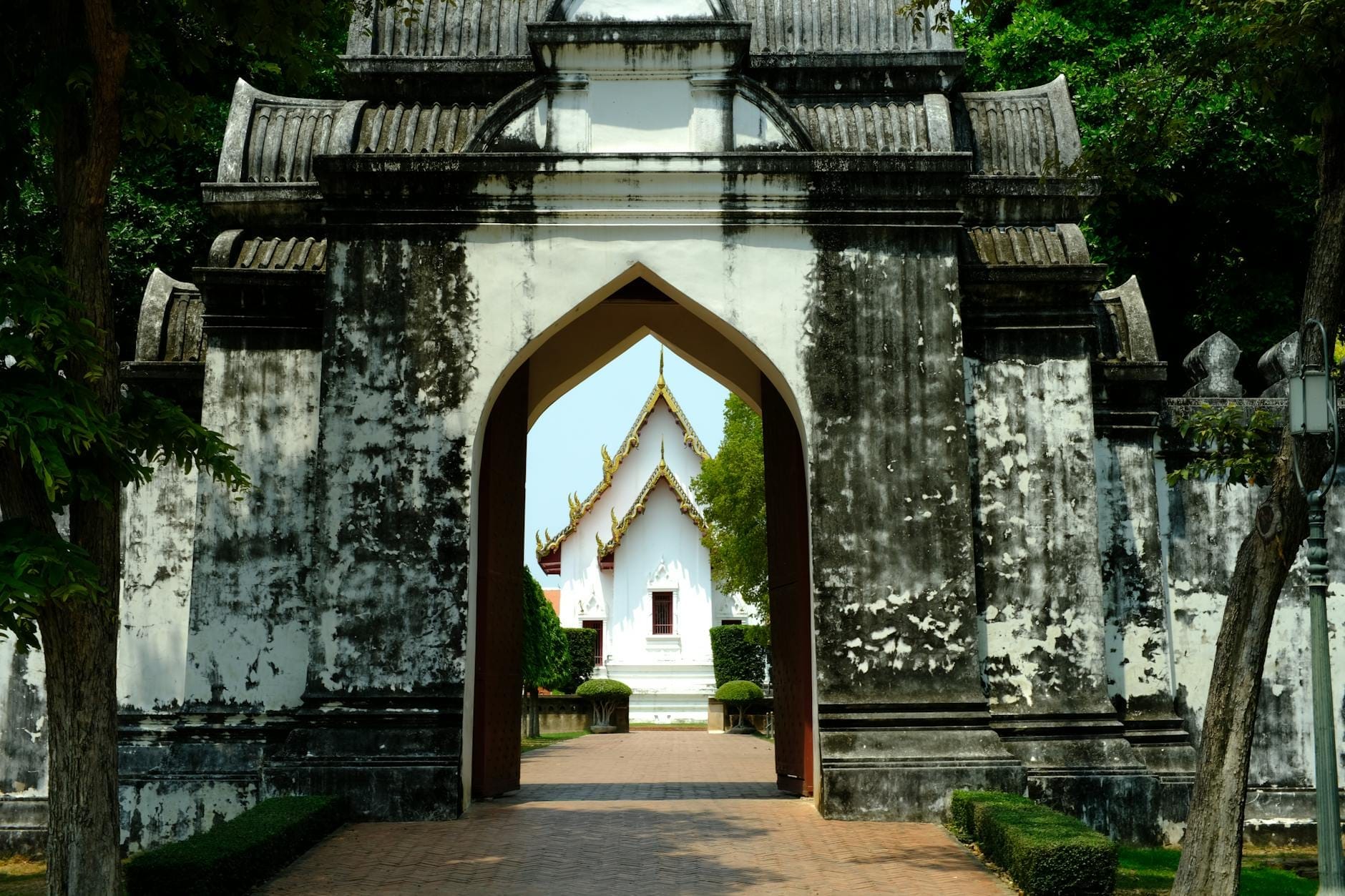
The Three Kings Monument square in the Old City is the heart of Chiang Mai's museum district, where three significant institutions sit within walking distance of each other. If you want deeper context on the Lanna kingdom before exploring, the Chiang Mai temples guide pairs well with this section.
1. Start Your Cultural Journey at the City Arts & Cultural Centre
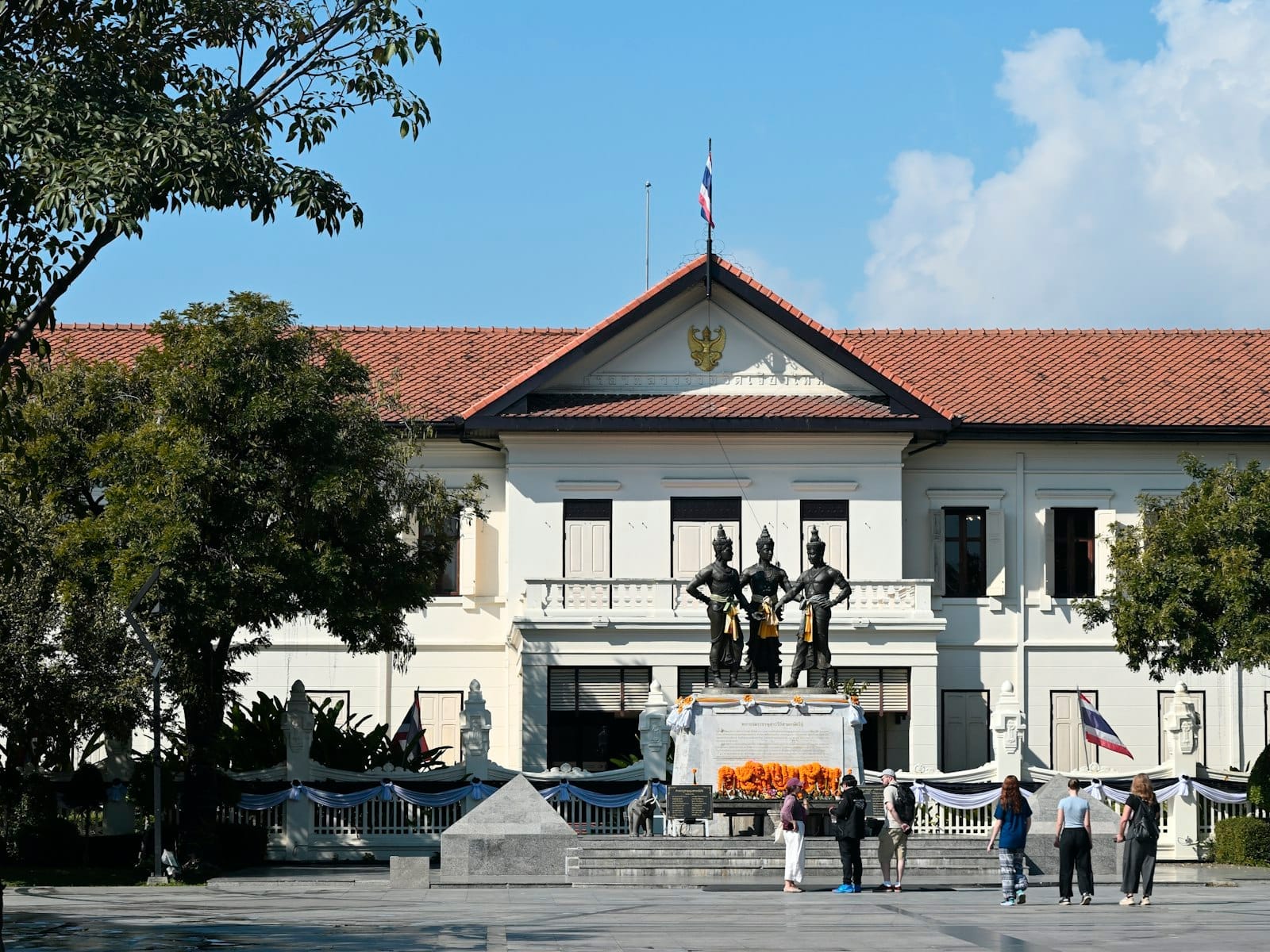
Housed in a restored colonial-era building, this is the single best introduction to Chiang Mai's history. Exhibits cover the founding of the Lanna kingdom through to the modern city, with bilingual panels and well-organized galleries. Allow 1.5 hours.
Explore1. Start Your Cultural Journey at the City Arts & Cultural Centre
Housed in a restored colonial-era building, this is the single best introduction to Chiang Mai's history. Exhibits cover the founding of the Lanna kingdom through to the modern city, with bilingual panels and well-organized galleries. Allow 1.5 hours.
Explore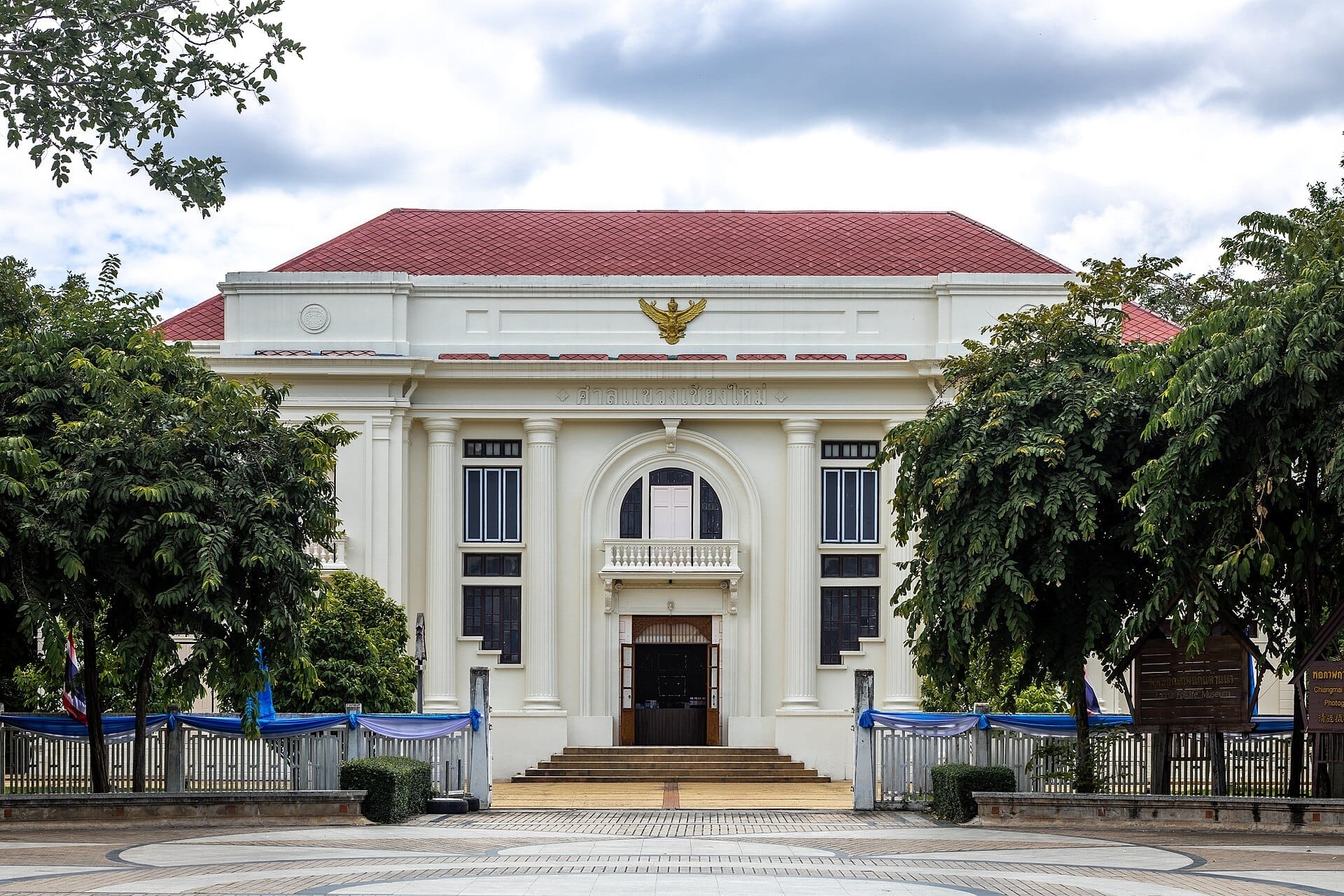
2. Experience Daily Lanna Life at the Folklife Museum
Set in the former Provincial Court beside the Three Kings Monument, this museum brings traditional Lanna domestic culture to life through detailed dioramas and reconstructed scenes. It's more immersive and intimate than the main cultural centre next door.
Explore2. Experience Daily Lanna Life at the Folklife Museum
Set in the former Provincial Court beside the Three Kings Monument, this museum brings traditional Lanna domestic culture to life through detailed dioramas and reconstructed scenes. It's more immersive and intimate than the main cultural centre next door.
Explore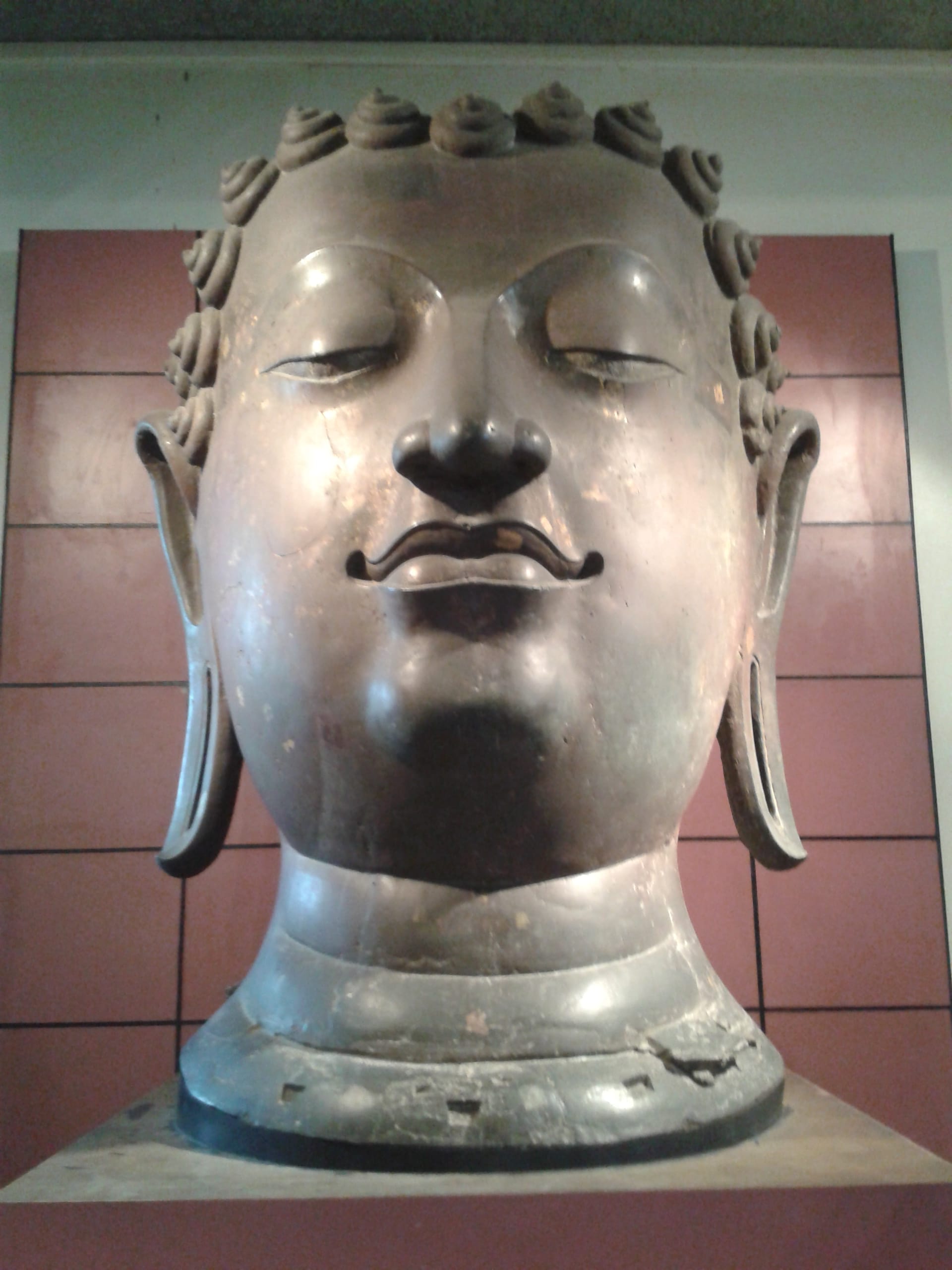
3. Explore Lanna Art & Artifacts at the National Museum
The most comprehensive collection of northern Thai art in the region, with Lanna-era Buddha images, ceramics, royal regalia, and historical objects. Less visited than the Old City museums, it rewards those who want scholarly depth. Budget 1-2 hours.
Explore3. Explore Lanna Art & Artifacts at the National Museum
The most comprehensive collection of northern Thai art in the region, with Lanna-era Buddha images, ceramics, royal regalia, and historical objects. Less visited than the Old City museums, it rewards those who want scholarly depth. Budget 1-2 hours.
Explore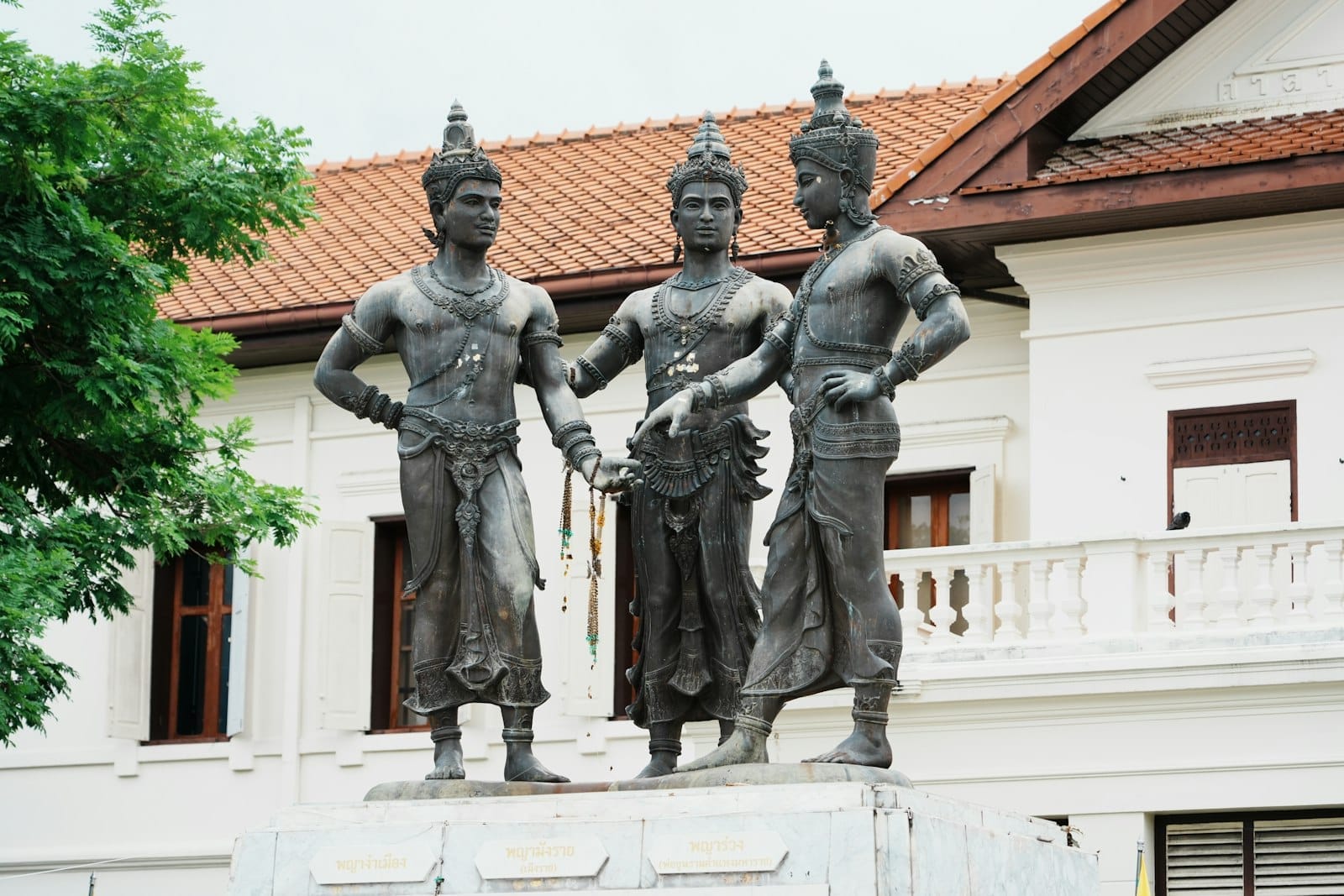
4. Orientate Yourself at the Three Kings Monument
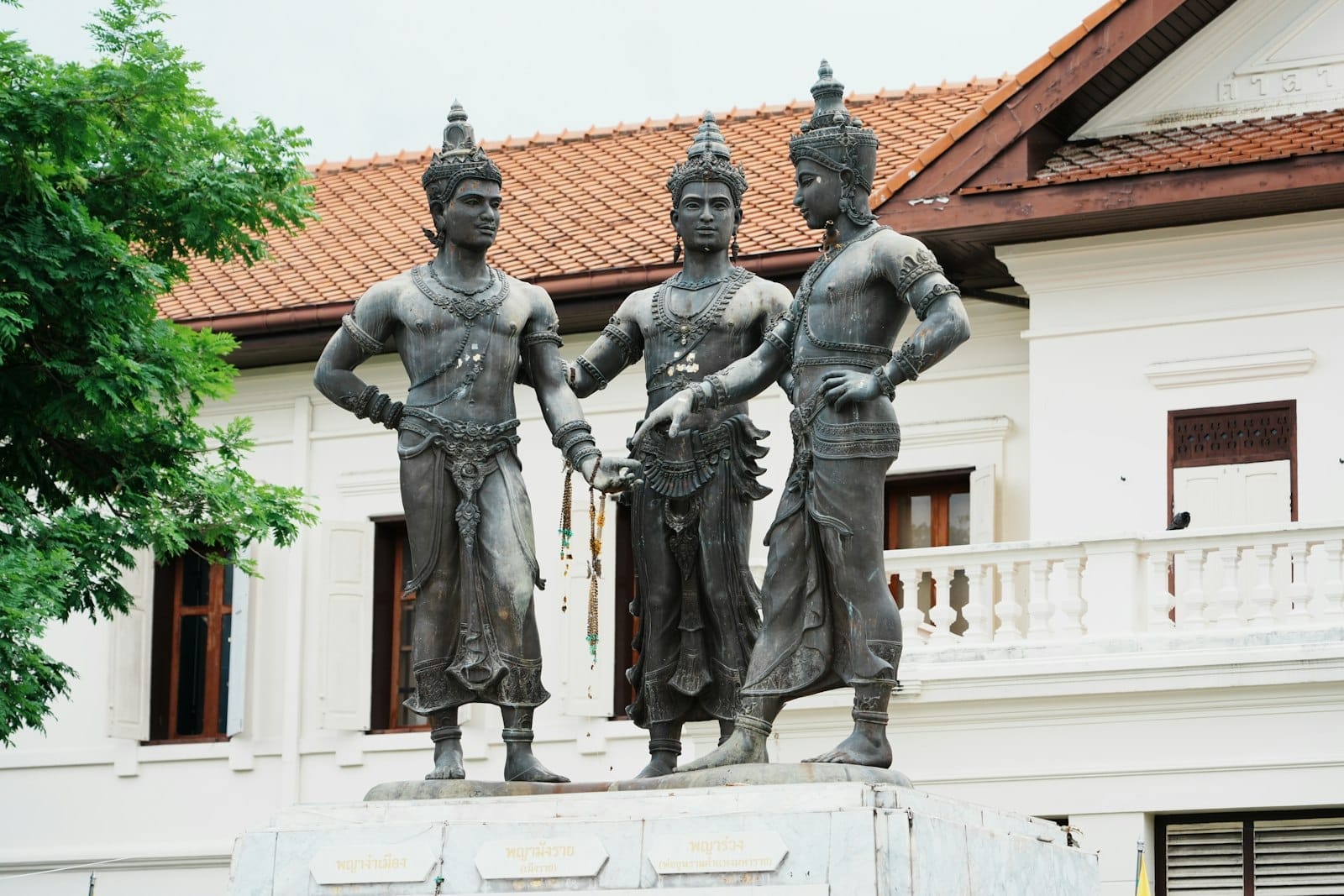
The bronze statues of Chiang Mai's three founding kings anchor the main museum square and serve as the symbolic heart of the historic district. It's a natural starting point for any cultural itinerary, surrounded by the city's most important heritage buildings.
Explore4. Orientate Yourself at the Three Kings Monument
The bronze statues of Chiang Mai's three founding kings anchor the main museum square and serve as the symbolic heart of the historic district. It's a natural starting point for any cultural itinerary, surrounded by the city's most important heritage buildings.
ExploreTemples as Living Art & Architecture
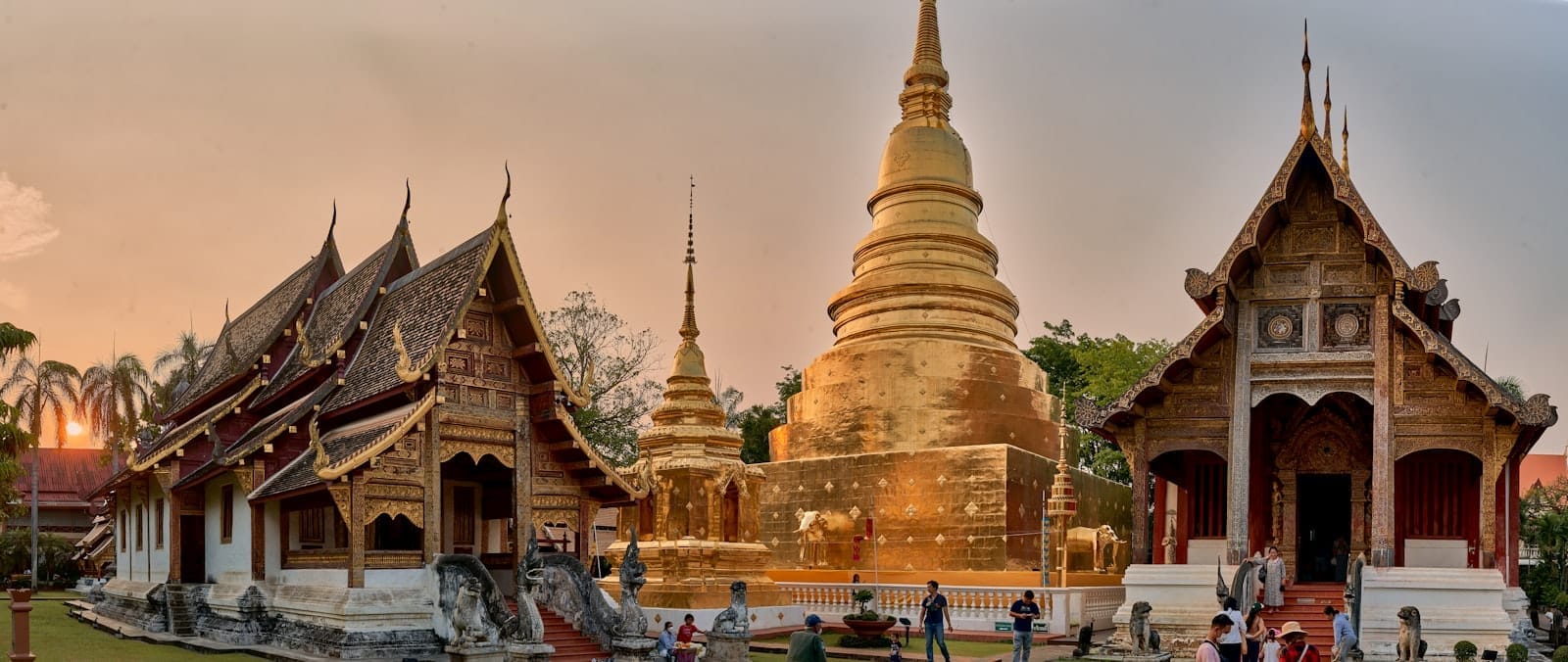
In Chiang Mai, temples are not just sacred sites — they are the primary repositories of Lanna art, woodcarving, mural painting, and metalwork. Several stand out specifically for their artistic and architectural significance. The photography guide identifies the best shooting spots within many of these.
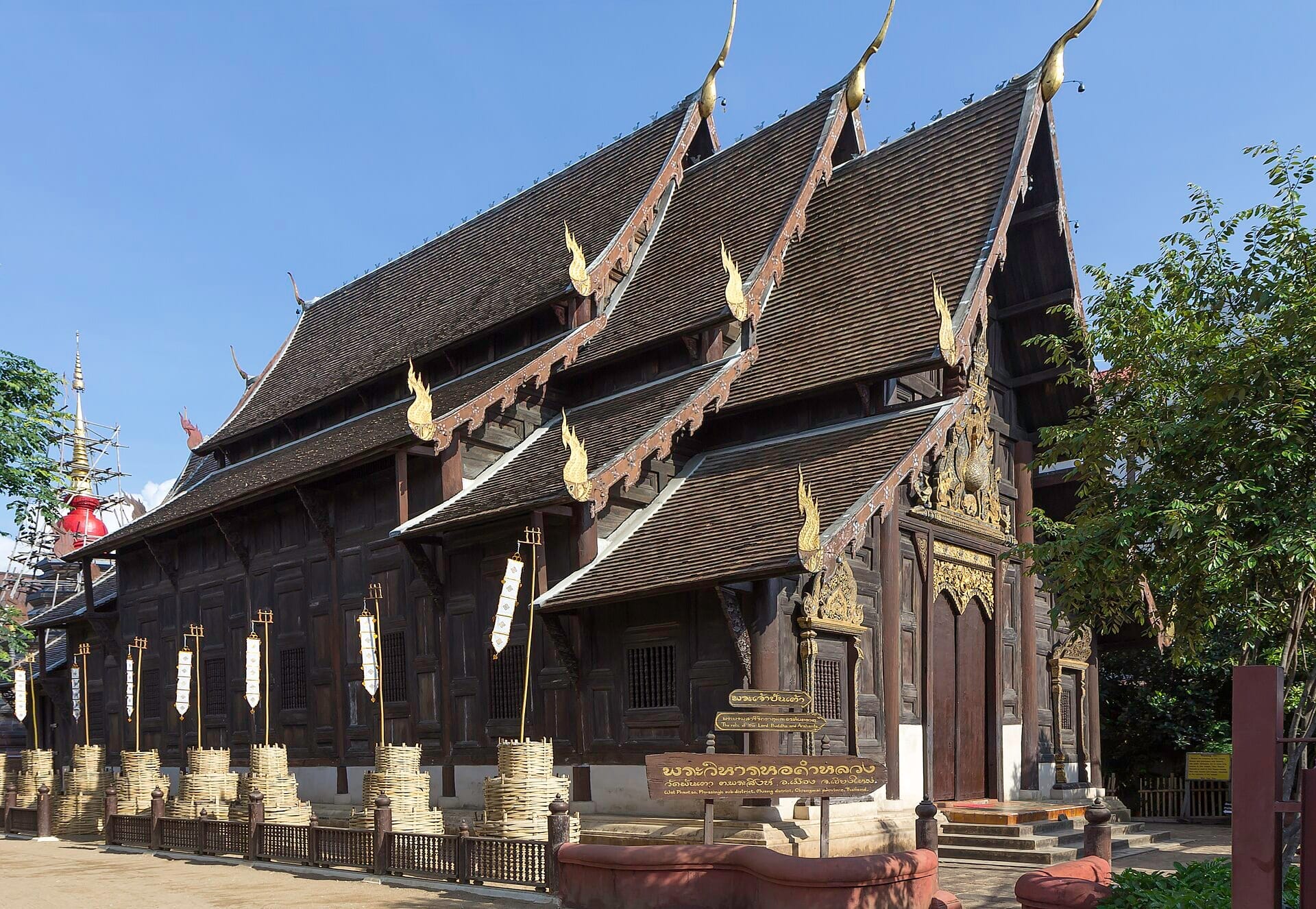
5. Admire Lanna Woodcarving at Wat Phan Tao
Built almost entirely from teak, this temple's golden viharn is one of the most artistically refined buildings in the Old City. The intricate carved facade and warm amber interior are extraordinary at dusk, when low light catches every detail. Don't skip it.
Explore5. Admire Lanna Woodcarving at Wat Phan Tao
Built almost entirely from teak, this temple's golden viharn is one of the most artistically refined buildings in the Old City. The intricate carved facade and warm amber interior are extraordinary at dusk, when low light catches every detail. Don't skip it.
Explore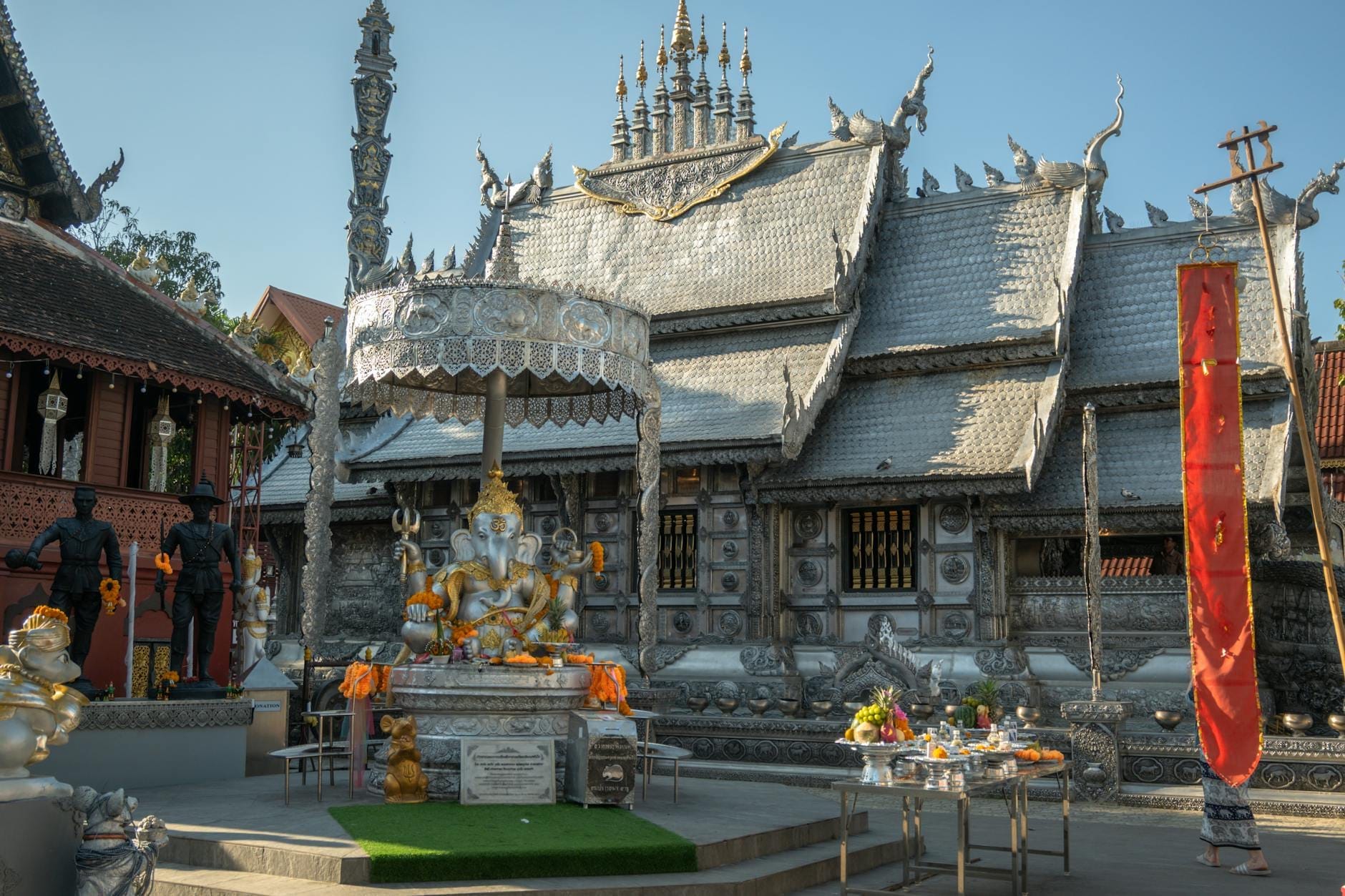
6. See Living Silversmith Art at the Silver Temple
Every surface of this Wualai district temple is covered in hand-worked silver and mirrored metalwork, crafted by local artisans who continue to add to it. The ubosot is restricted to men, but the exterior and surrounding craft context are open to all visitors.
Explore6. See Living Silversmith Art at the Silver Temple
Every surface of this Wualai district temple is covered in hand-worked silver and mirrored metalwork, crafted by local artisans who continue to add to it. The ubosot is restricted to men, but the exterior and surrounding craft context are open to all visitors.
Explore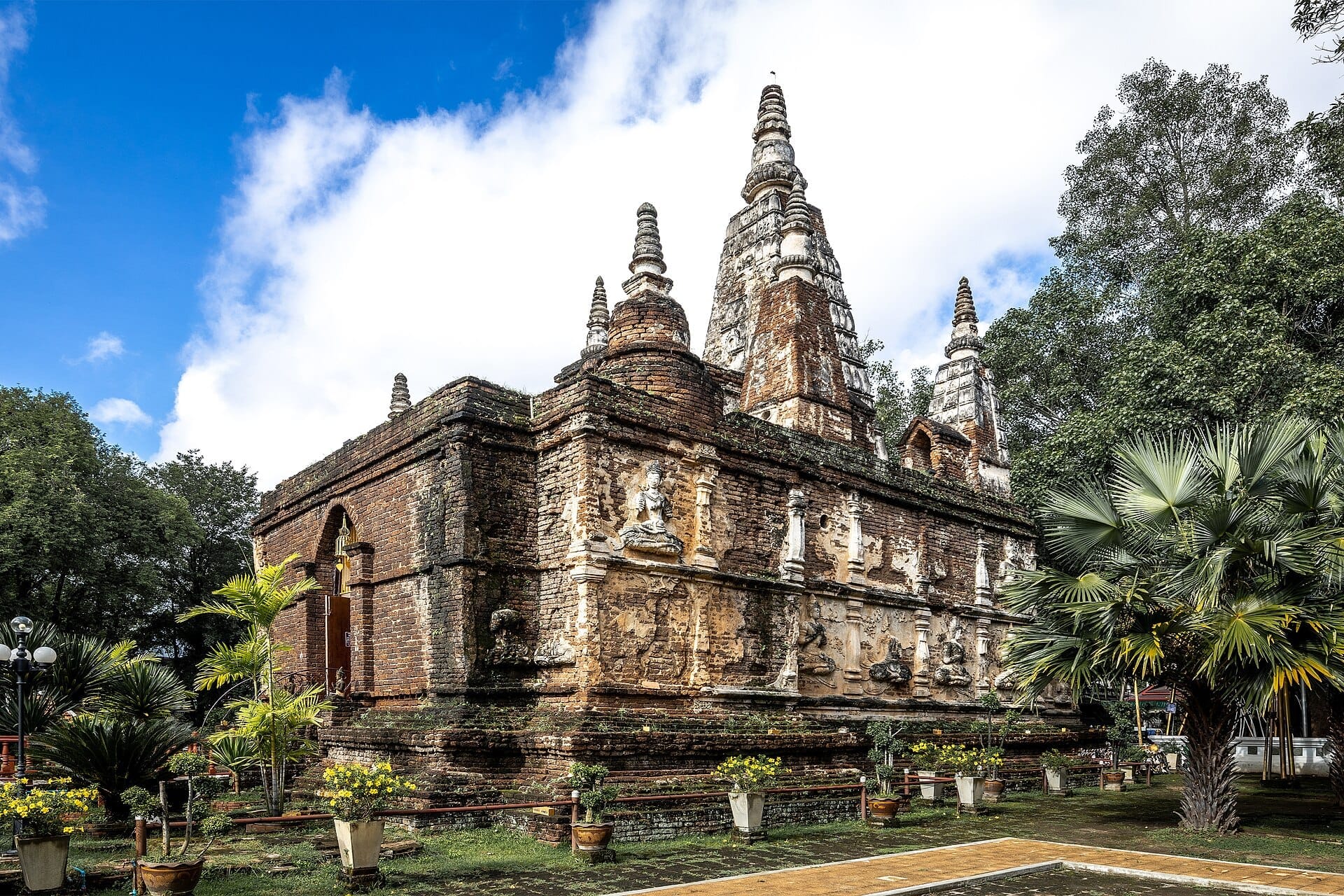
7. Study India's Influence on Lanna at Wat Jed Yod
The seven-spired chedi modeled on Bodh Gaya's Mahabodhi Temple reveals the breadth of Lanna cultural exchange. The bas-relief devata figures on the chedi walls are considered some of the finest surviving examples of 15th-century Lanna sculpture. Peaceful and rarely crowded.
Explore7. Study India's Influence on Lanna at Wat Jed Yod
The seven-spired chedi modeled on Bodh Gaya's Mahabodhi Temple reveals the breadth of Lanna cultural exchange. The bas-relief devata figures on the chedi walls are considered some of the finest surviving examples of 15th-century Lanna sculpture. Peaceful and rarely crowded.
Explore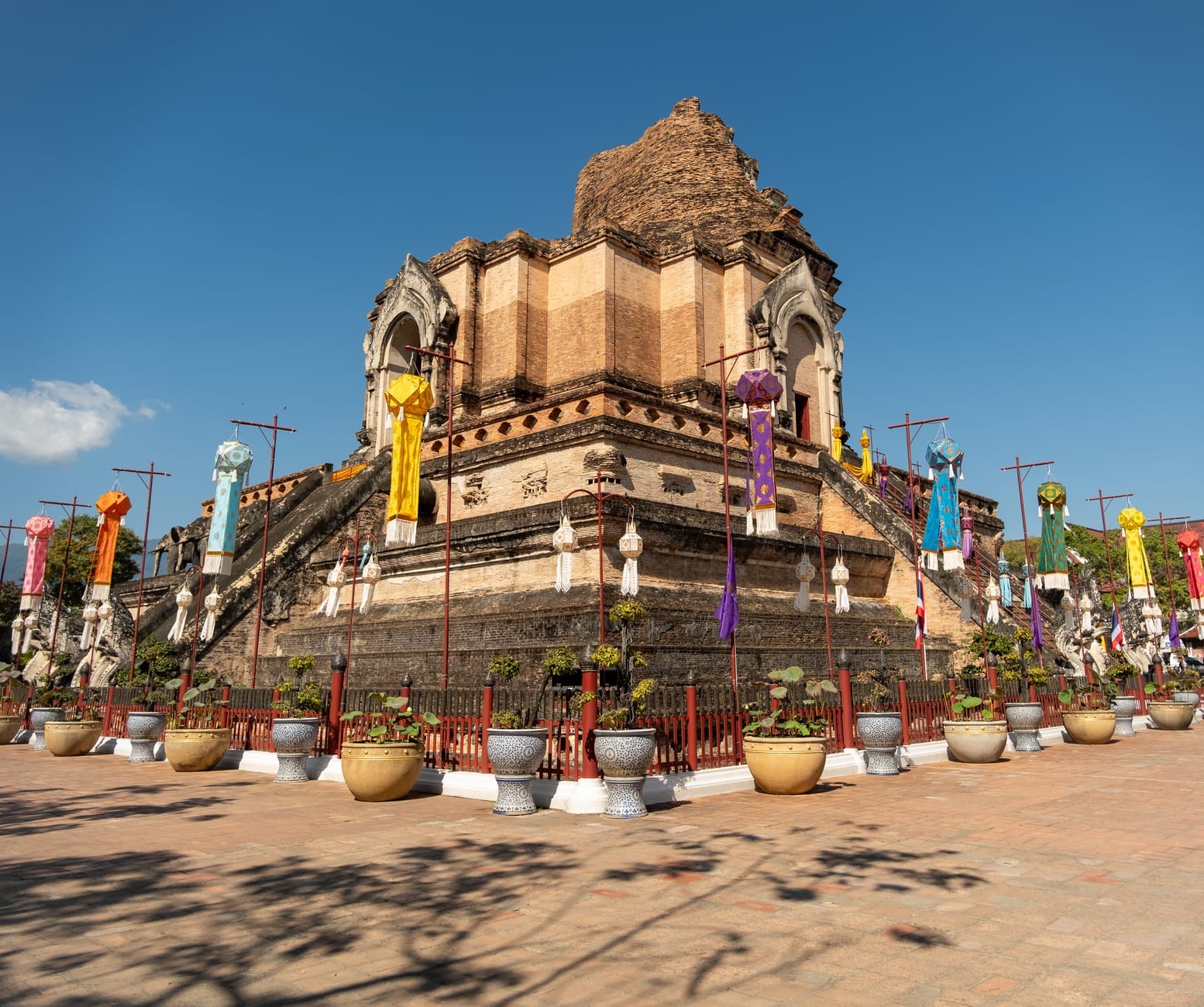
8. Witness the Scale of Lanna Architecture at Wat Chedi Luang
The partially ruined 15th-century chedi still dominates the Old City skyline and conveys the ambition of Lanna builders at their peak. The temple complex includes a reconstructed viharn with detailed murals and a city pillar shrine. Evening monk chats add cultural depth.
Explore8. Witness the Scale of Lanna Architecture at Wat Chedi Luang
The partially ruined 15th-century chedi still dominates the Old City skyline and conveys the ambition of Lanna builders at their peak. The temple complex includes a reconstructed viharn with detailed murals and a city pillar shrine. Evening monk chats add cultural depth.
Explore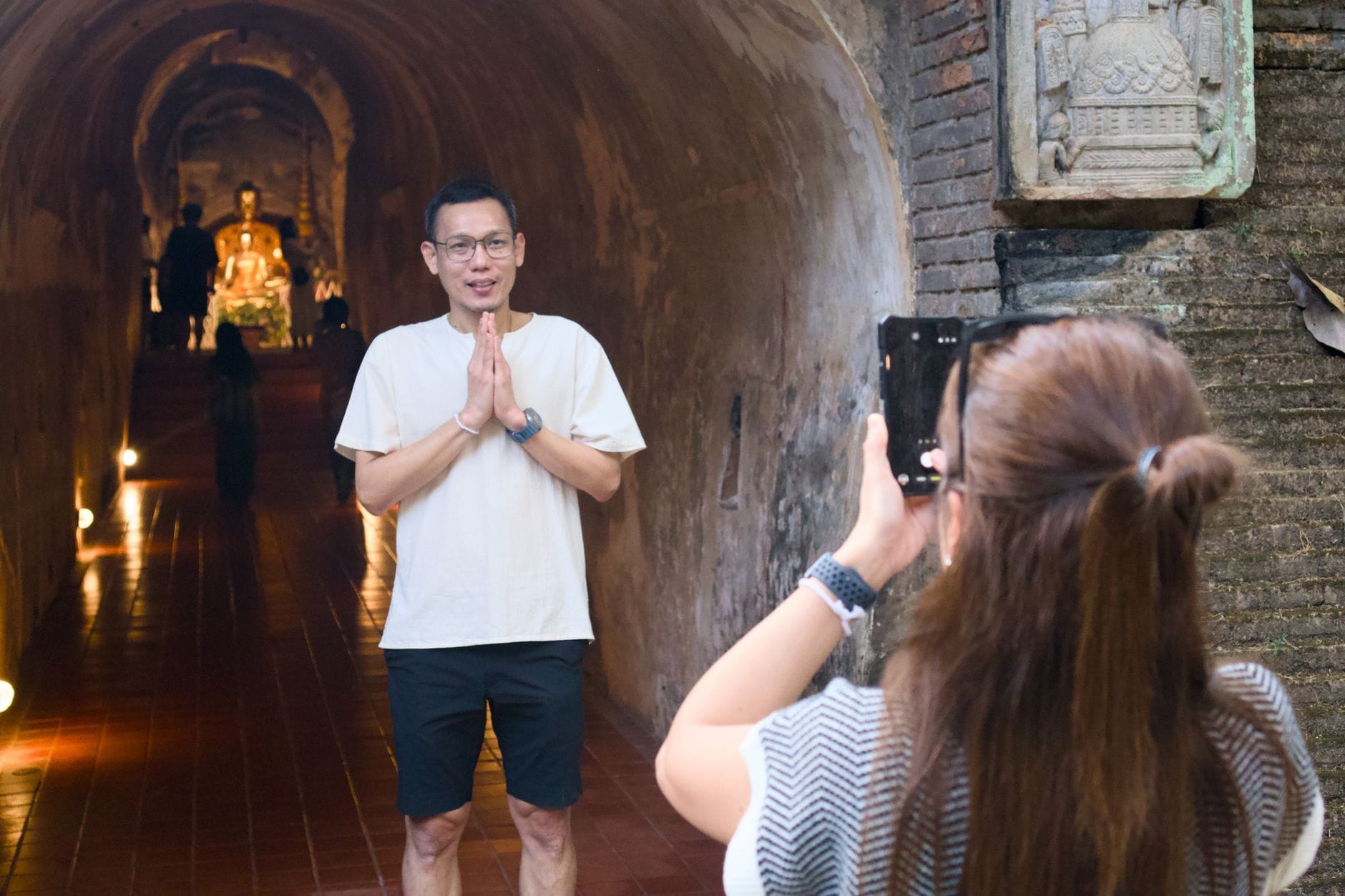
9. Discover Ancient Murals in the Tunnel Temple
Wat Umong's 14th-century brick tunnels contain faded but significant mural fragments and Buddha images, making it one of the oldest artistic sites in Chiang Mai. The forested grounds and reflective atmosphere set it apart from any other temple in the city.
Explore9. Discover Ancient Murals in the Tunnel Temple
Wat Umong's 14th-century brick tunnels contain faded but significant mural fragments and Buddha images, making it one of the oldest artistic sites in Chiang Mai. The forested grounds and reflective atmosphere set it apart from any other temple in the city.
ExploreCreative Neighborhoods & Artist Spaces
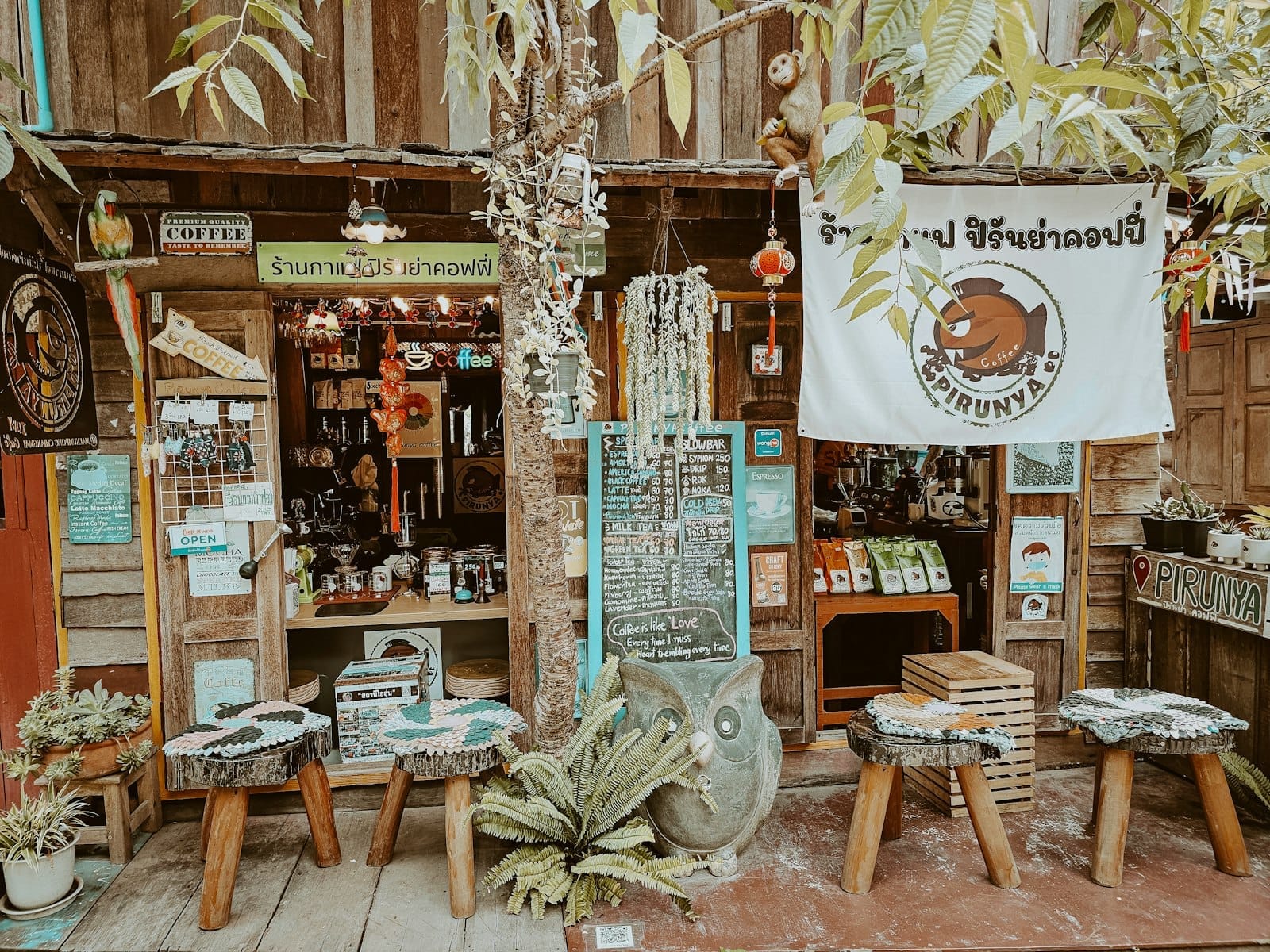
Beyond the museums, Chiang Mai has a thriving contemporary creative scene centered on the Nimman area and pockets near Wat Umong. For a deeper look at independent cafes and galleries woven into this neighborhood, the coffee shops guide maps many of the best creative spaces alongside their espresso offerings.
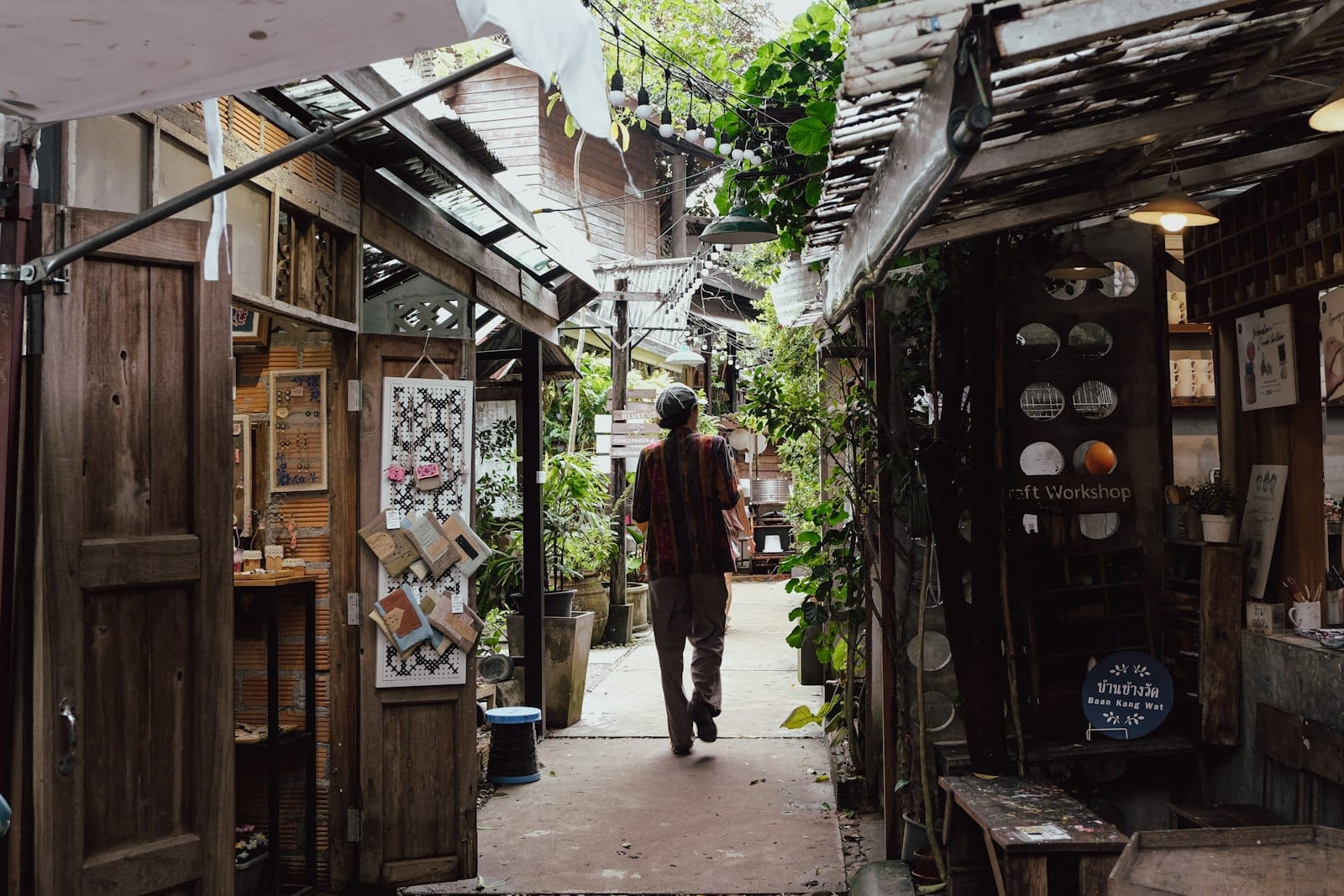
10. Browse Local Artists at Baan Kang Wat Artist Village
A cluster of wooden studios near Wat Umong where painters, ceramicists, jewelers, and textile designers sell directly from their workshops. Weekend afternoons are liveliest. It's the most authentic creative community in Chiang Mai, with a garden setting that's pleasant to wander.
Explore10. Browse Local Artists at Baan Kang Wat Artist Village
A cluster of wooden studios near Wat Umong where painters, ceramicists, jewelers, and textile designers sell directly from their workshops. Weekend afternoons are liveliest. It's the most authentic creative community in Chiang Mai, with a garden setting that's pleasant to wander.
Explore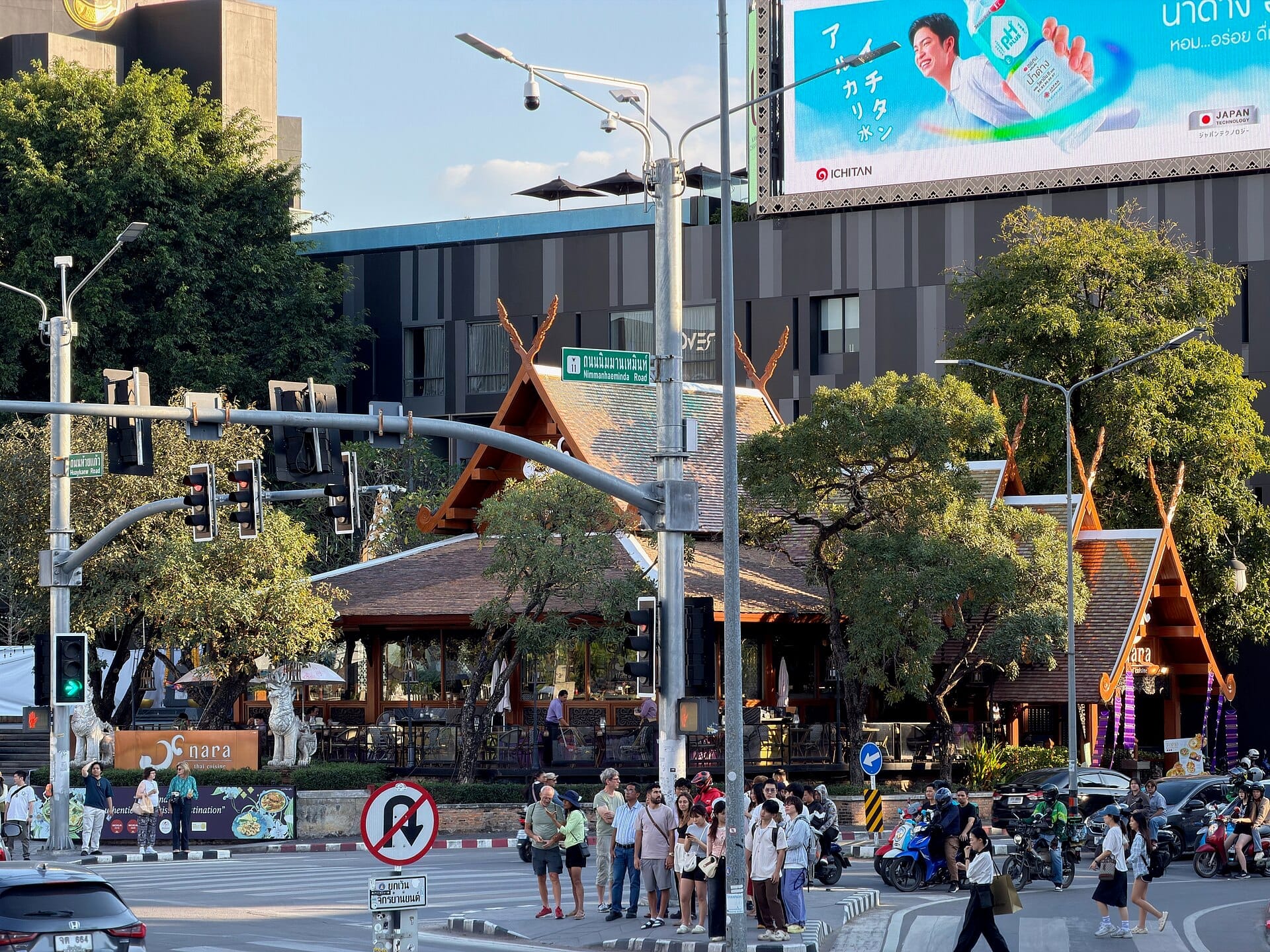
11. Gallery-Hop Along Nimmanhaemin Road
The sois branching off Nimman's main road contain small galleries, design boutiques, and studio-cafes showing work by local and regional artists. There's no fixed circuit — the best approach is to wander and duck into anything interesting. Busiest on weekend evenings.
Explore11. Gallery-Hop Along Nimmanhaemin Road
The sois branching off Nimman's main road contain small galleries, design boutiques, and studio-cafes showing work by local and regional artists. There's no fixed circuit — the best approach is to wander and duck into anything interesting. Busiest on weekend evenings.
Explore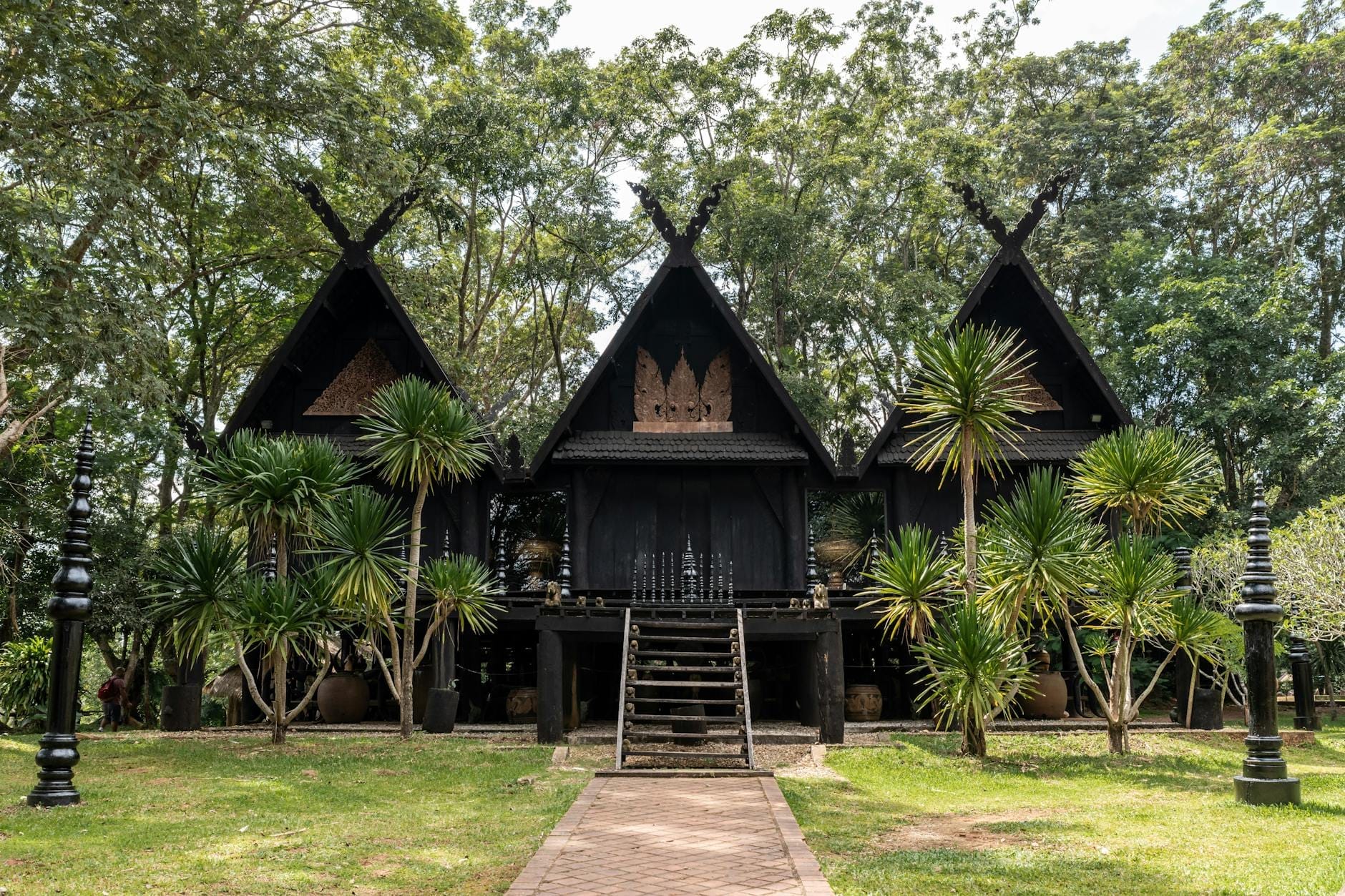
12. See Authentic Lanna Architecture at CMU's House Museum
The Chiang Mai University campus preserves a collection of genuine Lanna wooden houses as a living architecture museum. The carved facades, raised foundations, and spatial layout tell a clear story about northern Thai domestic life. Easy to combine with a walk at Ang Kaew.
Explore12. See Authentic Lanna Architecture at CMU's House Museum
The Chiang Mai University campus preserves a collection of genuine Lanna wooden houses as a living architecture museum. The carved facades, raised foundations, and spatial layout tell a clear story about northern Thai domestic life. Easy to combine with a walk at Ang Kaew.
Explore💡 Local tip
The three museums around Three Kings Monument (Chiang Mai City Arts & Cultural Center, Lanna Folklife Museum, and Chiang Mai Historical Centre) have historically shared a combined ticket, but as of the latest updates their operations and ticketing have been subject to change, so check current details locally before planning on a single pass for all three in one day.
Craft Villages & Living Traditions
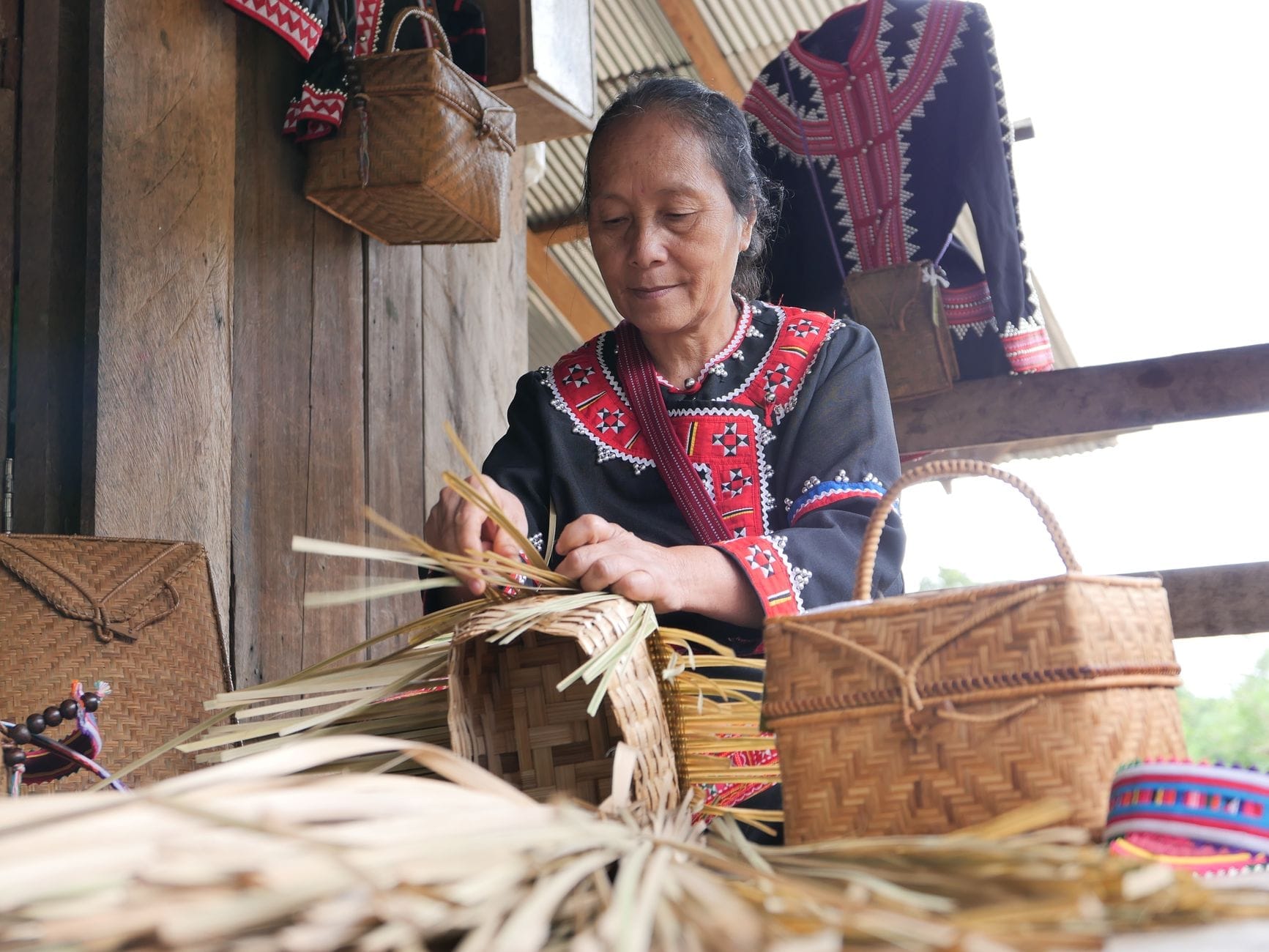
East of Chiang Mai along the San Kamphaeng road, a series of handicraft villages represent centuries of specialized artisanal practice. These are not tourist recreations — they are working production communities where you can watch craft processes and buy directly from makers. The Chiang Mai shopping guide covers pricing and what to look for when buying.
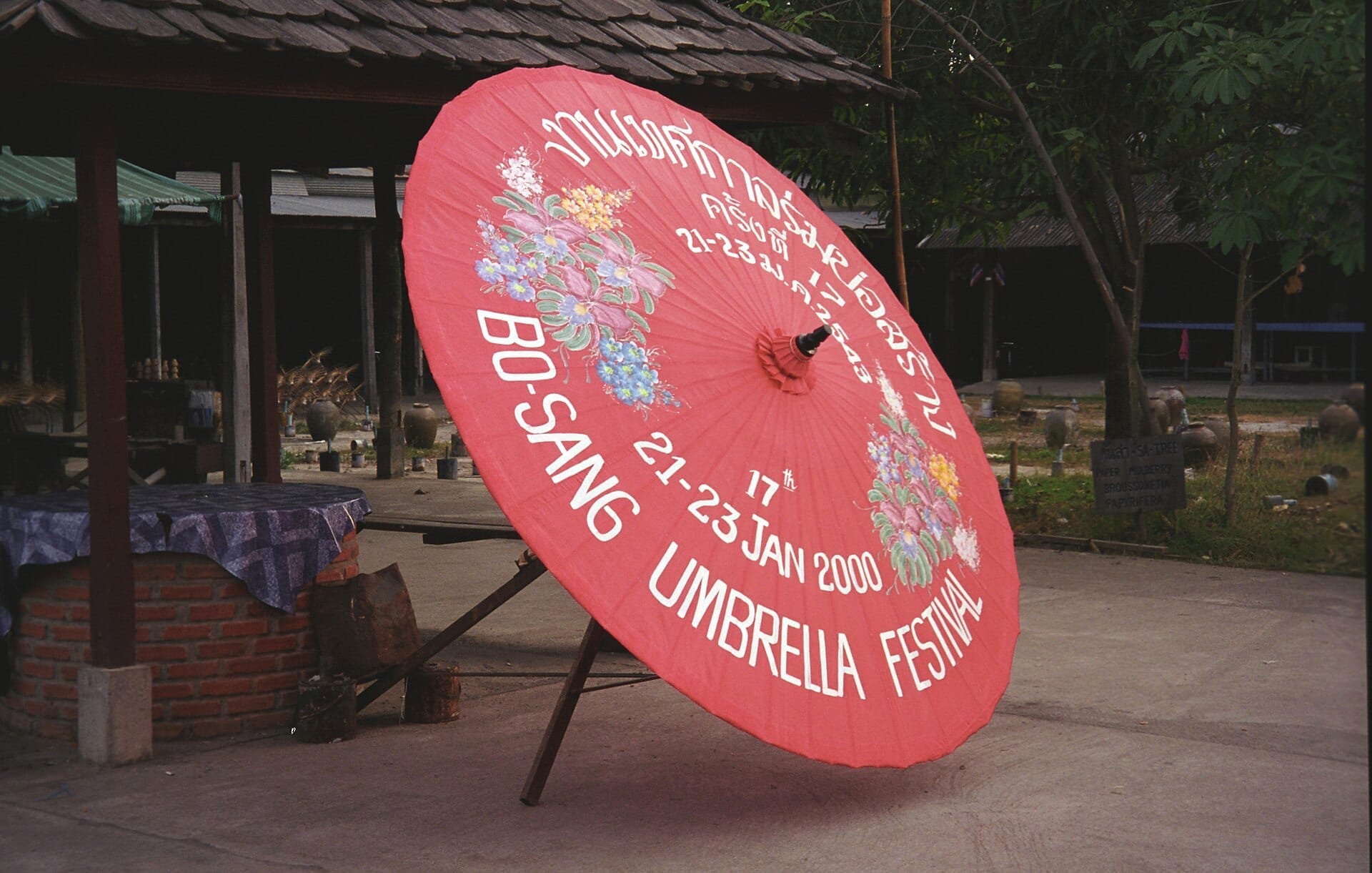
13. Watch Hand-Painted Parasols Being Made at Bo Sang
Artisans in Bo Sang have made lacquered paper and silk parasols for centuries, and visitors can watch every stage of the process in open workshops. The January Umbrella Festival adds street performances and decorated floats. A 15-minute drive east of the city.
Explore13. Watch Hand-Painted Parasols Being Made at Bo Sang
Artisans in Bo Sang have made lacquered paper and silk parasols for centuries, and visitors can watch every stage of the process in open workshops. The January Umbrella Festival adds street performances and decorated floats. A 15-minute drive east of the city.
Explore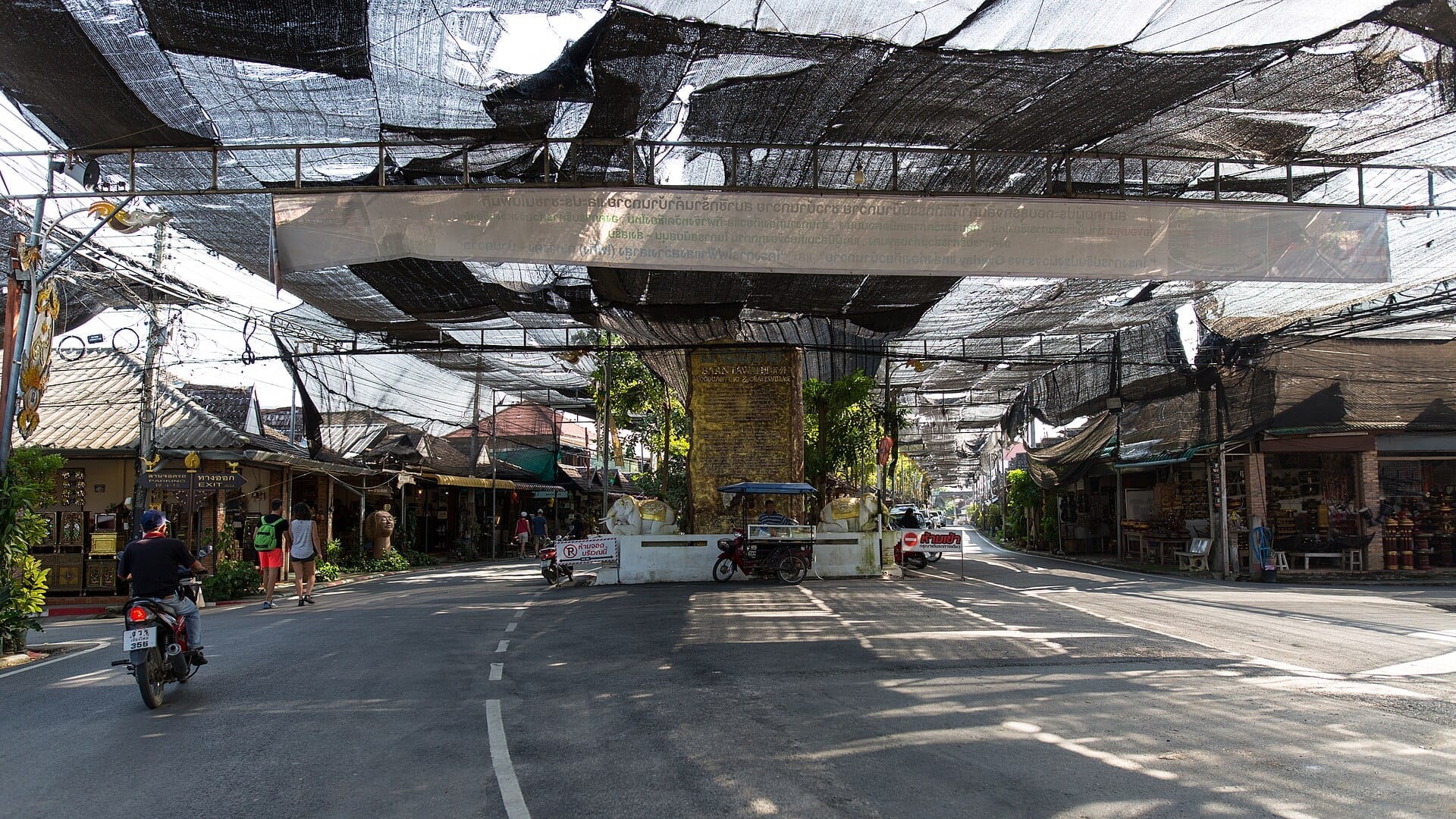
14. See Master Woodcarvers at Work in Baan Tawai
Dozens of workshops line the roads of this village south of Chiang Mai, producing teak furniture, religious sculptures, and decorative carvings. Watch craftsmen shaping raw timber into finished pieces, or browse the showrooms for gallery-quality works. International shipping is available.
Explore14. See Master Woodcarvers at Work in Baan Tawai
Dozens of workshops line the roads of this village south of Chiang Mai, producing teak furniture, religious sculptures, and decorative carvings. Watch craftsmen shaping raw timber into finished pieces, or browse the showrooms for gallery-quality works. International shipping is available.
Explore
15. Learn About Hmong Textile Art at Doi Pui Village
The Hmong people are known for some of the most intricate textile traditions in Southeast Asia, and this village on Doi Suthep's slopes has a small museum explaining their history and crafts. Best visited as part of a Doi Suthep day trip to add cultural context.
Explore15. Learn About Hmong Textile Art at Doi Pui Village
The Hmong people are known for some of the most intricate textile traditions in Southeast Asia, and this village on Doi Suthep's slopes has a small museum explaining their history and crafts. Best visited as part of a Doi Suthep day trip to add cultural context.
ExploreInteractive & Contemporary Cultural Experiences
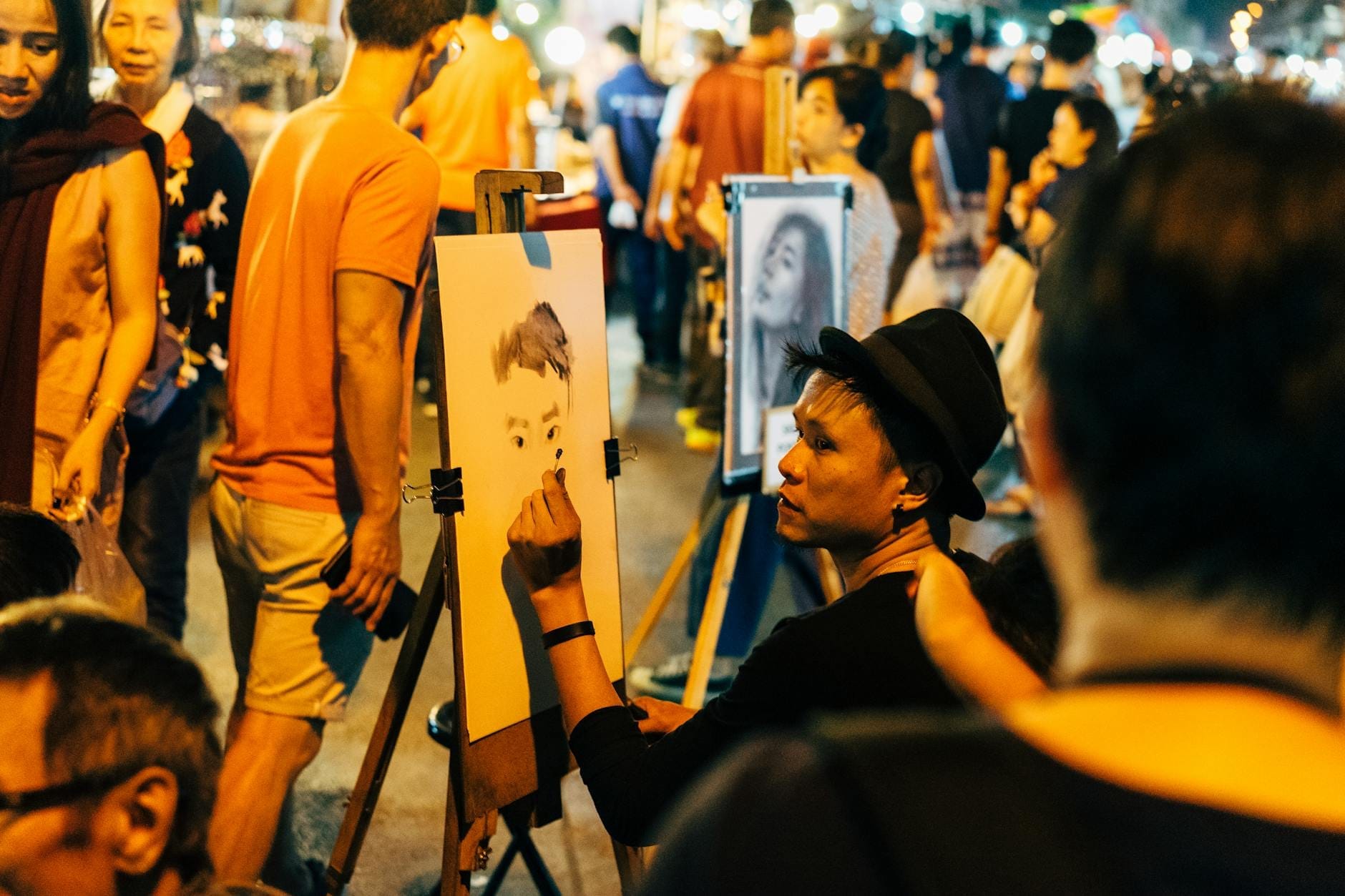

16. Step Inside a Painting at Art in Paradise
This 3D optical illusion museum invites visitors to become part of large-scale painted scenes through clever perspective. It's unashamedly fun rather than fine art, and enormously popular for groups and families. Allow 1-1.5 hours and bring a camera — that's the whole point.
Explore16. Step Inside a Painting at Art in Paradise
This 3D optical illusion museum invites visitors to become part of large-scale painted scenes through clever perspective. It's unashamedly fun rather than fine art, and enormously popular for groups and families. Allow 1-1.5 hours and bring a camera — that's the whole point.
Explore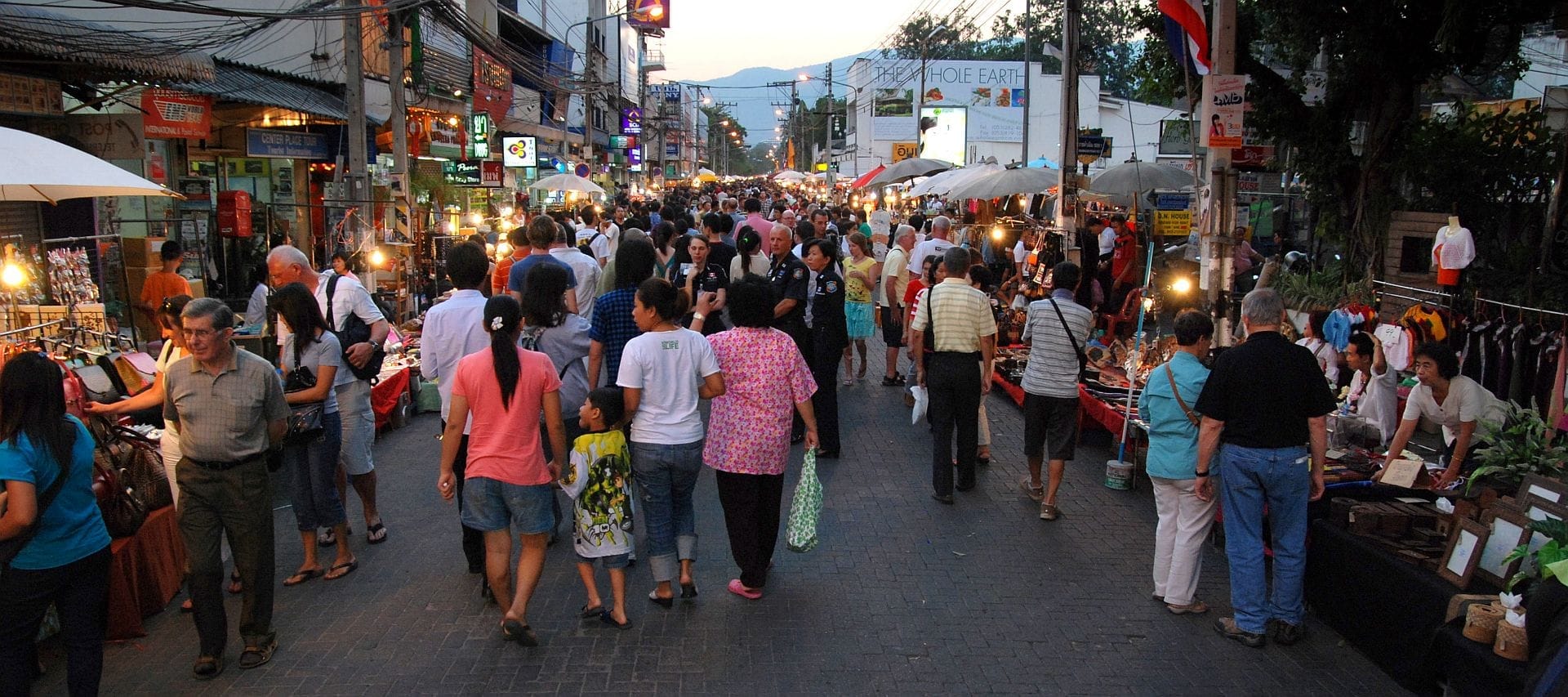
17. Shop for Art & Craft on Sunday Walking Street
Ratchadamnoen Road fills every Sunday evening with vendors selling handmade paintings, block-print textiles, silver jewelry, and ceramics alongside street food. It's the best weekly showcase of Chiang Mai's artisan community and far more craft-focused than the Night Bazaar.
Explore17. Shop for Art & Craft on Sunday Walking Street
Ratchadamnoen Road fills every Sunday evening with vendors selling handmade paintings, block-print textiles, silver jewelry, and ceramics alongside street food. It's the best weekly showcase of Chiang Mai's artisan community and far more craft-focused than the Night Bazaar.
Explore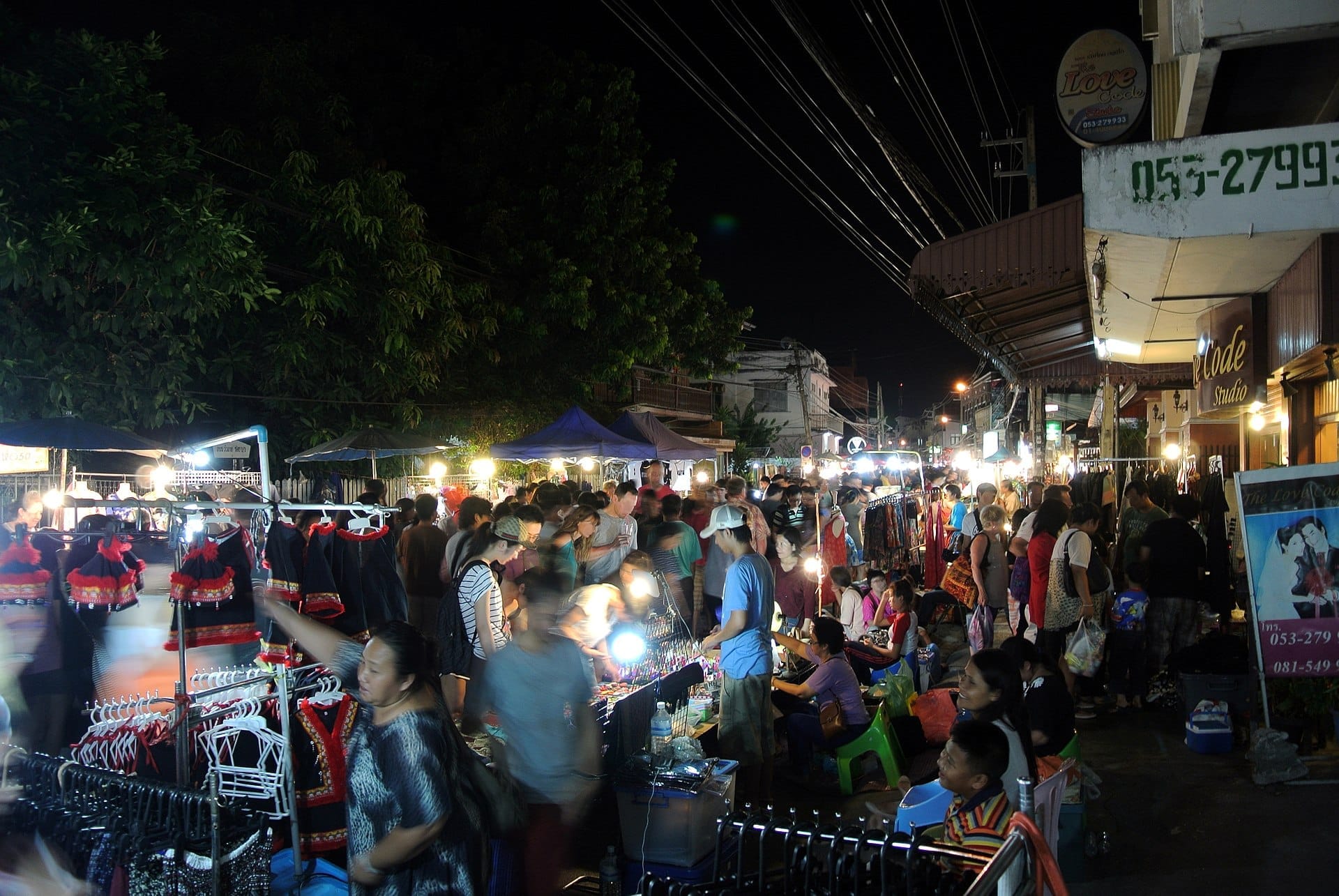
18. Explore Silver Crafts on Wua Lai's Saturday Market
The Wualai silversmith district hosts a Saturday walking market with strong craft credentials — local silver workshops line the street, and many vendors specialize in handmade jewelry and decorative metalwork. More local in character than the Sunday market. Starts at 4pm.
Explore18. Explore Silver Crafts on Wua Lai's Saturday Market
The Wualai silversmith district hosts a Saturday walking market with strong craft credentials — local silver workshops line the street, and many vendors specialize in handmade jewelry and decorative metalwork. More local in character than the Sunday market. Starts at 4pm.
ExploreFAQ
What is the best museum to visit in Chiang Mai for first-timers?
The Chiang Mai City Arts and Cultural Center by Three Kings Monument is often recommended as the best starting point when it is open. It gives a clear overview of Lanna history and the city's development in a beautifully restored building. Plan around 1.5 hours, then walk directly to the Lanna Folklife Museum next door.
Are there entrance fees for Chiang Mai's museums?
Yes, but fees are modest. The City Arts & Cultural Center, Lanna Folklife Museum, and Chiang Mai Historical Centre have historically each charged around 90 THB individually and offered a discounted combined ticket, but current prices and the combined ticket’s availability should be confirmed on-site as they have changed over time. The National Museum charges around 100 THB for adults, though exact pricing may vary slightly over time and by category. Temples are generally free or ask for a small donation, though Wat Phra That Doi Suthep charges 50 THB.
Which temples are most significant for their art and architecture specifically?
For artistic merit, focus on Wat Phan Tao (teak woodcarving), Wat Sri Suphan (silver metalwork), Wat Jed Yod (Lanna sculpture and Indian-influenced architecture), and Wat Chedi Luang (scale and murals). Wat Umong is essential for its ancient tunnel complex with traces of old murals and its meditative forest setting.
How do I get to the handicraft villages from central Chiang Mai?
The handicraft villages along the San Kamphaeng road are easiest to reach by rented motorbike or songthaew (shared red truck). Bo Sang is about 9–10 km east of the city and Baan Tawai is south, near Hang Dong. Most guesthouses can arrange a dedicated tuk-tuk or guided half-day trip covering several villages in one go.
When is the best time to visit Chiang Mai's art and cultural spaces?
The cool season from November to February is ideal — comfortable temperatures make walking between outdoor sites pleasant, and the annual Bo Sang Umbrella Festival in January is a cultural highlight. The Sunday Walking Street runs year-round regardless of season. Avoid February to April during burning season when air quality can be poor outdoors.
Tickets & tours
Live prices and dates from our booking partner. If you book, we may earn a commission at no extra cost to you.
Planning a trip? Discover personalized activities with the Nomado app.