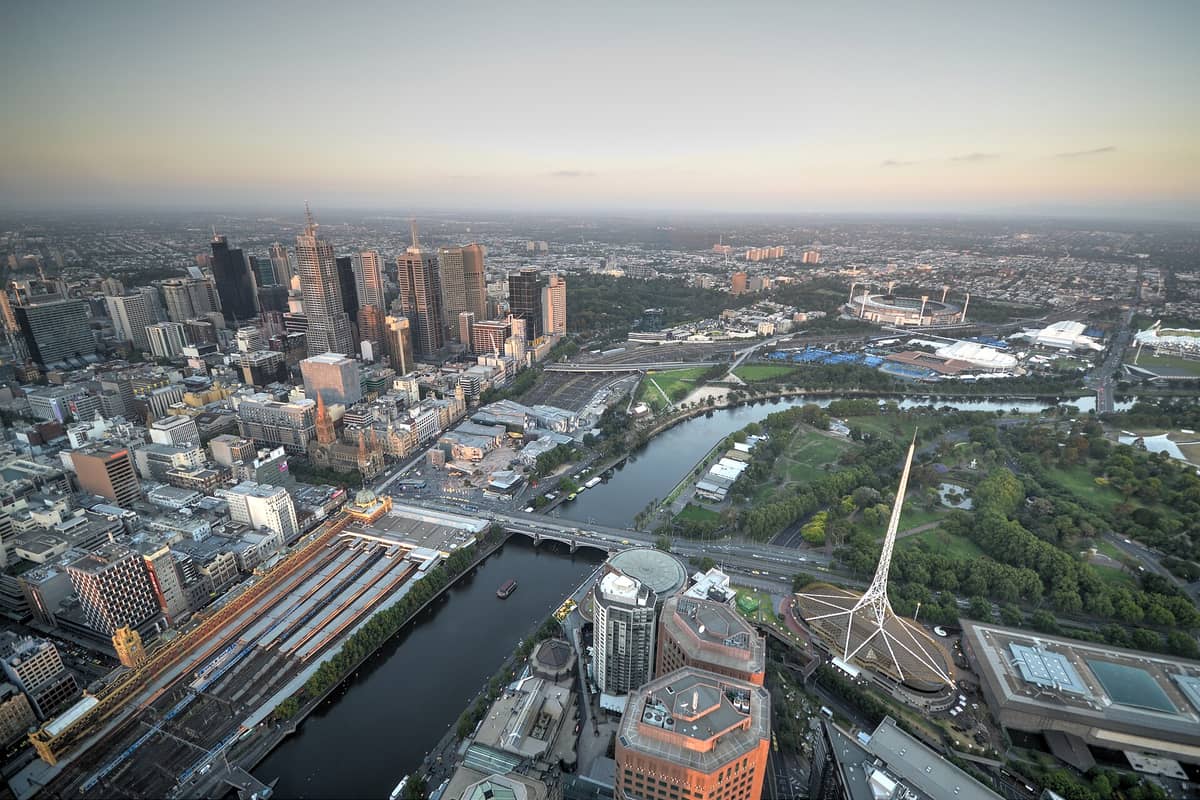
Melbourne's Central Business District is the beating commercial and cultural core of Victoria's capital, built on the historic Hoddle Grid and stretching from the Yarra River to La Trobe Street. It packs world-class galleries, Victorian-era arcades, celebrated laneways, and a genuinely excellent food scene into a walkable, tram-threaded downtown. Whether you're here for a day or a week, the CBD rewards slow exploration on foot.
Melbourne's CBD is one of the most walkable and culturally layered city centres in Australia, where Gothic Revival train stations stand opposite modernist public squares and nineteenth-century shopping arcades share blocks with specialty coffee roasters. It sits on land belonging to the Wurundjeri Woi-wurrung and Bunurong peoples of the Kulin Nation, a history acknowledged at sites across the city. The grid is logical, the trams are frequent, and almost everything worth seeing is closer together than the maps suggest.
Orientation
The Melbourne CBD is organised around the Hoddle Grid, a tight rectangular street plan laid out by surveyor Robert Hoddle in 1837. Its core boundaries run from the Yarra River in the south to La Trobe Street in the north, and from Wurundjeri Way in the west to Spring Street in the east. A northern extension pushes up toward Victoria and Peel streets, where the CBD transitions into the Queen Victoria Market precinct before giving way to Carlton and North Melbourne.
The historic Hoddle Grid is roughly 1.6 km east–west by 0.8 km north–south, so you can walk its length in about twenty minutes at a comfortable pace. Running north-south through the centre, Swanston Street is effectively the city's main pedestrian spine, linking Flinders Street Station at the southern end to the State Library and Melbourne Central shopping complex near the northern boundary. Elizabeth Street runs parallel one block west, while Bourke Street Mall cuts east-west through the retail heart of the grid.
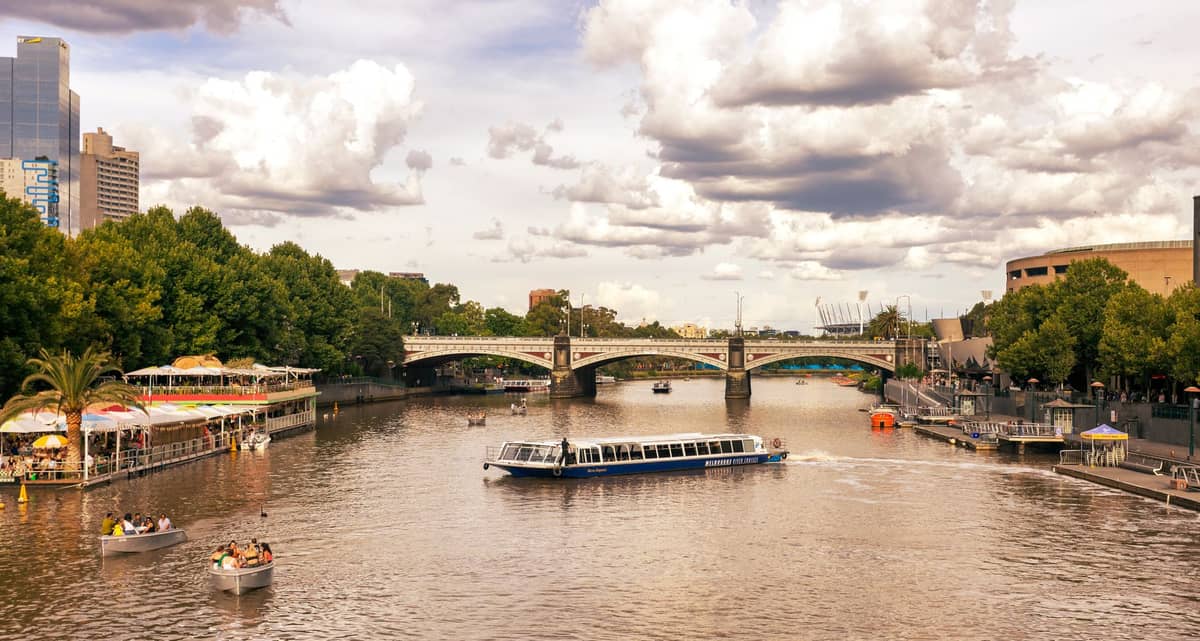
The CBD sits at the geographical centre of inner Melbourne. Directly south across the Yarra lies Southbank, reached via Prince's Bridge beside Flinders Street Station. Walking north takes you toward Carlton and the university precinct. Head north-east via Spring Street or Exhibition Street and you reach Fitzroy within about twenty minutes on foot. The Docklands precinct abuts the western boundary at Spencer Street.
Character & Atmosphere
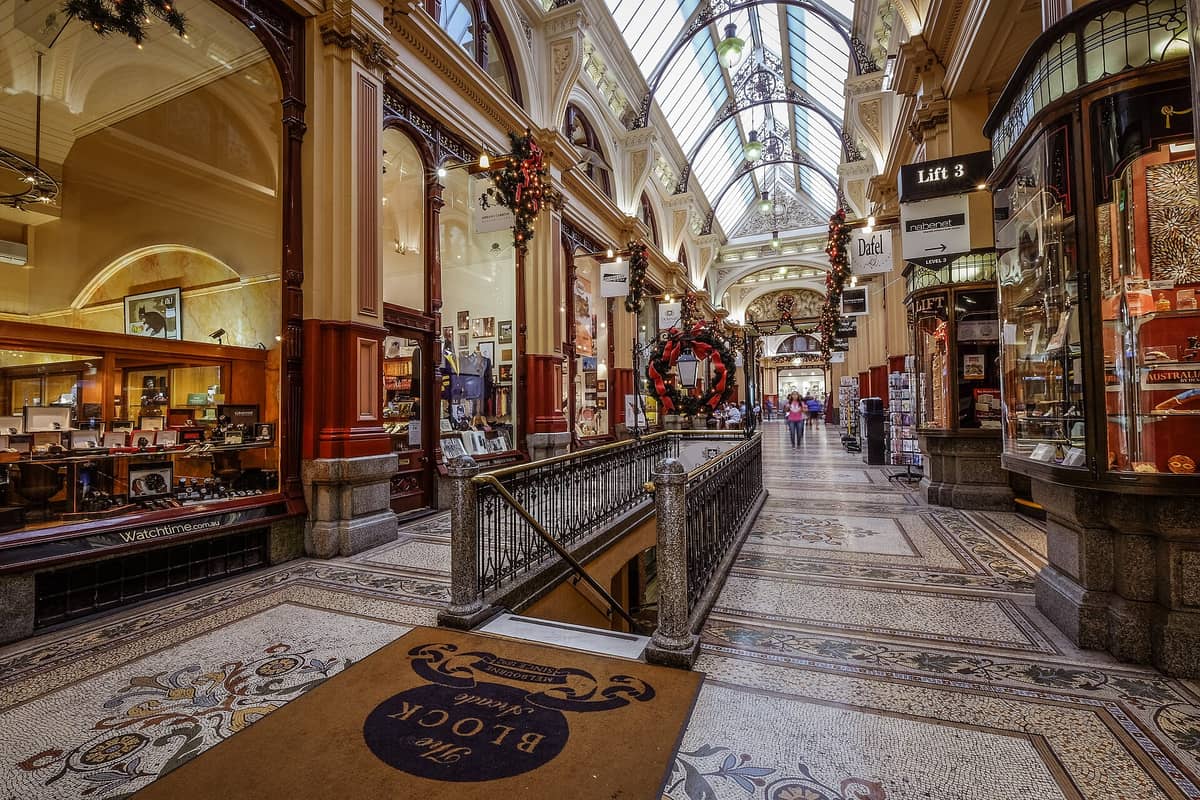
The CBD shifts personality several times throughout the day, and understanding those shifts helps you get the most out of it. Before 8 a.m. Swanston Street belongs mostly to commuters and coffee workers. The smell of espresso drifts out of narrow laneway openings before the laneway cafes themselves are even fully set up. The light at this hour is low and golden, catching the ornate facades of the Block Arcade and the Royal Arcade in a way that the midday glare completely flattens.
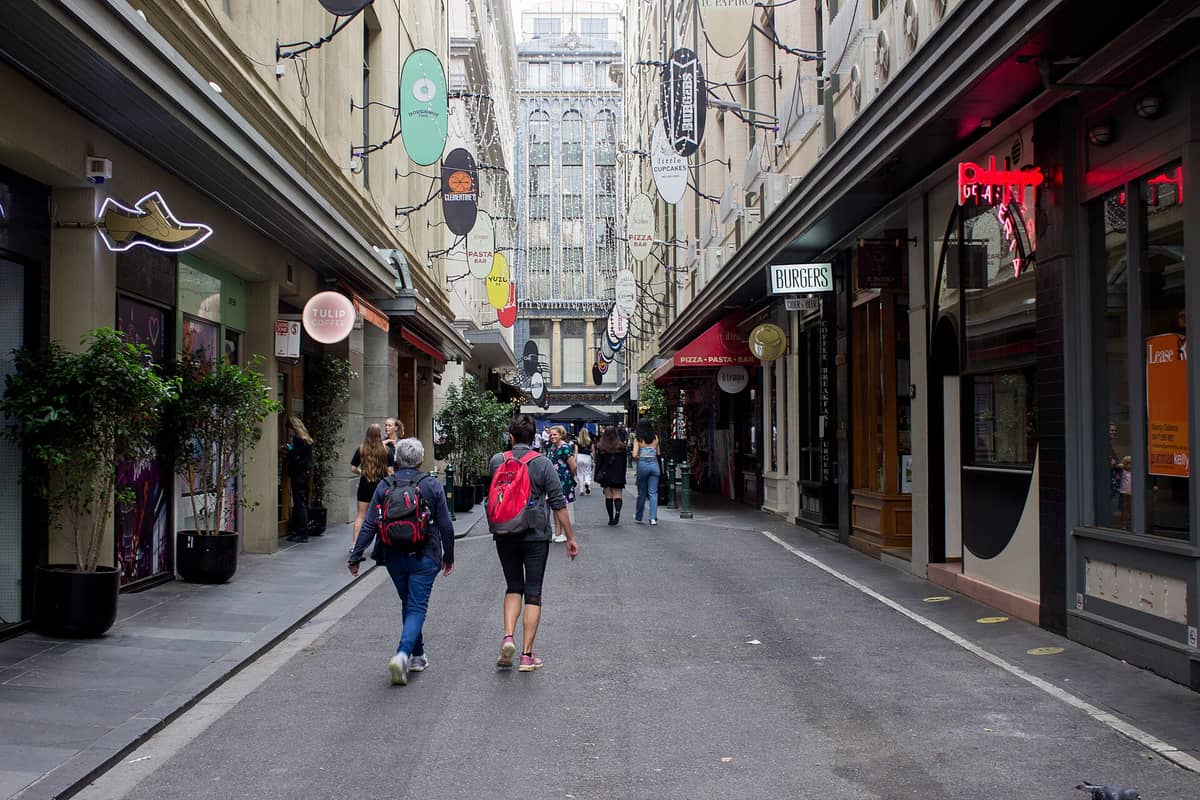
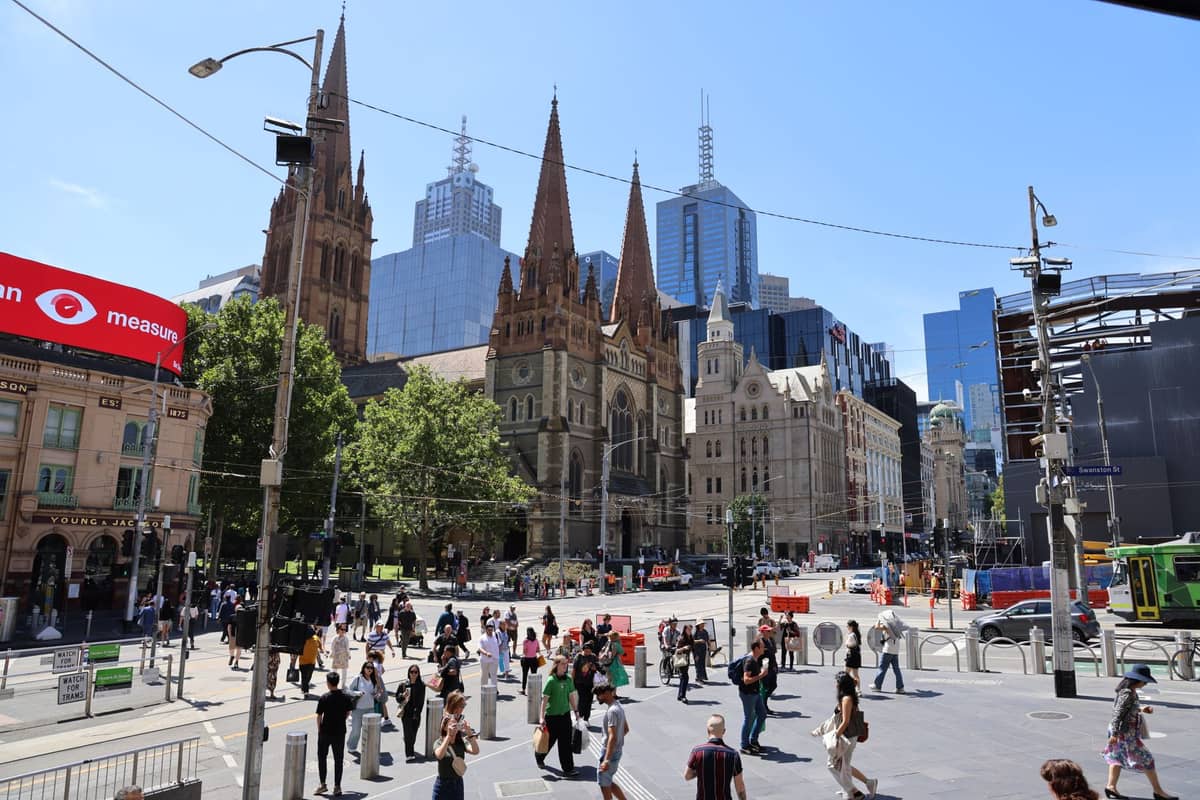
By mid-morning the CBD fills quickly. Bourke Street Mall becomes a steady river of shoppers; Swanston Street fills with trams, bikes, and pedestrians jostling around each other. This is the version of the CBD most visitors encounter first, and it's genuinely lively without being overwhelming. Lunchtime around Degraves Street and Centre Place concentrates the city's coffee culture into a few compressed blocks: espresso bars, small-plate restaurants, and the particular Melbourne ritual of standing at a tiny fold-down table eating something good.
After about 6 p.m. the office workers drain away and the CBD's character shifts again. The laneways remain busy but quieter, and the spaces around Federation Square and Flinders Street Station fill with a mix of tourists, diners, and people waiting for late trams. On weekends the whole rhythm is different: slower in the morning, louder by afternoon, with the area around Flinders Lane and the city's bar scene picking up steadily after 9 p.m.
ℹ️ Good to know
Melbourne's weather is famously changeable year-round. Summer averages around 14-25°C but can spike well above 35°C on extreme days, while winter sits between 7-14°C. Always carry a layer, and check the Bureau of Meteorology forecast the morning you plan to walk the city.
What to See & Do
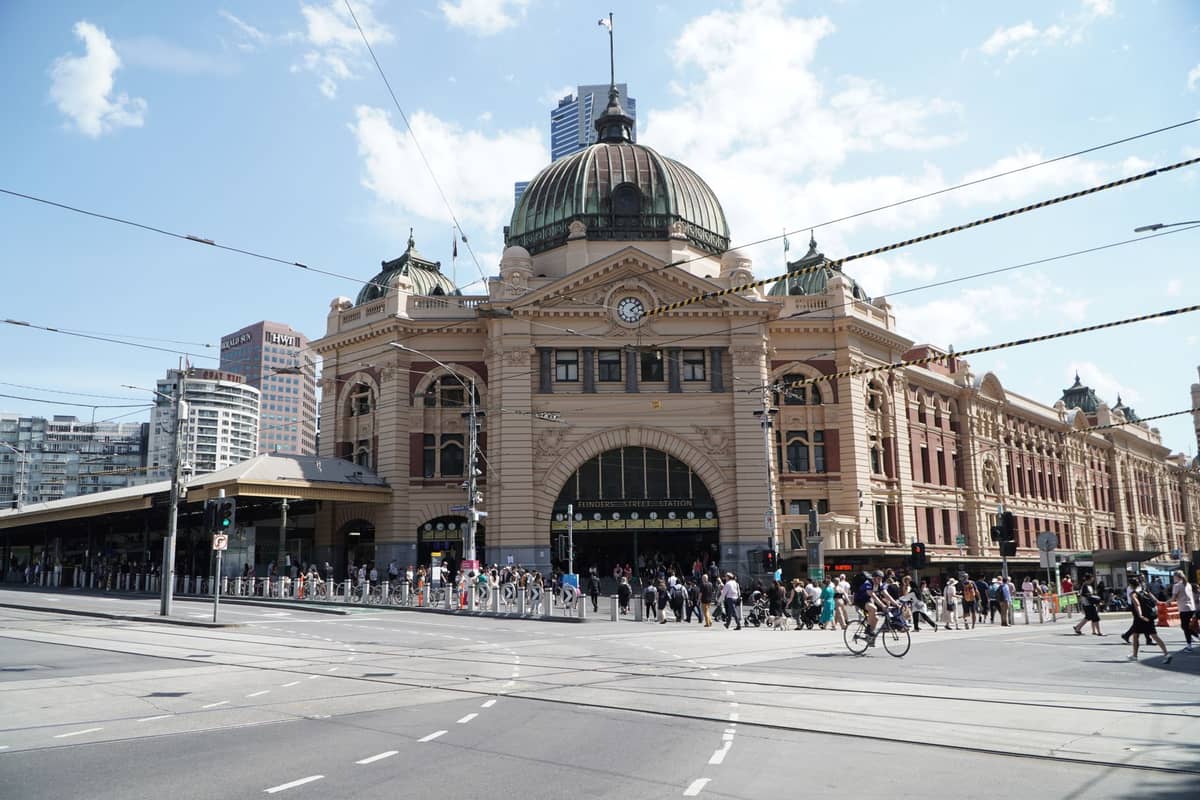
The CBD's single most recognisable image is Flinders Street Station, the Edwardian ochre-and-green rail terminus at the corner of Flinders and Swanston streets. It's been the meeting point for Melburnians since 1910, and standing under its dome at rush hour, watching trams arc past on the street outside and commuters stream in every direction, tells you more about how the city actually functions than any guidebook page could.
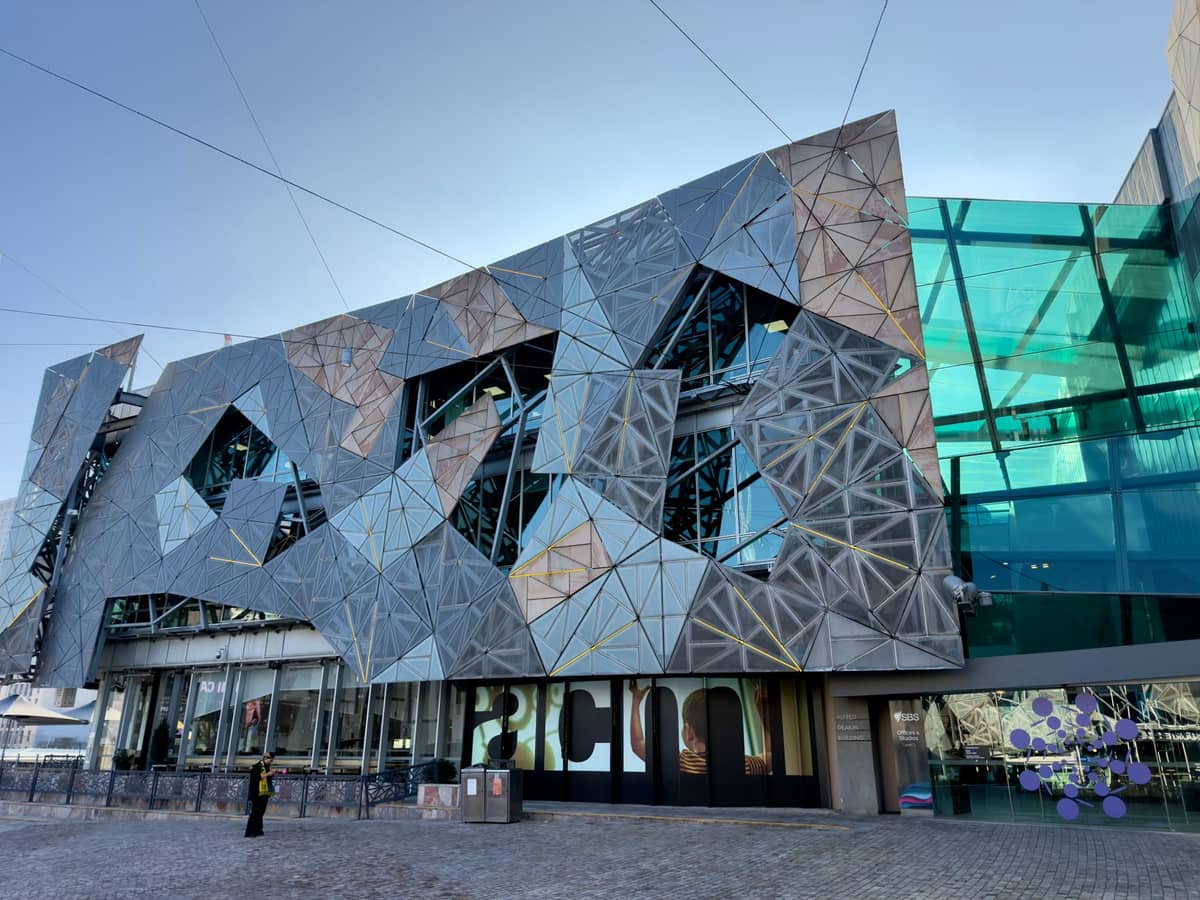
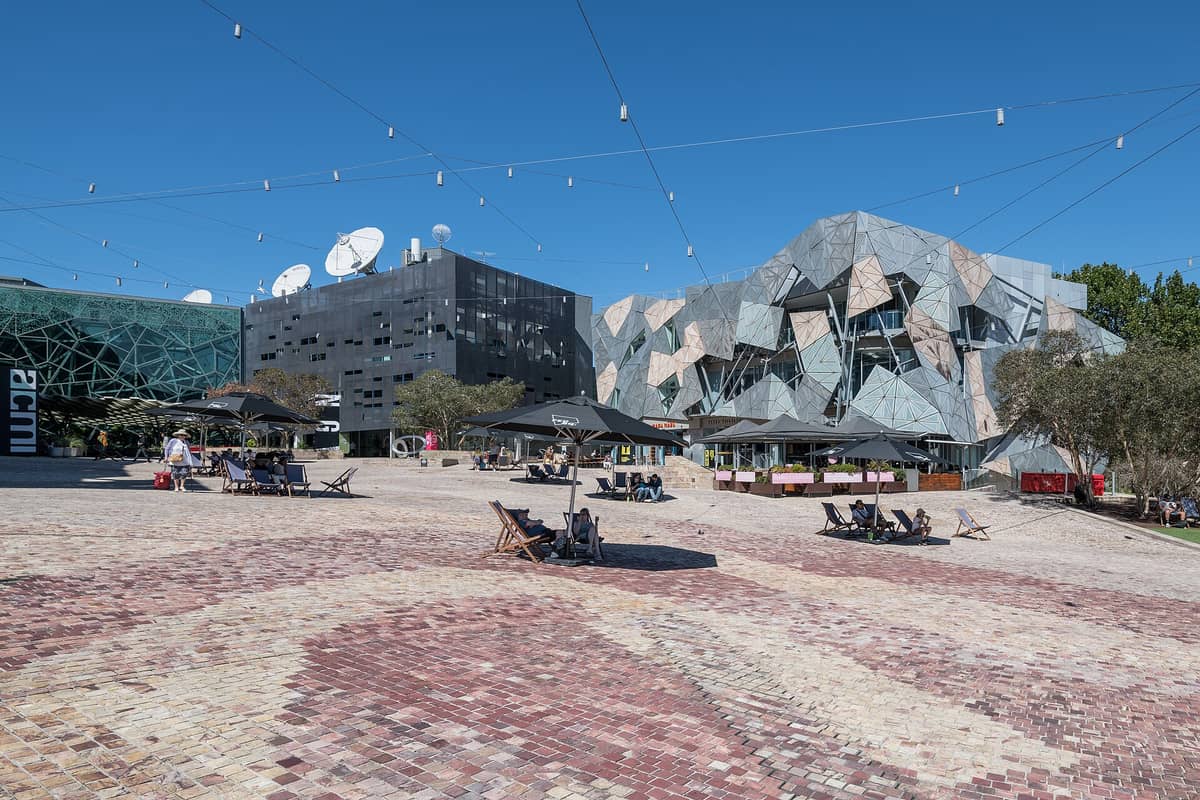
Across the intersection sits Federation Square, a polarising piece of early-2000s architecture that has become genuinely central to Melbourne's public life. Whatever you think of the fractured zinc-and-glass facade, the square hosts major events, free public screens, and two of the city's best galleries: the Ian Potter Centre: NGV Australia and the Australian Centre for the Moving Image (ACMI), which reopened with a substantial upgrade in 2021.
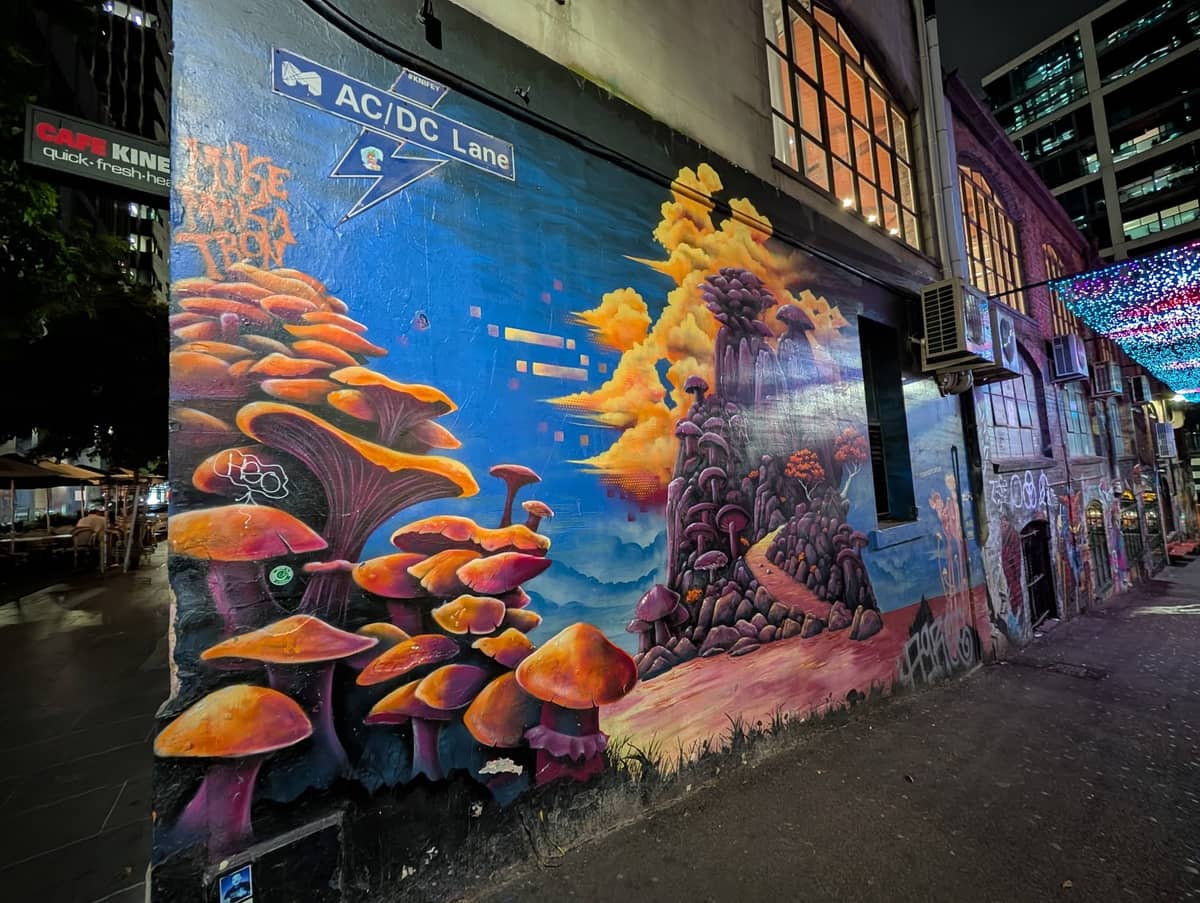
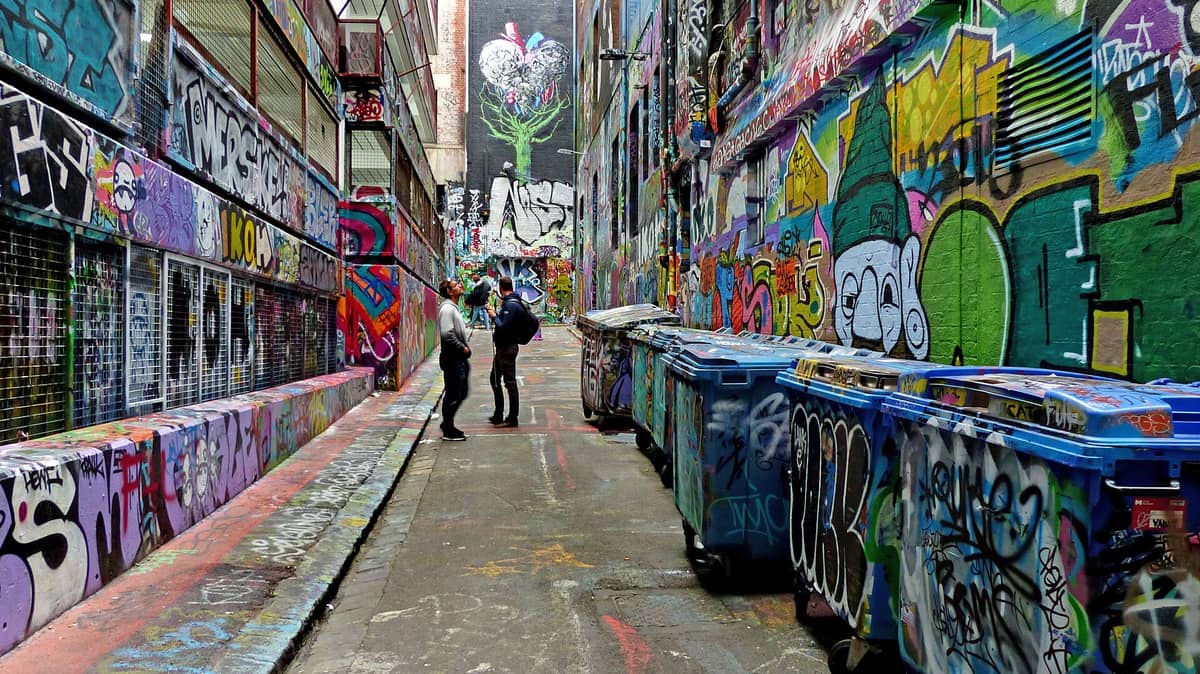
The CBD's laneways are worth a dedicated hour or two of wandering. Hosier Lane off Flinders Street is the most visited street art site in the country, its bluestone cobbles and every available surface covered in rotating murals, paste-ups, and graffiti that changes with the week. Degraves Street is the laneway to go to for coffee and breakfast in a setting that feels specifically Melburnian. For a broader look at the city's laneway culture and how to navigate it, the Melbourne laneway guide covers the key routes.
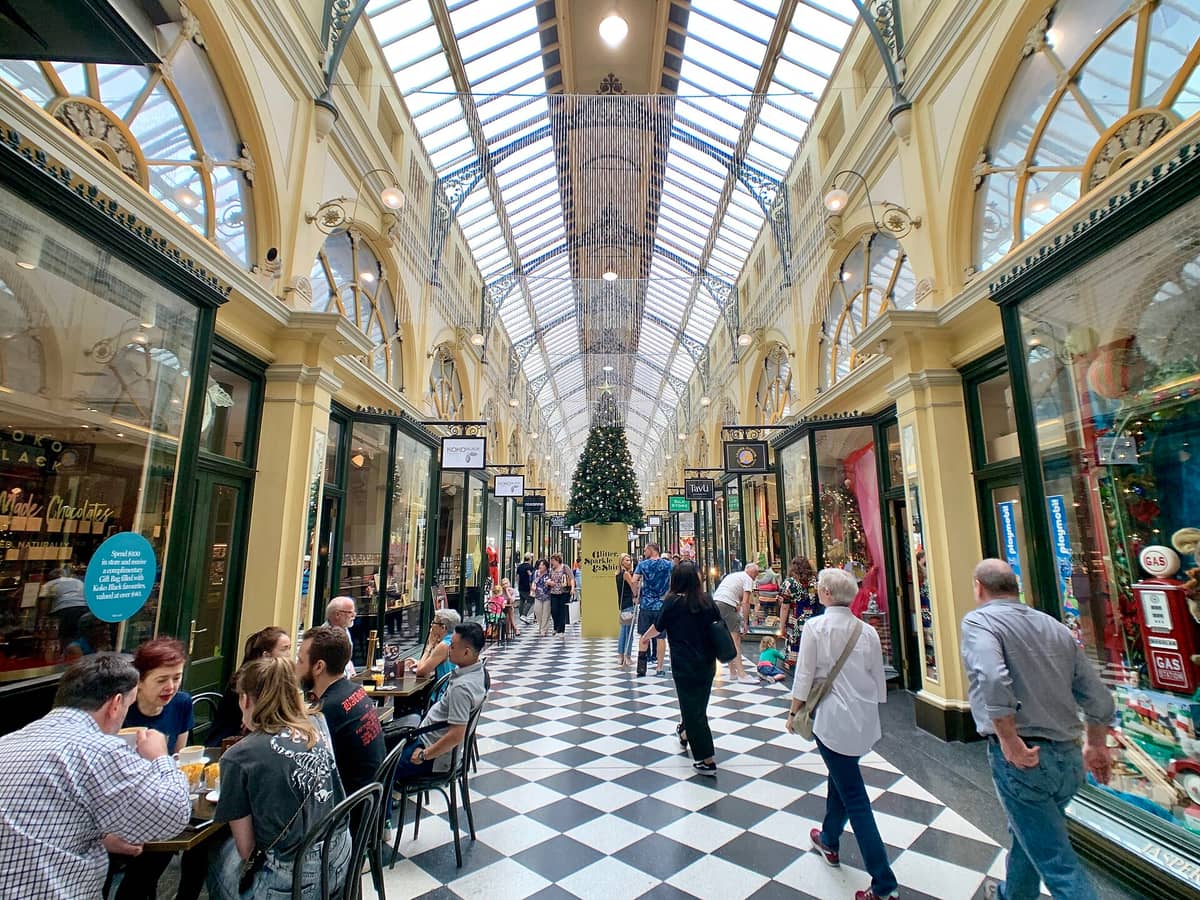
Shopping arcades are an underrated part of the CBD experience. The Block Arcade on Collins Street, built in 1892, has mosaic-tiled floors, ornate plasterwork ceilings, and a tea room that has been operating continuously for well over a century. The Royal Arcade on Bourke Street is older still (1869) and narrower, with a vaulted glass roof and mythological figures of Gog and Magog marking the hour above the clock at its centre.
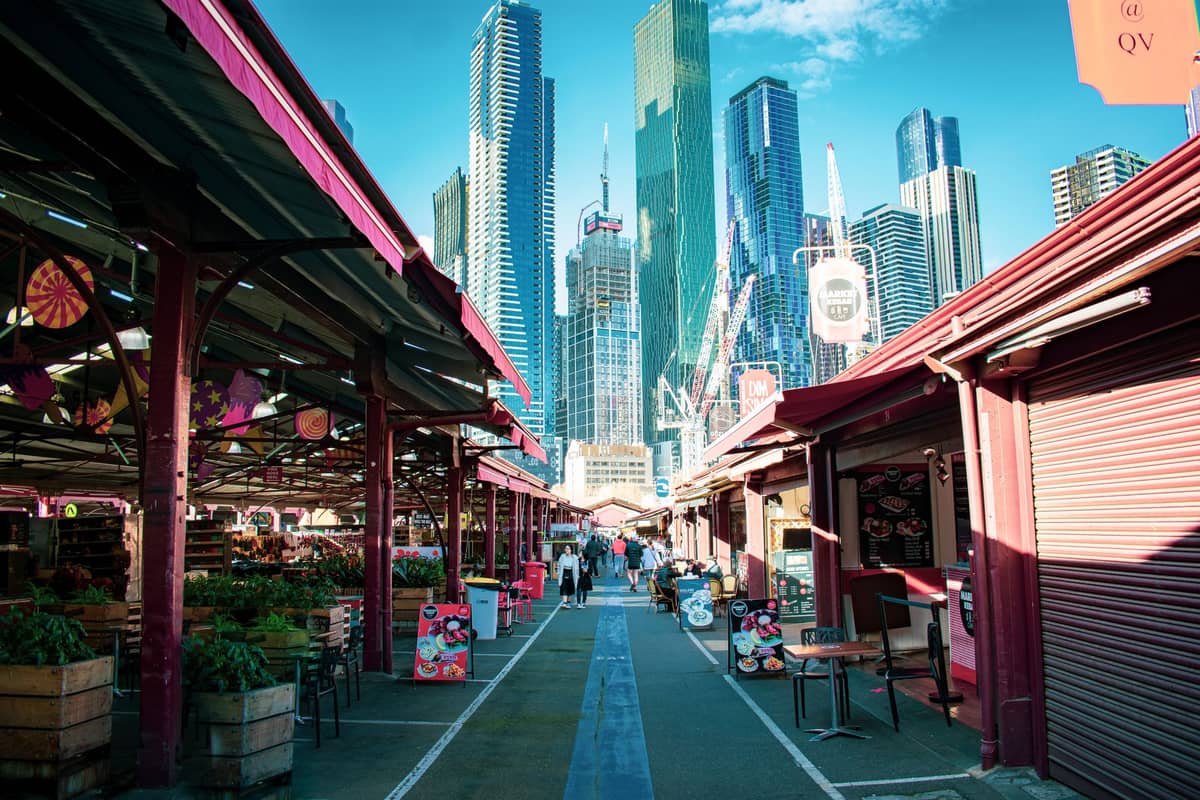
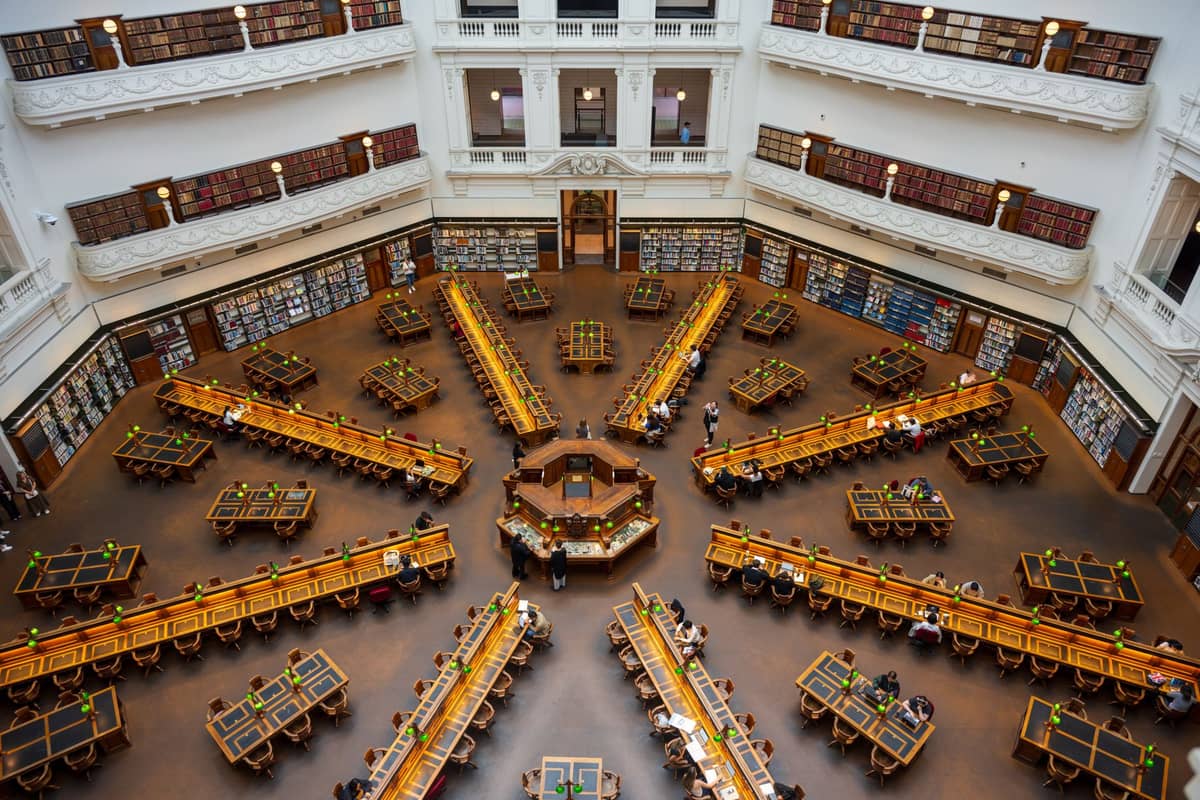
The State Library Victoria on Swanston Street is one of the CBD's great free institutions. Its La Trobe Reading Room, a domed octagonal hall ringed by five tiers of balconies, is among the most extraordinary interior spaces in Melbourne. The library hosts rotating exhibitions and is open seven days. A short walk north on the same street brings you to the Queen Victoria Market, a working market that has operated on its current site since 1878 and remains the largest open-air market in the Southern Hemisphere by area.
Flinders Street Station: iconic facade and the city's busiest rail hub
Federation Square: public events, galleries, and ACMI
Ian Potter Centre: NGV Australia: free permanent collection of Australian art
Hosier Lane: street art that refreshes constantly
Block Arcade and Royal Arcade: Victorian shopping arcades with architectural detail
State Library Victoria: free, beautiful, and genuinely useful for a rainy afternoon
Queen Victoria Market: fresh produce, deli goods, and general merchandise Tuesday and Thursday to Sunday (closed Monday and Wednesday)
Eating & Drinking
The CBD's food scene runs from exceptional to mediocre within the same block, so knowing where to look matters. The international-chain burger and pizza options around the Bourke Street end of the city are easy to stumble into and rarely worth your time when the alternatives are this close.
Flinders Lane, running parallel to and one block north of the Yarra-facing Flinders Street, has developed over two decades into one of the most interesting restaurant strips in the city. The concentration of independently owned restaurants here covers Japanese, modern Australian, Italian, and everything in between, at price points that range from around AUD 20 for lunch to well over AUD 100 per head for dinner at the upper end. Collins Street around the mid-city stretch is more formal and suited to long business lunches.
Coffee is taken seriously here to a degree that visitors from some cities find initially surprising. Melbourne has its own distinct espresso culture with specific rituals around milk texture, roast selection, and the flat white, which originated in Australia (and New Zealand, depending on who you ask). The Melbourne coffee guide breaks down the terminology and the best spots in detail. In the CBD, Degraves Street and Centre Place are the concentrated core of this culture.
For after-dark drinking, the CBD has a layered scene. There are rooftop bars above several Swanston and Bourke Street buildings with views over the grid, dive bars in basement spaces on Flinders Lane, and craft beer venues scattered through the laneway network. The blocks around the corner of Flinders Lane and Swanston Street, and running east toward Exhibition Street, are where most of the serious bar action concentrates. Venues here generally open from 4 or 5 p.m. and stay open until 1-3 a.m. depending on the night.
💡 Local tip
Tipping is not expected in Melbourne in the way it is in North America. A round-up on a card reader is appreciated but never obligatory. Service charges are not typically added to bills, so the price you see is the price you pay.
Getting There & Around
The CBD is served by five metropolitan train stations: Flinders Street, Southern Cross, Melbourne Central, Flagstaff, and Parliament. These five stations form the City Loop, an underground rail circuit for most metropolitan lines. Since February 2026, the Metro Tunnel (Town Hall and State Library stations) carries the Sunbury, Pakenham, and Cranbourne lines through the central city instead of the Loop. Flinders Street is the busiest and the main interchange point; Southern Cross serves regional V/Line trains as well as metropolitan services and is the SkyBus Melbourne City Express destination for Melbourne Airport connections.
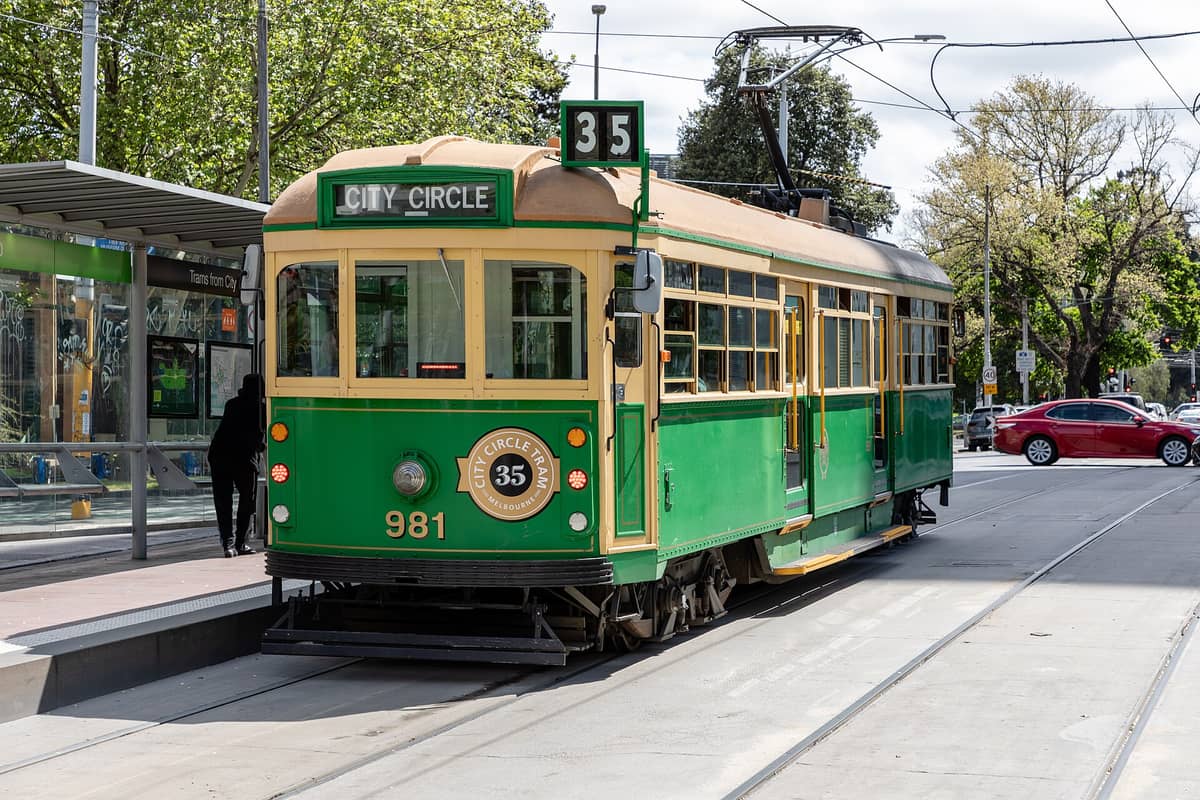
Trams cover almost every street in the Hoddle Grid, with Swanston Street carrying the highest frequency routes. Within the boundaries of the Free Tram Zone, all tram travel is free and no Myki card is required. The zone covers the CBD grid and extends slightly into Docklands and Southbank. If you board a tram within the zone but travel beyond it, you'll need to tap on with a Myki card before crossing the boundary. The free City Circle tram runs a heritage loop around the outer edges of the CBD on a sightseeing route.
Walking is genuinely the best way to experience the CBD at ground level. The grid makes navigation intuitive: streets run either north-south or east-west, and block lengths are short enough that ten minutes of walking covers meaningful distance. Between street numbers and the tram network, getting lost in the Hoddle Grid requires some effort.
From Melbourne Airport (Tullamarine), approximately 23 km from the city centre, the SkyBus City Express runs to Southern Cross Station with services from 4 a.m. to around 1 a.m. daily. The published adult one-way fare is around AUD 25.90 (verify current fares before travel as prices change). Taxis and rideshare services are available from the airport's Ground Transport Hub; journey time varies significantly with traffic. There is no dedicated rail link between Melbourne Airport and the CBD at the time of writing.
⚠️ What to skip
Myki cards are required for all public transport travel outside the Free Tram Zone, including all train journeys. You cannot pay cash on trams or trains. Myki cards are available at train station vending machines and some convenience stores. Load credit before you board.
Where to Stay
The CBD offers the widest range of accommodation in Melbourne, from international five-star towers on Collins Street to budget hostels in the grid's mid-section. Staying in the CBD puts you within walking distance of the major attractions and eliminates any dependence on public transport for most sightseeing.
The southern end of the grid, roughly south of Bourke Street and within easy walking of Flinders Street Station and Federation Square, is the most convenient position for first-time visitors. Collins Street between Swanston and Spencer streets is where the major luxury hotels concentrate. The northern section of the CBD, toward La Trobe Street and Queen Victoria Market, tends to have slightly more mid-range options and is a few minutes closer to Carlton and Fitzroy if you plan to spend time in those neighbourhoods.
Noise is worth factoring in. Swanston Street carries trams through the night, and Elizabeth Street can be loud on weekend evenings. If you're a light sleeper, look for rooms facing away from the main tram corridors or on upper floors of buildings set back from Swanston and Elizabeth. The laneways, by contrast, can be surprisingly quiet at night despite being in the heart of the city.
For a broader overview of accommodation across Melbourne's neighbourhoods, the where to stay in Melbourne guide covers the tradeoffs between the CBD and the surrounding inner suburbs in detail.
Honest Drawbacks
The CBD is not a neighbourhood in the lived, residential sense. During business hours on weekdays it operates at full commercial intensity; on weekends parts of it quiet down sharply, particularly the office-heavy end toward Spring Street and Treasury Gardens. If you want to feel what daily Melbourne life actually looks like at a neighbourhood scale, you'll need to head to Fitzroy, Richmond, or Carlton.
The tourist-facing strips along Bourke Street Mall and the sections of Swanston Street immediately around Flinders Street Station can feel generic, with the usual mix of souvenir shops, fast food chains, and high-turnover tour operators. The CBD rewards anyone who moves one or two blocks off these main arteries, but visitors who stick exclusively to the obvious route between Federation Square and the Queen Victoria Market may find it less distinctive than they'd hoped.
Late-night safety in the CBD is broadly comparable to other major city centres. The areas around late-night entertainment venues on weekends, particularly toward King Street in the western part of the grid, can get rough in the early hours. Common-sense precautions apply: stay on well-lit streets, be aware of your surroundings, and use rideshare rather than walking alone through quieter blocks after midnight. The City of Melbourne does not publish specific CBD crime statistics in this context, so check current advisories from Victoria Police or your accommodation if you have specific concerns.
ℹ️ Good to know
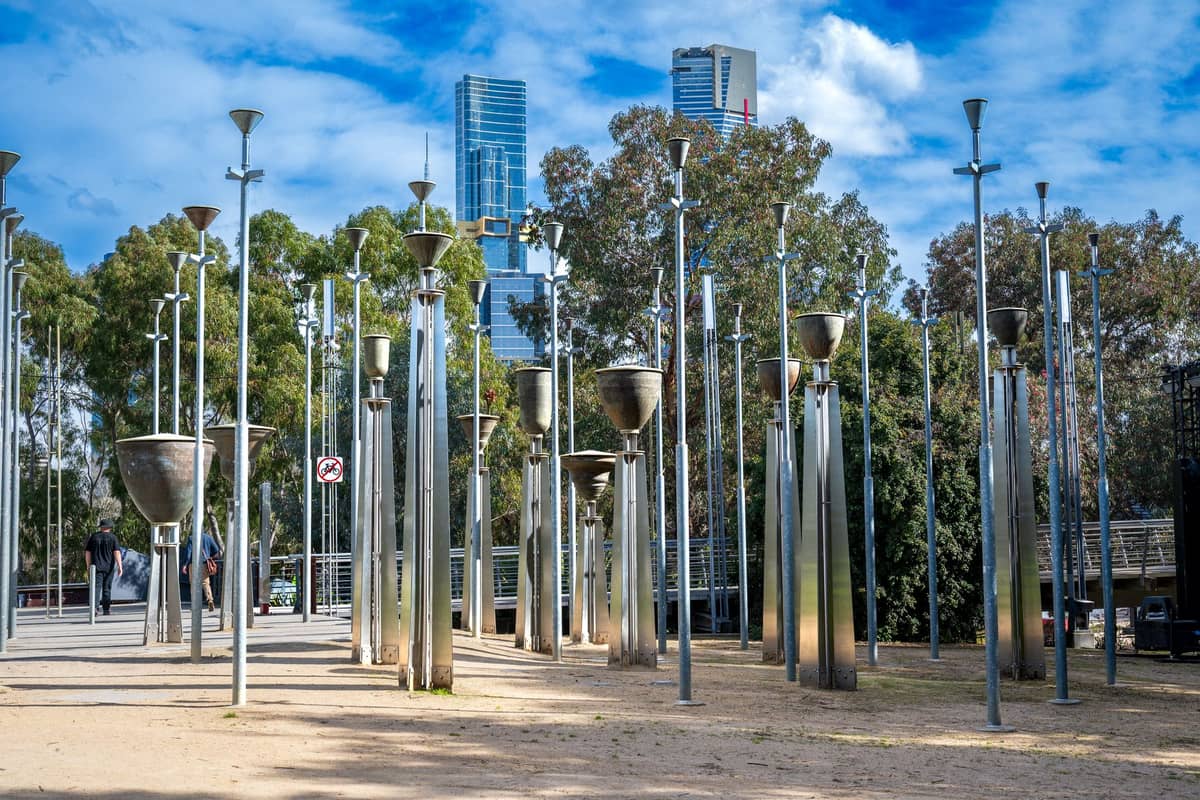
Melbourne is on the traditional Country of the Wurundjeri Woi-wurrung and Bunurong peoples of the Kulin Nation. The City of Melbourne acknowledges this on its official channels and at several sites across the CBD. Federation Square includes a significant First Nations cultural space worth visiting for context on the city's deeper history.
Quick Reference
Planning your broader Melbourne itinerary? The 3 days in Melbourne guide uses the CBD as a base and maps out the most efficient sequence for hitting the key sites. For free and low-cost options across the CBD, the free things to do in Melbourne guide is a practical companion, since several of the CBD's best attractions including the NGV Australia, ACMI's permanent collection, and the State Library cost nothing to enter.
TL;DR
The Melbourne CBD is the most logical base for first-time visitors: central, walkable, and tram-connected to every inner-city neighbourhood.
Best suited to: travellers who want easy access to cultural institutions, major landmarks, and a wide range of accommodation options in one place.
The laneway and arcade network between Collins and Flinders streets is the CBD at its most distinctive; prioritise this over the main pedestrian malls.
Honest caveat: the CBD lacks the residential character of Fitzroy, Carlton, or St Kilda. For a sense of Melbourne's neighbourhood life, plan day trips or evenings in those areas.
Transit is easy within the Free Tram Zone, but load a Myki card before you need it for any journey beyond the central grid.
Three days in Melbourne is enough to move past the obvious tourist circuit and get a real sense of the city. This itinerary covers the CBD laneways, inner-north neighbourhoods, bayside suburbs, and cultural institutions, with practical transport advice, realistic crowd warnings, and enough flexibility to make it your own.
The Australian Open is one of the four Grand Slam tennis tournaments and the biggest annual sporting event in Melbourne. This guide covers tickets, getting to Melbourne Park, navigating the grounds, and how to make the most of your visit whether you're going for a single session or the full fortnight.
Melbourne sits on Port Phillip Bay, giving the city access to calm bay beaches within 30 minutes of the CBD, and wilder ocean surf beaches a 90-minute drive south. This guide covers the best beaches near Melbourne by type, with frank notes on safety, crowds, and what each beach actually delivers.
Melbourne is a stronger museum city than many visitors expect. Whether you're drawn to world-class art collections, colonial history, hands-on science, or Australia's sporting obsession, these are the museums worth your time.
Melbourne's weather is notoriously unpredictable, but the city rewards visitors year-round. This guide breaks down every season by weather, events, crowds, and value so you can pick the right time for your trip.
Melbourne rewards those who look up, look out, and look across. Whether you want 360-degree city panoramas from 285 metres up, golden-hour shots of the skyline from the bay, or dramatic coastal cliffs an hour from the CBD, this guide covers every angle worth seeking out.
Melbourne is one of Australia's great base cities, with extraordinary landscapes, wildlife, history, and wine country within a two-hour drive. This guide covers the best day trips from Melbourne, from dramatic ocean coastlines to misty mountain ranges, with realistic travel times and what to prioritise.
Melbourne rewards curious visitors with an impressive range of genuinely free experiences. From world-class art galleries and heritage reading rooms to wild penguin encounters and the city's famous laneway culture, these are the best free things to do in Melbourne.
From the Free Tram Zone to airport transfers, myki cards to rideshare, this guide covers every practical detail you need to navigate Melbourne's transport network confidently. No fluff, just the information that actually matters.
A Great Ocean Road day trip from Melbourne is one of the most iconic outings in Australia, but it requires serious planning. This guide covers the full route, realistic timelines, tour options with price ranges, the best stops beyond the Twelve Apostles, and clear warnings about what most visitors get wrong.
Melbourne Airport (MEL) sits 23 km northwest of the city centre at Tullamarine. This guide covers every transfer option — SkyBus, taxi, rideshare, and public bus — with current pricing, journey times, and the insider details that save you time and money on arrival.
Melbourne's built environment tells the story of a city that went from a colonial outpost to a gold rush boomtown to a modern metropolis in under two centuries. This guide covers the key buildings, neighbourhoods, and walking routes to understand how it all fits together.
Melbourne's coffee culture is serious business. This guide breaks down the best café neighbourhoods, what drinks to order, what to pay, and how to navigate the city's specialty scene like a local. Whether you're landing at Tullamarine or already in the CBD, here's what you need to know.
The Melbourne Cup is Australia's most famous horse race, held annually at Flemington Racecourse each November. This guide covers everything from buying tickets and getting to the track to dress codes, the full Carnival schedule, and a clear picture of what to expect on race day.
Melbourne runs one of the most packed event calendars in the Southern Hemisphere, with major festivals, sporting events, and cultural programs spread across every season. This guide breaks down what's on, when to go, and how to plan around it without getting caught out by full hotels or sold-out tickets.
Melbourne rewards couples who slow down and look beyond the obvious. This guide covers the city's most genuinely romantic experiences, from sunrise walks through the Royal Botanic Gardens to candlelit laneway dinners and scenic day trips, with candid notes on what's worth it and what to skip.
Melbourne takes its parks seriously. From UNESCO-listed formal gardens to wild river corridors just minutes from the CBD, the city's green spaces range from manicured and historic to untamed and surprising. This guide covers the best of them, with practical advice on what to expect at each.
Melbourne rewards those who look beyond the obvious. This guide uncovers the city's overlooked art museums, geological surprises, historic estates, and quiet urban escapes that most visitors walk straight past.
Melbourne's laneways are the city's most distinctive feature: a network of narrow alleys, covered arcades, and public art corridors threading through the CBD grid. This guide covers the essential stops, practical logistics, and what most visitors get wrong about the street art scene.
Melbourne's live music scene spans everything from intimate 80-person rooms above pubs to ornate theatres holding thousands. This guide breaks down the best venues by style and suburb, explains how to find and book gigs, and covers the practical details that most listings skip.
Melbourne's market scene goes well beyond tourist postcards. This guide covers the city's best permanent and weekly markets, with verified opening hours, what each one does best, candid assessments of which are worth your time, and practical tips for getting the most out of each visit.
Melbourne, Australia is home to one of the world's most diverse urban food cultures, shaped by over 200 years of immigration waves. This guide breaks down the city's key multicultural food neighbourhoods, what to eat in each, when to go, and how to navigate them like a local.
Melbourne's nightlife scene runs deep, from laneway cocktail bars to legendary live music rooms that shaped Australian rock. This guide breaks down the best neighbourhoods, venues, and practical logistics so you can navigate it like a local.
Melbourne, Australia rewards budget travellers more than most major cities. From free tram rides and world-class free museums to cheap market food and no-cost beaches, this guide covers every practical angle for spending less without missing out.
Seven days is enough time to get well beyond Melbourne's postcard highlights. This itinerary balances the CBD's iconic landmarks, inner-suburb character, a coastal day trip, and the regional Victorian countryside — with practical logistics for every step.
Melbourne rewards shoppers who look beyond the chain stores. This guide covers the city's best shopping precincts, heritage arcades, weekend markets, and neighbourhood strips — with practical notes on what's worth your time and what to skip.
Melbourne's street art scene is one of the most concentrated and celebrated in the world. This guide covers the essential laneways, the City of Melbourne's official self-guided walk, neighbourhood murals beyond the CBD, and practical advice for getting the most out of every visit.
Melbourne rewards walkers like few other cities. From the iconic laneways of the CBD to the bayside foreshore of St Kilda, this guide covers the best guided tours, official self-guided routes, and neighbourhood walks, with straightforward notes on what's worth your time and what to skip.
Melbourne is one of Australia's most family-friendly cities, with a range of attractions spread across the inner city and beyond. This guide covers the best things to do with kids in Melbourne, from free rainy-day museums to weekend wildlife encounters, with practical notes on costs, transport, and what's actually worth your time.
Melbourne rewards visitors who look beyond the obvious. This guide covers the city's best experiences across culture, food, sport, nature, and neighbourhoods — with practical details on getting around, what to skip, and how to make the most of every day in Melbourne, Australia.
Melbourne is one of the world's great sporting cities, hosting world-class events across football, cricket, tennis, and more. This guide covers every major venue, how to get tickets, the best seasons to visit, and the practical details that actually matter.
Melbourne's food scene is one of the most diverse and serious in the Southern Hemisphere. This guide covers the dishes, neighbourhoods, markets, and cultural context you need to eat well in Melbourne — whether you have three days or three weeks.
Choosing where to stay in Melbourne shapes your entire trip. This guide breaks down every major neighbourhood by location, transport access, price range, atmosphere, and who it suits best, so you can book with confidence.
The Yarra Valley is one of Australia's most accessible cool-climate wine regions, sitting about 65 km from central Melbourne. This guide covers how to get there, which cellar doors are worth your time, tour vs. self-drive decisions, and how to plan around the seasons.