Best Time to Visit Melbourne: A Season-by-Season Guide
Melbourne's weather is notoriously unpredictable, but the city rewards visitors year-round. This guide breaks down every season by weather, events, crowds, and value so you can pick the right time for your trip.
Tickets & tours
Live prices and dates from our booking partner. If you book, we may earn a commission at no extra cost to you.
TL;DR
- Autumn (March to May) is widely considered the most reliable season for comfortable weather, fewer crowds, and strong cultural programming.
- Summer (December to February) is peak tourist season with major events like the Australian Open, but also extreme heat days and higher prices.
- Winter (June to August) is the quietest and most affordable period; the city stays active with festivals and indoor attractions.
- Spring (September to November) is beautiful but erratic — warm days can flip to cold showers without warning.
- Whatever month you visit, pack layers. Melbourne's four-seasons-in-one-day reputation is not a cliché — check our Melbourne travel overview for broader planning context.
Understanding Melbourne's Climate
Melbourne sits at roughly 37.81° S latitude, giving it a temperate climate with genuine seasons — unlike the tropical north of Australia. The Bureau of Meteorology records an average daily maximum of around 26.8°C in January and 14.5°C in July. Rainfall is spread across the entire year with no true dry season, though the June to November period tends to see higher monthly totals. October is often among the wettest months. This matters for planning: do not assume summer means sunshine every day, and do not write off winter as uniformly grey.
The city's position on Port Phillip Bay means weather can shift quickly as cold fronts push in from the Southern Ocean. A 35°C afternoon can drop fifteen degrees within hours when a cool change arrives. This is not a quirk — it is a consistent meteorological pattern, and locals dress accordingly. For visitors, the practical rule is simple: check the three-day forecast on arrival, not just the seasonal average.
💡 Local tip
Melbourne uses Australian Eastern Standard Time (AEST, UTC+10) in winter and Australian Eastern Daylight Time (AEDT, UTC+11) during daylight saving, which runs from early October to early April. Factor this into any flight or event scheduling.
Summer (December to February): Events and Heat
Summer is Melbourne's most intense season in every sense. Average maximum temperatures sit around 25–26°C, but heatwaves pushing above 40°C are not uncommon, particularly in January and February. These extreme heat days can make outdoor sightseeing genuinely unpleasant. The flip side: the city's beaches, outdoor dining, and event calendar are all firing.
The centrepiece of the summer calendar is the Australian Open, held each January at Melbourne Park. It draws hundreds of thousands of visitors, pushes hotel prices sharply upward, and creates a genuine buzz across the city. If you want to attend, book accommodation at least three to four months in advance. The Formula 1 Australian Grand Prix is typically scheduled in March — right at the tail of summer — and adds another major surge of visitors.
- Australian Open Held in January at Melbourne Park; global tennis, packed city, premium pricing.
- Midsumma Festival Melbourne's LGBTQ+ arts and culture festival, typically January to February.
- St Kilda Festival A large free outdoor music event held in St Kilda, usually in February.
- Melbourne Food & Wine Festival Commonly scheduled in March; timing overlaps with the transition into autumn.
⚠️ What to skip
If you're visiting in January or February, have a backup plan for extreme heat days. Melbourne's heatwaves are serious — the city has recorded multi-day stretches above 40°C. Museums, galleries, and shopping arcades make excellent indoor refuges. Check the Bureau of Meteorology forecast daily.
Autumn (March to May): The Strongest Case for Visiting
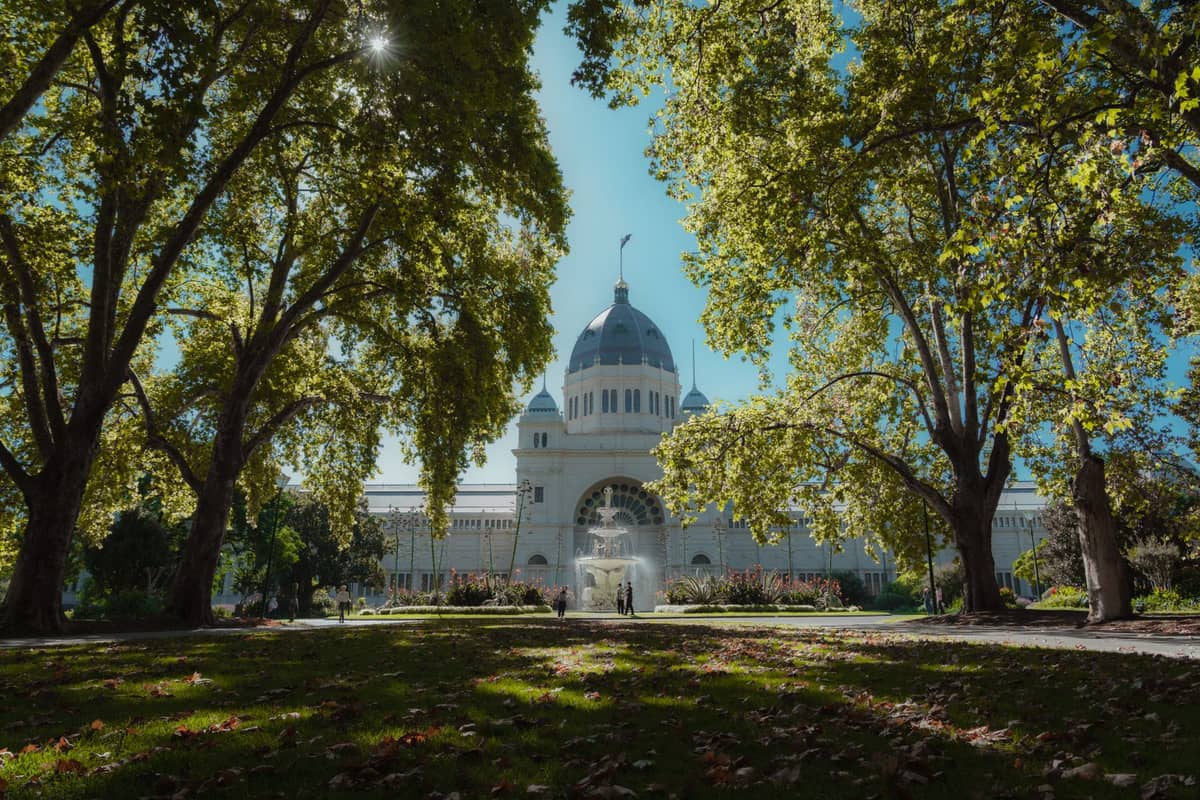
Autumn is the season most experienced Melbourne visitors tend to recommend, and for good reason. Temperatures are comfortable — average maximums hover between 20°C and 25°C in March, easing to 15–17°C by May. Humidity drops, the brutal heat of summer is gone, and the city's parks and gardens shift into rich amber and gold. The Dandenong Ranges and Yarra Valley are particularly striking during this period.
Crowd levels ease after the Australian Open and Grand Prix windows, making it easier to get restaurant reservations, accommodation at reasonable rates, and uncrowded access to major attractions like the Royal Botanic Gardens and the laneways and arcades of the CBD. Autumn is also when the AFL season begins in earnest, so if watching Australian Rules Football at the Melbourne Cricket Ground is on your list, March through May gives you solid options.
The main trade-off is that rain becomes more frequent as May approaches. Pack a compact umbrella and a mid-layer. Autumn is not perfect — it is simply the most balanced season for visitors who want good weather, genuine cultural activity, and fair prices.
Winter (June to August): Affordable, Atmospheric, and Underrated
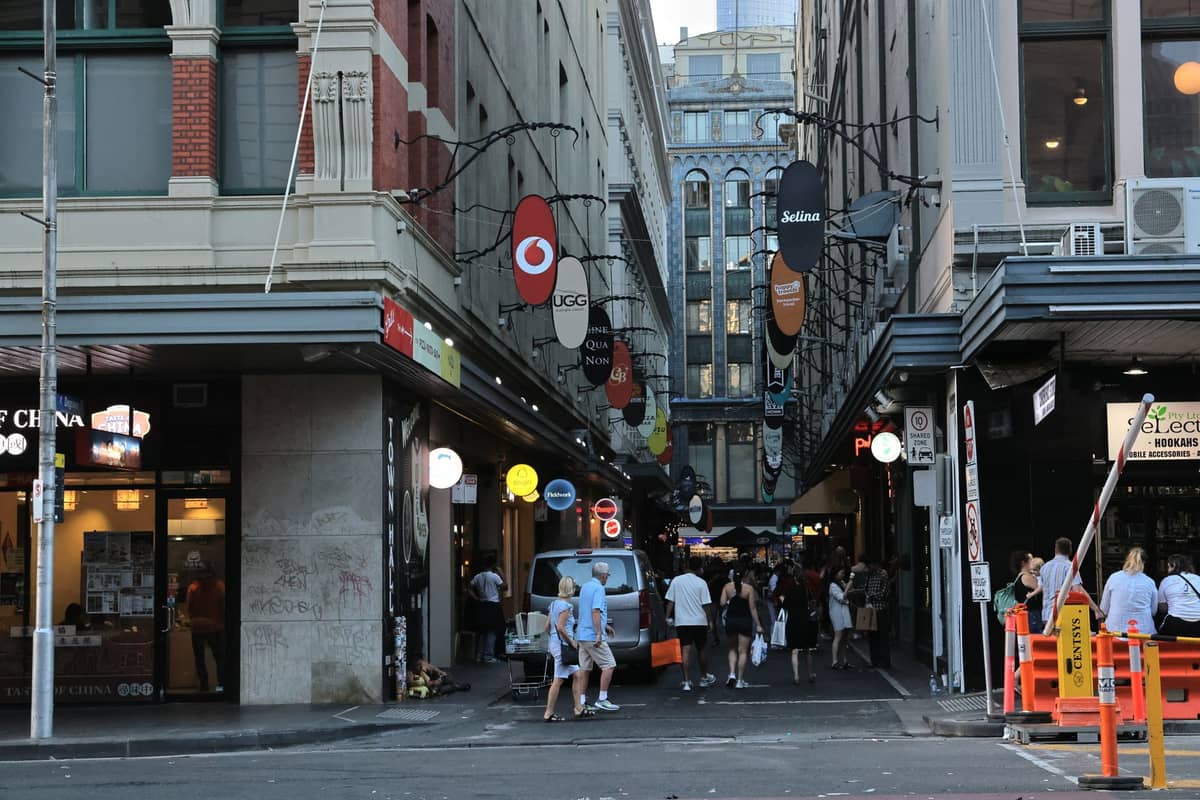
Melbourne in winter surprises most first-time visitors. Average maximum temperatures sit around 13–15°C — cool rather than cold. Snow in the city itself is essentially unheard of. What you get is overcast skies, frequent drizzle, and a city that retreats indoors in the best possible way: excellent coffee, live music, galleries, and some of the year's most interesting festivals.
The RISING festival (Melbourne's large winter arts festival) and the Melbourne International Film Festival (MIFF) both typically run during this period, providing serious cultural programming. The live music scene runs year-round but feels most atmospheric in winter when venues are packed. Accommodation rates drop noticeably in the off-peak months, and popular restaurants are easier to book. For budget-conscious travellers, winter is the clearest value window in the Melbourne calendar.
Outdoor activities are not off the table. The Royal Botanic Gardens remain open and pleasant on clear winter days. Day trips to the Great Ocean Road are actually better in winter: fewer tourist buses, dramatic ocean light, and lower accommodation rates along the route. The Dandenong Ranges are equally rewarding — mist on the tree ferns is a genuine highlight.
✨ Pro tip
Winter is the best season to score a table at Melbourne's most sought-after restaurants without months of lead time. The city's dining scene doesn't slow down, but demand eases. Book a week ahead rather than a month ahead.
Spring (September to November): Lovely but Unpredictable
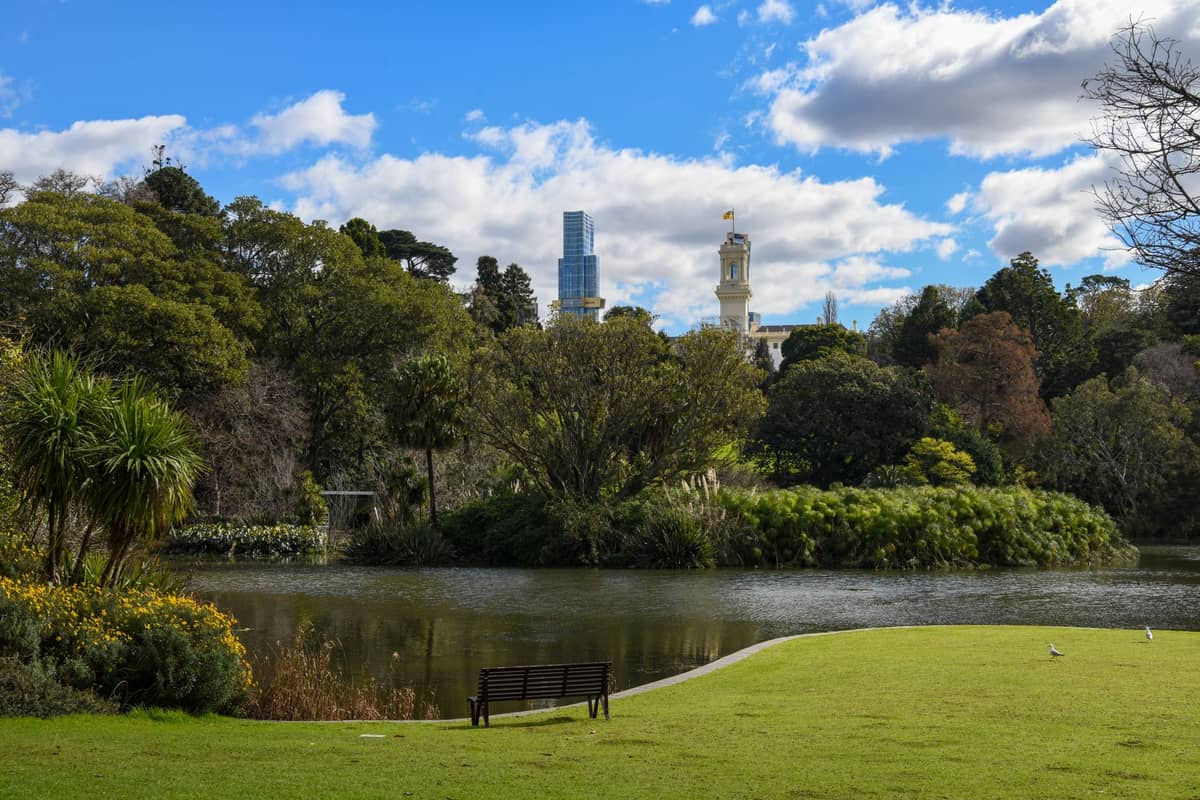
Spring is Melbourne's most visually rewarding season — cherry blossoms, wisteria on fences, and the Botanic Gardens in full bloom. It is also the most weather-variable. September can feel like a continuation of winter; November can throw a 35°C day with thunderstorms the following afternoon. The Bureau of Meteorology identifies October as one of Melbourne's wetter months, which catches many visitors off guard.
The major event of spring is the AFL Grand Final, typically held in late September at the Melbourne Cricket Ground. This is one of the biggest days on the Australian sporting calendar, and it transforms the city. If you're a fan of Melbourne's sporting culture, this is an extraordinary time to visit — but book everything early. The Melbourne Cup, Australia's most famous horse race held at Flemington Racecourse in November, is another major drawcard with its own surge in visitors and prices.
- AFL Grand Final (late September): city-wide celebration, premium hotel rates, book months ahead
- Melbourne Cup (first Tuesday in November at Flemington): fashion-forward racing culture, strong tourist numbers
- Spring Racing Carnival (October to November): multiple race days at Flemington and other venues
- Melbourne International Jazz Festival: typically autumn but check current year's schedule
- Garden fleurss peak from mid-September through October
Practical Planning: Events, Crowds, and Costs
Melbourne's event calendar is genuinely dense year-round. The Melbourne events calendar covers the major festivals and sporting events in detail, but the core principle for timing your trip is this: identify whether you want to attend a specific event or avoid crowds. These goals are usually mutually exclusive.
School holiday periods in Victoria (early to mid-April, late June to mid-July, and mid-September to early October) bring domestic families to the city and inner suburbs. Popular attractions like Melbourne Museum, the Melbourne Zoo, and the Melbourne Aquarium get noticeably busier. Visiting just outside these windows — say, late May or early August — gives you a calmer experience at most sites.
For first-time visitors with no specific event in mind, the sweet spot is late April to late May or mid-August to early September. These windows offer the lowest accommodation rates, shortest queues at attractions like the Eureka Skydeck and the Queen Victoria Market, and weather that is comfortable rather than extreme. Neither window is glamorous on paper, but both deliver Melbourne at its most accessible.
ℹ️ Good to know
Melbourne Airport (MEL, Tullamarine) is the main international and domestic gateway, located around 23 km from the city centre. The SkyBus Melbourne City Express connects the airport to Southern Cross Station; check current fares with SkyBus directly before booking, as prices are subject to change. Avalon Airport (AVV) serves some routes but is substantially farther from central Melbourne — always confirm which airport your flight uses.
FAQ
What is the best month to visit Melbourne?
Late April and May offer the strongest combination of comfortable temperatures (averaging 17–21°C), lower hotel rates, and manageable crowds. March is excellent too but can overlap with the Australian Grand Prix. If you want the city's outdoor culture at its best without peak-season pricing, aim for April or May.
Does Melbourne get cold in winter?
Melbourne winters are cool rather than cold by most global standards. Average maximum temperatures in July sit around 14–15°C, with overnight lows around 7°C. Snow in the city is effectively unheard of. A warm jacket, layers, and waterproof footwear are sufficient — you do not need heavy winter gear.
What is Melbourne's weather like in December and January?
December and January are warm to hot, with average maximums around 25–27°C. Heatwaves above 40°C occur most frequently during these months. The Australian Open takes place in January, so hotel prices spike and the city is at its busiest. If you visit in summer, build indoor alternatives into each day as a heat contingency.
When should I avoid visiting Melbourne?
There is no month that makes Melbourne genuinely unvisitable, but consider your tolerance for heat if travelling in January or February, and your tolerance for rain if travelling in October or November. Event-sensitive pricing peaks around the Australian Open (January), Australian Grand Prix (March), AFL Grand Final (late September), and Melbourne Cup (November). If cost is a priority, these windows are the ones to sidestep.
Is Melbourne worth visiting in winter?
Yes, and it is arguably underrated as a winter destination within Australia. The city's arts, dining, coffee, and live music culture are largely indoor pursuits that improve when the city retreats indoors. Major festivals like RISING and MIFF run in winter. Accommodation is cheaper, popular venues are easier to book, and day trips to the Great Ocean Road or Dandenong Ranges are rewarding in the cooler, moodier light.
Tickets & tours
Live prices and dates from our booking partner. If you book, we may earn a commission at no extra cost to you.
Planning a trip? Discover personalized activities with the Nomado app.