Watching Live Sport in Melbourne: A Fan's Guide
Melbourne is one of the world's great sporting cities, hosting world-class events across football, cricket, tennis, and more. This guide covers every major venue, how to get tickets, the best seasons to visit, and the practical details that actually matter.
Tickets & tours
Live prices and dates from our booking partner. If you book, we may earn a commission at no extra cost to you.
TL;DR
- Melbourne hosts major global sporting events year-round: the Australian Open (January), AFL season (March to September), international cricket (October to February), and the Melbourne Cup (November).
- The MCG (Melbourne Cricket Ground) is the city's iconic multi-sport venue; read our MCG visitor guide for seating, access, and transport details.
- Ticketek is the MCG's authorised ticket seller; always buy through official channels to avoid inflated resale prices.
- Jolimont and Richmond stations are both walkable from the MCG; trams 48, 70, and 75 also serve the sports precinct.
- Check our Melbourne events calendar to plan your trip around a specific event or season.
Why Melbourne Is a Sport-Obsessed City
Melbourne's identity is inseparable from sport. The city regularly ranks among the world's top sporting destinations, hosting more major international events annually than almost any city of comparable size. The Australian Open, the Boxing Day Test, the AFL Grand Final, the Formula 1 Australian Grand Prix, and the Melbourne Cup all take place here within a single calendar year. That concentration is rare, and it means there is almost always something worth attending regardless of when you visit.
This is not just a spectator quirk. Australian rules football and cricket are woven into local culture in ways that shape how Melburnians talk, plan their weekends, and even schedule public holidays. The Melbourne Cup, run on the first Tuesday of November at Flemington Racecourse, is a state public holiday in Victoria. That says everything about the city's relationship with sport.
Melbourne sits on the traditional lands of the Wurundjeri Woi-wurrung and Bunurong peoples of the Kulin Nation. Many of the city's major sports venues are close to the central city, making them easy to combine with broader sightseeing. For an overview of how to structure your visit, the 3 days in Melbourne itinerary is a useful starting point.
The Major Venues and What Happens There
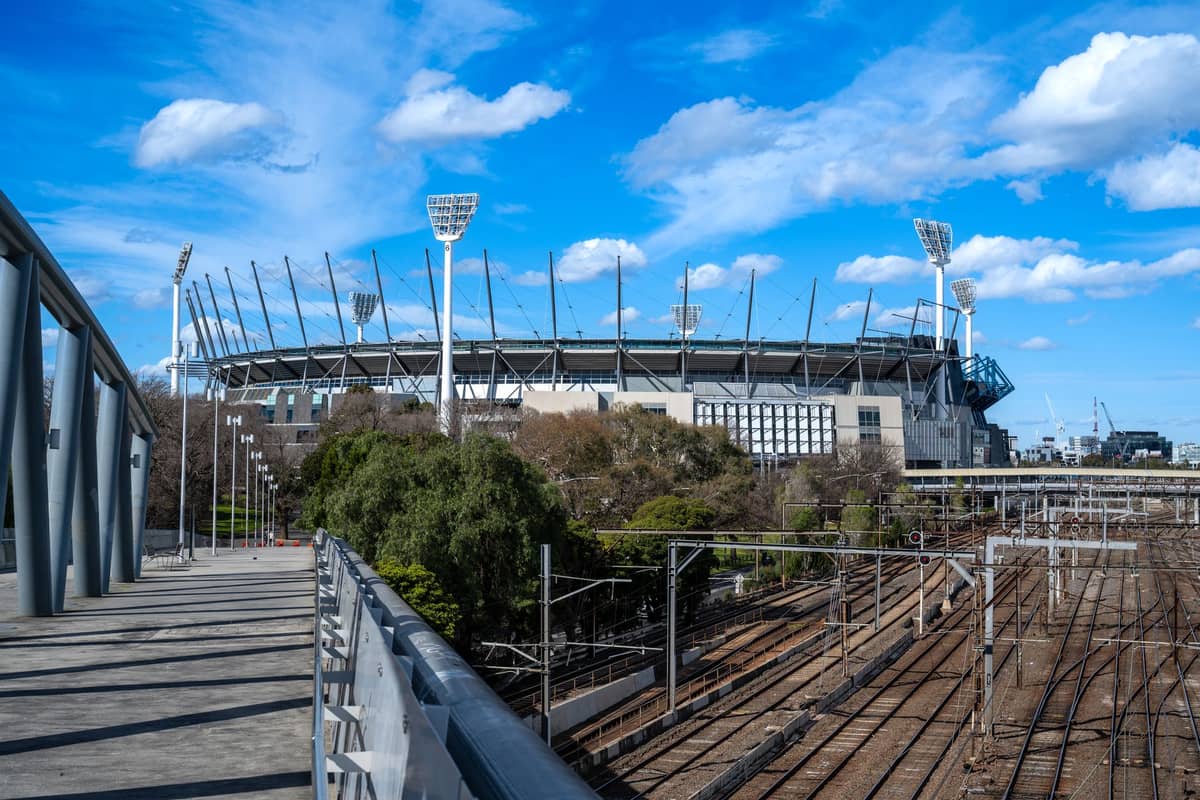
Understanding which sport happens where saves confusion and wasted travel. Melbourne's main sporting venues are concentrated in two precincts: the Melbourne Sports and Entertainment Precinct (MSEP) around Richmond, and Melbourne Park near the CBD.
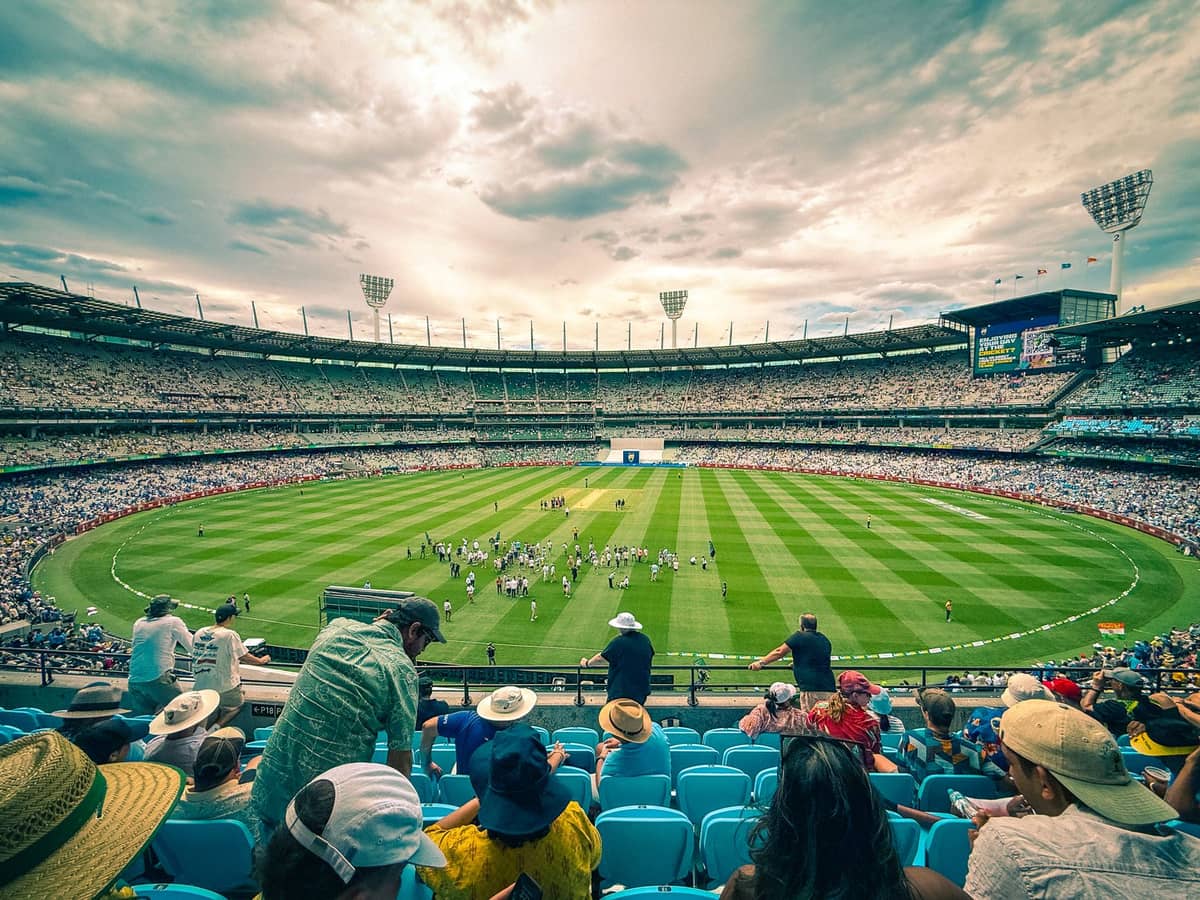
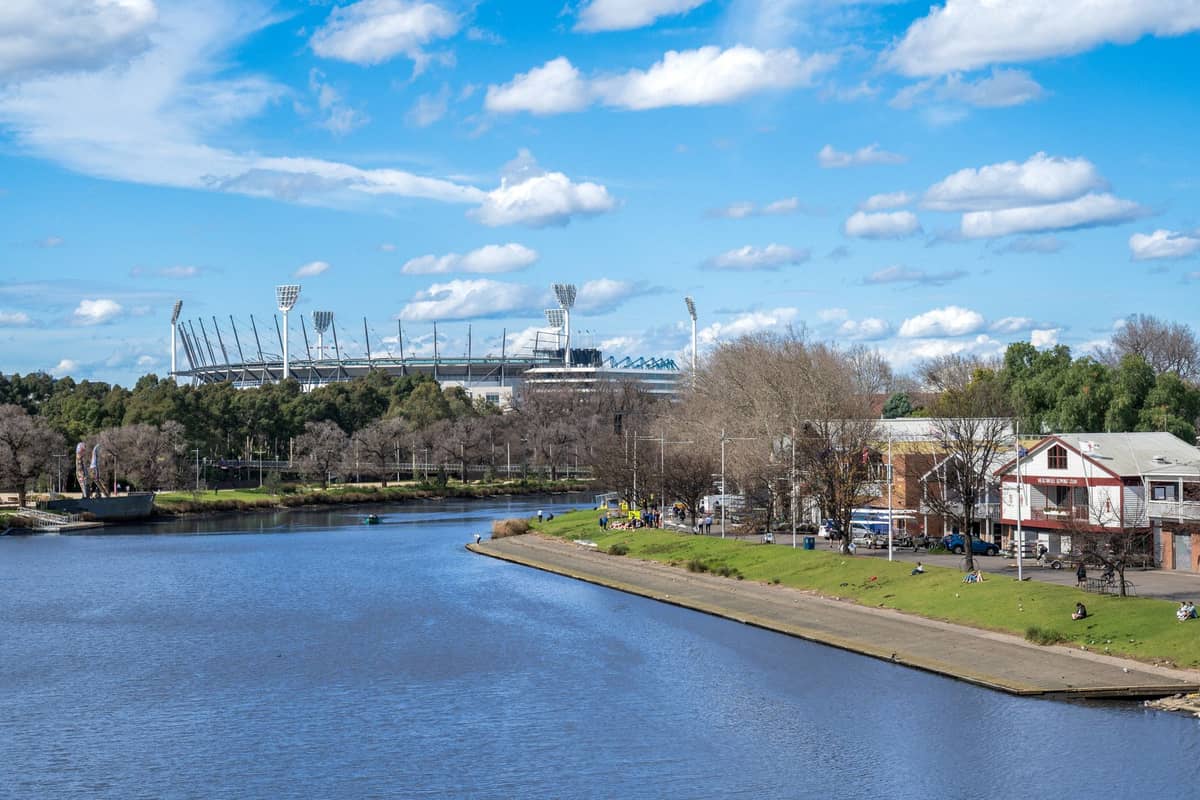
- Melbourne Cricket Ground (MCG) The largest stadium in the Southern Hemisphere, with a capacity around 100,000. Hosts AFL matches from March to September, international cricket from October to February including the Boxing Day Test on 26 December, and occasional T20 and Big Bash League matches November through January. Jolimont Station is about a five-minute walk; Richmond Station is also close. Tram routes 48, 70, and 75 serve the precinct.
- Marvel Stadium (Docklands) A retractable-roof stadium in the Docklands precinct hosting AFL matches, rugby, football (soccer), and major concerts. Served by Southern Cross Station, a short walk away. Its roof makes it more weather-reliable for evening events.
- Melbourne Park Home of the Australian Open each January. The complex includes Rod Laver Arena, John Cain Arena, and Margaret Court Arena, plus numerous outdoor courts. Located adjacent to the MCG precinct, accessible via Jolimont or Richmond stations.
- Flemington Racecourse Victoria's premier horse racing venue, host of the Melbourne Cup carnival in early November. Accessible by train on the Flemington Racecourse line, which operates on race days. General admission is available; reserved seating and marquee packages vary widely in price.
- AAMI Park A rectangular stadium near Melbourne Park hosting A-League football and rugby league. Capacity around 30,000. Walkable from the MCG and Melbourne Park, with the same transport options.
- Albert Park Circuit The Formula 1 Australian Grand Prix takes place here each March on a temporary street circuit around Albert Park Lake. General admission tickets allow access to multiple viewing areas; grandstand tickets are more expensive and sell well in advance.
ℹ️ Good to know
Ticketek is the MCG's authorised ticket seller for most events at the ground. For the Australian Open, tickets are sold through the official AO website (ausopen.com). Always buy through official channels. Third-party resale prices for major events like the Boxing Day Test or the AFL Grand Final can be several times face value.
The Sporting Calendar: When to Visit for What
Melbourne's sport calendar is genuinely year-round, but the density of major events in certain months makes timing your visit worthwhile. Here is how the year breaks down for sport fans.
- January Australian Open tennis at Melbourne Park. The 2027 event runs 11–31 January, with the main draw from 17–31 January. Ground passes give access to the outer courts and a general atmosphere; reserved seats for Laver Arena matches sell out fast. Outdoor court access and unreserved seating are subject to daily capacity limits — a ground pass does not guarantee a specific seat.
- March AFL pre-season ramps up and the Formula 1 Australian Grand Prix takes place at Albert Park. The GP weekend typically draws large crowds; book accommodation and transport well in advance.
- March to September AFL home-and-away season. Melbourne has two AFL clubs based at the MCG (Richmond Tigers, Melbourne Demons) and two at Marvel Stadium (Western Bulldogs, Carlton Blues). Hawthorn, Essendon, Collingwood, and others also play MCG home games. Regular season tickets are generally available closer to game day; finals tickets require advance planning.
- November Melbourne Cup carnival at Flemington. The Cup itself runs the first Tuesday of November. Tickets for Cup Day sell out; other carnival days (Derby Day, Oaks Day) are easier to access.
- November to January International cricket season. T20 internationals and Big Bash League matches run November through January. The Boxing Day Test (starting 26 December) is the flagship event — five days of Test cricket at the MCG, often drawing 70,000-plus on day one. Confirm all fixture dates on the MCG's official event listings before booking.
⚠️ What to skip
A single ground pass to the Australian Open does not guarantee entry to specific show courts or unreserved seating areas. Capacity limits apply daily. If you want to watch a particular match on Rod Laver Arena, you need a session ticket for that court, not just a ground pass. Check the official AO ticket information page before purchasing.
Getting to the Venues: Transport Logistics
Public transport is by far the most practical way to reach Melbourne's major sports venues. Driving to a sold-out MCG event means competing for limited and expensive parking while 80,000 other people do the same. The city's train and tram network, run by Public Transport Victoria (PTV), handles major event crowds efficiently. For a broader overview of navigating the city, the guide to getting around Melbourne covers myki cards, tram zones, and train lines in detail.
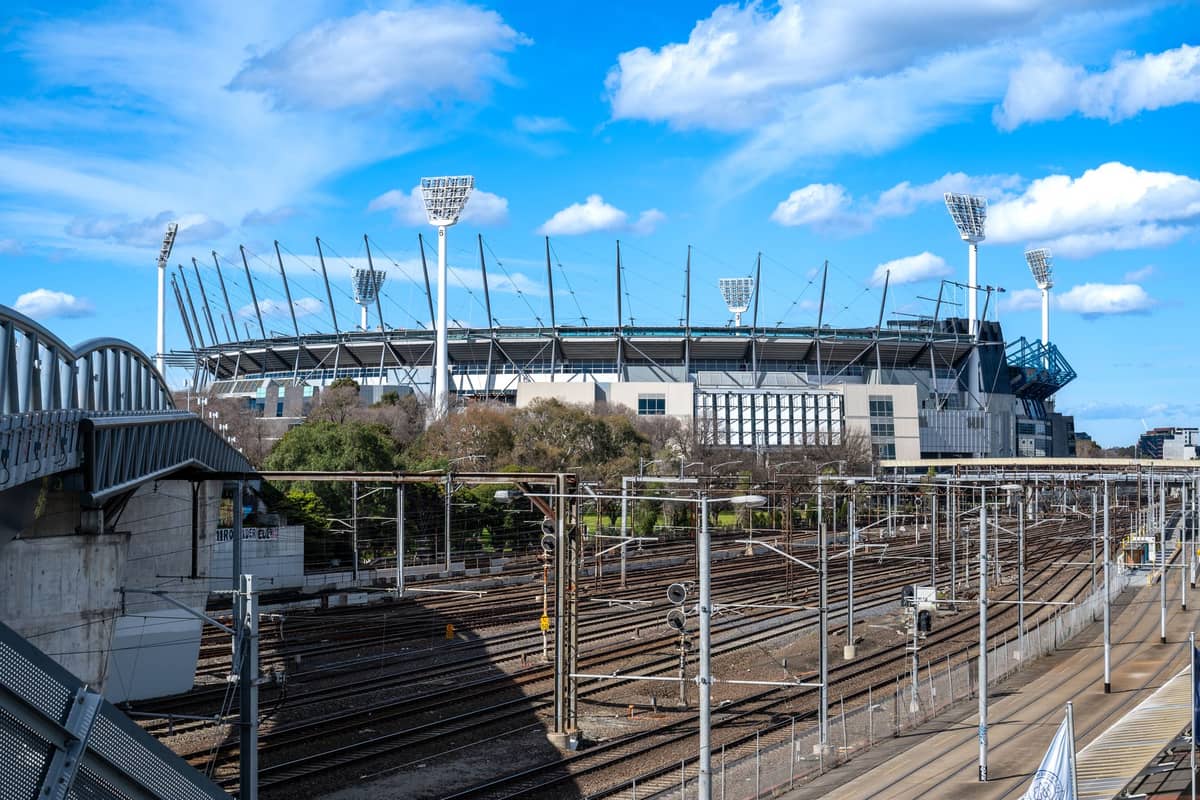
For the MCG and Melbourne Park specifically: Jolimont Station (Belgrave, Lilydale, Alamein, and Glen Waverley lines) is about a five-minute walk from the MCG gates. Richmond Station is also walkable, roughly 10 minutes, and connects to more lines including the Pakenham/Cranbourne group. Tram routes 48, 70, and 75 run through the sports precinct along Wellington Parade and Swan Street. Bus 246 stops around 600 metres from the MCG. Always check PTV for live disruptions on event days, as services run modified timetables during major events.
For Marvel Stadium in Docklands, Southern Cross Station is the most direct access point, roughly a 10-minute walk. For Flemington Racecourse, a dedicated race day train service runs directly to the course from Flinders Street Station on the Flemington Racecourse spur line. For Albert Park during the Grand Prix, the Lake precinct is accessible by tram from St Kilda Road and is walkable from St Kilda Road tram stops.
✨ Pro tip
On AFL and cricket match days, trains leaving Richmond or Jolimont immediately after the final siren can be extremely crowded. Experienced locals often stay for 20–30 minutes after a match ends, grab a drink near the venue, and let the first surge of the crowd clear before heading to the station. It genuinely makes the journey more pleasant.
Attending an AFL Match: What to Expect
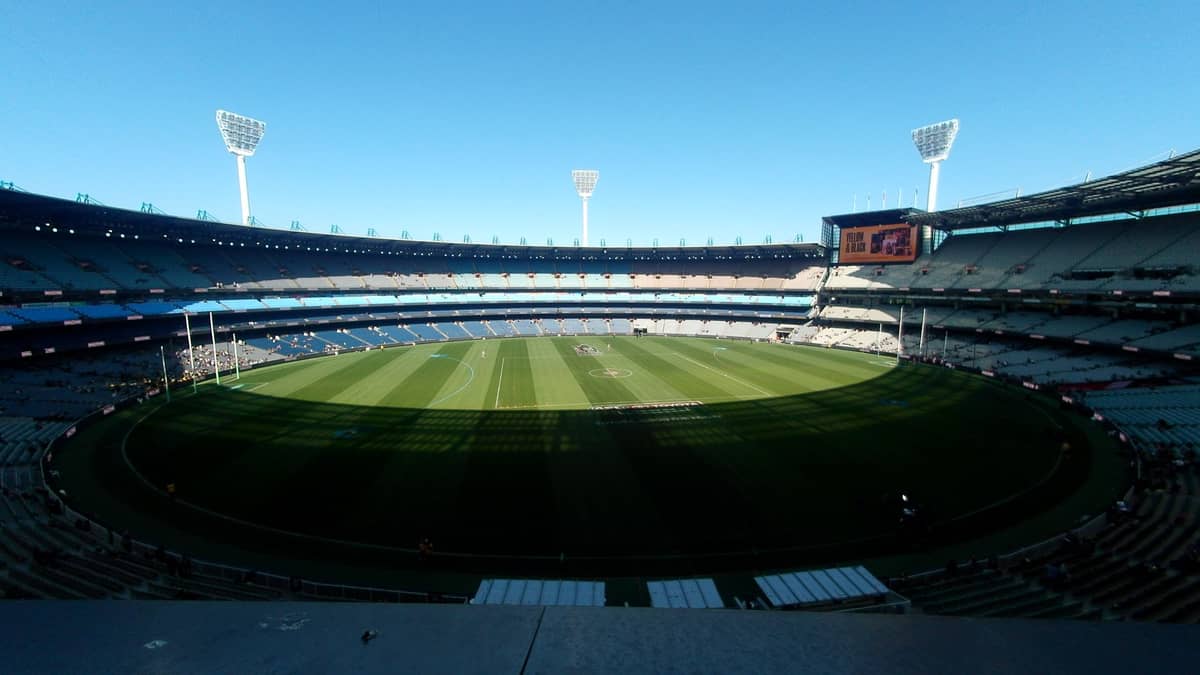
AFL is Melbourne's dominant sporting passion, and attending a home-and-away match at the MCG or Marvel Stadium is one of the best ways to understand local culture. The atmosphere at a packed MCG during a Richmond or Collingwood home game is genuinely unlike most other sporting experiences in the world.
Regular season games at the MCG typically have tickets available online through Ticketek up to game day, priced roughly in the range of $30–$80 AUD depending on the seat category and matchup. Finals tickets are a different matter: the AFL Grand Final at the MCG is the most contested ticket in Australian sport, and most tickets are allocated through club memberships rather than public sales. If you are visiting specifically for the finals in late September, plan well in advance and check the AFL's official allocation process. The Flemington Racecourse and the MCG are both part of the broader sports precinct that defines this part of Melbourne.
Food and drink inside the MCG and Marvel Stadium are standard stadium fare: meat pies, hot dogs, chips, and beer. Prices are stadium-level, so around $6–$8 for a pie and $10–$13 for a beer. Neither venue is known for culinary excellence. If you want a proper pre-match meal, Richmond's Swan Street and Bridge Road have a broad range of cafes, pubs, and restaurants within a 10-minute walk of the MCG gates.
Practical Tips for First-Time Sport Tourists
Melbourne's weather is notoriously unpredictable, with the local saying that you can experience four seasons in one day carrying real truth. Summer sport — cricket in December and January, the Australian Open — takes place in temperatures that can spike above 40°C on extreme days. Both the MCG and Melbourne Park have heat policies that can affect play and spectator access. Bring sunscreen, a hat, and a reusable water bottle. For broader seasonal planning, the best time to visit Melbourne guide covers temperature ranges and crowd patterns across the year.
- Buy tickets through official channels only: Ticketek for MCG events, ausopen.com for the Australian Open, the AFL website for football, and the relevant club or venue for other sports.
- Load a myki card before match day. Top-ups are available at stations and convenience stores. Tap on and tap off to pay the correct fare; trams within the Free Tram Zone are free but Melbourne Park and the MCG fall outside that zone for most train travel.
- Check the venue's bag policy before you go. Most major venues have restrictions on bag size and prohibited items. Clear bags or small bags (typically under 30cm x 30cm) are generally fine; larger bags may be refused at entry.
- Arrive at least 45 minutes before a sold-out event. Entry queues at the MCG for Boxing Day or a finals game can be slow, and gates open well before play begins.
- For multi-day events like the Australian Open or the Grand Prix, consider a multi-day ticket or a ground pass for lower-profile days rather than paying premium prices for the marquee day.
- Richmond and Fitzroy are the two neighbourhoods best positioned for pre-match eating and drinking near the MCG and Melbourne Park precinct.
If sport is your primary reason for visiting but you also want to explore the city between events, the things to do in Melbourne guide covers the city's cultural and culinary highlights alongside its major attractions. The Melbourne on a budget guide is worth reading if you are attending multiple events across a week, as accommodation and transport costs add up quickly.
FAQ
How do I get tickets to a Melbourne Cricket Ground event?
Ticketek is the MCG's authorised ticket seller for most events, including AFL matches and international cricket. Purchase through ticketek.com.au or the MCG's official website. For high-demand events like the Boxing Day Test or AFL finals, check availability early as popular matches sell out. Avoid third-party resale sites where prices are significantly marked up.
How do I get to the MCG by public transport?
Jolimont Station (about a five-minute walk) and Richmond Station (about 10 minutes) are the closest train stations. Tram routes 48, 70, and 75 also run through the precinct. Check PTV (ptv.vic.gov.au) for live schedules and any event-day service changes before you travel.
Does an Australian Open ground pass let you into all courts?
No. A ground pass gives access to the outer courts and the general precinct atmosphere, but reserved show courts like Rod Laver Arena, John Cain Arena, and Margaret Court Arena require separate session tickets. Capacity limits also apply to unreserved seating areas. If you want to watch a specific match on a show court, purchase a session ticket for that court directly through ausopen.com.
What is the best time of year to visit Melbourne for sport?
January combines the Australian Open with the tail end of the cricket season, giving you two major sports simultaneously. March adds the Formula 1 Australian Grand Prix. The AFL season from March to September guarantees weekend football. November brings the Melbourne Cup carnival. There is no single 'best' month — it depends entirely on which sport you want to see.
Is it worth watching AFL even if you don't know the rules?
Yes, and most first-timers find the pace and physicality immediately engaging even without understanding the rules fully. The game moves quickly, scoring is frequent enough to keep the score changing, and the crowd atmosphere at a big MCG match is an experience in itself. Watching a few YouTube explainers of AFL basics beforehand makes it considerably more enjoyable.
Tickets & tours
Live prices and dates from our booking partner. If you book, we may earn a commission at no extra cost to you.
Planning a trip? Discover personalized activities with the Nomado app.