3 Days in Melbourne: The Perfect Itinerary
Three days in Melbourne is enough to move past the obvious tourist circuit and get a real sense of the city. This itinerary covers the CBD laneways, inner-north neighbourhoods, bayside suburbs, and cultural institutions, with practical transport advice, realistic crowd warnings, and enough flexibility to make it your own.
Tickets & tours
Live prices and dates from our booking partner. If you book, we may earn a commission at no extra cost to you.
TL;DR
- Day 1 covers the CBD core: Federation Square, laneways, arcades, and the State Library.
- Day 2 heads to the inner north (Fitzroy, Carlton) and south to St Kilda by evening.
- Day 3 is best used for a focused day trip or a deep dive into one neighbourhood you haven't covered.
- Trams are free within the central Free Tram Zone only. Beyond it, you need a Myki card loaded with credit.
- Melbourne's weather is genuinely unpredictable. Check the best time to visit Melbourne and pack a layer regardless of the forecast.
Before You Arrive: Logistics Worth Knowing
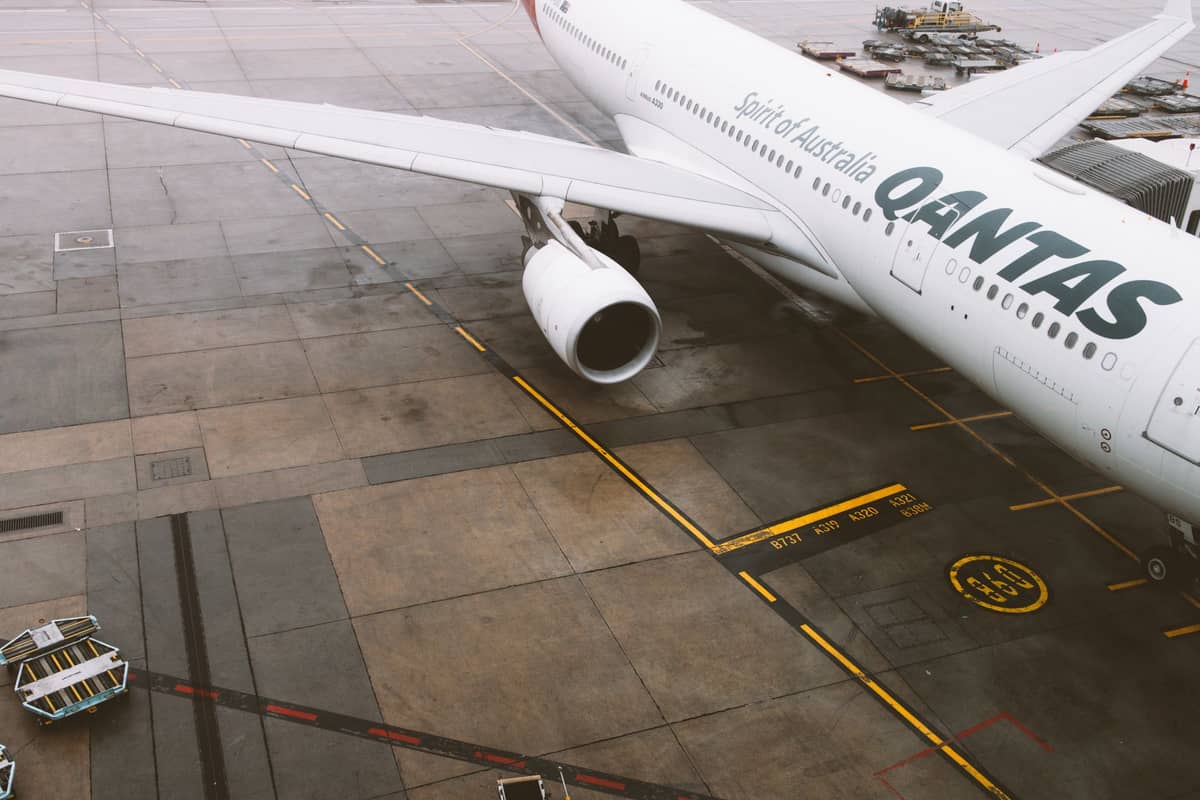
Most international visitors land at Melbourne Airport (MEL) in Tullamarine, about 23 km from the city centre by road. Note that Avalon Airport (AVV) serves some routes and is significantly farther out, so check which airport your flight uses before planning transfers. The fastest and most predictable route into the city is SkyBus, which runs express coaches between the airport and Southern Cross Station. The published adult one-way fare is around A$25.90, with a return at roughly A$43.40, though fares change, so verify on the Melbourne airport guide or directly with SkyBus before you travel.
Once in the city, trams are your main tool. There is a Free Tram Zone covering the CBD grid and Docklands, and within that area you can board any tram without tapping on. The moment you travel beyond the zone boundaries, you need a Myki card. Pick one up at 7-Eleven stores, major train stations, or the airport. Load it with enough credit for your planned travel; the full-fare daily cap is A$11 for Zone 1+2 travel. Ride-hailing apps including Uber also operate across the metropolitan area for trips where trams aren't convenient.
⚠️ What to skip
The Free Tram Zone does not make all Melbourne public transport free. It applies only to tram journeys that stay within the designated central-city boundaries. Board a tram and ride one stop past the zone without a Myki and you risk an on-the-spot fine from inspectors who work these routes regularly.
Melbourne sits on the traditional lands of the Wurundjeri Woi-wurrung and Bunurong peoples of the Kulin Nation. Many of the city's public institutions open their programming with an acknowledgement of this, and several cultural venues actively incorporate First Nations perspectives into their exhibitions. It is worth knowing this context before you visit. Australia uses a 230 V electrical supply with Type I plugs, so bring an adapter if your devices use a different standard. Tap water is safe to drink. Tipping is not obligatory, though it is welcomed at restaurants and for tour guides.
Day 1: The CBD Core, Laneways, and Cultural Institutions
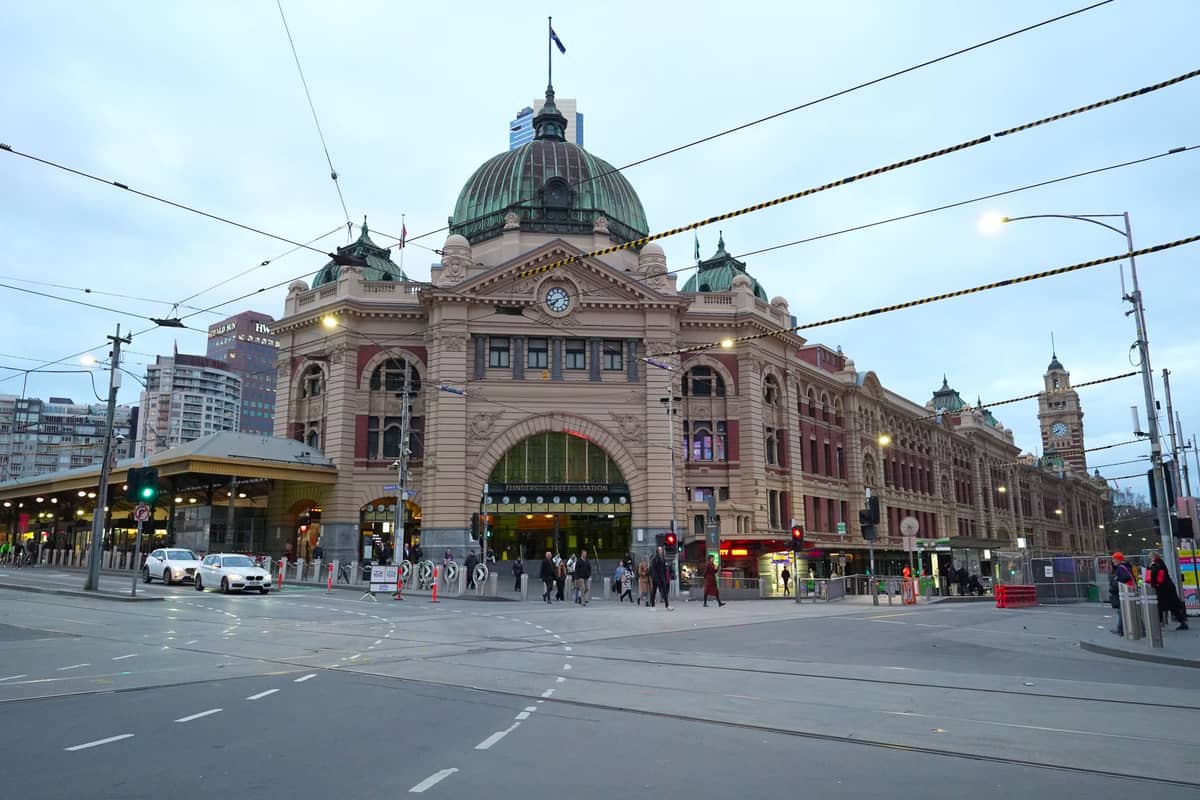
Start at Flinders Street Station, the ochre-domed building at the corner of Flinders and Swanston Streets that functions as the de facto symbol of the city. Cross the road to Federation Square, which is architecturally divisive but practically useful: it houses The Ian Potter Centre (free, dedicated to Australian art) and the Australian Centre for the Moving Image, and the square itself is a reliable orientation point. Spend 45 to 60 minutes in the Ian Potter Centre if Australian art interests you at all. The indigenous art galleries on the ground floor are particularly strong.
From Federation Square, walk north on Swanston Street and turn into the laneway network. Hosier Lane is the most photographed of Melbourne's street art corridors, and while it draws crowds from mid-morning onwards, it is genuinely impressive. The layered stencil work and paste-ups change frequently, which is part of the appeal. From Hosier Lane, continue through to Degraves Street for coffee. Melbourne's coffee culture is serious and the standard in the laneways is high. Order a flat white or a long black; asking for a 'regular coffee' may get you a blank look.
After coffee, walk through the Royal Arcade and the Block Arcade. Both date to the 1890s and represent the city's Victorian-era commercial confidence. The tiled floors and ornate ceilings in Block Arcade are particularly good. In the afternoon, head to the State Library Victoria on Swanston Street. Entry is free. The La Trobe Reading Room under the octagonal dome is one of the finest interior spaces in any Australian city and takes about 15 minutes to walk around properly.
- Morning: Federation Square and laneways Arrive at Flinders Street Station by 9am. Cross to Federation Square, spend time in the Ian Potter Centre, then work through Hosier Lane and Degraves Street before the midday crowds arrive.
- Midday: Arcades and lunch Walk the Royal Arcade and Block Arcade. Lunch options are dense in this part of the CBD. The food court beneath the Melbourne Central shopping centre is a step above average and covers a range of cuisines.
- Afternoon: State Library and Queen Victoria Market The State Library opens daily and closes in the early evening. From there it is a short walk to Queen Victoria Market, which operates Tuesday, Thursday, Friday, Saturday, and Sunday. Check the current schedule before planning around it.
- Evening: Southbank or a CBD restaurant Walk south to Southbank along the Yarra River for dinner. The restaurant density is high but quality is uneven. Avoid the most tourist-facing venues on the riverfront promenade and look one block back for better value.
💡 Local tip
Queen Victoria Market is not open every day. Tuesday and Thursday sessions focus on general merchandise; the full market including the fresh food halls runs on weekends. If you're planning to buy produce or have a proper market breakfast, Saturday morning is the best option.
Day 2: Inner North and Bayside
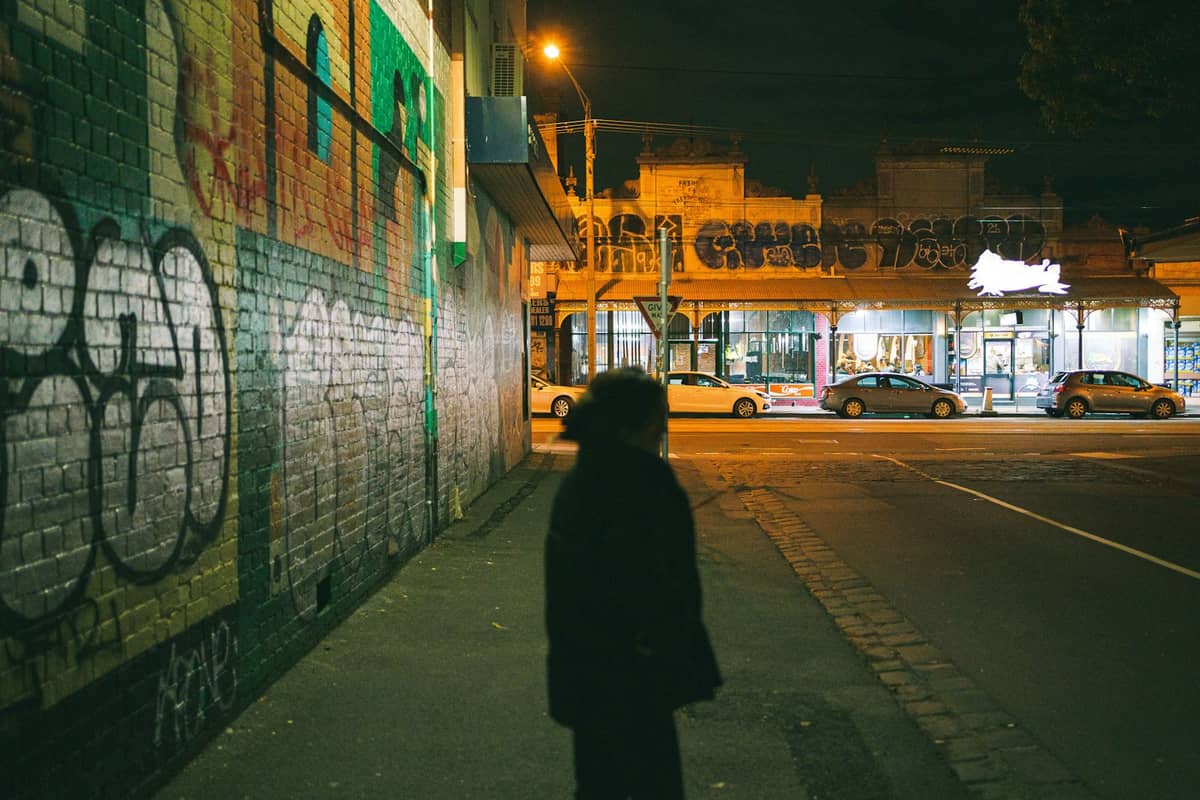
Take a tram north to Fitzroy in the morning. Brunswick Street and Smith Street are the main corridors. The neighbourhood has a density of independent cafes, bookshops, vintage clothing stores, and small galleries that rewards slow walking. It is also one of the better areas to find a genuinely good breakfast. Avoid the obvious tourist-facing brunches and look for smaller spots with handwritten menus. Carlton, the adjacent suburb, is worth the 10-minute walk for Lygon Street's Italian dining and the Melbourne Museum.
The Melbourne Museum in Carlton Gardens is free to enter the permanent collection. The Bunjilaka Aboriginal Cultural Centre inside the museum is one of the most thoughtfully assembled First Nations cultural spaces in the country and should not be skipped. Allow 90 minutes minimum. Adjacent to the museum is the Royal Exhibition Building, a UNESCO World Heritage-listed structure from 1880. Tours of the interior run on select days; check in advance if this interests you.
By early afternoon, reverse direction and head south to St Kilda. Tram 96 from Bourke Street runs directly there. St Kilda Beach is a broad stretch of Port Phillip Bay with calm water and a low-key atmosphere. It is not the dramatic scenery of a surf coast beach, but it suits a late-afternoon walk well. Afterwards, walk along Fitzroy Street for dinner options, or try Acland Street for the bakeries and cake shops that the suburb is locally known for. The little penguins at St Kilda Pier return to the breakwater at dusk and are observable for free from the pier. This is one of the few places in the world where wild penguins can be seen in an urban setting, and the experience is as reliable as wildlife encounters get.
✨ Pro tip
The St Kilda penguin colony is best viewed from around 30 minutes after sunset. Arrive before dark so you can position yourself on the breakwater. Photography with flash is prohibited as it disorients the birds. Bring a jacket: the bay is exposed and temperatures drop sharply after dark even in summer.
Day 3: Day Trip or Deep Neighbourhood Dive
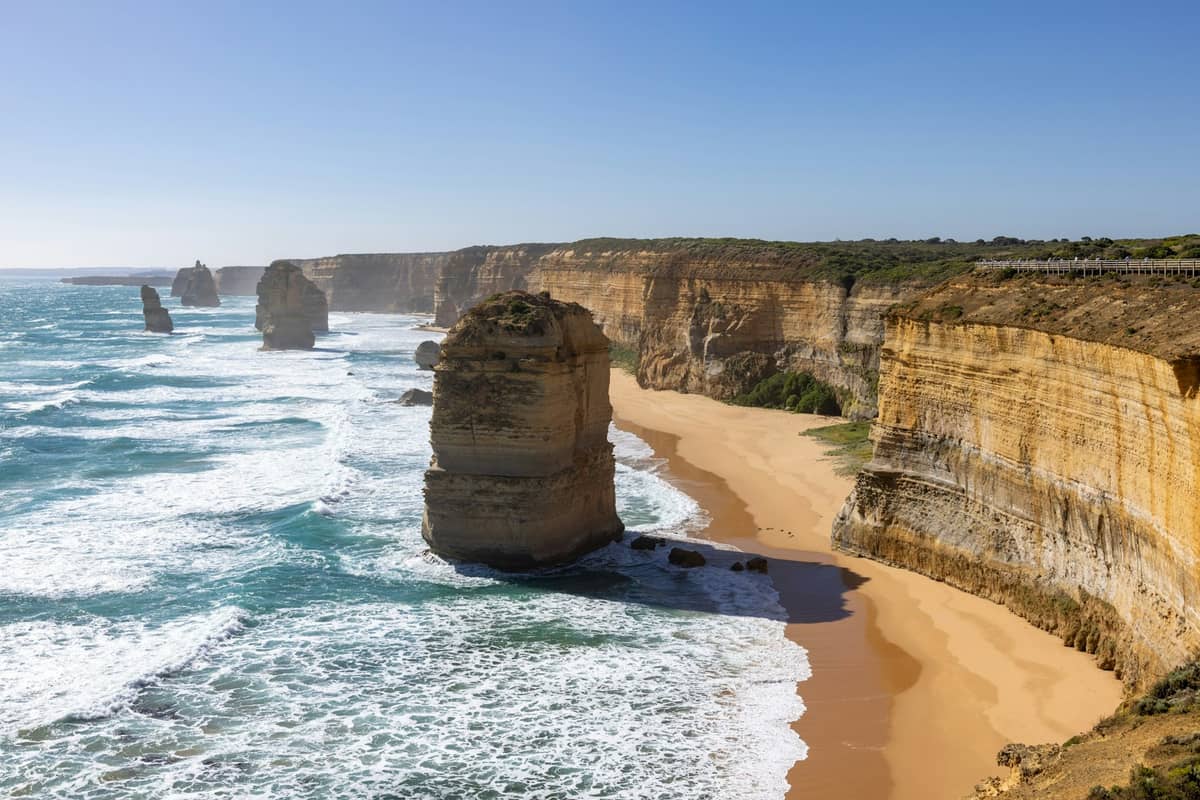
Your third day is where most itineraries go vague. The honest answer is that it depends entirely on what you care about. If you haven't rented a car yet, consider doing so for Day 3 and driving the start of the Great Ocean Road. The road begins about 90 minutes southwest of Melbourne and reaches the iconic Twelve Apostles formations after around 3.5 to 4 hours of driving. As a one-day return trip this is ambitious but achievable if you leave early. Alternatively, the Yarra Valley wine region is about an hour east of the city and combines wineries with the Healesville Sanctuary wildlife park, which is one of the better places in Victoria to see native animals.
If you'd rather stay in the city, use Day 3 to visit the Royal Botanic Gardens in the morning. General admission is free and the gardens are open daily, though opening and closing times vary seasonally so check the official website before visiting. The gardens cover over 36 hectares along the Yarra River in South Yarra and are worth at least two hours. From the gardens, walk north through the Domain to the NGV International on St Kilda Road. The NGV holds an extensive art collection and the permanent collection is free. Blockbuster temporary exhibitions carry a ticket price; these book out weeks in advance.
- Best for outdoors Great Ocean Road day trip. Leave Melbourne by 7:30am, drive to Loch Ard Gorge or the Twelve Apostles, and return by early evening. Bring food and fuel up beforehand; roadside stops are expensive.
- Best for food and wine Yarra Valley. Combine two or three cellar door visits with lunch. Healesville Sanctuary is family-appropriate and roughly on the route.
- Best for staying in the city Royal Botanic Gardens in the morning, NGV International after lunch, then the Melbourne Cricket Ground or a short walk to Richmond for dinner if sport interests you.
- Best for families Melbourne Zoo in Parkville is about 20 minutes by tram from the CBD, or Scienceworks in Spotswood for a more hands-on experience.
Practical Planning: What Most Guides Skip
Melbourne's weather operates on its own schedule. The city genuinely can produce four seasons in one day, particularly in spring (September to November) and autumn (March to May). Average summer highs reach around 25°C, winter highs sit near 14°C, and rainfall is spread fairly evenly across the year with October often among the wetter months. The only reliable rule is to pack a waterproof layer and a light warm layer regardless of what the forecast says on the day you leave for the airport.
For accommodation, staying within or immediately adjacent to the CBD puts you inside the Free Tram Zone and walking distance of Day 1's entire itinerary. Southbank and the CBD itself have the highest density of hotels across all price brackets. St Kilda suits visitors who prioritise the beach and a more relaxed neighbourhood atmosphere, but factor in the 20-25 minute tram commute to the centre. For a full breakdown, the where to stay in Melbourne guide covers each area's trade-offs honestly.
Budget roughly A$30-60 per person per day for food if you use a mix of market breakfasts, casual lunches, and mid-range dinners. Add A$20-40 for transport depending on how far you roam from the Free Tram Zone. Major museum and gallery permanent collections are largely free, so your main costs will be food, transport, and any paid attractions. The Melbourne on a budget guide has specific strategies for reducing spend without cutting quality.
ℹ️ Good to know
Australia requires a visa or electronic travel authority for most international visitors. There is no general visa-on-arrival arrangement that covers all nationalities. Use the Australian Government's visa finder at immi.homeaffairs.gov.au to confirm what you need before booking flights. Citizens of some countries qualify for an ETA (Electronic Travel Authority) which can be applied for online in minutes; others require a full visa application.
How to Adjust This Itinerary for Your Travel Style
Three days is a reasonable starting point but Melbourne rewards longer stays. If you have more time, the one-week Melbourne itinerary builds on this framework and adds the inner-west neighbourhoods, more day trip options, and deeper cuts into the food and live music scenes. If you are travelling with children, several of the institutions above work well with kids, and the Melbourne with kids guide resequences the same city around what actually holds younger attention.
Sport is a major part of Melbourne's identity in a way that surprises some international visitors. The Melbourne Cricket Ground seats over 100,000 people and functions as a cathedral for Australian rules football and cricket. If your visit overlaps with a major event, including the Australian Open in January or the Melbourne Cup in November, book accommodation at least three months ahead. Prices roughly double during these periods and the character of the city shifts noticeably.
FAQ
Is 3 days enough to see Melbourne?
Three days is enough to cover the CBD laneways, at least two inner-neighbourhood areas, a bayside suburb, and one day trip or major cultural institution. You will not exhaust the city, but you will leave with a genuine sense of its character rather than a checklist of postcard sights. If you have four or five days, the experience improves significantly because you can slow down and spend longer in individual areas.
What is the best way to get around Melbourne in 3 days?
Trams within the Free Tram Zone cover most of Day 1's itinerary at no cost. For Day 2, a Myki card loaded with credit handles tram travel to Fitzroy and St Kilda. For Day 3 day trips outside the city, a hire car is the most practical option for routes like the Great Ocean Road or Yarra Valley. Confirm you have a valid driver's licence recognised in Australia before hiring.
How much does 3 days in Melbourne cost?
A rough budget allowing for mid-range accommodation, cafe meals, public transport, and free or low-cost attractions runs to around A$200-350 per person per day. Budget travellers using hostels, market food, and free attractions (state library, NGV permanent collection, Royal Botanic Gardens) can reduce this to A$80-120 per day. Meals out at good restaurants add A$40-80 per person per sitting.
What is Melbourne weather like and what should I pack?
Melbourne's climate is temperate with genuinely unpredictable day-to-day variation. Summer (December to February) averages around 25°C but can exceed 40°C on extreme days; winter (June to August) averages around 14°C. Rain falls year-round. Pack a waterproof layer, a light warm layer, and comfortable walking shoes regardless of the season. Checking the Bureau of Meteorology forecast the morning of each day is worth the 30 seconds it takes.
Do I need a car for 3 days in Melbourne?
Not for Days 1 and 2. The tram and train network handles the CBD, inner north, and St Kilda without a car. Day 3 is where a car adds genuine value if you want to reach the Great Ocean Road or Yarra Valley under your own schedule. Without a car, organised day tours depart from the CBD for both destinations and are a reasonable alternative, though you sacrifice flexibility on stops and timing.
Tickets & tours
Live prices and dates from our booking partner. If you book, we may earn a commission at no extra cost to you.
Planning a trip? Discover personalized activities with the Nomado app.