Where to Stay in Melbourne: A Neighbourhood-by-Neighbourhood Guide
Choosing where to stay in Melbourne shapes your entire trip. This guide breaks down every major neighbourhood by location, transport access, price range, atmosphere, and who it suits best, so you can book with confidence.
Tickets & tours
Live prices and dates from our booking partner. If you book, we may earn a commission at no extra cost to you.
TL;DR
- The CBD and Southbank are the most central options, with free tram access and walking distance to major attractions, but they come at a premium price.
- Fitzroy and Carlton suit travellers who want character, good food, and easy inner-city access, without paying CBD hotel rates. See the Fitzroy neighbourhood guide for what to expect on the ground.
- St Kilda is the beach-adjacent option, though the beach itself is modest by Australian standards and the area is a 20-30 minute tram ride from the city centre.
- The Free Tram Zone covers trams within the central grid only. Outside it, you need a myki card. Zone 1+2 fares are A$5.50 for two hours (concession) and A$11 daily for full fare (from 1 January 2025).
- Melbourne Airport (MEL) is 23 km from the CBD. Check the Melbourne Airport guide for transfer options including SkyBus (around A$25.90 one-way) and rideshare.
How to Pick the Right Area Before You Book
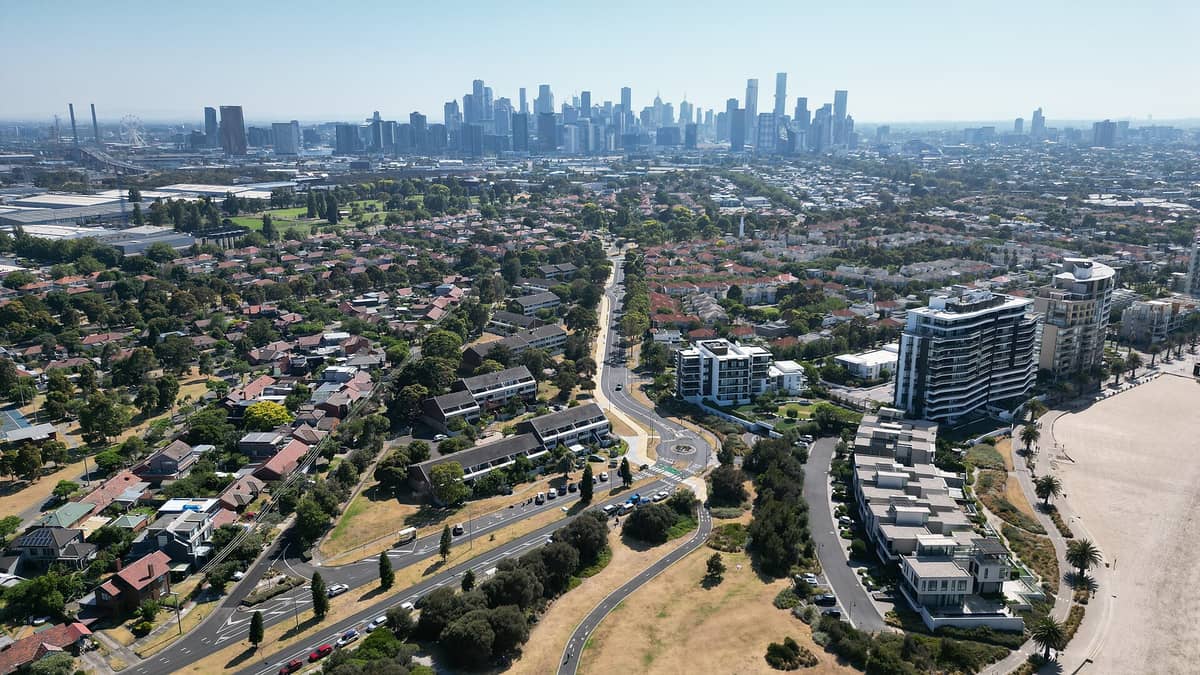
Melbourne is a sprawling city and where you stay matters more than in compact destinations like Paris or Singapore. The metro area stretches across over 9,990 square kilometres, so a hotel that looks central on a map can still leave you a 40-minute commute from the things you actually want to see. The good news is that Melbourne's public transport network, particularly its tram grid in the inner city, makes most inner-suburb locations genuinely practical.
Before locking in a neighbourhood, decide on two things: your budget range and your travel style. The CBD and Southbank are where most international-standard hotels cluster, which makes them expensive and, outside business hours, sometimes quieter than you'd expect. The inner suburbs, particularly Fitzroy, Carlton, Richmond, and South Yarra, are where Melburnians actually eat and drink, and where the city's character lives. St Kilda is the perennial backpacker and beach-seeker choice, but it's worth understanding the tradeoffs before you book.
ℹ️ Good to know
Melbourne sits on the traditional lands of the Wurundjeri Woi-wurrung and Bunurong peoples of the Kulin Nation. This context is worth understanding as you explore the city's history, particularly around sites like Birrarung Marr and the Immigration Museum.
CBD and Southbank: Central, Convenient, and Pricey
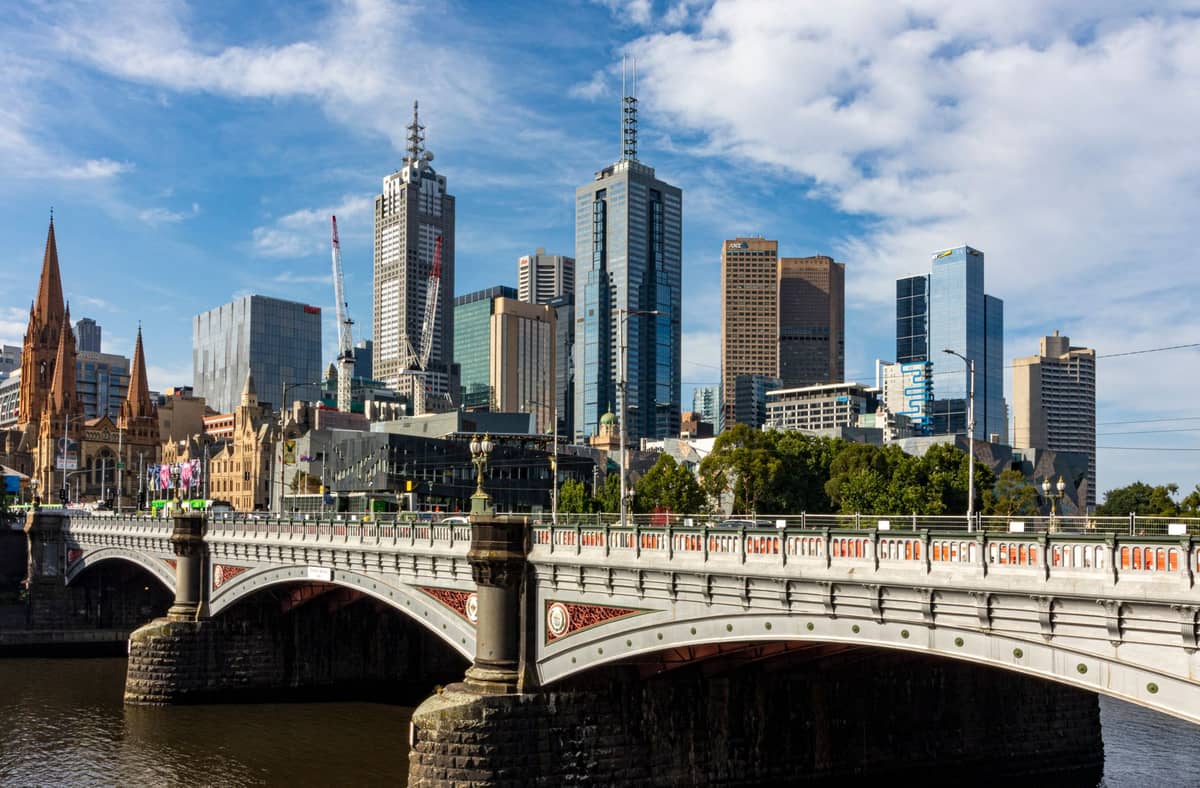
The Melbourne CBD is the most logical base if your trip revolves around landmarks and cultural institutions: Federation Square, Flinders Street Station, the State Library Victoria, and the laneways are all within walking distance. The Free Tram Zone covers tram travel within the central grid, so you can move around the CBD and inner Southbank without touching a myki card.
Southbank, just south of the Yarra River, is effectively an extension of the CBD for most visitors. It's home to the Arts Centre Melbourne, the NGV International, and the Eureka Skydeck. High-rise hotels here tend to have river or city views, and they're connected to the CBD by footbridge. If your budget is flexible, the Southbank riverside strip is one of Melbourne's more pleasant places to be based.
- Best for First-time visitors, business travellers, short stays, and anyone who wants everything walkable.
- Transport Free Tram Zone covers the inner grid. Southern Cross Station (trains to the airport, regional Victoria, and cross-city) is at the western edge of the CBD.
- Price range Mid-range hotels typically start around A$150-200 per night; premium properties run A$300 and above. Rates spike sharply during major events like the Australian Open and the Melbourne Cup.
- Watch out for The CBD goes quiet on weekend mornings and evenings outside restaurant precincts. Some blocks feel more like an office district than a neighbourhood.
⚠️ What to skip
The Free Tram Zone applies only to trams, and only within the central city boundary. Tram trips that start or end outside the zone require a valid myki fare. Buses and trains always require a ticket, even in the CBD. A full-fare Zone 1+2 myki daily cap is A$11 (as of 1 January 2025). Verify current fares at ptv.vic.gov.au before travel.
Fitzroy, Carlton, and Collingwood: Where Melbourne Actually Lives
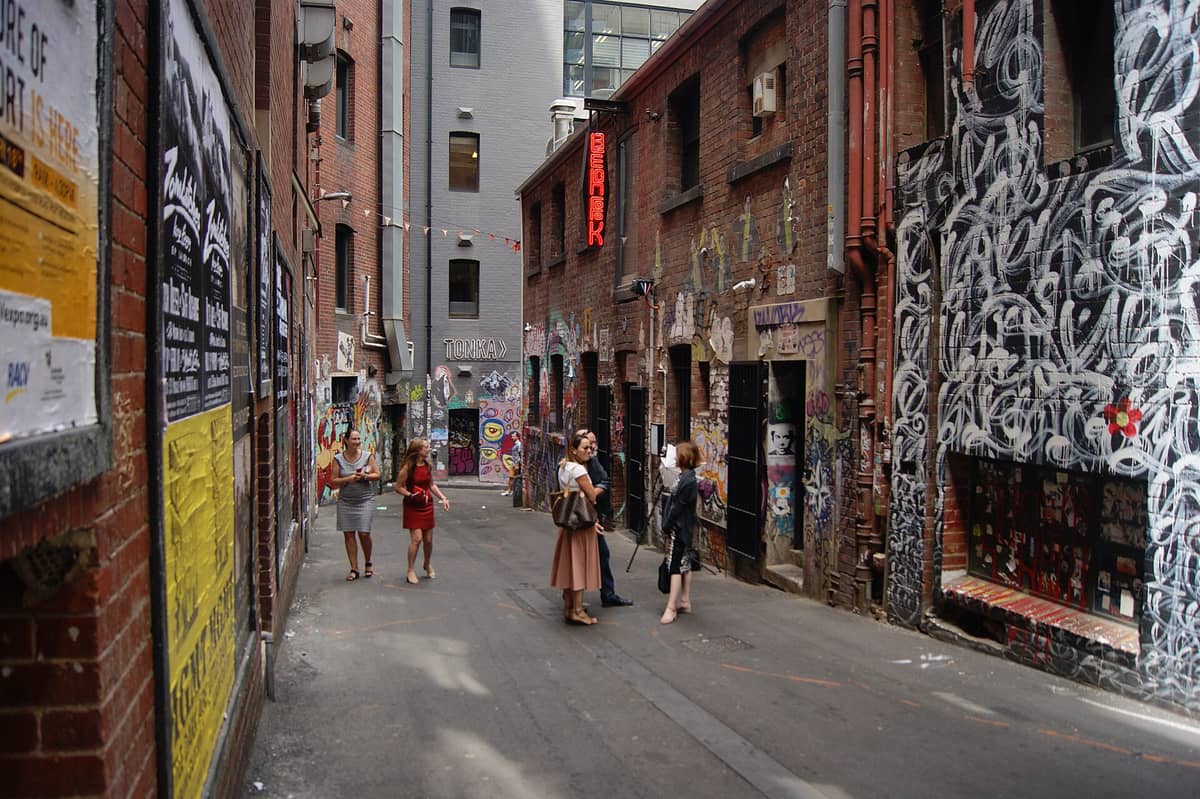
If you want to understand why people are passionate about Melbourne, stay in the inner north. Fitzroy and Carlton are the two neighbourhoods that consistently deliver the most Melbourne-specific experience: independent cafes, serious restaurants, bookshops, street art, live music venues, and a density of interesting retail that the CBD can't match.
Carlton is particularly strong for accommodation value. It's adjacent to the CBD, walkable to the University of Melbourne, and positioned near the Carlton Gardens and Melbourne Museum. Lygon Street has historically been Melbourne's Italian dining strip, though the quality varies considerably by venue these days. The neighbourhood draws families and academics as much as tourists, which keeps it feeling grounded.
Fitzroy and Collingwood are better suited to travellers who want to be near nightlife, art spaces, and Melbourne's independent food scene. Brunswick Street and Smith Street are the main axes. Accommodation options here lean toward boutique hotels, guesthouses, and apartments rather than large chains, which suits longer stays. Tram routes 86 and 96 connect both suburbs to the CBD in under 15 minutes.
- Best for Culture-focused travellers, food enthusiasts, repeat visitors who've done the CBD circuit, and anyone staying more than a few nights.
- Transport Multiple tram routes to the CBD. Journeys outside the Free Tram Zone require myki. Carlton is walkable to the city in 15-20 minutes.
- Price range Generally 20-40% cheaper than comparable CBD hotels. More apartment-style and boutique options available.
- Watch out for Parking is difficult and mostly ticketed. Not ideal if you're hiring a car.
St Kilda: The Beach Option (Know What You're Getting)
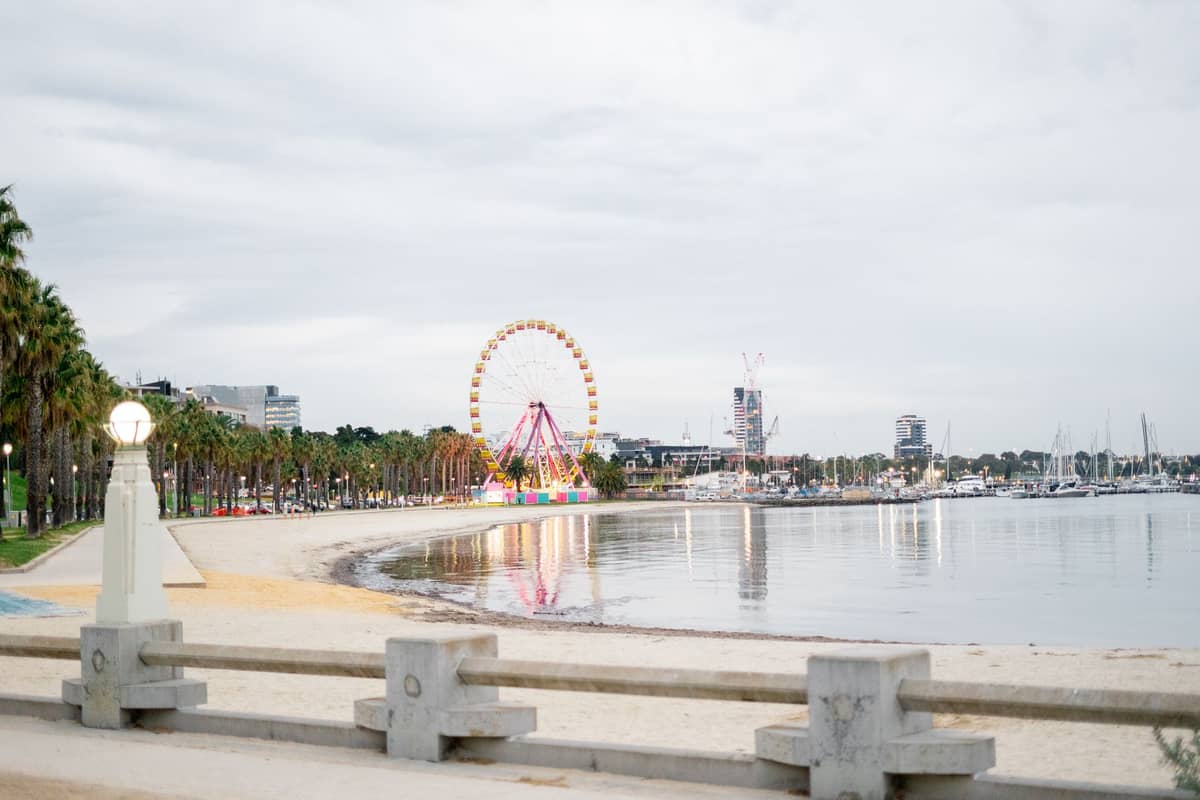
St Kilda is the default recommendation for travellers who want a beach-adjacent base, and it works, with caveats. St Kilda Beach is pleasant for walking and swimming in summer, but it's not the white-sand, blue-water beach that international visitors may picture from Australian tourism campaigns. The water is Port Phillip Bay water, which is calm and safe but not pristine. For serious beach days, the surf beaches to the south and east require a longer trip.
That said, St Kilda's Fitzroy Street and Acland Street precincts have genuine energy, good brunch spots, and a mix of accommodation from backpacker hostels up to mid-range hotels. The famous little penguins at St Kilda Pier are a genuine draw for families, particularly at dusk from October to March. Tram 96 connects St Kilda to the CBD in around 25-30 minutes and runs frequently.
St Kilda has a longer history as a party suburb than most guidebooks acknowledge upfront. Fitzroy Street in particular can be noisy late at night and on weekends. If you're travelling with young children or prefer quieter evenings, factor this in before booking. The suburb suits solo travellers, couples, and anyone who wants nightlife access alongside a beachfront atmosphere.
South Yarra, Richmond, and Prahran: The Upscale Inner East
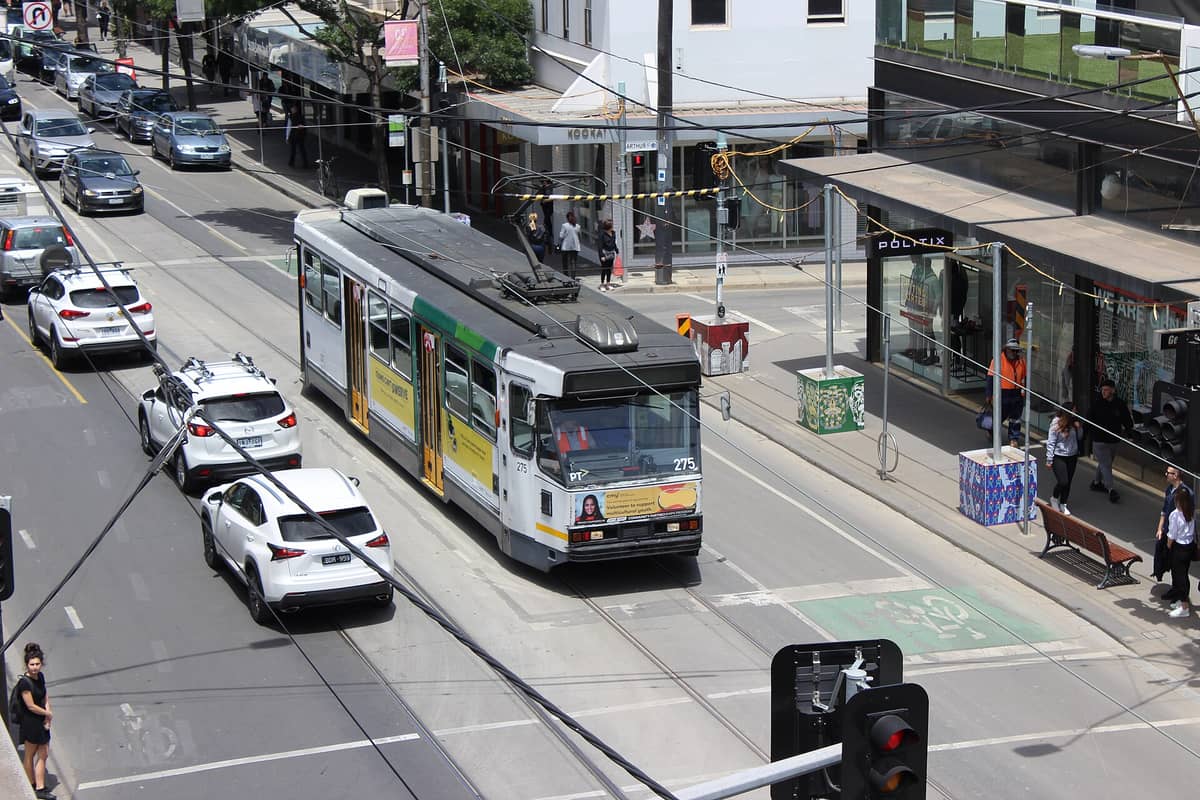
The inner-southeast corridor, covering Richmond and South Yarra, is where Melbourne's upscale shopping and dining is concentrated. Chapel Street in South Yarra is the main retail strip, and while it's changed considerably over the years, it still has a strong mix of fashion boutiques, bars, and restaurants. Prahran Market, one of the city's best fresh food markets, is worth factoring in if you're staying in self-contained accommodation.
Richmond suits sports-focused visitors particularly well. The Melbourne Cricket Ground (MCG) and AAMI Park are both within easy reach, and the suburb's Swan Street strip is a strong option for pre- and post-match dining. The suburb is on the train line, making city access fast. If you're visiting for AFL season (March to September) or major cricket fixtures, proximity to the MCG is worth paying for.
✨ Pro tip
During major Melbourne events, including the Australian Open (January), the Melbourne Cup (first Tuesday of November), and AFL Grand Final week (September/October), hotel rates across all inner suburbs increase significantly, sometimes doubling. Book several months ahead for these periods. The Australian Open in particular fills hotels across a wide radius.
Docklands and Beyond: What to Know Before You Consider It
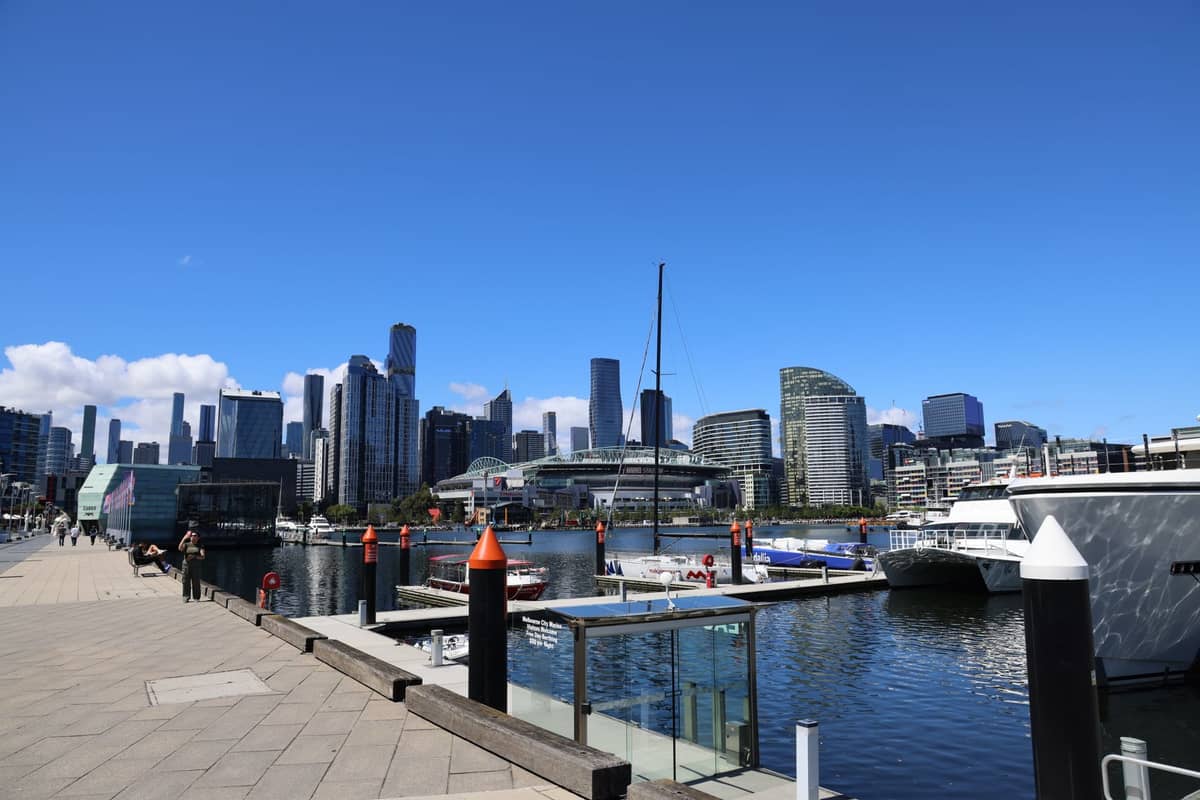
Docklands sits west of the CBD and is technically within the Free Tram Zone. It was developed as a waterfront precinct from the late 1990s and has a different feel from the rest of inner Melbourne: newer, larger-scale, and less organically evolved. There are apartment-style hotels here that offer good value and space, particularly for families. The waterfront walk is pleasant and the precinct is quiet, which is an advantage or a disadvantage depending on what you want.
For travellers who want to explore beyond the inner suburbs, it's worth knowing that Melbourne's train network extends through most of the metropolitan area, and PTV bus routes fill the gaps. If you're planning day trips to places like the Dandenong Ranges, the Mornington Peninsula, or the Yarra Valley, check train access from your suburb before booking. Some accommodation areas that look convenient on a map require multiple transfers to reach trailheads or regional train stations.
- Williamstown: a historic bayside suburb accessible by ferry from Southbank or train from the CBD. Quiet, scenic, and good for travellers who want a slower pace with easy city access.
- Brunswick: north of Fitzroy, with a younger, more relaxed feel and strong cafe culture. Less polished than Fitzroy but cheaper and increasingly popular with longer-stay visitors.
- Footscray: west of the CBD and one of Melbourne's most culturally diverse areas, with outstanding Vietnamese and East African food strips. Well-served by trains. Not yet a mainstream tourist base, but worth considering for the right type of traveller.
Practical Logistics: Transport, Timing, and Booking
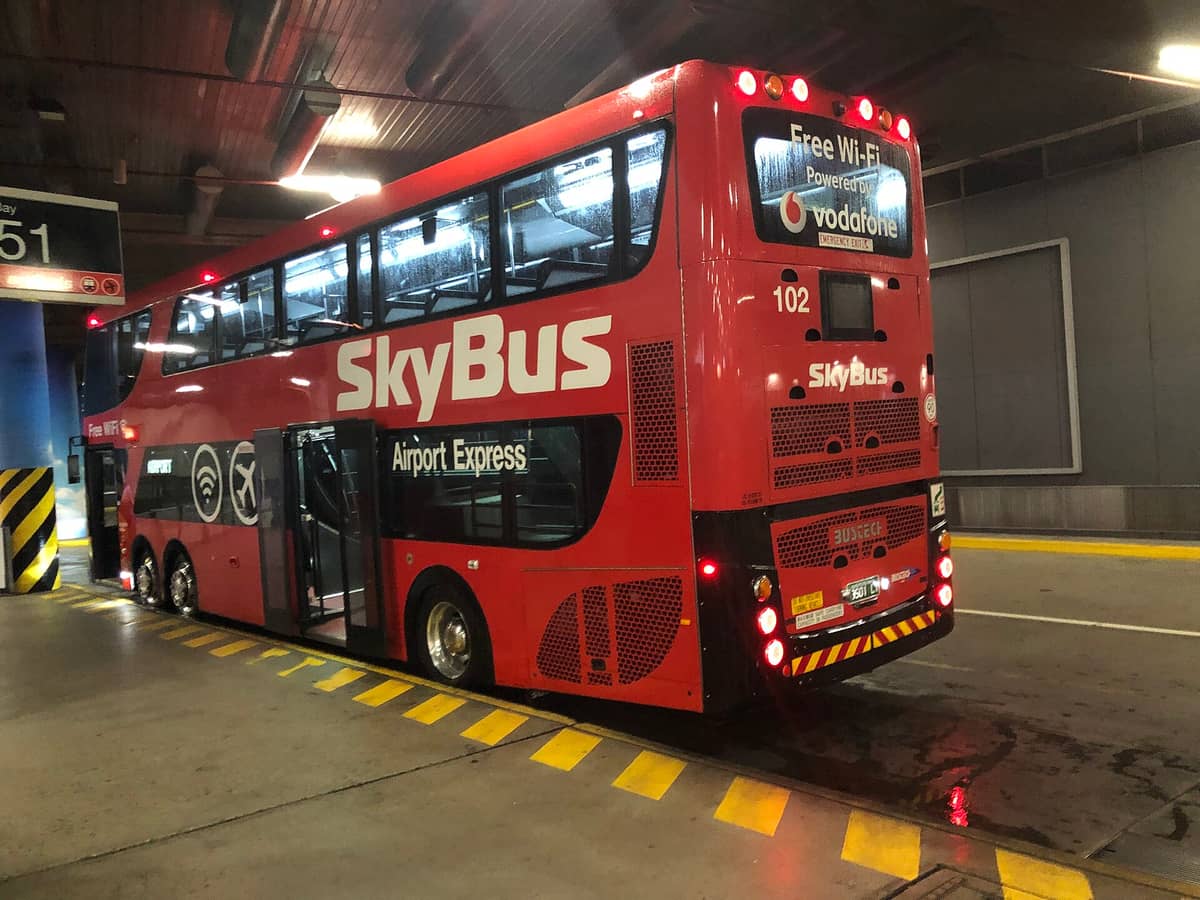
Getting from Melbourne Airport (MEL, Tullamarine) to your accommodation is the first decision most visitors face. The airport is 23 km from the CBD by road, and there is currently no rail link. SkyBus City Express runs between the airport and Southern Cross Station daily from around 4am to 1am, with departures every 10 minutes at peak times. Fares are approximately A$25.90 one-way, but verify current pricing at the SkyBus website before travel. SkyBus also operates routes to St Kilda and other suburbs. For full transfer options, the Melbourne Airport guide covers rideshare, taxis, and bus alternatives in detail.
Once you're in the city, the myki card is the standard tool for public transport outside the Free Tram Zone. You can load credit at 7-Eleven stores, train stations, and online. For transport planning across all of Melbourne, the guide to getting around Melbourne covers tram routes, train lines, and the specifics of navigating the network as a visitor.
On timing: Melbourne's accommodation rates follow a clear pattern. Summer (December to February) is peak season for the CBD and Southbank, driven by the Australian Open in January and general holiday travel. Winter (June to August) is quieter and cheaper, though Melbourne has plenty of indoor cultural attractions that make it a legitimate off-season destination. Autumn (March to May) offers the best balance of reasonable weather and manageable hotel prices for most travellers.
💡 Local tip
Melbourne's weather is genuinely unpredictable regardless of season. The local saying 'four seasons in one day' is not an exaggeration. Pack layers and a compact rain jacket regardless of when you visit, and check the Bureau of Meteorology forecast (bom.gov.au) rather than relying on general seasonal advice.
FAQ
What is the best area to stay in Melbourne for first-time visitors?
The CBD or Southbank is the most practical base for a first visit. You're within walking distance of major attractions, the Free Tram Zone makes getting around easy, and the concentration of hotels means competitive pricing. Carlton is a solid alternative if you want a slightly more neighbourhood feel without sacrificing central access.
Is St Kilda worth staying in for a Melbourne trip?
It depends on your priorities. St Kilda suits travellers who want a beach-adjacent base, are comfortable with a 25-30 minute tram ride to the CBD, and don't mind a lively (sometimes noisy) evening scene. It's not ideal for families prioritising quiet, and the beach is calmer bay water rather than surf beach. Tram 96 connects it directly to the city centre.
How far is Melbourne Airport from the city centre, and how do I get there?
Melbourne Airport (MEL, Tullamarine) is approximately 23 km from the CBD by road. There is no train link. SkyBus City Express connects the airport to Southern Cross Station with departures roughly every 10-15 minutes (daily 4am-1am), with adult fares around A$25.90 one-way. Rideshare and taxis are also available. Verify current fares and schedules directly with SkyBus or your rideshare app before travel.
When do Melbourne hotel prices peak?
The Australian Open (mid-to-late January) is the single biggest driver of rate increases across inner Melbourne. The Melbourne Cup (first Tuesday in November) and AFL Grand Final week (late September/October) also cause significant spikes. School holiday periods, particularly December-January and July, push up family-oriented accommodation. For the best rates, consider travelling in June, July, or August, outside school holidays.
Do I need a myki card if I'm staying in the CBD?
Not for tram travel within the Free Tram Zone, which covers the central city grid. However, the Free Tram Zone applies only to trams, not buses or trains, and only within the designated boundary. Any tram journey that starts or ends outside the zone requires a myki fare. If you're planning to travel to inner suburbs like Fitzroy, Richmond, or St Kilda, a myki card is strongly recommended. As of 1 January 2025, the Zone 1+2 daily cap is A$11. Check current fares at ptv.vic.gov.au.
Tickets & tours
Live prices and dates from our booking partner. If you book, we may earn a commission at no extra cost to you.
Planning a trip? Discover personalized activities with the Nomado app.