Getting Around Melbourne: The Complete Transport Guide
From the Free Tram Zone to airport transfers, myki cards to rideshare, this guide covers every practical detail you need to navigate Melbourne's transport network confidently. No fluff, just the information that actually matters.
Tickets & tours
Live prices and dates from our booking partner. If you book, we may earn a commission at no extra cost to you.
TL;DR
- Melbourne's public transport runs on the myki card system — load credit before you travel, not on the vehicle.
- Trams within the central city Free Tram Zone are free, but only if your entire trip stays inside the zone — check the Melbourne CBD boundaries before boarding.
- A full-fare myki trip costs around A$5.50 for two hours or A$11 daily (Zone 1+2) — verify current fares at ptv.vic.gov.au before travel.
- SkyBus connects Melbourne Airport (MEL) to Southern Cross Station for around A$25.90 one-way, but doesn't run between 1 a.m. and 4 a.m.
- For day trips and regional travel, check our day trips from Melbourne guide for transport options beyond the metro network.
Understanding the myki Card: Melbourne's Ticketing System
Getting around Melbourne on public transport starts with one thing: the myki card. This reloadable smartcard is required for metropolitan trains, most trams outside the Free Tram Zone, and buses across the network. You cannot buy a single-use paper ticket for most services, so acquiring a myki should be your first priority after arriving.
myki cards are sold at 7-Eleven stores, major train stations, the PTV Hub at Southern Cross Station, and at Melbourne Airport. The card itself costs A$6 to purchase, then you load credit (called myki Money) on top. You tap on when boarding and tap off when you exit a train station or bus; on trams, you only need to tap off if your trip is entirely in Zone 2.
- Full fare (Zone 1+2) Approximately A$5.50 for a 2-hour fare, A$11 daily cap. Verify current prices at ptv.vic.gov.au before travel.
- Concession fare Available for eligible students, seniors, and health card holders at roughly half the full fare rate.
- myki Pass For stays of 7 days or longer, a myki Pass (weekly, monthly) offers better value than loading myki Money daily.
- Weekend daily cap A daily cap applies on weekends and public holidays, making it cost-effective for multiple trips in a day.
⚠️ What to skip
The Free Tram Zone does NOT make all public transport in central Melbourne free. It only applies to trams, and only when your entire journey stays within the designated central-city and Docklands zone. If your tram trip crosses the boundary, you need a valid myki with credit — and inspectors do check. Fines for travelling without a valid ticket are substantial.
Trams: The Icon of Melbourne Transport
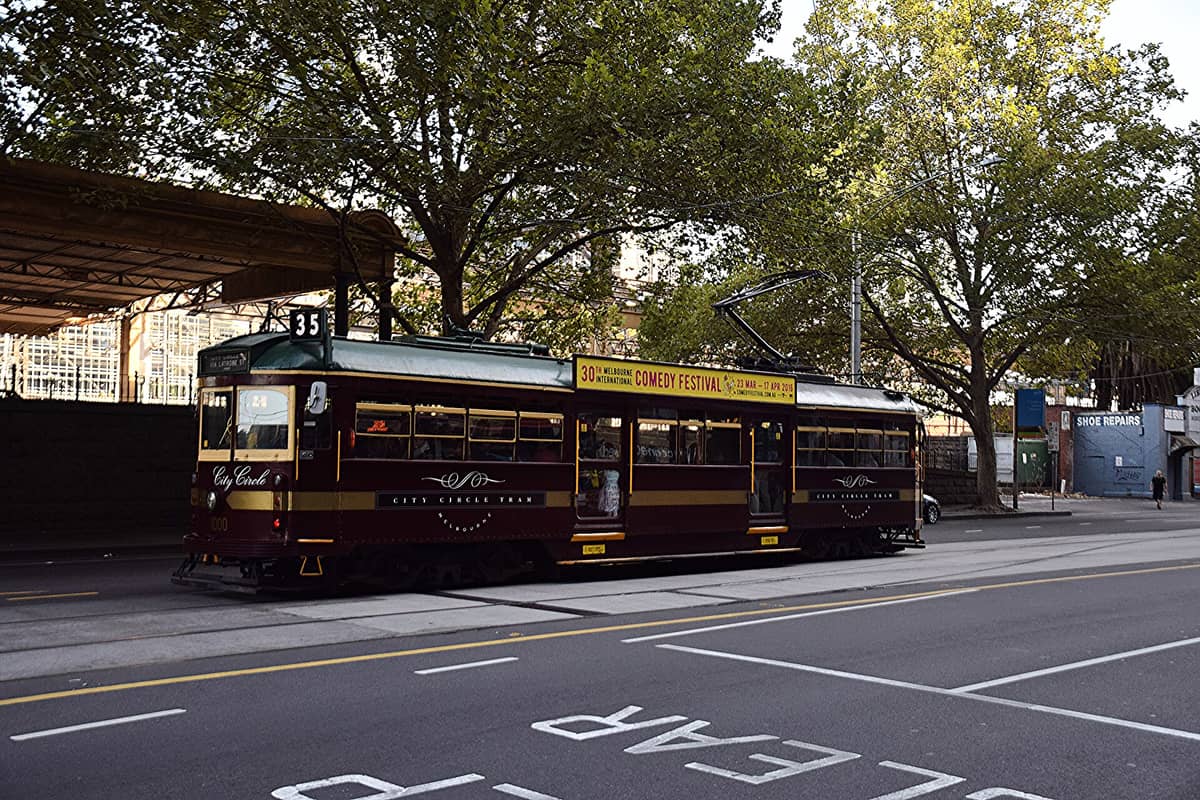
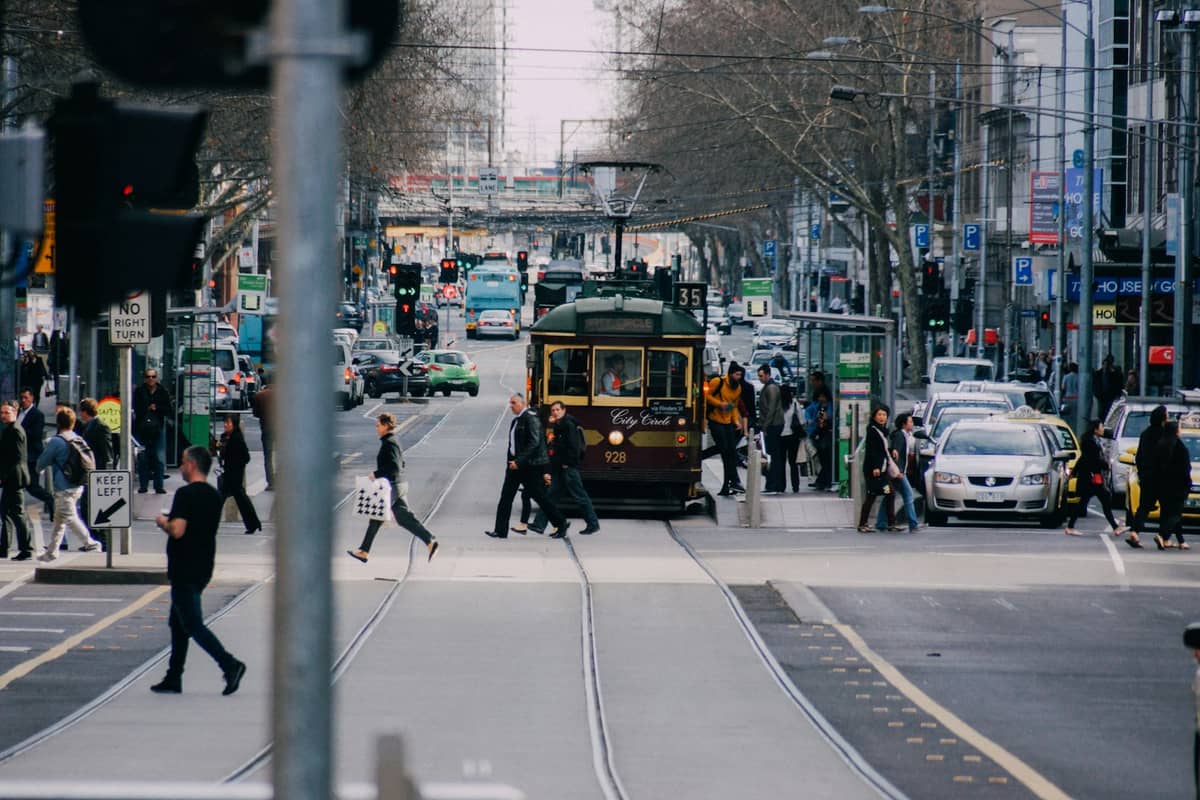
Melbourne operates one of the largest urban tram networks in the world, and the tram is still the most practical way to move around the inner city. The City Circle Tram (Route 35) loops around the CBD perimeter for free and is a useful orientation tool for first-time visitors, though it runs less frequently than regular routes and is more tourist-oriented than functional.
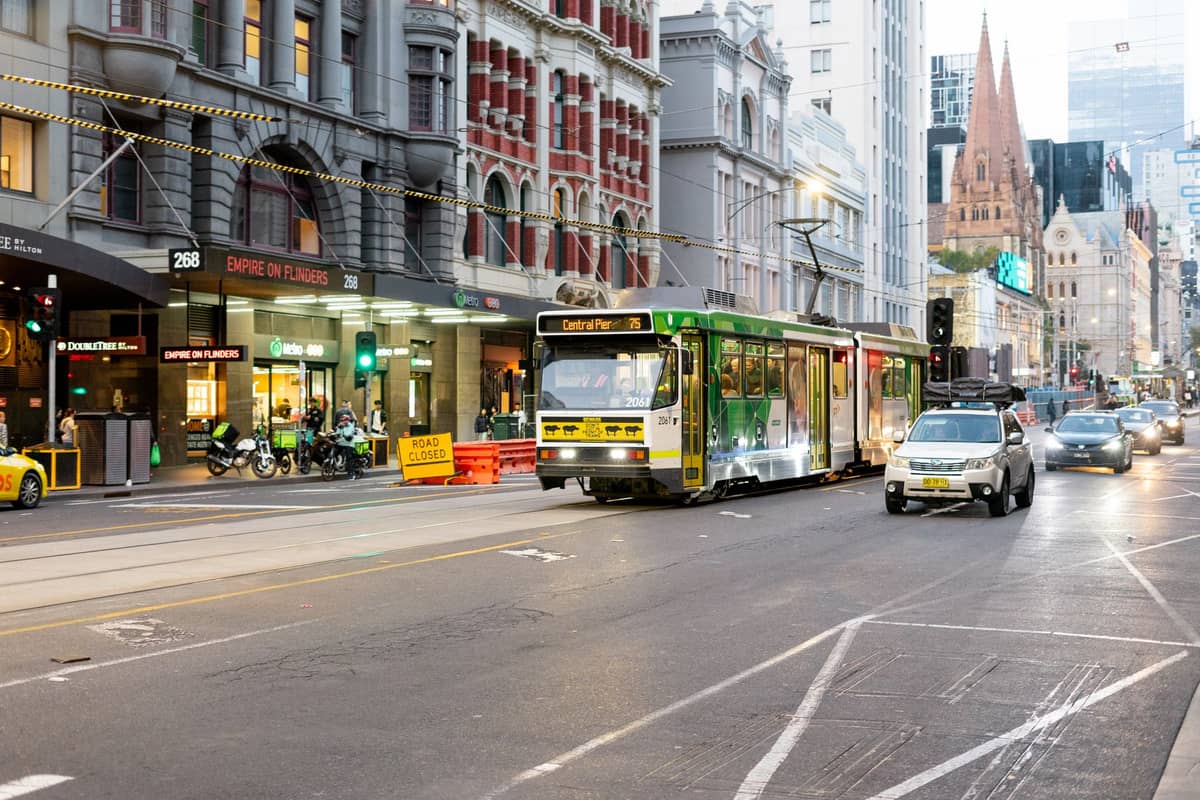
For actual point-to-point travel, the numbered routes are far more useful. Route 96 runs from East Brunswick through the CBD to St Kilda — one of the busiest and most useful tram routes for tourists. Route 86 connects Docklands to Bundoora via Fitzroy and Collingwood. Route 16 reaches St Kilda Beach from the CBD via South Yarra. Download the PTV app or check the journey planner at ptv.vic.gov.au to identify which route serves your destination.
💡 Local tip
Trams run frequently during peak hours (roughly 7–9 a.m. and 4–7 p.m.) but can slow to every 12–20 minutes on quieter routes on evenings and weekends. On event days at the Melbourne Cricket Ground or Marvel Stadium, trams on nearby routes get extremely crowded. Check the PTV app for real-time arrivals and plan accordingly.
Trains: Reaching the Inner Suburbs and Beyond
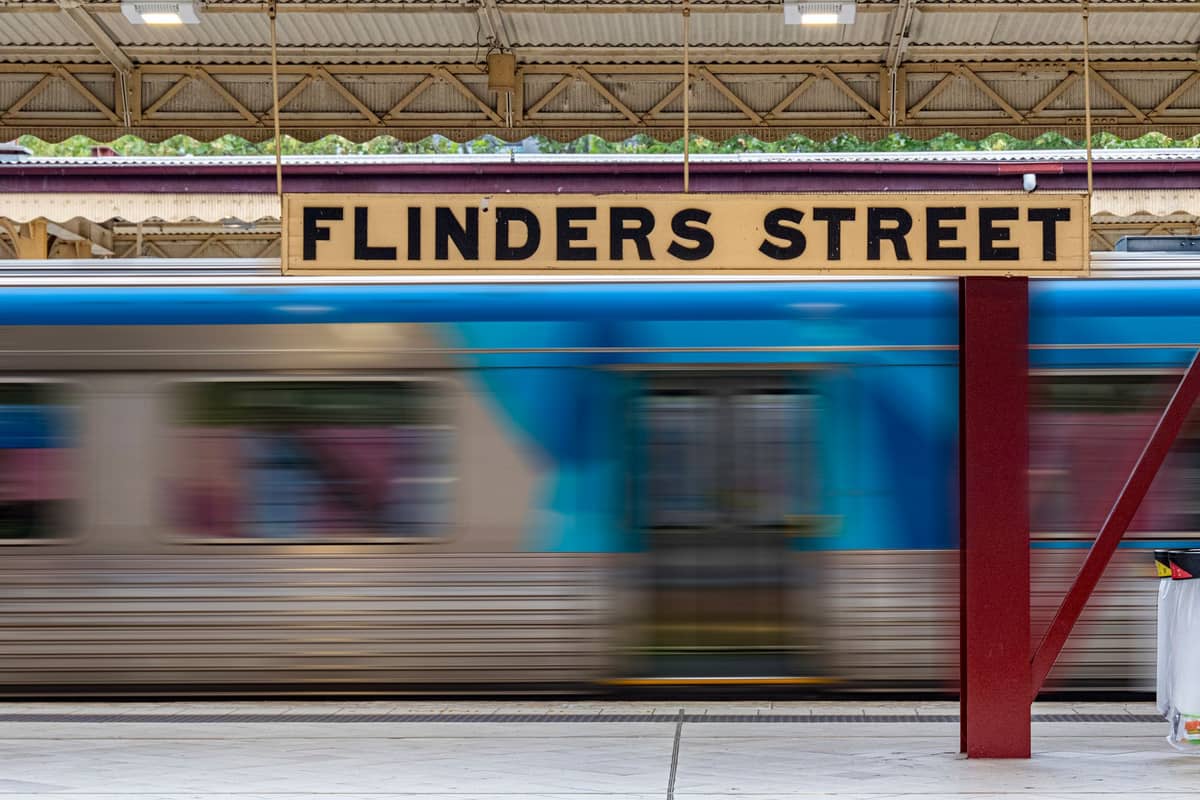
Melbourne's metropolitan train network radiates outward from the City Loop, which connects Flinders Street, Southern Cross, Melbourne Central, Flagstaff, and Parliament stations in a continuous underground circuit. Trains are faster than trams for reaching inner suburbs like Richmond, Fitzroy (via Clifton Hill line), St Kilda Road area (via South Yarra), and Footscray, as well as outer suburbs that trams don't reach.
For visitors, the most useful train lines are the Sandringham line (for South Yarra and Richmond), the Frankston line (for South Yarra and Prahran), and the Werribee/Williamstown lines for the western waterfront — useful if you're heading to Williamstown. Trains also connect to regional Victoria from Southern Cross Station, including V/Line services to the Yarra Valley and Geelong, which are relevant if you're planning a Great Ocean Road day trip or heading to the wine regions.
- Trains run from approximately 5 a.m. to midnight on weekdays, with reduced hours on weekends and extended Night Network services on Friday and Saturday nights.
- Night Network trains run all night on Friday and Saturday on all metropolitan lines except Stony Point and Flemington Racecourse — useful for late-night returns from the city.
- Bikes are permitted on trains outside peak hours; folding bikes are permitted on trams and buses.
- Station accessibility varies widely: check PTV's accessibility map if mobility is a consideration.
- The Mernda and Hurstbridge lines serve the inner north (Carlton, Fitzroy area) but require a walk or tram connection from city stations.
Getting from Melbourne Airport into the City
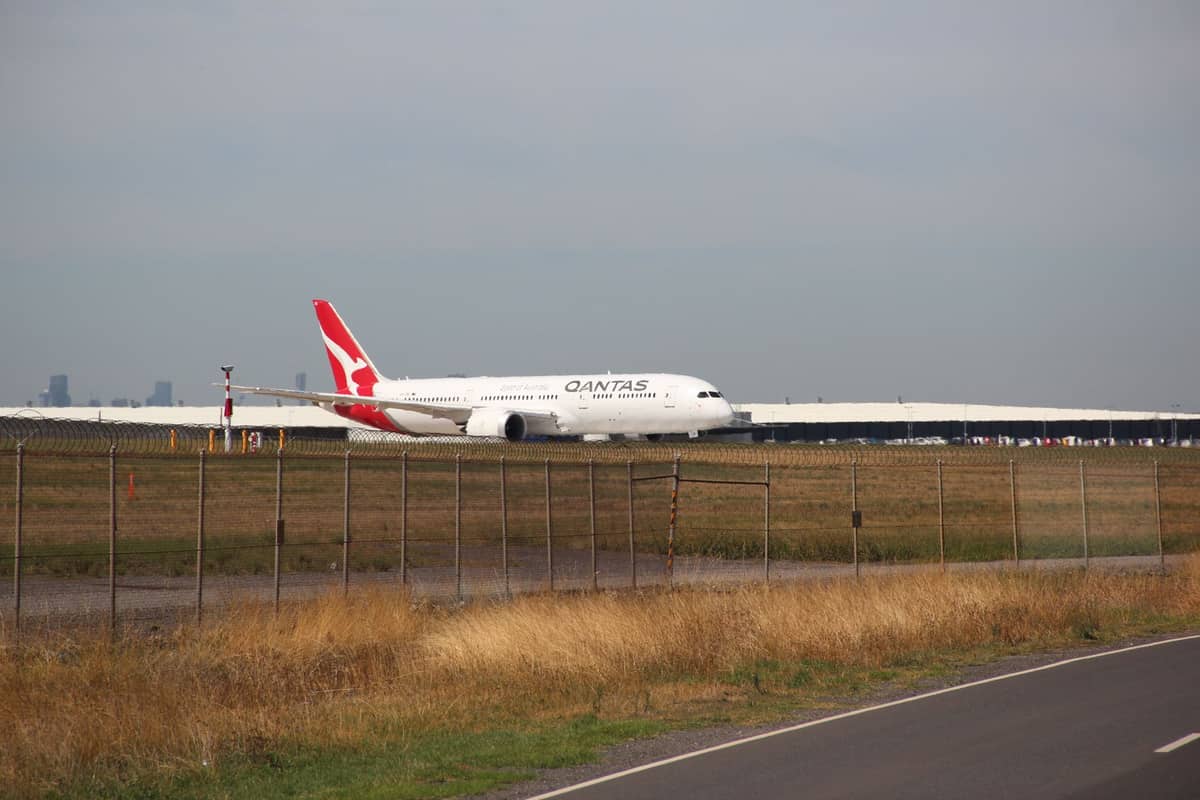
Melbourne Airport (IATA: MEL), located at Tullamarine approximately 23 km northwest of the CBD, is the main international and domestic gateway. One important fact many visitors don't know: there is no train or metro line directly connecting the airport to the city centre. This is a genuine gap in the network, and your main options are bus, taxi, or rideshare.
SkyBus City Express is the dedicated airport coach service, running between Melbourne Airport and Southern Cross Station. Departures are roughly every 10 minutes at peak times and every 15 minutes off-peak, from 4 a.m. to 1 a.m. daily. The published adult one-way fare is around A$25.90, with a return fare of approximately A$43.40 — confirm current prices at skybus.com.au. Check our for the full breakdown of terminal layout and ground transport options. — confirm current prices at skybus.com.au. Check our Melbourne Airport guide for the full breakdown of terminal layout and ground transport options.
⚠️ What to skip
SkyBus City Express does not operate between 1 a.m. and 4 a.m. If your flight arrives during this window, you'll need a taxi or rideshare. Budget roughly A$55–90 for a taxi to the CBD depending on traffic and the time of day, though rideshare estimates vary and surge pricing applies during high-demand periods — always check the app before committing.
PTV bus services also operate from Terminal 4's Ground Transport Hub, connecting to Broadmeadows and Sunbury train stations. These are slower and less direct than SkyBus, but cost only a standard myki fare — useful if you're already carrying a myki and not in a hurry. Avalon Airport (AVV), used by some budget carriers including Jetstar on certain routes, is approximately 55 km southwest of the city — significantly farther, with its own separate shuttle service and no rail connection. Always double-check which airport your flight uses.
Rideshare, Taxis, and Cycling
Uber operates widely across Melbourne and is generally reliable for inner-city and inner-suburb travel. Didi and Ola also operate in the city. Rideshare pickup at Melbourne Airport uses a dedicated zone separate from taxis — follow signage from arrivals. Standard taxis are metered and available at ranks outside major stations, hotels, and at the airport. Taxis are generally more expensive than rideshare for the same trip but can be easier to flag down on rainy nights when rideshare surges.
Melbourne is reasonably bikeable in the inner city, with dedicated lanes along Swanston Street, Royal Parade, and around the waterfront. Dockless share bikes (Lime, Uber, and similar operators) are widely available in the CBD and inner suburbs; the old docked Melbourne Bike Share scheme ended in 2019. Cycling distances are manageable — Fitzroy is around 3 km from the CBD, St Kilda around 6 km. The main risk is Melbourne's weather: a clear morning can turn into a heavy afternoon downpour with little warning.
Practical Tips for Getting Around Melbourne
A few things experienced visitors learn quickly: public transport in Melbourne is generally reliable but susceptible to delays during major events, extreme heat days (above 35°C, overhead electrical systems can be affected), and planned engineering works that often happen on weekends. Check the PTV app or website before travelling on weekends, especially if you're heading to an outer suburb.
- Download the PTV app for real-time departure boards, journey planning, and service alerts — it's the single most useful tool for navigating the network.
- Southern Cross Station is the main hub for regional V/Line trains and interstate coaches, as well as SkyBus. Flinders Street Station handles metropolitan trains.
- The Free Tram Zone covers the CBD grid and extends to Docklands — it does not include South Yarra, Fitzroy, Richmond, or St Kilda, which all require a myki.
- On Grand Final day, Melbourne Cup day, and major concert nights, public transport is heavily disrupted. Plan around these events or budget for a taxi.
- Parking in the CBD is expensive (often A$30–60 per day in commercial car parks) and street parking is timed and strictly enforced. Driving into the city is rarely the right choice.
✨ Pro tip
If you're spending more than three or four days in Melbourne, a weekly myki Pass almost always works out cheaper than topping up myki Money daily. Calculate your likely daily trips and compare against the pass price at ptv.vic.gov.au before deciding. For short stays of two days or less, myki Money with the daily cap is usually fine.
For visitors planning to explore beyond the metro area, the train network connects to regional centres but coverage is limited compared to a car. The Puffing Billy Railway in the Dandenong Ranges is a popular tourist train (not part of the standard myki network) that requires a separate ticket. If you're planning to visit Phillip Island or the Mornington Peninsula, a car or organised tour is significantly more practical than trying to piece together public transport connections.
FAQ
Do I need a myki card for the free tram zone in Melbourne?
No — if your entire tram journey stays within the Free Tram Zone (the central CBD and Docklands area), you can board without tapping on. However, you need a valid myki if your tram trip starts or ends outside the zone. Trains and buses are never free, even within the CBD.
Is there a train from Melbourne Airport to the city?
No. As of 2024, there is no direct rail link between Melbourne Airport (Tullamarine) and the city centre. Your options are SkyBus (around A$25.90 one-way to Southern Cross Station), taxi (approximately A$55–90 to the CBD), rideshare (Uber, Didi), or PTV bus to a connecting train station. A rail link has been discussed politically for many years but is not yet operational.
How do I get from Melbourne to Sydney?
The most common options are flying (around 1.5 hours, with frequent daily services from both Melbourne Airport and sometimes Avalon) or taking the NSW TrainLink XPT (around 11 hours overnight). The Overland train runs Melbourne–Adelaide, not Sydney. Driving takes approximately 9–10 hours. Buses (Greyhound, Firefly) are the cheapest option at around 12 hours but are tiring. For most travellers, flying is the clear choice on time versus cost.
What time does Melbourne public transport stop running?
Most metropolitan train lines run until approximately midnight on weekdays, with the Night Network operating all-night services on Friday and Saturday nights on major lines. Trams generally run until around midnight on weekdays and later on weekends, though frequency drops significantly after 9 p.m. Always check the PTV app for last service times on your specific route.
Is Melbourne easy to get around without a car?
For the inner city and most tourist destinations, yes — trams, trains, and walking cover most needs. For outer suburbs, the Dandenong Ranges, Mornington Peninsula, Phillip Island, and Great Ocean Road, a car or organised tour makes a significant practical difference. The city itself is very walkable in the CBD, and the tram network is extensive in the inner suburbs.
Tickets & tours
Live prices and dates from our booking partner. If you book, we may earn a commission at no extra cost to you.
Planning a trip? Discover personalized activities with the Nomado app.