Great Ocean Road Day Trip from Melbourne: The Complete Guide
A Great Ocean Road day trip from Melbourne is one of the most iconic outings in Australia, but it requires serious planning. This guide covers the full route, realistic timelines, tour options with price ranges, the best stops beyond the Twelve Apostles, and clear warnings about what most visitors get wrong.
Tickets & tours
Live prices and dates from our booking partner. If you book, we may earn a commission at no extra cost to you.
TL;DR
- The Great Ocean Road stretches 243 km from Torquay to Allansford — a full day trip from Melbourne takes 12 to 13 hours door to door.
- Guided tours depart around 7 a.m. and cost roughly A$95 to A$220+ depending on group size and inclusions — see our Great Ocean Road attraction page for broader context.
- The Twelve Apostles are not the only highlight: Loch Ard Gorge, the Otway rainforest, and the Memorial Arch at Torquay are equally worth your time.
- Self-driving is possible but demanding — allow at least 14 hours if you want unhurried stops.
- Weather on the road changes fast. Check conditions before leaving Melbourne and read the best time to visit Melbourne guide to align your trip with better weather windows.
What You're Actually Signing Up For
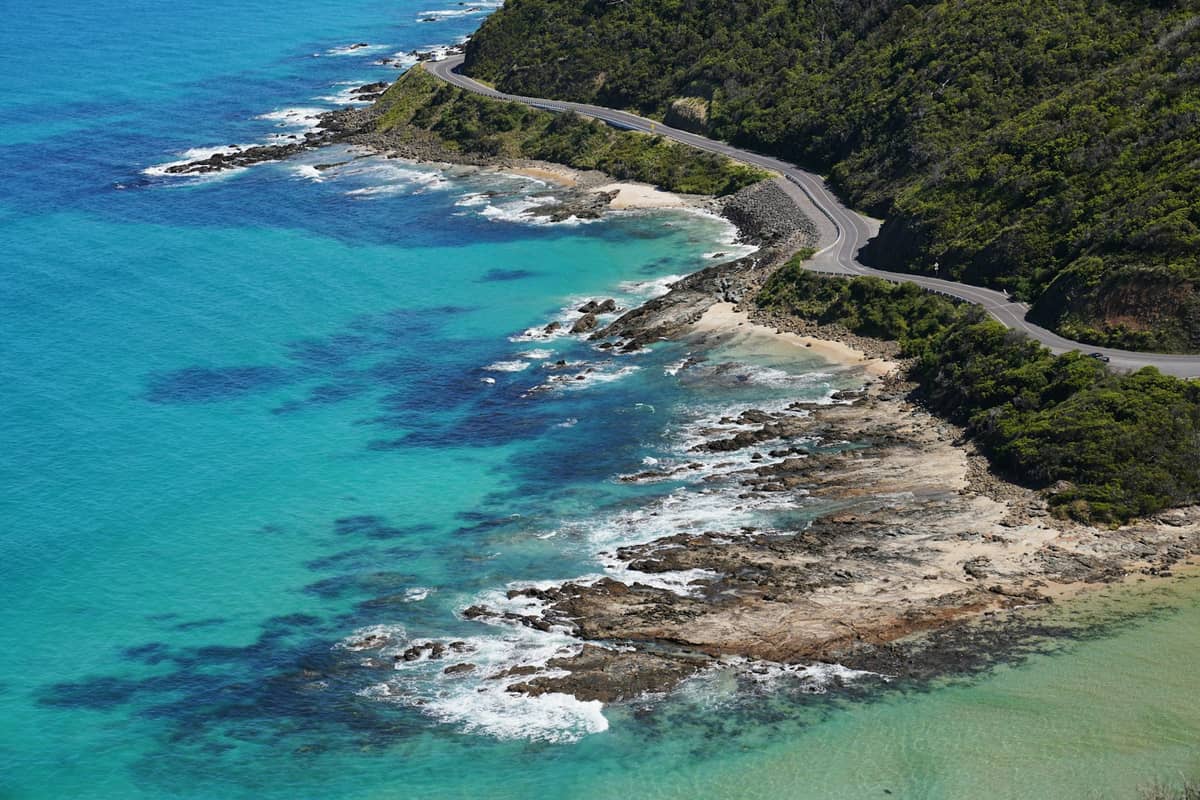
The Great Ocean Road is one of the world's most famous coastal drives, but the distances involved catch a lot of visitors off guard. The road officially begins at Torquay, about 100 km southwest of central Melbourne, and runs 243 km along the Victorian coastline before ending at Allansford, near Warrnambool. To reach the Twelve Apostles — the iconic rock stacks most people come to see — you're looking at roughly 280 km from Melbourne's CBD. That's more than five hours of driving each way if you do it non-stop, which no one does.
Full-day guided tours typically run 12 to 13 hours from departure to return, and that's with an operator doing all the driving and navigation. Independent drivers should add buffer time for parking, photo stops, meal breaks, and the occasional traffic jam on the narrow coastal sections around Lorne and Apollo Bay. If the Twelve Apostles are your only reason for going, it's worth knowing you'll spend considerably more time in transit than at the stacks themselves.
⚠️ What to skip
The Great Ocean Road is not a short scenic detour. Treating it as one leads to rushed stops, unsafe roadside parking, and disappointment. Commit to a full day — or consider a two-day trip that adds an overnight in Apollo Bay or Port Campbell for a dramatically better experience.
The Classic Day Trip Route: What Tours Cover and Why
Most organized day tours from Melbourne follow a broadly similar route, though the direction and specific stops vary by operator. The most common approach heads west from Melbourne through Geelong, picks up the Great Ocean Road at Torquay (where the Memorial Arch marks the official start), then traces the coast through Anglesea, Aireys Inlet, and Lorne before continuing on to Apollo Bay. From there, the road cuts inland briefly through the Otway Ranges before rejoining the coast near Port Campbell and the Twelve Apostles.
The Twelve Apostles and Loch Ard Gorge are usually the turnaround points. The return to Melbourne is almost always via inland highways rather than retracing the coastal road, which saves around 90 minutes. A smaller number of tours do the route in reverse — starting with the Apostles in the morning before the crowds arrive, then heading east along the coast. This approach is worth seeking out specifically if photographing the rock stacks at sunrise matters to you.
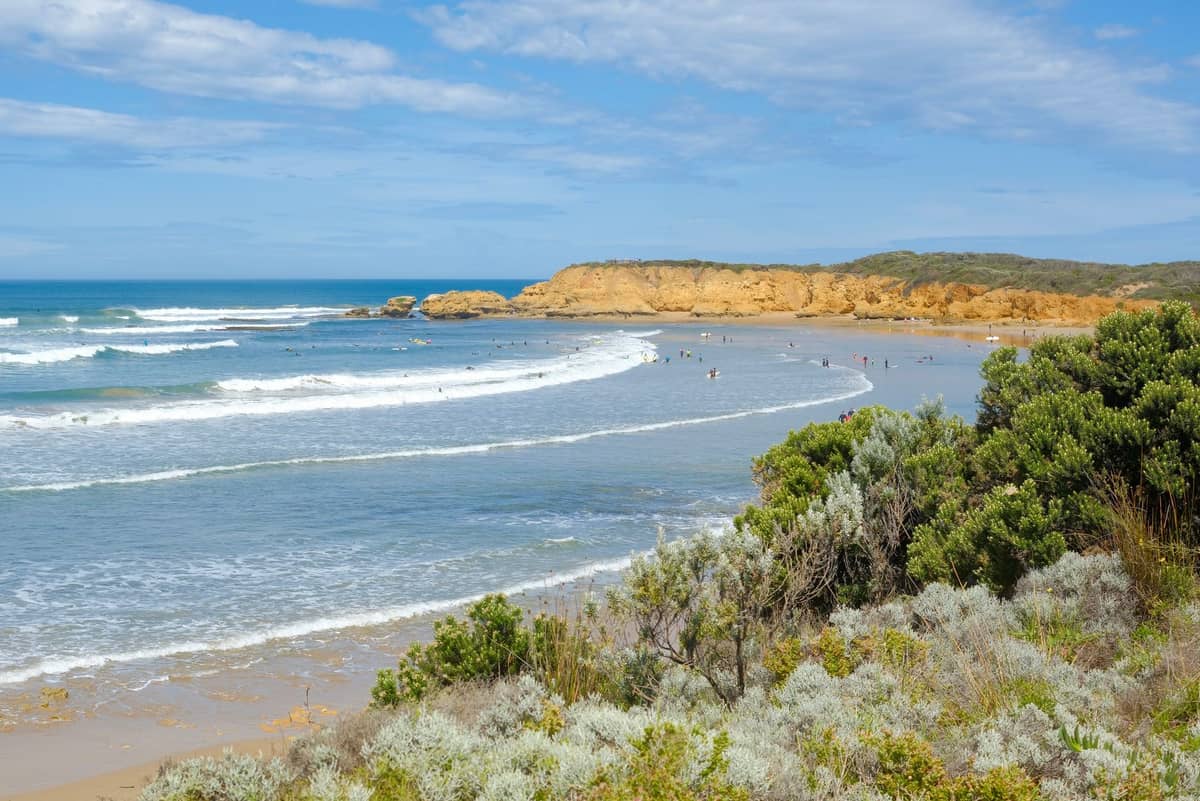
- Torquay and Memorial Arch The ceremonial start of the road, dedicated to WWI soldiers. Torquay is also the home of Bells Beach, Australia's most famous surf break and host of the Rip Curl Pro each Easter.
- Lorne A popular coastal town with cafes, a main street, and the Erskine Falls nearby. Most tours stop here for lunch or a break — it's one of the more pleasant places to stretch your legs.
- Apollo Bay A quieter fishing town that marks the transition point before the road heads into the Otway Ranges. If an operator skips this, you're missing some of the best scenery on the eastern half of the road.
- Cape Otway Lightstation Australia's oldest surviving lighthouse, set in coastal bushland. Not all tours include it, but those that do typically add a small entry fee on top of the tour price.
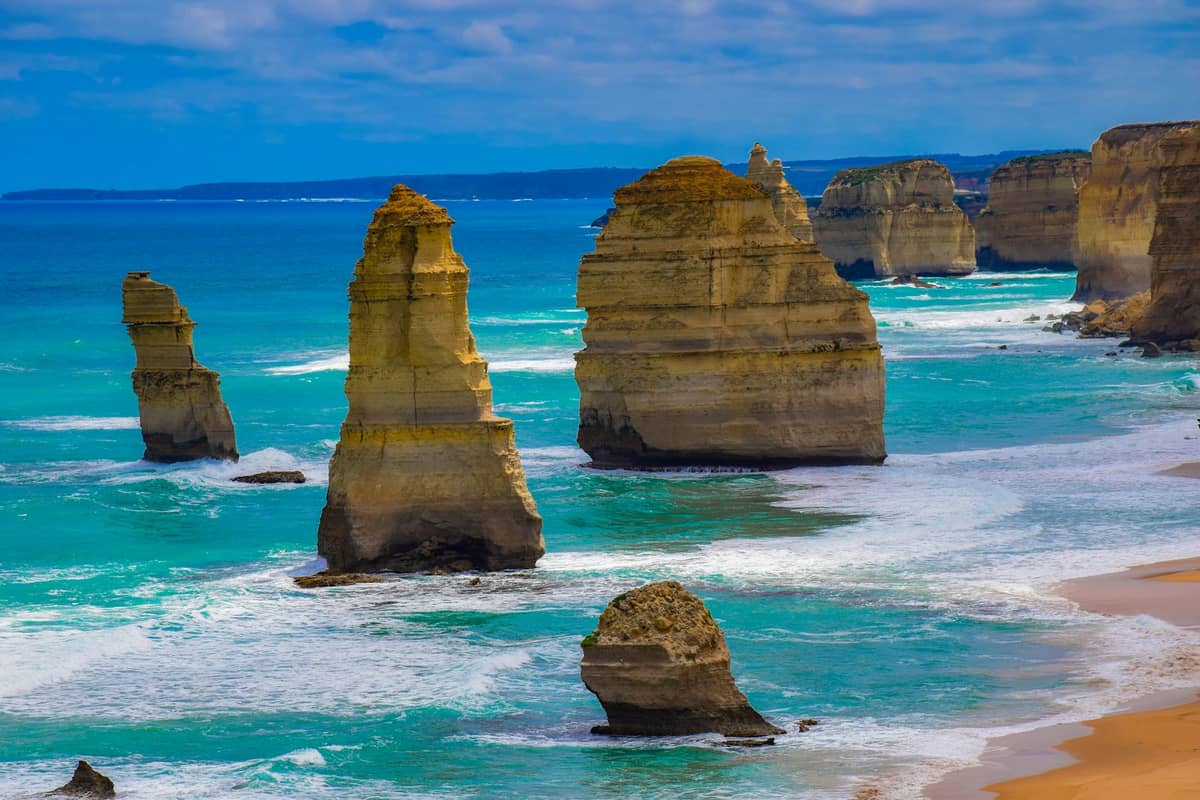
- Twelve Apostles Currently eight limestone stacks remain (the name has always been somewhat optimistic). The viewing platform is free and accessible, though it gets crowded by midday. Helicopter flights over the stacks are available at the site for those who want an aerial perspective.
- Loch Ard Gorge Named after an 1878 shipwreck, this gorge is genuinely stunning and often less crowded than the Apostles — a short walk from the car park reveals an enclosed beach flanked by sheer cliffs.
Tour Options: Prices, Group Sizes, and What to Expect
The tour market for this route is large and genuinely varied. Budget coach tours are the cheapest entry point, typically priced around A$95 per person. These involve larger vehicles (sometimes 40+ passengers), fixed itineraries with minimal flexibility, and relatively brief stops at each location. They're not bad value if you simply want the highlights checked off efficiently and don't mind moving with a crowd.
Mid-range tours in the A$150 to A$190 bracket usually offer smaller buses (around 20 to 30 passengers), a more experienced guide, and sometimes an included lunch or entry to Cape Otway Lightstation. Small-group tours — typically 10 to 15 passengers in a van or minibus — run from approximately A$220 upward and offer more flexibility at stops, better guide engagement, and a significantly more personal experience on the narrow coastal sections.
✨ Pro tip
Tours departing before 7:30 a.m. reach the Twelve Apostles before the midday coach convoys arrive. If you're booking a standard group tour, prioritize early departure times. The difference in crowd levels at the viewing platform between 10 a.m. and 1 p.m. is significant.
Tour platforms like Viator and Klook list most operators with current pricing and availability, and it's worth reading recent reviews specifically for comments about guide quality and stop duration — these matter more than the headline price. Verify inclusions carefully: some tours list 'lunch included' when they mean a packed sandwich; others cover the Cape Otway entry fee, which can otherwise cost around A$22 per adult if confirmed at the time of booking.
Driving Yourself: Honest Pros, Cons, and Logistics
Self-driving the Great Ocean Road gives you genuine freedom: you can linger at Loch Ard Gorge, detour to the Otway Fly Treetop Adventures, or stop at viewpoints that no tour bus will pause for. The road itself is well-maintained and clearly signposted, with petrol available in the main towns. That said, it is not a relaxed Sunday drive. Sections around Lorne and Apollo Bay are narrow and winding, with limited overtaking opportunities. During peak periods — summer weekends, Easter, school holidays — coastal stretches can experience significant traffic.
From Melbourne, allow at least 2 hours to reach Torquay, then 3 to 4 hours to drive the coastal section to Port Campbell (with stops). The return via the Princes Highway takes roughly 3 hours to Melbourne's CBD. Realistically, a self-drive day that includes the Twelve Apostles means leaving Melbourne no later than 7 a.m. and returning after 9 p.m. Parking at the Twelve Apostles is free but the car park fills quickly in summer. Getting around Melbourne covers car rental options if you need to arrange a vehicle before heading out.
- Fill up with petrol in Geelong or Lorne — prices increase further along the road
- Use the designated lookout pullouts rather than stopping on the road itself (this is both a safety and a legal issue)
- Download offline maps for the Otway Ranges section where mobile coverage drops
- Check the Visit Great Ocean Road website for current road closures before departure — landslips do occur
- Avoid driving the final return leg exhausted at night if you're not familiar with Victorian rural roads
💡 Local tip
If you're driving, consider splitting the trip over two days with an overnight stay in Apollo Bay. Accommodation there ranges from caravan parks to boutique guesthouses, and it puts you perfectly placed for a relaxed morning at the Twelve Apostles before tour coaches arrive.
Beyond the Twelve Apostles: What Most Day Trippers Miss
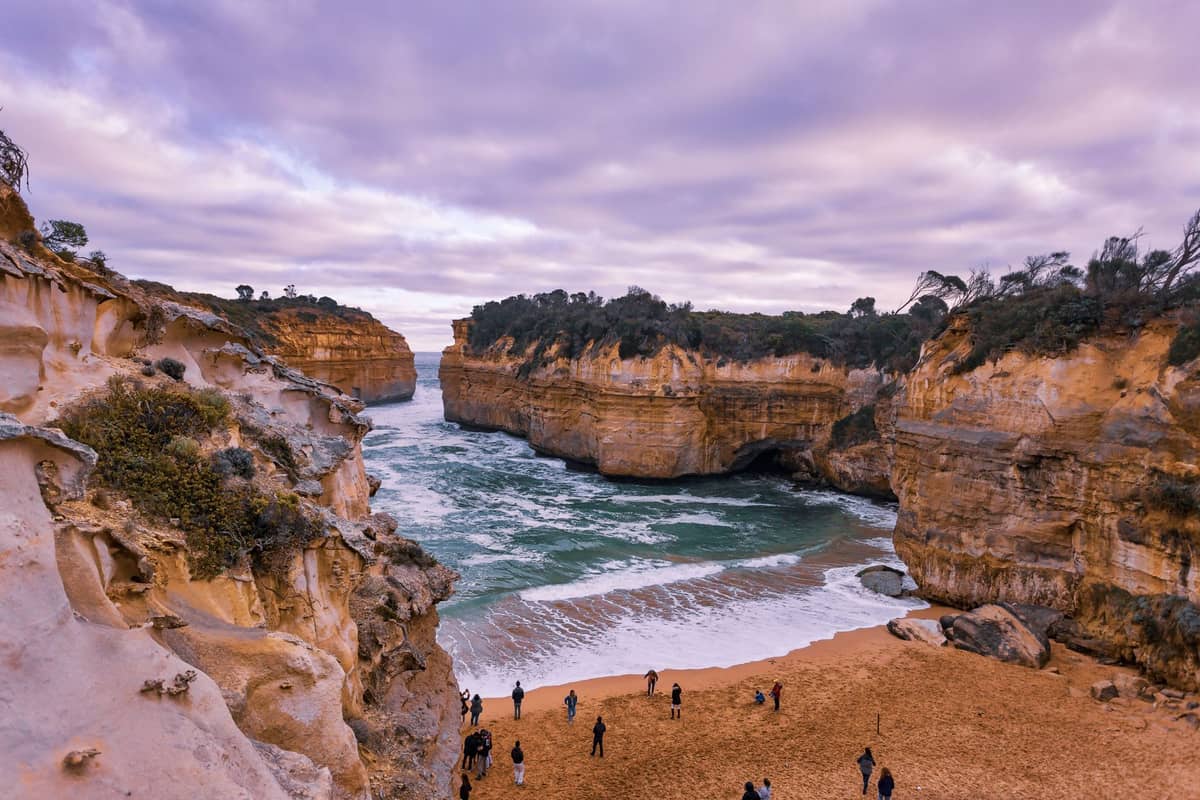
The Twelve Apostles dominate the itinerary of almost every tour, but the Port Campbell National Park coastline contains several other formations that are arguably more dramatic at close range. Loch Ard Gorge, named after the iron clipper that wrecked here in 1878, has a sheltered beach and towering cliff walls that you can actually walk down to — something you cannot do at the Apostles viewing platform. The Arch, London Bridge (which partially collapsed in 1990, stranding two visitors on the seaward section), and the Grotto are all within a short drive and far less crowded than the main site. Most day tours do include Loch Ard Gorge, but ask specifically before booking. See the broader Loch Ard Gorge guide for detail on what to expect there.
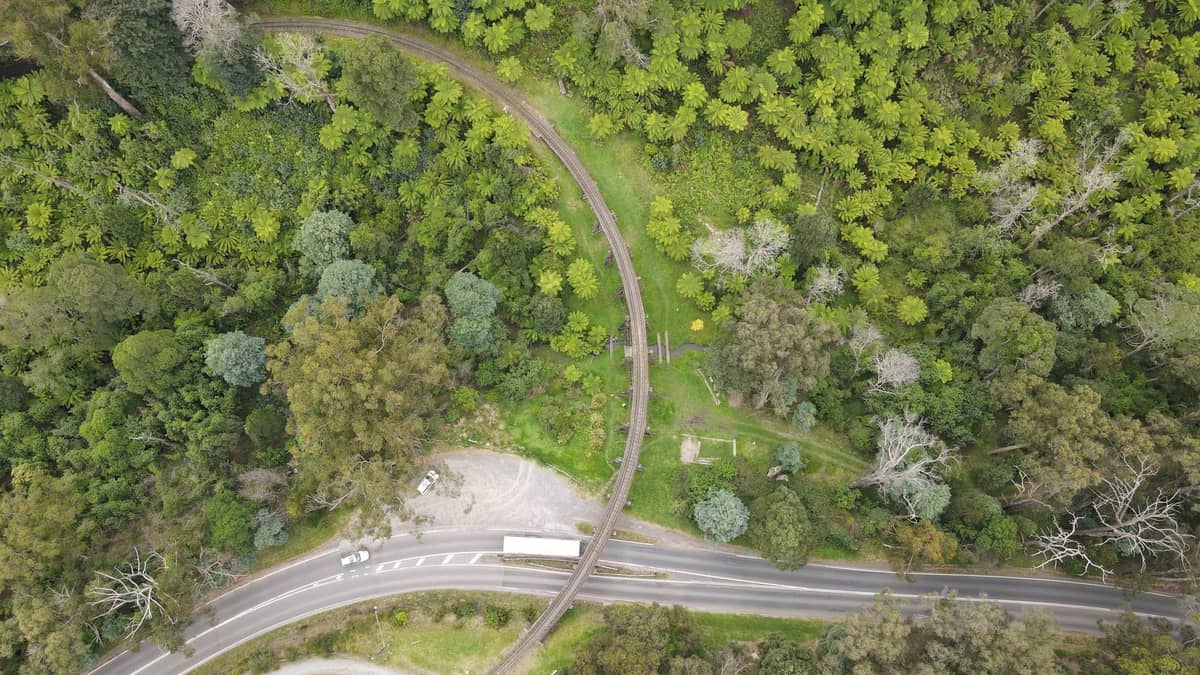
On the eastern section of the road, Bells Beach is worth a stop if you're self-driving — it's a short detour from Torquay and the cliff-top views over the break are substantial even when waves are small. The Otway Ranges, traversed mid-route, contain ancient temperate rainforest that stands in striking contrast to the exposed clifftops on either side. Some tours pass straight through; a few stop at a rainforest walk near Cape Otway, and if yours does, prioritize it.
Practical Timing, Seasons, and Honest Expectations
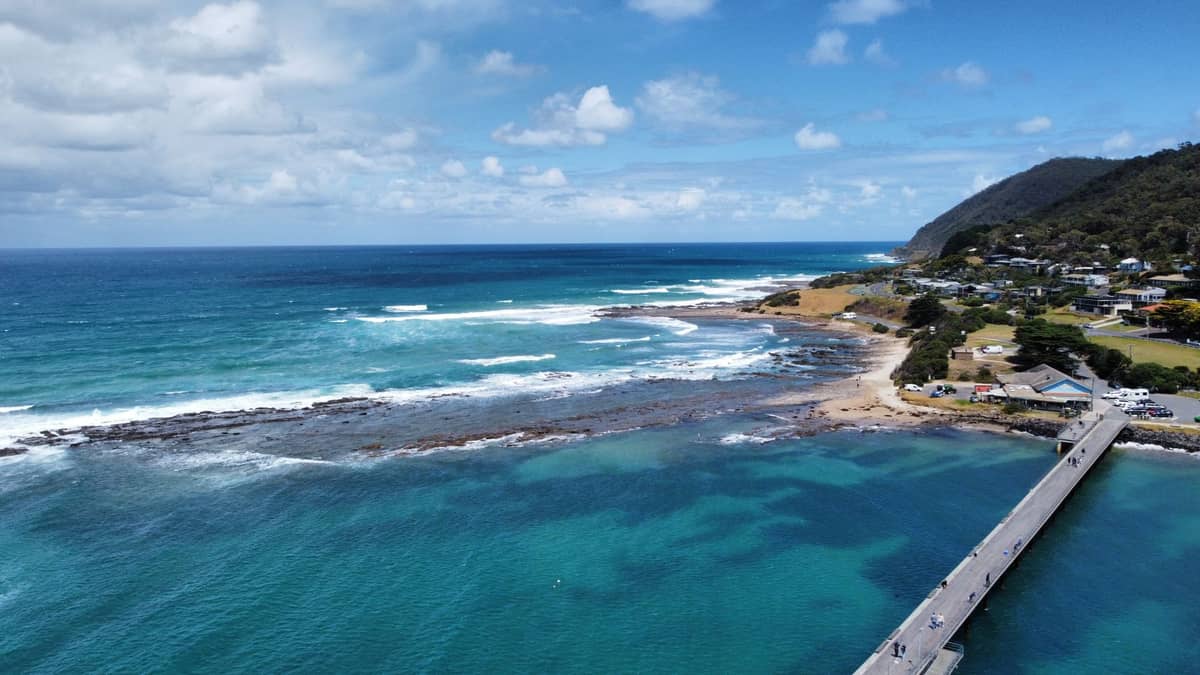
Summer (December to February) sees the highest visitor numbers on the Great Ocean Road. The Twelve Apostles car park can fill before 11 a.m. on weekends, and Lorne's main street turns into a slow-moving procession of pedestrians and cars. The weather is warmer but not reliably sunny — coastal conditions shift quickly at any time of year. Autumn (March to May) offers more predictable weather and noticeably smaller crowds, particularly in April once Easter is over. Winter visits are viable and genuinely atmospheric — fog over the limestone stacks can produce dramatic photographs — but some smaller tour operators reduce frequency outside summer.
Spring (September to November) is popular but weather is changeable, sometimes producing all four seasons in a single day along the coast. Check the best time to visit Melbourne for a broader seasonal breakdown that applies to day trips as well. Whatever the season, the golden rule is an early start: the Great Ocean Road rewards those who leave Melbourne before 7:30 a.m. and penalizes everyone who waits until 9.
If you're also planning other major day trips from Melbourne — to the Mornington Peninsula, Yarra Valley, or the Dandenong Ranges — it's worth sequencing them across your stay rather than cramming them together. The day trips from Melbourne guide gives a comparative breakdown of distances and difficulty for each option.
FAQ
How long does a Great Ocean Road day trip from Melbourne take?
Realistically, 12 to 13 hours for a guided tour departing around 7 a.m. Self-driving takes longer due to parking, navigation, and meal stops — budget 14 to 15 hours if you want unhurried time at the major sites. Return is almost always via inland highways rather than the coastal road.
Is the Great Ocean Road worth it as a day trip?
Yes, but with managed expectations. You will spend the majority of the day in transit. If you can stay overnight in Apollo Bay or Port Campbell, the experience improves dramatically. As a single day, the highlights — Loch Ard Gorge, the Twelve Apostles, the rainforest section — are genuinely impressive, but you won't linger long at any of them.
Can I drive the Great Ocean Road myself in a day?
Yes, but it requires an early start (before 7 a.m. from Melbourne), careful fuel planning, and realistic expectations about driving fatigue on a long return journey. The road is well-marked, but narrow coastal sections and peak-season traffic can slow progress significantly. An international driver's licence is required for visitors from most non-Australian countries.
How much do Great Ocean Road tours from Melbourne cost?
Budget coach tours can be found from around A$53 per person, though prices vary by operator and date. Standard mid-range tours typically run A$150 to A$190, while small-group tours (van or minibus) cost approximately A$220 or more. Prices and inclusions change regularly, so confirm at the time of booking. Some tours include Cape Otway Lightstation entry (around A$22 per adult if purchased separately) and lunch; most do not.
What is the best time of year to visit the Great Ocean Road?
Autumn (March to May) is generally the most comfortable: smaller crowds than summer, reasonably stable weather, and still enough daylight for a full day trip. Summer has warmer temperatures but peak crowds, especially on weekends and public holidays. Winter is quieter and can produce dramatic coastal light, but some tour operators reduce their schedules. Spring is popular but weather is highly variable.
Tickets & tours
Live prices and dates from our booking partner. If you book, we may earn a commission at no extra cost to you.
Planning a trip? Discover personalized activities with the Nomado app.