Fitzroy and Collingwood sit immediately north of Melbourne's CBD, separated from each other by Smith Street and connected by a shared identity built around independent retail, street art, and a bar and café scene that draws both locals and visitors. These two suburbs represent Melbourne's creative and countercultural streak at its most concentrated.
Fitzroy and Collingwood are where Melbourne's creative energy has been accumulating for decades: a pair of inner-north suburbs where Victorian-era terraces sit alongside street art murals, vintage clothing stores share blocks with serious wine bars, and the coffee is taken as earnestly as anywhere in the country. They are not the same place, but they bleed into each other naturally along Smith Street, and most visitors experience them as one continuous zone worth half a day at minimum.
Orientation
Fitzroy and Collingwood occupy the inner-north edge of Melbourne's urban core, close enough to the CBD to walk but distinct enough in character to feel like a different city. Fitzroy is generally bounded by Alexandra Parade to the north, Victoria Parade to the south, Nicholson Street to the west, and Smith Street to the east. Collingwood lies east of Smith Street and extends further east, with Victoria Parade forming its southern boundary.
The two suburbs are separated administratively but connected by the Smith Street corridor, which functions as a shared main street for both. Brunswick Street is Fitzroy's primary spine, running north-south through the suburb's centre and connecting it to Brunswick further north. To the west, Nicholson Street marks the boundary with Carlton, and to the south, Victoria Parade feeds directly into the CBD grid, making it a quick walk or tram ride into Melbourne's city centre.
For orientation on the ground: if you are standing at the corner of Brunswick and Johnston Streets, you are in the centre of Fitzroy's activity. Walk two blocks east and you hit Smith Street. Walk south along either street and you arrive at Victoria Parade within ten minutes. The streets are flat, the grid is logical, and the suburb is compact enough to cover on foot in an afternoon.
Character and Atmosphere
Fitzroy has been through several distinct phases of identity. It was a working-class suburb through much of the twentieth century, then became a centre for Melbourne's Aboriginal community and arts scene from the 1970s onward. Gentrification accelerated through the 1990s and 2000s, and today it sits in a particular kind of equilibrium: expensive enough that the student crowd has shifted to cheaper suburbs further north, but still independent-minded enough to resist the total homogenisation that has hit some comparable neighbourhoods. The result is a place that feels deliberately curated but not quite corporate.
On a weekday morning, Brunswick Street belongs almost entirely to locals. Cafés fill early with people working on laptops or reading newspapers, and the footpaths outside op shops are quiet. The light in autumn and winter, when it falls low across the Victorian-era shopfronts, makes the streetscape look better than it has any right to. By midday on a weekend, the character shifts: brunch queues form outside the more popular spots, the vintage stores fill with tourists, and the noise level climbs. The suburb can handle the crowds, but it is worth knowing that the quieter back streets, Rose Street or Gore Street for example, have their own rhythm and are worth exploring between the main drags.
After dark, both Fitzroy and Collingwood change again. Smith Street particularly takes on a different energy in the evening: wine bars and pubs start filling from around six, live music venues open their doors, and the streets are active until well after midnight on weekends. It is a genuinely lived-in nightlife strip rather than a purpose-built entertainment precinct, which means the crowd is mixed and the vibe is generally relaxed. That said, the very late hours around the busiest pub strips can get rowdy, and standard urban caution applies.
💡 Local tip
Visit Brunswick Street on a Saturday morning before 10am if you want to experience it at its most local. The café culture is genuine, the streets are uncrowded, and the Rose Street Artists' Market sets up nearby on weekends, drawing artisans rather than mass-market vendors.
What to See and Do
The Fitzroy and Collingwood experience is less about checking off individual attractions and more about absorbing the texture of the streets. That said, there are specific places worth seeking out.
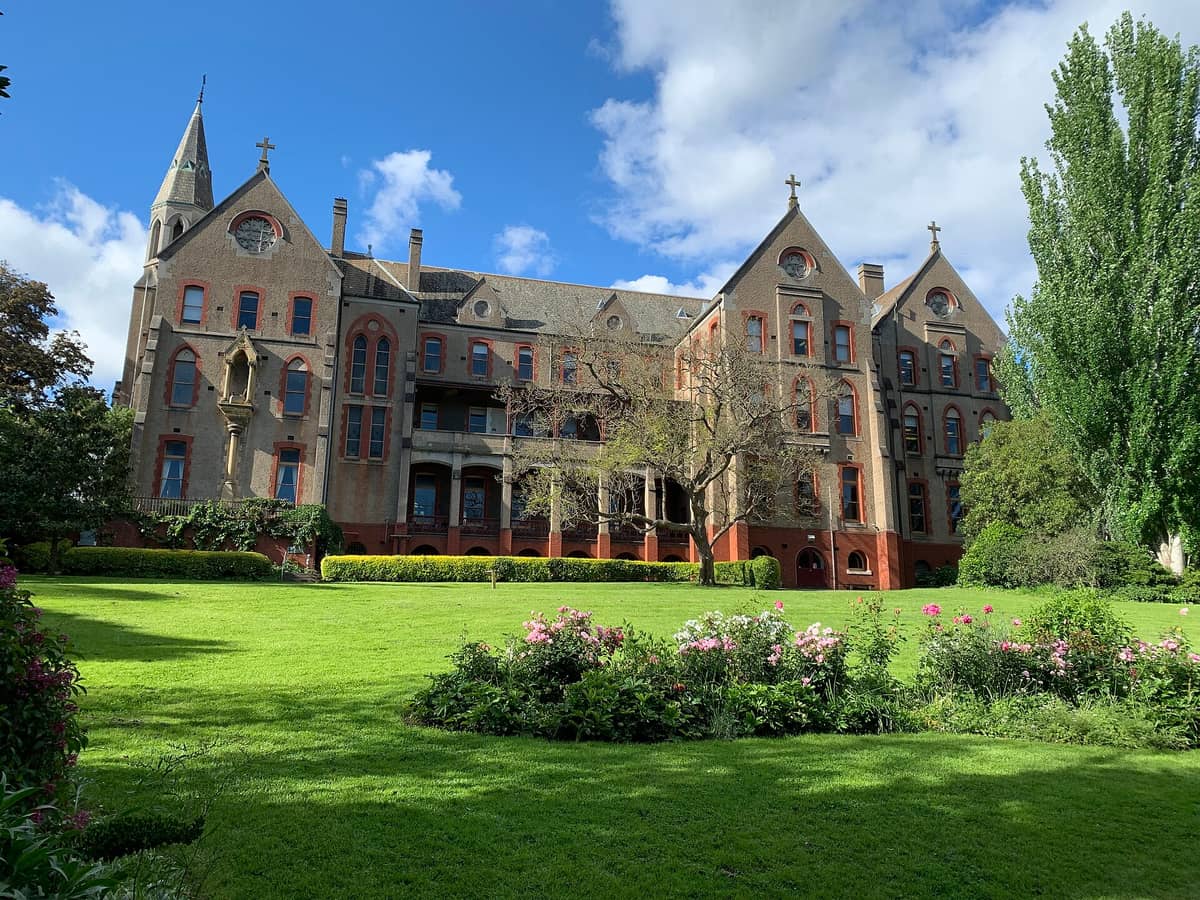
The Abbotsford Convent sits just east of Collingwood and is one of the most architecturally interesting complexes in the inner north. The former convent buildings now house artist studios, a bakery, galleries, and a regular farmers' market. It is a fifteen-minute walk from Smith Street and worth the detour.
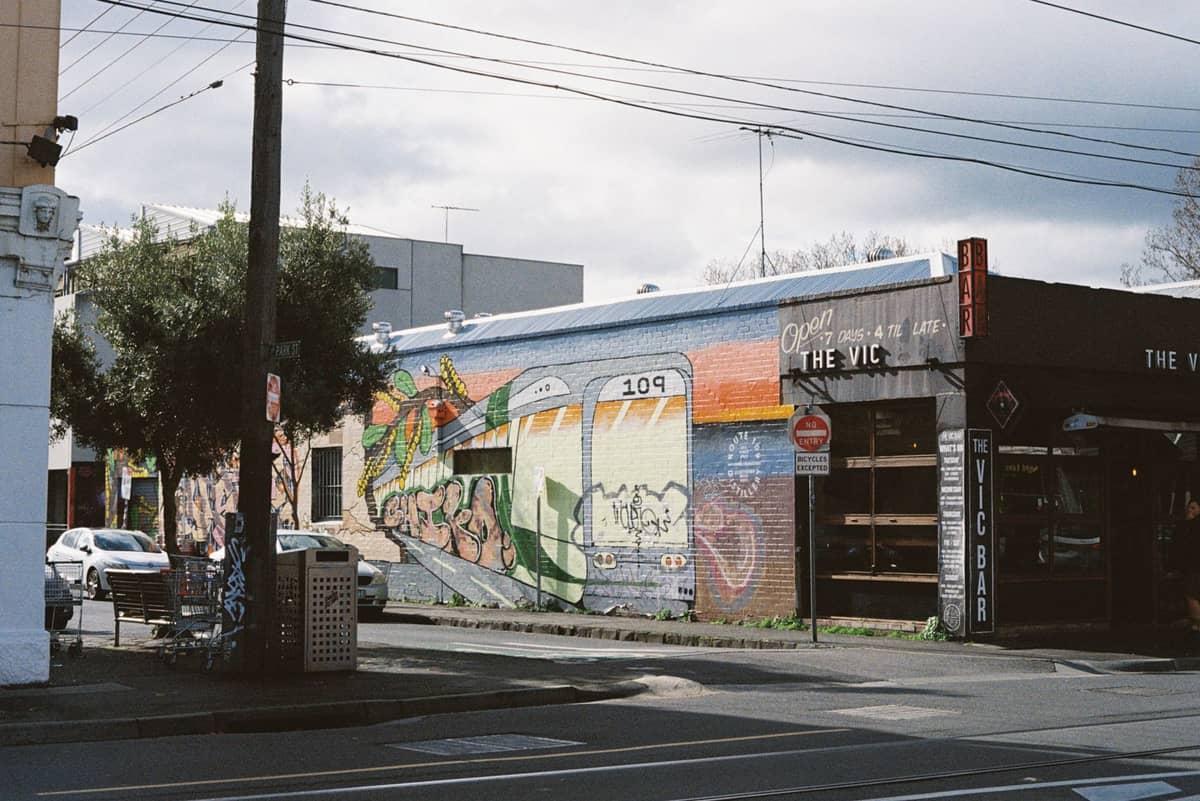
Street art is embedded into the physical fabric of both suburbs, not just on laneways but across building walls, fences, and roller doors. The culture here connects directly to what you will find in the CBD's famous laneways, and if you have already visited Hosier Lane in the city centre, the work you will see in Fitzroy and Collingwood feels more organic and less performative. Look around the side streets off Smith Street and along the industrial edges of Collingwood for the most interesting pieces.
Fitzroy Town Hall on Napier Street: a grand nineteenth-century civic building that now hosts events and community spaces
Collingwood Yards: an arts and creative industries complex near the southern end of Smith Street, converted from industrial buildings
Rose Street Artists' Market: a weekend outdoor market focused on local makers and designers, operating on Rose Street
Independent bookshops and record stores along Brunswick Street: the strip retains a strong independent retail culture that has disappeared from many comparable inner-city areas
Collingwood's back streets: the blocks immediately east of Smith Street have a denser industrial heritage, with converted warehouses now used as design studios, galleries, and specialist retailers
For those interested in street art more broadly, the Melbourne street art guide covers both the CBD laneways and the inner-north neighbourhoods in detail.
Eating and Drinking
The food scene across Fitzroy and Collingwood is one of the most varied in Melbourne, and that is not a small claim in a city that takes its eating seriously. The range runs from sub-$15 bánh mì and falafel wraps to serious tasting-menu restaurants, with the middle ground well covered by neighbourhood wine bars, wood-fired pizza spots, and casual modern Australian restaurants.
Coffee is treated with particular seriousness, as it is across Melbourne's inner suburbs generally. Several roasters and cafés along both Brunswick Street and Smith Street are responsible for setting standards that have influenced café culture nationally. Expect single-origin filter options, a knowledgeable approach to milk alternatives, and no tolerance for mediocre espresso.
Brunswick Street leans toward cafés, brunch spots, and casual dining with a mixed crowd. Smith Street has a stronger bar culture: wine bars with serious lists, craft beer pubs, and late-night venues that stay open after the kitchens close. Johnston Street, which runs east-west through the middle of Fitzroy, has a cluster of Spanish and Latin American restaurants that have been there long enough to feel genuinely established rather than trendy.
Tipping is not compulsory in Melbourne or anywhere in Australia, and restaurant prices generally reflect the full cost of service. At more casual spots, no tip is expected. At sit-down restaurants, rounding up or leaving 10% for good service is appreciated but not obligatory.
Getting There and Around
Neither Fitzroy nor Collingwood is particularly well served by trains. Collingwood Station exists on the Mernda line, but it sits on the southern edge of Collingwood near Victoria Parade and is not well positioned for the central parts of either suburb. For most visitors, trams are the practical choice.
Tram route 11 runs along Brunswick Street and connects directly to the Melbourne CBD Free Tram Zone, making it free to board in the city and inexpensive to ride from Fitzroy back in. Route 86 runs along Smith Street and Gertrude Street, linking both suburbs to the CBD. Both routes run frequently during the day and into the evening, with services reducing after midnight.
Walking from the southern end of Fitzroy to Federation Square takes around twenty to twenty-five minutes at an easy pace, passing through the CBD grid. This is a reasonable option in good weather and allows you to observe the transition between the CBD and the inner-north neighbourhoods. Cycling is also practical: Melbourne has a public bike-share scheme and dedicated infrastructure along several of the main corridors.
For full transit information and myki card details, the guide to getting around Melbourne covers options across the network. Note that trams in Fitzroy and Collingwood require a valid myki card and fall outside the CBD Free Tram Zone, so tap on before boarding.
⚠️ What to skip
The Free Tram Zone covers central Melbourne but does not extend into Fitzroy or Collingwood. If you board a tram heading north from the CBD boundary without tapping your myki card, you will be travelling without a valid ticket. Zone 1 fares apply. Purchase or top up a myki card at the CBD tram stops before heading north.
Where to Stay
Accommodation in Fitzroy and Collingwood skews toward boutique hotels, small guesthouses, and short-stay apartments rather than large hotel chains. The scale of the built environment, mostly Victorian-era terrace houses and two or three storey commercial buildings, keeps major hotel development out. What exists tends to fill quickly on weekends because the location genuinely suits visitors who want to be in the inner city without paying CBD prices.
Staying in Fitzroy works best for visitors who plan to use the area as a base for the inner north and north: Brunswick, Carlton, and the creative precincts around Collingwood are all within easy reach. If your priorities are the CBD, Southbank, or the sporting venues in East Melbourne and Richmond, staying in Fitzroy adds a tram ride to most of your days, which is not a dealbreaker but is worth factoring in.
For a full overview of accommodation across Melbourne's neighbourhoods, the guide to where to stay in Melbourne compares the inner-north options with alternatives closer to the CBD and waterfront.
Honest Drawbacks
Fitzroy and Collingwood are not without their friction. Brunswick Street on a weekend brunch rush is a different experience from Brunswick Street on a Tuesday morning, and if you arrive hoping for a quiet, unhurried meal at a popular café between 9am and 1pm on a Saturday, you should expect a wait. The area's reputation has caught up with its reality, and the most lauded spots get busy.
The nightlife strips, Smith Street in particular, can be loud and active well past midnight on weekends. If you are staying in the area, proximity to a busy pub strip is something to account for when choosing accommodation. Street noise from trams also carries into the early morning hours on the main routes.
The gentrification of both suburbs has pushed out some of the diversity and community infrastructure that defined them historically, particularly in relation to Melbourne's Aboriginal community which had a significant presence in Fitzroy. The suburb is now considerably more expensive than it was even fifteen years ago, and what reads as independent and creative is sometimes more performative than it appears. This is not unusual for comparable inner-city neighbourhoods internationally, but it is worth being clear-eyed about.
Summary
TL;DR
Fitzroy and Collingwood are the best representation of Melbourne's independent café, bar, and creative retail culture, concentrated into two walkable inner-north suburbs just north of the CBD.
Brunswick Street and Smith Street are the two main strips: Brunswick leans toward cafés and daytime activity, Smith Street toward bars and evening culture, with significant overlap on weekends.
Transit access is primarily by tram (routes 11 and 86), and the myki fare system applies as soon as you leave the CBD Free Tram Zone.
The area suits travellers who prioritise neighbourhood character over proximity to major sights, and who are happy to walk or tram into the CBD rather than be in the middle of it.
Weekday mornings are the best time to experience both suburbs at their most local; weekend afternoons and late nights are busier, noisier, and more visitor-facing.
Three days in Melbourne is enough to move past the obvious tourist circuit and get a real sense of the city. This itinerary covers the CBD laneways, inner-north neighbourhoods, bayside suburbs, and cultural institutions, with practical transport advice, realistic crowd warnings, and enough flexibility to make it your own.
The Australian Open is one of the four Grand Slam tennis tournaments and the biggest annual sporting event in Melbourne. This guide covers tickets, getting to Melbourne Park, navigating the grounds, and how to make the most of your visit whether you're going for a single session or the full fortnight.
Melbourne sits on Port Phillip Bay, giving the city access to calm bay beaches within 30 minutes of the CBD, and wilder ocean surf beaches a 90-minute drive south. This guide covers the best beaches near Melbourne by type, with frank notes on safety, crowds, and what each beach actually delivers.
Melbourne is a stronger museum city than many visitors expect. Whether you're drawn to world-class art collections, colonial history, hands-on science, or Australia's sporting obsession, these are the museums worth your time.
Melbourne's weather is notoriously unpredictable, but the city rewards visitors year-round. This guide breaks down every season by weather, events, crowds, and value so you can pick the right time for your trip.
Melbourne rewards those who look up, look out, and look across. Whether you want 360-degree city panoramas from 285 metres up, golden-hour shots of the skyline from the bay, or dramatic coastal cliffs an hour from the CBD, this guide covers every angle worth seeking out.
Melbourne is one of Australia's great base cities, with extraordinary landscapes, wildlife, history, and wine country within a two-hour drive. This guide covers the best day trips from Melbourne, from dramatic ocean coastlines to misty mountain ranges, with realistic travel times and what to prioritise.
Melbourne rewards curious visitors with an impressive range of genuinely free experiences. From world-class art galleries and heritage reading rooms to wild penguin encounters and the city's famous laneway culture, these are the best free things to do in Melbourne.
From the Free Tram Zone to airport transfers, myki cards to rideshare, this guide covers every practical detail you need to navigate Melbourne's transport network confidently. No fluff, just the information that actually matters.
A Great Ocean Road day trip from Melbourne is one of the most iconic outings in Australia, but it requires serious planning. This guide covers the full route, realistic timelines, tour options with price ranges, the best stops beyond the Twelve Apostles, and clear warnings about what most visitors get wrong.
Melbourne Airport (MEL) sits 23 km northwest of the city centre at Tullamarine. This guide covers every transfer option — SkyBus, taxi, rideshare, and public bus — with current pricing, journey times, and the insider details that save you time and money on arrival.
Melbourne's built environment tells the story of a city that went from a colonial outpost to a gold rush boomtown to a modern metropolis in under two centuries. This guide covers the key buildings, neighbourhoods, and walking routes to understand how it all fits together.
Melbourne's coffee culture is serious business. This guide breaks down the best café neighbourhoods, what drinks to order, what to pay, and how to navigate the city's specialty scene like a local. Whether you're landing at Tullamarine or already in the CBD, here's what you need to know.
The Melbourne Cup is Australia's most famous horse race, held annually at Flemington Racecourse each November. This guide covers everything from buying tickets and getting to the track to dress codes, the full Carnival schedule, and a clear picture of what to expect on race day.
Melbourne runs one of the most packed event calendars in the Southern Hemisphere, with major festivals, sporting events, and cultural programs spread across every season. This guide breaks down what's on, when to go, and how to plan around it without getting caught out by full hotels or sold-out tickets.
Melbourne rewards couples who slow down and look beyond the obvious. This guide covers the city's most genuinely romantic experiences, from sunrise walks through the Royal Botanic Gardens to candlelit laneway dinners and scenic day trips, with candid notes on what's worth it and what to skip.
Melbourne takes its parks seriously. From UNESCO-listed formal gardens to wild river corridors just minutes from the CBD, the city's green spaces range from manicured and historic to untamed and surprising. This guide covers the best of them, with practical advice on what to expect at each.
Melbourne rewards those who look beyond the obvious. This guide uncovers the city's overlooked art museums, geological surprises, historic estates, and quiet urban escapes that most visitors walk straight past.
Melbourne's laneways are the city's most distinctive feature: a network of narrow alleys, covered arcades, and public art corridors threading through the CBD grid. This guide covers the essential stops, practical logistics, and what most visitors get wrong about the street art scene.
Melbourne's live music scene spans everything from intimate 80-person rooms above pubs to ornate theatres holding thousands. This guide breaks down the best venues by style and suburb, explains how to find and book gigs, and covers the practical details that most listings skip.
Melbourne's market scene goes well beyond tourist postcards. This guide covers the city's best permanent and weekly markets, with verified opening hours, what each one does best, candid assessments of which are worth your time, and practical tips for getting the most out of each visit.
Melbourne, Australia is home to one of the world's most diverse urban food cultures, shaped by over 200 years of immigration waves. This guide breaks down the city's key multicultural food neighbourhoods, what to eat in each, when to go, and how to navigate them like a local.
Melbourne's nightlife scene runs deep, from laneway cocktail bars to legendary live music rooms that shaped Australian rock. This guide breaks down the best neighbourhoods, venues, and practical logistics so you can navigate it like a local.
Melbourne, Australia rewards budget travellers more than most major cities. From free tram rides and world-class free museums to cheap market food and no-cost beaches, this guide covers every practical angle for spending less without missing out.
Seven days is enough time to get well beyond Melbourne's postcard highlights. This itinerary balances the CBD's iconic landmarks, inner-suburb character, a coastal day trip, and the regional Victorian countryside — with practical logistics for every step.
Melbourne rewards shoppers who look beyond the chain stores. This guide covers the city's best shopping precincts, heritage arcades, weekend markets, and neighbourhood strips — with practical notes on what's worth your time and what to skip.
Melbourne's street art scene is one of the most concentrated and celebrated in the world. This guide covers the essential laneways, the City of Melbourne's official self-guided walk, neighbourhood murals beyond the CBD, and practical advice for getting the most out of every visit.
Melbourne rewards walkers like few other cities. From the iconic laneways of the CBD to the bayside foreshore of St Kilda, this guide covers the best guided tours, official self-guided routes, and neighbourhood walks, with straightforward notes on what's worth your time and what to skip.
Melbourne is one of Australia's most family-friendly cities, with a range of attractions spread across the inner city and beyond. This guide covers the best things to do with kids in Melbourne, from free rainy-day museums to weekend wildlife encounters, with practical notes on costs, transport, and what's actually worth your time.
Melbourne rewards visitors who look beyond the obvious. This guide covers the city's best experiences across culture, food, sport, nature, and neighbourhoods — with practical details on getting around, what to skip, and how to make the most of every day in Melbourne, Australia.
Melbourne is one of the world's great sporting cities, hosting world-class events across football, cricket, tennis, and more. This guide covers every major venue, how to get tickets, the best seasons to visit, and the practical details that actually matter.
Melbourne's food scene is one of the most diverse and serious in the Southern Hemisphere. This guide covers the dishes, neighbourhoods, markets, and cultural context you need to eat well in Melbourne — whether you have three days or three weeks.
Choosing where to stay in Melbourne shapes your entire trip. This guide breaks down every major neighbourhood by location, transport access, price range, atmosphere, and who it suits best, so you can book with confidence.
The Yarra Valley is one of Australia's most accessible cool-climate wine regions, sitting about 65 km from central Melbourne. This guide covers how to get there, which cellar doors are worth your time, tour vs. self-drive decisions, and how to plan around the seasons.