Melbourne Coffee Guide: Best Cafés, Neighbourhoods & Coffee Culture Explained
Melbourne's coffee culture is serious business. This guide breaks down the best café neighbourhoods, what drinks to order, what to pay, and how to navigate the city's specialty scene like a local. Whether you're landing at Tullamarine or already in the CBD, here's what you need to know.
Tickets & tours
Live prices and dates from our booking partner. If you book, we may earn a commission at no extra cost to you.
TL;DR
- Melbourne's coffee culture is centred on specialty espresso: flat whites, magic coffees, and single-origin filter are the standard, not the exception.
- The best café clusters are in Fitzroy, Carlton, Collingwood, and the CBD laneways — each neighbourhood has a distinct character.
- A flat white or latte typically costs A$4.50–A$5.50; expect A$6 or more at busier CBD venues.
- Most independent cafés open around 7–8am and close by 2–3pm. Don't plan an afternoon coffee run without checking hours first.
- Walk-ins are the norm. For everything else in the city, see our guide to things to do in Melbourne.
Why Melbourne Takes Coffee So Seriously
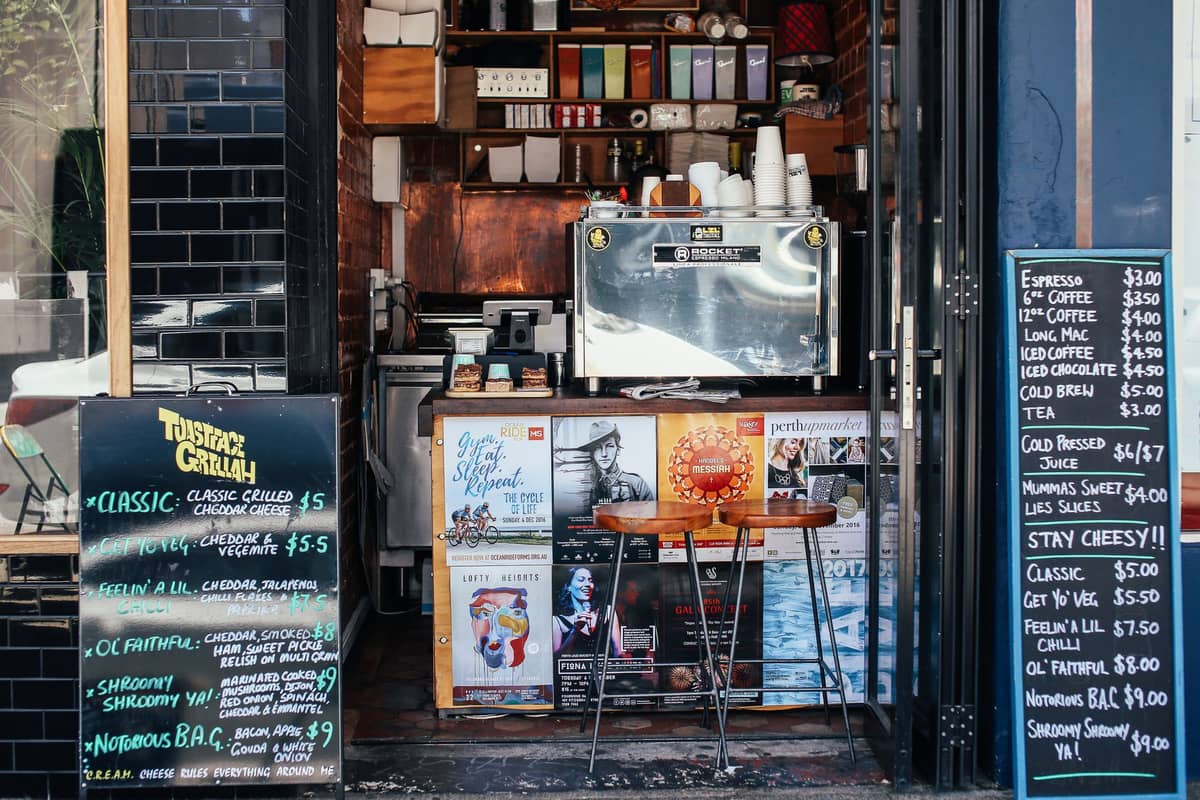
Melbourne's relationship with coffee is not marketing spin. It grew from post-war Italian and Greek immigration, when espresso machines arrived in Carlton and Richmond long before most Australians had heard of a cappuccino. That cultural foundation, combined with decades of independent café ownership (rather than chain dominance), created a city where barista craft is genuinely valued and where customers notice the difference between a well-pulled shot and a mediocre one.
Today, Melbourne is home to internationally recognised roasters including Market Lane Coffee, Axil Coffee Roasters, Code Black Coffee, and Patricia Coffee Brewers, among many others. These are not boutique novelties: they supply cafés across Victoria and export beans internationally. The result is a baseline quality across the city that is unusually high. Even a modest neighbourhood café in Brunswick or Footscray will typically serve properly calibrated espresso, fresh milk, and beans roasted within the past few weeks.
ℹ️ Good to know
Melbourne weather plays a real role in café culture. The city's temperate but changeable climate — with cool winters (7–14°C average) and unpredictable spring showers — means indoor cafés fill up fast on wet mornings. Arrive before 9am on weekdays or after 10:30am to avoid the worst of the rush at popular spots.
The Melbourne Coffee Lexicon: What to Order
Ordering coffee in Melbourne is mostly straightforward, but a few terms can catch visitors off guard. The flat white is the city's signature: a double ristretto (short pull) in a small cup with silky microfoam milk. It is smaller and stronger than a latte, and the ratio matters here. Ordering a 'large flat white' will earn you a polite correction at any serious café.
- Flat White Double ristretto, approximately 150–180ml, with textured milk. Stronger and smaller than a latte. The Melbourne default.
- Magic A Melbourne original: double ristretto in a 130ml cup with steamed milk. Even more intense than a flat white. Not on every menu — ask if you don't see it.
- Long Black Hot water in the cup first, then espresso poured over. Preserves the crema. Not the same as an Americano, which dilutes the crema.
- Cold Brew & Filter Specialty cafés commonly offer pour-over filter or cold brew as alternatives to espresso. These highlight single-origin beans and suit people who find espresso too intense.
- Vietnamese Iced Coffee (Cà Phê Sữa Đá) Strong drip coffee with sweetened condensed milk over ice. A Melbourne staple driven by the city's large Vietnamese community. Footscray and Richmond are the best spots.
- Dirty Coffee Cold milk with a shot of espresso poured over — no blending, no ice. Served in a small glass. A newer trend in specialty cafés across Fitzroy and Collingwood.
⚠️ What to skip
Avoid ordering a 'regular coffee' without specifying what you mean. In Melbourne, this term is almost meaningless and will prompt the barista to ask clarifying questions. Know what you want before you reach the counter — during morning rush, queues move fast and indecision is not appreciated.
Best Café Neighbourhoods: Where to Go and Why
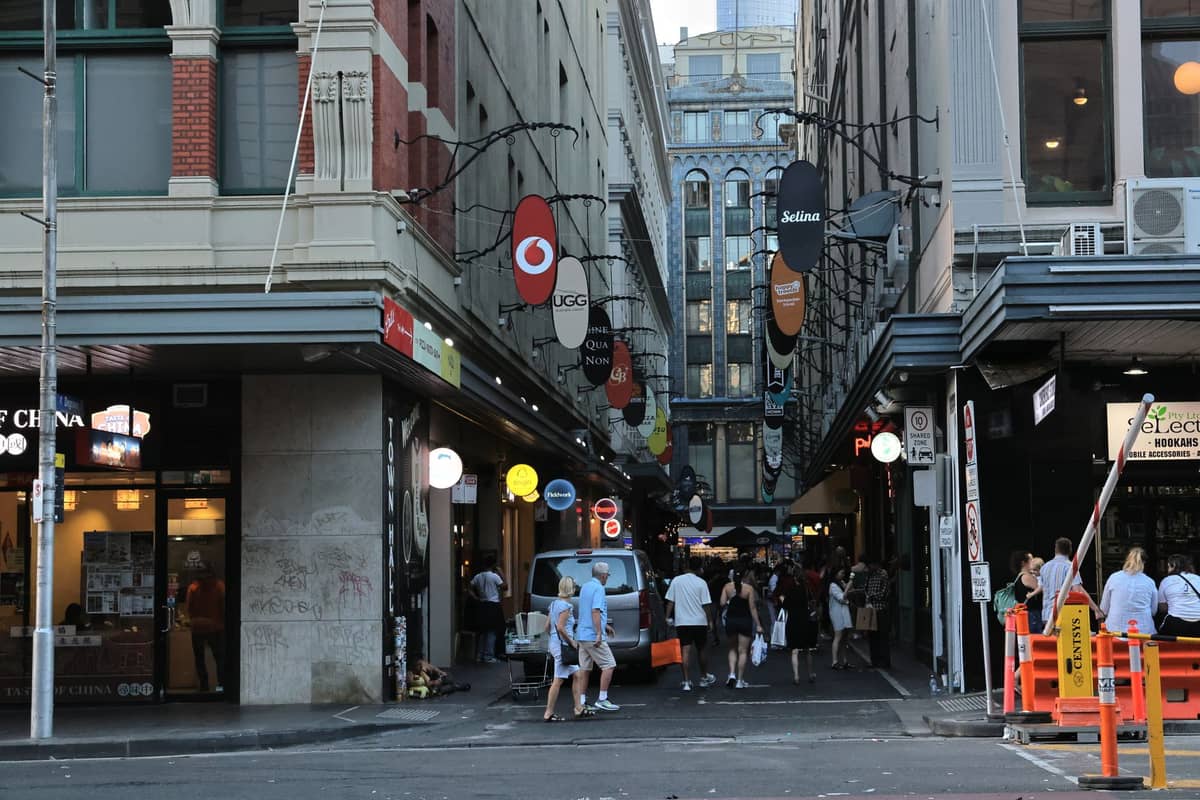
The geography of Melbourne's café scene maps closely onto its inner suburbs. The Melbourne CBD has strong options — particularly in the laneways — but the most interesting and independent cafés are concentrated a short tram or walk away in the inner north and inner east.
- CBD Laneways Degraves Street, Centre Place, and the blocks around Little Collins Street are dense with cafés. Foot traffic is high, hours are long, and prices are slightly elevated at around A$5.50–A$6 for a flat white. Convenient if you're already in the city centre, but not the most relaxed experience.
- Fitzroy & Collingwood The inner north's café heartland. Smith Street and Brunswick Street both have clusters of specialty roasters and independent cafés. Expect strong filter programmes, experimental drinks, and a more relaxed pace. Prices are slightly lower than the CBD, and seating is easier to find mid-morning.
- Carlton Lygon Street is famous for Italian food, and that heritage extends to coffee. Less cutting-edge than Fitzroy but reliable, with older-school espresso bars alongside newer specialty venues. Good option if you're visiting Carlton Gardens or the Melbourne Museum.
- Richmond & South Yarra Swan Street in Richmond has a growing specialty scene. South Yarra's Toorak Road and Chapel Street cater to a different demographic but still have solid options. Both areas suit visitors already in the inner east.
- Footscray Often overlooked by tourists, Footscray is the best neighbourhood in Melbourne for Vietnamese iced coffee alongside a developing specialty scene. Market Lane has a presence here, and the multicultural food strip on Hopkins Street adds context to the coffee.
If you're exploring the city with a broader agenda, the Free Tram Zone covers the CBD and makes it easy to reach the southern end of Fitzroy from the city centre. For context on navigating Melbourne's transport, see the guide to getting around Melbourne.
What You'll Pay: Honest Price Breakdown
Coffee in Melbourne is priced at the upper end by global standards, but the quality-to-price ratio is generally good. A flat white or latte at an independent specialty café runs A$4.50–A$5.50. Busier CBD locations often charge A$6. Filter coffee and pour-over tend to cost A$5–A$8 depending on the bean and preparation method. Cold brew is typically A$6–A$9.
Tipping is not expected in cafés in Melbourne, and you will not receive worse service for skipping it. A few venues now include tip prompts on card readers, but these are entirely optional. Cash is accepted at most independent cafés, but card payment (including tap-to-pay) is universal. There is no obligation to order food with your coffee, though many cafés offer simple breakfast and brunch menus until noon or 1pm.
✨ Pro tip
If you want to taste several roasters without committing to multiple full cups, look for cafés that offer a 'tasting flight' of filter coffees or a smaller 'magic' alongside a single-origin filter. Some specialty venues near Fitzroy and Collingwood run these as weekend specials. Ask at the counter — it's a common enough request that most staff won't find it unusual.
Opening Hours, Walk-Ins, and Practical Logistics
This is where visitors most often go wrong. Melbourne's independent café culture operates on café hours, not restaurant hours. Most open between 7am and 8am on weekdays and 8am to 9am on weekends. The majority close between 2pm and 3pm, sometimes earlier on Sundays. A handful of CBD venues extend to 4pm or later, but counting on an afternoon coffee at a specific specialty café without checking first is a genuine risk.
Walk-ins are standard across the vast majority of Melbourne cafés. Reservations are not typically taken for coffee. For larger groups wanting to use a specific venue's space for a meeting or event, call ahead, but for two to four people wanting a table, just show up. Weekday mornings between 7:30am and 9am are the busiest period in CBD cafés, driven by office workers. Inner-suburb cafés peak slightly later, around 9am to 10:30am on weekdays and 10am to noon on weekends.
Melbourne's daylight saving period (roughly October through April) shifts sunrise and morning café traffic slightly earlier. If you're visiting during Melbourne's warmer months, outdoor seating at café terraces fills quickly on clear mornings — arrive early or expect to sit inside.
Common Mistakes and Overrated Options
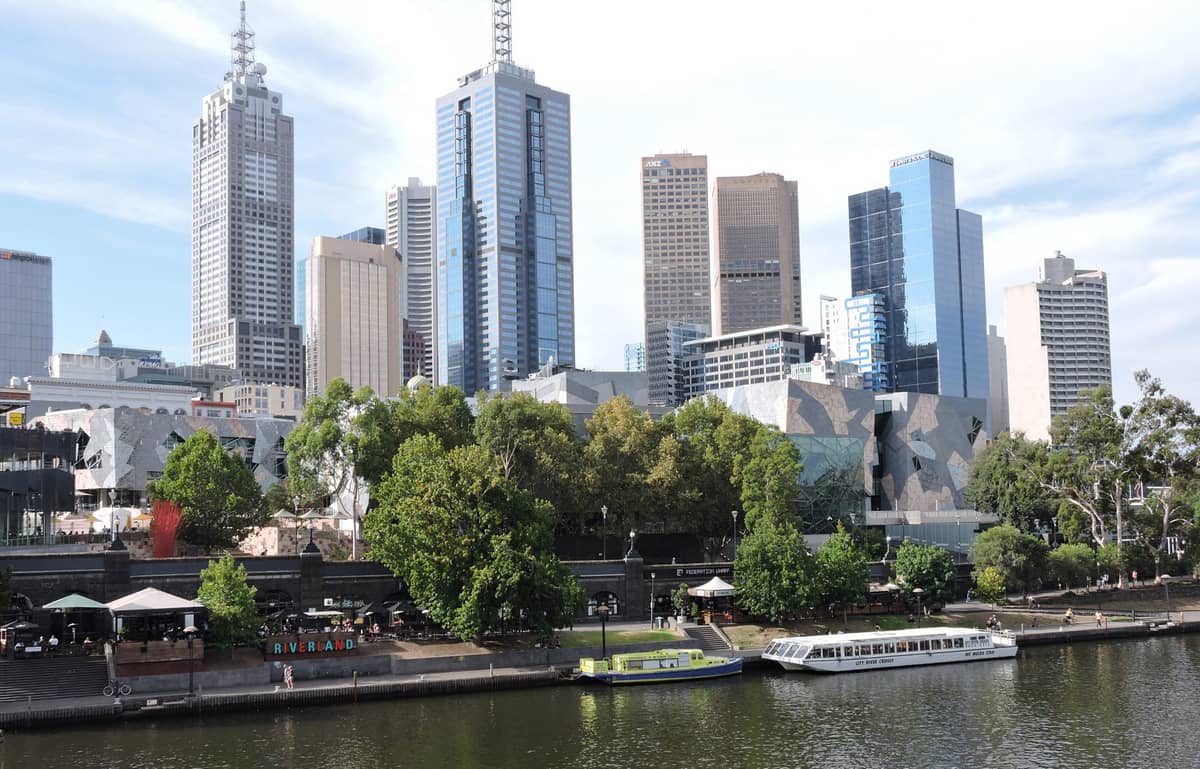
Chain cafés exist in Melbourne and are easy to find near major tourist sites like Federation Square and Southern Cross Station. They are not representative of Melbourne coffee culture and should be treated as convenience options only. If the queue at the specialty café around the corner is long, the wait is usually worth it.
The most overrated area for coffee is the immediate surrounds of Flinders Street Station and Federation Square. These precincts serve enormous foot traffic and the cafés price and operate accordingly. Walk two blocks in any direction and the quality improves while the prices drop.
Another common error: assuming that because Melbourne has a great coffee reputation, every café automatically delivers. Neighbourhoods further from the inner city, particularly tourist-heavy areas along the waterfront at Docklands, have noticeably more inconsistent quality. Stick to inner-suburb specialists if coffee quality matters to you on a specific visit.
- Skip chain cafés near major tourist precincts — they charge CBD prices without the quality.
- Do not visit a specific café on a Monday without checking: many independent cafés close Mondays.
- Avoid ordering a 'large' anything in a specialty café — Melbourne espresso drinks are sized by ratio, not volume.
- Don't expect full café menus after 1pm: food service often closes before the café itself.
- Melbourne weather can be unpredictable. Carry a light jacket even in summer if you're planning to sit outdoors.
If coffee is your primary reason for exploring a neighbourhood, pair it with a broader itinerary. Fitzroy and Collingwood both connect naturally to Melbourne's street art scene and the city's best markets for a full morning out.
FAQ
What is the best coffee in Melbourne?
There is no single 'best' café — it depends on what you value. For espresso craft and bean quality, Market Lane Coffee (multiple locations), Axil Coffee Roasters, Code Black Coffee, and Patricia Coffee Brewers are consistently regarded as among the city's top operators. For Vietnamese iced coffee, Footscray's Hopkins Street precinct is unmatched in Melbourne. Visit two or three different styles to get a real sense of the range.
How much does a coffee cost in Melbourne?
A flat white or latte at an independent specialty café typically costs A$4.50–A$5.50. Busier CBD venues often charge A$6. Filter and pour-over coffees run A$5–A$8. Prices at chain cafés are broadly similar but the quality is lower. Tipping is not expected.
What time do Melbourne cafés open and close?
Most independent cafés open between 7am and 8am on weekdays, slightly later on weekends. The majority close by 2–3pm. Some CBD cafés extend to 4pm. Monday closures are common at smaller independent venues — always check before making a special trip.
What is a 'magic coffee' in Melbourne?
A magic is a Melbourne-specific drink: a double ristretto in a small 130ml cup with steamed milk. It is more concentrated than a flat white and produces a sweeter, more intense flavour. Not every café lists it on the menu, but most specialty cafés will make one if you ask.
Are Melbourne café neighbourhoods worth visiting beyond the CBD?
Yes, and strongly so. The CBD is convenient but not where Melbourne's most interesting or affordable cafés are concentrated. Fitzroy, Collingwood, Carlton, and Richmond all have better independent options with more variety, lower prices, and easier seating. All are reachable by tram from the city centre within 15–25 minutes.
Tickets & tours
Live prices and dates from our booking partner. If you book, we may earn a commission at no extra cost to you.
Planning a trip? Discover personalized activities with the Nomado app.