Footscray
Footscray sits about 5 km west of Melbourne's CBD and packs more culinary and cultural variety into a few city blocks than most suburbs manage across entire postcodes. Once a working-class industrial area, it has evolved into one of Melbourne's most genuinely multicultural neighborhoods, shaped by successive waves of Vietnamese, Ethiopian, Somali, and other migrant communities, now increasingly alongside newer cafes and creative businesses drawn by comparatively affordable rents.
Located in Melbourne, Australia
Overview
Footscray is the kind of place that rewards the curious and challenges those who want everything polished for them. Five kilometres west of the Melbourne CBD, this inner-west suburb in the City of Maribyrnong has built an identity around extraordinary food diversity, a gritty street-level energy, and a community that is neither preserved in amber nor fully gentrified.
Orientation
Footscray occupies the inner-west of Melbourne, sitting in the City of Maribyrnong council area rather than the City of Melbourne proper. The suburb centre is roughly 5 km from the CBD by road, making it closer to the city than many neighborhoods that get far more tourist attention. The Maribyrnong River forms a natural eastern boundary, while the suburb transitions into Seddon and Yarraville to the south, West Footscray further west, and Flemington to the north across the rail corridor.
The commercial and social heart of Footscray is a compact strip along Hopkins Street and Nicholson Street, radiating out from Footscray Station at Hopkins and Irving streets. Footscray Market sits near the station, and within a few blocks in any direction you will find the main restaurants, grocery stores, and the low-rise streetscapes that define the suburb's character. The layout is not complicated: this is a flat, walkable neighborhood where almost everything worth knowing about sits within a 15-minute walk of the station.
Footscray connects naturally to the wider city through rail, and understanding where it sits relative to other Melbourne neighborhoods helps calibrate expectations. It is closer to the CBD than St Kilda and roughly the same distance as Fitzroy, but feels more removed from tourist circuits because it lacks waterfront views or a single headline attraction. That is partly what defines it.
Character & Atmosphere
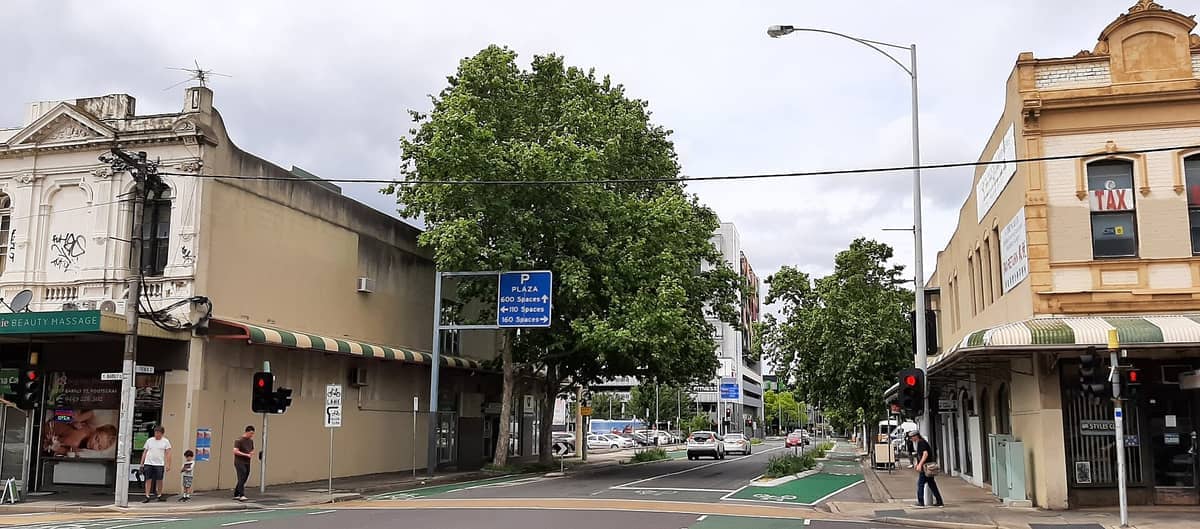
Footscray on a Saturday morning is one of the most genuinely Melbourne experiences you can have. By 7 am the market is already operating at full volume: traders calling out prices, the smell of fresh herbs and char siu mixing in the air, Vietnamese-speaking regulars filling string bags with produce while the first cafe customers arrive for coffee. The footpaths around Hopkins Street are narrow and frequently crowded, and the energy is purposeful rather than leisurely. This is a neighborhood doing its actual daily business, not one performing it for visitors.
By mid-morning the light flattens across the wide commercial streets and the rhythm shifts. Grocers stack their displays onto the footpath, pulling colours of fresh produce into view. The side streets off Nicholson Street and Hopkins Street have a different feel: quieter, with a mix of older terrace houses and newer apartment buildings, small Vietnamese bakeries, Ethiopian grocery importers, and the occasional new-wave coffee shop that has found affordable rent here. The contrast between blocks is striking in a way that few inner Melbourne suburbs can match.
After dark, Footscray is primarily a restaurant destination rather than a nightlife precinct. The main streets remain animated until around 9 or 10 pm as diners fill the Vietnamese, Ethiopian, and Sri Lankan restaurants, but the late-night bar culture you find in Fitzroy or Collingwood is not a major feature here. Some sections of the suburb can feel quiet after 10 pm, which is worth knowing if you are considering staying here rather than just visiting for a meal. The neighborhood is not without edge: it has experienced crime and antisocial behavior in parts, particularly around the station at certain hours, and travelers should apply the same awareness they would anywhere in any city.
ℹ️ Good to know
Footscray's character shifts noticeably by block. The area immediately around the market and station has high foot traffic and a commercial energy; the streets closer to Footscray Park along Ballarat Road are quieter and greener, with a more residential feel.
What to See & Do
Footscray does not have a single marquee attraction. What it offers instead is texture: a kind of cultural density that you absorb by walking rather than by ticking boxes. That said, there are specific anchors worth knowing about.
Footscray Market is the natural starting point. Located directly opposite the railway station, this covered market operates across multiple days and is one of the more authentic produce and grocery markets in inner Melbourne. It is not a farmers market designed around weekend visitors: it is a working-class food market where the prices are genuinely competitive and the selection reflects the multicultural make-up of the suburb. Vietnamese, Chinese, African, and South Asian grocery traders operate alongside butchers, fishmongers, and small food stalls.
Footscray Park, accessed via Ballarat Road to the north-west of the suburb centre, is one of Melbourne's more underappreciated public green spaces. Its formal gardens and riverside position along the Maribyrnong River make it a genuine respite from the commercial streets, and it is the kind of place where locals walk dogs and kids play cricket on weekend afternoons. The park connects to river trails that extend in both directions.
Footscray Town Hall on Napier Street is a heritage building that functions as a community arts venue, hosting exhibitions, performances, and events run by local organizations. It is not a museum with set opening hours but rather a living civic building, so check what is on before turning up. The former Barkly Theatre on Barkly Street is another piece of the suburb's architectural history, representing the area's earlier life as a self-contained working-class suburb with its own civic and entertainment infrastructure.
- Footscray Market: produce, groceries, and food stalls opposite the railway station
- Footscray Park: formal gardens and Maribyrnong River frontage on Ballarat Road
- Footscray Town Hall: community arts and events on Napier Street
- Hopkins Street and Nicholson Street: street-level browsing of grocers, bakeries, and spice importers
- Maribyrnong River Trail: cycling and walking paths connecting to Footscray Park and beyond
If Footscray is part of a wider Melbourne itinerary, it pairs naturally with a visit to Queen Victoria Market in the CBD for a morning of market-going, or with the Melbourne CBD for an afternoon. The short train trip back into the city makes combining both entirely practical.
Eating & Drinking
Food is the main reason most visitors make the trip to Footscray, and the reputation is well-earned. The suburb has one of the highest concentrations of Vietnamese restaurants and pho shops in Melbourne, shaped by the community that settled here from the late 1970s onwards. A bowl of pho on Hopkins Street costs a fraction of what you would pay in a CBD restaurant, and the quality at the best-established spots is consistently high. Banh mi, broken rice dishes, Vietnamese coffee, and fresh spring rolls are staples you will find across multiple storefronts.
What distinguishes Footscray from other Vietnamese restaurant strips in Melbourne is the breadth of other cuisines alongside it. Ethiopian and Eritrean restaurants serving injera-based meals are clustered particularly around Irving Street and nearby blocks, representing a community that arrived in significant numbers from the 1980s. Sri Lankan, Lao, and Cambodian restaurants fill further gaps, and the market itself has food stalls serving across these traditions. The cumulative effect is that you can eat across three or four very different cuisines within a short walk.
The coffee scene has grown substantially in recent years, with newer specialty cafes joining more established Vietnamese-style coffee shops. This reflects broader gentrification trends, though Footscray has retained more of its original character than some comparable inner Melbourne suburbs. For context on how Melbourne's coffee culture operates, Melbourne's coffee guide covers the citywide landscape.
Price expectations should be set accordingly: Footscray is one of the most affordable places to eat well in inner Melbourne. A full pho or rice dish at lunch typically runs between A$12 and A$20. Ethiopian shared platters can feed two people for A$30 to A$45. The newer cafes trend slightly higher for brunch, but even there you are generally looking at less than comparable spots in Fitzroy or South Yarra.
💡 Local tip
Many of the best-value restaurants in Footscray are cash-preferred or cash-only. Bring Australian dollars, as the nearest ATM may require a short walk. The market stalls in particular often operate on cash only.
Footscray's food diversity fits naturally into the broader story of Melbourne's multicultural eating scene. Melbourne's multicultural food guide covers how neighborhoods like Footscray, Carlton, and Richmond each bring different culinary traditions to the city.
Getting There & Around
Footscray Station, located at Hopkins and Irving streets, is the suburb's primary transit hub. It is served by multiple metropolitan train lines including the Werribee, Williamstown, and Sunbury lines, as well as regional V/Line services operating west from Melbourne. From Flinders Street Station in the CBD, the journey to Footscray takes approximately 8 to 12 minutes by train, making it one of the faster trips to an inner suburban destination in Melbourne. Trains run frequently during daytime hours on weekdays and weekends.
A Myki card is required for all train travel on Melbourne's metropolitan network. If you are planning day trips across Melbourne, the Melbourne transport guide explains how Myki works, how zones are structured, and what options exist for short-stay visitors.
Multiple bus routes serve the area around Footscray Station, connecting the suburb to surrounding neighborhoods including West Footscray, Sunshine, and points north and south. Routes 216, 223, 402, 404, and 406 are among those stopping near the station. Check the Public Transport Victoria journey planner for current schedules and any service disruptions before traveling.
Within Footscray itself, everything central is walkable. The market, the main restaurant strips, Footscray Town Hall, and the park are all reachable on foot from the station, with the furthest point, Footscray Park along Ballarat Road, being approximately a 15-minute walk. Ride-hailing services are available and useful for returning at night or reaching parts of the suburb less well-served by buses.
⚠️ What to skip
Footscray Station can feel less comfortable in the late evening, particularly on weekends. If you are returning to the CBD after dinner, aim to travel before 10 pm when trains are more frequent and platforms are busier with other passengers.
Where to Stay
Footscray is not a significant accommodation hub, and most visitors who come here do so as a day trip or dinner excursion from a base elsewhere in Melbourne. The suburb has some apartment and budget accommodation options, but the major hotel inventory is thin compared to the CBD, Southbank, or St Kilda.
Staying in Footscray makes most sense for travelers who specifically want to be immersed in a non-tourist neighborhood, are comfortable with a shorter walk to the train rather than being central, or are in Melbourne on an extended stay and want something affordable and local-feeling. For most first-time visitors, the CBD and its surroundings offer a more practical base. The Melbourne accommodation guide covers the trade-offs between staying in the CBD, inner-north, and bayside neighborhoods.
If you do base yourself in Footscray, the streets closest to the station give you fastest access to trains while keeping you near the market and restaurants. The quieter residential streets to the south and west, closer to Seddon, are a few minutes further from the commercial strip but considerably calmer, particularly in the evenings.
Context: Footscray's History and Changing Identity
Footscray's character today is inseparable from its history as a working-class industrial suburb. For much of the 19th and 20th centuries the area housed factories, meatworks, and the workers employed in them. Its relative affordability compared to suburbs on the other side of the CBD made it a landing point for successive migrant communities: first from Southern Europe, then from Southeast Asia following the end of the Vietnam War, and more recently from the Horn of Africa.
The area around Footscray is on the traditional lands of the Wurundjeri Woi-wurrung and Bunurong peoples of the Kulin Nation. This context is part of any complete understanding of Melbourne's inner suburbs and how they came to be what they are today.
The gentrification question is genuinely complex here. Footscray has seen rising rents, new apartment buildings, and the arrival of specialty coffee shops and wine bars over the past decade, prompting concern from long-standing community members about displacement. Unlike some Melbourne suburbs where gentrification has largely erased earlier character, Footscray has so far retained substantial diversity and affordability in its food and retail sector, though the picture continues to evolve. For now, the suburb occupies a genuinely interesting middle ground between the Melbourne that existed and the one being built.
For travelers interested in understanding Melbourne's neighborhoods beyond the standard tourist circuit, the broader things to do in Melbourne guide provides context on how neighborhoods like Footscray, Brunswick, and Richmond each occupy a distinct role in the city's character.
TL;DR
- Footscray is approximately 5 km west of the Melbourne CBD, reachable in under 15 minutes by train from Flinders Street Station on the Werribee, Williamstown, or Sunbury lines.
- The suburb offers some of Melbourne's most diverse and affordable dining, anchored by Vietnamese and Ethiopian restaurants along Hopkins and Irving streets, with a working market directly opposite the station.
- It is a genuine neighborhood rather than a tourist precinct: the atmosphere is purposeful and local, which is the appeal for some travelers and a deterrent for others seeking polish and curation.
- Accommodation options are limited; Footscray works better as a half-day or dinner excursion from a CBD or inner-city base than as a primary stay location for most first-time visitors.
- Best suited to food-focused travelers, those interested in urban multiculturalism, and anyone who wants to see a side of Melbourne that operates at its own pace rather than for an audience.
Related Travel Guides
- 3 Days in Melbourne: The Perfect Itinerary
Three days in Melbourne is enough to move past the obvious tourist circuit and get a real sense of the city. This itinerary covers the CBD laneways, inner-north neighbourhoods, bayside suburbs, and cultural institutions, with practical transport advice, realistic crowd warnings, and enough flexibility to make it your own.
- Australian Open: The Complete Visitor's Guide
The Australian Open is one of the four Grand Slam tennis tournaments and the biggest annual sporting event in Melbourne. This guide covers tickets, getting to Melbourne Park, navigating the grounds, and how to make the most of your visit whether you're going for a single session or the full fortnight.
- Best Beaches Near Melbourne: Bay, Peninsula & Beyond
Melbourne sits on Port Phillip Bay, giving the city access to calm bay beaches within 30 minutes of the CBD, and wilder ocean surf beaches a 90-minute drive south. This guide covers the best beaches near Melbourne by type, with frank notes on safety, crowds, and what each beach actually delivers.
- Best Museums in Melbourne: Art, History, Science & More
Melbourne is a stronger museum city than many visitors expect. Whether you're drawn to world-class art collections, colonial history, hands-on science, or Australia's sporting obsession, these are the museums worth your time.
- Best Time to Visit Melbourne: A Season-by-Season Guide
Melbourne's weather is notoriously unpredictable, but the city rewards visitors year-round. This guide breaks down every season by weather, events, crowds, and value so you can pick the right time for your trip.
- Best Views in Melbourne: Lookouts, Rooftops & Skyline Spots
Melbourne rewards those who look up, look out, and look across. Whether you want 360-degree city panoramas from 285 metres up, golden-hour shots of the skyline from the bay, or dramatic coastal cliffs an hour from the CBD, this guide covers every angle worth seeking out.
- Best Day Trips from Melbourne: 18 Escapes Worth the Drive
Melbourne is one of Australia's great base cities, with extraordinary landscapes, wildlife, history, and wine country within a two-hour drive. This guide covers the best day trips from Melbourne, from dramatic ocean coastlines to misty mountain ranges, with realistic travel times and what to prioritise.
- Free Things to Do in Melbourne: 20 Experiences That Won't Cost a Cent
Melbourne rewards curious visitors with an impressive range of genuinely free experiences. From world-class art galleries and heritage reading rooms to wild penguin encounters and the city's famous laneway culture, these are the best free things to do in Melbourne.
- Getting Around Melbourne: The Complete Transport Guide
From the Free Tram Zone to airport transfers, myki cards to rideshare, this guide covers every practical detail you need to navigate Melbourne's transport network confidently. No fluff, just the information that actually matters.
- Great Ocean Road Day Trip from Melbourne: The Complete Guide
A Great Ocean Road day trip from Melbourne is one of the most iconic outings in Australia, but it requires serious planning. This guide covers the full route, realistic timelines, tour options with price ranges, the best stops beyond the Twelve Apostles, and clear warnings about what most visitors get wrong.
- Melbourne Airport Guide: Arrivals, Transfers & Getting to the City
Melbourne Airport (MEL) sits 23 km northwest of the city centre at Tullamarine. This guide covers every transfer option — SkyBus, taxi, rideshare, and public bus — with current pricing, journey times, and the insider details that save you time and money on arrival.
- Melbourne Architecture Guide: Victorian Heritage to Contemporary Design
Melbourne's built environment tells the story of a city that went from a colonial outpost to a gold rush boomtown to a modern metropolis in under two centuries. This guide covers the key buildings, neighbourhoods, and walking routes to understand how it all fits together.
- Melbourne Coffee Guide: Best Cafés, Neighbourhoods & Coffee Culture Explained
Melbourne's coffee culture is serious business. This guide breaks down the best café neighbourhoods, what drinks to order, what to pay, and how to navigate the city's specialty scene like a local. Whether you're landing at Tullamarine or already in the CBD, here's what you need to know.
- Melbourne Cup: How to Experience the Race That Stops a Nation
The Melbourne Cup is Australia's most famous horse race, held annually at Flemington Racecourse each November. This guide covers everything from buying tickets and getting to the track to dress codes, the full Carnival schedule, and a clear picture of what to expect on race day.
- Melbourne Events Calendar: Festivals & Major Events Guide
Melbourne runs one of the most packed event calendars in the Southern Hemisphere, with major festivals, sporting events, and cultural programs spread across every season. This guide breaks down what's on, when to go, and how to plan around it without getting caught out by full hotels or sold-out tickets.
- Romantic Melbourne: The Best Things to Do for Couples
Melbourne rewards couples who slow down and look beyond the obvious. This guide covers the city's most genuinely romantic experiences, from sunrise walks through the Royal Botanic Gardens to candlelit laneway dinners and scenic day trips, with candid notes on what's worth it and what to skip.
- Melbourne's Best Gardens & Parks: A Complete Green Spaces Guide
Melbourne takes its parks seriously. From UNESCO-listed formal gardens to wild river corridors just minutes from the CBD, the city's green spaces range from manicured and historic to untamed and surprising. This guide covers the best of them, with practical advice on what to expect at each.
- Melbourne Hidden Gems: Off the Beaten Path
Melbourne rewards those who look beyond the obvious. This guide uncovers the city's overlooked art museums, geological surprises, historic estates, and quiet urban escapes that most visitors walk straight past.
- Melbourne Laneways Guide: The Best Hidden Alleys & Arcades
Melbourne's laneways are the city's most distinctive feature: a network of narrow alleys, covered arcades, and public art corridors threading through the CBD grid. This guide covers the essential stops, practical logistics, and what most visitors get wrong about the street art scene.
- Melbourne Live Music Guide: Best Venues, Gig Listings & Practical Tips
Melbourne's live music scene spans everything from intimate 80-person rooms above pubs to ornate theatres holding thousands. This guide breaks down the best venues by style and suburb, explains how to find and book gigs, and covers the practical details that most listings skip.
- Best Markets in Melbourne: Where Locals Actually Shop
Melbourne's market scene goes well beyond tourist postcards. This guide covers the city's best permanent and weekly markets, with verified opening hours, what each one does best, candid assessments of which are worth your time, and practical tips for getting the most out of each visit.
- Melbourne's Multicultural Food Districts: A Neighbourhood Guide
Melbourne, Australia is home to one of the world's most diverse urban food cultures, shaped by over 200 years of immigration waves. This guide breaks down the city's key multicultural food neighbourhoods, what to eat in each, when to go, and how to navigate them like a local.
- Melbourne Nightlife Guide: Bars, Clubs & Live Music
Melbourne's nightlife scene runs deep, from laneway cocktail bars to legendary live music rooms that shaped Australian rock. This guide breaks down the best neighbourhoods, venues, and practical logistics so you can navigate it like a local.
- Melbourne on a Budget: How to Experience the City Without Overspending
Melbourne, Australia rewards budget travellers more than most major cities. From free tram rides and world-class free museums to cheap market food and no-cost beaches, this guide covers every practical angle for spending less without missing out.
- One Week in Melbourne: The Complete 7-Day Itinerary
Seven days is enough time to get well beyond Melbourne's postcard highlights. This itinerary balances the CBD's iconic landmarks, inner-suburb character, a coastal day trip, and the regional Victorian countryside — with practical logistics for every step.
- Melbourne Shopping Guide: Best Areas, Markets & Local Secrets
Melbourne rewards shoppers who look beyond the chain stores. This guide covers the city's best shopping precincts, heritage arcades, weekend markets, and neighbourhood strips — with practical notes on what's worth your time and what to skip.
- Melbourne Street Art Guide: Best Laneways & Murals
Melbourne's street art scene is one of the most concentrated and celebrated in the world. This guide covers the essential laneways, the City of Melbourne's official self-guided walk, neighbourhood murals beyond the CBD, and practical advice for getting the most out of every visit.
- Best Walking Tours & Self-Guided Walks in Melbourne
Melbourne rewards walkers like few other cities. From the iconic laneways of the CBD to the bayside foreshore of St Kilda, this guide covers the best guided tours, official self-guided routes, and neighbourhood walks, with straightforward notes on what's worth your time and what to skip.
- Melbourne with Kids: The Best Family Activities Guide
Melbourne is one of Australia's most family-friendly cities, with a range of attractions spread across the inner city and beyond. This guide covers the best things to do with kids in Melbourne, from free rainy-day museums to weekend wildlife encounters, with practical notes on costs, transport, and what's actually worth your time.
- Things to Do in Melbourne: A Complete Guide to Australia's Cultural Capital
Melbourne rewards visitors who look beyond the obvious. This guide covers the city's best experiences across culture, food, sport, nature, and neighbourhoods — with practical details on getting around, what to skip, and how to make the most of every day in Melbourne, Australia.
- Watching Live Sport in Melbourne: A Fan's Guide
Melbourne is one of the world's great sporting cities, hosting world-class events across football, cricket, tennis, and more. This guide covers every major venue, how to get tickets, the best seasons to visit, and the practical details that actually matter.
- What to Eat in Melbourne: A Complete Food Culture Guide
Melbourne's food scene is one of the most diverse and serious in the Southern Hemisphere. This guide covers the dishes, neighbourhoods, markets, and cultural context you need to eat well in Melbourne — whether you have three days or three weeks.
- Where to Stay in Melbourne: A Neighbourhood-by-Neighbourhood Guide
Choosing where to stay in Melbourne shapes your entire trip. This guide breaks down every major neighbourhood by location, transport access, price range, atmosphere, and who it suits best, so you can book with confidence.
- Yarra Valley Wine Day Trip from Melbourne: The Complete Planning Guide
The Yarra Valley is one of Australia's most accessible cool-climate wine regions, sitting about 65 km from central Melbourne. This guide covers how to get there, which cellar doors are worth your time, tour vs. self-drive decisions, and how to plan around the seasons.