Melbourne Laneways Guide: The Best Hidden Alleys & Arcades
Melbourne's laneways are the city's most distinctive feature: a network of narrow alleys, covered arcades, and public art corridors threading through the CBD grid. This guide covers the essential stops, practical logistics, and what most visitors get wrong about the street art scene.
Tickets & tours
Live prices and dates from our booking partner. If you book, we may earn a commission at no extra cost to you.
TL;DR
- Melbourne's laneway network is best explored on foot using the City of Melbourne's free self-guided walks, including the official Hosier Lane street art route and the Iconic Laneways and Arcades walk.
- The two heritage arcades worth prioritising are Block Arcade (1893, glass canopy, ornate mosaics) and Royal Arcade (1870, Gaunt's Clock) — both are free to enter and open during shopping hours.
- Street art in Melbourne's laneways is commissioned and permitted work, not illegal graffiti — it changes frequently, so no guide or photo is guaranteed to match what you'll find on arrival.
- The self-guided street art walk is approximately 3 km and takes around two hours at a relaxed pace — comfortable shoes and a phone with maps are all you need.
- Combine laneways with nearby Degraves Street and Federation Square for a full half-day itinerary.
Why Melbourne's Laneways Matter
Melbourne's CBD was laid out on a grid in 1837, and the laneways running between those blocks were originally service corridors: loading bays, rubbish routes, and tradesman access. For most of the 20th century, they were ignored. What happened next is one of the more interesting urban transformations in Australian history. From the 1990s onward, local councils began encouraging cafes, bars, and artists to activate these forgotten spaces. The result is a city where the most interesting square metres are often tucked down an unmarked alley that first-time visitors walk straight past.
Today, the laneways fall into two broad categories: the heritage-listed covered arcades, which house boutique shops and cafes under Victorian-era glass canopies, and the open-air street art corridors, which function as rotating public galleries. Understanding this distinction helps you plan your time more effectively.
ℹ️ Good to know
Melbourne is on the traditional lands of the Wurundjeri Woi-wurrung and Bunurong peoples of the Kulin Nation. The laneway network sits within Country that has been cared for by these communities for tens of thousands of years. The City of Melbourne acknowledges this on its official walk pages.
The Heritage Arcades: Block Arcade and Royal Arcade
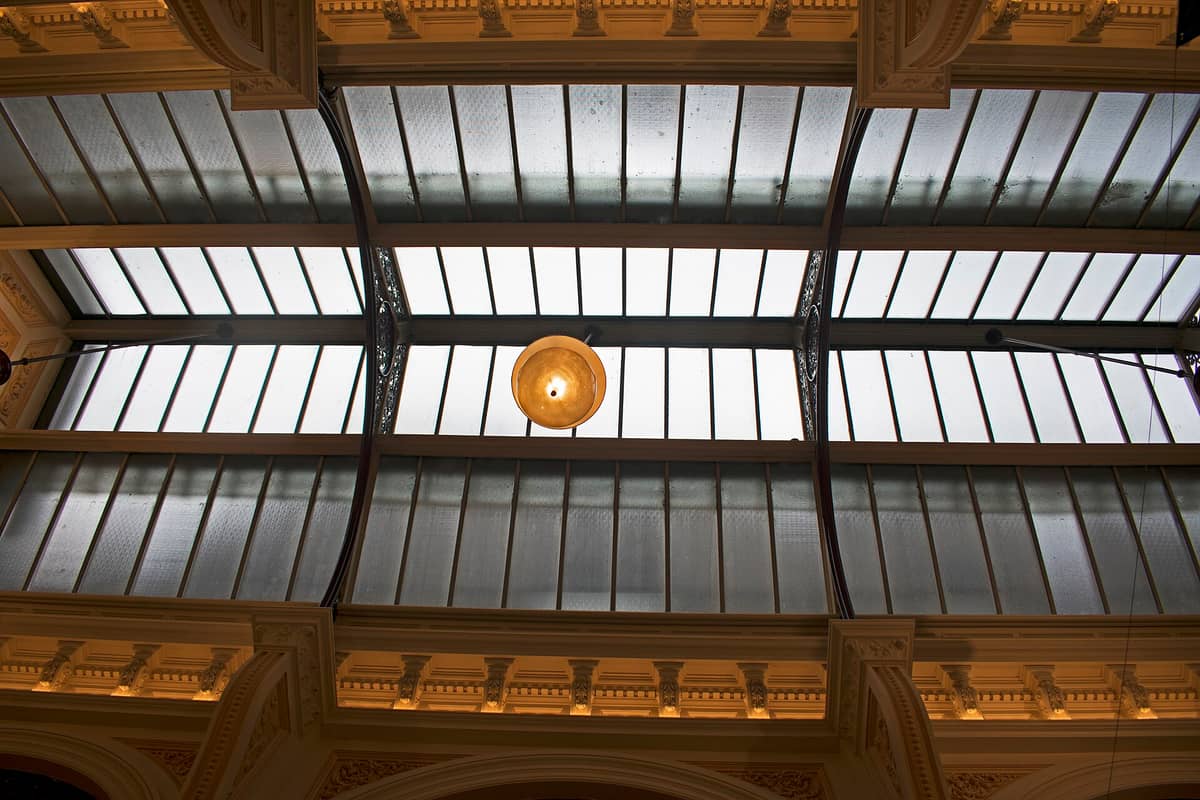
The two arcades that genuinely reward a visit are the Block Arcade and the Royal Arcade. Both are free to enter, both are among the oldest surviving commercial arcades in Australia, and both are still working retail and hospitality spaces rather than museums.
- Block Arcade (1893) Enter from Collins Street and look up immediately: the vaulted glass canopy and Italian floor mosaics are the main event. The arcade connects through to Little Collins Street and Elizabeth Street, making it a useful shortcut even on rainy days. The Hopetoun Tea Rooms inside are a Melbourne institution — queues on weekends can stretch into the arcade itself.
- Royal Arcade (1870) Australia's oldest surviving arcade runs between Bourke Street Mall and Little Collins Street. The Gaunt's Clock — two mythological figures (Gog and Magog) that strike the hours — is the signature feature. Official opening hours are Monday to Thursday 7am–7pm, Friday 7am–8:30pm, Saturday 8am–7pm, and Sunday 9am–7pm, though individual shop hours vary.
A note on what gets oversold: several other arcades are frequently included in laneway guides but are essentially standard shopping centres with heritage facades. The Centrepoint Arcade and Collins 234 Arcade serve commuters more than visitors. If your time is limited, prioritise Block and Royal and skip the rest.
💡 Local tip
Visit Block Arcade before 10am on weekdays if you want the interior mostly to yourself. The glass roof fills with morning light, and the Hopetoun Tea Rooms queue hasn't formed yet. It's a significantly better experience than arriving at midday.
Street Art Laneways: What to Know Before You Go
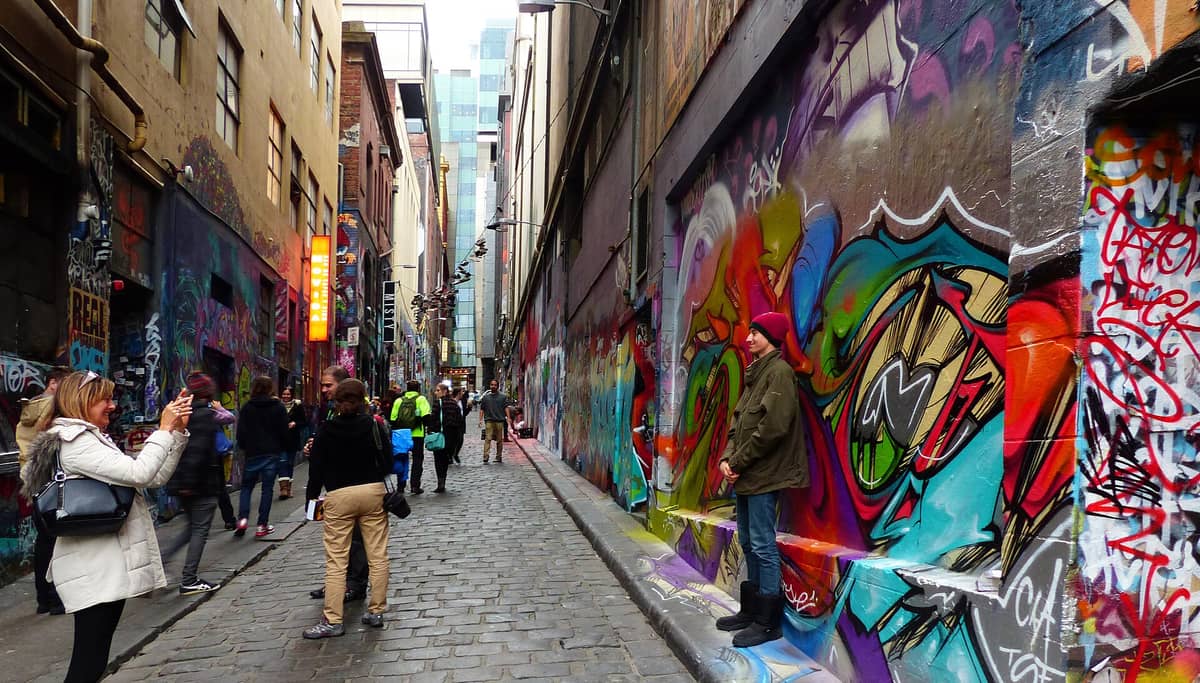
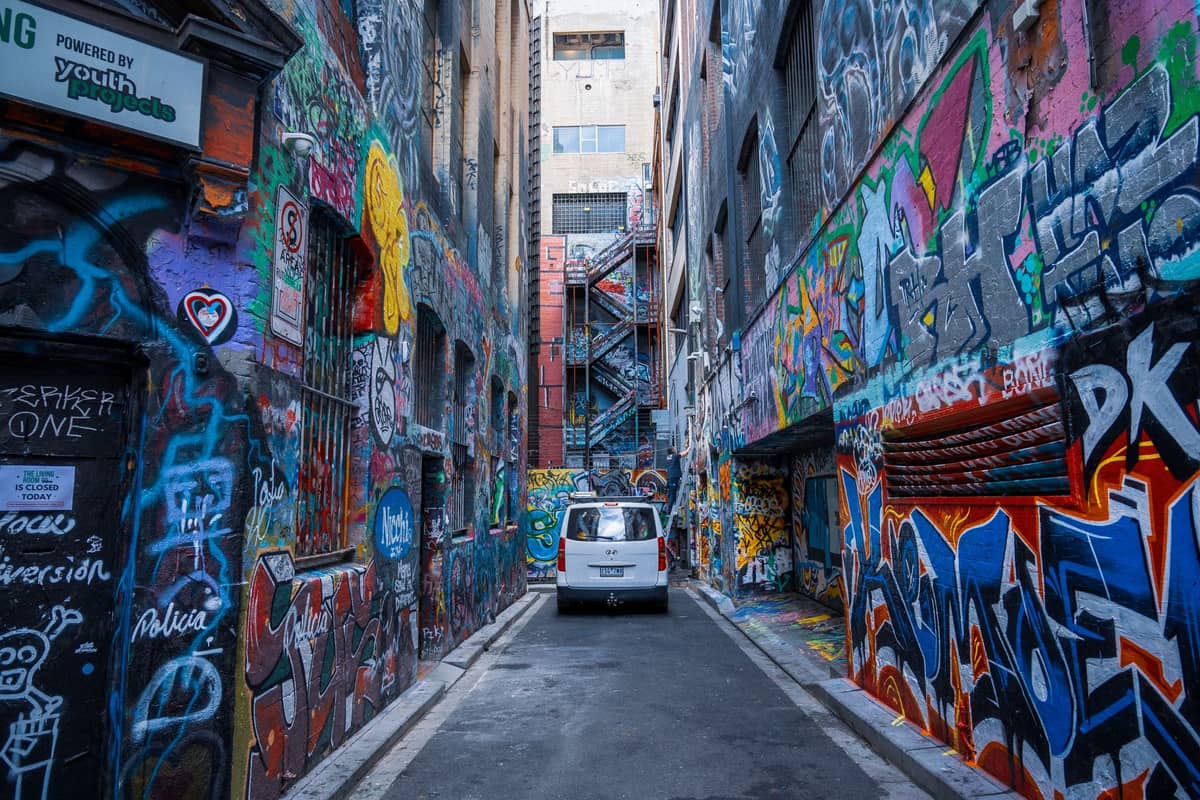
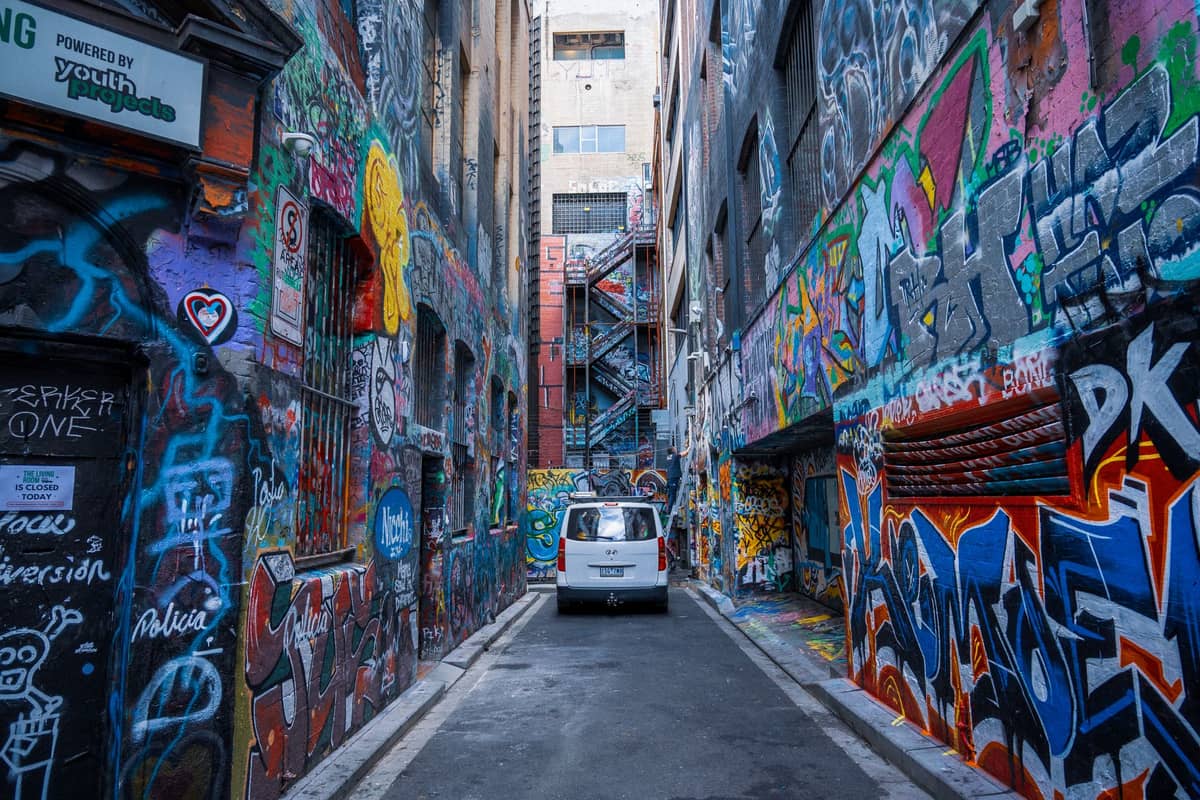
The most visited street art lane in Melbourne is Hosier Lane, a short cobblestone corridor running off Flinders Street near Federation Square. It is probably the most photographed laneway in Australia, and it earns that attention: the layered, high-quality murals cover every surface including the ground. The City of Melbourne describes street art as commissioned or painted with permission, an important distinction from illegal graffiti — both exist in the city.
The critical thing to understand about Melbourne's street art laneways: the artwork changes. The City explicitly describes the scene as shifting 'like Melbourne's weather.' Pieces that appeared in a travel article last year may have been painted over by the time you visit. This is a feature, not a bug — the churn is part of what keeps the laneways culturally alive — but it does mean photo-research before your visit is a poor predictor of what you'll actually see.
Beyond Hosier Lane, the laneway and street art scene extends significantly. AC/DC LaneAC/DC Lane (named after the band) is a narrower, darker alternative that tends to attract different artists and different crowds. Rutledge Lane, directly off Hosier, is worth walking if you continue past the main strip.
⚠️ What to skip
Hosier Lane is busy. On weekends and during peak tourist season (December to February), it can be shoulder-to-shoulder for most of the day. If crowd-free photography is your goal, arrive before 8am or on a weekday morning. Mid-afternoon on a Saturday is the worst time.
The Self-Guided Walks: Logistics and Route Planning
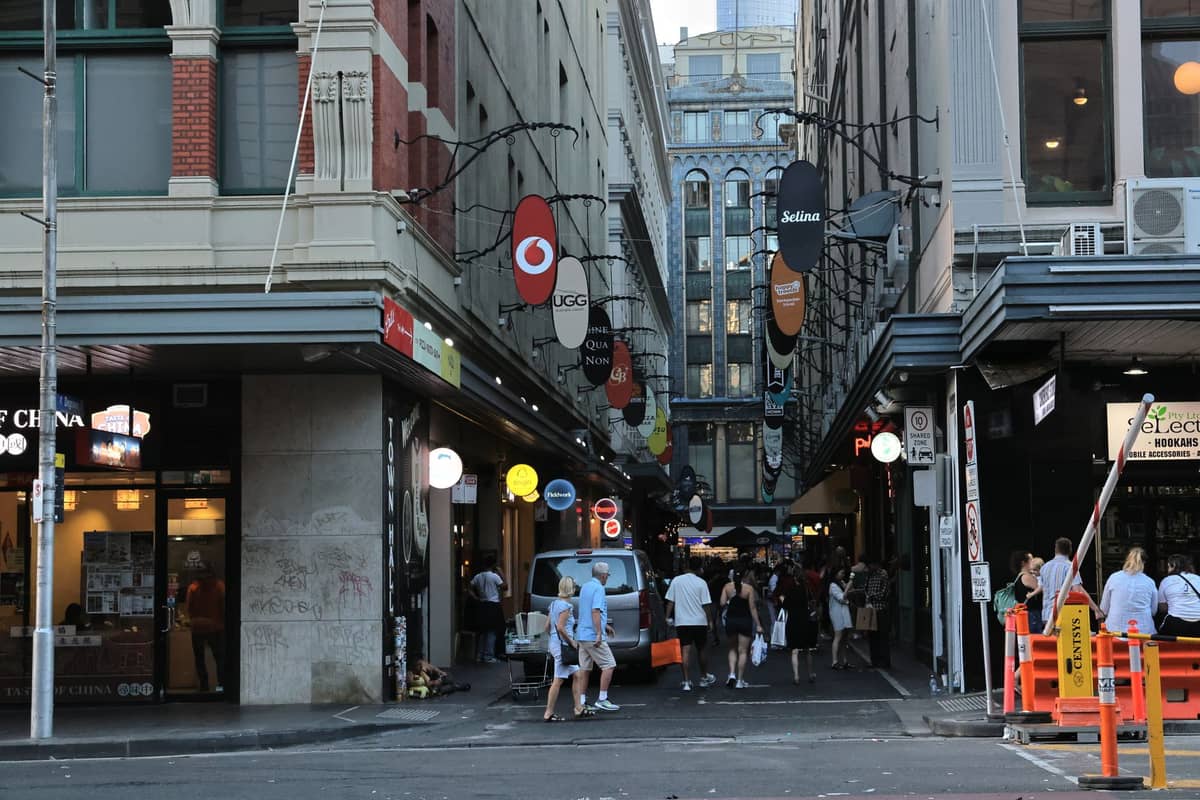
The City of Melbourne offers free self-guided walks that cover parts of the laneway network without requiring a booking or a tour company. The Street Art walk is approximately 3 km and takes around two hours at a relaxed pace.
Both walks are genuinely free and work well as standalone half-day activities. The City of Melbourne's What's On website lists current routes and maps. For a fuller day, pair the laneway walk with a visit to State Library Victoria (free entry, extraordinary reading room) or the Ian Potter Centre at NGV Australia at Federation Square, both of which are walkable from the main laneway circuit.
- Start at Flinders Street Station and work north: this gives you Hosier Lane immediately, then the Block Arcade circuit, then Royal Arcade, ending near Bourke Street.
- Wear comfortable, flat shoes — cobblestones in Hosier Lane are uneven and get slippery in rain.
- Download the City of Melbourne map before you go rather than relying on mobile data in the narrower lanes.
- Allow 2.5 to 3 hours if you're combining both the arcades and the main street art lanes.
- The walk works in any direction, but the north-to-south return (ending at Federation Square) gives you access to cafes and tram connections.
The Coffee Culture Connection
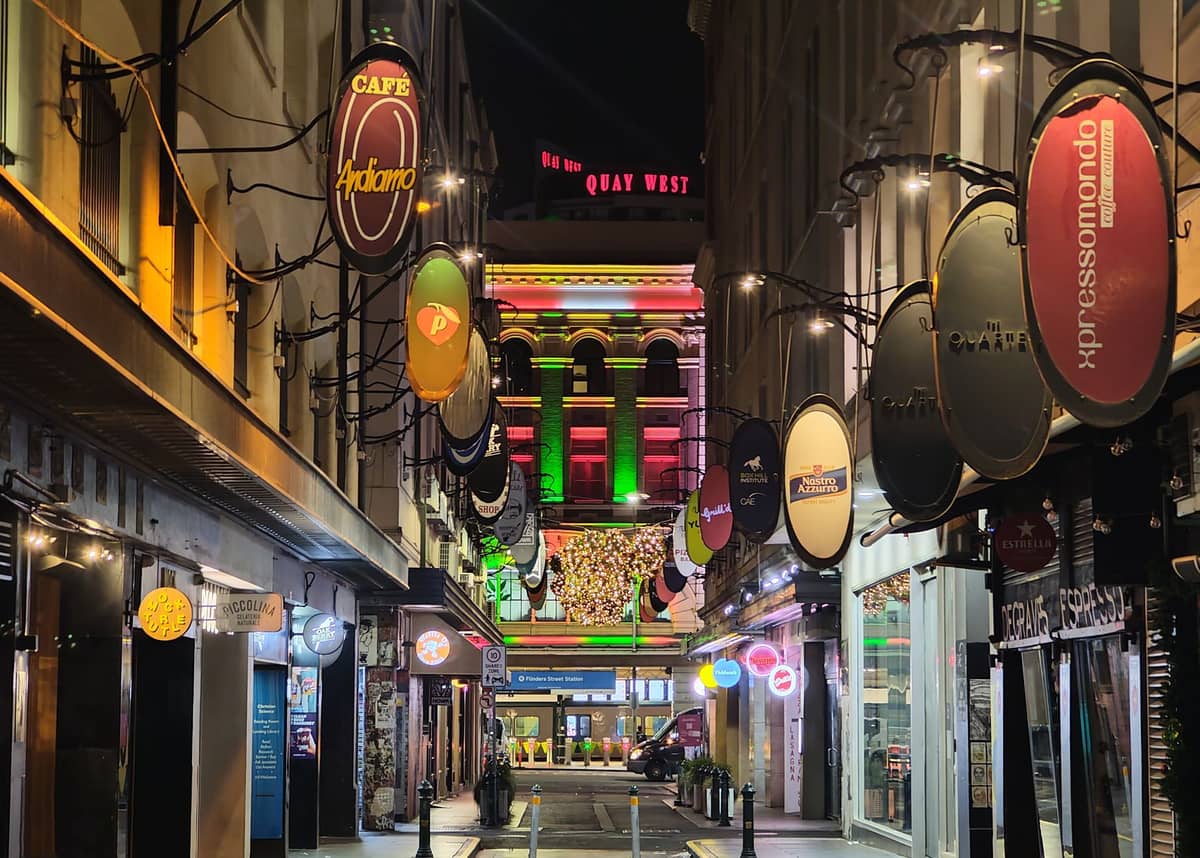
Melbourne's laneways and the city's coffee culture developed together, and you can't really separate them. Degraves Street, which runs between Flinders Lane and Flinders Street, is the densest concentration of independent cafes in the CBD, with tables spilling into the narrow pedestrian lane from both sides. It's genuinely good coffee, not just atmosphere. For more context on where to drink in the wider city, the Melbourne coffee guide covers the neighbourhood roasters and CBD specialists worth knowing about.
Centre Place, another narrow CBD lane running parallel to Degraves, is quieter and less photographed but has its own consistent cluster of small cafes. Hardware Lane (north of Bourke Street) operates more as an outdoor dining corridor for dinner and lunch than a morning coffee destination. Worth knowing if you're planning an evening in the area.
Practical Planning: Getting There and Timing
The laneway network sits entirely within Melbourne's CBD, which is well-served by the Free Tram Zone covering the central grid. Tram travel within this zone is free — you don't need a Myki card. The closest tram stops for the Hosier Lane and Federation Square area are on Swanston Street. Full details on navigating the network are in the guide to getting around Melbourne.
Melbourne's weather is genuinely variable year-round. Summer (December to February) can bring hot days and occasional thunderstorms; the covered arcades become welcome relief. Winter (June to August) is cool, but the laneways work in any conditions and are arguably most atmospheric on overcast mornings. The spring months of September to November offer milder temperatures, though rainfall is common. There is no bad season for the laneway walk — it's an all-weather activity by design.
✨ Pro tip
If you're visiting during the Melbourne International Arts Festival or White Night Melbourne, the laneway network often hosts additional installations and projections. Check the events calendar in advance — these periods offer the laneways at their most active, but also attract the largest crowds.
For visitors combining the laneways with a broader Melbourne itinerary, the 3 days in Melbourne guide positions the laneway walk as a half-day block that pairs well with Southbank and the riverside on the same day. If you're focused on free activities, most of the laneway circuit costs nothing beyond a coffee or two — the free things to do in Melbourne guide has additional options in the same part of the city.
FAQ
Are Melbourne's laneways safe to visit?
The main laneways covered in this guide — Hosier Lane, AC/DC Lane, Degraves Street, Block Arcade, and Royal Arcade — are busy public spaces in the central city and are generally safe during daylight hours. As with any city centre, standard awareness of your surroundings applies, particularly in quieter lanes late at night. Emergency services in Australia are reached by calling 000.
Do I need to book a guided tour to see the laneways?
No. No. The City of Melbourne provides a free self-guided Street Art walk map (approximately 3 km, around two hours). Guided tours are available from various operators if you prefer a structured experience with commentary, but they are not necessary. Guided tours are available from various operators if you prefer a structured experience with commentary, but they are not necessary.
Will the street art I've seen in photos still be there?
Possibly, but not certainly. The City of Melbourne explicitly notes that laneway artwork changes frequently. Commissioned artists regularly paint over previous works, so a specific mural from a travel photo or Instagram post may no longer exist. The overall density and quality of the art remains consistently high, so you won't be disappointed — but don't plan your visit around seeing a specific piece.
What is the difference between Hosier Lane and AC/DC Lane?
Both are open-air street art corridors in the CBD. Hosier Lane is wider, receives more visitors, and tends to feature larger-scale, more technically ambitious murals across all surfaces. AC/DC Lane is narrower, darker, and draws a slightly different mix of artists and aesthetic styles. Both are worth visiting; they're a short walk apart.
Can I visit the arcades for free, or do I need to buy something?
Block Arcade and Royal Arcade are free to enter and walk through — there's no admission charge. They are active retail and hospitality spaces, so you'll pass shops and cafes, but there's no obligation to spend money. Both make useful rain shelters and shortcuts as well as sightseeing destinations.
Tickets & tours
Live prices and dates from our booking partner. If you book, we may earn a commission at no extra cost to you.
Planning a trip? Discover personalized activities with the Nomado app.