Yarra Valley Wine Day Trip from Melbourne: The Complete Planning Guide
The Yarra Valley is one of Australia's most accessible cool-climate wine regions, sitting about 65 km from central Melbourne. This guide covers how to get there, which cellar doors are worth your time, tour vs. self-drive decisions, and how to plan around the seasons.
Tickets & tours
Live prices and dates from our booking partner. If you book, we may earn a commission at no extra cost to you.
TL;DR
- The Yarra Valley is roughly a one-hour drive from Melbourne (about 65 km to Healesville); self-driving gives you the most flexibility but requires a designated non-drinking driver.
- Guided tours (from around A$105 per person on group tours) solve the driving problem and typically include four winery stops, but lunch and some tasting fees are usually extra — read the fine print before booking.
- Cellar doors are spread across the valley, not clustered in one spot; plan your route before you leave Melbourne.
- Autumn (March to May) is harvest season and the most atmospheric time to visit; for seasonal context, see our guide on the best time to visit Melbourne.
- Book tastings in advance, especially on weekends; walk-ins are increasingly less reliable at top producers.
What to Expect from the Yarra Valley
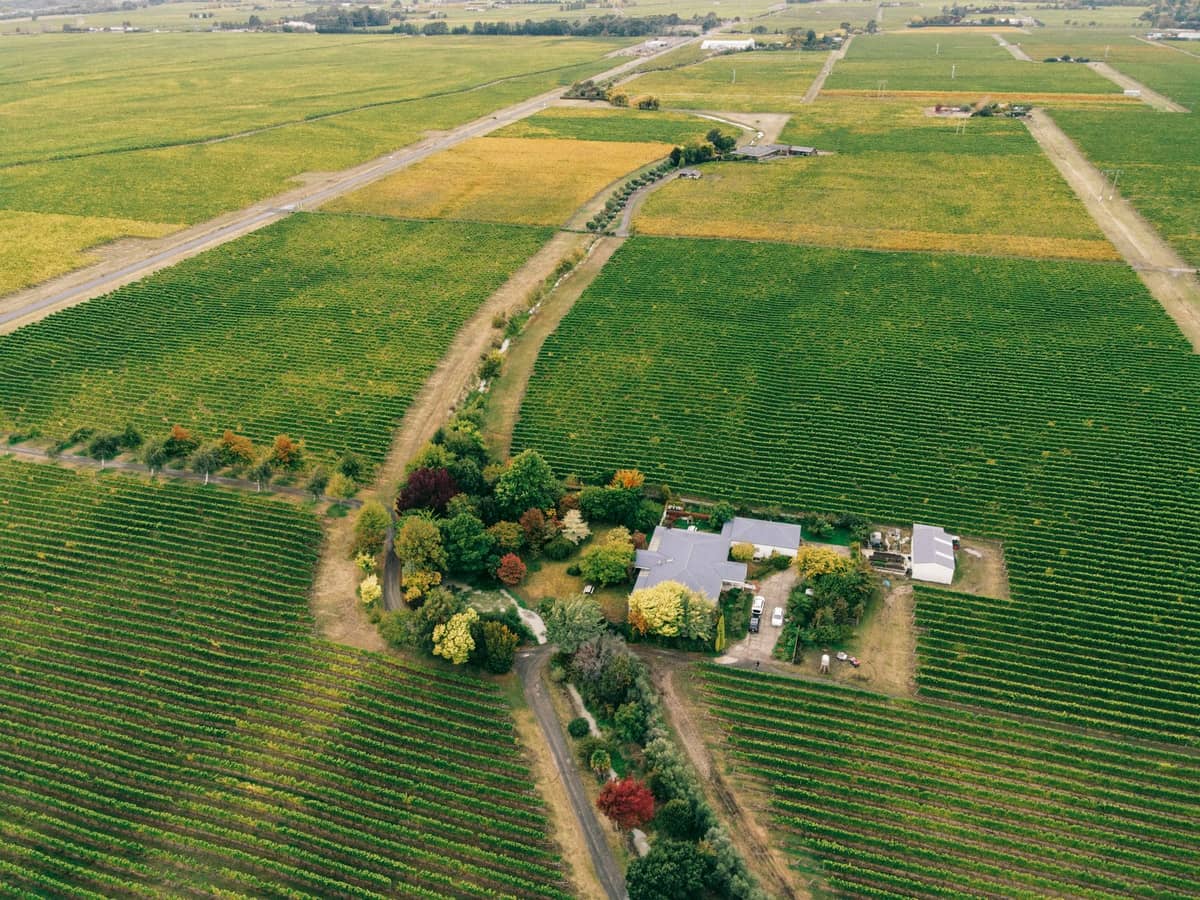
The Yarra Valley wine region sits in the foothills of the Great Dividing Range, east of Melbourne, in Victoria's cool-climate zone. It produces Pinot Noir and Chardonnay that have earned serious international attention, alongside Pinot Gris, Shiraz, and sparkling wines made in the traditional method. This is not Napa Valley showmanship territory. Most cellar doors are working wineries attached to actual vineyards, and the experience tends toward relaxed and knowledgeable rather than theatrical.
One thing first-timers consistently get wrong: the Yarra Valley is a region, not a single destination. The valley covers a significant area, with cellar doors scattered along routes between towns like Yering, Coldstream, Yarra Glen, and Healesville. You cannot walk between wineries. You will need a vehicle, a tour, or a lot of patience with rideshare logistics. Plan your route before you leave Melbourne, because improvising once you're in the valley wastes the better part of the day.
⚠️ What to skip
Victoria's drink-driving limit is 0.05 BAC for full licence holders. Tasting across four or five cellar doors without a designated driver or a tour arrangement is not a viable plan. Police patrols on the Maroondah Highway are not unusual on weekends.
Getting There: Self-Drive, Tour, or Public Transport
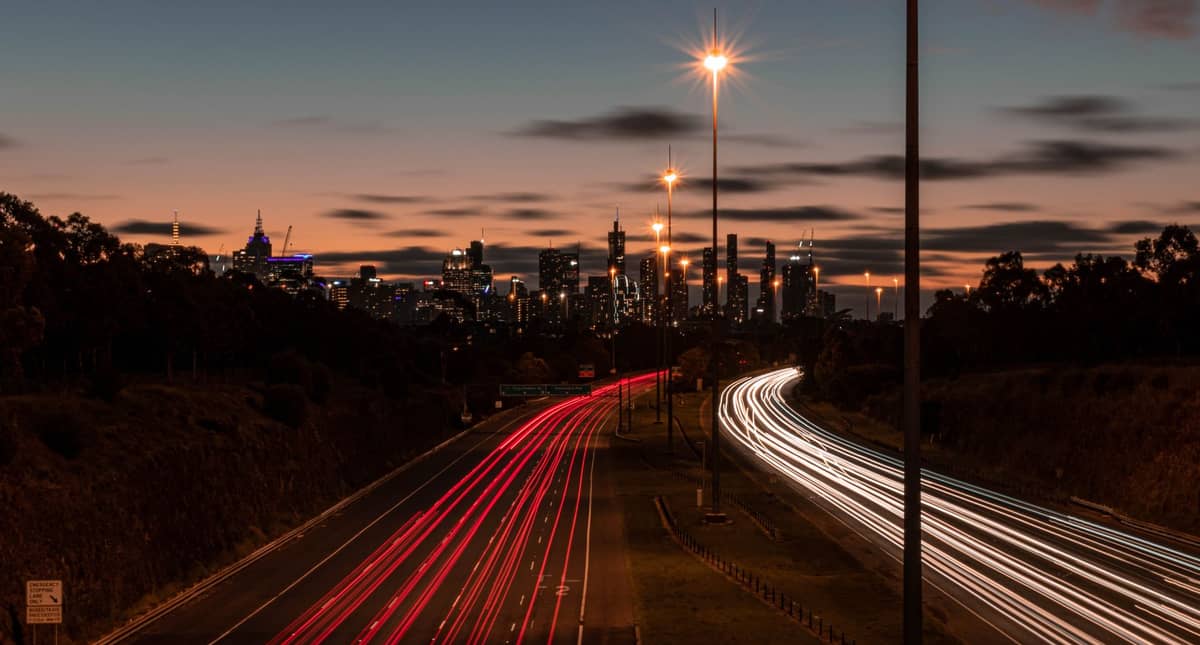
By car, central Melbourne to Healesville (the main town at the valley's eastern end) takes roughly one hour under normal traffic conditions. The standard route follows the Eastern Freeway and EastLink toward Lilydale, then continues on the Maroondah Highway (B360) through Coldstream and Healesville. EastLink is a tolled road; if you are using a hire car, confirm whether a toll pass is included or whether you need to arrange one separately. Avoid weekend mornings when the Eastern Freeway can slow significantly through Ringwood.
Public transport reaches Lilydale by train from Flinders Street Station, with buses onward toward Yarra Glen and Healesville. In theory this works. In practice, bus frequencies are low, the services do not run on schedules designed for day-trippers, and you cannot realistically visit more than one or two cellar doors without a lot of waiting around. If you are relying on public transport, treat this as a trip to Healesville township (which has good food and a world-class wildlife sanctuary) with one carefully chosen nearby cellar door, not a multi-winery crawl. For more on navigating Melbourne's transport network, the getting around Melbourne guide has full detail on myki cards, train lines, and options for reaching outer suburbs.
Guided tours are the practical middle ground for visitors who want to drink seriously without the driving concern. Group tours typically depart from central Melbourne in the morning (around 8:45 to 9:00 a.m.), visit three to five cellar doors, and return to the city by late afternoon. TeePee Tours operates a daily public group tour departing from East Melbourne at approximately 9:00 a.m. and returning around 5:00 to 5:15 p.m. with four tasting stops included. Their advertised weekday pricing has been listed at around A$105 per person, but this figure and the itinerary should be confirmed directly before booking, as prices and inclusions change. Lunch is not included in most group tour prices, so budget an extra A$20 to A$40 for a meal at one of the wineries.
- Self-drive (designated driver) Maximum flexibility, lowest cost if splitting between multiple people, but requires genuine commitment to the no-drinking arrangement.
- Guided group tour Solves the drink-driving problem, good for solo travellers and small groups; itinerary is fixed, lunch usually excluded, and cellar door choices are made for you.
- Private tour or hire car with driver Best for groups of 4-8 who want a custom route; significantly more expensive than group options, typically A$150 to A$250+ per person depending on inclusions.
- Train to Lilydale, rideshare within valley Rideshare coverage in the Yarra Valley is inconsistent and wait times can be long; not recommended as a primary plan for visiting multiple wineries.
Which Cellar Doors Are Worth the Stop
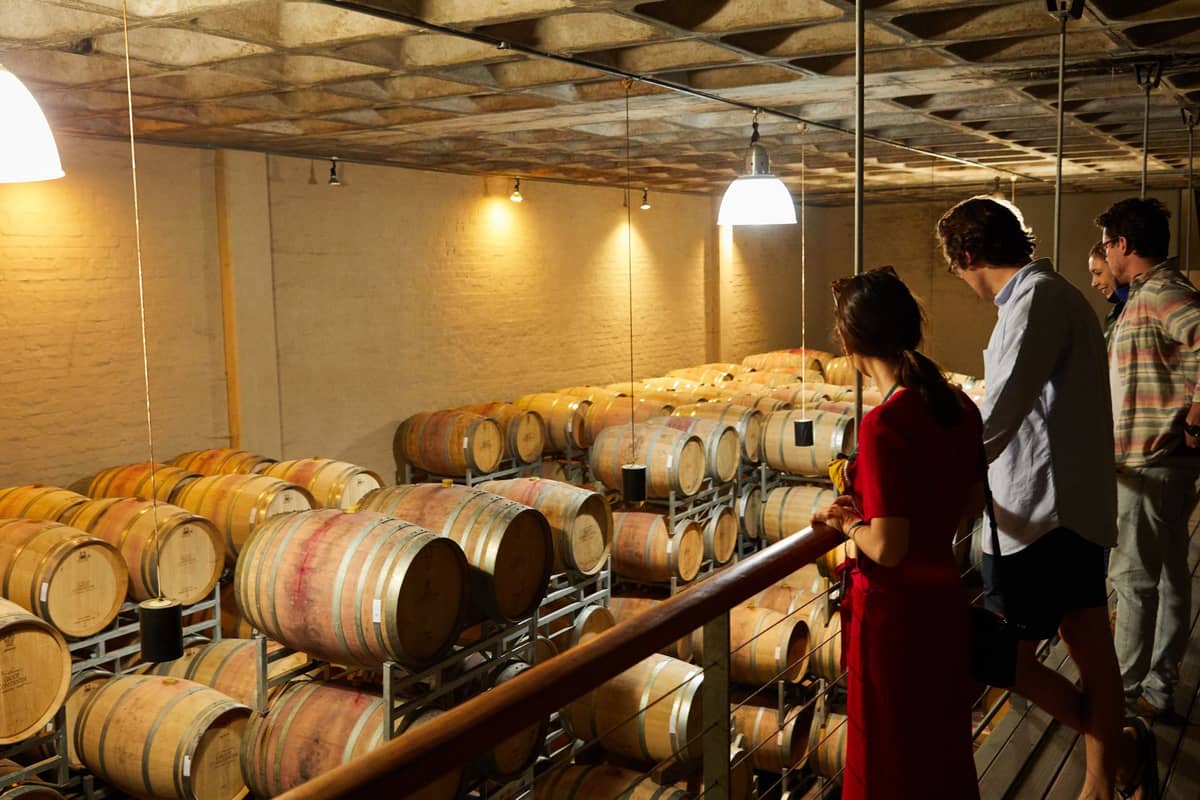
The Yarra Valley has over 80 wineries, which sounds exciting until you realise that visiting more than four or five in a single day means you will not actually taste anything properly. Prioritise quality and geographic clustering over quantity. The Coldstream and Yering area near the valley's entrance is the most cellar-door-dense part of the region, which makes it sensible for time-limited day trips.
Yering Station is one of Victoria's oldest wineries and has a cellar door with a broad tasting menu alongside a restaurant and wine bar. It works well as an anchor stop. De Bortoli's Yarra Valley estate has an accessible, well-priced tasting experience with a long-running cheese and wine matching option that suits visitors who are not deep wine nerds but want more than a quick pour. For serious Pinot Noir focus, producers like Oakridge and Mac Forbes have earned recognition in international wine press. Domaine Chandon (now called Chandon Australia) is frequently cited on tour itineraries and produces quality sparkling wine, though the tasting room is clearly designed for volume throughput on busy days.
✨ Pro tip
Tasting fees at Yarra Valley cellar doors typically run A$10 to A$20 per person for a flight of four to six wines. Many producers waive or credit the fee if you purchase a bottle. Always ask about this at the counter before you pay separately for the tasting.
Beyond wine, two stops in the valley that regularly outperform expectations: Healesville Sanctuary is a wildlife park focused entirely on Australian native animals, with excellent naturalist presentations throughout the day. It is run by Zoos Victoria and is genuinely one of the better places in the country to see koalas, wombats, platypus, and birds of prey in well-designed habitats. If you are travelling with non-wine-drinkers, this is the obvious parallel itinerary. The Puffing Billy Railway, which runs steam train journeys through the Dandenong Ranges near Belgrave, is technically west of the Yarra Valley but is often combined into a broader day out east of Melbourne.
When to Go: Seasons and What They Mean for Your Visit
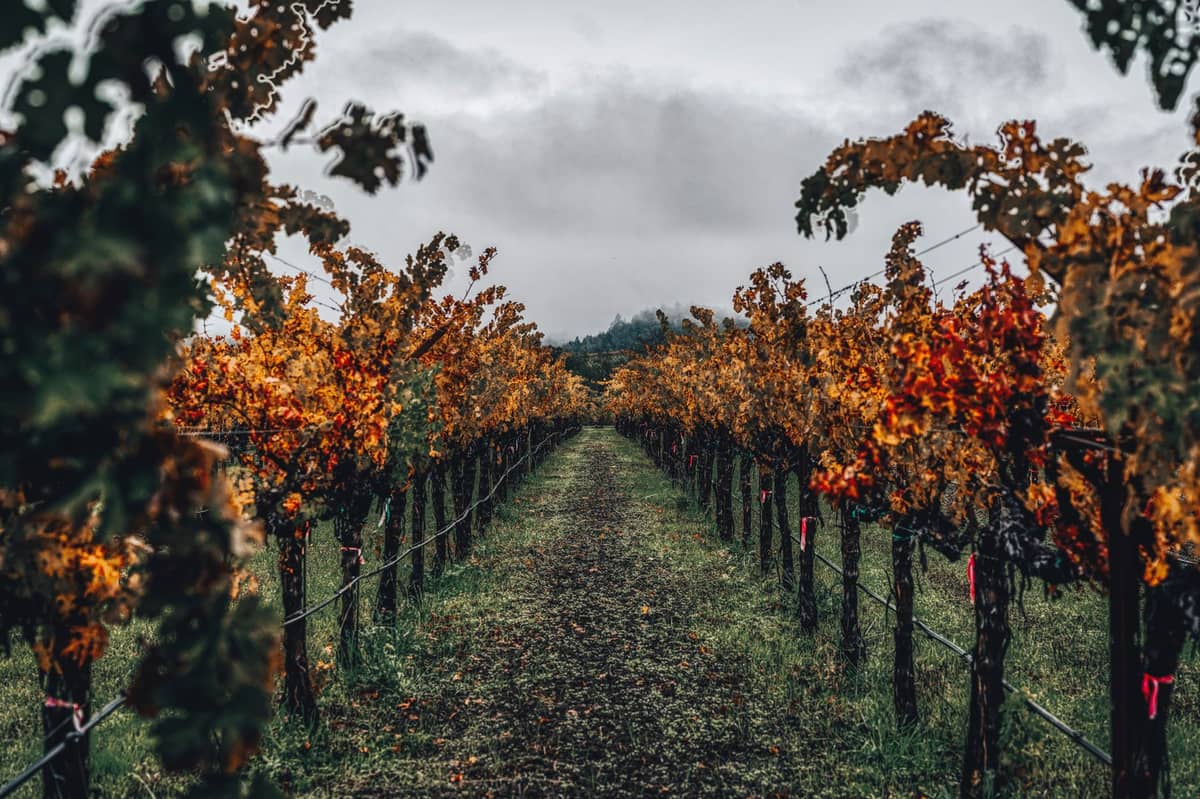
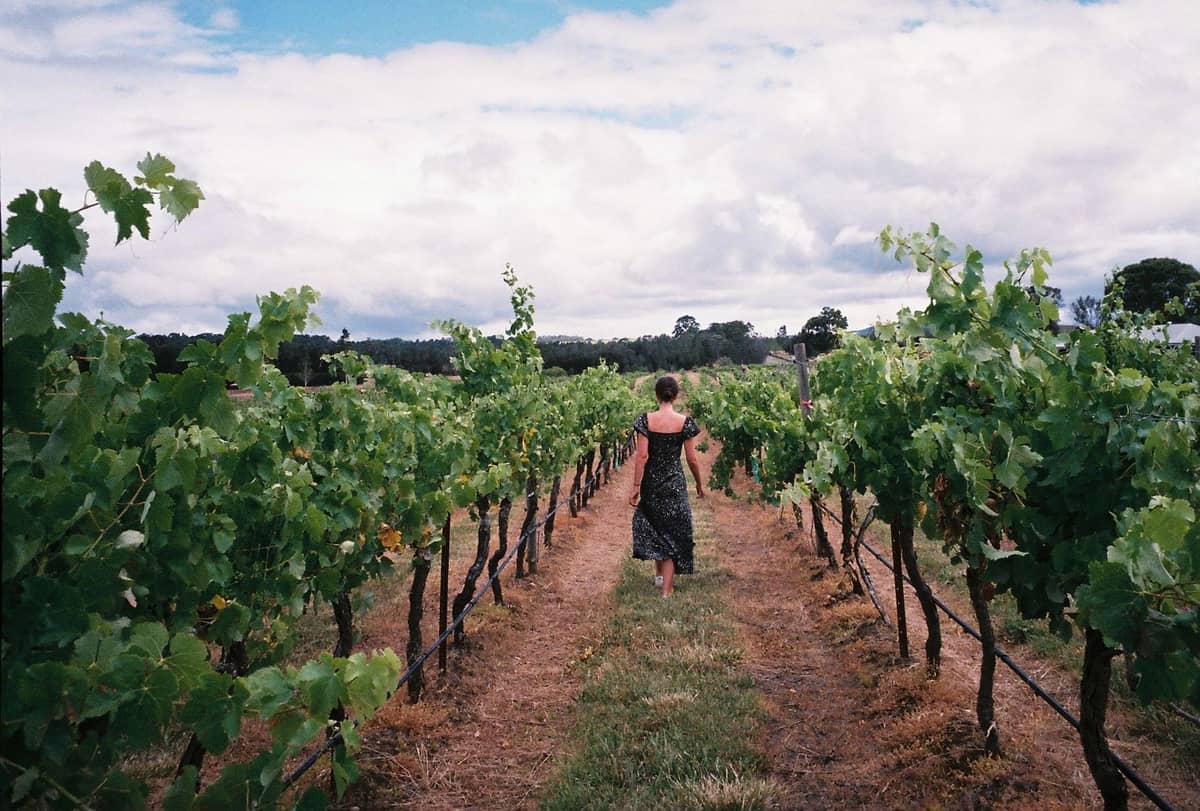
Autumn, from March through May, is the Yarra Valley's most photogenic season. Vines turn gold and amber, harvest activity is underway at many properties, and some wineries run special harvest events or offer the chance to see picking and processing in progress. Temperatures are typically mild (averaging around 11 to 20°C across the season), making outdoor tastings comfortable. This is the most popular time to visit, which means some cellar doors book out on weekends weeks in advance. For a broader picture of Melbourne's seasonal patterns, check the best time to visit Melbourne guide.
Spring (September to November) brings new vine growth, green landscapes, and the beginning of the wildflower season in surrounding hills. Weather is notably unpredictable, and Melbourne's tendency toward four-seasons-in-one-day intensifies the further you go into the ranges. Bring a layer regardless of the forecast. Summer (December to February) can be hot in the valley, occasionally pushing above 35°C, which makes outdoor wine tasting less pleasant and raises bushfire risk in the surrounding hills. Check conditions before travelling. Winter (June to August) is quiet, some cellar doors reduce hours or close completely on certain days, and the experience is atmospheric but stripped back.
💡 Local tip
Book cellar door tastings at least a week ahead for weekend visits from September through May. Email or phone the winery directly rather than assuming walk-ins are welcome; several high-profile producers moved to appointment-only models and have not reverted.
Building Your Itinerary: A Realistic Day
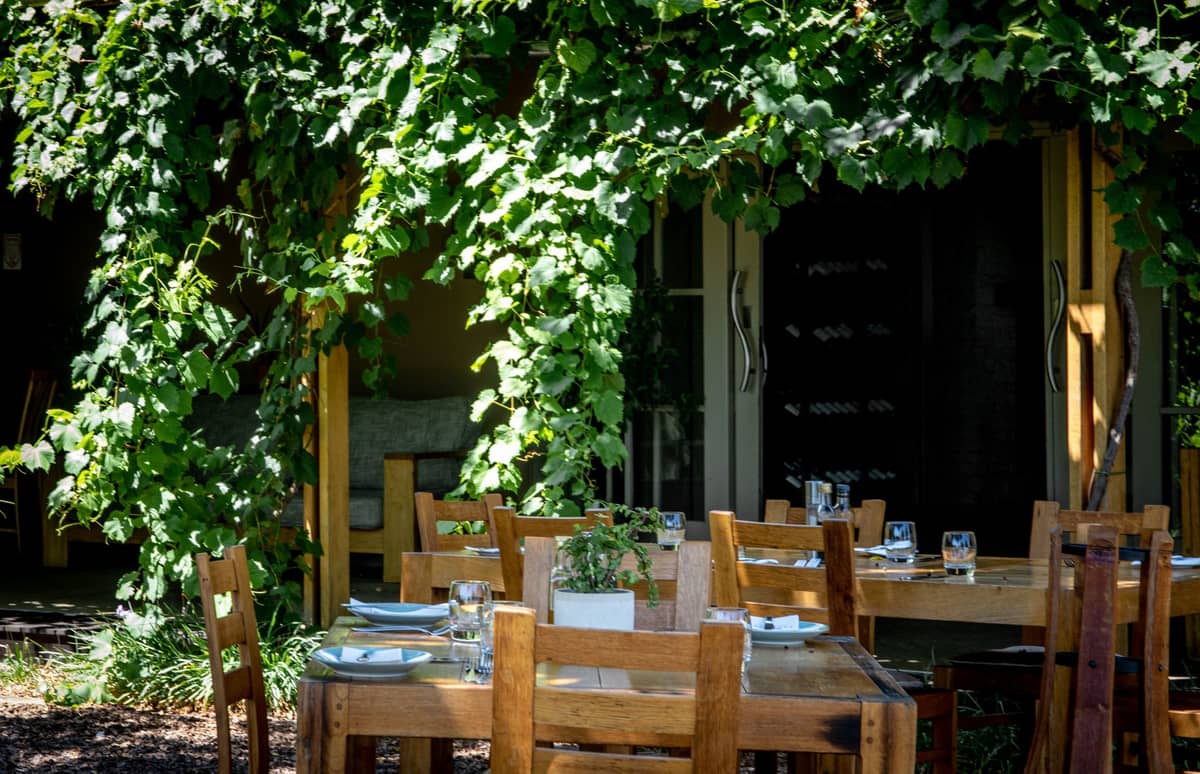
If you are self-driving from central Melbourne, leaving before 9:00 a.m. puts you in the Coldstream area by 10:00 a.m. when most cellar doors open. Three properly paced tastings with travel time between them, plus a sit-down lunch at a winery restaurant, fills a day comfortably without feeling rushed. Trying to squeeze in six stops turns it into a logistical exercise rather than an enjoyable experience. Factor in that the drive back along the Eastern Freeway on a Sunday afternoon can slow significantly from around 4:00 p.m. onward. For context on what else is worth combining in a day out from the city, the day trips from Melbourne guide covers a range of options across different directions.
- Depart Melbourne by 8:30 to 9:00 a.m. to arrive at the first cellar door close to opening time
- First stop: a larger estate with a full tasting menu and on-site restaurant for lunch (Yering Station or De Bortoli work well here)
- Second stop: a smaller, focused producer for a more personal tasting experience (book this in advance)
- Third stop: late afternoon, somewhere with good views or outdoor seating to close the day
- Leave the valley by 4:00 p.m. to avoid peak return traffic on the Eastern Freeway
- Allow for a potential 90-minute drive back in weekend traffic rather than the standard 60 minutes
Melbourne itself has a strong food and culture scene worth building around before or after your valley day. The Melbourne food guide is worth reading to understand what the city does well, and if you are spending multiple days in Victoria, the Yarra Valley wine region pairs naturally with a broader 3-day Melbourne itinerary that uses the valley as a half-day or full-day excursion on day two or three.
Costs, Practicalities, and Common Mistakes
A self-driven day in the Yarra Valley for two people might look like this: fuel and tolls around A$20 to A$30 return, tasting fees at three cellar doors around A$30 to A$60 total (if not waived with purchases), lunch at a winery restaurant A$30 to A$60 per person, and wine purchases at your own discretion. A guided group tour removes fuel and tolls but adds the tour cost per person (around A$100 to A$130 based on current operator pricing, with lunch on top). A private tour or car hire with a driver adds significantly to per-person costs but makes more sense for groups of six or more.
Several practical points that catch visitors off guard: mobile coverage drops in parts of the valley, so download offline maps before leaving Melbourne. GPS signals are generally fine, but data for checking winery websites mid-route is not guaranteed. Card payments are accepted at all established cellar doors, but some farm gate or small-producer stalls are cash only. Parking is free at almost all cellar doors. Pets are not allowed at most wineries. Children are permitted at most cellar doors but the experience is obviously adult-oriented, and dedicated children's activities are rare outside places like De Bortoli or Rochford which have broader estate facilities.
ℹ️ Good to know
The Yarra Valley is on Wurundjeri Woi-wurrung Country. Several wineries and tourism operators acknowledge this connection on their properties. The Healesville Sanctuary also incorporates Indigenous natural history interpretation into its animal presentations.
FAQ
How far is the Yarra Valley from Melbourne?
The Yarra Valley's main town, Healesville, is about 65 km from central Melbourne by road, which works out to roughly one hour of driving under normal conditions. The Coldstream and Yering area, where many cellar doors cluster, is closer to 50 km and around 45 to 50 minutes from the CBD.
Can you do a Yarra Valley wine tour without a car?
Yes, through guided tours that depart from Melbourne and handle all transport. Public transport reaches Lilydale and Healesville by train and bus, but the bus frequencies and winery locations make a multi-winery day very difficult without a vehicle. For serious wine touring, a guided group tour or private transfer is the practical option.
What is the best time of year to visit the Yarra Valley?
Autumn (March to May) is widely considered the best season: harvest activity is visible, vine foliage is at its most photogenic, and temperatures are comfortable for outdoor tastings. Spring (September to November) is a strong second choice for green landscapes, though the weather is less predictable. Summer can be very hot, and some cellar doors reduce hours in winter.
Do you need to book winery tastings in advance?
For weekend visits between September and May, yes. Many high-profile cellar doors now operate on appointment-only or time-slot booking systems, particularly for premium tastings. Walk-ins are more reliably accepted on weekdays and during the quieter winter months, but it is always worth calling ahead to confirm.
How much does a Yarra Valley day trip cost?
Costs vary significantly by approach. A self-drive day for two people typically costs A$80 to A$150 per person including fuel, tolls, tasting fees, and a winery lunch. A guided group tour runs around A$105 to A$130 per person before lunch. Private tours with a dedicated driver cost considerably more. Verify all current pricing directly with operators before booking.
Tickets & tours
Live prices and dates from our booking partner. If you book, we may earn a commission at no extra cost to you.
Planning a trip? Discover personalized activities with the Nomado app.