Yarra Valley Wine Region: Victoria's Oldest Wine Country, One Hour from Melbourne
The Yarra Valley is Victoria's first wine-growing region, with vines dating to 1838 and a reputation built on cool-climate Pinot Noir and Chardonnay. Spread across forested hills east of Melbourne, it combines cellar-door tastings, farm produce, and genuine landscape beauty into a satisfying escape from the city.
Quick Facts
- Location
- East of Melbourne, approximately 45–75 km from the CBD depending on the winery
- Getting There
- By car via the Eastern Freeway and Maroondah Highway; no direct rail connection — a hire car or guided tour is the most practical option
- Time Needed
- Full day recommended; allow 6–8 hours to visit 2–3 cellar doors comfortably
- Cost
- Entry to the region is free; cellar-door tasting fees vary by winery — check individual venues before visiting
- Best for
- Wine lovers, couples, food-focused travellers, and anyone wanting forested hill scenery within a day trip of Melbourne
- Official website
- wineyarravalley.com.au/about-the-yarra-valley
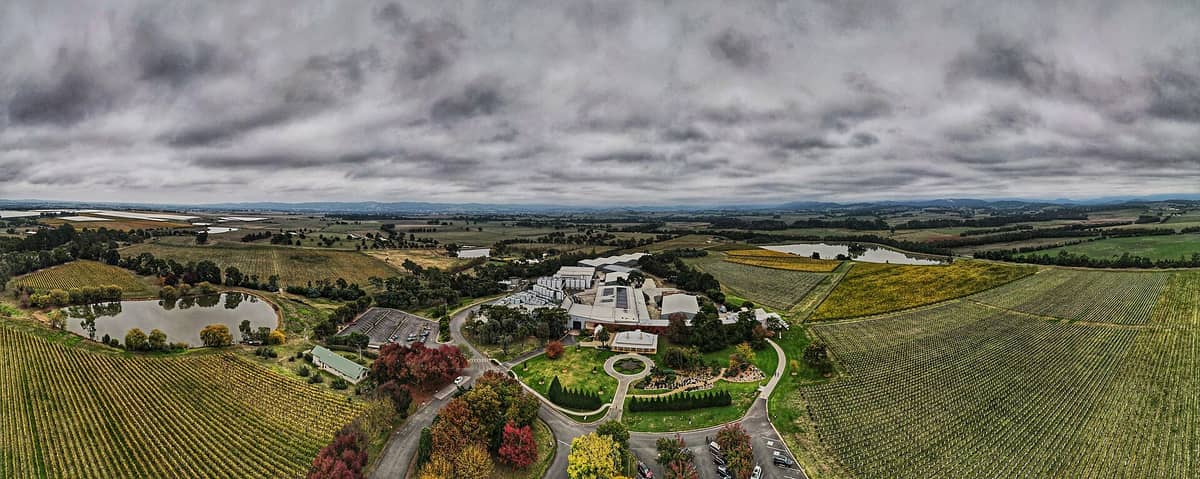
What the Yarra Valley Actually Is
The Yarra Valley wine region is not a town or a single venue. It is a broad agricultural and forested area stretching east from the outer Melbourne suburbs between the Great Dividing Range to the north and the Dandenong Ranges to the south. There is no gate, no admission fee, and no single address. What you are visiting is a landscape threaded with roads connecting individual wineries, cellar doors, farm stores, and small townships — each with its own hours, character, and pricing.
The region takes its name from the upper Yarra River, which rises in the Yarra Ranges to the east. The combination of cool temperatures, reliable rainfall, and well-drained soils on the valley slopes produces grapes with naturally high acidity and restrained fruit — conditions that favour Pinot Noir and Chardonnay above all else, though Pinot Gris, Shiraz, and sparkling wines are also made here.
ℹ️ Good to know
The Yarra Valley is a region, not a single attraction. Cellar-door hours and tasting fees vary significantly between wineries. Always check opening times directly with each venue before driving out — some require bookings, particularly at weekends.
A Region With Deep Historical Roots
The Ryrie brothers planted the Yarra Valley's first vines in 1838, making this Victoria's first wine-growing region. The name 'Yering' — an earlier name for the land — reflects the area's First Nations heritage; the Wurundjeri Woi-wurrung people of the Kulin Nation are the Traditional Owners of this country, and that connection to the land long predates European settlement and viticulture.
Winemaking in the valley declined through much of the twentieth century before a revival in the 1960s and 1970s brought new investment, new plantings, and a sharper focus on quality. Today the region has dozens of working wineries, ranging from small family operations producing a few thousand cases a year to larger estates with restaurants and event spaces. The older estates carry visible history in their buildings and gardens; newer producers often occupy converted farm buildings or purpose-built cellar doors designed to frame the surrounding views.
Tickets & tours
Live prices and dates from our booking partner. If you book, we may earn a commission at no extra cost to you.
What a Day in the Valley Looks Like
Arriving early in the morning, usually before 10am, means you encounter the valley at its quietest. Mist sits in the low paddocks between the vine rows on cooler mornings, particularly in autumn and winter. The light is soft, the roads are nearly empty, and the cellar doors that open at 10am or 11am have not yet filled with visitors. This is the time to stop for photographs: vine rows running toward a ridgeline, sheep grazing between the rows, the occasional hawk overhead.
By late morning and into the early afternoon, weekend traffic picks up substantially. Popular wineries and those that appear frequently in social media will have full car parks by noon on a Saturday or Sunday. Midweek visits are noticeably quieter, and some cellar-door staff have more time to talk through what is in the glass. If you are visiting on a weekend, arriving at your first stop as soon as it opens gives you the best experience before the crowds arrive.
The practical structure of a day trip works best around two or three venues rather than trying to cover more. Each winery typically takes 45 minutes to an hour when you include tasting, a look around the property, and a short walk. Build in time for lunch at one estate restaurant — the quality of food at Yarra Valley cellar doors has risen considerably in recent years. For a broader trip combining wine, wildlife, and forested scenery, the Yarra Bend Park and nearby natural areas make a useful complement on the drive back into the city.
Getting There: The Transport Reality
This is one of the few Melbourne day trips where a car is highly convenient for full access. There is no direct rail line into the heart of the wine region. The train network reaches Lilydale, which is at the western edge of the valley, and buses connect from there to some townships, including Yarra Glen and Healesville. Most visitors drive themselves via the Eastern Freeway, continuing east on the Maroondah Highway or Warburton Highway depending on which part of the valley they are targeting.
If you do not want to drive, guided wine tours departing from Melbourne are widely available. These handle transport, winery selection, and often include a structured lunch. The trade-off is losing flexibility around timing and venue choice. Rideshare apps operate in the outer suburbs and some of the Yarra Valley townships, but coverage thins out on rural roads between wineries, so they are not a reliable substitute for a hire car on a full-day visit.
⚠️ What to skip
Do not drive after tasting. If you are the driver for the day, designate that role before you leave Melbourne, use spitting cups at tastings, or take a guided tour with transport included. Victoria's drink-driving laws apply, and police do conduct checks on popular tourist routes.
For planning the wider context of your Melbourne visit, the day trips from Melbourne guide covers the Yarra Valley alongside other regional options so you can weigh it against alternatives like the Mornington Peninsula or the Dandenong Ranges.
The Wines and What to Expect in the Glass
Cool-climate viticulture defines the Yarra Valley's style. The elevation and temperature range produce wines with firm acidity and relatively modest alcohol levels compared with warmer Australian regions. Pinot Noir here tends toward red cherry, spice, and earthy notes rather than the jammy fruit of warmer climates. The best examples are elegant and age-worthy. Chardonnay grown on the higher, cooler sub-regions shows restraint and complexity, with less reliance on oak than older Australian styles.
Sparkling wine is also a regional strength, partly because of the demand from nearby Melbourne and partly because the cool conditions suit the production of base wines with the acidity needed for traditional-method sparkling. Several estates produce wines by the traditional method, involving secondary fermentation in the bottle. If you see methode traditionelle or methode champenoise on a label, it indicates this more labour-intensive process.
Tasting fees and formats differ between venues. Some offer a free tasting of a set selection; others charge per flight, per glass, or waive the fee with a bottle purchase. A few higher-profile estates require bookings for seated tastings. Calling ahead or checking the winery website before visiting avoids the frustration of arriving at a closed door or a fully booked tasting room.
Seasonal Character: When You Go Changes Everything
The Yarra Valley has a distinct character in each season, and the choice of when to visit shapes the experience significantly. Harvest runs from late February through April, when the vineyards are at their most active. Workers move through the rows early in the morning, the smell of crushed grape is in the air near wineries, and some estates hold open events around harvest. The vine foliage turns yellow and red in April and May, giving the valley its most photogenic weeks.
Winter is quieter and cooler. Some smaller wineries reduce their hours or close on weekdays in winter, so checking ahead matters more in these months. The upside is shorter queues, more attentive service, and the valley in a stripped-back, atmospheric state. Spring brings green regrowth across the vine rows and variable weather — warm afternoons followed by cold evenings are common through October and November.
Summer, especially in January and February, brings warm to hot days and the highest visitor numbers, particularly on weekends. Heat can affect the tasting experience — wines show differently at warmer temperatures, and standing in an exposed vineyard at 35°C is not for everyone. Check the best time to visit Melbourne for broader seasonal context that applies across the region.
Beyond Wine: What Else the Region Offers
The Yarra Valley is not only a wine destination. The Puffing Billy Railway runs a heritage steam train through the Dandenong Ranges on the southern edge of the valley, a genuinely enjoyable experience with or without wine on the same day. The Healesville Sanctuary sits inside the valley and is one of the best places in Victoria to see Australian native wildlife including wombats, kangaroos, koalas, and platypus in a naturalistic setting.
Farm produce is another reason to visit. The valley has strawberry farms, berry picking operations, cheese producers, and artisan food makers that sell directly from their properties. The mix of wine, food, and wildlife gives the region enough range that travellers who are not primarily interested in wine can still have a full and rewarding day.
For travellers planning a multi-day trip that includes the Yarra Valley, pairing it with a visit to the Dandenong Ranges gives two distinct landscapes in a compact area. The Dandenong Ranges are directly adjacent to the southern edge of the wine region and offer tall mountain ash forests and fern gullies that contrast sharply with the open vineyard scenery.
Who Should Think Twice Before Going
Travellers without access to a car and without the budget for a guided tour will find the Yarra Valley frustrating. The region does not function as a public-transport destination, and attempting to piece together a visit using trains and local buses is time-consuming and restricts which venues you can reach. If you fall into this category, a better use of your time might be one of Melbourne's inner-city food and wine experiences, which are genuinely excellent without requiring transport.
Those expecting a compact, walkable wine village in the European sense will also be surprised. The Yarra Valley spreads across a large area, and driving 20 to 30 minutes between venues is normal. It rewards those who go with a plan rather than those who expect to stumble from winery to winery on foot.
Insider Tips
- Book a table at an estate restaurant for lunch before you leave Melbourne, especially on weekends. Walk-ins are often turned away at popular venues by midday Saturday.
- The upper Yarra Valley, further east toward Warburton, tends to have cooler temperatures and fewer visitors than the more accessible estates near Yering and Coldstream. If you want a quieter experience and more distinctive wines, drive further.
- If you are buying bottles to take home, bring an insulated bag or cooler box. Wine left in a hot car boot on a summer afternoon suffers for it — temperatures inside a parked car in the Yarra Valley can exceed 50°C on a warm day.
- The Warburton Visitor Information Centre can provide regional maps and help with planning. It is worth a stop if you arrive without a fixed itinerary.
- Midweek visits in autumn, from late March through May, offer the best combination of vine colour, manageable crowds, and comfortable temperatures. This is when the valley is at its most atmospheric.
Who Is Yarra Valley Wine Region For?
- Wine enthusiasts who want to taste cool-climate Pinot Noir and Chardonnay in the vineyard setting where they are grown
- Couples looking for a scenic, relaxed day out from Melbourne with good food and a slower pace
- Food-focused travellers who want to combine winery visits with farm produce, artisan cheese, and estate restaurants
- Families willing to plan carefully — Healesville Sanctuary and farm experiences make the valley genuinely worthwhile for children alongside adults
- Photographers and nature lovers visiting in autumn for vine colour and morning mist across the valley floor
Nearby Attractions
Combine your visit with:
- 1000 Steps Kokoda Track Memorial Walk
The Kokoda Track Memorial Walk, known locally as the 1000 Steps, climbs through fern-filled forest in the Dandenong Ranges east of Melbourne. Free to visit and reached by train, it combines a genuine physical workout with quiet moments of WWII commemoration.
- Albert Park Lake
Albert Park Lake is a vast freshwater reserve just minutes from Melbourne's CBD, offering a 4.7km walking and cycling path around calm water, sports ovals, and open parkland. Free to enter and accessible by tram, it rewards early morning walkers, cycling families, and anyone wanting to understand how Melbourne uses its open spaces.
- Bells Beach
Bells Beach, in Wadawurrung country and also known by its Traditional Owner name Djarrak, is a 48-hectare coastal reserve near Torquay that holds the distinction of being the world's first declared surfing reserve. With its sheer sandstone cliffs, deep bowl-shaped break, and annual Rip Curl Pro competition, it draws surfers and non-surfers alike for one of Victoria's most dramatic coastal experiences.
- Brighton Beach Bathing Boxes
Lined up along Dendy Street Beach in Brighton, Melbourne's 96 privately owned bathing boxes are one of Victoria's most recognisable sights. Free to view from the public beach, they reward visitors who time their arrival with the morning light or an empty tide. Here is what you actually need to know before making the trip.
Planning a trip? Discover personalized activities with the Nomado app.