Healesville Sanctuary: Australia's Native Wildlife, Up Close
Set in the Yarra Valley about an hour from Melbourne, Healesville Sanctuary is one of Australia's most respected native wildlife parks. It's where you can observe platypus in a purpose-built aquarium, walk among free-roaming kangaroos, and watch birds of prey in flight — all without leaving Victoria.
Quick Facts
- Location
- Badger Creek Road, Healesville, Victoria (approx. 65 km from Melbourne CBD)
- Getting There
- Train to Lilydale Station (Lilydale line), then Bus 685 to the sanctuary. By car: Eastern Freeway then Maroondah Highway to Badger Creek Road.
- Time Needed
- 3–5 hours; a full day if you join a keeper talk or animals encounter
- Cost
- Check current admission prices at the official site.
- Best for
- Families, wildlife photography, first-time visitors wanting to see Australian animals in a naturalistic setting
- Official website
- www.zoo.org.au/healesville
What Healesville Sanctuary Actually Is
Healesville Sanctuary is a wildlife park dedicated exclusively to native Australian fauna, operated by Zoos Victoria, the same conservation organisation behind Melbourne Zoo and Werribee Open Range Zoo. Unlike a general zoo, it doesn't hold lions or giraffes. Every animal here is Australian: wombats, koalas, echidnas, Tasmanian devils, dingoes, wedge-tailed eagles, and the notoriously elusive platypus, which most Australians have never seen in the wild.
The sanctuary sits at the edge of the Yarra Valley in the foothills of the Great Dividing Range, surrounded by tall eucalyptus forest. The landscape itself is part of the experience: the air smells of eucalyptus oil and damp earth, particularly in the morning, and the sounds of the bush — currawongs calling, wind through the gum trees — form a constant backdrop even within the park's enclosures.
💡 Local tip
Check the daily keeper talk schedule on the Zoos Victoria website before you arrive. Talks are timed, location-specific, and fill up fast at the popular exhibits. Arriving with a loose plan saves you from missing the platypus feeding or the birds of prey show.
The Highlights: What to Prioritise
Platypus
The platypus exhibit is arguably the sanctuary's most significant draw. Platypus are notoriously difficult to observe in the wild — they're crepuscular, fast-moving, and live in murky creek banks. The sanctuary's purpose-built aquarium replicates their natural habitat with low light and shallow, clear water, allowing extended observation that simply isn't possible anywhere in the wild. Watching one hunt underwater, moving with surprising agility despite its paddle-shaped bill and beaver-like tail, rewires most visitors' understanding of what a mammal looks like.
The exhibit is dim by design, so your eyes need a minute to adjust when you enter. Patience is rewarded — the platypus moves in and out of view in short bursts. Photography here is genuinely difficult; auto-focus struggles in low light, and flash is not permitted. If you're serious about capturing them, use a high-ISO manual setting and accept that you might go home with memory rather than images.
Birds of Prey Presentation
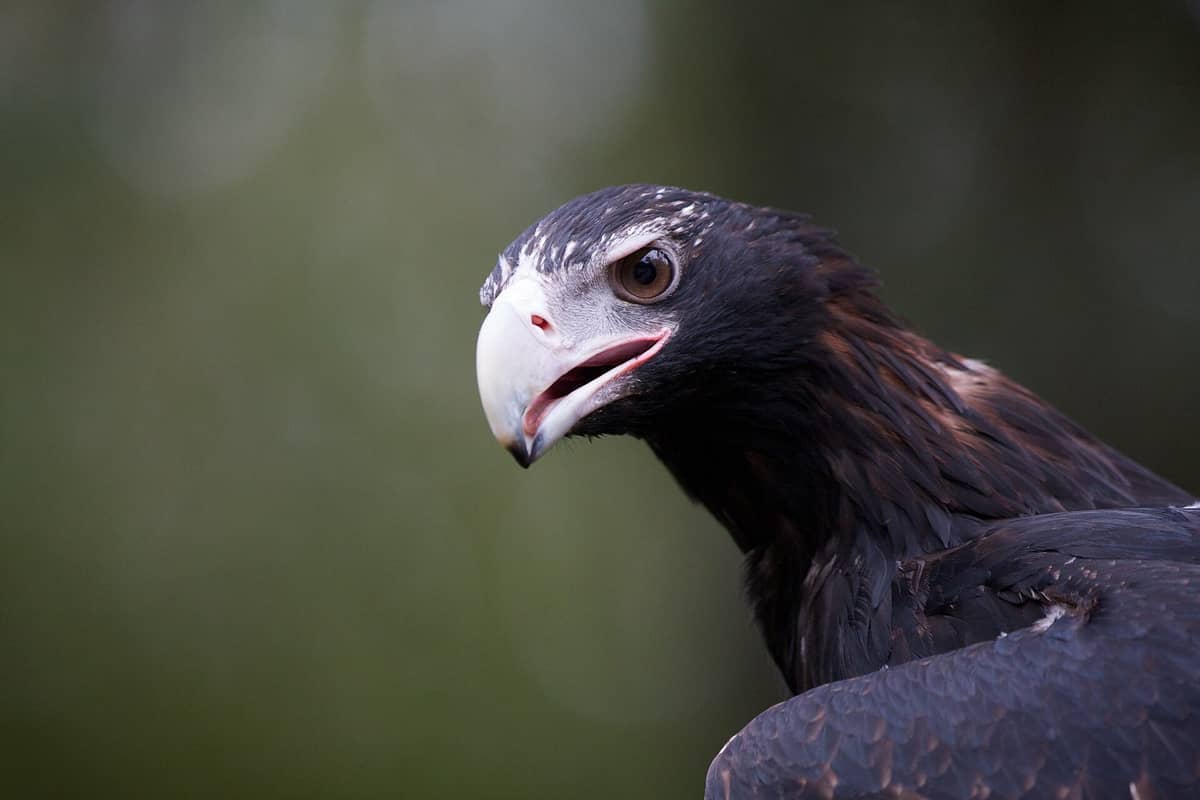
The daily birds of prey free-flight presentation is the kind of thing that impresses even visitors who didn't expect to care about raptors. Wedge-tailed eagles — Australia's largest bird of prey, with a wingspan that can exceed two metres — are flown at low altitude over the open-air arena. Owls, hawks, and falcons also feature, each with commentary that explains their role in the Australian ecosystem. The arena seating fills quickly, so arrive 15 minutes early.
Kangaroos and Wallabies
The kangaroo and wallaby walk-through is a free-roaming area where the animals have the option to approach visitors or ignore them entirely. On cooler mornings they tend to be active and curious; by midday they're typically sprawled in the shade in the posture of animals who have made their peace with the world. Children find this section compelling in a way that caged exhibits rarely achieve — there's genuine animal agency involved, and the kangaroos are large enough to feel substantial at close range.
Tasmanian Devils
Zoos Victoria has been deeply involved in the Save the Tasmanian Devil Program, a national conservation effort addressing the facial tumour disease that has devastated wild populations. The devils at Healesville are part of an insurance population held in case the disease reaches critical mass in the wild. During keeper talks, this conservation context is explained in plain terms. The animals themselves are compact, surprisingly fast, and audibly active when food is involved — the sounds are memorable.
Tickets & tours
Live prices and dates from our booking partner. If you book, we may earn a commission at no extra cost to you.
Puffing Billy and Healesville Sanctuary scenic bus tour
From 141 €Instant confirmationFree cancellationHealesville Sanctuary and Phillip Island Wildlife Park bus tour
From 108 €Instant confirmationFree cancellationGreat Ocean Road reverse itinerary tour from Melbourne
From 77 €Instant confirmationFree cancellationGreat Ocean Road bus tour with a forest walk
From 90 €Instant confirmationFree cancellation
How the Experience Changes Through the Day
The sanctuary opens at 9 am, and the first hour is the best window for active animals. Native Australian wildlife is largely crepuscular or nocturnal, so the morning shift catches animals before the heat and human noise of midday settles in. Wombats are most alert early; the koala yard is photogenic in morning light before the trees cast deep shadows that complicate exposure.
By 11 am the park is noticeably fuller, particularly on weekends and Victorian school holidays. The kangaroo walk-through becomes more crowded, and the narrow path to the platypus exhibit can queue. Weekday visits in the middle of term are noticeably quieter — if your schedule allows it, a Tuesday or Wednesday in March or May will give you longer animal encounters and shorter waits at popular spots.
The final hour before 5 pm closing sees a second wave of animal activity as temperatures drop slightly. Staff begin end-of-day procedures, and the park takes on a different, quieter atmosphere. Some visitors find this the most pleasant time to linger near the open woodland sections.
⚠️ What to skip
Healesville experiences genuine heat in summer. On days above 35°C, some outdoor animal exhibits reduce access or modify keeper talks to protect animal welfare. Check the Zoos Victoria website or call ahead on forecast hot days — this applies especially to December through February.
Getting There and Getting Around
The sanctuary is located on Badger Creek Road in Healesville, approximately 65 kilometres east of Melbourne's CBD. By car, the standard route follows the Eastern Freeway, then the Maroondah Highway through the outer suburbs and into the Yarra Valley foothills. The drive takes around an hour from the city in normal traffic, though it can extend on Friday afternoons and weekend mornings when the valley is a popular day-trip destination.
By public transport, take the Lilydale train line to Lilydale Station, then board Bus 685 toward Healesville. The bus stops at the sanctuary entrance. Journey time from the city is longer than driving, but the train portion is comfortable, and the route passes through pleasant outer-suburban and semi-rural scenery. Check current PTV timetables before travel, as bus frequency is limited on some days. For wider context on how to move around the region, the guide to getting around Melbourne covers public transport options in detail.
The sanctuary itself is fully walkable on sealed paths. It is wheelchair and stroller accessible throughout, with eight accessible parking bays near the entrance, wheelchair hire available on-site, accessible toilets, and a Changing Places facility for visitors with complex needs. Certified assistance animals are permitted.
Practical Notes Worth Knowing
The sanctuary is open daily from 9 am to 5 pm, year-round. Admission prices vary; children under 16 enter free on weekends, public holidays, and Victorian school holidays, and children aged 0 to 3 are free at all times. Check current prices and eligibility directly with Zoos Victoria before your visit, as they are subject to change. These prices should be verified directly with Zoos Victoria before your visit, as they are subject to change.
There is a cafe on-site, but food options are limited and priced at tourist-attraction rates. Bringing your own water and snacks is practical and permitted. Wear comfortable, closed-toe shoes — the paths are sealed but uneven in places, and the grounds cover a reasonable distance. In summer, sun protection is essential; the open areas have limited shade and the UV index in the Yarra Valley can be severe.
Combining a visit to Healesville Sanctuary with other Yarra Valley attractions makes good sense if you're making the drive from Melbourne. The valley is also known for its wineries, and a Yarra Valley wine day trip pairs naturally with a morning at the sanctuary.
Who Might Not Enjoy This
Healesville Sanctuary is not a high-energy or high-stimulation attraction. Visitors expecting theatrical exhibits, interactive digital installations, or the spectacle of large predators will find it comparatively understated. The focus is on native Australian species in naturalistic settings, and some of those species are small, nocturnal, or simply inactive for much of the day.
The distance from Melbourne also means it requires a committed half-day or full-day commitment. If you have very limited time in the city and haven't yet seen the CBD, the galleries, or the waterfront, those experiences may be a better use of a single day. That said, for anyone genuinely curious about Australian wildlife rather than just ticking a box, this is the most serious and thoughtful wildlife experience in the greater Melbourne region.
Travellers interested in other quality wildlife experiences closer to the city might consider Melbourne Zoo in Royal Park, though it covers a broader range of species rather than focusing on native fauna. For those planning more broadly, the day trips from Melbourne guide outlines how the sanctuary fits into wider regional itineraries.
Insider Tips
- Download the Zoos Victoria app before arrival — it includes a real-time map of the sanctuary and daily keeper talk times, which change seasonally.
- The sanctuary opens at 9 am. Check the daily schedule on arrival and consider heading to the platypus exhibit early. Head there first before joining the kangaroo area.
- Children under 16 enter free on weekends, public holidays, and Victorian school holidays. If you're flexible, this is a meaningful saving for families and worth timing your visit around.
- Parking is available at the sanctuary. Check current parking information before you visit. If driving, you won't need to factor in parking costs or stress.
- The sanctuary's conservation work is genuinely notable: ask a keeper about the Tasmanian devil insurance program or the platypus breeding research. The staff tend to be knowledgeable and engaged beyond the standard script.
Who Is Healesville Sanctuary For?
- Families with children who want a real wildlife encounter, not a petting zoo
- International visitors who want to understand Australian native fauna beyond the postcard version
- Wildlife photographers willing to work in low-light conditions for the platypus exhibit
- Travellers pairing a Yarra Valley wine day with a morning of outdoor activity
- Anyone with a genuine interest in Australian conservation programs
Nearby Attractions
Combine your visit with:
- 1000 Steps Kokoda Track Memorial Walk
The Kokoda Track Memorial Walk, known locally as the 1000 Steps, climbs through fern-filled forest in the Dandenong Ranges east of Melbourne. Free to visit and reached by train, it combines a genuine physical workout with quiet moments of WWII commemoration.
- Albert Park Lake
Albert Park Lake is a vast freshwater reserve just minutes from Melbourne's CBD, offering a 4.7km walking and cycling path around calm water, sports ovals, and open parkland. Free to enter and accessible by tram, it rewards early morning walkers, cycling families, and anyone wanting to understand how Melbourne uses its open spaces.
- Bells Beach
Bells Beach, in Wadawurrung country and also known by its Traditional Owner name Djarrak, is a 48-hectare coastal reserve near Torquay that holds the distinction of being the world's first declared surfing reserve. With its sheer sandstone cliffs, deep bowl-shaped break, and annual Rip Curl Pro competition, it draws surfers and non-surfers alike for one of Victoria's most dramatic coastal experiences.
- Brighton Beach Bathing Boxes
Lined up along Dendy Street Beach in Brighton, Melbourne's 96 privately owned bathing boxes are one of Victoria's most recognisable sights. Free to view from the public beach, they reward visitors who time their arrival with the morning light or an empty tide. Here is what you actually need to know before making the trip.
Planning a trip? Discover personalized activities with the Nomado app.