Melbourne Zoo: What to Expect at Australia's Oldest Zoo
The Royal Melbourne Zoological Gardens has been open since 1862, making it Australia's oldest zoo. Spread across Royal Park in Parkville, it combines heritage gardens with modern animal habitats and conservation exhibits. Here is what a visit actually looks like, and how to make the most of it.
Quick Facts
- Location
- Elliott Avenue, Parkville (Royal Park), Carlton — about 4 km north of the Melbourne CBD
- Getting There
- Tram 58 (Stop 26, outside main entrance); Upfield-line train to Royal Park Station (rail-gate entrance across the road); Bus 505 stops at Melbourne Zoo/Poplar Road
- Time Needed
- 3–5 hours for a thorough visit; families with young children often stay a full day
- Cost
- Paid entry; check zoo.org.au/melbourne for current pricing. Carers accompanying eligible visitors enter free.
- Best for
- Families, wildlife enthusiasts, and visitors wanting a half-day outdoors close to the city
- Official website
- www.zoo.org.au/melbourne
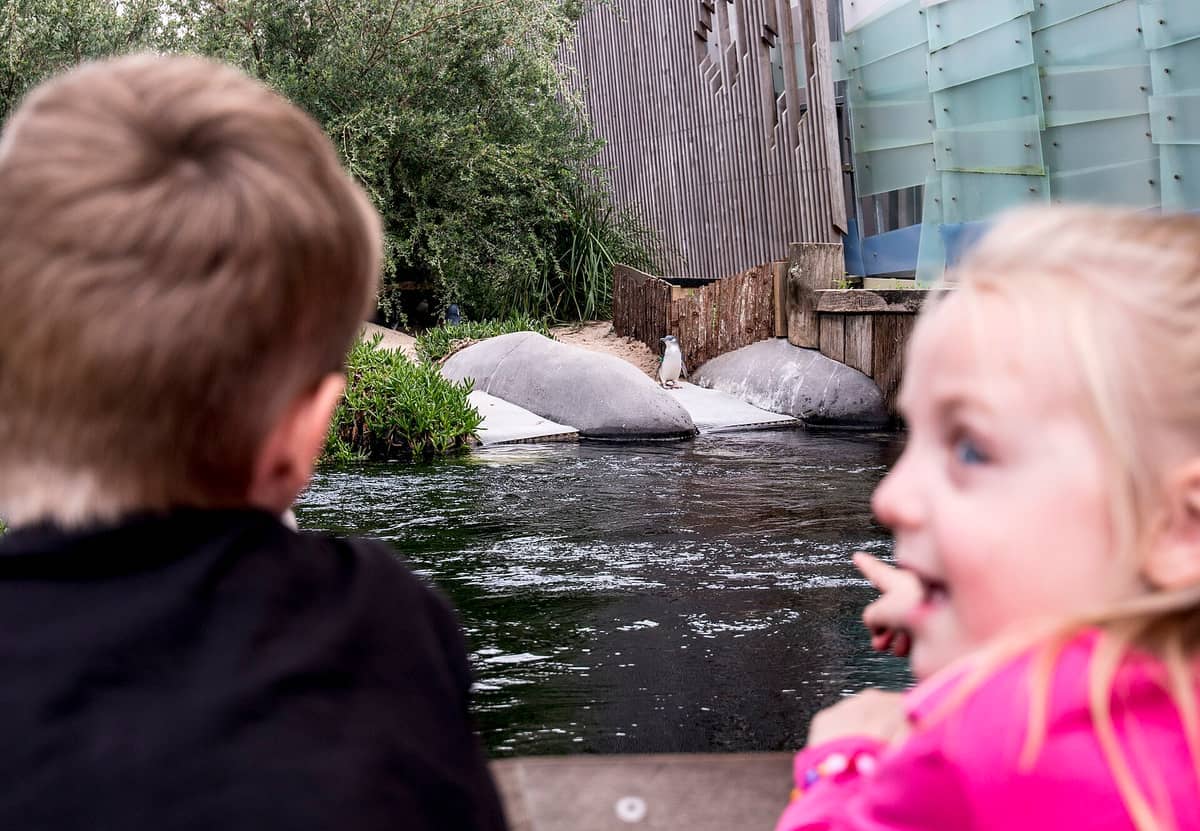
What Melbourne Zoo Actually Is
The Royal Melbourne Zoological Gardens, universally known as Melbourne Zoo, opened in 1862 and holds the distinction of being Australia's oldest zoo. That history is not purely a marketing claim: the Victorian Heritage Database formally recognises the site, including its garden layout, infrastructure and specimen trees, as heritage-listed. Walking through the grounds, that age is palpable. The canopy of mature trees shades the paths between precincts, and the older brick buildings at the entrance feel genuinely different from the modern, naturalistic enclosures further in.
The zoo sits within Royal Park in the suburb of Parkville, one of Melbourne's largest and oldest public parks. The surrounding green space means the whole visit has a relaxed, park-like quality that larger city zoos can lose when they grow too dense with infrastructure.
💡 Local tip
The zoo is open every day of the year, 9 am to 5 pm. Buy tickets online in advance to avoid the entry queue, particularly on weekend mornings in school holidays.
Getting There: Tram, Train or Bike
The zoo is straightforward to reach on public transport. Tram 58 runs from the CBD along William Street and stops at Stop 26 near the zoo. The ride from the city centre takes around 20 minutes. If you are arriving by train, the Upfield line stops at Royal Park Station, and a separate rail-gate entrance to the zoo is directly across the road. Both options are reliable and avoid the hassle of parking in the area.
Bus 505 serves the Melbourne Zoo/Poplar Road stop. If you are already exploring nearby, the zoo is an easy walk through Royal Park from Grattan Street. If you are already exploring nearby Carlton, the zoo is an easy walk through Royal Park from Grattan Street. Cyclists have access to the park's shared paths. Paid car parking is available nearby, but on weekends and school-holiday periods, securing a space can be slow.
Tickets & tours
Live prices and dates from our booking partner. If you book, we may earn a commission at no extra cost to you.
The Experience: Morning vs Afternoon
Arriving at or just after 9 am makes a genuine difference. Animals are most active in the first two to three hours, particularly the primates and big cats. In the Gorilla Rainforest precinct, the troop is often moving through the trees and feeding early in the day before settling into long rest periods by late morning. At the lion habitat, the cats are more likely to be visible and upright in the morning light. By early afternoon, many animals are resting in shade, which is normal behaviour but can make some enclosures feel empty.
The air in the zoo by mid-morning carries a distinct mix of eucalyptus from the surrounding park, hay from the grazing animal areas, and the faint, earthy heaviness near the large mammal enclosures. It is unmistakably a zoo, in the way that is familiar and somewhat irreplaceable. In summer, Melbourne's afternoon heat (temperatures can reach 25°C or above) can make the paths uncomfortable, so the shaded sections of the trail through the Rainforest Gallery and the Trail of the Elephants become welcome relief.
Late afternoon, as the crowds thin after 3 pm, can be a calm time to revisit exhibits you rushed through earlier. The light also improves for photography in the last hour before closing.
⚠️ What to skip
Melbourne's weather is famously changeable. Bring a light rain layer even on sunny mornings, and pack sunscreen and a hat if visiting between November and March. Some outdoor enclosures offer limited shade.
What to See: Key Precincts
Trail of the Elephants
The Asian elephant habitat is one of the largest physical spaces in the zoo and one of the most watched. The herd dynamic is worth observing if you have time to stand still for a few minutes: elephants are socially complex, and the interactions between individuals are far more interesting than a quick pass-through.
Gorilla Rainforest
The western lowland gorilla precinct is designed around a forested island that gives the troop meaningful space. There are indoor and outdoor viewing areas. The indoor area has glass panels that can put you within a metre of an animal — the scale of a silverback at close range is arresting.
Big Cat and Butterfly Precincts
Lions and snow leopards occupy separate habitats that work better in morning light. The butterfly house is a short, enclosed experience where several hundred free-flying butterflies move through tropical planting. It is popular with children and takes about 15 minutes.
Australian Animals Precinct
For international visitors, this section covering kangaroos, wallabies, Tasmanian devils, echidnas and a range of native bird species is often a priority. If you want deeper engagement with Australian wildlife in a more naturalistic bush setting, Healesville Sanctuary in the Yarra Valley is run by the same organisation (Zoos Victoria) and is specifically focused on native species, making it a worthy comparison for a day trip.
Practical Walkthrough: Navigating the Zoo
The zoo is large enough that planning a rough route avoids backtracking. Pick up a printed map at the entrance or download the zoo's app before you arrive. The main loop from the Elliott Avenue entrance runs anticlockwise and covers the major precincts without significant dead-ends. Allow extra time if you plan to use the picnic lawns, which are genuinely pleasant and large enough to spread out on busy days.
Food options inside include a main kiosk near the centre of the zoo and several smaller cafes and snack points. Prices are at tourist-attraction levels, so bringing snacks and a refillable water bottle saves money. Water refill stations are available throughout the grounds. Prams and wheelchairs are well-served by the paths: the main routes are sealed and flat, though some secondary paths near the edges of the grounds are gravel.
The zoo has a Changing Places facility, accessible toilets throughout, and a quiet room for visitors who need low-stimulation spaces. Assistance animals are welcome with appropriate certification, and carers accompanying eligible visitors receive complimentary entry.
ℹ️ Good to know
Lockers are available near the entrance for a fee, useful if you are arriving with luggage or plan to continue elsewhere after your visit. Lockers are available near the entrance for a fee, useful if you are arriving with luggage or plan to continue elsewhere after your visit. If the lockers are full, ask reception about additional storage.
Context: History and Conservation Role
Opening in 1862, the zoo predates Australian federation by nearly four decades. Its founding reflected the Victorian-era model of zoological gardens as institutions for public education and scientific study, a concept imported from the Royal Zoological Society of London (founded 1828). The garden layout of the original site, with specimen trees planted over 160 years ago, now provides the mature canopy that distinguishes the grounds from newer zoos built on open land.
Today the zoo operates under Zoos Victoria, which frames itself around wildlife conservation in Victoria and globally. It participates in breeding programs for threatened species including the eastern barred bandicoot and the helmeted honeyeater. Whether you find this kind of conservation framing convincing or prefer to simply enjoy seeing animals depends on your own view; the programs are real and documented, but the zoo is also a commercial entertainment venue and should be evaluated as both.
The zoo's location within Carlton places it near the Royal Exhibition Building, the Melbourne Museum, and Carlton Gardens, all within walking distance along Parkville's edge. Combining the zoo with a walk through Carlton Gardens or a visit to the Melbourne Museum makes for a very full day for families.
Photography Tips
Morning light is better for outdoor enclosures facing east, which includes much of the elephant trail and the open savanna-style exhibits. The gorilla indoor viewing area is dark and requires a camera or phone that handles low light reasonably well: flash is not permitted. The butterfly house is warm and well-lit but the constant movement means you need a fast shutter speed to get sharp shots. Glass reflections are a persistent challenge at several indoor viewing panels; shooting at an angle rather than straight-on eliminates most of the glare.
Who Might Want to Skip This
Travellers who have strong reservations about zoos on ethical grounds will not find much here to change their view: this is a conventional zoological garden, however modern its management approach. Visitors expecting a wildlife encounter on the scale of an African safari or the entirely open roaming of some drive-through parks will also find it conventional.
Solo adult visitors without particular interest in animals may find the time and admission cost better spent at the Royal Botanic Gardens or one of Melbourne's free major art institutions. The zoo is primarily designed with families and wildlife enthusiasts in mind, and that is the audience it serves best.
Insider Tips
- The rail-gate entrance from Royal Park Station on the Upfield line is across the road from the station. If you are arriving by train, this entrance provides an alternative to the main Elliott Avenue entrance.
- Keeper talks are scheduled throughout the day at various enclosures and are included in admission. Times vary by season, so check the daily schedule posted at the entrance or on the zoo's app when you arrive. The elephant keeper talk draws large crowds; arrive five minutes early to get a front-row position.
- The picnic lawns near the main entrance are underused by most visitors who head straight for the animals. If you are bringing food, set up a base here and return to it for a midday break rather than competing for seating inside the busy food court area.
- Zoos Victoria members pay no admission and can visit multiple times a year. If you are spending more than a couple of days in Melbourne with children, a family membership may cost less than two single-day visits.
- On hot days above 32°C, the animals are often less visible and some outdoor areas become uncomfortable. The indoor sections of the Gorilla Rainforest and the Butterfly House are air-conditioned and worth prioritising on extreme heat days.
Who Is Melbourne Zoo For?
- Families with children of primary-school age and younger, for whom the variety and scale of the zoo sustains a full day
- International visitors wanting to see Australian native species in an accessible, central location before or after a longer trip
- Wildlife and conservation enthusiasts interested in Zoos Victoria's breeding programs for threatened Victorian species
- Visitors combining the zoo with a broader Carlton and Parkville itinerary that includes gardens, museums and Lygon Street dining
Nearby Attractions
Other things to see while in Carlton & Parkville:
- Carlton Gardens
Carlton Gardens is a 26-hectare Victorian-era park in inner-north Melbourne, inscribed on the UNESCO World Heritage List alongside the Royal Exhibition Building. It blends formal garden design, towering elms, and one of Australia's most architecturally significant public spaces into a single walkable precinct.
- Melbourne Museum
Melbourne Museum is one of Australia's largest museums, in Carlton Gardens, opposite the World Heritage-listed Royal Exhibition Building in Carlton. With permanent galleries spanning natural history, First Peoples culture, science, and Australian social history, it rewards careful exploration far more than a rushed walk-through.
- Royal Exhibition Building
Built in 1879–1880 and inscribed on the World Heritage List in 2004, the Royal Exhibition Building is one of Australia's most significant Victorian-era structures. Standing beside the Carlton Gardens with its 60-metre dome visible from across the neighbourhood, it rewards visitors who arrive with context and realistic expectations about access.
Planning a trip? Discover personalized activities with the Nomado app.