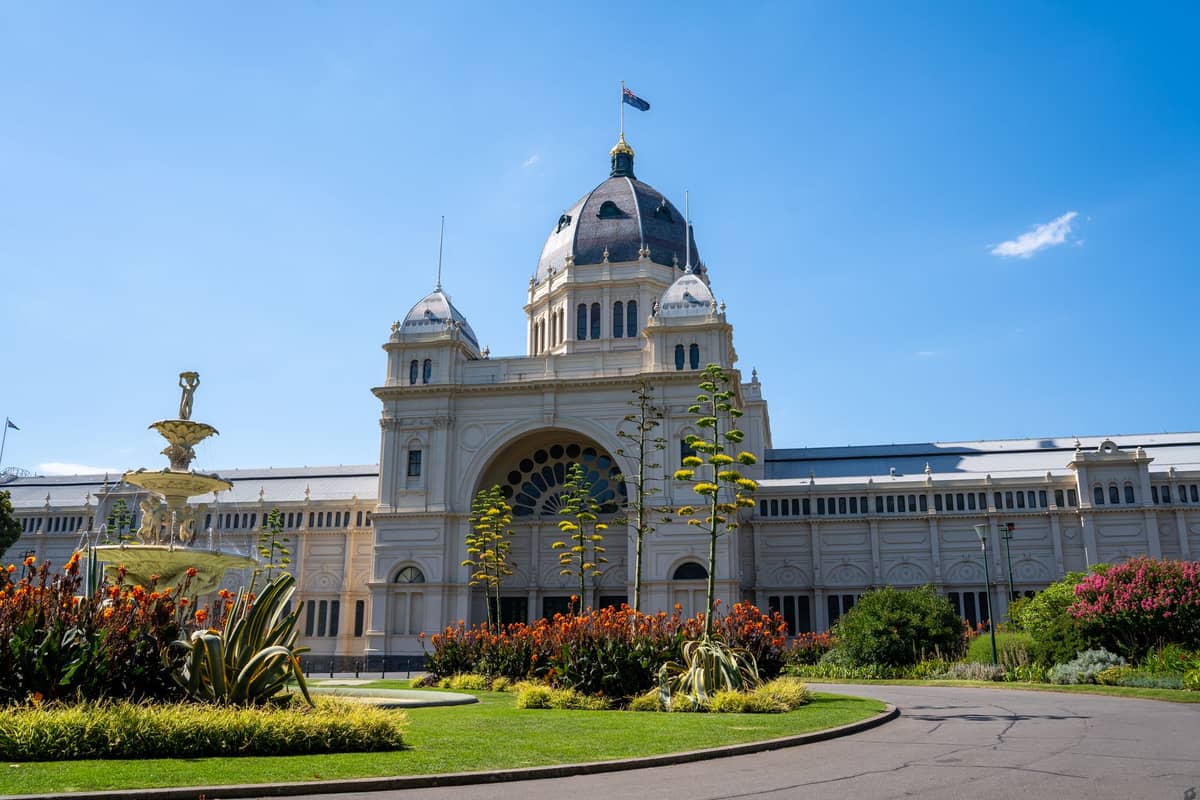
Carlton and Parkville form Melbourne's inner-north academic and cultural corridor, where Italian café culture on Lygon Street meets the grand heritage of the Royal Exhibition Building, the green expanse of Royal Park, and the sprawling University of Melbourne campus. These two neighbourhoods reward unhurried exploration on foot, with great coffee, world-class museums, and some of the city's finest nineteenth-century architecture within a short distance of each other.
Carlton is where Melbourne's Italian heritage and university energy have shaped a neighbourhood of excellent coffee, serious pasta, and handsome bluestone streetscapes. Parkville, immediately to the west, swaps the restaurant strips for tree-lined residential streets, a major zoo, and one of Australia's oldest university campuses. Together they form one of the most intellectually and culturally rich corners of the city.
Orientation
Carlton sits directly north of Melbourne's CBD, separated from the city grid by Victoria Street to the south and bounded roughly by Royal Parade to the west, Nicholson Street to the east, and Alexandra Parade to the north. Parkville occupies the ground west of Royal Parade, wrapping around the University of Melbourne campus and extending north to encompass Royal Park and Melbourne Zoo. The two neighbourhoods share a border rather than a single identity, but most visitors experience them as a single precinct because the university campus straddles their boundary.
The spine of Carlton is Lygon Street, running north from just above Carlton Gardens all the way through the neighbourhood into Brunswick beyond. Carlton Gardens and the Royal Exhibition Building mark the neighbourhood's southeast corner, while the Melbourne Museum sits directly behind the exhibition hall on Rathdowne Street. These two landmarks together define the cultural anchor of Carlton and are typically the first things first-time visitors encounter.
Parkville's defining geography is Royal Park, one of Melbourne's largest inner-city green spaces, and the University of Melbourne campus on Grattan Street. The cluster of major hospitals — Royal Melbourne, Royal Women's, and Royal Children's — lines Flemington Road along the neighbourhood's northern edge. The new Parkville Station on the Metro Tunnel line sits on Grattan Street near the university precinct, making the area significantly easier to reach by train than it was previously. From Carlton, the Melbourne CBD is roughly a 15-minute walk south, and Fitzroy lies immediately east of Carlton along Johnston Street and Smith Street.
Character & Atmosphere
Lygon Street in the morning is about coffee, newspapers, and the kind of focused quiet that happens when a neighbourhood has been doing breakfast well for decades. The espresso culture here predates Melbourne's wider café boom by a generation: Italian immigrants settled Carlton from the postwar period onward, opening restaurants, delicatessens, and coffee bars that became the city's first serious café strip. That heritage is still present, though the street has become progressively more tourist-oriented in its southern stretch, with menus displayed in multiple languages and gelato shops aimed squarely at foot traffic from the museum and gardens.
Walk a few blocks north of Elgin Street and the atmosphere shifts noticeably. The tourist-facing restaurants give way to neighbourhood spots, independent bookshops, and the kind of Italian delis where the products are clearly meant for people who actually cook. The side streets — Drummond, Rathdowne, Canning — are lined with terrace houses, most of them original Victorian-era bluestone or brick, many with iron lacework on their verandahs. On weekday mornings these streets are quiet enough that you can hear birds in the plane trees. Rathdowne Street in particular has developed a pleasant café and restaurant strip that caters largely to locals rather than visitors.
Parkville on foot feels almost entirely residential and institutional. The streets west of Royal Parade are wide, shaded, and unhurried, lined with heritage homes and the occasional medical facility. Royal Park itself is vast and relatively unmanicured compared to the formal Royal Botanic Gardens to the south: it is used by dog walkers, cyclists, and the occasional group of school students being herded toward the zoo. In the late afternoon, the light through the park's eucalypts is genuinely lovely, and the distant skyline of the CBD gives the area a particular quality that feels both removed from and connected to the city.
ℹ️ Good to know
Carlton is on the traditional lands of the Wurundjeri Woi-wurrung and Bunurong peoples of the Kulin Nation. The Royal Exhibition Building, opened in 1880, was the site of the first Australian federal parliament in 1901 and remains one of the country's most significant heritage buildings.
What to See & Do
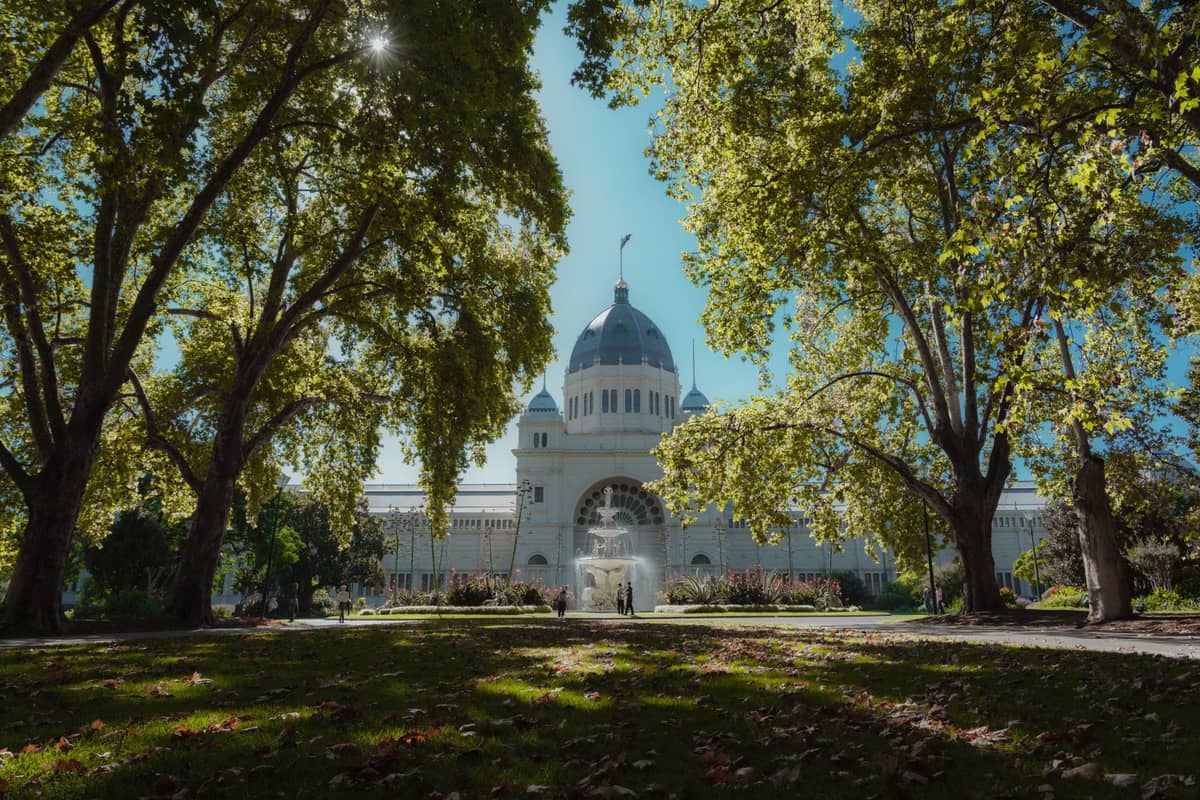
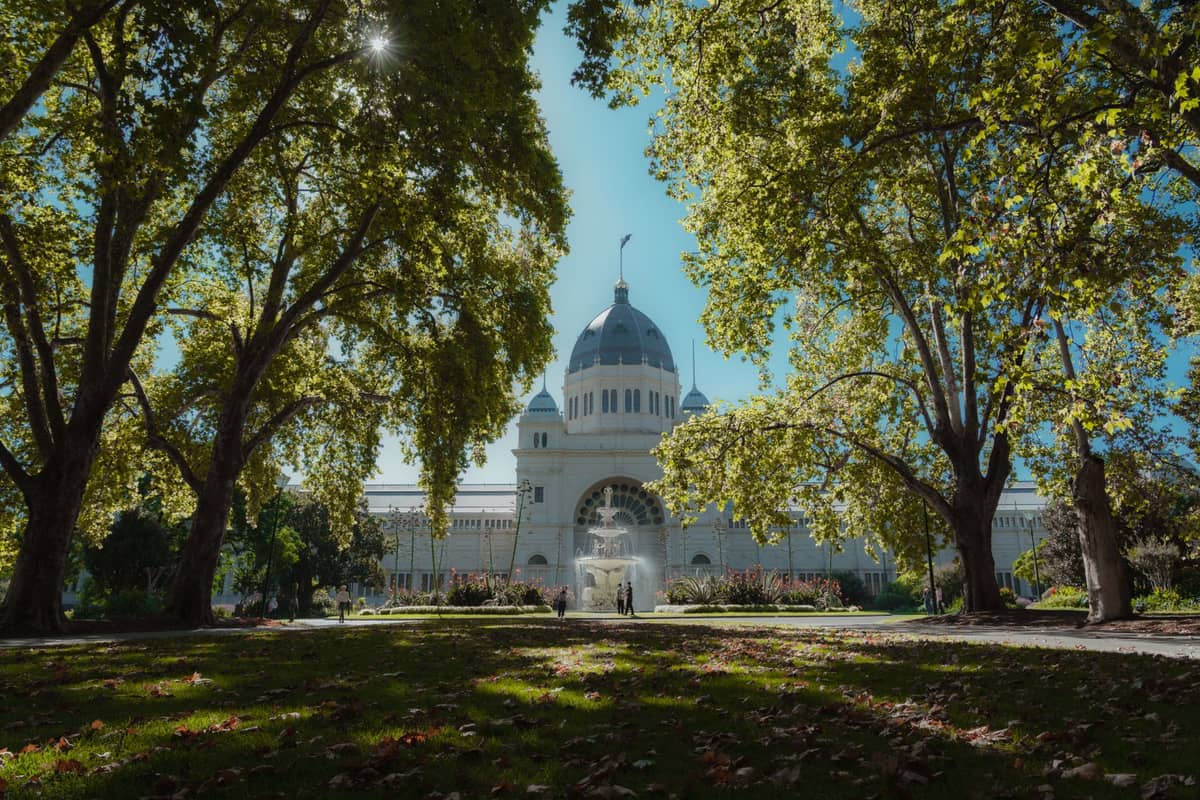
The Royal Exhibition Building is Carlton's most architecturally significant landmark, a UNESCO World Heritage Site that remains in active use for events and trade shows. Its dome is visible from much of the surrounding area, and the building's position at the head of Carlton Gardens gives it a formal grandeur that feels genuinely European in scale. Guided tours of the interior run regularly and are worth taking for the painted ceilings and original exhibition hall alone.
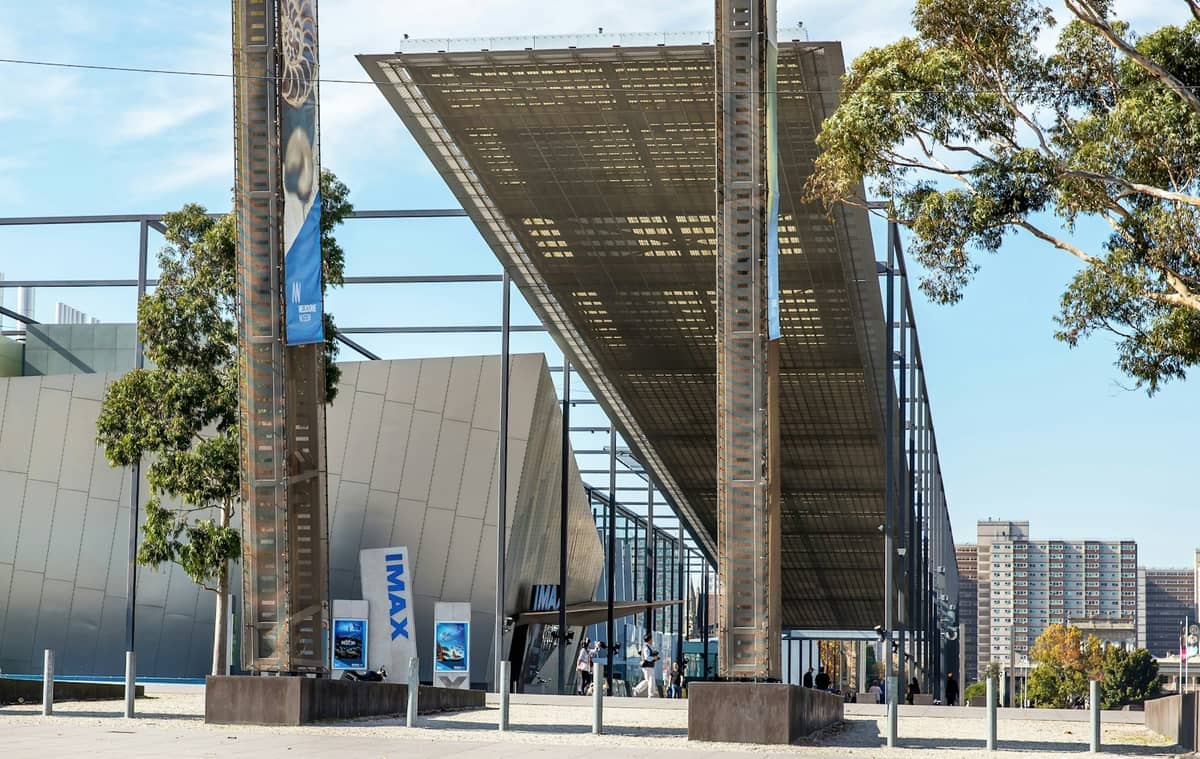
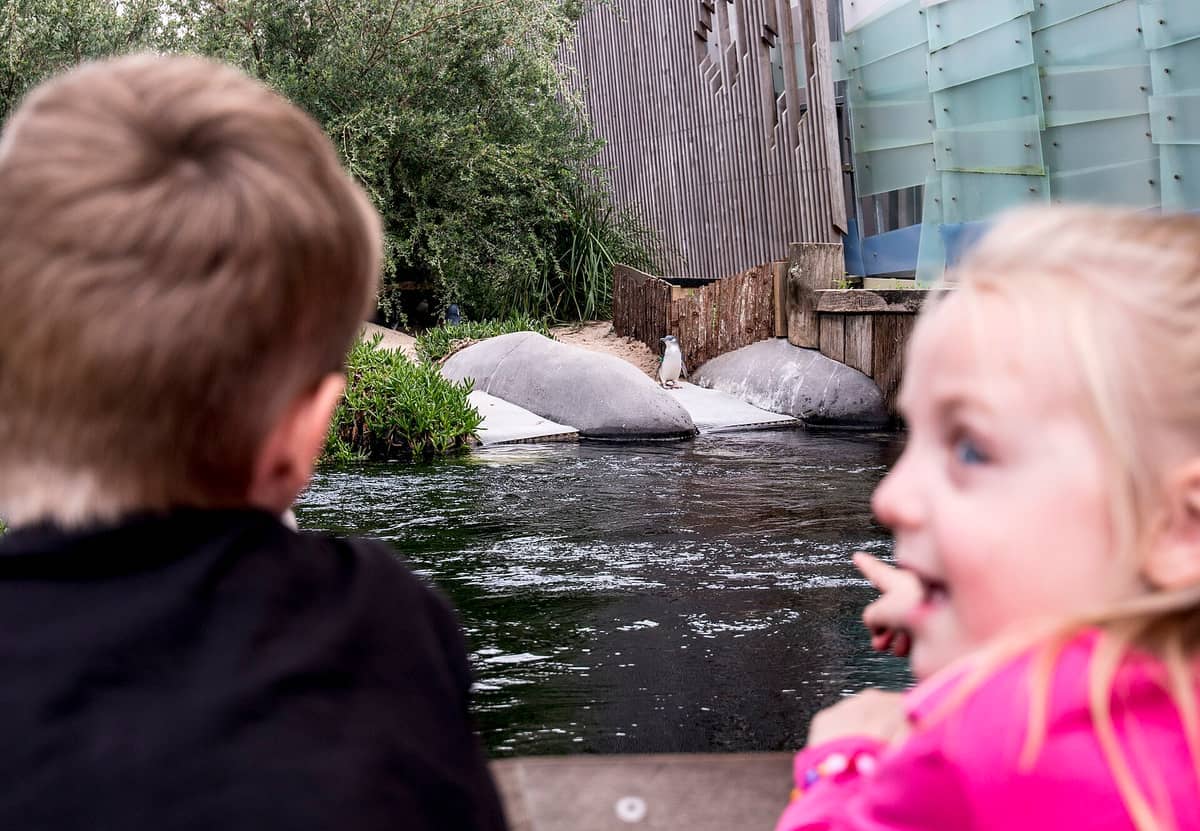
Immediately behind the exhibition building, the Melbourne Museum is one of the larger natural history and cultural museums in the southern hemisphere. The permanent collection covers indigenous Australian culture, natural science, and the social history of Victoria, and the temporary exhibition programme is consistently strong. Plan at least two to three hours, more if you have children with you. Entry requires a ticket except for some sections. Across Carlton Gardens, the formal garden layout and its large central fountain make for an easy and pleasant short walk between the museum and Nicholson Street.
In Parkville, Melbourne Zoo on Elliott Avenue is one of the oldest zoos in the world, opened in 1862. It operates year-round and has undergone significant redevelopment in recent decades to provide more naturalistic enclosures. The zoo is large enough to occupy a full day and is one of the city's primary family-focused attractions. Royal Park, which surrounds the zoo on several sides, is free to access and suitable for cycling, picnicking, or simply walking off a large lunch from Lygon Street.
Carlton Gardens: formal Victorian garden layout, ideal for a morning or late afternoon walk
Royal Exhibition Building: exterior and guided interior tours, UNESCO World Heritage Site
Melbourne Museum: natural history, First Peoples galleries, and social history of Victoria
Melbourne Zoo: full-day family attraction in Royal Park, Parkville
University of Melbourne campus: architecturally interesting, good for a self-guided walk through the Parkville-Carlton boundary area
Lygon Street: independent bookshops, Italian delis, and the remnants of Melbourne's original coffee culture
💡 Local tip
The Melbourne Museum offers a free outdoor forecourt area that you can enter without a ticket, which includes access to some signage and the building's exterior. If budget is a consideration, the Carlton Gardens around the Royal Exhibition Building cost nothing to visit at any time of day.
Eating & Drinking
Lygon Street's reputation for Italian food is both deserved and complicated. The southern stretch, between Queensberry Street and Elgin Street, is the most visited and correspondingly the most tourist-dependent: restaurants compete aggressively for walk-in custom, menus lean toward approachable classics, and the quality is variable. You will eat a perfectly fine bowl of pasta, but you are unlikely to eat the best meal of your Melbourne trip. Prices on this stretch are mid-range, and the experience is as much about the atmosphere of the street as the food.
North of Elgin Street, Lygon Street becomes more interesting. The restaurants here are less flashy and more neighbourhood-oriented, with better pasta, genuine wood-fired pizza, and a more relaxed approach to service. The Italian delicatessens and providores along this stretch carry imported products — cured meats, fresh pasta, regional olive oils — that tell you more about Carlton's Italian community than any restaurant menu. Grinders Coffee has been roasting on Lygon Street since the 1960s and is the kind of institution that does not need to advertise.
Rathdowne Street, running parallel to Lygon on the eastern side of the neighbourhood, has become a destination in its own right for coffee and casual dining. The strip between Faraday and Princes Streets has a cluster of cafés and small restaurants that draw local residents and university staff rather than tourists. Prices here are slightly lower than Lygon Street and the quality is consistently higher for coffee. For something completely different, the area around the University of Melbourne campus has a number of student-priced cafés and international food options reflecting the diverse student population.
Italian restaurants: strongest options are north of Elgin Street on Lygon, where prices are mid-range and quality more reliable
Italian delicatessens: for serious imported products and fresh pasta to take away
Rathdowne Street cafés: local favourite for brunch and specialty coffee, less crowded than Lygon
University precinct: budget-friendly options near Grattan Street and the campus, international cuisine mix
Gelato: multiple options on Lygon Street, quality varies, worth trying given the neighbourhood's Italian heritage
⚠️ What to skip
The southern end of Lygon Street — particularly between Queensberry and Faraday Streets — has touts who will approach you outside restaurants to solicit your custom. This is a normal part of the strip's culture but can feel pushy. Walking with purpose and making deliberate restaurant choices before you arrive is the easiest way to avoid the pressure.
Getting There & Around
Carlton is well connected by tram from the CBD. Routes 1, 3, 5, 6, 16, 64, and 67 all serve Carlton at various points; the most useful for Lygon Street are routes running along Lygon Street or Swanston Street and connecting via short walks. Trams on Nicholson Street run along the neighbourhood's eastern edge. Note that trams leaving the Free Tram Zone require a Myki card: load one before boarding if you are travelling beyond the central city. For more on getting around Melbourne by public transport, including how to use Myki, the city's official transit card is your best reference.
Parkville Station on Grattan Street, part of the Metro Tunnel line, provides a direct rail link to the CBD and southern suburbs, making Parkville significantly more accessible by train than it was before the tunnel's opening. The station serves the University of Melbourne and the hospital precinct directly. For Carlton Gardens and the Melbourne Museum, Melbourne Central Station on the City Loop is the nearest train station, roughly a 10-minute walk south.
On foot, Carlton is entirely walkable from the CBD: the walk from Swanston Street to Lygon Street via Carlton Gardens takes around 15 minutes at a comfortable pace. Fitzroy is a 5-10 minute walk east from the centre of Carlton. Cycling is viable on the area's quieter streets, and Royal Park has dedicated cycling paths for those continuing into Parkville. Rideshare services operate normally throughout both neighbourhoods.
Where to Stay
Carlton has a limited but functional range of accommodation. The neighbourhood is better for restaurants and attractions than for hotel infrastructure, so most visitors who want to be in this part of Melbourne choose between staying directly in Carlton or using the CBD as a base and visiting on foot. For a full overview of accommodation options across the city, the where to stay in Melbourne guide covers the tradeoffs between different neighbourhoods.
The best areas within Carlton for accommodation are around Lygon Street itself and along Drummond Street, where a number of heritage terrace houses operate as boutique guesthouses and bed-and-breakfast properties. These tend to be quieter than the main restaurant strip while remaining within easy walking distance of the attractions. The southern end of Carlton near Carlton Gardens has the most consistent supply of guesthouses. Parkville has very little tourist accommodation: it is primarily a residential and institutional neighbourhood, and visitors with business at the university or hospitals are typically its main overnight guests.
Carlton suits independent travellers and culture-focused visitors who want to walk to the Melbourne Museum and Carlton Gardens without taking a tram. Families visiting Melbourne Zoo may find Parkville-adjacent accommodation convenient, though options are limited. Travelers who prioritise nightlife, a broad bar scene, or fashion shopping will find the CBD, Fitzroy, or South Yarra more suitable bases.
Honest Assessment: Who Carlton & Parkville Are For
Carlton rewards visitors who are comfortable making choices rather than simply following the loudest signage. The neighbourhood's Italian heritage is genuine and worth exploring, but it takes a small amount of effort to find it past the tourist-facing stretch of Lygon Street. The museum and exhibition building are outstanding on their own terms and justify the trip even without a meal. For those spending several days in Melbourne, the 3-day Melbourne itinerary typically includes Carlton Gardens as a half-day stop, which is a sensible allocation. A full day combining the Melbourne Museum, a walk through the gardens, and lunch or dinner on the northern stretch of Lygon Street uses the neighbourhood well.
Parkville requires a specific reason to visit: the zoo, the university, or the park. It is not a neighbourhood that rewards aimless wandering in the way Fitzroy or Brunswick might. Royal Park is worth knowing about as a large, green, and relatively uncrowded alternative to the more formal Botanic Gardens, particularly for families with children who need space to run. On the whole, Parkville functions as the quiet, institutional counterpart to Carlton's more social and gastronomic identity.
TL;DR
Carlton is Melbourne's Italian-heritage neighbourhood, anchored by Lygon Street's café culture, the UNESCO-listed Royal Exhibition Building, and the Melbourne Museum — all within easy walking distance of the CBD.
Parkville, directly west, offers Melbourne Zoo, the University of Melbourne campus, and Royal Park: a large, accessible green space largely used by locals.
Best for: culture-focused travellers, families visiting the museum or zoo, anyone wanting to combine heritage architecture with good coffee and Italian food.
Not ideal for: visitors prioritising nightlife, a wide bar scene, or fashion shopping — Fitzroy, the CBD, or South Yarra serve those needs better.
Getting there is straightforward: tram from the CBD to Carlton takes under 15 minutes, and Parkville Station on the Metro Tunnel line serves the university and hospital precinct directly.
Three days in Melbourne is enough to move past the obvious tourist circuit and get a real sense of the city. This itinerary covers the CBD laneways, inner-north neighbourhoods, bayside suburbs, and cultural institutions, with practical transport advice, realistic crowd warnings, and enough flexibility to make it your own.
The Australian Open is one of the four Grand Slam tennis tournaments and the biggest annual sporting event in Melbourne. This guide covers tickets, getting to Melbourne Park, navigating the grounds, and how to make the most of your visit whether you're going for a single session or the full fortnight.
Melbourne sits on Port Phillip Bay, giving the city access to calm bay beaches within 30 minutes of the CBD, and wilder ocean surf beaches a 90-minute drive south. This guide covers the best beaches near Melbourne by type, with frank notes on safety, crowds, and what each beach actually delivers.
Melbourne is a stronger museum city than many visitors expect. Whether you're drawn to world-class art collections, colonial history, hands-on science, or Australia's sporting obsession, these are the museums worth your time.
Melbourne's weather is notoriously unpredictable, but the city rewards visitors year-round. This guide breaks down every season by weather, events, crowds, and value so you can pick the right time for your trip.
Melbourne rewards those who look up, look out, and look across. Whether you want 360-degree city panoramas from 285 metres up, golden-hour shots of the skyline from the bay, or dramatic coastal cliffs an hour from the CBD, this guide covers every angle worth seeking out.
Melbourne is one of Australia's great base cities, with extraordinary landscapes, wildlife, history, and wine country within a two-hour drive. This guide covers the best day trips from Melbourne, from dramatic ocean coastlines to misty mountain ranges, with realistic travel times and what to prioritise.
Melbourne rewards curious visitors with an impressive range of genuinely free experiences. From world-class art galleries and heritage reading rooms to wild penguin encounters and the city's famous laneway culture, these are the best free things to do in Melbourne.
From the Free Tram Zone to airport transfers, myki cards to rideshare, this guide covers every practical detail you need to navigate Melbourne's transport network confidently. No fluff, just the information that actually matters.
A Great Ocean Road day trip from Melbourne is one of the most iconic outings in Australia, but it requires serious planning. This guide covers the full route, realistic timelines, tour options with price ranges, the best stops beyond the Twelve Apostles, and clear warnings about what most visitors get wrong.
Melbourne Airport (MEL) sits 23 km northwest of the city centre at Tullamarine. This guide covers every transfer option — SkyBus, taxi, rideshare, and public bus — with current pricing, journey times, and the insider details that save you time and money on arrival.
Melbourne's built environment tells the story of a city that went from a colonial outpost to a gold rush boomtown to a modern metropolis in under two centuries. This guide covers the key buildings, neighbourhoods, and walking routes to understand how it all fits together.
Melbourne's coffee culture is serious business. This guide breaks down the best café neighbourhoods, what drinks to order, what to pay, and how to navigate the city's specialty scene like a local. Whether you're landing at Tullamarine or already in the CBD, here's what you need to know.
The Melbourne Cup is Australia's most famous horse race, held annually at Flemington Racecourse each November. This guide covers everything from buying tickets and getting to the track to dress codes, the full Carnival schedule, and a clear picture of what to expect on race day.
Melbourne runs one of the most packed event calendars in the Southern Hemisphere, with major festivals, sporting events, and cultural programs spread across every season. This guide breaks down what's on, when to go, and how to plan around it without getting caught out by full hotels or sold-out tickets.
Melbourne rewards couples who slow down and look beyond the obvious. This guide covers the city's most genuinely romantic experiences, from sunrise walks through the Royal Botanic Gardens to candlelit laneway dinners and scenic day trips, with candid notes on what's worth it and what to skip.
Melbourne takes its parks seriously. From UNESCO-listed formal gardens to wild river corridors just minutes from the CBD, the city's green spaces range from manicured and historic to untamed and surprising. This guide covers the best of them, with practical advice on what to expect at each.
Melbourne rewards those who look beyond the obvious. This guide uncovers the city's overlooked art museums, geological surprises, historic estates, and quiet urban escapes that most visitors walk straight past.
Melbourne's laneways are the city's most distinctive feature: a network of narrow alleys, covered arcades, and public art corridors threading through the CBD grid. This guide covers the essential stops, practical logistics, and what most visitors get wrong about the street art scene.
Melbourne's live music scene spans everything from intimate 80-person rooms above pubs to ornate theatres holding thousands. This guide breaks down the best venues by style and suburb, explains how to find and book gigs, and covers the practical details that most listings skip.
Melbourne's market scene goes well beyond tourist postcards. This guide covers the city's best permanent and weekly markets, with verified opening hours, what each one does best, candid assessments of which are worth your time, and practical tips for getting the most out of each visit.
Melbourne, Australia is home to one of the world's most diverse urban food cultures, shaped by over 200 years of immigration waves. This guide breaks down the city's key multicultural food neighbourhoods, what to eat in each, when to go, and how to navigate them like a local.
Melbourne's nightlife scene runs deep, from laneway cocktail bars to legendary live music rooms that shaped Australian rock. This guide breaks down the best neighbourhoods, venues, and practical logistics so you can navigate it like a local.
Melbourne, Australia rewards budget travellers more than most major cities. From free tram rides and world-class free museums to cheap market food and no-cost beaches, this guide covers every practical angle for spending less without missing out.
Seven days is enough time to get well beyond Melbourne's postcard highlights. This itinerary balances the CBD's iconic landmarks, inner-suburb character, a coastal day trip, and the regional Victorian countryside — with practical logistics for every step.
Melbourne rewards shoppers who look beyond the chain stores. This guide covers the city's best shopping precincts, heritage arcades, weekend markets, and neighbourhood strips — with practical notes on what's worth your time and what to skip.
Melbourne's street art scene is one of the most concentrated and celebrated in the world. This guide covers the essential laneways, the City of Melbourne's official self-guided walk, neighbourhood murals beyond the CBD, and practical advice for getting the most out of every visit.
Melbourne rewards walkers like few other cities. From the iconic laneways of the CBD to the bayside foreshore of St Kilda, this guide covers the best guided tours, official self-guided routes, and neighbourhood walks, with straightforward notes on what's worth your time and what to skip.
Melbourne is one of Australia's most family-friendly cities, with a range of attractions spread across the inner city and beyond. This guide covers the best things to do with kids in Melbourne, from free rainy-day museums to weekend wildlife encounters, with practical notes on costs, transport, and what's actually worth your time.
Melbourne rewards visitors who look beyond the obvious. This guide covers the city's best experiences across culture, food, sport, nature, and neighbourhoods — with practical details on getting around, what to skip, and how to make the most of every day in Melbourne, Australia.
Melbourne is one of the world's great sporting cities, hosting world-class events across football, cricket, tennis, and more. This guide covers every major venue, how to get tickets, the best seasons to visit, and the practical details that actually matter.
Melbourne's food scene is one of the most diverse and serious in the Southern Hemisphere. This guide covers the dishes, neighbourhoods, markets, and cultural context you need to eat well in Melbourne — whether you have three days or three weeks.
Choosing where to stay in Melbourne shapes your entire trip. This guide breaks down every major neighbourhood by location, transport access, price range, atmosphere, and who it suits best, so you can book with confidence.
The Yarra Valley is one of Australia's most accessible cool-climate wine regions, sitting about 65 km from central Melbourne. This guide covers how to get there, which cellar doors are worth your time, tour vs. self-drive decisions, and how to plan around the seasons.