Melbourne Street Art Guide: Best Laneways & Murals
Melbourne's street art scene is one of the most concentrated and celebrated in the world. This guide covers the essential laneways, the City of Melbourne's official self-guided walk, neighbourhood murals beyond the CBD, and practical advice for getting the most out of every visit.
Tickets & tours
Live prices and dates from our booking partner. If you book, we may earn a commission at no extra cost to you.
TL;DR
- Hosier Lane, opposite Federation Square, is Melbourne's most iconic street art laneway and the logical starting point for any self-guided route.
- The City of Melbourne's official street art walk is free, covers roughly 3 km through the CBD, and takes around two hours at a relaxed pace.
- Street art is not universally legal here — permission depends on the individual wall and property owner. Photograph freely, but do not paint or mark any surface without confirmed permission.
- Artwork turns over constantly; what you see today may be painted over within weeks, so there is genuine value in visiting more than once.
- For street art beyond the CBD, head to Fitzroy and Brunswick — both neighbourhoods carry strong mural traditions with far fewer tourist crowds.
Why Melbourne's Street Art Scene Is Worth Your Time
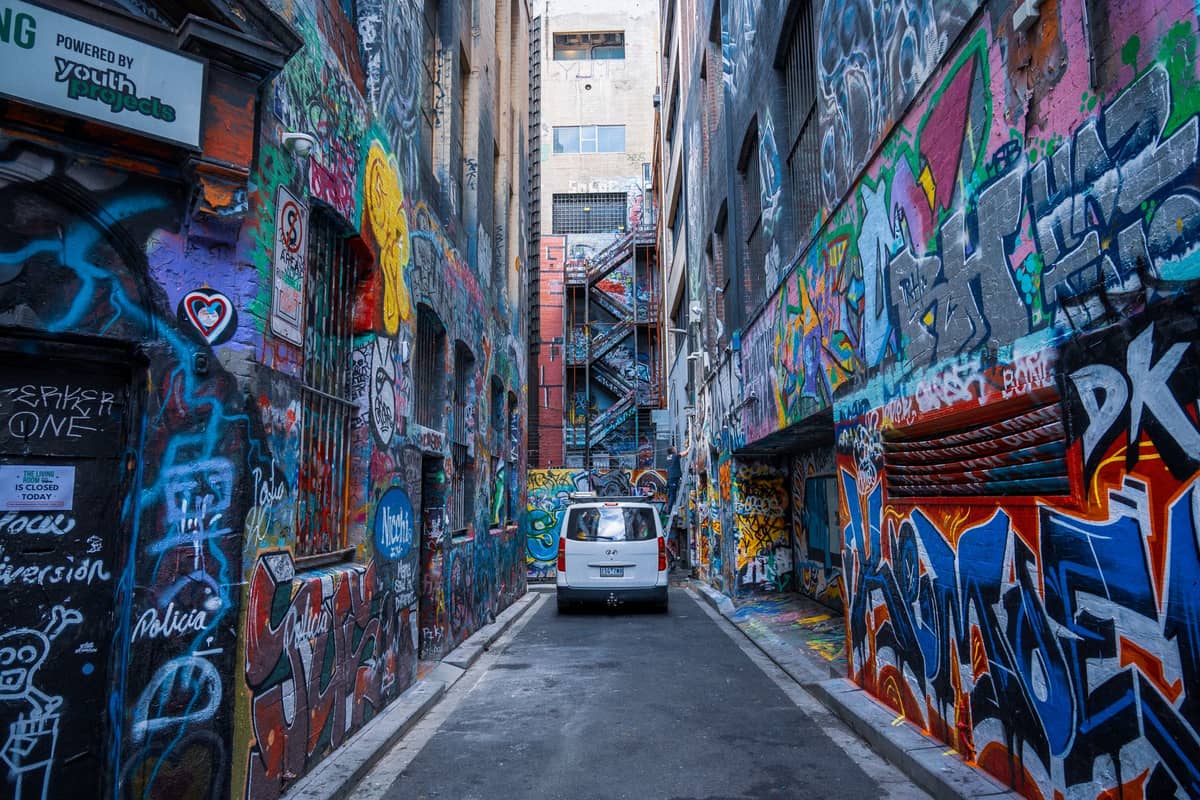
Melbourne's laneway culture and its street art scene grew up together. The city's tight CBD grid, inherited from the original 1837 Hoddle survey, left dozens of narrow service lanes threading between main streets. From the late 1990s onwards, property owners, local councils, and artists came to an informal understanding: designated walls could be painted legally, and the results would draw foot traffic. That arrangement, sustained and formalised over time, is why Melbourne today has a genuine concentration of high-quality public art within walking distance of the city centre.
The scene is not static or curated in a museum sense. Works range from photorealistic portraiture to abstract paste-ups to text-based pieces, and artists paint over each other's work regularly. That impermanence is the point. If you visited Hosier Lane two years ago, roughly half of what you saw is gone. The layers of paint on the brick walls in some laneways now run several centimetres thick.
ℹ️ Good to know
Melbourne's street art exists on a spectrum from fully permitted works commissioned by property owners, to tolerated art on designated walls, to illegal tagging. The City of Melbourne distinguishes clearly between supported street art and vandalism. Visitors should stick to photographing — approaching a wall with a spray can without confirmed permission from the owner is illegal regardless of artistic intent.
The Essential Laneways: Where to Start
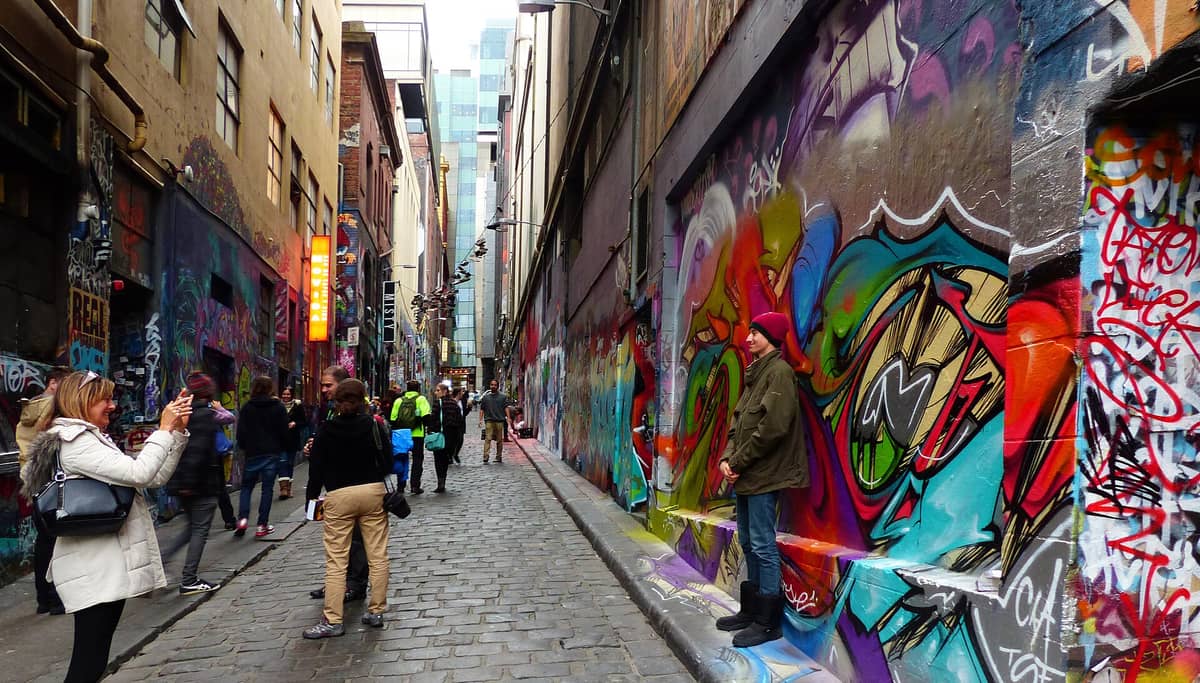
Hosier Lane runs between Flinders Street and Flinders Lane, directly opposite Federation Square. It is the most photographed laneway in Australia and the right place to begin any street art walk. Both walls and the cobblestone surface itself are layered with work, and the volume of visitors reflects that status — expect crowds on weekends, particularly between 10am and 3pm. Early morning on a weekday gives you the lane almost entirely to yourself, with better light for photography.
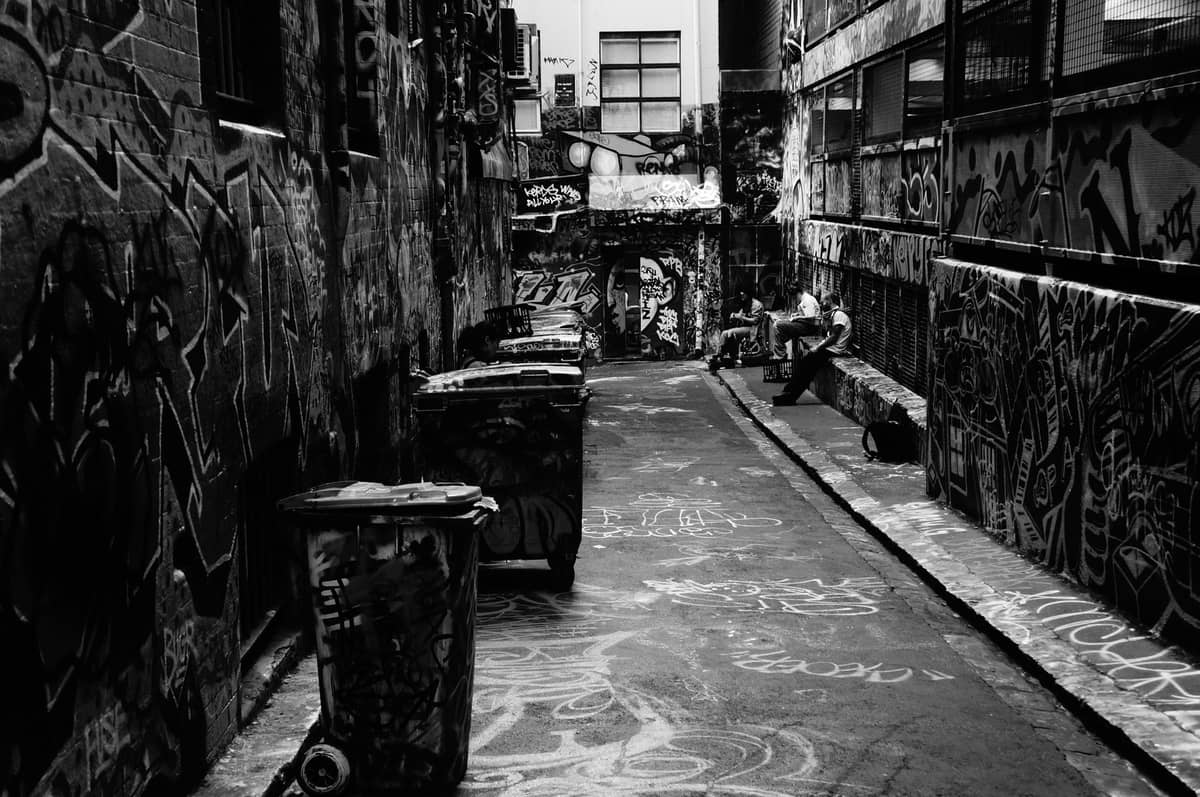
AC/DC Lane, off Flinders Lane between Russell and Exhibition Streets, is shorter and noisier but carries its own character. Named after the rock band rather than the electrical standard, it combines music-themed pieces with more abstract work and feeds into the broader CBD laneway network. Croft Alley, running parallel to and just north of Hosier Lane, is smaller and less visited but consistently holds strong work — it rewards the short detour.
- Hosier Lane The CBD's flagship art laneway, opposite Federation Square. Full coverage on both walls, extremely high turnover of work. Best visited early on weekdays.
- Croft Alley Runs parallel to Hosier Lane. Smaller, quieter, and consistently well-painted. Often overlooked by visitors focused on Hosier.
- AC/DC Lane Off Flinders Lane between Russell and Exhibition Streets. Music-influenced pieces and a rawer aesthetic than Hosier.
- Centre Place A pedestrian lane between Flinders and Collins Streets, known for its cafes and a concentrated run of smaller-scale pieces and paste-ups.
- Union Lane Off Bourke Street Mall, short but well-maintained, with work that skews toward commissioned and semi-permanent pieces.
💡 Local tip
The City of Melbourne publishes an official 'Street Art Walk' route on the What's On Melbourne website. It covers roughly 3 km through the CBD, is entirely free, and comes with a downloadable map. It is the most reliable starting point for a self-guided visit and is updated periodically. Check whatson.melbourne.vic.gov.au before your visit for the current route.
The Self-Guided Walk: Logistics and What to Expect
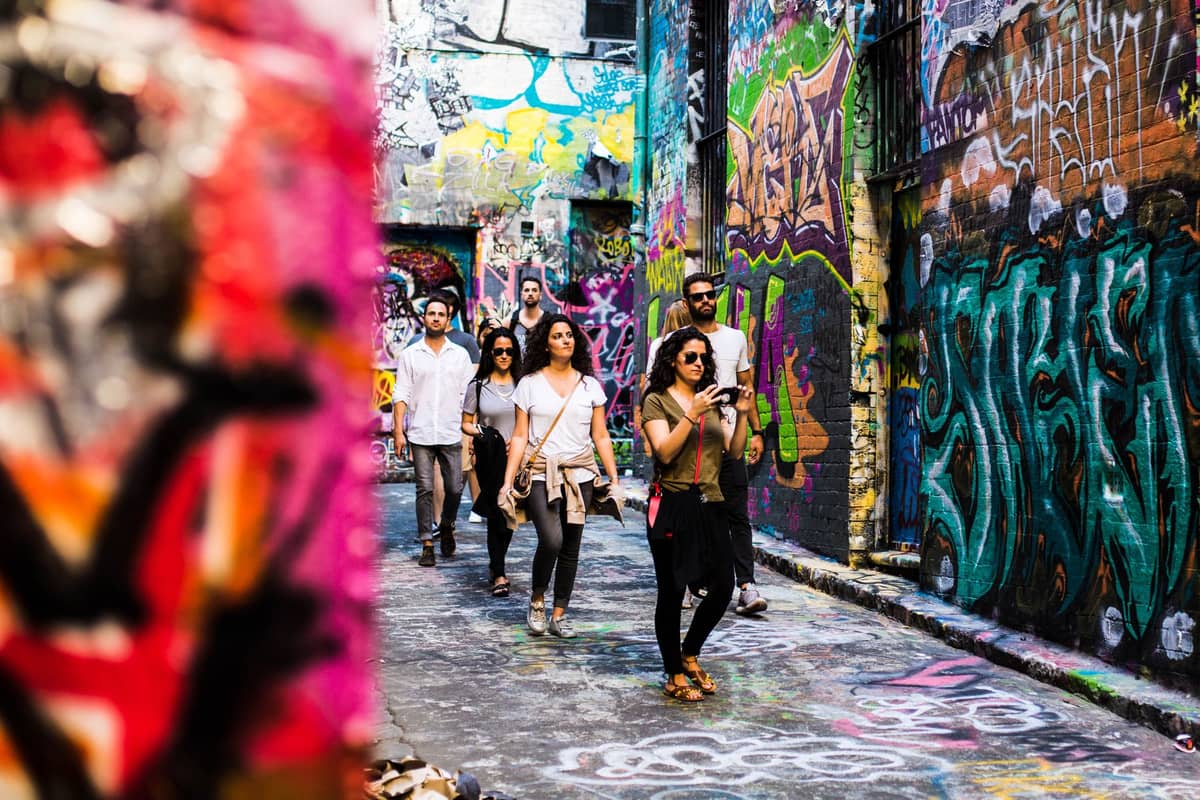
The City of Melbourne's official self-guided street art walk takes approximately two hours at a relaxed pace, covers around 3 km, and costs nothing. It starts near Federation Square and loops through a sequence of CBD laneways, connecting the most accessible and consistently painted sections of the network. The route is suitable for most mobility levels, though some lanes have uneven cobblestone surfaces.
Getting to the starting point is straightforward. Federation Square sits at the corner of Flinders and Swanston Streets and is served by multiple tram routes within the Free Tram Zone. From Flinders Street Station, it is a two-minute walk across the intersection. If you are coming from further out, the Free Tram Zone covers the entire walk route, so there is no transit cost once you are in the CBD.
The walk works in any season, but Melbourne's weather is genuinely changeable. Summer (December to February) averages maximum temperatures around 24-26°C, though heatwaves can push temperatures above 35°C; early morning is a better window. Winter (June to August) average maximum temperatures are around 13-15°C, with rainfall throughout the season. A compact umbrella is a reasonable addition to your bag year-round. Spring (September to November) and autumn (March to May) offer comfortable walking temperatures, though conditions vary.
⚠️ What to skip
Artwork on Melbourne's laneways changes frequently and without notice. Any specific piece you have seen in a photo online may no longer exist by the time you arrive. Treat the walk as an experience of the scene as it exists today, not a checklist of specific works.
Guided Tours: When They're Worth It
A guided tour adds genuine value if you want context: who painted what, how the permissions system works, which artists have shaped the scene over time, and the difference between a commissioned mural and a spontaneous piece. That knowledge changes what you see. For visitors with limited time or a serious interest in street art as a cultural form, a guided option is worth investigating.
MELTours runs an art-focused tour on limited Fridays and Saturdays, starting at 2pm near Federation Square and lasting approximately three hours. The listed price is $85; confirm availability and current details with the operator before planning around it. Other operators offer street art components as part of broader laneway or food tours; check the City of Melbourne's tourism listings for current verified options.
- Confirm tour availability and pricing directly with operators — schedules and costs change seasonally.
- Ask specifically whether the guide has an active connection to the street art community, not just a tourism background.
- Group tours typically run 2.5 to 3.5 hours; private or small-group options may offer more flexibility on pace and focus.
- Self-guided is entirely sufficient for most visitors — the City of Melbourne's route is well-constructed and the signage in key laneways provides useful context.
Beyond the CBD: Fitzroy, Collingwood, and Brunswick
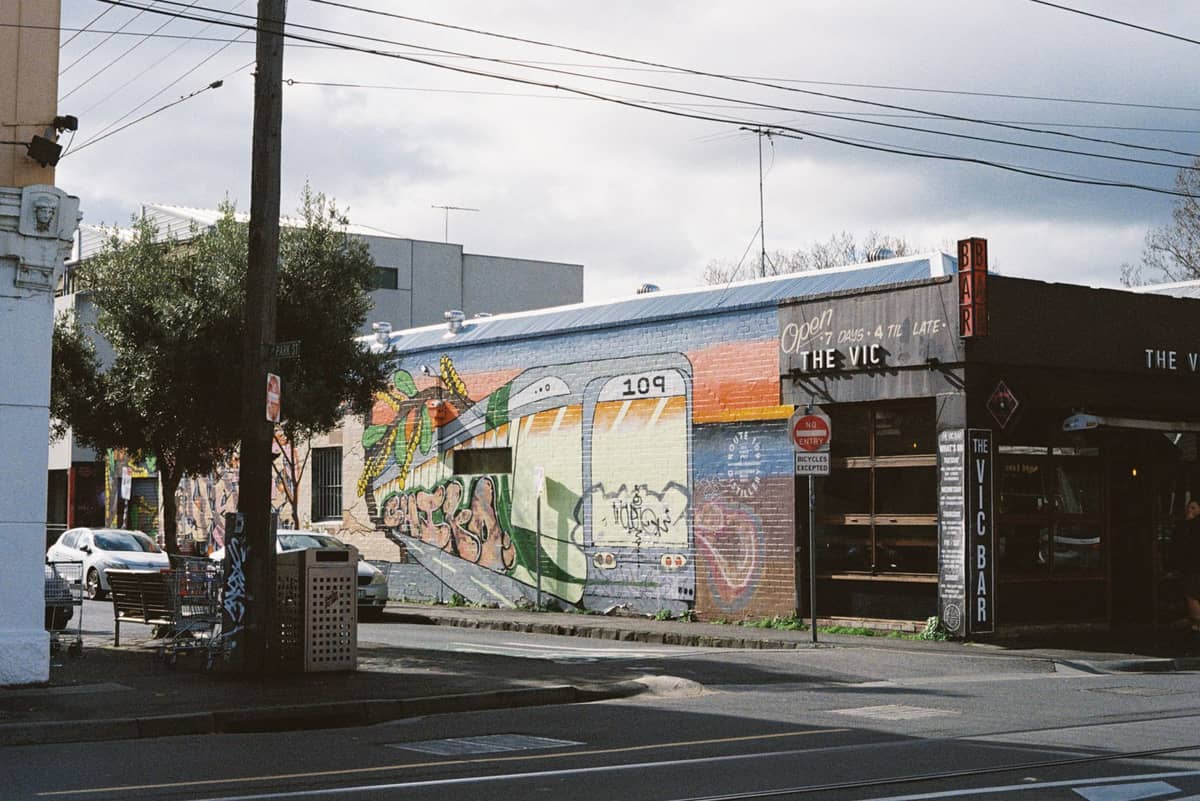
The inner-north neighbourhoods carry Melbourne's street art scene beyond the tourist circuit. Fitzroy has the highest concentration of independently commissioned murals in Melbourne outside the CBD. Smith Street and Johnston Street are the main arteries, with significant pieces appearing on the sides of warehouses, pubs, and apartment buildings. The work here tends toward larger format and longer-lived than the constantly repainted CBD laneways.
Brunswick sits further north and has a long association with political and community-focused street art. Sydney Road is the corridor, but the denser concentrations appear on side streets and on the rear walls of commercial buildings accessible from parallel lanes. The aesthetic skews more text-heavy and socially engaged compared to Hosier Lane's more decorative register. Neither Fitzroy nor Brunswick requires a car: both are served by trams from the CBD.
Collingwood, between Fitzroy and Richmond, adds another layer: the Abbotsford Convent precinct and the surrounding industrial streets carry substantial mural work, some of it commissioned as part of the precinct's arts programming. Checking the Abbotsford Convent's own events calendar before visiting can reveal open studio days and outdoor art events that add context to what you see on the walls.
Practical Tips for Getting the Most Out of Your Visit
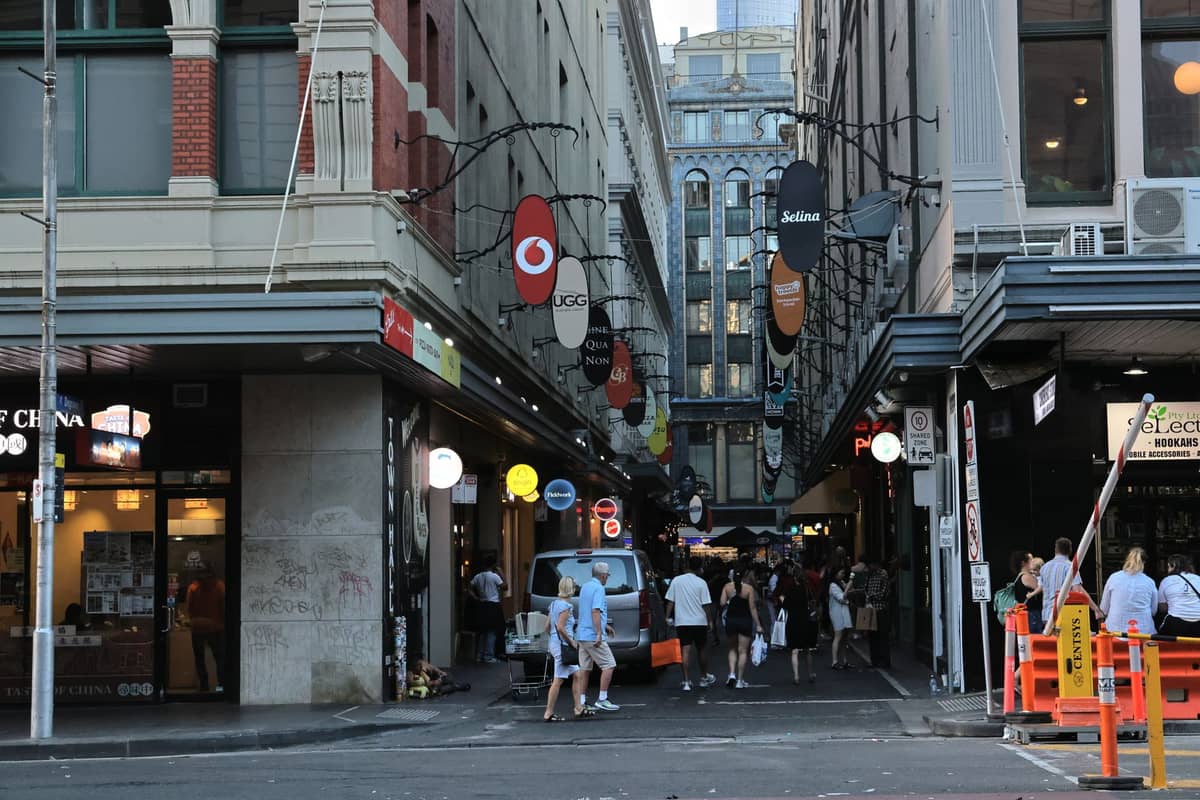
Street art photography in Melbourne requires no permits for personal or editorial use in public laneways. The self-guided walk costs nothing, and the Free Tram Zone means transit within the CBD is also free. Budget the cost of a coffee at one of the laneway cafes along the route — Centre Place in particular has several good options and serves as a natural midpoint break.
- Download the City of Melbourne's street art walk map before your visit so you have it offline.
- Visit Hosier Lane on a weekday morning if crowd avoidance matters to you — it is a genuinely different experience before 9am.
- Bring a wide-angle lens or use your phone's ultra-wide mode for full-wall shots in narrow laneways.
- Respect active artists: if someone is painting, give them space and ask before photographing them directly.
- The cobblestone surfaces in Hosier Lane and Croft Alley are uneven — flat-soled shoes are more comfortable than heels.
- Combine the street art walk with a broader CBD exploration using the City Circle tram for context on Melbourne's layout.
If street art is one part of a wider Melbourne itinerary, it pairs naturally with a laneway exploration or with visiting the coffee scene that shares the same geography. Many of Melbourne's best specialty cafes operate out of or adjacent to the laneways on the street art walk route.
FAQ
Is Melbourne street art free to visit?
Yes. The laneways are public spaces and the City of Melbourne's self-guided street art walk is entirely free. Getting there via tram within the CBD Free Tram Zone also costs nothing. The only potential cost is a guided tour, which varies by operator — contact them directly for current pricing.
How long does the Melbourne street art walk take?
The City of Melbourne's official self-guided route covers approximately 3 km and takes around two hours at a casual pace. Allow extra time if you want to photograph extensively, take breaks at cafes, or extend into adjacent laneways not on the main route.
Is it legal to do street art in Melbourne's laneways?
Not automatically. Permission depends on the specific wall and the property owner's agreement. Some walls are officially designated for street art with permission from owners; others are painted illegally. Tagging and vandalism are treated as offences. As a visitor, photographing the work is entirely appropriate — adding to it without confirmed permission from the property owner is not.
What is the best time of day to visit Hosier Lane?
Early morning on a weekday gives you the best experience: lower crowds, better natural light for photography, and a quieter atmosphere. Weekends between 10am and 3pm are peak tourist hours and can get genuinely congested in the narrow lane.
Are there street art areas in Melbourne outside the CBD?
Yes — Fitzroy and Brunswick are the strongest options. Fitzroy has large-format commissioned murals concentrated around Smith and Johnston Streets. Brunswick carries more politically and community-focused work along Sydney Road and surrounding side streets. Both are accessible by tram from the city centre.
Tickets & tours
Live prices and dates from our booking partner. If you book, we may earn a commission at no extra cost to you.
Planning a trip? Discover personalized activities with the Nomado app.