Melbourne Events Calendar: Festivals & Major Events Guide
Melbourne runs one of the most packed event calendars in the Southern Hemisphere, with major festivals, sporting events, and cultural programs spread across every season. This guide breaks down what's on, when to go, and how to plan around it without getting caught out by full hotels or sold-out tickets.
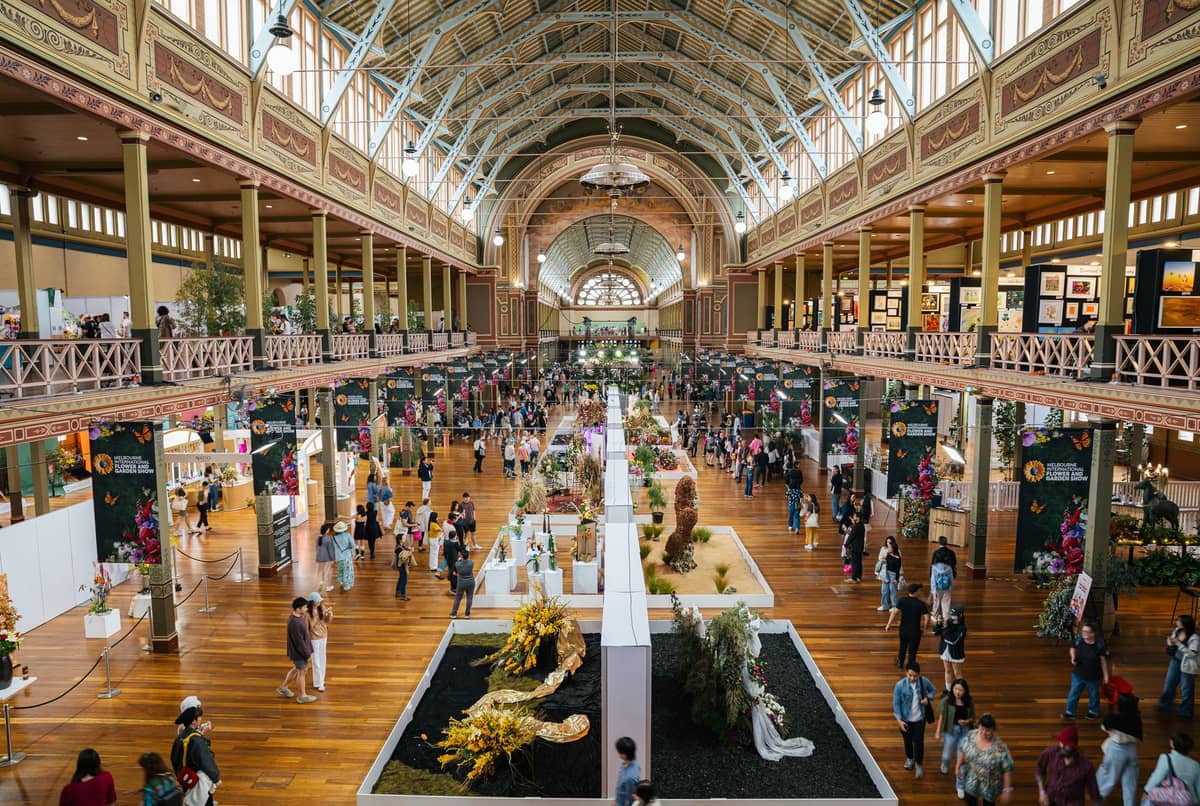
Tickets & tours
Live prices and dates from our booking partner. If you book, we may earn a commission at no extra cost to you.
TL;DR
- Melbourne's event calendar runs year-round, not just in summer — autumn and spring are especially dense with festivals.
- Major events happen across the whole city: at Flemington Racecourse, Melbourne Showgrounds, the CBD laneways, and bayside precincts.
- Always verify dates on the official What's On Melbourne listings before booking travel — programs and dates shift regularly.
- Accommodation prices spike significantly around major events like the Australian Open, Grand Prix, and Melbourne Cup. Book early.
- Many events are free or low-cost; see our guide to free things to do in Melbourne for festival options that won't cost you anything.
Why Melbourne's Event Calendar Is Different
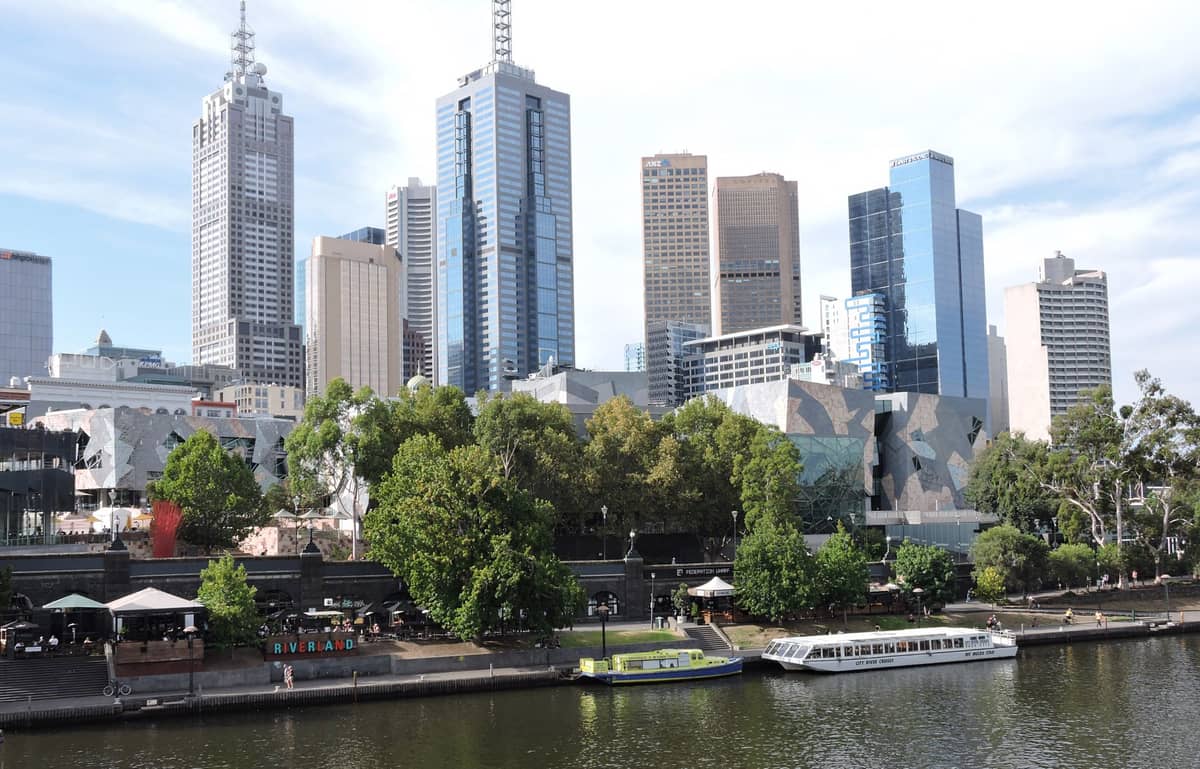
Melbourne has a reputation for treating events as civic infrastructure rather than tourist add-ons. The city hosts everything from Formula 1 and Grand Slam tennis to laneway film festivals and multicultural street fairs, and the programming genuinely reflects the city's population rather than just a generic 'what tourists want to see' list. The result is a calendar where any given weekend in the city will likely have something significant happening, even in the middle of winter.
One thing that catches first-time visitors off guard: 'Melbourne event' rarely means a single CBD location. The Flemington Racecourse hosts the Melbourne Cup Carnival, Melbourne Showgrounds runs the Royal Show, and the Australian Open fills Melbourne Park in Melbourne. Meanwhile, arts festivals and food events often sprawl across multiple suburbs simultaneously. Always confirm the specific venue before you plan transport.
ℹ️ Good to know
Melbourne sits on the traditional lands of the Wurundjeri Woi-wurrung and Bunurong peoples of the Kulin Nation. Many major events, particularly arts and cultural festivals, include acknowledgment of Country and programming from First Nations artists and communities.
Summer Events: January and February
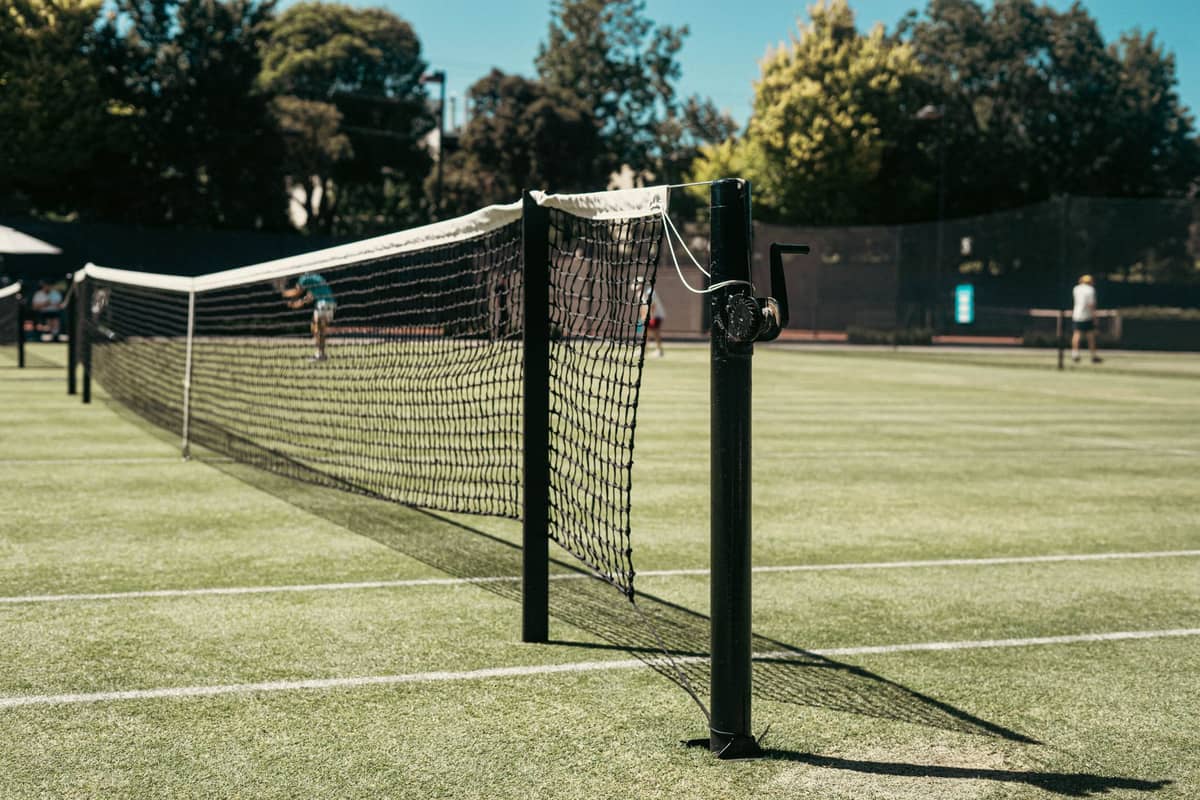
January kicks off the year with the Australian Open, typically running in January at Melbourne Park. It's one of the four Grand Slam tennis tournaments. Outer courts are included in the general admission ticket, which makes it genuinely accessible for casual visitors. Our Australian Open guide covers ticketing, what to watch, and how to navigate the precinct without losing three hours in a queue.
Summer temperatures in Melbourne average 14 to 25°C, but the city is famous for extreme heat days that can push above 40°C during heatwaves. The Australian Open has had matches delayed or suspended due to heat in recent years, so check the tournament's extreme heat policy if you're planning an outdoor session. February tends to be slightly cooler and less event-heavy, making it a reasonable window for general sightseeing without competing with event crowds for taxis and restaurants.
⚠️ What to skip
Hotel rates in Melbourne can double or triple during the Australian Open (late January) and the Formula 1 Australian Grand Prix (March). If your travel dates overlap with these events and you haven't booked accommodation yet, expect limited availability and inflated prices. Consider staying in inner suburbs like Fitzroy or Carlton, which have good public transport links and tend to be slightly cheaper than CBD hotels.
Autumn Events: March to May
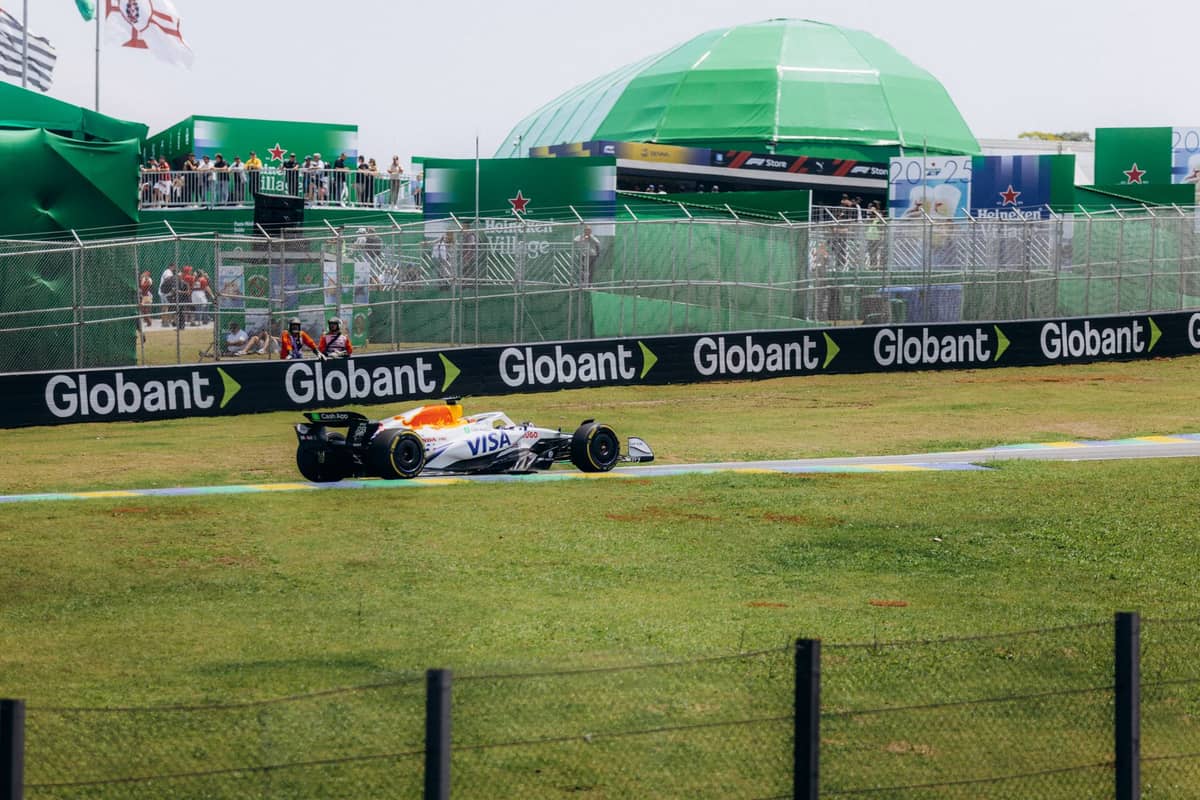
Autumn is arguably Melbourne's most event-dense period. The Formula 1 Australian Grand Prix returns to Albert Park in March, typically across four days in mid-month. The circuit wraps around Albert Park Lake, and general admission tickets allow access to the infield and multiple viewing points rather than fixed grandstand seats. The atmosphere on the Friday practice day is notably more relaxed and cheaper than race day, which is worth knowing if the racing itself matters less to you than the event experience.
The Melbourne International Comedy Festival runs for around a month between late March and late April, with hundreds of shows across dozens of venues in the CBD and inner suburbs. It's one of the three largest comedy festivals in the world. Most shows are ticketed individually and range from free or low-cost at pub venues to $40 and above for headline acts. The Melbourne Food and Wine Festival also falls in autumn, typically March, and includes events ranging from restaurant collaborations to large-scale public tastings. For context on the food culture these festivals tap into, our guide to what to eat in Melbourne covers the city's dining landscape in detail.
- Australian Grand Prix (March) Albert Park Lake circuit, typically mid-March across four days. General admission available. Accommodation books out fast.
- Melbourne International Comedy Festival (March–April) Four weeks, hundreds of shows, CBD and inner suburbs. Free events at smaller venues worth seeking out.
- Melbourne Food and Wine Festival (March) Multi-venue event with ticketed dinners, masterclasses, and free public events. Check the official program for free sessions.
- Anzac Day (25 April) National day of remembrance with the Melbourne Shrine dawn service drawing very large crowds. Public holiday with altered transport schedules.
Winter Events: June to August
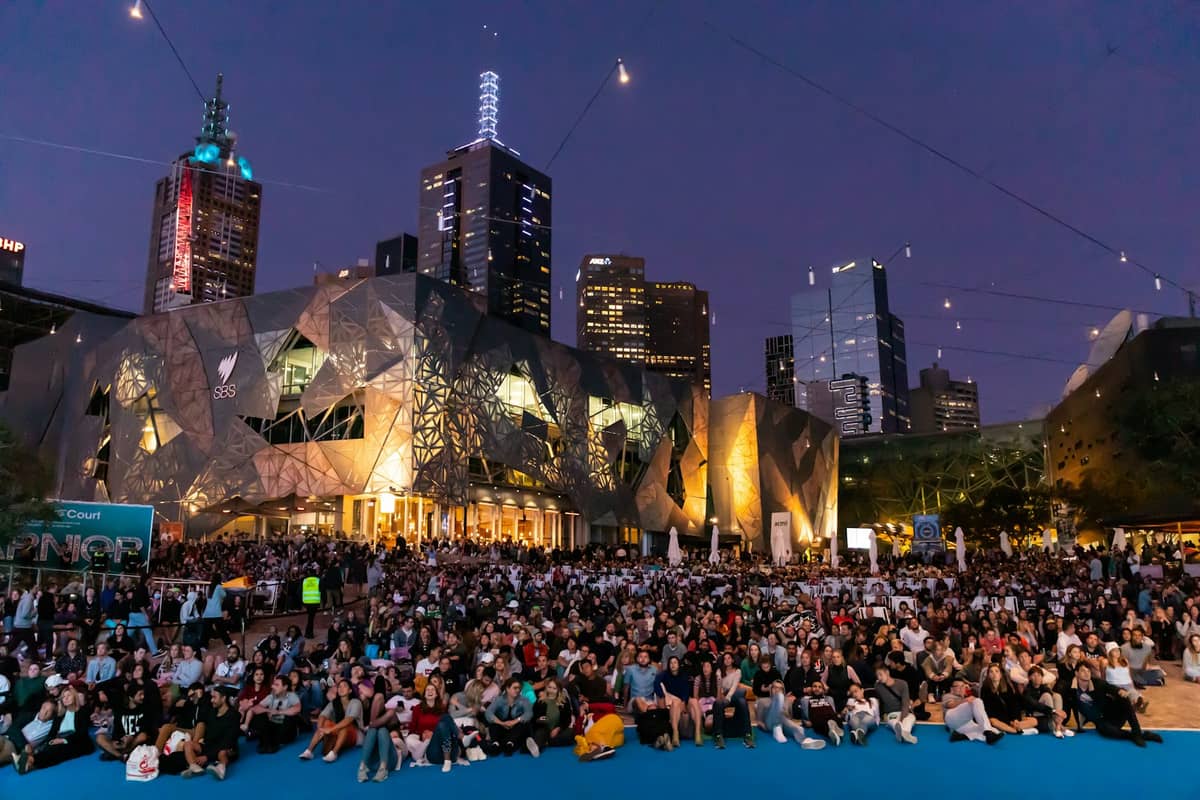
Winter in Melbourne (June to August) averages 7 to 14°C — cold by Australian standards but mild compared to northern hemisphere winters. The event calendar doesn't stop. The Melbourne International Film Festival (MIFF) typically runs in August, screening international and Australian films across CBD cinemas. It's a genuine festival for film enthusiasts rather than a tourist-facing event, with industry panels, retrospectives, and Australian premieres alongside public screenings.
State of Origin rugby league matches occasionally fall in winter months, and AFL football dominates the winter sports calendar from March through September, with matches at the Melbourne Cricket Ground and Marvel Stadium most weekends. If you want to watch a match, this is the window to do it. Tickets for regular-season AFL games are generally available without much advance planning, though finals (September) require earlier booking. Our guide to watching sport in Melbourne covers the full picture.
✨ Pro tip
The Queen Victoria Market runs its popular Night Market series on Wednesday evenings from November through March, but in winter (June to August) it shifts to its Winter Night Market format, typically running for a limited number of Wednesdays. Check the official Queen Victoria Market website for the current season's schedule before making it part of your plans.
Spring Events: September to November
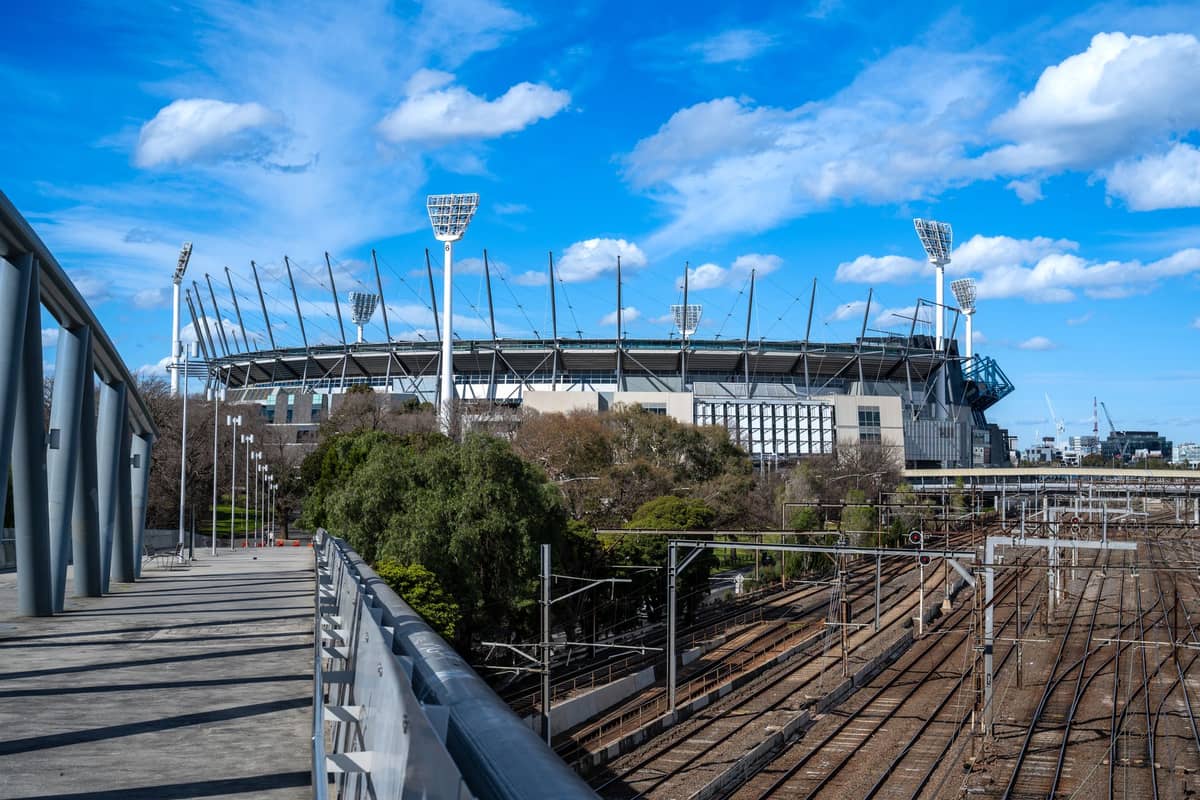
Spring is the season Melbourne treats like a second summer, and the events calendar reflects that. The AFL Grand Final, held at the MCG on the last Saturday of September, is probably the single largest sporting event in Australian rules football and draws a crowd close to the MCG's roughly 100,000 capacity. Tickets are allocated through club memberships and official processes, so plan accordingly. The Grand Final parade and associated events earlier in the week are free to attend and worth experiencing if you're in the city.
The Melbourne Royal Show typically runs across approximately 11 days in late September and early October at Melbourne Showgrounds in Flemington. It's an agricultural show at its core, with livestock competitions, woodchopping, carnival rides, and food stalls, and it draws families in large numbers. Check the official program for confirmed 2026 dates. The Melbourne Cup Carnival follows in early November, with the Cup itself on the first Tuesday of November at Flemington. It's a public holiday in metropolitan Melbourne, which affects transport, opening hours, and city atmosphere significantly.
The Melbourne International Jazz Festival typically runs in October across multiple city venues. In 2026, it's scheduled for 16 to 25 October. Unlike some festival formats, this one is genuinely city-wide rather than anchored to a single precinct, with performances in theatres, bars, and outdoor spaces. Entry prices vary by event, with some free or low-cost performances mixed in with ticketed concerts. Spring weather is notably variable, so don't assume warm sunshine for outdoor events.
- AFL Grand Final (Late September) MCG, ~100,000 capacity. Tickets via club membership and ballot only. Grand Final parade earlier in the week is free.
- Melbourne Royal Show (Late September–Early October) Melbourne Showgrounds, Flemington. 2026 dates: 24 September–4 October. Family-oriented agricultural show.
- Melbourne International Jazz Festival (October) City-wide, multiple venues. 2026 dates: 16–25 October. Mix of free and ticketed events.
- Melbourne Cup Carnival (October–November) Flemington Racecourse. The Cup runs first Tuesday of November, a public holiday in metropolitan Melbourne.
- Melbourne Music Week (November) Multi-venue music festival typically running across one week in November. Mix of local and international acts.
Practical Planning: What You Need to Know Before You Go
The most reliable source for current dates and programs is the official What's On Melbourne listings at whatson.melbourne.vic.gov.au. Dates, venues, and lineups shift from year to year, and some events that ran in previous years take a hiatus or move. If you're planning travel specifically around an event, confirm on the official listing, then book accommodation. For general trip planning without a specific event, our best time to visit Melbourne guide covers seasonal trade-offs in more detail.
Transport during major events requires separate thought. The Free Tram Zone covers the CBD and Docklands but does not extend to Flemington, Richmond, or Albert Park. You'll need a Myki card for trains and trams outside the free zone. Event-specific train services often run to Melbourne Park (Australian Open) and Flemington (Melbourne Cup), but the return journey after finals or Cup day involves very long queues. Budget extra time or consider walking if you're staying close enough to the venue.
Accommodation prices spike hard around the Australian Open, Grand Prix, AFL Grand Final, and Melbourne Cup. The inner suburbs of Fitzroy and Carlton offer good access to public transport and tend to price slightly lower than CBD hotels during event periods. If you're flexible on dates, arriving a day or two before a major event and leaving a day after usually gives you better accommodation rates and a less chaotic experience.
💡 Local tip
Many of Melbourne's most worthwhile cultural events — including parts of the Comedy Festival, Jazz Festival, and Moomba in March — include free programming. Don't assume you need to spend heavily to experience the city's event culture. The official What's On Melbourne website filters events by free entry, which is worth checking before you buy anything.
FAQ
What major events are on in Melbourne in 2026?
The Melbourne International Jazz Festival is scheduled for 16–25 October 2026, city-wide. Check official event websites for confirmed dates for the Melbourne Royal Show, Australian Open, Formula 1 Australian Grand Prix, AFL Grand Final, and Melbourne Cup Carnival.
When is the Melbourne event calendar busiest?
Autumn (March–May) and spring (September–November) are the most event-dense periods. January is busy with the Australian Open. Winter (June–August) is quieter for major events but still has AFL football and MIFF. No month is entirely event-free.
How do I get to Melbourne events using public transport?
Trams are free within the CBD Free Tram Zone. For venues outside the zone — including Flemington Racecourse, Melbourne Park, and Albert Park — you need a Myki card loaded with credit. PTV often runs additional event services on major event days. Check the PTV website (ptv.vic.gov.au) for event-day travel advice.
Do Melbourne events sell out in advance?
Major sporting events like the AFL Grand Final and Melbourne Cup marquee races sell out far in advance and have restricted ticketing processes. The Australian Open and Formula 1 Grand Prix sell out popular sessions but usually have some availability into the event period. Arts festivals like the Comedy Festival and Jazz Festival have many shows with good availability close to dates, though headline acts book quickly.
Is Melbourne's event calendar only for sports fans?
Not at all. Melbourne runs substantial programs in arts, film, food, music, and comedy throughout the year. The Melbourne International Film Festival (August), Melbourne International Comedy Festival (March–April), Melbourne Food and Wine Festival (March), and Melbourne Music Week (November) all cater to non-sports visitors. Many events include free programming.
Tickets & tours
Live prices and dates from our booking partner. If you book, we may earn a commission at no extra cost to you.
Planning a trip? Discover personalized activities with the Nomado app.