Australian Open: The Complete Visitor's Guide
The Australian Open is one of the four Grand Slam tennis tournaments and the biggest annual sporting event in Melbourne. This guide covers tickets, getting to Melbourne Park, navigating the grounds, and how to make the most of your visit whether you're going for a single session or the full fortnight.

Tickets & tours
Live prices and dates from our booking partner. If you book, we may earn a commission at no extra cost to you.
TL;DR
- The 2027 Australian Open runs 11–31 January at Melbourne Park, with Opening Week (11–16 January) offering the best value for casual fans.
- Ground Passes start at A$49 under early-bird pricing (through 30 November 2026) and give access to outdoor courts and general areas, but not reserved show-court seats. Buy tickets through Ticketmaster via the official AO site to avoid scalper markups.
- Melbourne Park is roughly a 10-minute walk from the CBD. Tram 70, Richmond station, and Jolimont station all serve the precinct.
- Summer heat is a real factor: outdoor sessions during the first week can mean hours of direct sun exposure. Check the day's schedule and pack accordingly.
- For the full Melbourne context, including where to stay and what to do around the tournament, see the best time to visit Melbourne guide.
What the Australian Open Actually Is
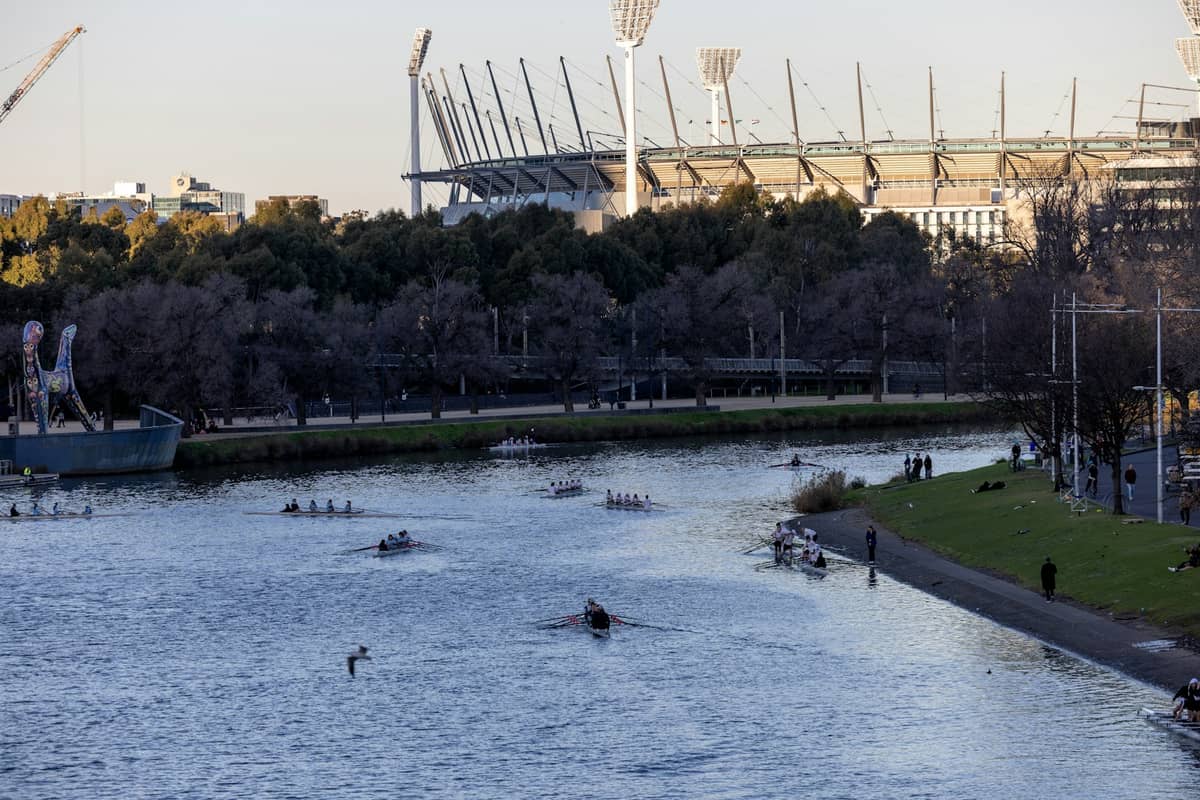
The Australian Open is one of tennis's four Grand Slam tournaments, held annually in January at Melbourne Park in the inner suburb of Richmond. It is the first Grand Slam of the calendar year and consistently ranks as one of the highest-attended tennis events on the planet, drawing around 800,000 to 1 million visitors across its two-week run. For Melbourne, it functions as the city's de facto summer centrepiece: restaurants book out weeks in advance, hotel rates spike across the CBD and inner suburbs, and the city's sports-obsessed culture shifts entirely toward tennis for a fortnight.
Melbourne Park is purpose-built for the event, with three major show courts (Rod Laver Arena, Margaret Court Arena, and John Cain Arena) plus dozens of outdoor courts. Rod Laver Arena is a fully enclosed, retractable-roof venue that can seat around 15,000 spectators. If you've never visited, the scale of the precinct surprises most first-timers: it's more like a small city block than a stadium. It sits on the south bank of the Yarra River, adjacent to Melbourne Cricket Ground and the broader sports and entertainment precinct that makes this corner of Melbourne one of the densest concentrations of major venues in Australia.
ℹ️ Good to know
The Australian Open is governed by Tennis Australia. The official ticketing partner is Ticketmaster. Any third-party resale site should be treated with caution: counterfeit and invalid tickets do circulate, and entry is scanned at the gate.
Tickets: What You're Actually Buying
Understanding the ticket structure before you buy prevents the most common visitor frustration. There are two fundamentally different products: Ground Passes and session tickets for show courts.
- Ground Pass Gives access to the Melbourne Park precinct, all outdoor courts, and general areas like food precincts and fan zones. It does NOT guarantee a seat on Rod Laver Arena, Margaret Court Arena, or John Cain Arena. Early-bird pricing for 2027 starts at A$49 through 30 November 2026; prices rise as the tournament approaches and popular days sell out early.
- Show Court Session Ticket A reserved seat for a specific session on Rod Laver Arena, Margaret Court Arena, or John Cain Arena. These are session-specific (day or night) and assigned to a particular seat. Night sessions on Rod Laver Arena during the second week, when top-ranked players compete, are the hardest to get and carry the highest prices.
- Opening Week The first six days (11–16 January 2027) are the most accessible part of the tournament for price and availability. The full 128-player draw is in action, upsets are common, and you can watch multiple matches across outdoor courts on a single Ground Pass.
⚠️ What to skip
A Ground Pass gets you into the precinct but not into a reserved seat on any show court. If you want to watch a specific match on Rod Laver Arena, you need a session ticket for that court. This is the single most common source of visitor confusion at the Australian Open.
For most first-time visitors, a Ground Pass during Opening Week delivers excellent value. You'll walk between outdoor courts, catch world-ranked players in the early rounds at close range, and soak up the atmosphere without needing a reserved seat. If you have specific players you want to see in later rounds, buy session tickets in advance: waiting lists and day-of availability at the gate are unreliable for popular draws.
Getting to Melbourne Park
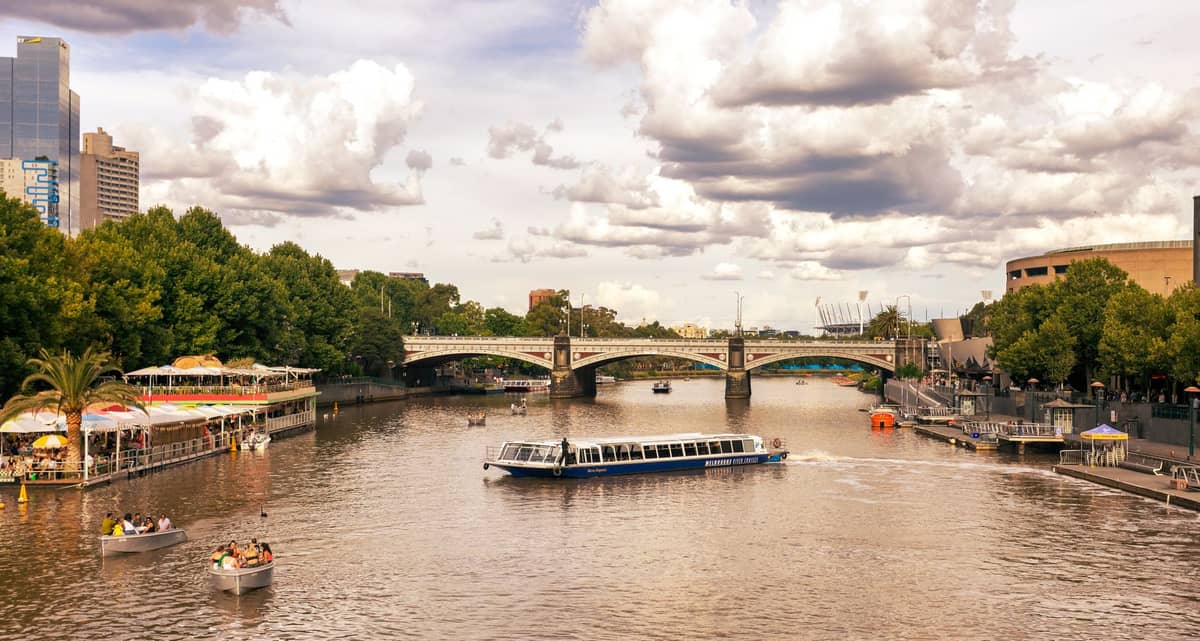
Melbourne Park sits roughly a 10-minute walk east of the CBD, just south of the Yarra River. The easiest walking route from the city is along Batman Avenue from Federation Square. If you're not up for walking, tram route 70 stops directly at the precinct (alight at stop 11, Melbourne Park/MCG). The 70 runs along Flinders Street and is free within the Free Tram Zone, but Melbourne Park itself is outside that zone: check current PTV fares before boarding.
- Train: Jolimont or Richmond Both stations are a short walk from the precinct. Jolimont is on the Hurstbridge and Mernda lines via the City Loop; Richmond is a major interchange for multiple lines. During peak tournament times, trains are frequent and the walk is straightforward.
- Tram: Route 70 Runs east along Flinders Street and down Wellington Parade. Stop 11 (Melbourne Park/MCG) is the closest. Expect crowded trams after evening sessions: allow extra time or walk to the CBD instead.
- Driving and parking Parking is available at Eastern Plaza Car Park and nearby facilities. Pre-booking is strongly recommended, especially for weekend sessions. Traffic around the precinct during peak times is heavy: allow 30-60 minutes of buffer on busy days.
- Rideshare Uber and other services operate pickup/dropoff zones near the precinct. Surge pricing is standard during session start and finish times. Agree on your pickup point with your driver before the ride, as the area has multiple zones.
💡 Local tip
Do not assume public transport is free during the Australian Open. While the Victorian Government has historically provided additional services for AO patrons, any fare concession arrangements are date-specific and subject to change. Check the current PTV and official AO information before your visit.
Navigating the Precinct: Courts, Food, and Fan Zones
First-timers often underestimate the size of Melbourne Park. The precinct stretches across multiple connected areas, and you can easily spend a full day moving between courts without retracing steps. The main entrance on Batman Avenue leads into the Garden Square, the central hub connecting the three show court venues. From here, signage directs you to the outdoor courts, which are spread across the northern and southern halves of the complex.
Food and beverage options at the Australian Open have improved substantially in recent years. The Garden Square area contains a range of food stalls and pop-ups, and the Australian Open has increasingly featured local Melbourne restaurateurs and producers. Expect to pay premium prices: a meal at the precinct will cost noticeably more than equivalent food elsewhere in Melbourne. If budget is a consideration, eat before you arrive or bring permitted snacks. Check the current food policy on the official site, as restrictions on outside food and drink can change year to year.
Beyond the courts and food areas, the precinct includes fan activations, practice courts (worth watching if you want to see players up close without session ticket pressure), and the AO Shop for merchandise. Practice sessions are generally free with a Ground Pass, though scheduling varies and popular players attract crowds quickly. For a sense of the precinct's surroundings, the walk along the Yarra River toward the CBD takes about 15 minutes and passes through Birrarung Marr, which makes a pleasant cooldown after a long day in the sun.
Dealing With Melbourne's Summer Heat
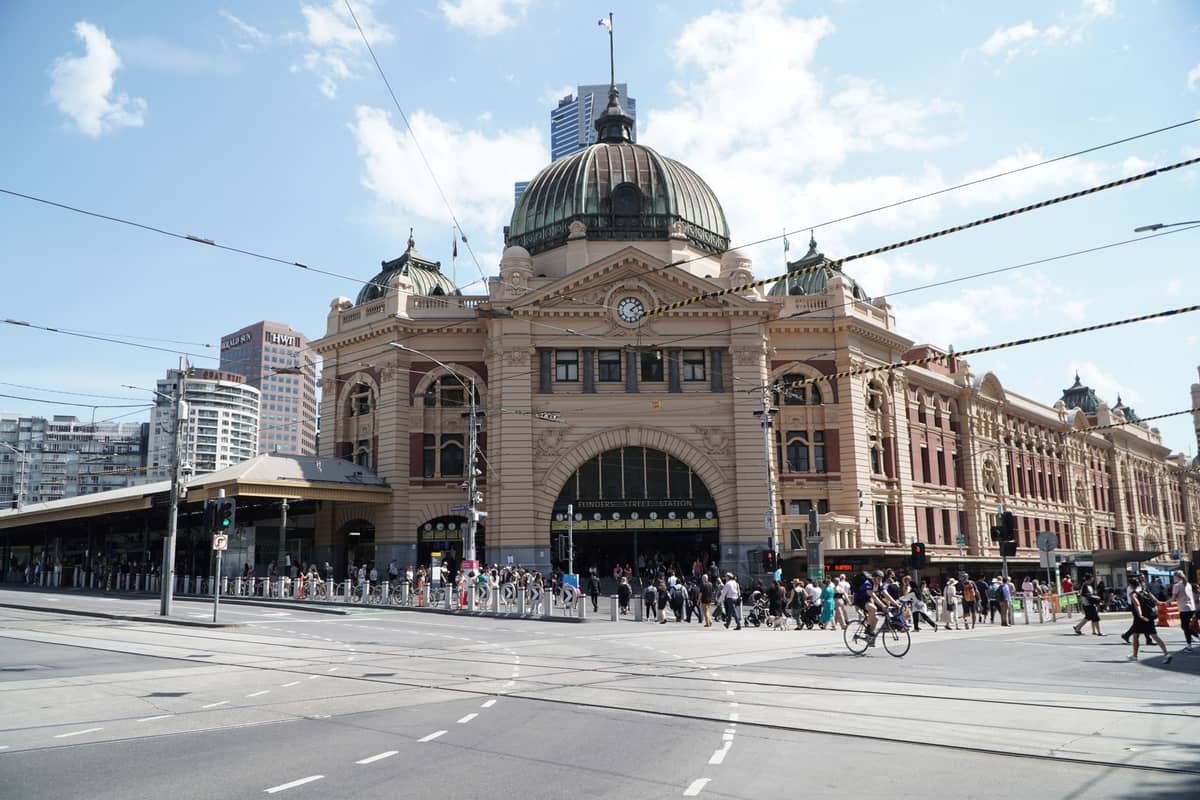
The Australian Open is played in Melbourne's summer, which runs roughly from December through February. Average summer maximum temperatures sit around 25°C, but Melbourne's weather is famously changeable: heatwave conditions with temperatures above 38°C are not unusual during January, and in severe cases the tournament operates an Extreme Heat Policy that suspends outdoor court play and closes the roof on Rod Laver Arena. This isn't an edge-case scenario: it affects at least some days in most tournament years.
If you're on a Ground Pass and attending during a hot stretch, the experience shifts significantly. Outdoor court sessions become physically demanding without shade, crowds compress into shaded areas, and some spectators leave earlier than planned. Evening sessions (typically starting around 7 PM) are substantially more comfortable and worth considering if you're sensitive to heat. Night sessions on Rod Laver Arena have their own charged atmosphere as the temperature drops and the floodlights take over.
- Bring a hat and apply sunscreen before entering: there are limited shaded stands on outdoor courts
- Carry a refillable water bottle; free drinking water is available throughout the precinct
- Plan an indoor break mid-afternoon during hot days: John Cain Arena has air-conditioned viewing areas
- Check the Bureau of Meteorology forecast the morning of your visit and adjust your session timing if extreme heat is expected
- Light, breathable clothing is essential: Melbourne's humidity is generally lower than Sydney's, but direct sun exposure at 35°C is still draining
Building Your Visit Around the Australian Open
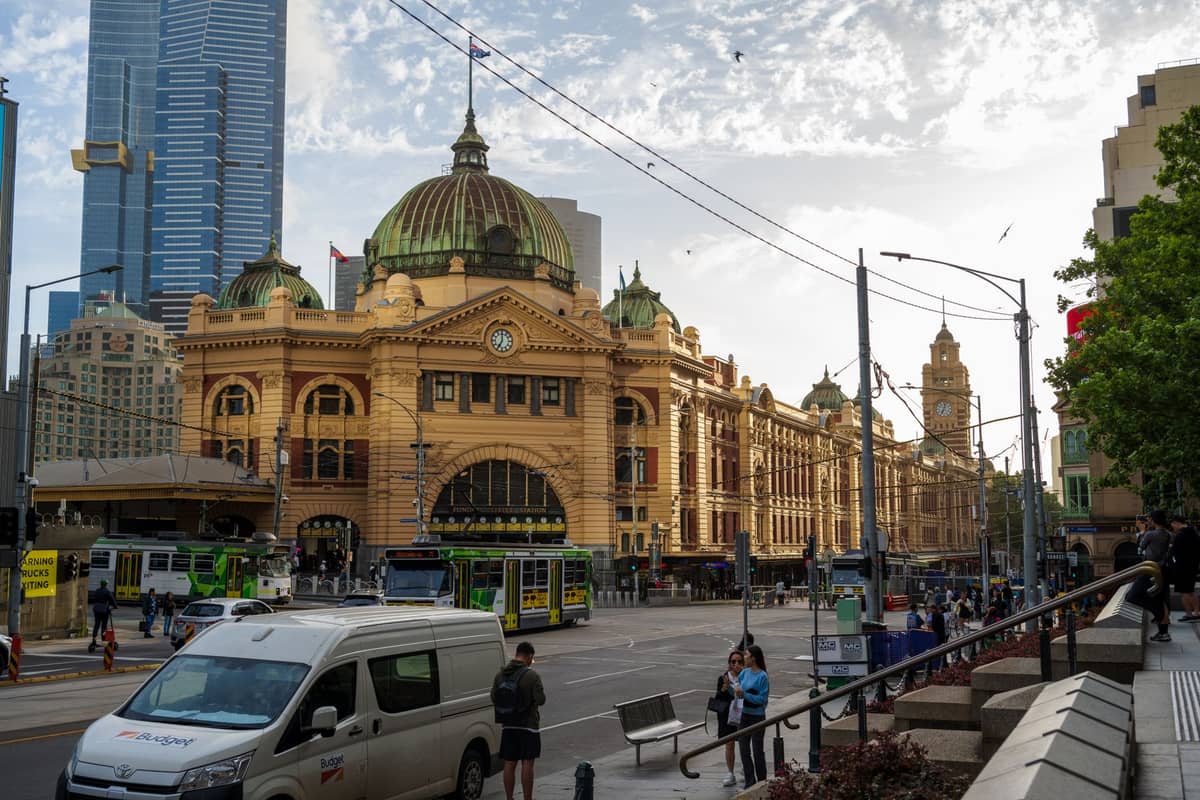
The tournament runs for three weeks, and Melbourne's tourist infrastructure scales up substantially around it. Hotels in the CBD and inner suburbs book out fast: if you're planning to attend, confirm accommodation as early as possible. For broader guidance on the city, the where to stay in Melbourne guide breaks down the main neighbourhoods and their proximity to Melbourne Park.
If you're visiting specifically for the Australian Open but want to fill the days you're not in the precinct, Melbourne has strong options nearby. Southbank is a 20-minute walk from Melbourne Park and has the NGV International, the Arts Centre, and a riverside dining strip. Fitzroy is about 15 minutes by tram and gives a clearer picture of Melbourne's café culture and independent retail scene. For those with more time, the day trips from Melbourne guide covers accessible options within a couple of hours' drive.
Restaurant reservations around AO fortnight are worth making weeks in advance, particularly for dinner. Popular spots in the CBD, South Yarra, and Richmond fill quickly once the draw is announced. If you're on a tighter budget, the Melbourne food scene extends well beyond the precinct and the tourist-heavy Southbank strip. The Queen Victoria Market (Tuesday and Thursday to Sunday; closed Wednesday) runs through January and offers a practical alternative for a cheap, good breakfast before heading to the tennis.
✨ Pro tip
Opening Week is the strategic choice for value and variety. You'll see more tennis, pay less for tickets, and avoid the compressed crowds of the second week when only the later rounds remain. The atmosphere during the final days is electric, but tickets are expensive and the number of matches is small. First-timers consistently rate Opening Week as the better overall experience.
FAQ
Do I need a visa to attend the Australian Open in Melbourne?
Entry to Australia depends on your passport nationality and purpose of travel. Most visitors require either an Electronic Travel Authority (ETA), an eVisitor, or another visa class. Australia does not operate a general visa-free entry policy for all nationalities. Check the Australian Government's visa finder at immi.homeaffairs.gov.au before booking travel.
Can I watch Australian Open matches for free?
There is no free general admission to Melbourne Park during the Australian Open. Ground Passes start at A$49 under early-bird pricing for 2027, with prices rising as the tournament approaches. Some public outdoor viewing areas in Melbourne's CBD show broadcast coverage during the event, but on-site access requires a ticket.
What is the best day to attend the Australian Open as a first-timer?
The first three to five days of the main draw offer the best combination of match volume and ticket availability. You can move between outdoor courts freely on a Ground Pass, and the precinct is busy without the extreme compression of the later rounds. Avoid weekend days during the first week if crowds are a concern: weekday sessions are noticeably more relaxed. Avoid weekend days during the first week if crowds are a concern: weekday sessions are noticeably more relaxed.
What happens if it's too hot during outdoor play?
Tennis Australia operates an Extreme Heat Policy during the Australian Open. When conditions exceed defined thresholds, outdoor court play may be suspended and the roofs on Rod Laver Arena and Margaret Court Arena are closed. This policy is applied by tournament officials on the day. Always check the official AO site and the Bureau of Meteorology forecast before attending an outdoor session in January.
How far is Melbourne Park from the CBD and how should I get there?
Melbourne Park is approximately a 10-minute walk from the eastern edge of the CBD. Walking from Federation Square along Batman Avenue is the simplest option. Alternatively, tram route 70 stops at the precinct entrance, and both Richmond and Jolimont train stations are a short walk away. Driving is possible but parking must be pre-booked and traffic builds significantly around session start and end times.
Tickets & tours
Live prices and dates from our booking partner. If you book, we may earn a commission at no extra cost to you.
Planning a trip? Discover personalized activities with the Nomado app.