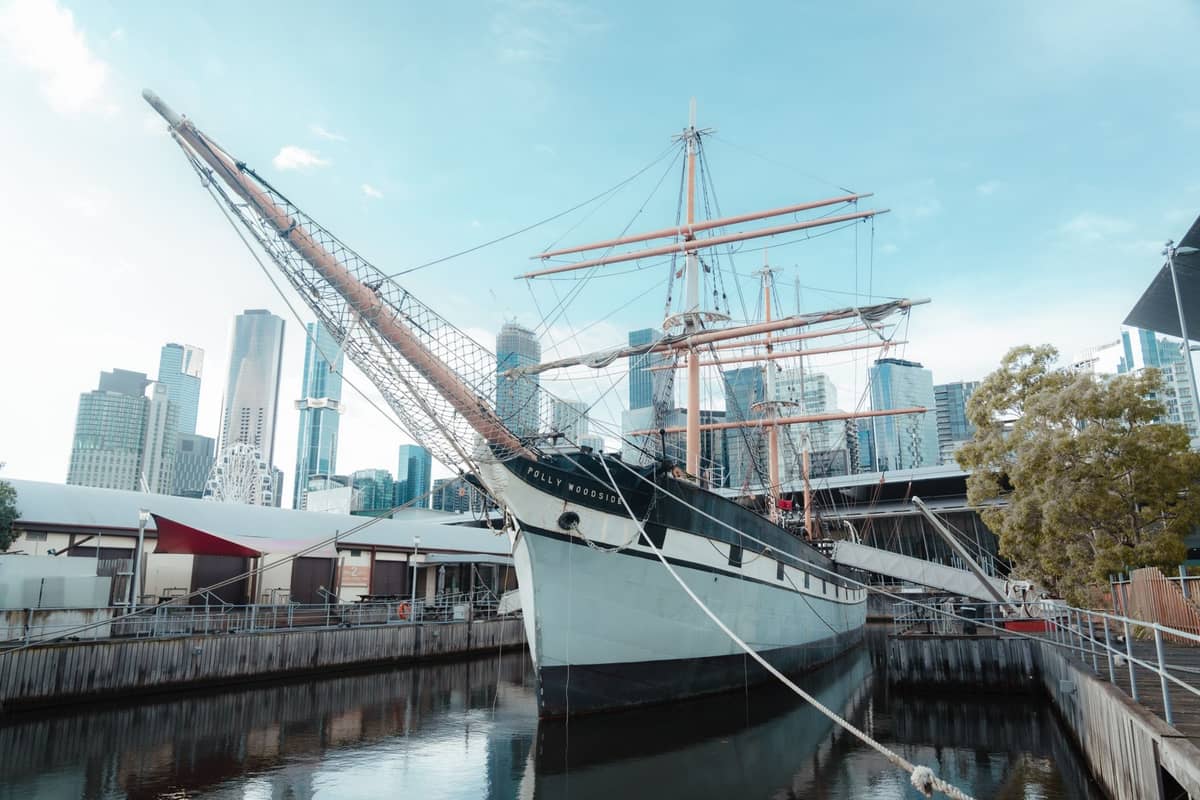
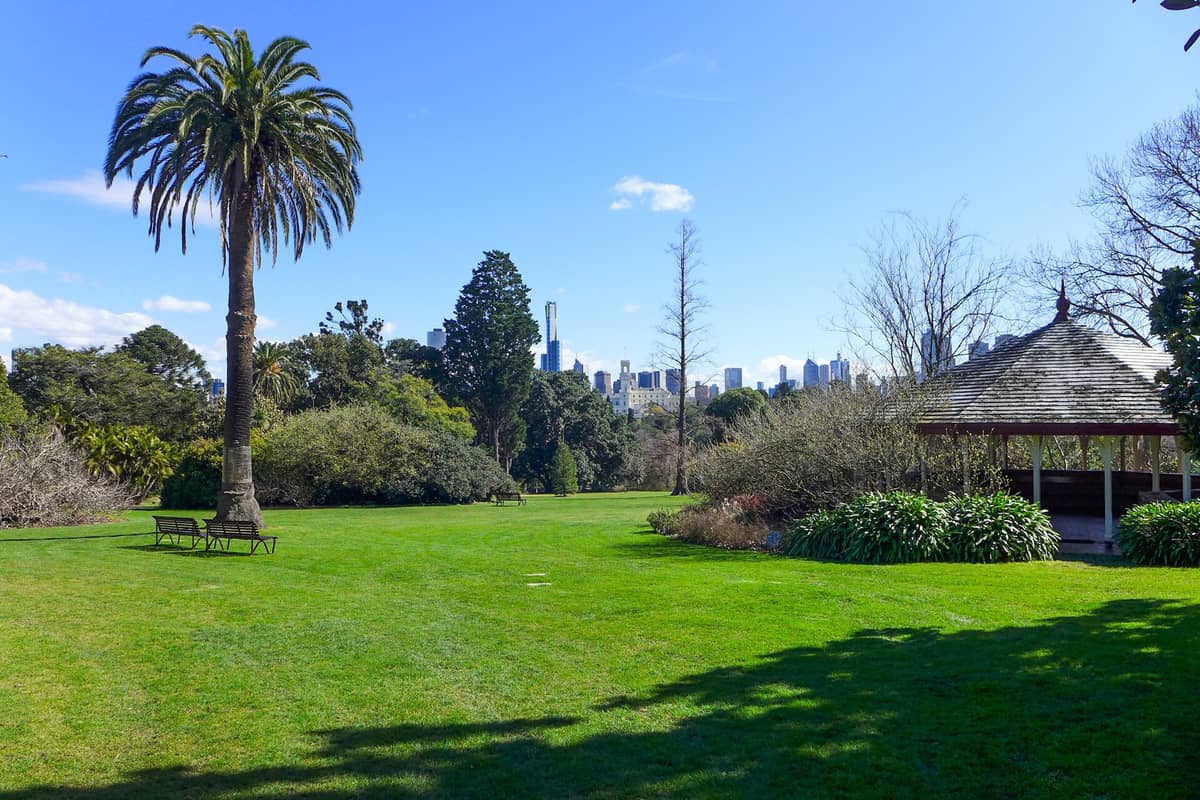
Southbank is Melbourne's riverside cultural and entertainment precinct, stretching along the south bank of the Yarra River opposite the CBD. Home to the National Gallery of Victoria, Arts Centre Melbourne, and a dense strip of restaurants and bars on Southgate, it draws a mix of arts audiences, hotel guests, and visitors crossing from the city centre on foot. The precinct is polished and purposeful, built more for experiences than for wandering.
Southbank sits directly across the Yarra River from Melbourne's CBD, a compact precinct that packs Australia's most-visited art gallery, a world-class performing arts complex, a casino, and a kilometre of riverside dining into a single walkable strip. It is not a neighbourhood in the organic, street-evolved sense of nearby Fitzroy or Carlton, but as a destination for a specific kind of Melbourne day or evening, it is hard to beat.
Orientation
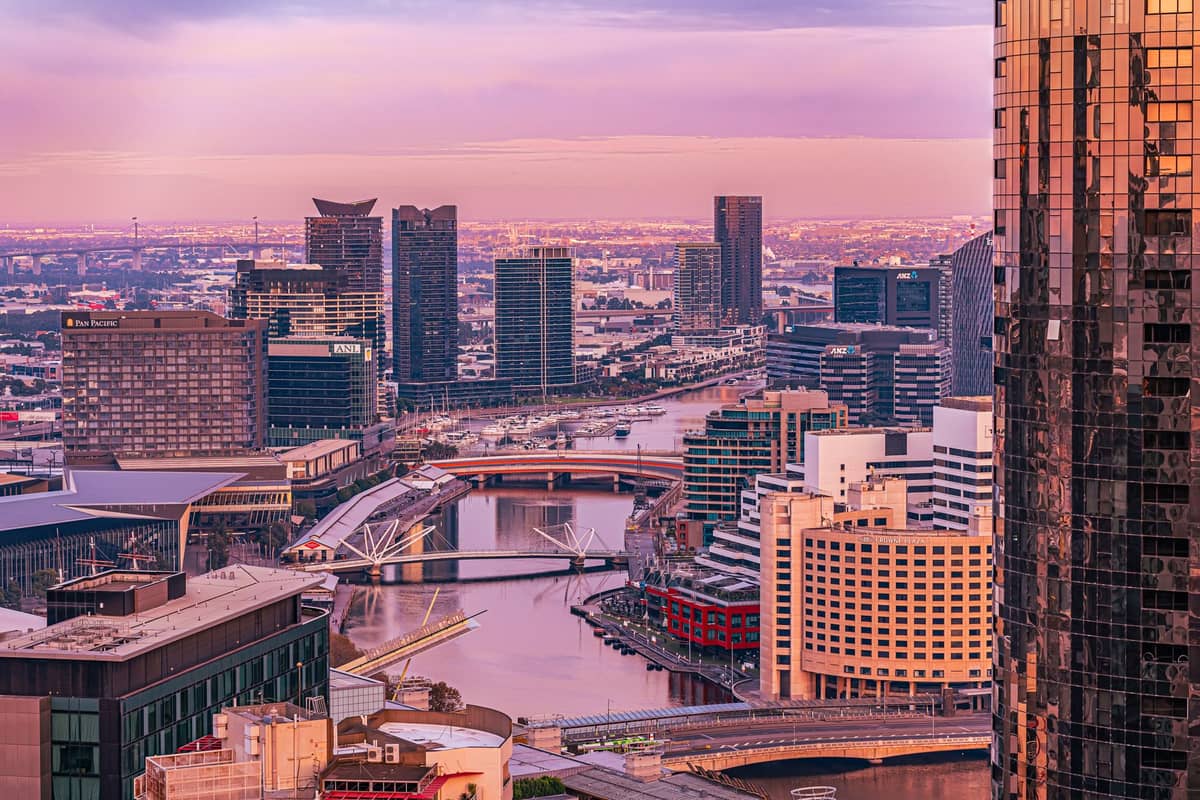
Southbank occupies the south bank of the Yarra River, directly facing Melbourne's CBD across the water. Its northern edge is the river itself, with pedestrian bridges connecting to Flinders Street and the central city. The suburb is bounded to the east by St Kilda Road, and its southern and western edges follow Dorcas Street, Kings Way, Market Street, Ferrars Street, and the West Gate Freeway corridor. The result is a relatively small, rectangular precinct that is almost entirely walkable from end to end in under twenty minutes.
Within that rectangle, the precinct splits into two distinct zones. The eastern half, anchored by St Kilda Road, is the Arts Precinct: the National Gallery of Victoria, Arts Centre Melbourne, Hamer Hall, and the Melbourne Recital Centre cluster here around a streetscape of tram lines and broad pavements. The western half runs toward Crown Entertainment Complex, where the casino, hotels, restaurants, and the Melbourne Convention and Exhibition Centre concentrate. Southbank Promenade stitches both sides together along the river's edge.
Southbank shares no land border with the CBD, but the Princes Bridge and several footbridges make the connection feel seamless. Walk ten minutes north and you are at Flinders Street Station and Federation Square. Walk south along St Kilda Road and you reach the Royal Botanic Gardens and the inner suburbs of South Yarra. To the west, Docklands begins beyond the freeway overpass. Understanding these connections matters: Southbank is most useful as a base when you plan to spend time in both the CBD and the arts end of St Kilda Road.
Character & Atmosphere
Southbank was largely industrial until the 1980s and 1990s, when the Southgate development and subsequent high-rise construction transformed the riverside into what you see today. That relatively recent, planned origin explains much of its character. The streets are wide and legible, the architecture ranges from the elegantly civic to the blankly corporate, and the street-level experience is shaped more by venue operators than by decades of organic neighbourhood growth.
In the morning, the promenade is pleasant and almost calm. Joggers and cyclists move along the river path, the light on the Yarra is flat and silver, and the coffee queues outside the arts centre cafes are manageable. On weekday mornings the area around Sturt Street and Kavanagh Street, away from the waterfront, feels like a proper residential neighbourhood: people walking dogs, quiet apartment lobbies, the occasional delivery truck.
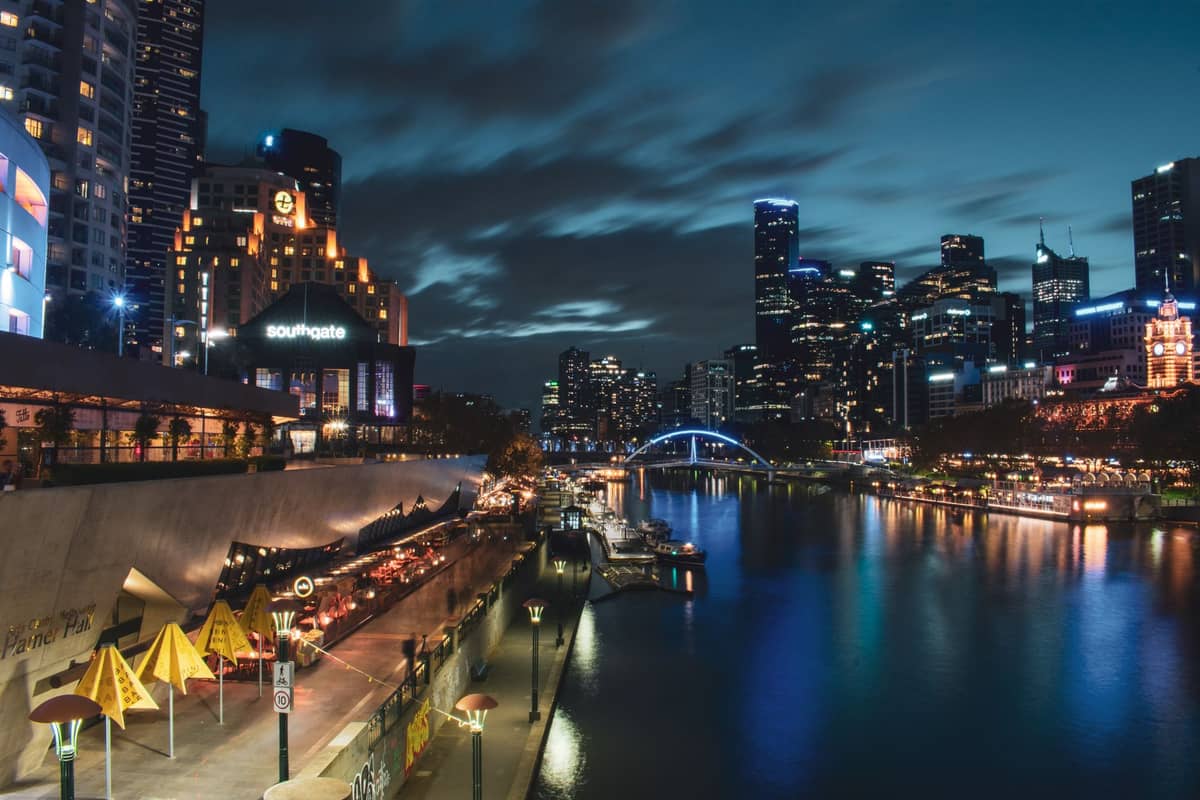
By midday the promenade fills with office workers from the nearby towers, tourists crossing from the CBD, and school groups heading into the NGV. The Southgate complex becomes busy, the views of the CBD skyline across the water draw a constant stream of photographers, and the outdoor seating at the river-level restaurants fills quickly. The atmosphere is animated but not chaotic, and the broad promenade handles the crowds reasonably well.
After dark, Southbank bifurcates sharply. On nights when Hamer Hall or Arts Centre Melbourne has a major performance, the St Kilda Road end is full of concert-goers in smart-casual dress, the foyer bars are busy, and the whole precinct carries a slightly formal, occasion-feeling energy. Meanwhile, the Crown end runs to a different rhythm: the casino operates around the clock, the bars and restaurants outside it stay loud late into the night, and the clientele skews younger and more varied. The two atmospheres coexist without quite meeting.
ℹ️ Good to know
Southbank is not a place where locals hang out for no reason. Most people here are attending something specific: a gallery visit, a concert, a dinner reservation, a show. If you want the kind of aimless-afternoon neighbourhood energy that Melbourne does so well, the nearby CBD laneways or Fitzroy will serve you better.
What to See & Do
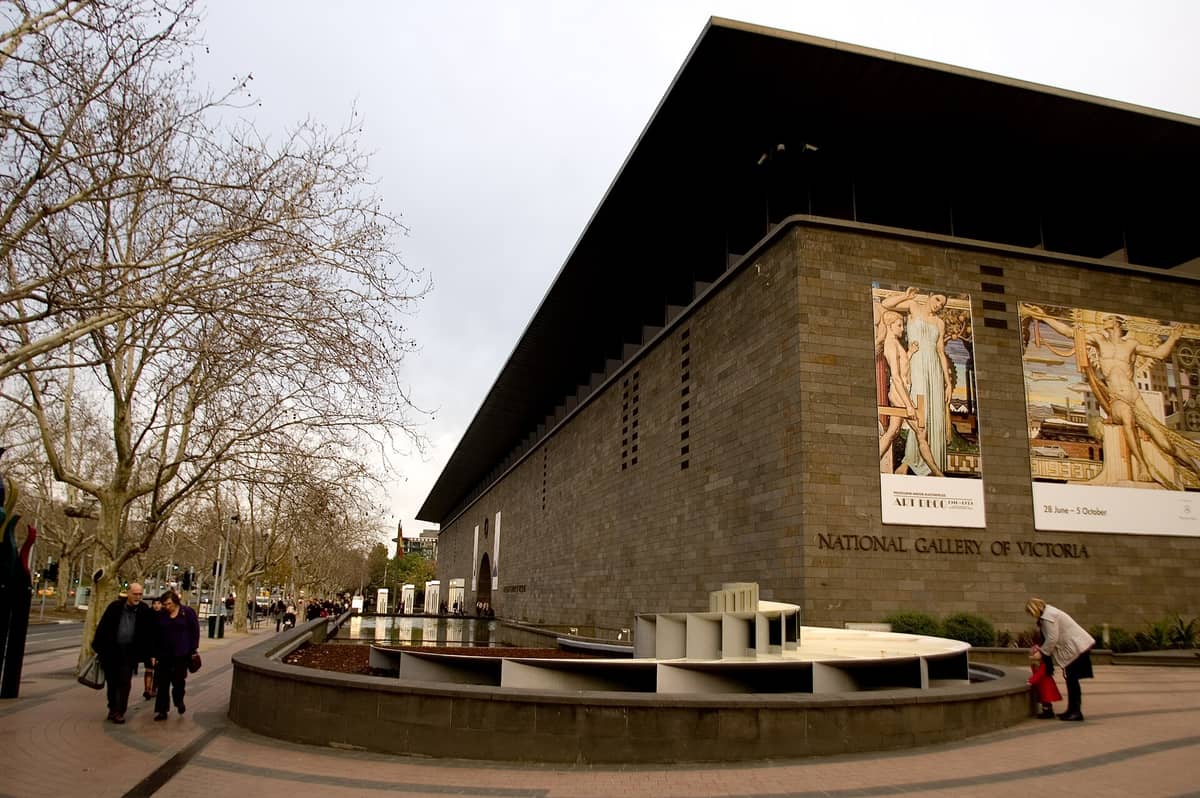
The NGV International on St Kilda Road is the centrepiece of the Arts Precinct and, by visitor numbers, the most-attended art museum in Australia. The permanent collection spans ancient Egyptian artefacts through to twentieth-century design, and the blockbuster temporary exhibitions, which typically run for several months, are major events in Melbourne's cultural calendar. Entry to the permanent collection is free; major exhibitions charge a separate admission. The building itself, designed by Roy Grounds and opened in 1968, is worth noting: the water wall at the entrance and the Great Hall stained-glass ceiling are architectural signatures.
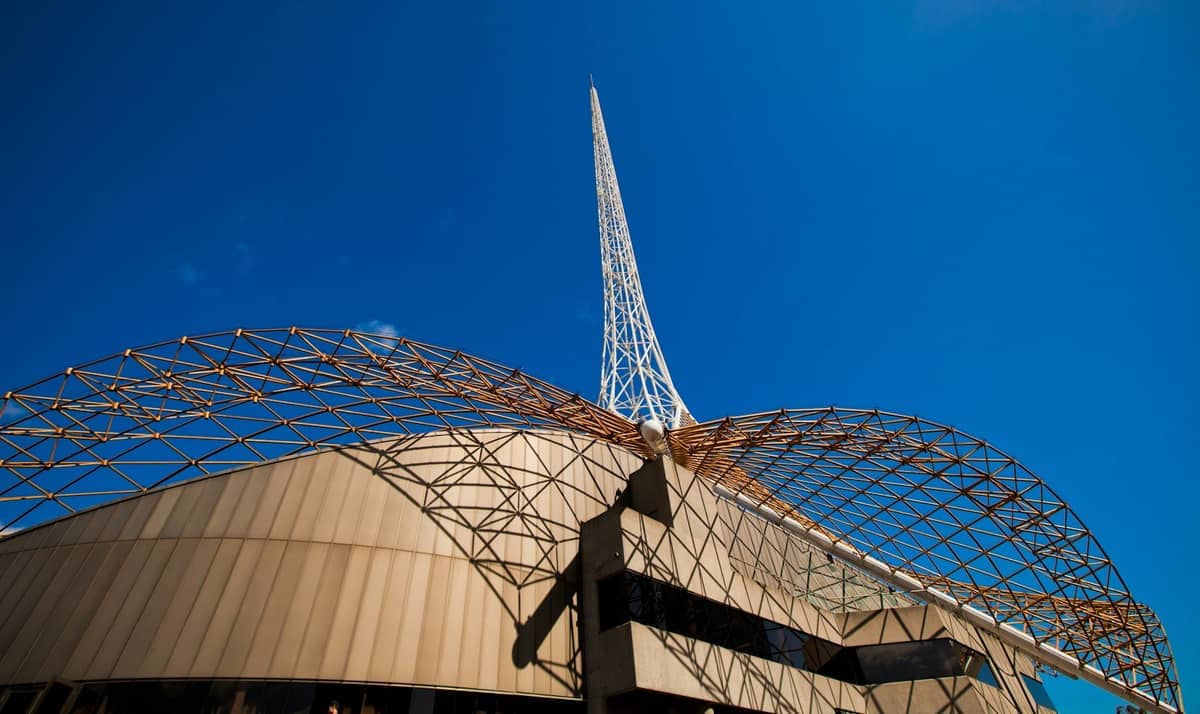
Arts Centre Melbourne sits adjacent, its spire a reliable landmark visible from across the river. The complex houses multiple performance venues, including the State Theatre, the Playhouse, and the Fairfax Studio, covering opera, theatre, ballet, and smaller experimental performances. Hamer Hall, directly connected to the complex and facing the river, is the home of the Melbourne Symphony Orchestra and hosts international touring acts. The Melbourne Recital Centre, a short walk along Southbank Boulevard, focuses on chamber and contemporary music in an acoustically excellent hall.
The Eureka Skydeck occupies the 88th floor of the Eureka Tower on Riverside Quay, offering a 360-degree view over Melbourne that is particularly striking in the late afternoon when the light shifts across the CBD grid. The optional 'Edge' experience, a glass cube that slides out from the building, is worth knowing about if you are travelling with children or first-time visitors to the city.
Southbank Promenade itself is the connective experience. Walking the full length from Princes Bridge to the casino, with the river on one side and the restaurants and bars stepping down to the water on the other, takes about fifteen minutes at a relaxed pace. The views of the CBD are consistent and unobstructed. Street performers, buskers, and weekend markets occasionally appear along the central sections. The promenade also connects into the broader Yarra trail network, which extends east toward Richmond and west toward Docklands.
NGV International: free permanent collection, major paid exhibitions, open daily
Arts Centre Melbourne: check the program online before visiting, performances most evenings
Hamer Hall: home to the Melbourne Symphony Orchestra, excellent acoustics
Melbourne Recital Centre: specialist chamber and contemporary music venue on Southbank Boulevard
Eureka Skydeck: best visited in late afternoon for optimal light over the city
Southbank Promenade: walkable from Princes Bridge to Crown, river views throughout
Crown Entertainment Complex: casino, cinema, bowling, and extensive dining
💡 Local tip
The NGV runs a free Friday-night program called NGV Friday Nights during major exhibition seasons. These events combine art access with live music, food, and bar service and draw a noticeably younger crowd than the daytime gallery. Check the NGV website for current schedules before your visit.
Eating & Drinking
The food scene in Southbank covers a wide range of budgets and styles, though the waterfront real estate means that most promenade-facing restaurants price accordingly. The Southgate complex on the river's edge is the most concentrated dining spot, with multiple levels of restaurants and cafes looking directly across to the CBD. The views are genuinely good; the food quality varies, so it is worth checking current reviews before committing to a meal here.
The Crown complex holds a large number of restaurants, many of them outposts of Melbourne dining names or international chains occupying cavernous, high-ceilinged rooms. Prices are generally at the higher end of mid-range to expensive. The advantage is range: from yum cha and Japanese to modern Australian and steakhouses, all within a few hundred metres. The casino setting is deliberately overwhelming; some people find the atmosphere tiresome, others enjoy the spectacle.
Away from the promenade, the streets running south into the residential parts of Southbank, particularly around Kavanagh Street and City Road, have a smaller selection of cafes and casual restaurants that serve the local apartment population. These are generally better value than anything on the waterfront, though the selection is limited compared with nearby neighbourhoods. If you are staying in Southbank and want coffee and breakfast without paying premium prices, explore a block or two south of the river.
The bars at Arts Centre Melbourne and Hamer Hall are worth knowing about even if you are not attending a performance. The Hamer Hall bar opens before shows and during intervals, and on some evenings it is possible to access the foyer without a ticket. The Arts Centre foyer bars similarly animate on performance nights. These are genuinely pleasant places to have a drink with views of the river and the Princes Bridge approach.
⚠️ What to skip
Restaurant prices on Southbank Promenade reflect the location premium. A meal for two with drinks at a mid-tier waterfront restaurant will typically cost significantly more than the equivalent experience a kilometre away in the CBD or Fitzroy. If budget matters, use the promenade for walking and choose restaurants on the streets further south.
Getting There & Around
Southbank sits within or immediately adjacent to Melbourne's Free Tram Zone, which covers the central city. Trams on St Kilda Road stop at the Arts Precinct (Stop 14), serving routes 1, 3, 5, 6, 16, 64, 67, and 72. These connect directly with the CBD, the inner south, and suburbs further along St Kilda Road. Tram 58 stops at the Casino/Southbank area, and tram 109 serves the Melbourne Convention and Exhibition Centre. If you are arriving from the CBD grid, most journeys are free. Check the getting around Melbourne guide for current Free Tram Zone boundaries before boarding.
Walking from the CBD is the most natural way to arrive. Princes Bridge from Flinders Street takes under five minutes on foot and deposits you directly onto the promenade near the Southgate complex. The footbridge from the CBD near Crown is another option. From Flinders Street Station, the walk to the NGV along St Kilda Road takes roughly ten minutes. These walking routes are well-signed and easy to follow.
Cycling is possible on the river trail, though the promenade itself has pedestrian-priority zones and posted restrictions in places. Cyclists should observe these, particularly at peak visitor times. The Yarra trail extends in both directions along the river, connecting to broader Melbourne cycling infrastructure. Bike share stations are located in and around Southbank.
There is no train station within Southbank itself. The closest train access is Flinders Street Station on the north side of Princes Bridge, which connects to most metropolitan train lines (Sunbury, Pakenham, and Cranbourne use the Metro Tunnel). For visitors arriving from the airport, the SkyBus runs to Southern Cross Station, from which a short tram or taxi ride covers the remaining distance to Southbank. Rideshare and taxis drop off conveniently at most points in the precinct.
Where to Stay
Southbank has a high concentration of large hotels, most of them positioned for corporate and events travellers visiting the nearby MCEC or attending performances at the arts venues. Room quality is generally high by Melbourne standards, and the river views from upper floors of hotels facing north across the Yarra toward the CBD are among the best hotel views in the city. If you are looking for where to position yourself in Melbourne, see the full where to stay in Melbourne guide for a comparative look at different neighbourhoods.
The hotels around the Crown complex tend to be large-scale and oriented toward leisure and entertainment guests; the Promenade and Metropol towers within the Crown precinct are the most prominent. Hotels on the St Kilda Road end of Southbank are quieter and better positioned for gallery and concert-going. Both ends are within easy walking distance of each other and of the CBD.
Southbank suits travellers who want a central, well-serviced base with easy access to the arts precinct and the CBD without staying inside the city grid itself. It is less suited to travellers looking for neighbourhood character, boutique accommodation, or proximity to markets and independent food scenes. Those priorities are better served by Carlton, Fitzroy, or the South Yarra end of the inner city.
Practical Notes for Visitors
Southbank sits on the traditional lands of the Wurundjeri Woi-wurrung and Bunurong peoples of the Kulin Nation, a fact acknowledged at most major venues in the precinct through Welcome to Country and Acknowledgement of Country protocols.
The City of Melbourne has identified pedestrian and road safety as active concerns in Southbank, given the density of foot traffic on the promenade and the intersection of cyclists, scooters, and walkers in a constrained riverside space. The promenade is generally safe at all hours but can feel crowded and slightly chaotic at peak times, particularly on Friday and Saturday evenings near Crown. Exercise standard urban awareness after dark near the casino area, where the crowd mix is varied and occasionally rowdy.
For a broader orientation to what Melbourne offers beyond Southbank, the things to do in Melbourne guide and the Melbourne live music guide are useful starting points. Southbank connects naturally to the city's broader cultural life, and most visitors will find themselves combining it with time in the CBD, the botanical gardens precinct, or both.
TL;DR
Southbank is Melbourne's purpose-built cultural and entertainment precinct on the south bank of the Yarra, connecting the CBD to the Arts Precinct on St Kilda Road.
Best for: first-time Melbourne visitors, arts and performance audiences, travellers who want CBD proximity with river views, corporate visitors attending the MCEC.
Key draws: NGV International, Arts Centre Melbourne, Hamer Hall, Eureka Skydeck, and the full length of Southbank Promenade.
Honest caveat: the precinct lacks the organic neighbourhood character of Melbourne's inner suburbs; dining on the waterfront carries a significant location premium, and the Crown end can be noisy and crowded after dark.
Transit: within or adjacent to the Free Tram Zone; walking from Flinders Street Station is the easiest approach; no train station within the precinct.
Three days in Melbourne is enough to move past the obvious tourist circuit and get a real sense of the city. This itinerary covers the CBD laneways, inner-north neighbourhoods, bayside suburbs, and cultural institutions, with practical transport advice, realistic crowd warnings, and enough flexibility to make it your own.
The Australian Open is one of the four Grand Slam tennis tournaments and the biggest annual sporting event in Melbourne. This guide covers tickets, getting to Melbourne Park, navigating the grounds, and how to make the most of your visit whether you're going for a single session or the full fortnight.
Melbourne sits on Port Phillip Bay, giving the city access to calm bay beaches within 30 minutes of the CBD, and wilder ocean surf beaches a 90-minute drive south. This guide covers the best beaches near Melbourne by type, with frank notes on safety, crowds, and what each beach actually delivers.
Melbourne is a stronger museum city than many visitors expect. Whether you're drawn to world-class art collections, colonial history, hands-on science, or Australia's sporting obsession, these are the museums worth your time.
Melbourne's weather is notoriously unpredictable, but the city rewards visitors year-round. This guide breaks down every season by weather, events, crowds, and value so you can pick the right time for your trip.
Melbourne rewards those who look up, look out, and look across. Whether you want 360-degree city panoramas from 285 metres up, golden-hour shots of the skyline from the bay, or dramatic coastal cliffs an hour from the CBD, this guide covers every angle worth seeking out.
Melbourne is one of Australia's great base cities, with extraordinary landscapes, wildlife, history, and wine country within a two-hour drive. This guide covers the best day trips from Melbourne, from dramatic ocean coastlines to misty mountain ranges, with realistic travel times and what to prioritise.
Melbourne rewards curious visitors with an impressive range of genuinely free experiences. From world-class art galleries and heritage reading rooms to wild penguin encounters and the city's famous laneway culture, these are the best free things to do in Melbourne.
From the Free Tram Zone to airport transfers, myki cards to rideshare, this guide covers every practical detail you need to navigate Melbourne's transport network confidently. No fluff, just the information that actually matters.
A Great Ocean Road day trip from Melbourne is one of the most iconic outings in Australia, but it requires serious planning. This guide covers the full route, realistic timelines, tour options with price ranges, the best stops beyond the Twelve Apostles, and clear warnings about what most visitors get wrong.
Melbourne Airport (MEL) sits 23 km northwest of the city centre at Tullamarine. This guide covers every transfer option — SkyBus, taxi, rideshare, and public bus — with current pricing, journey times, and the insider details that save you time and money on arrival.
Melbourne's built environment tells the story of a city that went from a colonial outpost to a gold rush boomtown to a modern metropolis in under two centuries. This guide covers the key buildings, neighbourhoods, and walking routes to understand how it all fits together.
Melbourne's coffee culture is serious business. This guide breaks down the best café neighbourhoods, what drinks to order, what to pay, and how to navigate the city's specialty scene like a local. Whether you're landing at Tullamarine or already in the CBD, here's what you need to know.
The Melbourne Cup is Australia's most famous horse race, held annually at Flemington Racecourse each November. This guide covers everything from buying tickets and getting to the track to dress codes, the full Carnival schedule, and a clear picture of what to expect on race day.
Melbourne runs one of the most packed event calendars in the Southern Hemisphere, with major festivals, sporting events, and cultural programs spread across every season. This guide breaks down what's on, when to go, and how to plan around it without getting caught out by full hotels or sold-out tickets.
Melbourne rewards couples who slow down and look beyond the obvious. This guide covers the city's most genuinely romantic experiences, from sunrise walks through the Royal Botanic Gardens to candlelit laneway dinners and scenic day trips, with candid notes on what's worth it and what to skip.
Melbourne takes its parks seriously. From UNESCO-listed formal gardens to wild river corridors just minutes from the CBD, the city's green spaces range from manicured and historic to untamed and surprising. This guide covers the best of them, with practical advice on what to expect at each.
Melbourne rewards those who look beyond the obvious. This guide uncovers the city's overlooked art museums, geological surprises, historic estates, and quiet urban escapes that most visitors walk straight past.
Melbourne's laneways are the city's most distinctive feature: a network of narrow alleys, covered arcades, and public art corridors threading through the CBD grid. This guide covers the essential stops, practical logistics, and what most visitors get wrong about the street art scene.
Melbourne's live music scene spans everything from intimate 80-person rooms above pubs to ornate theatres holding thousands. This guide breaks down the best venues by style and suburb, explains how to find and book gigs, and covers the practical details that most listings skip.
Melbourne's market scene goes well beyond tourist postcards. This guide covers the city's best permanent and weekly markets, with verified opening hours, what each one does best, candid assessments of which are worth your time, and practical tips for getting the most out of each visit.
Melbourne, Australia is home to one of the world's most diverse urban food cultures, shaped by over 200 years of immigration waves. This guide breaks down the city's key multicultural food neighbourhoods, what to eat in each, when to go, and how to navigate them like a local.
Melbourne's nightlife scene runs deep, from laneway cocktail bars to legendary live music rooms that shaped Australian rock. This guide breaks down the best neighbourhoods, venues, and practical logistics so you can navigate it like a local.
Melbourne, Australia rewards budget travellers more than most major cities. From free tram rides and world-class free museums to cheap market food and no-cost beaches, this guide covers every practical angle for spending less without missing out.
Seven days is enough time to get well beyond Melbourne's postcard highlights. This itinerary balances the CBD's iconic landmarks, inner-suburb character, a coastal day trip, and the regional Victorian countryside — with practical logistics for every step.
Melbourne rewards shoppers who look beyond the chain stores. This guide covers the city's best shopping precincts, heritage arcades, weekend markets, and neighbourhood strips — with practical notes on what's worth your time and what to skip.
Melbourne's street art scene is one of the most concentrated and celebrated in the world. This guide covers the essential laneways, the City of Melbourne's official self-guided walk, neighbourhood murals beyond the CBD, and practical advice for getting the most out of every visit.
Melbourne rewards walkers like few other cities. From the iconic laneways of the CBD to the bayside foreshore of St Kilda, this guide covers the best guided tours, official self-guided routes, and neighbourhood walks, with straightforward notes on what's worth your time and what to skip.
Melbourne is one of Australia's most family-friendly cities, with a range of attractions spread across the inner city and beyond. This guide covers the best things to do with kids in Melbourne, from free rainy-day museums to weekend wildlife encounters, with practical notes on costs, transport, and what's actually worth your time.
Melbourne rewards visitors who look beyond the obvious. This guide covers the city's best experiences across culture, food, sport, nature, and neighbourhoods — with practical details on getting around, what to skip, and how to make the most of every day in Melbourne, Australia.
Melbourne is one of the world's great sporting cities, hosting world-class events across football, cricket, tennis, and more. This guide covers every major venue, how to get tickets, the best seasons to visit, and the practical details that actually matter.
Melbourne's food scene is one of the most diverse and serious in the Southern Hemisphere. This guide covers the dishes, neighbourhoods, markets, and cultural context you need to eat well in Melbourne — whether you have three days or three weeks.
Choosing where to stay in Melbourne shapes your entire trip. This guide breaks down every major neighbourhood by location, transport access, price range, atmosphere, and who it suits best, so you can book with confidence.
The Yarra Valley is one of Australia's most accessible cool-climate wine regions, sitting about 65 km from central Melbourne. This guide covers how to get there, which cellar doors are worth your time, tour vs. self-drive decisions, and how to plan around the seasons.