One Week in Melbourne: The Complete 7-Day Itinerary
Seven days is enough time to get well beyond Melbourne's postcard highlights. This itinerary balances the CBD's iconic landmarks, inner-suburb character, a coastal day trip, and the regional Victorian countryside — with practical logistics for every step.
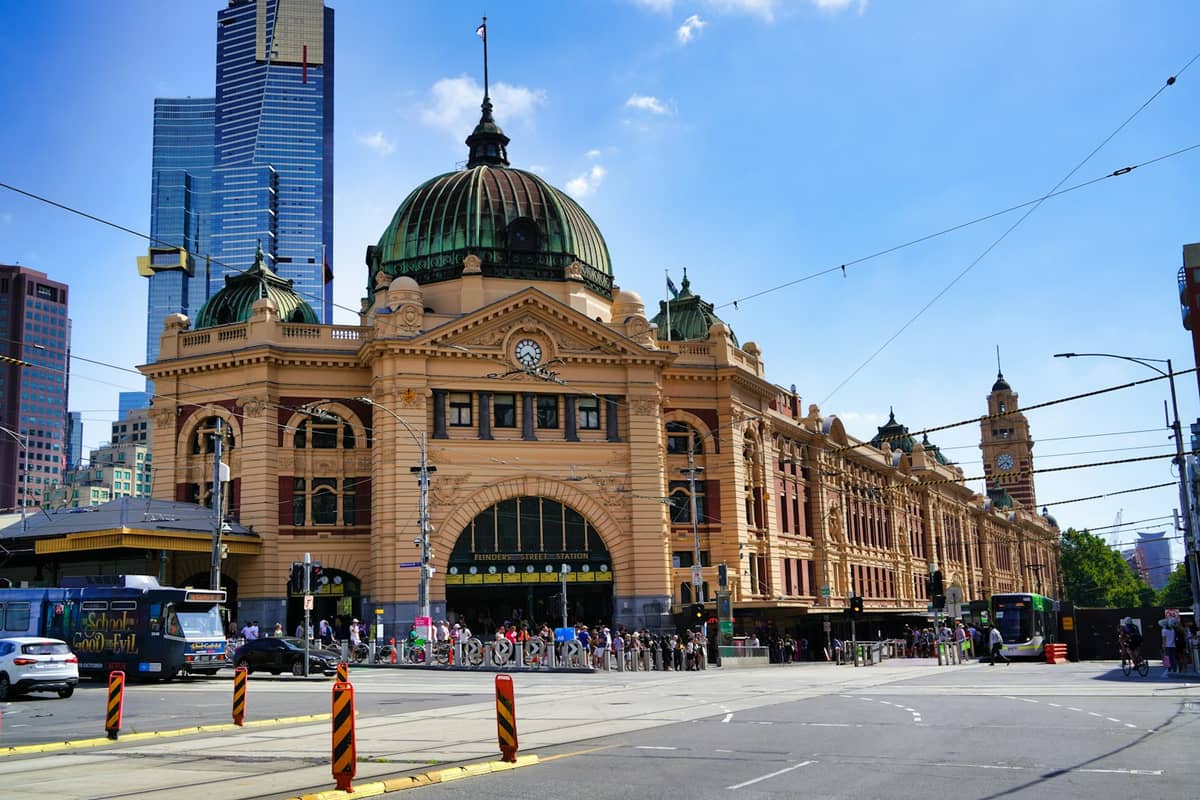
Tickets & tours
Live prices and dates from our booking partner. If you book, we may earn a commission at no extra cost to you.
TL;DR
- Seven days covers the CBD, key neighbourhoods like Fitzroy and St Kilda, a Great Ocean Road day trip, and the Yarra Valley wine region.
- Use a myki card for trains, trams, and buses; trams are free inside the central Free Tram Zone. See our guide to getting around Melbourne for full details.
- Melbourne's weather is famously unpredictable — layers and a compact rain jacket belong in every day bag, whatever the season.
- Autumn (March–May) and spring (September–November) offer the most comfortable conditions, though spring is wetter and more variable. Full seasonal breakdown in our best time to visit Melbourne guide.
- This itinerary is designed for first-timers but includes enough neighbourhood depth and day-trip logistics to satisfy repeat visitors too.
Before You Arrive: Logistics That Matter
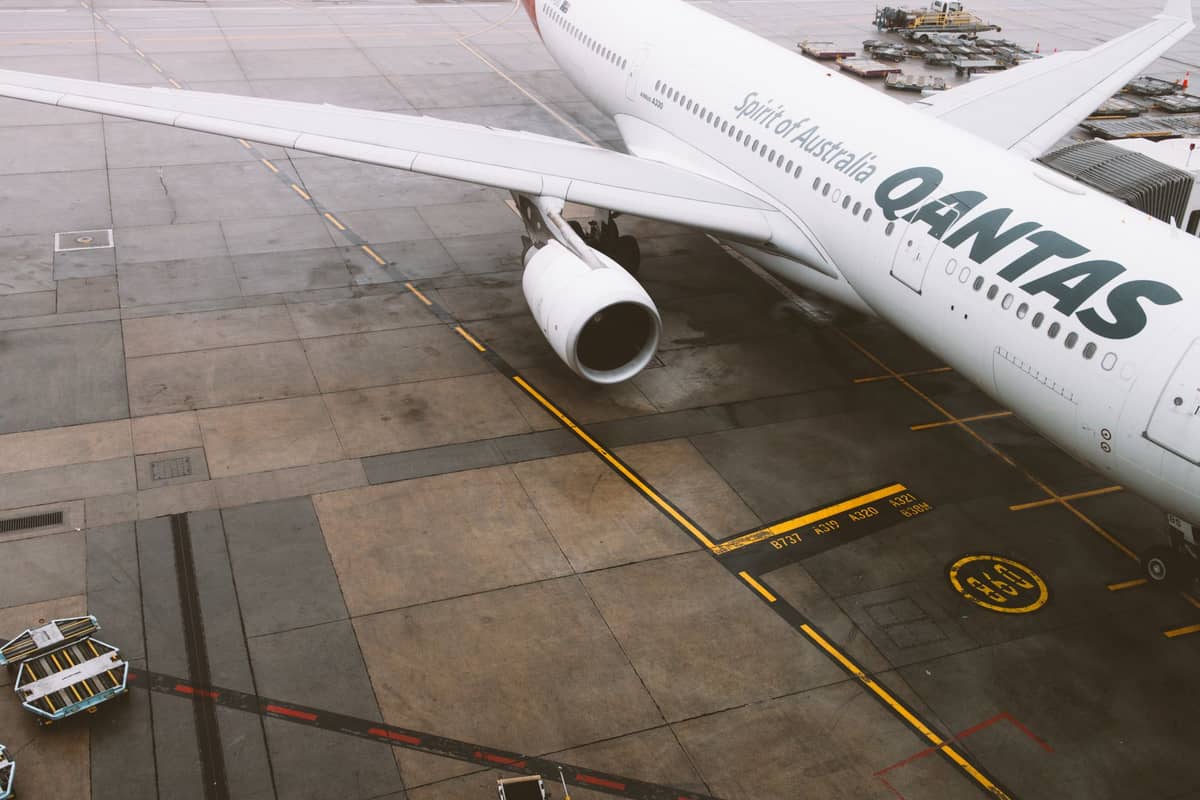
Melbourne Australia sits at roughly 37.81° S, 144.96° E on the southeastern coast. The main gateway is Melbourne Airport (MEL) at Tullamarine, about 23 km from the city centre. Do not confuse it with Avalon Airport (AVV), which is substantially farther south and serves fewer routes. If your ticket says Avalon, factor in extra transfer time.
From Melbourne Airport, SkyBus City Express runs to Southern Cross Station (adult one-way around A$25.90, return around A$43.40 at time of writing — verify current fares before travel). Taxis and rideshare are also available from the ground transport hub. There is no rail link from Melbourne Airport to the city; the SkyBus is the fastest scheduled option for most travellers. The trip to Southern Cross takes roughly 30–40 minutes without traffic, longer during peak hours.
⚠️ What to skip
Australia does not offer visa-on-arrival to all nationalities. Check the Australian Department of Home Affairs visa finder before booking. Most visitors need an Electronic Travel Authority (ETA) or eVisitor visa arranged online in advance.
For getting around the city, load a myki card with credit at 7-Eleven stores, train stations, or the PTV Hub at Southern Cross. Trams within the central Free Tram Zone are free — no tap-on required — but this only covers the inner city grid and Docklands. Trains and buses, and tram trips outside the zone, require a valid myki. The distinction catches a surprising number of visitors out.
Days 1–2: The CBD and Southbank
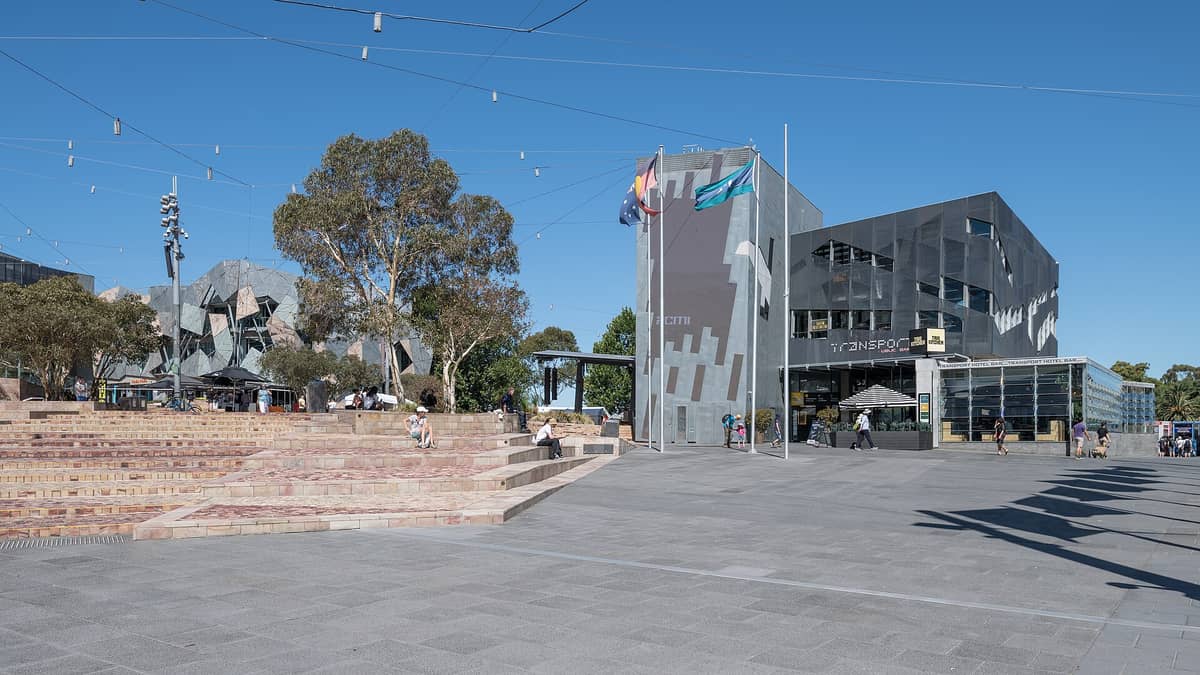
Start with Melbourne's civic core before branching out. On Day 1, orient yourself around Federation Square — the open cultural plaza at the corner of Flinders and Swanston streets is a genuinely useful landmark and home to the Ian Potter Centre: NGV Australia, which houses Australian art from colonial times to the contemporary. Entry to the permanent collection is free.
Spend the afternoon on foot through the CBD laneways. Hosier Lane is the city's best-known street art corridor; Degraves Street is where Melbourne's coffee culture is most concentrated. The city's speciality coffee scene genuinely sets a benchmark — expect single-origin espresso and precise technique as the default, not the exception.
On Day 2, cross the Yarra to Southbank. The NGV International on St Kilda Road is one of the largest art museums in the Southern Hemisphere, with strong European and Asian collections. Allow at least two hours. The Eureka Skydeck on Level 88 offers the highest public viewing platform in the Southern Hemisphere — visits around sunset are worth the premium price if clear skies are forecast.
💡 Local tip
The Royal Arcade and Block Arcade, both off Bourke Street Mall, are the city's finest 19th-century shopping arcades. They are genuinely beautiful and free to walk through — more interesting than the mainstream shops on either side.
- Flinders Street Station The 1905 Edwardian baroque station is an architectural landmark and still the busiest train station in the network. Worth photographing from the Federation Square side at golden hour.
- State Library Victoria Free entry. The domed La Trobe Reading Room is one of the finest interior spaces in Australia. Open daily with extended hours most of the week.
- Queen Victoria Market Operates Tuesday, Thursday, Friday, Saturday, and Sunday. Arrive early (before 9 a.m.) for the freshest produce and thinner crowds. The upper sheds have deli stalls worth building a picnic lunch around.
Day 3: Fitzroy, Carlton, and Inner North
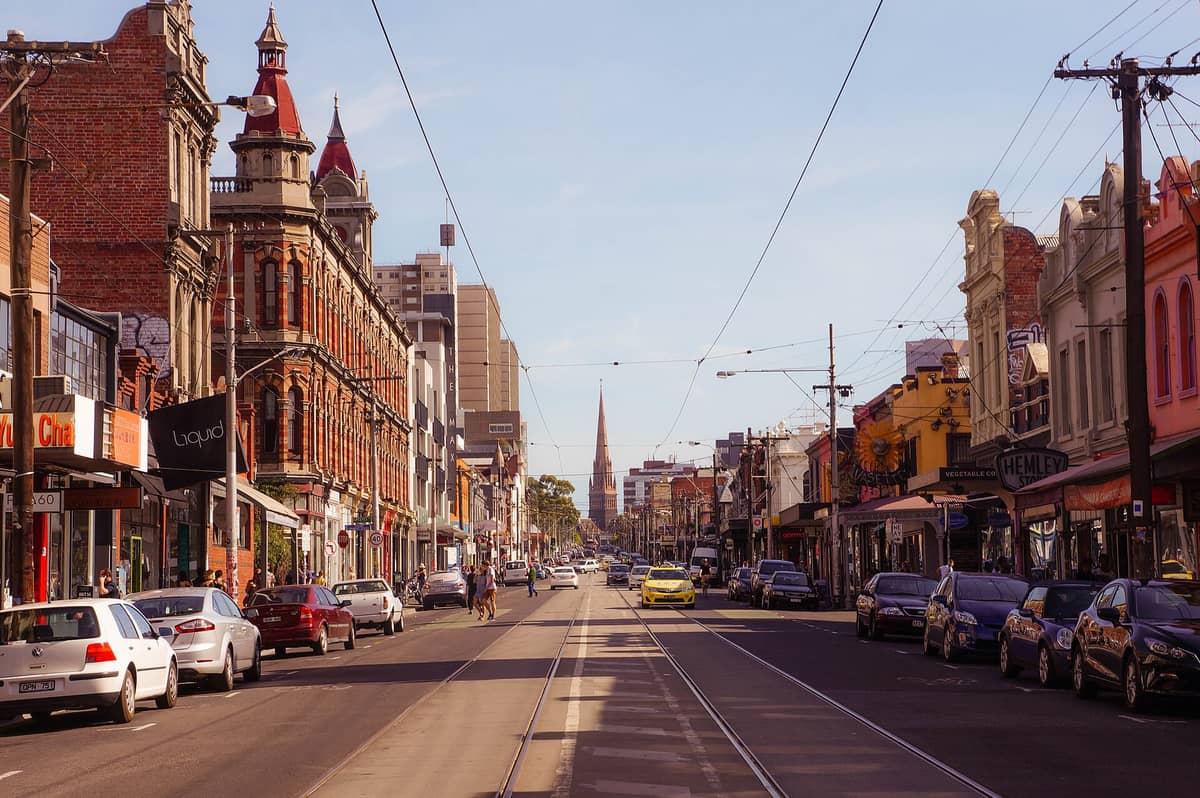
Melbourne's inner north is where the city's creative and multicultural character is most legible. Fitzroy's Brunswick Street and Smith Street strips offer independent bookshops, record stores, and restaurants that reflect the suburb's working-class and then bohemian history. Carlton's Lygon Street is the traditional Italian dining precinct — still worthwhile, though some blocks have become tourist-facing. Head instead to the streets behind for the Carlton Royal Exhibition Building, a UNESCO World Heritage-listed structure from 1880, and the adjoining Melbourne Museum (open daily 9 a.m.–5 p.m. closed Christmas Day and Good Friday; verify current admission before visiting).
If time allows, the Abbotsford Convent is a 19th-century convent complex now operating as an arts and community hub. It is free to walk through the grounds and is significantly less visited than the CBD attractions — useful for a mid-week afternoon when central-city crowds can feel relentless.
Day 4: St Kilda and the Bay
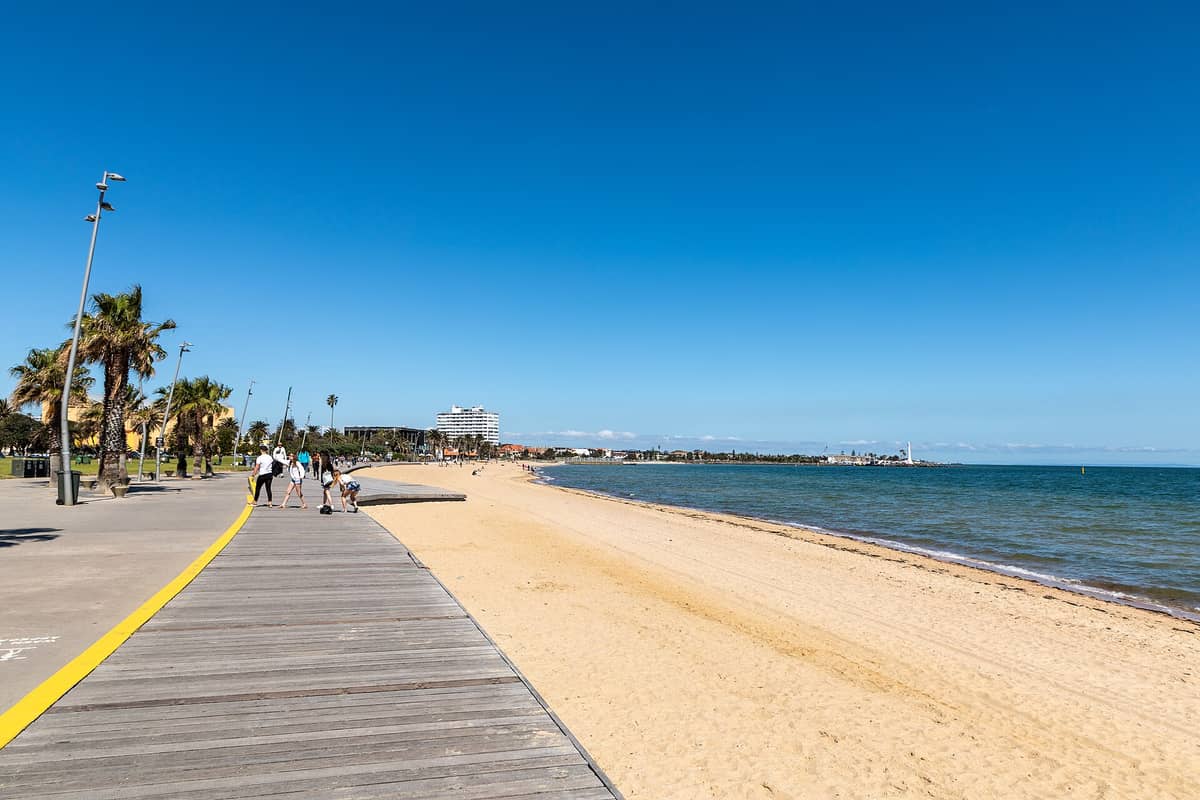
Take the tram (Route 96 from the CBD) to St Kilda for a half-day at St Kilda Beach. The beach itself is a pleasant Port Phillip Bay swim rather than a surf beach — water is calm and the foreshore is well-maintained. Luna Park, the century-old funfair at the beach's northern end, is worth seeing for its art deco entrance face even if you skip the rides.
Walk the pier at dusk for a reliable sighting of little penguins returning to their burrows at the breakwater. This is free and genuinely remarkable — these are wild animals in an urban setting. The St Kilda pier penguin colony is smaller than Phillip Island but requires no booking and no long drive. Acland Street, one block back from the beach, has European-style cake shops that have operated for decades.
✨ Pro tip
St Kilda's Esplanade Market runs every Sunday with local art, craft, and food stalls along the foreshore. If your Day 4 lands on a Sunday, arrive between 10 a.m. and 4 p.m. for the full experience.
Day 5: Great Ocean Road Day Trip
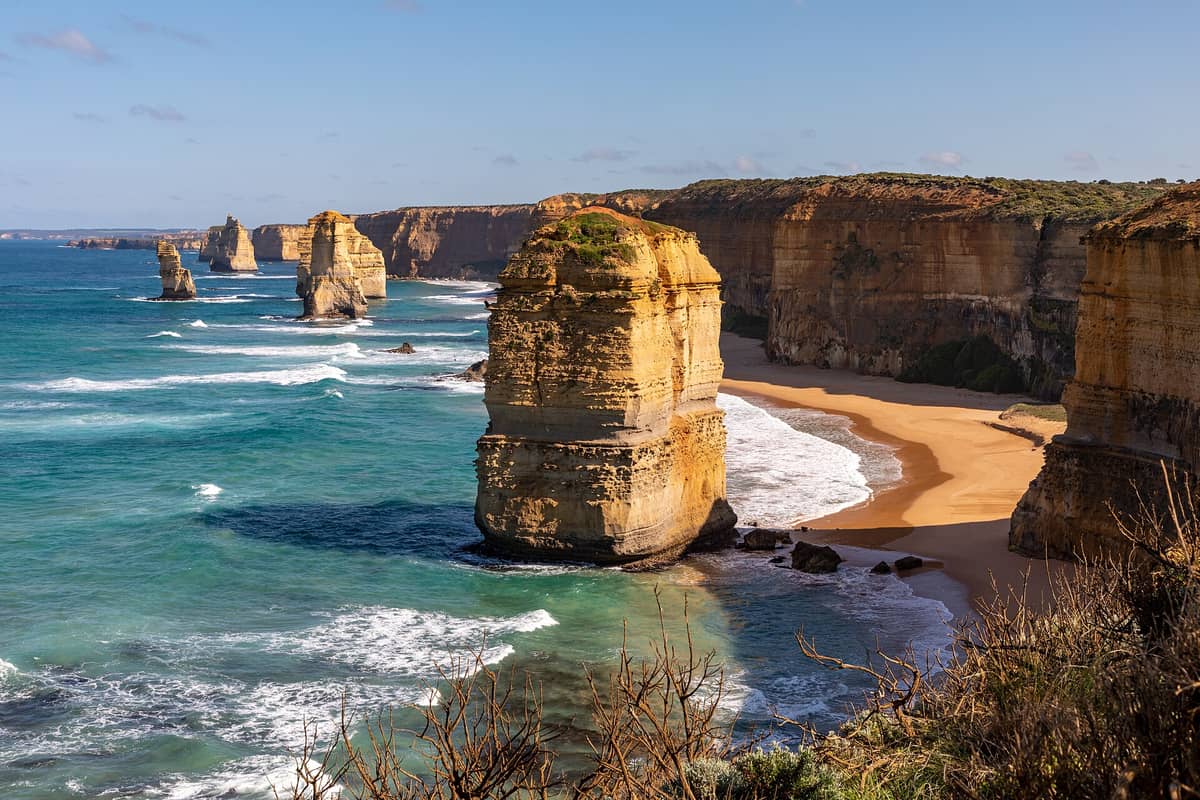
The Great Ocean Road is one of Australia's most celebrated coastal drives and is achievable as a day trip from Melbourne, though a single day means hard choices about how far to go. The Twelve Apostles are around 280 km from Melbourne — roughly 3.5 hours each way — which leaves limited time at the major stops unless you join an organised tour or accept an early start.
If driving independently, leave Melbourne by 7 a.m. The route runs west from Torquay through Lorne, Apollo Bay, and the Otway Ranges before reaching the Port Campbell coast where the limestone stacks are concentrated. Loch Ard Gorge is as photogenic as the Apostles and significantly less crowded. Return via the inland Princes Highway to vary the drive. Read the full Great Ocean Road day trip guide for stop-by-stop logistics before committing to the drive.
- Organised tours from Melbourne typically pick up from CBD hotels and run 12–14 hours return, including stops at key viewpoints.
- Self-driving gives more flexibility but requires a full day and a willingness to manage the return drive after a long day.
- Bells Beach, near Torquay, is a worthwhile first stop — a world-famous surf break with a dramatic cliff lookout, about 100 km from Melbourne.
- Fuel up before leaving the city or in Torquay; petrol prices increase farther along the route.
Day 6: Yarra Valley Wine Region
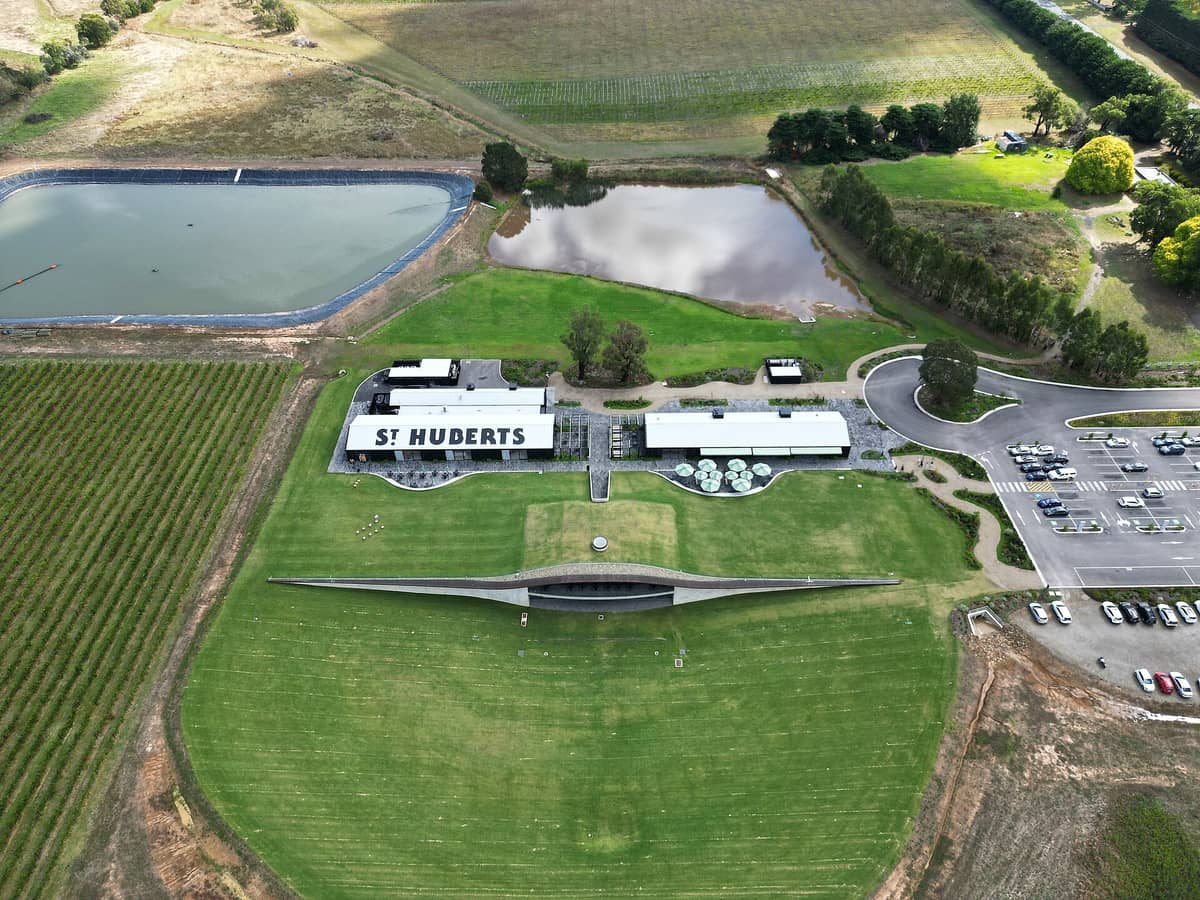
The Yarra Valley wine region sits about 60–80 km east of Melbourne and is the most accessible of Victoria's major wine districts. The valley produces cool-climate varietals, particularly Pinot Noir and Chardonnay, at a standard that has won serious international attention. Unlike the Barossa or Hunter Valley, the Yarra is green and hilly rather than arid, which makes the landscape itself part of the draw.
Pair a winery visit with a stop at Healesville Sanctuary, a wildlife park specialising in Australian native species including wombats, platypus, and birds of prey. It is better suited to seeing native animals than most city zoos because the setting is semi-natural bushland. Combine with a winery lunch at one of the cellar doors in Coldstream or Yering for a day that moves at a comfortable pace. See the full Yarra Valley day trip guide for recommended cellar doors and driving routes.
Day 7: Sport, Markets, and a Final Wander
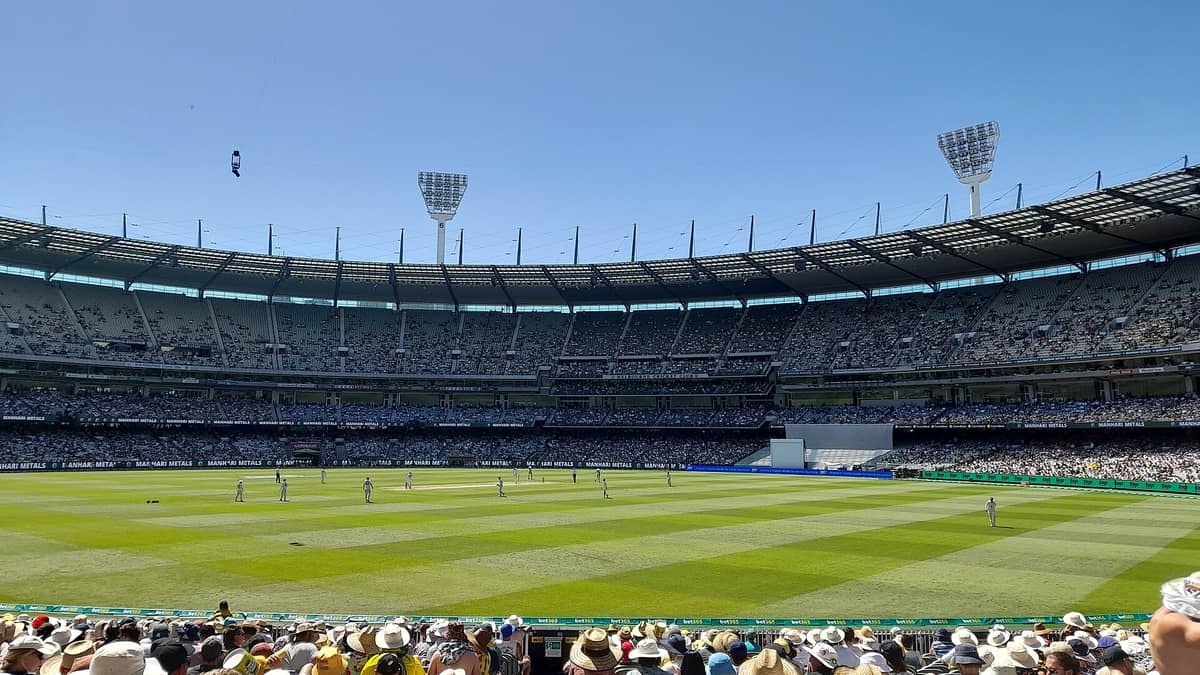
Use the final day to fill gaps and catch experiences that require specific timing. If there is a match at the Melbourne Cricket Ground (MCG), go. The MCG is one of the world's great sporting venues, seating over 100,000 people, and on AFL or cricket match days the atmosphere is unlike most stadiums on earth. Check fixtures in advance — scheduling a match day for Day 7 is worth planning around.
Otherwise, the Queen Victoria Market on a Saturday morning, followed by a walk through the Royal Botanic Gardens, makes a low-key final morning. The Botanic Gardens cover 38 hectares along the Yarra and are free to enter. Melbourne's coffee culture means you will never have to walk far for a good espresso — use the afternoon for the neighbourhoods you missed earlier in the week. If you have not yet crossed the river to Williamstown, the historic maritime village is 30 minutes by ferry from Southgate and worth an afternoon for its foreshore views back to the city.
ℹ️ Good to know
Melbourne is on the traditional lands of the Wurundjeri Woi-wurrung and Bunurong peoples of the Kulin Nation. Many cultural venues, including the Melbourne Museum and the Ian Potter Centre, include Indigenous Australian perspectives in their permanent collections and are a meaningful way to engage with that history.
- Tipping Not compulsory in Melbourne. A small tip for excellent service is appreciated but never expected. Service charges are not standard at most restaurants.
- Tap water Mains tap water in Melbourne is treated and safe to drink. There is no need to buy bottled water.
- Power Australia uses Type I plugs at 230V/50Hz. Most international travellers need a plug adapter; check whether your devices are dual-voltage before packing a converter.
- Emergency services Dial 000 for police, fire, or ambulance anywhere in Australia.
- Weather Pack layers regardless of season. The local saying that Melbourne has four seasons in one day is a cliché because it is regularly accurate. A compact waterproof layer takes up little space and earns its place every week of the year.
FAQ
Is 7 days enough time to see Melbourne and do day trips?
Seven days is a solid foundation. You can cover the CBD highlights, two or three inner neighbourhoods, one coastal day trip (Great Ocean Road), and one regional day trip (Yarra Valley) without rushing. What you will not have time for is Phillip Island, the Mornington Peninsula, and the Dandenong Ranges in the same week — save one of those for a longer trip or a return visit.
What is the best way to get from Melbourne Airport to the city?
SkyBus City Express to Southern Cross Station is the most straightforward scheduled option (around A$25.90 one-way, verify before travel). Taxis and rideshare are available but fares vary with traffic and time of day. There is no train connection between Melbourne Airport (Tullamarine) and the city centre.SkyBus City Express to Southern Cross Station is the most straightforward scheduled option (around A$25.90 one-way, verify before travel). Taxis and rideshare are available but fares vary with traffic and time of day. There is no train connection between Melbourne Airport (Tullamarine) and the city centre.
Do I need a car to do this 7-day itinerary?
Not for the city days. Melbourne's tram network, trains, and rideshare cover the inner suburbs comfortably. For the Great Ocean Road and Yarra Valley days, a hire car gives the most flexibility, but organised day tours operate from the CBD for both destinations if you prefer not to drive.
What is the best time of year for a week in Melbourne?
Autumn (March to May) tends to offer stable, mild conditions and is widely regarded as the most comfortable time to visit. Spring (September to November) is nearly as good but more changeable, with October typically the wettest month. Summer (December to February) is warmer but includes occasional extreme heat days above 35°C. Winter (June to August) is cool and grey but rarely cold enough to disrupt plans.
How do I use public transport in Melbourne?
Load a myki card with credit and tap on and off for trains, buses, and trams outside the Free Tram Zone. Within the central city Free Tram Zone — covering the CBD grid and Docklands — trams are free and no tap-on is needed. The myki is not accepted on SkyBus airport services, which use separate ticketing.
Tickets & tours
Live prices and dates from our booking partner. If you book, we may earn a commission at no extra cost to you.
Planning a trip? Discover personalized activities with the Nomado app.