Melbourne Nightlife Guide: Bars, Clubs & Live Music
Melbourne's nightlife scene runs deep, from laneway cocktail bars to legendary live music rooms that shaped Australian rock. This guide breaks down the best neighbourhoods, venues, and practical logistics so you can navigate it like a local.
Tickets & tours
Live prices and dates from our booking partner. If you book, we may earn a commission at no extra cost to you.
TL;DR
- Melbourne's nightlife is spread across distinct neighbourhoods, each with its own character: Fitzroy for craft bars, the CBD for clubs and rooftops, St Kilda for live music, and Collingwood for late-night venues.
- The Night Network runs all-night public transport on Friday and Saturday only. Check the getting around Melbourne guide before heading out late.
- Dress codes vary significantly by venue: upscale clubs in the CBD enforce strict rules, while inner-north bars are generally relaxed.
- Live music is embedded in Melbourne's identity. Venues range from 100-capacity rooms to the 2,700-seat Forum Melbourne.
- Prices in AUD: cocktails typically $18–$25, beer $10–$16, club entry $10–$30. See the Melbourne on a budget guide for free and cheap options.
Understanding Melbourne's Nightlife Geography
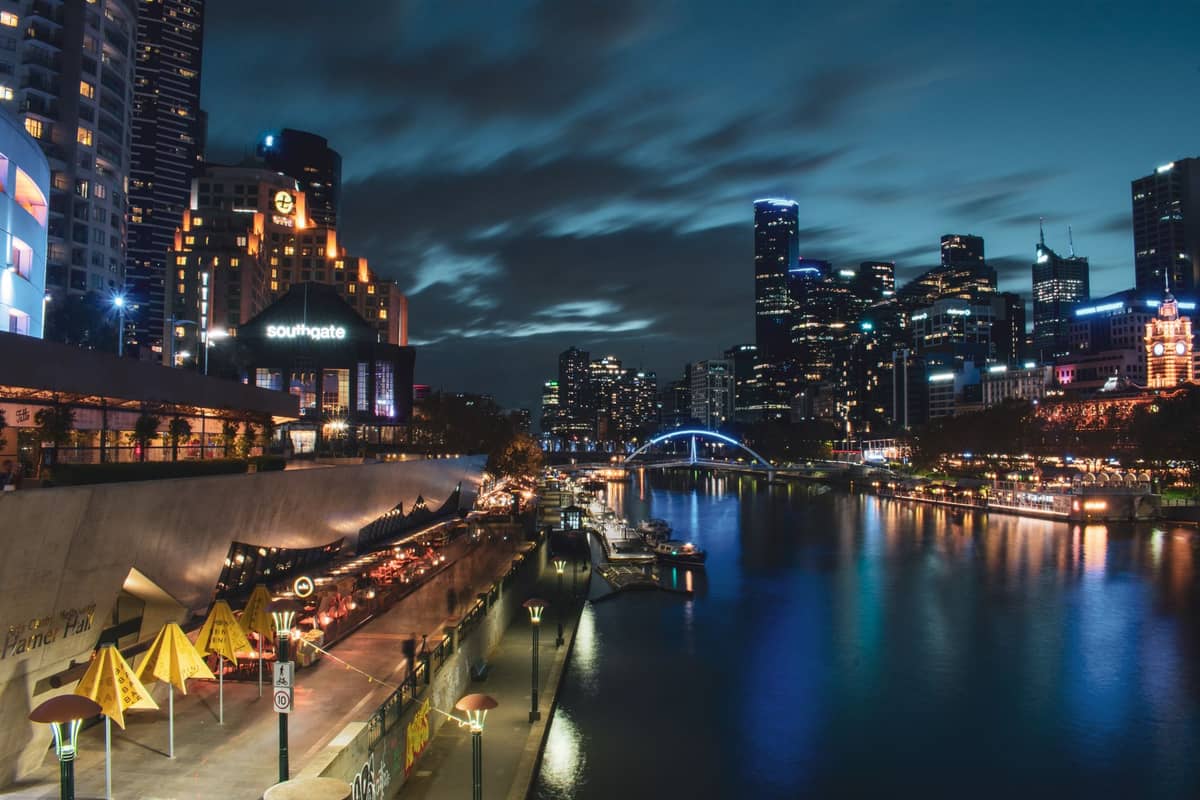
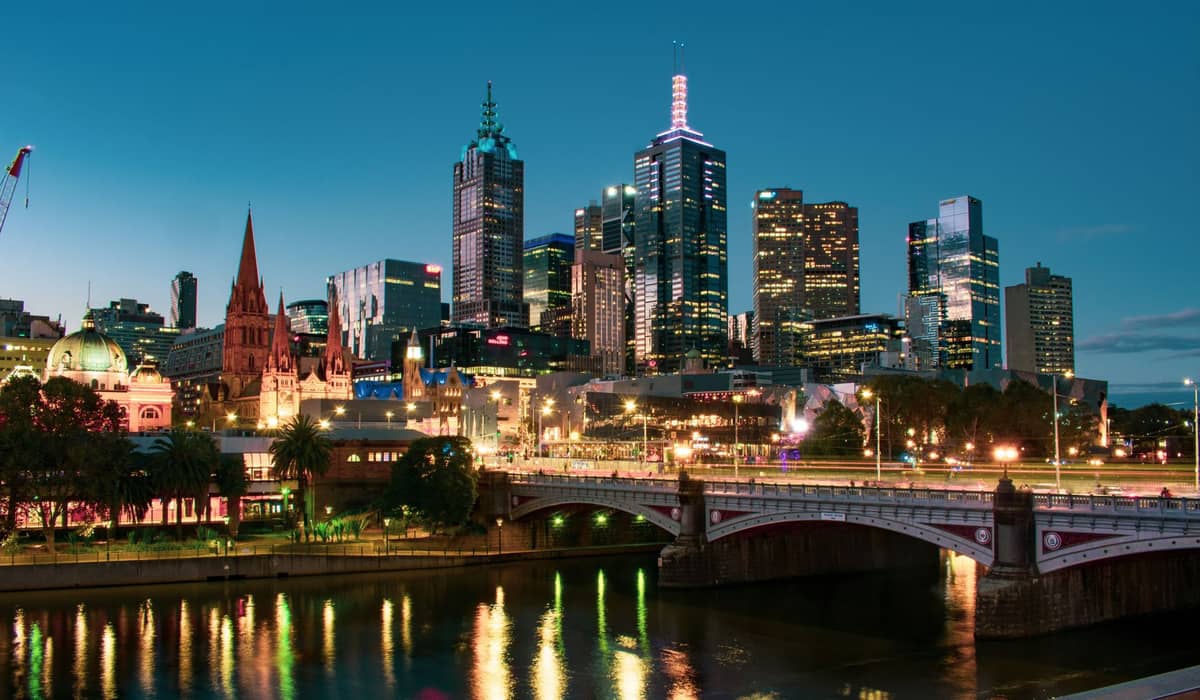
Melbourne nightlife is not centralised. Unlike Sydney's Kings Cross-era concentration, it sprawls across a set of distinct inner-city neighbourhoods, each with its own tone and crowd. The good news is that most of the action sits within 5 kilometres of the CBD, and late-night public transport on weekends covers most key areas. Understanding the geography before you go saves you from ending up in the wrong suburb for what you actually want. For a broader orientation, the Melbourne CBD and its surrounding inner suburbs are where most of the nightlife concentrates.
- Melbourne CBD and Laneways The central grid holds everything from basement clubs to rooftop bars. AC/DC Lane and the surrounding laneways are focal points. Crown Casino's precinct on the Southbank side operates until 4am on weekends.
- Fitzroy and Collingwood The inner north is Melbourne's bar culture heartland. Smith Street and Johnston Street have the highest density of craft cocktail bars, brewpubs, and late-night spots. Generally relaxed dress codes and a younger, creative crowd.
- St Kilda The bayside suburb has a stronger live-music scene than its size suggests, with the Espy and other venues on Fitzroy Street and Acland Street. More tourist-facing than Fitzroy but still genuinely good.
- South Yarra and Prahran Commercial Road has Melbourne's main LGBTQ+ nightlife strip. Chapel Street moves from restaurants to late-night bars as the night progresses. Dressier crowd, more polished venues.
- Richmond and Cremorne Quietly strong for live music and converted warehouse venues. Swan Street has solid bar options and is close to the MCG precinct.
ℹ️ Good to know
Melbourne sits on the traditional lands of the Wurundjeri Woi-wurrung and Bunurong peoples of the Kulin Nation. Many venues and cultural spaces acknowledge this on signage and in programming.
Bars: Laneways, Rooftops, and Craft Cocktails
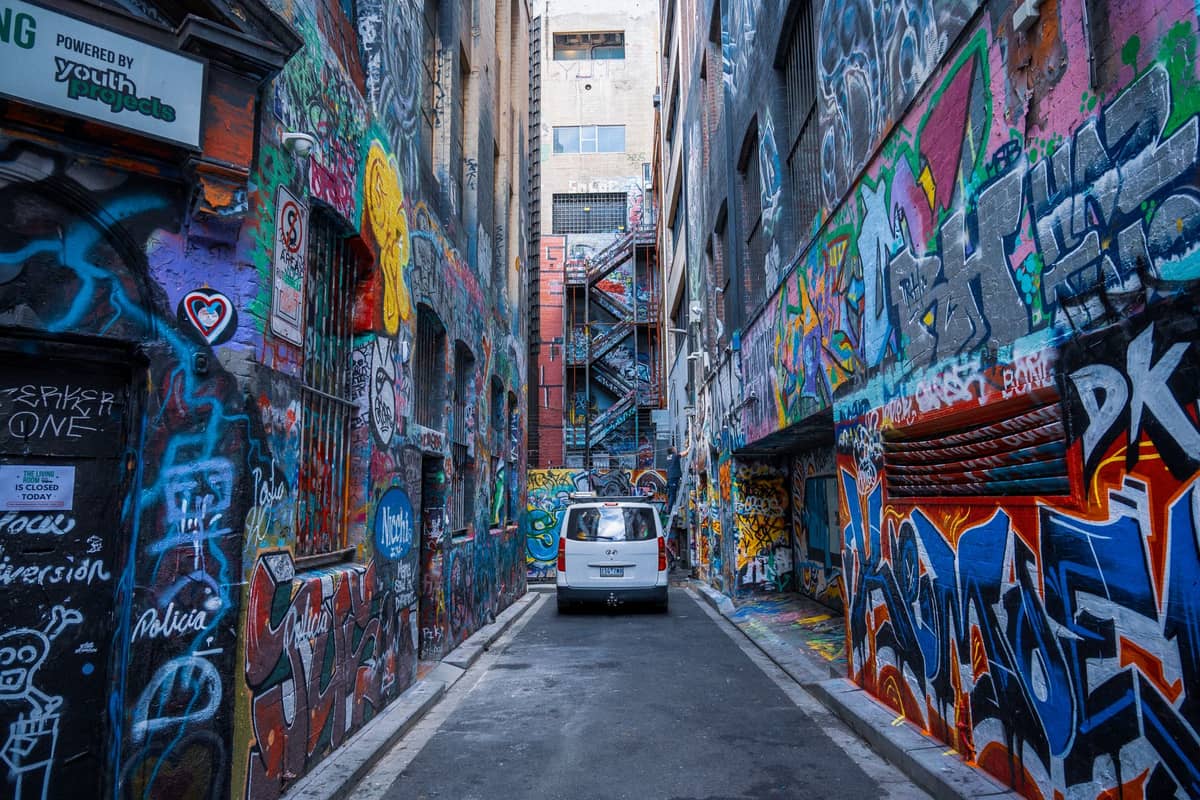
The laneway bar scene is what most visitors picture when they think of Melbourne nightlife. AC/DC Lane and Degraves Street are the tourist focal points, but the real density is in Fitzroy and Collingwood, where converted terrace houses and old warehouses have been turned into bars that stay busy until 1am or later on weekends.
Rooftop bars are popular from October through April, when temperatures make outdoor drinking comfortable. Most require booking in advance for a Friday or Saturday night table, and several have minimum spend requirements rather than a cover charge. Expect to pay $18–$25 for a cocktail at the more polished rooftop spots. On a windy Melbourne night in winter, however, many of these venues become significantly less appealing, and the indoor alternatives tend to do better.
Craft beer is serious business here. Fitzroy and Collingwood have multiple dedicated brewpubs and bottle shops with tap walls. Many venues brew on-site, and the quality is consistently high. A pint typically runs $10–$16 depending on the style and venue. The inner-north suburbs have the best concentration of these, though Richmond and Cremorne have added several in recent years.
💡 Local tip
Bars in Melbourne's laneways can be very easy to walk past. Look for unmarked doors, neon signs at street level, or staircases heading down below shopfronts. If a door looks too plain to lead anywhere interesting, it probably leads somewhere great.
Clubs: Where to Go and What to Expect
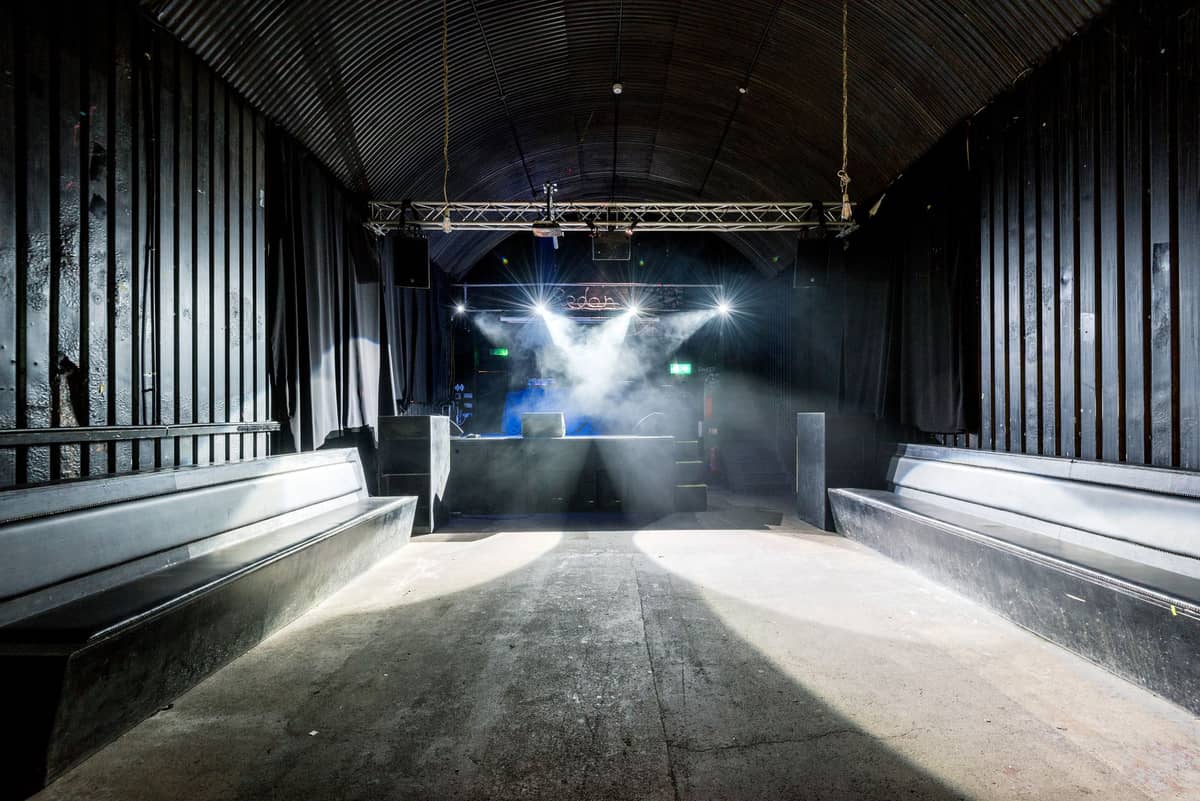
Melbourne's club scene is smaller than its bar scene but has real depth in specific genres. Electronic music, house, and techno have dedicated followings with regular nights at purpose-built venues. The CBD and South Yarra hold most of the larger clubs, while smaller warehouse parties rotate across Collingwood, Abbotsford, and Cremorne.
Crown Casino's Level 3 Nightclubs precinct on the Southbank side is among the few options that operates Friday and Saturday from 10pm to 4am with consistent hours. Entry is available at the door or via advance tickets; current prices and lineups should be checked on the venue's official listings. The Crown precinct is polished and commercial, which suits some crowds and bores others.
For a more underground experience, the warehouse circuit in Collingwood and the venues around Fitzroy tend to host the better electronic music nights, often as one-off events rather than fixed weekly programs. Check What's On Melbourne and local event platforms for current listings, as this side of the scene shifts constantly.
- Dress codes at CBD clubs are enforced more strictly than inner-north venues. Avoid sportswear, thongs (flip-flops), or overly casual clothing if you're heading to Chapel Street or Crown.
- Entry queues at popular venues can stretch 30–45 minutes on Friday and Saturday nights after midnight. Arriving before 11pm avoids most of the wait and can mean cheaper or free entry.
- Advance tickets through the venue's site or platforms like Moshtix and Oztix often save $5–$10 on the door price and guarantee entry.
- Venue capacities in Melbourne are strictly managed by security. If a club is at capacity, no amount of reasoning will get you in. Have a backup option in the same neighbourhood.
- LGBTQ+ nightlife centres on Commercial Road in Prahran, with several long-running venues that draw a mixed and welcoming crowd throughout the week, not just weekends.
⚠️ What to skip
Victoria's liquor licensing laws require venues to apply for late-night trading permits. Not all bars are licensed past 1am, and some close earlier than their reputation suggests. Check venue hours before committing to a plan that depends on a specific place being open at 2am.
Live Music: Melbourne's Strongest Card
Melbourne's live music scene has a genuine claim to being the strongest in Australia, built on decades of original venues, local bands, and a culture that treats a $15 gig at a pub with the same seriousness as a seated concert. The Melbourne live music guide goes into much more depth, but here is the shape of the scene for nightlife purposes.
Forum Melbourne (capacity around 2,700) and 170 Russell are the headline mid-size rooms for touring acts. Both are in the CBD and handle everything from indie rock to international electronic artists. Bird's Basement on Bourke Street is Melbourne's premier jazz venue, with ticketed dinner-and-show packages and a more formal atmosphere. The Last Chance Rock & Roll Bar operates at the smaller, grungier end of the spectrum and represents the pub-rock culture that has defined parts of Melbourne's music identity.
For original Australian music, the Espy (Esplanade Hotel) in St Kilda has been a consistent launchpad for local acts across multiple incarnations. It was extensively renovated and reopened with multiple rooms, so it now functions as both a pub, dining venue, and live music space simultaneously. Free entry to the front bar with bands most weekends is one of the better deals in the city.
The inner-north suburbs, particularly along Smith Street in Fitzroy and in Northcote, have multiple smaller venues where entry is often $10–$20 for touring or local acts. This is where you find the most interesting programming, including experimental, punk, metal, and folk nights that the larger venues won't touch.
Getting Home: Late-Night Transport Explained
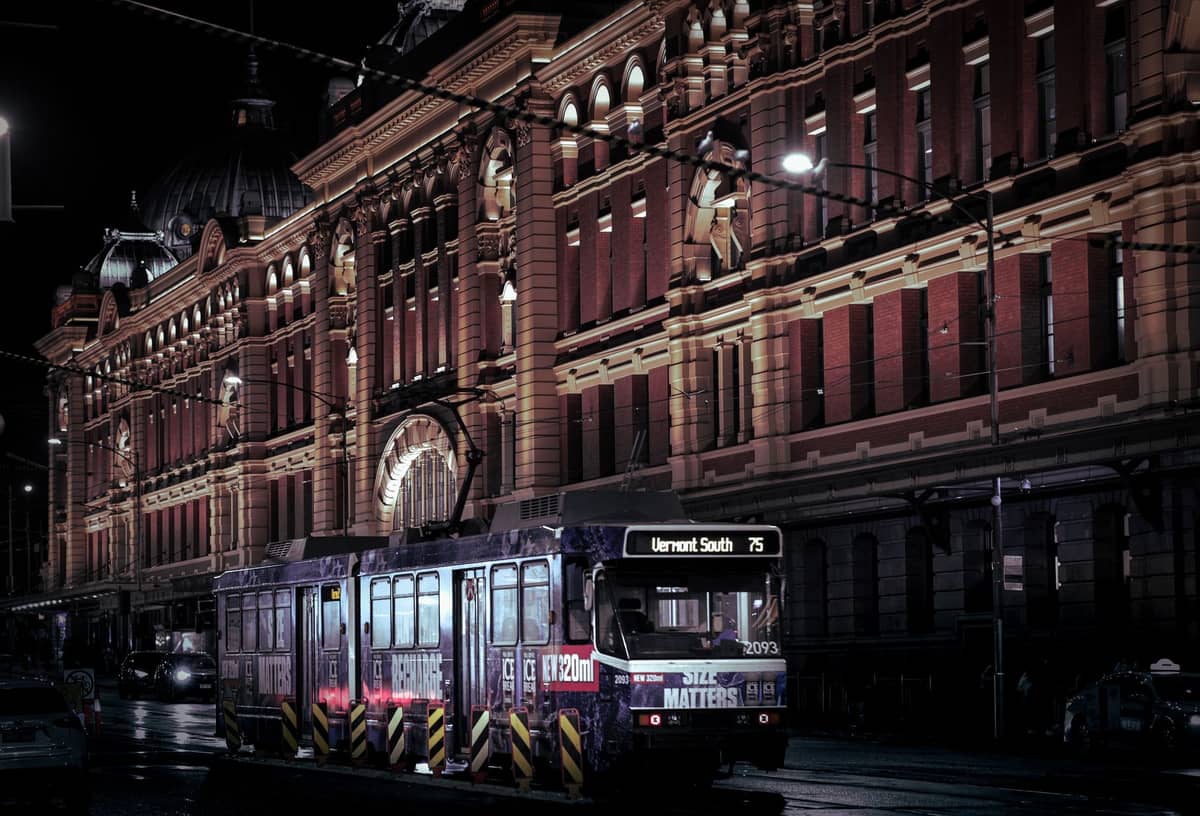
This is where a lot of visitors come unstuck. Melbourne's Night Network runs all-night public transport, but it operates on Friday and Saturday nights only. It does not run every night of the week. If you are going out on a Wednesday or Thursday, you need to plan for last services or rely on rideshare.
On Night Network weekends, metropolitan trains run approximately hourly on most lines, while Night Trams run every 30 minutes on routes 19, 67, 75, 86, 96, and 109. Standard Myki fares apply, and travel within the Free Tram Zone in the city centre remains free. The Night Network timetable is worth checking for your specific route and departure station before you head out, as not every suburb has direct coverage.
Uber and other rideshare services operate across Melbourne and are widely used for late-night travel. Surge pricing is common between midnight and 2am on Friday and Saturday, especially after major events at the MCG or Marvel Stadium. If you have a flexible window, waiting 15–20 minutes after peak exodus can reduce fares noticeably. Taxis are also available, particularly around the CBD, Crown, and St Kilda, though wait times vary.
✨ Pro tip
If you're heading back from St Kilda late on a Friday or Saturday, tram route 96 runs through the night and connects back to the CBD. It's free within the Free Tram Zone and far cheaper than a rideshare at that hour. Route 67 covers South Yarra and can get you back to the city from Chapel Street.
Seasonal Considerations and Practical Details
Melbourne's nightlife is not heavily seasonal in the way that beach destinations are, but the mix of venues you use will shift with the weather. The city has a temperate climate with warm summers (averaging 14–25°C) and cool winters (7–14°C). For a fuller picture of when to visit, the best time to visit Melbourne guide covers seasonal patterns in detail.
Rooftop and outdoor bar culture peaks from November through March. Many rooftop venues close or reduce hours over winter. Conversely, winter is when indoor music venues feel their best, with warm rooms and concentrated energy. The major events calendar also shapes nightlife significantly: the Australian Open in January, major concerts at the MCG, and the Melbourne Cup in early November all shift the character of the city's evenings around them.
- Tipping is not standard in Melbourne, though it is accepted and appreciated in cocktail bars. Rounding up or adding a few dollars at a bar where the staff have been attentive is common practice.
- Tap water in Melbourne is treated and safe to drink. Most venues will provide a glass of water on request at no charge, which is required by law for licensed premises.
- Australia uses Type I power outlets at 230V/50Hz. If you're charging devices before or after a night out, a plug adapter is necessary for most international travellers.
- The emergency number in Australia is 000 for police, fire, or ambulance. For non-emergency police matters, the number is 131 444.
- Venue dress codes are specific to each establishment. CBD clubs and South Yarra venues typically enforce smarter dress on weekends, while inner-north bars have no meaningful dress code at all.
For events beyond the nightly bar and club scene, Melbourne's calendar is genuinely packed. The Melbourne events calendar covers festivals, major concerts, and seasonal events that regularly transform the nightlife landscape for a week or more at a time.
FAQ
What time do bars and clubs close in Melbourne?
Liquor licences generally allow service until 1am, while venues trading later need a licence that authorizes those hours. Crown Casino's nightclub precinct is listed as open until 4am on Fridays and Saturdays. Always check the specific venue's hours, as late-night trading is not universal and varies by permit. Always check the specific venue's hours, as late-night trading is not universal and varies by permit.
Is Melbourne's Night Network available every night?
No. The Night Network operates on Friday and Saturday nights only. On other nights, standard last-service times apply, which means trains and trams stop running in the early hours of the morning. If you're going out mid-week, plan on rideshare or a taxi to get home late.
What are the best neighbourhoods for nightlife in Melbourne?
It depends on what you want. Fitzroy and Collingwood are best for craft bars, independent music venues, and a relaxed crowd. The CBD and Southbank have the larger clubs, rooftop bars, and more commercial nightlife. St Kilda is strong for live music and has a beachside pub scene. South Yarra and Prahran suit those after dressier, more polished venues and LGBTQ+ nightlife.
Do Melbourne bars and clubs have dress codes?
Dress codes vary significantly. CBD clubs and venues in South Yarra tend to enforce smart-casual or smarter requirements on weekends, especially after midnight. Inner-north venues in Fitzroy and Collingwood are generally relaxed. The safest approach is to check the venue's website before going, particularly if you are heading somewhere for the first time.
Is Melbourne's live music scene actually that good?
Yes, by most reasonable measures. The city has a higher density of live music venues per capita than most comparably sized cities, and a culture of original music that produces consistent local talent. Pub gigs with entry under $20 are common, and the calibre of programming at mid-size venues like Forum Melbourne and 170 Russell is genuinely strong. The inner-north suburb circuit offers the most adventurous and diverse programming.
Tickets & tours
Live prices and dates from our booking partner. If you book, we may earn a commission at no extra cost to you.
Planning a trip? Discover personalized activities with the Nomado app.