Melbourne on a Budget: How to Experience the City Without Overspending
Melbourne, Australia rewards budget travellers more than most major cities. From free tram rides and world-class free museums to cheap market food and no-cost beaches, this guide covers every practical angle for spending less without missing out.
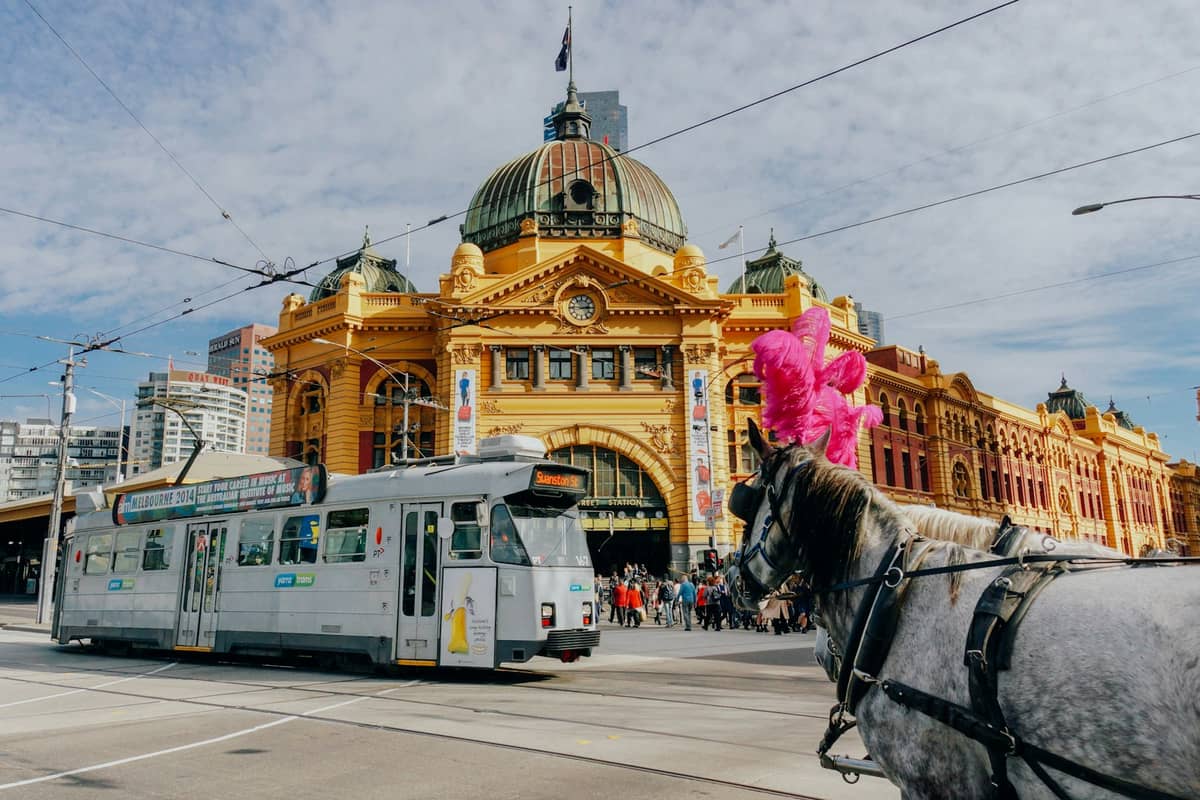
Tickets & tours
Live prices and dates from our booking partner. If you book, we may earn a commission at no extra cost to you.
TL;DR
- Trams are free within the central-city Free Tram Zone, but you need a myki card with credit for any journey that starts or ends outside it.
- Several of Melbourne's top cultural institutions, including the NGV Australia and the State Library Victoria, charge no entry fee.
- Markets like Queen Victoria Market offer cheap, filling meals for well under $15, making them a far better value than tourist-strip restaurants.
- Getting to the city from Melbourne Airport costs around A$25.90 one-way on SkyBus, or less if you use the slower PTV bus from Terminal 4. See the Melbourne airport guide for the full breakdown.
- Autumn (March to May) offers the best balance of mild weather and lower accommodation rates compared to summer peak season.
Getting to Melbourne Without Burning Your Budget
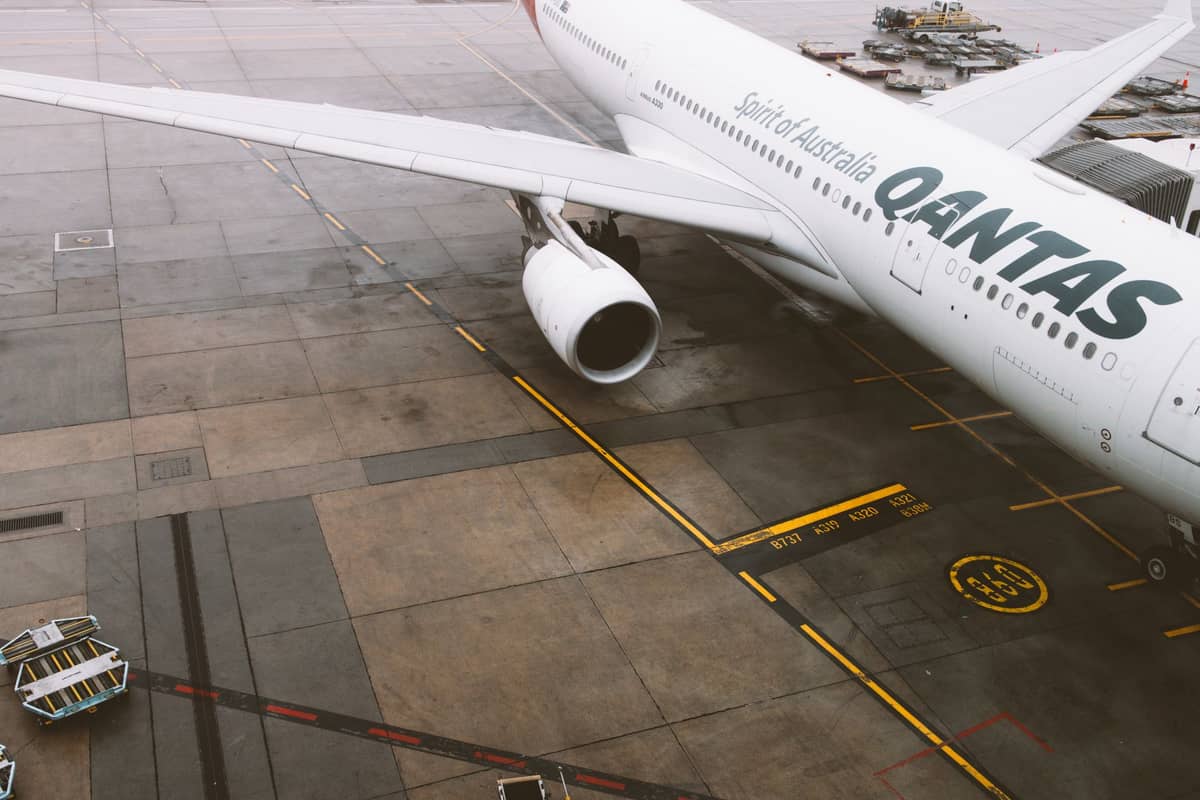
Melbourne Airport (MEL), located at Tullamarine about 23 km from the city centre, is the main international and domestic gateway. There is no direct rail link between the airport and the CBD, which means travellers on a budget need to think carefully about the transfer. The most popular option is getting around Melbourne via SkyBus, which runs a City Express service between the airport and Southern Cross Station with departures roughly every 10 minutes at peak times and every 15 minutes off-peak. The adult one-way fare is currently around A$25.90; a return is around A$43.40. Verify current fares at skybus.com.au before you travel, as prices do change.
If you have time and luggage you can manage, PTV bus routes operate from the Terminal 4 Ground Transport Hub and connect to the train network. This is slower and less direct than SkyBus, but significantly cheaper. It is not a practical option late at night or with heavy bags. Taxis and rideshare (Uber operates in Melbourne) are available but will typically cost considerably more than SkyBus, especially during peak hours or if surge pricing is active. Avalon Airport (AVV) serves some budget carriers on select domestic and limited international routes; factor in the additional distance from central Melbourne when comparing fares.
⚠️ What to skip
The Free Tram Zone covers the central city and Docklands, but it does not make all of Melbourne's public transport free. If your tram journey starts or ends outside the zone boundaries, you need a valid myki card loaded with credit. Trains and buses are never included in the Free Tram Zone, regardless of where you board.
Free and Low-Cost Transport Within the City
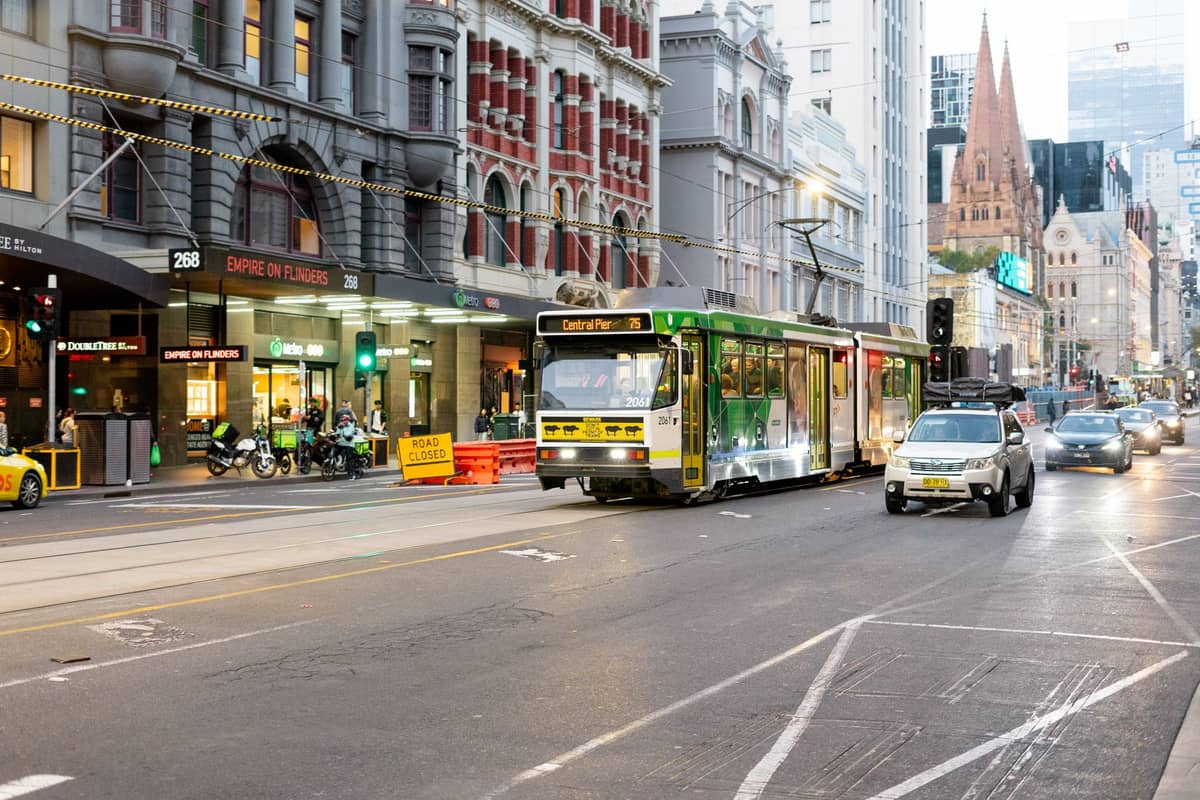
The Free Tram Zone is one of the most genuinely useful perks for budget travellers in any Australian city. It covers the central grid, Docklands, and parts of Spring Street, meaning you can reach Federation Square, the major shopping streets, the waterfront, and most of the city's cultural precinct without touching your wallet. Check the official PTV map carefully before boarding: the boundaries are specific, and boarding a tram outside the zone without a myki will result in a fare being charged, or a fine if you cannot produce a valid ticket.
For travel beyond the Free Tram Zone, Melbourne's public transport network of trains, trams, and buses runs on a myki smartcard system. Metropolitan fares are zone-based; check the PTV website for current pricing before you travel, as listed fares are updated periodically. Myki cards can be purchased at 7-Eleven stores, train station vending machines, and the PTV Hub on Elizabeth Street. Daily fare caps mean that once you hit a set spend in one day, further travel is free for the rest of that day, which makes it worthwhile to use public transport for multiple trips.
- Free Tram Zone Free tram travel throughout the central city and Docklands during operating hours. No myki needed for journeys entirely within the zone.
- Myki daily cap Fares are capped per day, so heavy users of trains and trams outside the zone will not pay more than the daily maximum, regardless of how many trips they take.
- City Circle Tram The historic maroon City Circle tram loops the CBD perimeter and falls within the Free Tram Zone, making it a practical and scenic way to get oriented.
- Walking Melbourne's central grid is compact. Federation Square, Degraves Street, the State Library, and the Queen Victoria Market are all within a reasonable walk of each other.
- Cycling Dockless share bikes and private hire options exist; the flat terrain around the CBD and Southbank makes cycling practical for short trips.
Free Things to Do in Melbourne
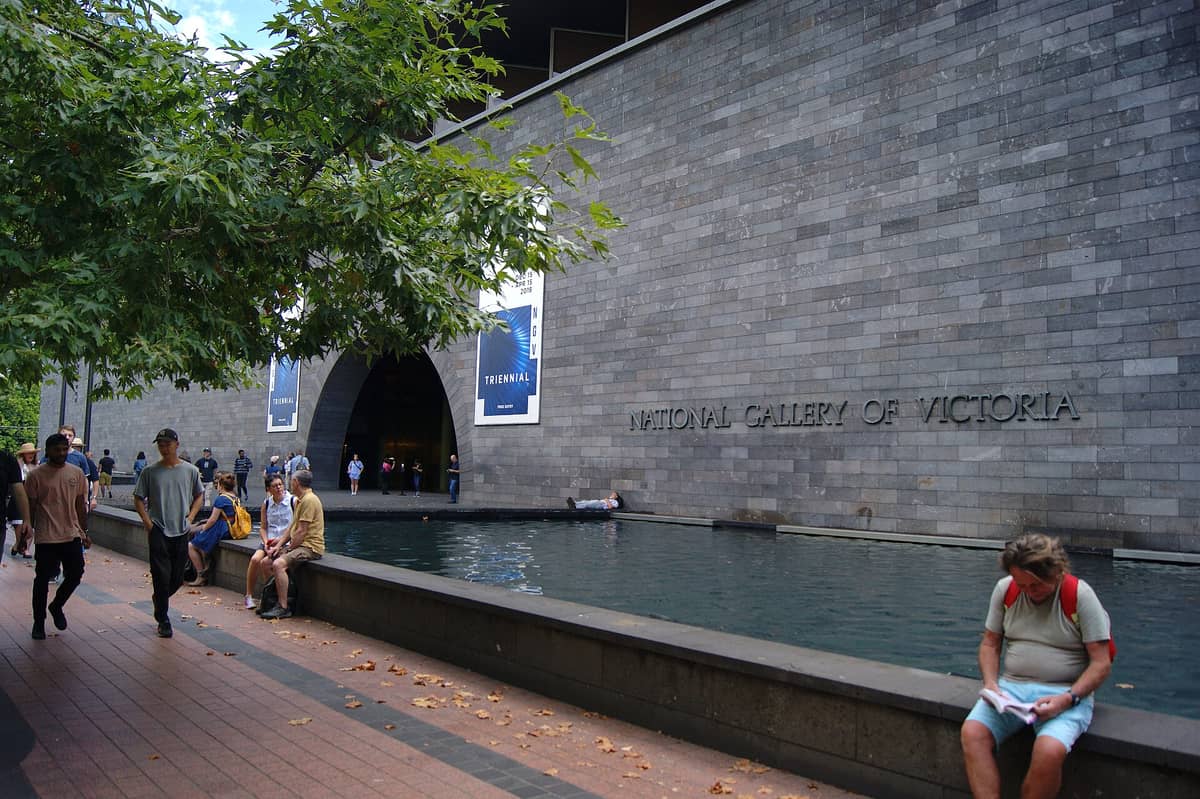
Melbourne offers a surprising amount of no-cost cultural experience. The NGV International on St Kilda Road and the Ian Potter Centre: NGV Australia at Federation Square both offer free entry to their permanent collections. Between them, they hold one of the largest art collections in the Southern Hemisphere, and entry to both permanent galleries costs nothing. The State Library Victoria, with its spectacular La Trobe Reading Room dome, is free to enter and genuinely worth the visit even if you have no intention of reading anything.
Street art is one of Melbourne's defining cultural exports, and exploring it costs nothing. Hosier Lane is the most famous site, a narrow laneway covered floor-to-ceiling in rotating murals, paste-ups, and stencil work. It is a short walk from Federation Square. The broader Melbourne laneway scene extends through Fitzroy, Collingwood, and the CBD, and self-guided exploration is a legitimate way to spend a full morning. Birrarung Marr, the riverside parkland between Federation Square and the MCG, is free to enter and offers some of the best views of the city skyline.
The Royal Botanic Gardens Victoria covers 38 hectares on the southern bank of the Yarra and charges no entry fee. It is one of the most visited free attractions in Victoria, and rightly so. On weekdays it is noticeably quieter than weekends. The full list of free things to do in Melbourne is longer than most visitors expect and includes the Immigration Museum's exterior, the Carlton Gardens, and the beach at St Kilda.
💡 Local tip
Many of Melbourne's paid museums and galleries offer free entry on specific days or evenings. The Melbourne Museum, for instance, has had periodic free-entry days. Check the official websites of any paid venue before you visit, as policies change seasonally and are not always well advertised.
Eating Well for Less: Markets, Laneways, and Cheap Eats
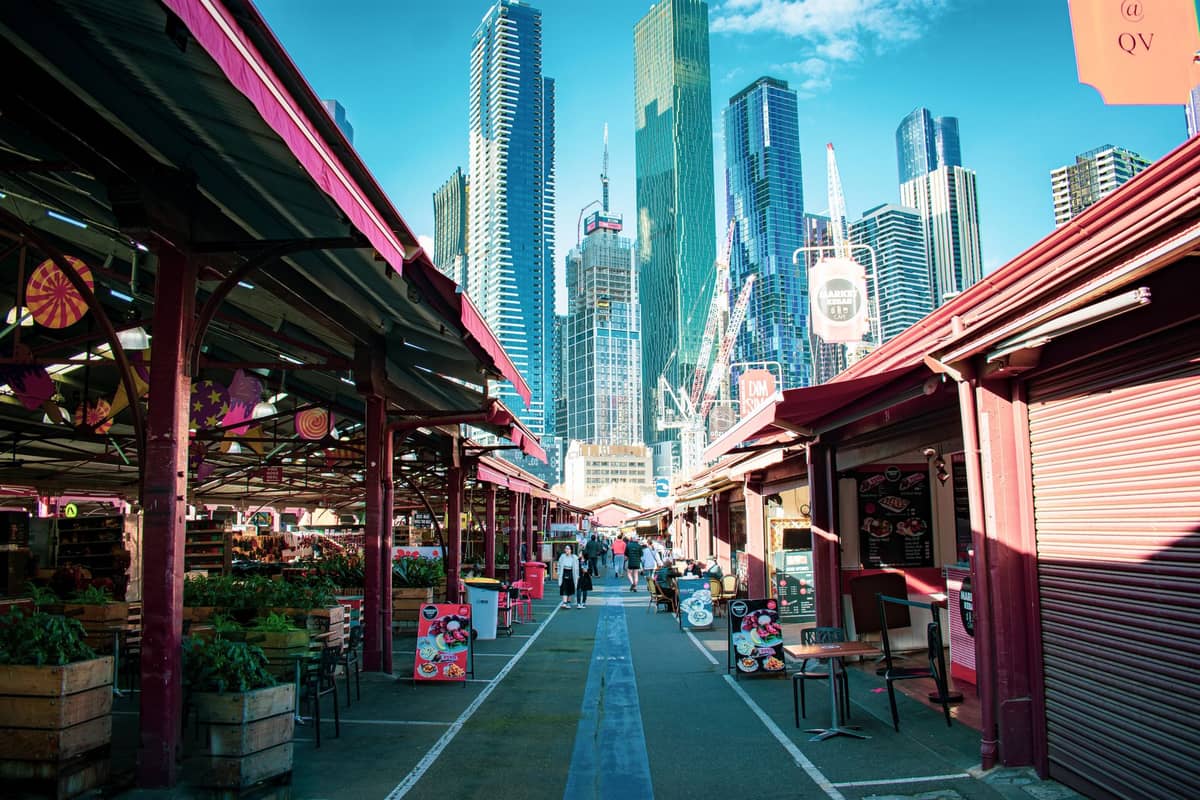
Food is where Melbourne on a budget gets genuinely impressive. The Queen Victoria Market is the city's most practical resource for cheap, quality food. The food hall and deli sections have ready-to-eat options for well under $15: take-away pastries, fresh fruit, Asian street food, and cooked breakfasts that easily outperform any central-city cafe at twice the price. The market operates Tuesday, Thursday, Friday, Saturday, and Sunday, with slightly different opening hours per day; check the official site before visiting as hours vary.
For sit-down meals, the best value is consistently found away from the obvious tourist corridors. Lygon Street in Carlton has Italian restaurants at every price point, but the cafeteria-style spots and pizza-by-the-slice options near the university end of the street are far better value than the white-tablecloth places closer to the city. Footscray is Melbourne's most underrated cheap-eat destination: Vietnamese, Ethiopian, and South Sudanese restaurants charge prices that feel closer to 2015 than 2025, and the quality is high. Budget on around $12-18 for a main course in Footscray compared to $25-35 for the same quality in the CBD.
- Queen Victoria Market food hall: hot dishes and fresh produce from under $5-15
- South Melbourne Market: excellent dim sum and international street food, smaller crowds than QVM
- Footscray's Vietnamese strip on Hopkins Street: pho and banh mi at local prices
- Lygon Street, Carlton: pizza and pasta from student-friendly eateries near Melbourne University
- Fitzroy and Collingwood: Thai and Vietnamese BYO restaurants typically run $15-22 per main
- Supermarkets (Coles, Woolworths, ALDI): all well-represented in the CBD and inner suburbs for self-catering
Melbourne's coffee culture is famous, but it does not have to be expensive. A standard flat white at a specialty cafe runs around $5-6. Avoid the tourist-trap cafes immediately adjacent to Federation Square or on the Southbank promenade: the coffee is often mediocre and priced at a premium. The laneways one block back, particularly around Degraves Street and Centre Place, offer better coffee at similar or lower prices. The Melbourne coffee guide covers the best spots by neighbourhood.
Accommodation: Where to Stay Without Overpaying
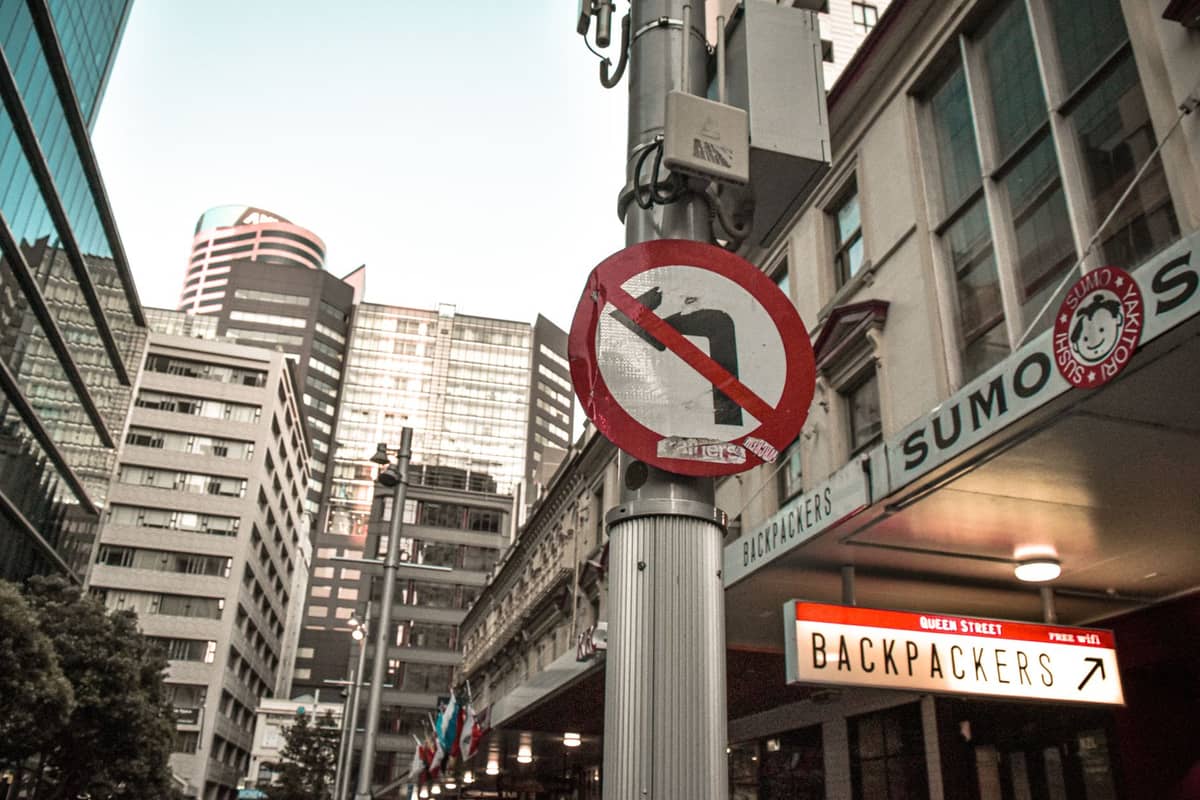
Hostel beds in Melbourne's CBD typically run from around A$35-55 per night in a dorm, with private rooms in budget hostels starting from roughly A$90-120. The best-value hostels are concentrated around the CBD, Fitzroy, and St Kilda. St Kilda is a reasonable choice if you do not mind being 6-7 km from the city centre, but factor in the cost of public transport back and forth.
Serviced apartments and Airbnb-style rentals can undercut mid-range hotels significantly, especially for stays of three nights or more or for groups. Budget motels exist in the inner suburbs, particularly Richmond and Carlton, but availability varies. Avoid booking accommodation on Southbank's prime river frontage: you are paying for the postcode, and the value per dollar drops sharply. The same money goes considerably further two or three suburbs out, with trains and trams making central Melbourne easily accessible.
✨ Pro tip
Accommodation rates in Melbourne spike significantly during major events: the Australian Open (January), the Formula 1 Grand Prix (March), AFL Finals (September), and the Melbourne Cup (November). Book well ahead for these periods, or plan your visit to avoid them if budget is a priority. Rates can double or triple during peak event weeks.
Seasonal Considerations and When to Visit
Melbourne has a temperate climate with genuinely variable conditions year-round. Summer (December to February) brings average highs around 25°C but can spike significantly above that, with occasional heatwaves. It is also the busiest and most expensive period for accommodation. Winter (June to August) sees average highs around 14°C and regular rain, but hotel rates drop and the city's indoor food and cafe scene comes into its own.
Autumn (March to May) is the most consistent period for budget travellers: milder temperatures averaging 11-20°C, lower accommodation prices than summer, and the city settling back into its regular rhythm after the summer event season. Spring (September to November) is appealing in theory, but October is Melbourne's wettest month on average and the weather can shift multiple times in a single day. Pack layers regardless of what season you visit. For a deeper look at timing your trip, the best time to visit Melbourne guide covers seasonal trade-offs in more detail.
FAQ
Is Melbourne expensive to visit?
Melbourne sits in the mid-to-high range for Australian cities, but it has more genuine free and low-cost experiences than most comparable destinations. Accommodation and dining are the biggest variables. Budget travellers staying in hostels, using public transport, and eating at markets or local suburbs can manage comfortably on A$80-120 per day. Staying in central CBD hotels and eating at Southbank restaurants will push that figure considerably higher.
Are trams really free in Melbourne?
Trams are free only within the central-city Free Tram Zone, which covers the CBD and Docklands. If your journey starts or ends outside the zone boundaries, a myki card loaded with credit is required. The City Circle tram falls within the free zone. Trains and buses are never free in any zone.
What is the cheapest way to get from Melbourne Airport to the city?
The cheapest option is the PTV bus service from the Terminal 4 Ground Transport Hub, which connects to the metropolitan train network. It is slower and less direct than SkyBus but costs significantly less. SkyBus City Express to Southern Cross Station runs around A$25.90 one-way and is far more convenient. Taxis and rideshare will typically cost more than SkyBus, especially with airport fees and peak-hour surcharges.
Which Melbourne neighbourhoods are best for budget travellers?
Fitzroy and Collingwood offer excellent cheap dining and nightlife within easy reach of the city. Footscray is the best value for food in the entire metropolitan area. Carlton is good for budget Italian and university-district pricing. St Kilda has budget accommodation options and a free beach, though the nightlife strip can be expensive. Avoid basing yourself in Southbank or Docklands if budget is a priority: both have limited cheap dining and inflated accommodation rates.
What free attractions are worth visiting in Melbourne?
The NGV International and Ian Potter Centre: NGV Australia both offer free access to permanent collections. The State Library Victoria is free and architecturally stunning. The Royal Botanic Gardens, Birrarung Marr, Hosier Lane street art, Carlton Gardens, and St Kilda Beach all cost nothing to visit. The historic City Circle tram is free within the Free Tram Zone and doubles as a sightseeing loop of the CBD.
Tickets & tours
Live prices and dates from our booking partner. If you book, we may earn a commission at no extra cost to you.
Planning a trip? Discover personalized activities with the Nomado app.