Things to Do in Melbourne: A Complete Guide to Australia's Cultural Capital
Melbourne rewards visitors who look beyond the obvious. This guide covers the city's best experiences across culture, food, sport, nature, and neighbourhoods — with practical details on getting around, what to skip, and how to make the most of every day in Melbourne, Australia.
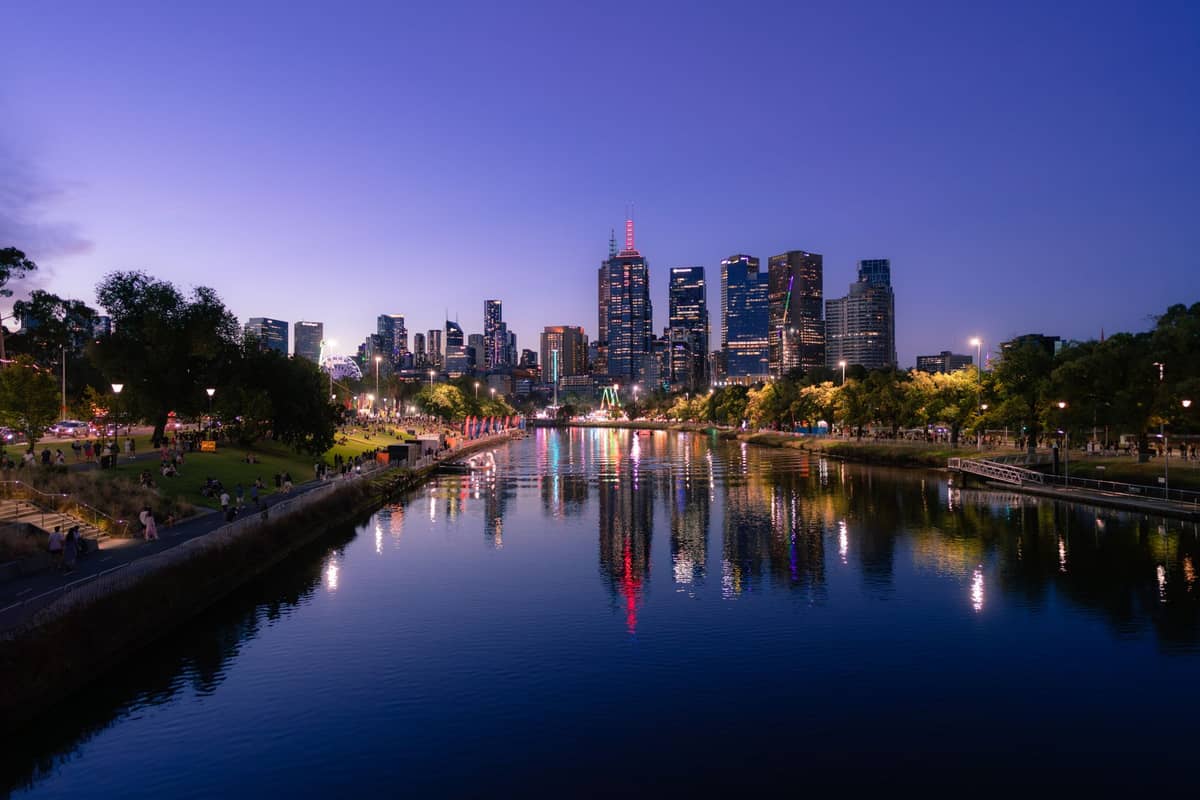
Tickets & tours
Live prices and dates from our booking partner. If you book, we may earn a commission at no extra cost to you.
TL;DR
- Melbourne sits on the traditional lands of the Wurundjeri Woi-wurrung and Bunurong peoples of the Kulin Nation — context worth knowing before you arrive.
- The city's free tram zone covers the central grid only — trips that cross the boundary require a myki card. See our full guide to getting around Melbourne for route planning.
- Autumn (March–May) and spring (September–November) offer the most comfortable temperatures, though spring weather is notoriously unpredictable — four seasons in one day is a local cliché that holds up.
- Queen Victoria Market does not trade every day; check its official calendar before planning a visit. Melbourne's markets guide covers all the major options.
- Melbourne Airport (MEL, Tullamarine) is about 23 km from the city centre — budget at least 30–45 minutes in normal traffic, more during peak hours.
Why Melbourne Rewards Time Over Ticking Boxes
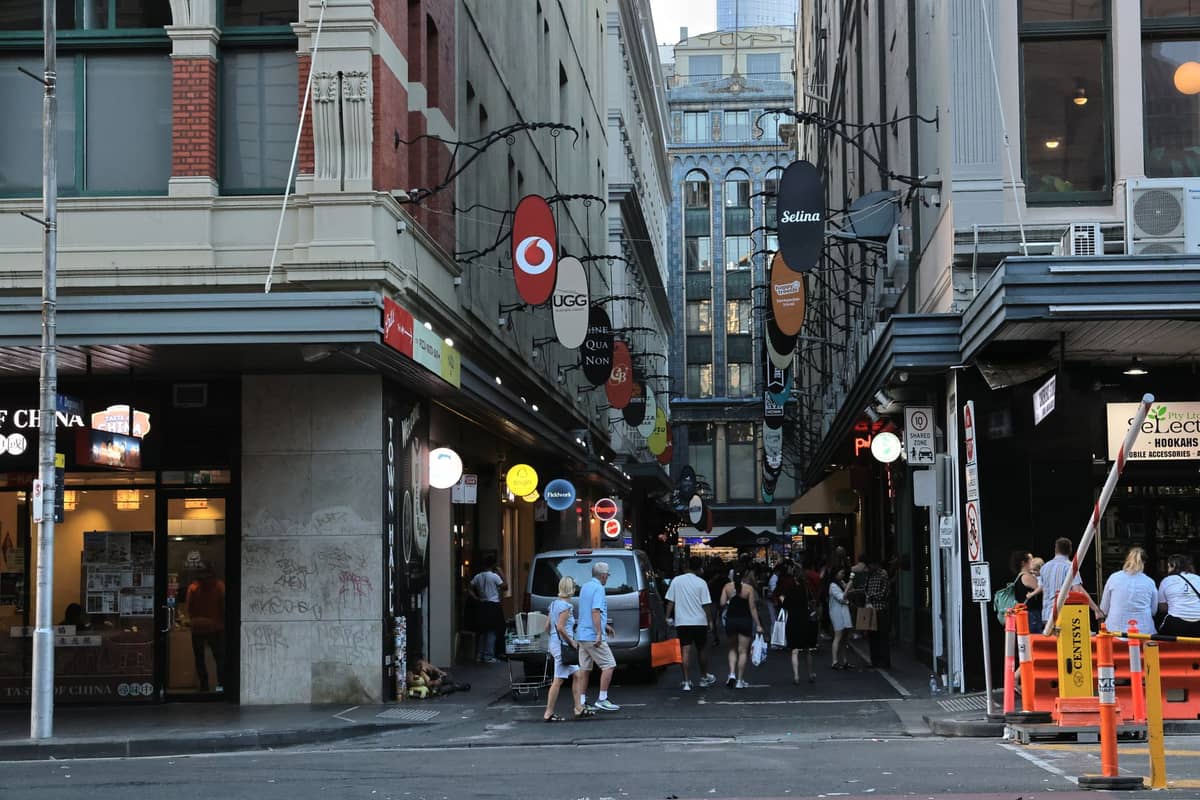
Melbourne is the kind of city that reveals itself gradually. The headline attractions — Federation Square, the MCG, the Queen Victoria Market — are worth visiting, but they represent only the surface. The city's real texture lives in the laneways threading through the CBD grid, in the neighbourhood cafes of Fitzroy and Carlton, in the galleries and parks that most visitors stumble across only by accident. That's not a romantic abstraction: it's a practical note. If you spend your entire trip on the tourist circuit, you'll miss what makes Melbourne genuinely distinctive among Australian cities.
Things to do in Melbourne fall into a few natural clusters: the cultural precinct around Federation Square and Southbank, the sporting venues around the MCG and Marvel Stadium, the inner-north neighbourhoods of Fitzroy and Carlton, the beach strip at St Kilda, and the day-trip destinations beyond the city limits. Understanding these clusters helps you plan time efficiently rather than zigzagging across the metro area.
Culture, Art, and History in the City Centre
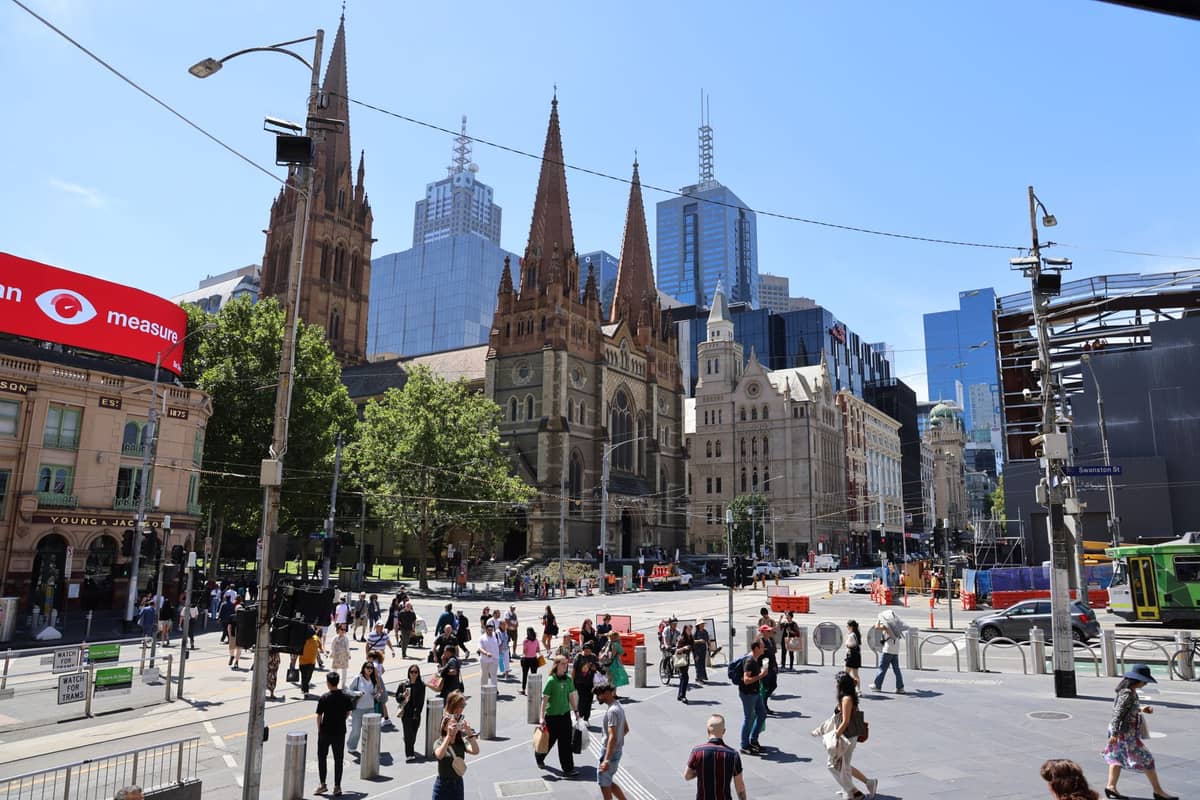
Melbourne's central cultural precinct is compact and walkable. The NGV International on St Kilda Road is one of the most-visited art museums in the Southern Hemisphere and entry to the permanent collection is free. The Ian Potter Centre: NGV Australia at Federation Square focuses on Australian art across the same free-entry model. Both are worth separate visits; they're distinct institutions with different collections, not two wings of the same building.
The State Library Victoria is one of the most underused buildings in the city by visitors. Its La Trobe Reading Room, with a domed ceiling rising over 34 metres, is architecturally extraordinary and entry is free. The library holds significant colonial-era collections and rotating exhibitions. Around the corner, the Royal Arcade and Block Arcade offer a genuine sense of late-19th-century Melbourne — ornate tilework, heritage shopfronts, and the kind of atmospheric detail that the CBD's modern towers have erased elsewhere.
For a more confronting slice of history, the Old Melbourne Gaol is genuinely compelling — not in a theme-park way, but because the building and its stories are real. Ned Kelly was hanged here in 1880. The night tours are popular and should be booked ahead. The Immigration Museum on Flinders Street takes a different angle on Melbourne's history, tracing the stories of the waves of migrants who shaped the city — relevant given that Mandarin, Vietnamese, Greek, Arabic, and Punjabi are all widely spoken across Greater Melbourne today.
💡 Local tip
The free permanent collections at NGV International and Ian Potter Centre make Melbourne one of the best cities in the world for free cultural visits. Plan these for a Tuesday to Friday morning when crowds are thinner — weekend afternoons can be congested, especially during major exhibitions.
Laneways, Street Art, and Neighbourhood Walks
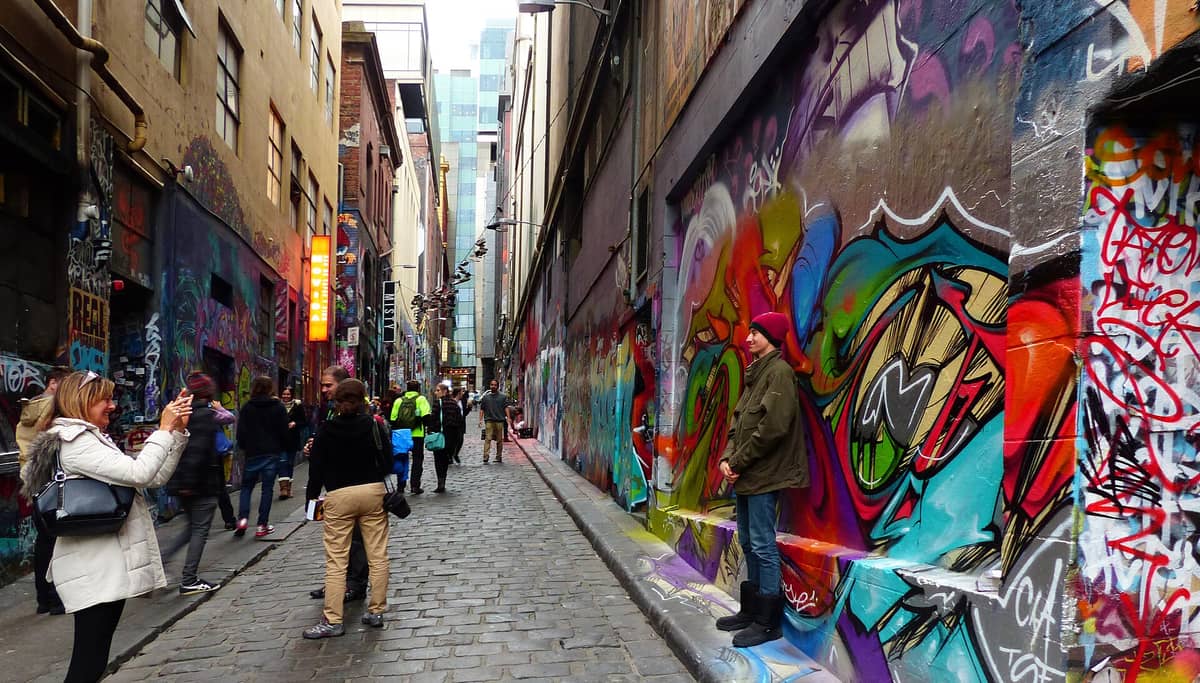
Melbourne's laneway culture is genuinely distinctive and not just a marketing slogan. Hosier Lane near Federation Square is the most photographed, and for good reason — the rotating street art is legitimate, not municipal decoration. But Hosier Lane gets crowded, and the art changes frequently. AC/DC Lane off Flinders Lane is smaller and more consistent. Degraves Street, connecting Flinders Lane to Flinders Street Station, is the laneway for coffee and people-watching — narrow, café-lined, and reliably busy from 7am onwards.
Beyond the CBD, Fitzroy offers the densest concentration of independent galleries, bookshops, vintage stores, and bars in Melbourne. Brunswick Street and Smith Street are the main spines. The neighbourhood feels less self-conscious than it did a decade ago but remains the city's creative heartland. For Melbourne's street art scene beyond the obvious laneways, Fitzroy's side streets reward slow walking.
⚠️ What to skip
Hosier Lane has become so well-known that it's frequently mobbed by tour groups. If you want to actually look at the art rather than photograph other people looking at it, arrive before 9am on a weekday. The laneways around Hardware Lane and Centre Place are quieter and equally interesting for the café and architecture experience.
Parks, Gardens, and Getting Outside
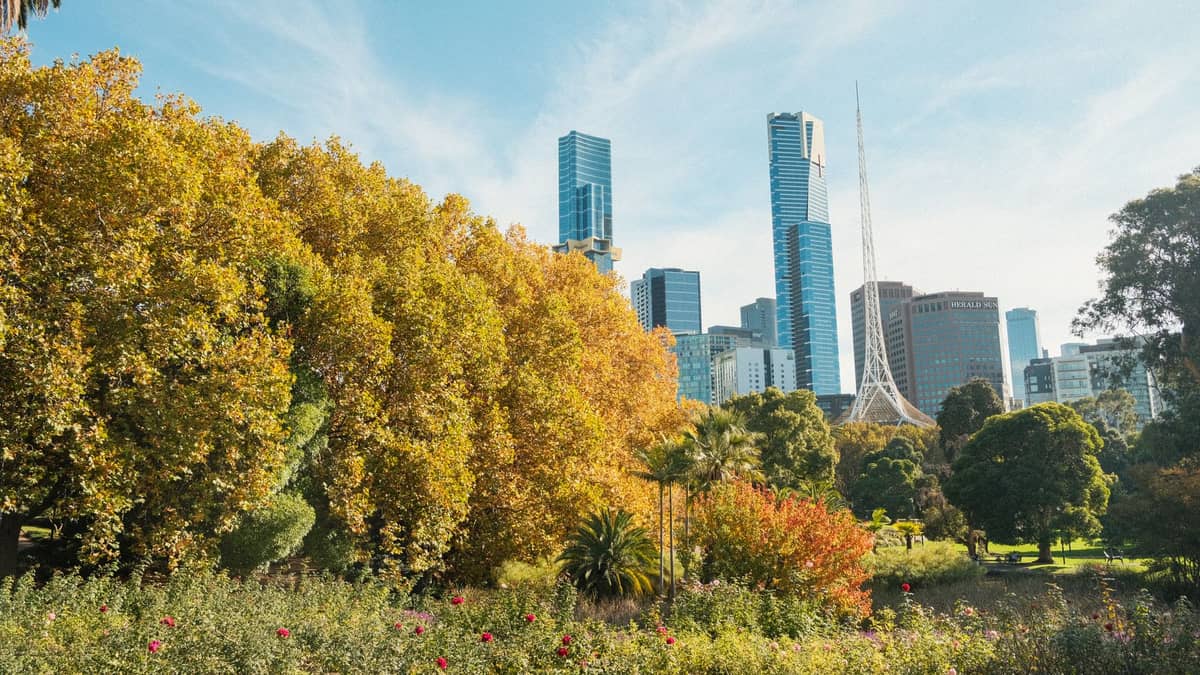
The Royal Botanic Gardens Victoria are free to enter and open daily, including public holidays. Hours run 7:30am to 7:30pm from October through March, shortening to 7:30am to 5:30pm from April through September. The 38-hectare gardens sit immediately south of the CBD along the Yarra River and contain more than 50,000 plants across significant collections. Note: the Children's Garden within the grounds has separate hours and is generally closed Mondays and Tuesdays outside school holidays.
The Yarra River corridor provides a logical green spine through the inner city. Walking or cycling from the Botanic Gardens upstream toward Yarra Bend Park takes you away from the tourist precinct and into one of the largest areas of natural bushland within any Australian capital city. The Koonung Creek Trail and Yarra Main Trail are well-marked and connect several suburbs without requiring a car.
For beaches, St Kilda Beach is the closest option to the city (around 6 km from the CBD), but water quality and crowd density make it a mixed proposition in summer. Brighton Beach, about 11 km south, is calmer and home to the famous Brighton bathing boxes. For actually swimming, the best beaches near Melbourne are generally found on the Mornington Peninsula, an hour or more from the city.
Markets, Food, and Melbourne's Eating Culture
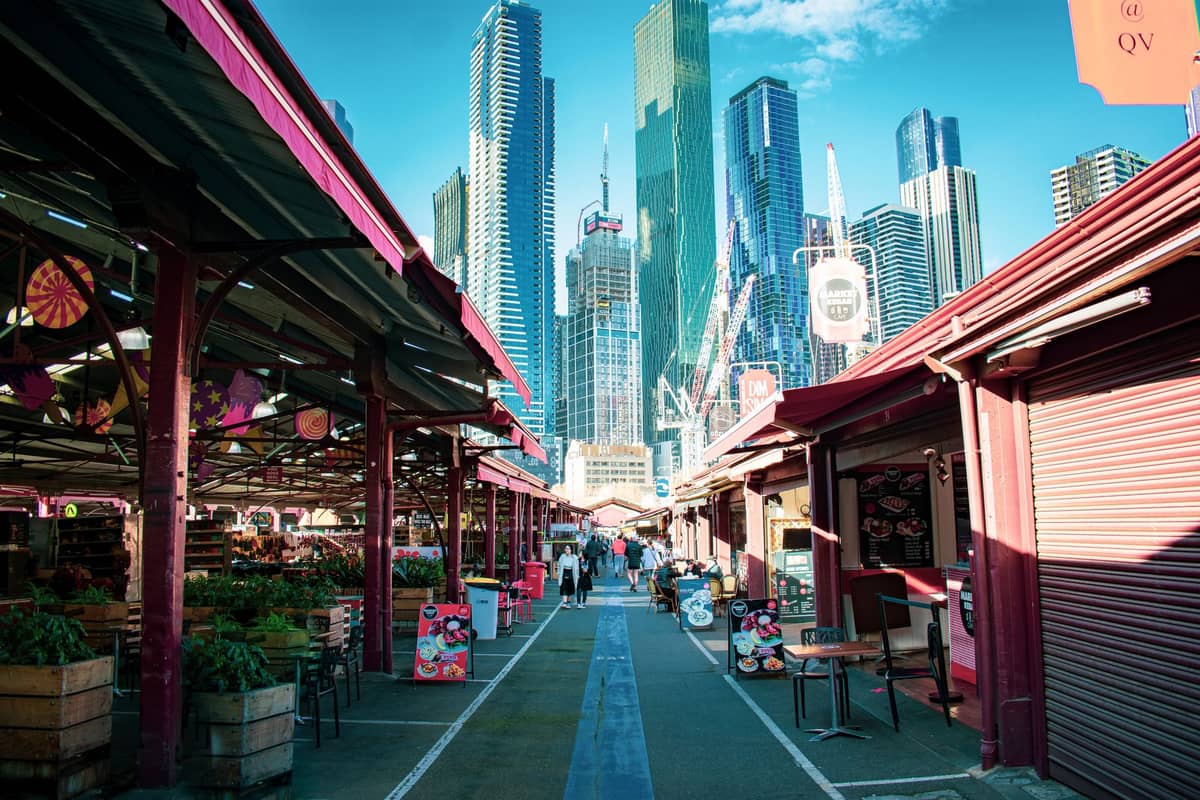
The Queen Victoria Market is the city's most famous market and one of the largest open-air markets in the Southern Hemisphere. It operates Tuesday, Thursday, Friday, Saturday, and Sunday — not daily. Friday and Saturday mornings are the best times for the full produce and deli experience. From November through March, the market also runs seasonal Wednesday-night markets with food stalls and live music. Arrive with a plan: the market is large enough that aimless wandering eats time without delivering much.
Melbourne's café culture is serious and specific. The city is genuinely one of the most significant coffee cities in the world, partly due to the influence of postwar Italian and Greek immigration and partly due to the café-as-social-institution culture that developed from it. Flat whites, long blacks, and piccolos are the standard orders — asking for a "regular coffee" will get you a quizzical look. Our Melbourne coffee guide covers the best cafés by neighbourhood.
For food beyond cafés, Melbourne's multicultural eating landscape is one of its genuine strengths. Lygon Street in Carlton has the Italian heritage dining, but the more interesting eating is now elsewhere: Vietnamese in Footscray, Chinese in Box Hill, Greek in Oakleigh, and layers of newer cuisines from East Africa and the Middle East across the western suburbs. The guide to Melbourne's multicultural food scene maps this properly.
- Queen Victoria Market Trades Tuesday, Thursday, Friday, Saturday, Sunday. Best for: deli produce, fresh fruit and vegetables, cheap hot food. Get there by 9am on Saturday for the full experience before crowds peak.
- South Melbourne Market Smaller than Queen Vic but arguably better for food stalls. Open Wednesday, Friday, Saturday, Sunday. The dim sims here have been made on-site since 1949 and are a genuine Melbourne food institution.
- Prahran Market A covered market in South Yarra focused on specialty produce and artisan food. Open Tuesday, Thursday, Friday, Saturday, Sunday. Best for: local cheeses, smallgoods, specialty grocers.
Sport, Events, and the Melbourne Calendar
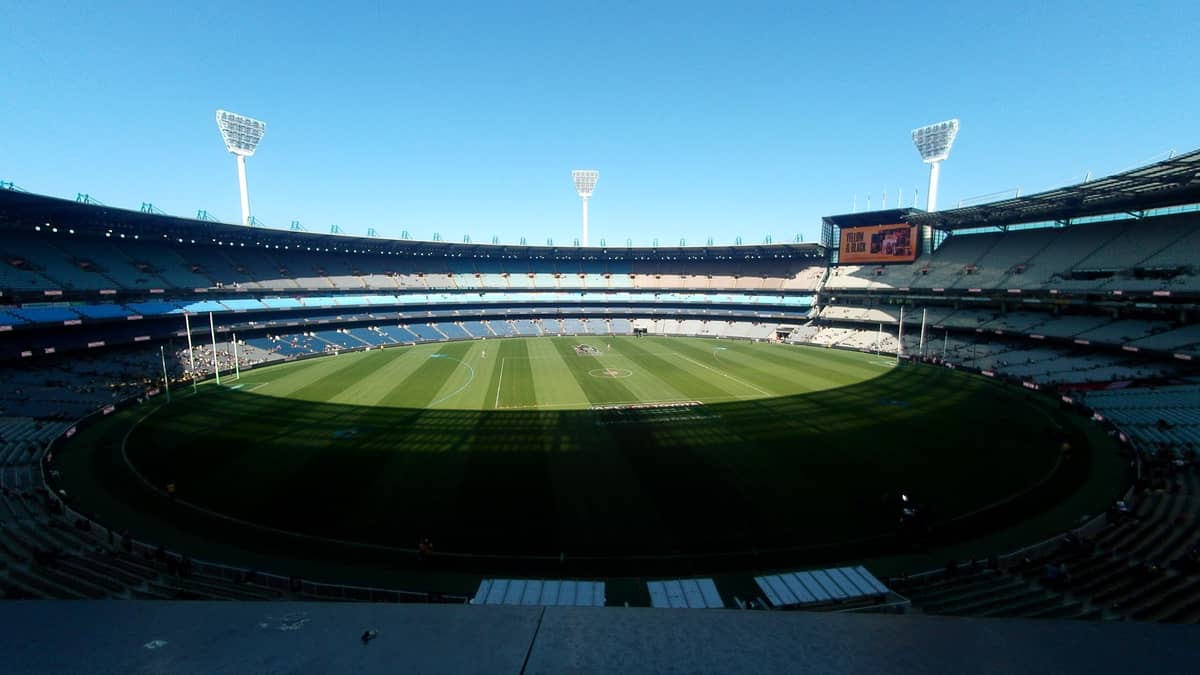
Sport is not incidental to Melbourne's identity — it's structural. The Melbourne Cricket Ground (MCG) seats over 100,000 and hosts AFL football from March to September and Test cricket from October to February. Attending a game here, regardless of your interest in the sport, gives you access to something rare: a stadium that functions as a legitimate civic institution. Tours of the ground operate on non-event days.
The Australian Open takes place each January at Melbourne Park, adjacent to the MCG. It's the first Grand Slam of the year and draws significant crowds to the surrounding precinct. Ground passes are available without booking specific matches and give access to the outer courts, which offer genuinely close viewing. Our Australian Open guide covers tickets, logistics, and what's worth the money.
The Melbourne Cup, run at Flemington Racecourse on the first Tuesday in November, is a public holiday in metropolitan Melbourne and one of the most-attended horse races in the world. Whether you attend or not, the city feels different that week. The Melbourne events calendar covers the major annual events with practical detail.
✨ Pro tip
For major sporting events like AFL finals, the Australian Open, or the Melbourne Cup, accommodation prices in the city centre spike significantly. Book at least 2–3 months ahead if your visit overlaps with these dates, or base yourself in an inner-north neighbourhood like Carlton or Fitzroy where prices tend to be lower and transport links remain good.
Day Trips and Getting Out of the City
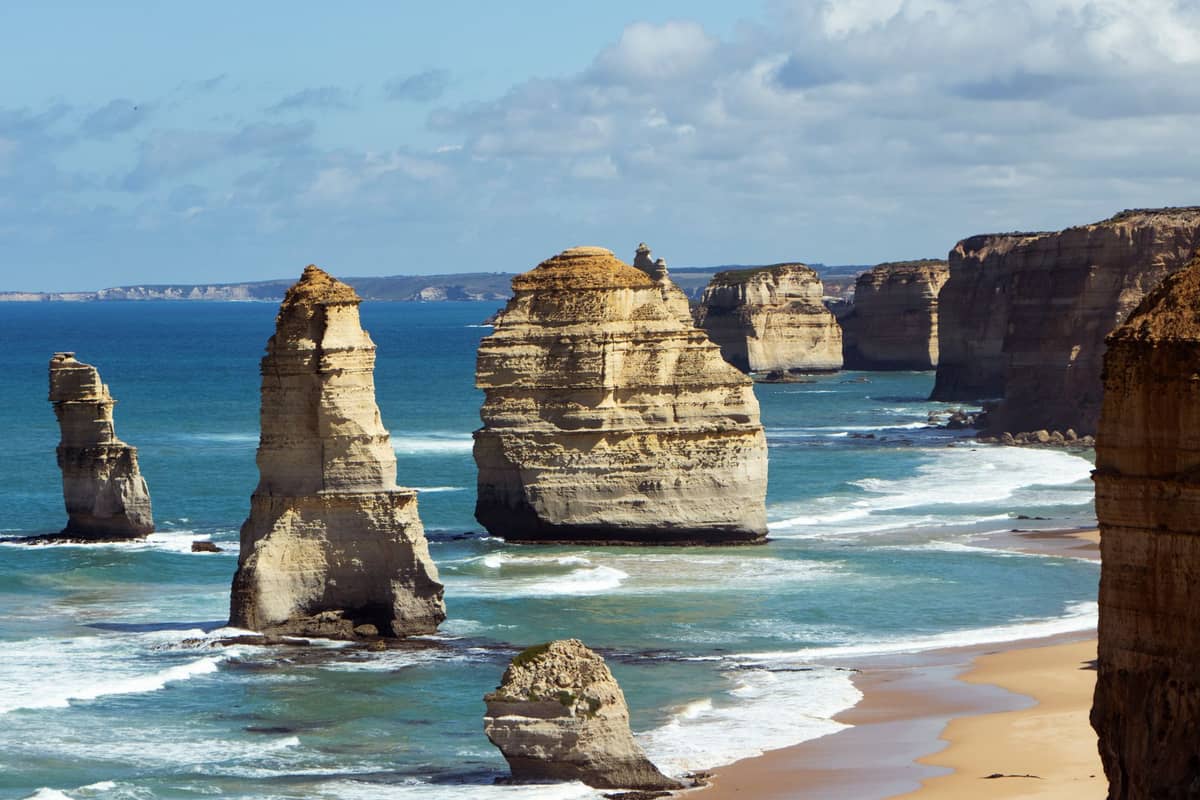
Melbourne's position in Victoria makes it a natural base for day trips. The Great Ocean Road is the most-requested day trip, and it's legitimately spectacular — the Twelve Apostles limestone stacks at the far end are one of the most photographed landscapes in Australia. However, the round trip from Melbourne is around 400–500 km depending on your route. A single day is possible but rushed; an overnight stay along the route gives you better light and less pressure.
The Yarra Valley wine region sits about 60–80 km east of the CBD. Cool-climate pinot noir and chardonnay are the region's strongest suits. The Puffing Billy steam railway at Belgrave — reached by suburban train from Flinders Street — is a slower, family-oriented option in the same general direction. Phillip Island, around 140 km southeast of Melbourne, hosts the nightly Penguin Parade, where little penguins return from sea at dusk. It requires booking in advance, especially in summer.
- Great Ocean Road: 2–3 hours drive to Torquay, full day or overnight for the Twelve Apostles section
- Yarra Valley: 1–1.5 hours from the CBD, best for a self-drive with winery visits Tuesday to Sunday
- Dandenong Ranges: 45–60 minutes from the CBD, good for forest walks and the Puffing Billy railway
- Mornington Peninsula: 1–1.5 hours from the CBD, combines beaches, hot springs, and cellar doors
- Phillip Island: 2 hours from the CBD, book the Penguin Parade well ahead in peak season
Practical Essentials Before You Go
Australia does not offer visa-free or visa-on-arrival entry to all nationalities. Most visitors need at least an Electronic Travel Authority (ETA) or eVisitor, which must be arranged before departure. Check the Australian Department of Home Affairs visa finder for your specific passport situation before booking flights. Processing is typically fast and online, but it's not automatic.
The currency is the Australian dollar (AUD). Tipping is not compulsory in Melbourne and service charges are not generally added to bills automatically. Rounding up or leaving 10% is appreciated at restaurants but leaving nothing carries no social stigma. Tap water is safe to drink across metropolitan Melbourne. The emergency number is 000 for police, fire, or ambulance. Australia uses Type I power outlets at 230V/50Hz — check whether you need a plug adapter for your devices.
For transport within the city, the myki card is the standard ticketing system for trains, trams, and buses. Trams within the designated Free Tram Zone (the central CBD grid plus some extensions) are free without a card. Any trip crossing the zone boundary requires a valid myki. Zone maps are available at stations and on the PTV website. The City Circle Tram The City Circle Tram on route 35 loops around the CBD and Docklands and is a useful, free orientation tool for first-time visitors.
ℹ️ Good to know
Melbourne uses Australian Eastern Standard Time (AEST, UTC+10) and switches to Australian Eastern Daylight Time (AEDT, UTC+11) during daylight saving, which typically runs from early October to early April. If you're coordinating with people in other states or countries, account for this shift — it catches many visitors out.
- Visa: Check your requirements at immi.homeaffairs.gov.au before booking — most visitors need an ETA or eVisitor
- Currency: Australian dollar (AUD); card payments are accepted almost everywhere
- Transport card: myki for trains, trams outside the Free Tram Zone, and buses
- Airport: Melbourne Airport (MEL) is 23 km from the CBD; SkyBus to Southern Cross Station costs around A$25.90 one-way (verify current fares)
- Emergency: Call 000 for police, fire, or ambulance
- Power: Type I plug, 230V/50Hz — most international visitors need an adapter
- Time zone: AEST (UTC+10) in winter, AEDT (UTC+11) during daylight saving (October–April)
FAQ
What are the best free things to do in Melbourne?
The NGV International and Ian Potter Centre galleries have free permanent collections. The Royal Botanic Gardens are free and open daily. The State Library Victoria is free and worth visiting for the La Trobe Reading Room alone. Hosier Lane and the laneway network cost nothing to walk through. The City Circle Tram provides a free loop of the CBD. For a fuller breakdown, see the guide to free things to do in Melbourne.
How many days do you need in Melbourne?
Three to four days covers the central city, a beach or park visit, and one neighbourhood deep-dive. Five to seven days lets you add a day trip (Great Ocean Road, Yarra Valley, or Phillip Island) without feeling rushed. If you're visiting for a major event like the Australian Open or Melbourne Cup, add extra time around the event itself since the city runs at a different pace during those weeks.
What is the best time to visit Melbourne?
Autumn (March to May) and spring (September to November) offer the most comfortable temperatures, ranging roughly 11–20°C. Summer (December to February) can bring days above 35°C followed by cool changes — the weather is genuinely unpredictable year-round, which is why locals say Melbourne has four seasons in one day. Winter (June to August) is mild by international standards (7–14°C) but grey, and indoor cultural venues are at their most appealing. Major events cluster across the whole year, so check the events calendar before choosing dates.
Is Melbourne or Sydney better to visit?
They're genuinely different cities and the comparison is less useful than it sounds. Sydney has the Opera House and Harbour Bridge, cleaner surf beaches, and a sunnier disposition. Melbourne has more concentrated cultural infrastructure (galleries, live music, theatre), a stronger restaurant and café scene by most assessments, and more walkable inner neighbourhoods. If you only have time for one, your preference for outdoors versus culture is probably the deciding factor. Many visitors to Australia visit both — they're connected by daily flights (about 80 minutes) and an overnight train.
Do you need a car to get around Melbourne?
No, not for the central city and inner suburbs. The tram network covers the CBD and inner areas well, and the Free Tram Zone means central travel costs nothing. Trains extend into the suburbs and day-trip destinations like the Dandenong Ranges and Belgrave (Puffing Billy). You will need a car or tour for the Great Ocean Road, Yarra Valley wineries, Phillip Island, and the Mornington Peninsula hot springs — public transport to these areas is limited or impractical.
Tickets & tours
Live prices and dates from our booking partner. If you book, we may earn a commission at no extra cost to you.
Planning a trip? Discover personalized activities with the Nomado app.