What to Eat in Melbourne: A Complete Food Culture Guide
Melbourne's food scene is one of the most diverse and serious in the Southern Hemisphere. This guide covers the dishes, neighbourhoods, markets, and cultural context you need to eat well in Melbourne — whether you have three days or three weeks.
Tickets & tours
Live prices and dates from our booking partner. If you book, we may earn a commission at no extra cost to you.
TL;DR
- Melbourne's food culture is shaped by wave after wave of immigration — Greek, Italian, Vietnamese, Chinese, Lebanese, Sri Lankan — making it genuinely one of the world's most diverse dining cities.
- Coffee is taken seriously here: flat whites, piccolo lattes, and single-origin filter are the norm. Instant coffee is rarely encountered outside hotel rooms.
- The Queen Victoria Market is the best single place to experience Melbourne's produce culture — open Tuesday through Sunday, closed Monday and Wednesday.
- For the most rewarding meals, leave the CBD and head to Fitzroy, Footscray, or Richmond's Victoria Street.
- Tipping is not compulsory in Melbourne. Rounding up or leaving 10% at a sit-down restaurant is appreciated but optional.
Why Melbourne's Food Scene Is Different
Melbourne sits on the traditional lands of the Wurundjeri Woi-wurrung and Bunurong peoples of the Kulin Nation, and its modern food identity has been built by successive generations of migrants who brought their culinary traditions and made them permanent fixtures of the city. The post-WWII waves of Greek and Italian arrivals gave Melbourne its espresso culture and pasta traditions. Vietnamese refugees in the 1970s and 1980s established Footscray and Richmond as the city's best destinations for pho, banh mi, and fresh rice paper rolls. More recent arrivals from Sri Lanka, Ethiopia, Malaysia, and the Middle East have added further depth to a food landscape that rewards genuine curiosity.
This isn't fusion or approximation — it's the real thing, cooked by people who grew up with these dishes. That distinction matters when you're deciding where to spend your food budget. A bowl of bun bo Hue on Victoria Street in Richmond, served in a room with formica tables and no Instagram aesthetic, will almost always beat a trendy reinterpretation in the CBD for both authenticity and value.
ℹ️ Good to know
Melbourne has no legislated official language at the federal level, but English is the working language of the city. In inner-suburban food precincts like Footscray, menus may also appear in Vietnamese, Mandarin, or Somali — a genuine reflection of the communities that run those kitchens, not a marketing exercise.
The Essential Melbourne Dishes and Drinks
Before exploring neighbourhoods, it helps to know what to actually order. Melbourne has a few canonical eating and drinking experiences that most serious food visitors treat as benchmarks.
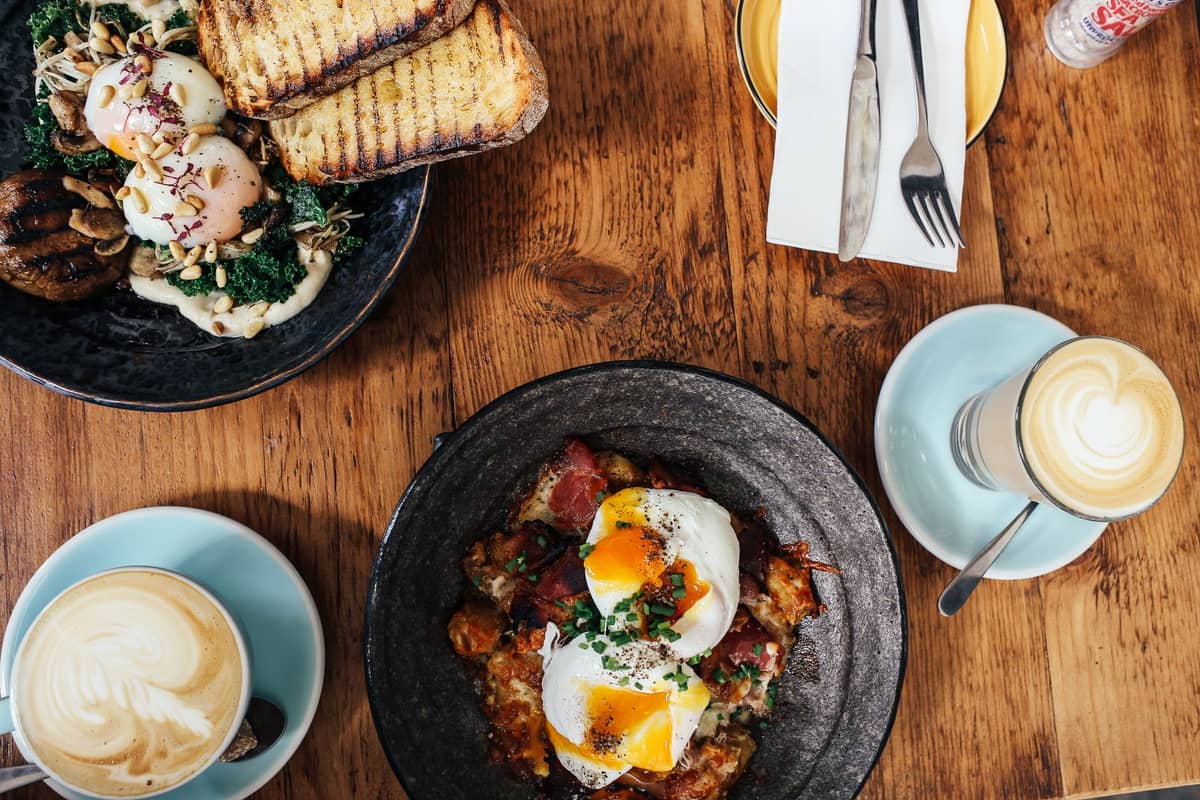
- Flat white Melbourne's default coffee order. A double ristretto shot in a ceramic cup with textured whole milk — smaller and stronger than a latte. Ordering a large coffee or asking for extra-hot milk is a reliable way to identify yourself as a tourist.
- Pho and bun bo Hue Vietnamese beef noodle soups found in Footscray and Richmond. Pho is the lighter, more fragrant version; bun bo Hue is spicier and richer. Both are typically eaten for breakfast or lunch.
- Dim sum (yum cha) Cantonese brunch service, available across Chinatown in the CBD and in Box Hill and Glen Waverley. Weekend mornings see long queues at the best spots — arrive before 11am or expect to wait.
- Smashed avocado Yes, it's a cliché, but Melbourne cafe culture genuinely invented the brunch format that spread globally. Inner-suburb cafes take it seriously: sourdough, proper seasoning, often with added components like dukkah or pickled onion.
- Greek food Melbourne has one of the largest Greek-speaking populations outside Greece. The suburb of Oakleigh is the centre of gravity for authentic Greek taverna dining — lamb on the spit, spanakopita, and proper baklava.
- Sri Lankan curry Found in Footscray and parts of the inner north. Denser and more coconut-forward than Indian curries, with unique dishes like pol sambol and string hoppers that rarely appear on menus elsewhere in Australia.
- Seasonal Victorian produce Stone fruit peaks December through February; asparagus in September and October; mushrooms through autumn. Chefs in Melbourne lean heavily on the Yarra Valley, Mornington Peninsula, and Gippsland for high-quality local ingredients.
The Food Neighbourhoods Worth Knowing
Melbourne's best eating is distributed across its inner suburbs, not concentrated in one place. Fitzroy and neighbouring Collingwood run along Smith Street and Brunswick Street, which between them cover everything from natural wine bars to Ethiopian injera restaurants to Korean fried chicken. This is where Melbourne's restaurant industry comes to eat on its nights off, which is usually a useful signal.
Footscray, about 6 km west of the CBD, is the city's most underrated food destination and one of the most culturally specific eating precincts in Australia. The Vietnamese restaurants and grocers along Hopkins Street and the surrounding blocks are excellent, and the neighbourhood has a growing Ethiopian and Eritrean food presence that's not well replicated elsewhere in Melbourne. Meals here are reliably inexpensive — a full lunch rarely exceeds $15-20 AUD.
Richmond's Victoria Street is specifically for Vietnamese food: pho shops, banh mi bakeries, and supermarkets stocked with Southeast Asian ingredients run for several blocks. Carlton's Lygon Street handles the Italian end of things — it's more tourist-oriented than it once was, but a few genuinely old-school trattorie and gelaterie hold their own among the pizza chains. Carlton is also home to the Melbourne Museum and the Royal Exhibition Building, making it easy to combine a cultural day with a proper Italian lunch.
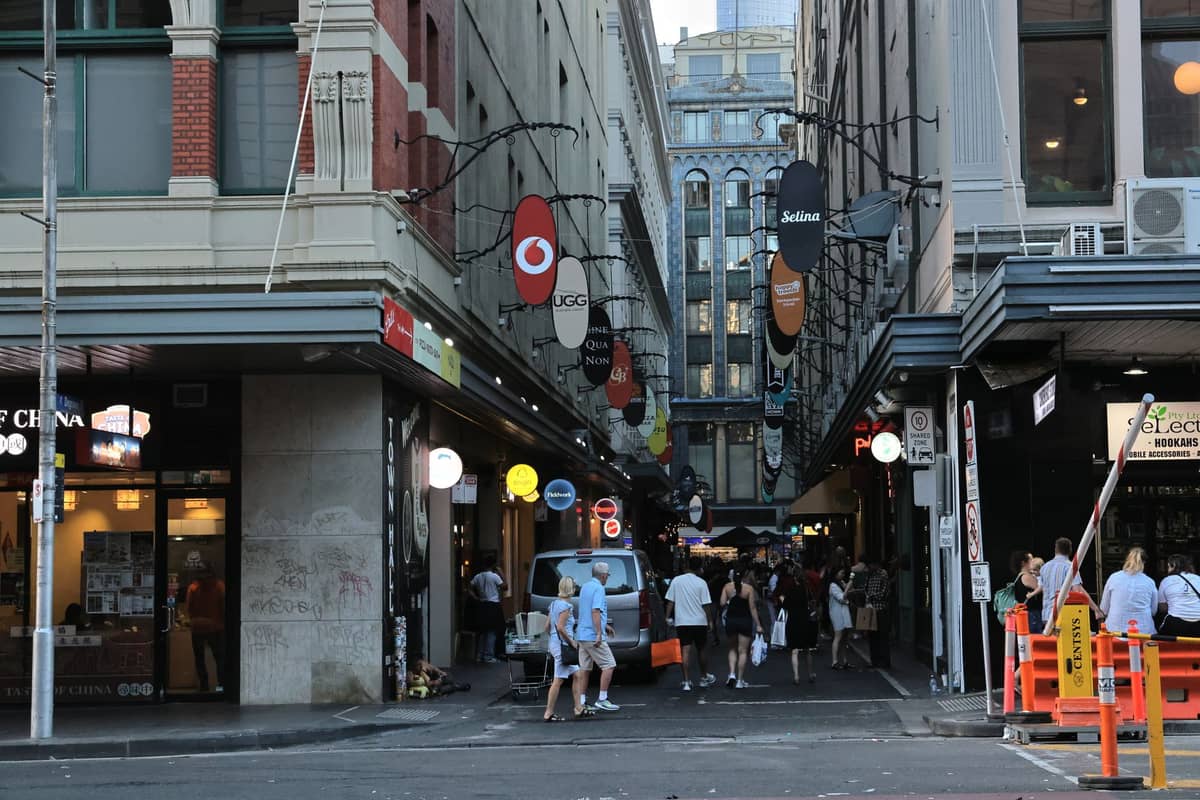
The CBD's Degraves Street and the surrounding laneways are where Melbourne's cafe reputation was built. The espresso bars here are real, the quality is high, and the foot traffic is constant. It's not a local secret — the whole city knows about it — but the coffee is still worth stopping for. Check the Melbourne coffee guide for a more detailed breakdown of cafes by neighbourhood.
⚠️ What to skip
The CBD's Chinatown on Little Bourke Street is convenient and some restaurants are genuinely good, but it's worth comparing prices and portion sizes to the equivalent in Box Hill or Glen Waverley before committing. Suburban Cantonese cooking in Melbourne is often better value and less tourist-adjusted than what you'll find in the city centre.
Queen Victoria Market: What to Know Before You Go
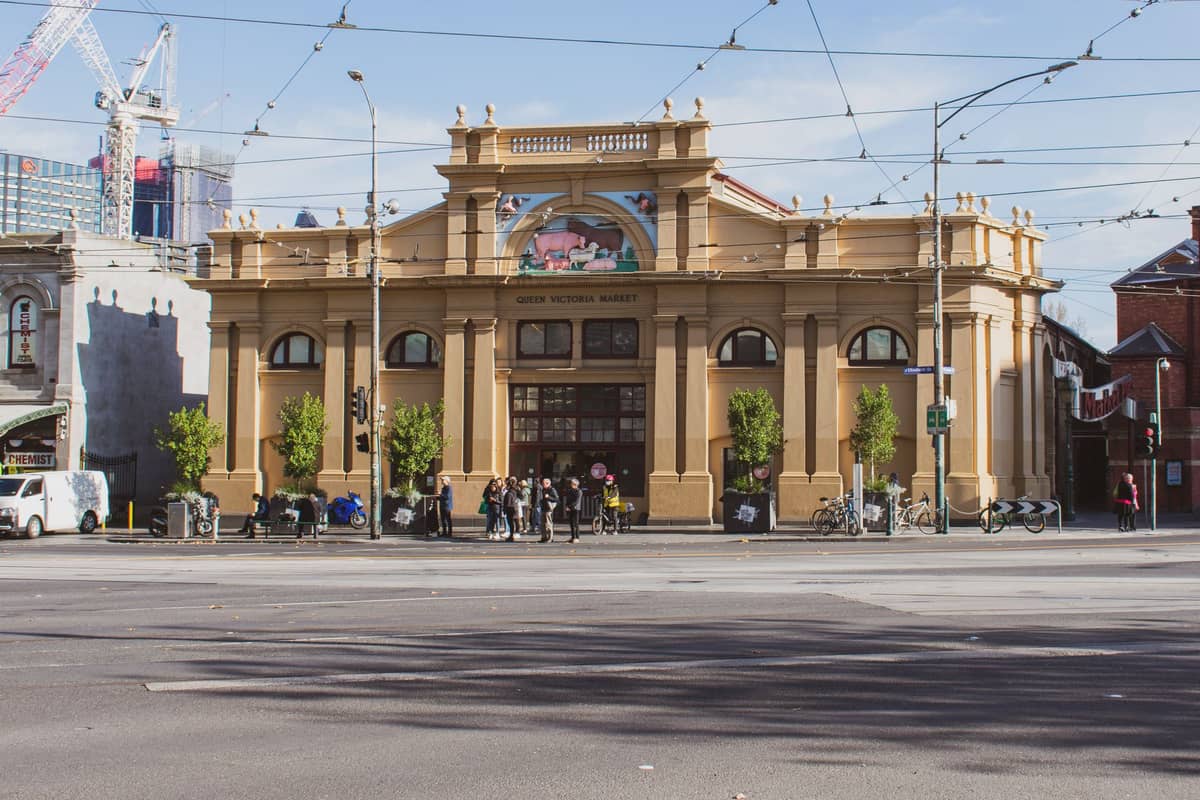
The Queen Victoria Market is Melbourne's largest open-air market and the most practical starting point for understanding how the city eats. More than 600 traders operate across the site, selling fresh produce, meat, seafood, deli goods, and cooked food. It sits at the northern edge of the CBD, about a 15-minute walk from Flinders Street Station.
The market's hours vary by day and section, so check before visiting: it's open Tuesday and Thursday–Friday from 6am to 3pm, Saturday from 6am to 4pm, and Sunday from 9am to 4pm. It is closed on Mondays and Wednesdays. Specialty shopping opens at 9am every Market day.
The Queen's Food Hall inside the market is worth a full hour on its own. Traders serve Malaysian laksa, Cantonese barbecue, Sri Lankan rice and curry, Japanese takoyaki, and Shanghai-style dishes, among others. It reflects Melbourne's multicultural food identity in concentrated form and at reasonable prices. Wednesday night markets run seasonally — check the official Queen Victoria Market website for current dates before planning around them.
✨ Pro tip
Arrive at the produce section before 8am on a Saturday to get the best selection and avoid peak crowds. By 10am on weekends, the aisles near the deli hall become genuinely difficult to navigate. The meat and seafood sections reward early arrival for quality as much as convenience.
Eating Well Without Spending Much
Melbourne's food budget can stretch further than most visitors expect if you know where to look. The multicultural food precincts consistently deliver the best value: Footscray for Vietnamese and East African, Springvale for Cambodian and Vietnamese, Dandenong for South Asian and Afghan. These suburbs require a train or tram ride from the CBD — around 20-40 minutes depending on the destination — but the food is worth the journey.
- Banh mi under $10 AUD Vietnamese bakeries in Footscray and on Richmond's Victoria Street sell filled baguettes — pate, cold cuts, pickled vegetables, fresh herbs — that remain one of Melbourne's best quick meals.
- Market food halls Both Queen Victoria Market and South Melbourne Market have food vendors serving cooked meals at lower prices than nearby restaurants. South Melbourne Market is also worth visiting for its oyster bar and dim sim stall — the South Melbourne dim sim is a local institution.
- Suburban yum cha Cantonese yum cha in Box Hill costs noticeably less than equivalent quality in Chinatown. A full table share can come to $20-25 AUD per person including tea.
- BYO restaurants Many of Melbourne's mid-range and suburban restaurants are BYO (bring your own alcohol), with a small corkage fee of $2-8 AUD per person. This significantly reduces the cost of a sit-down meal. Look for 'BYO' on the door or call ahead.
The Melbourne markets guide covers additional options including the South Melbourne Market and Prahran Market, both of which have strong food vendor sections alongside the fresh produce.
Seasonal Eating and When Produce Peaks
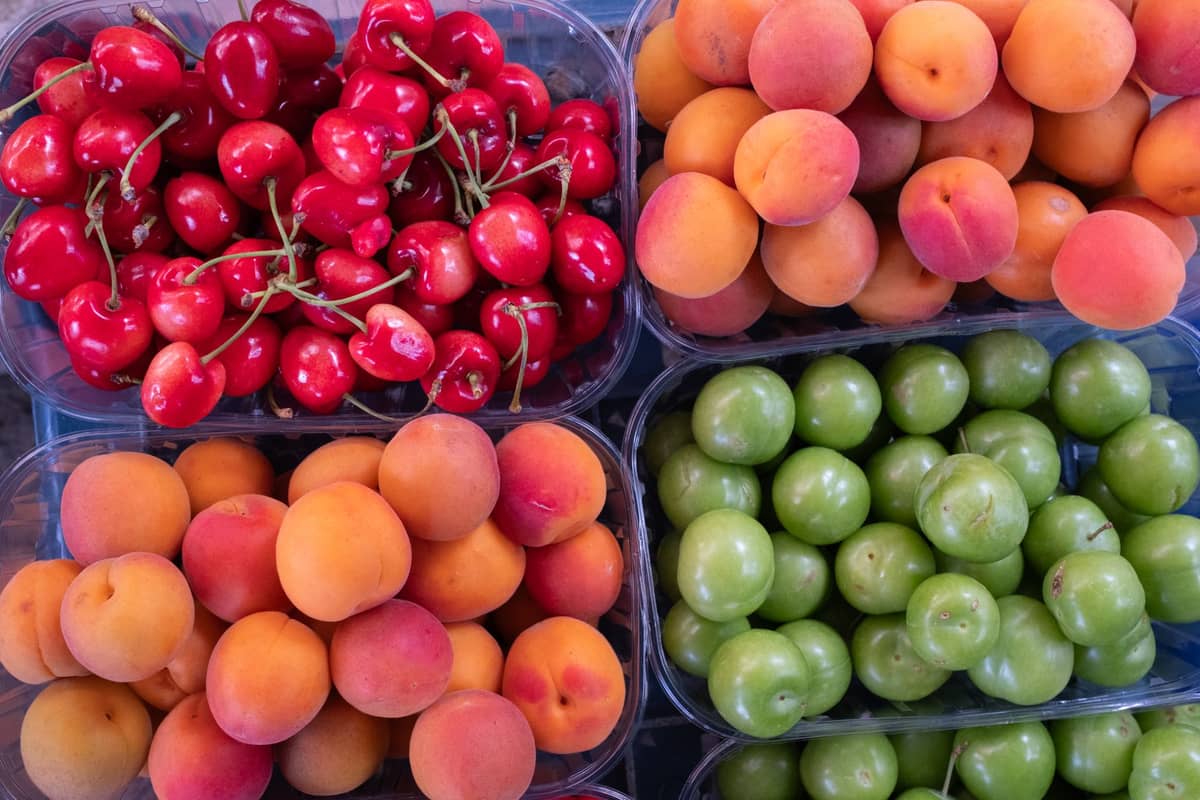
Melbourne's temperate climate means distinct seasonal produce, and the city's restaurant culture reflects this more than in most Australian cities. Summer (December to February) brings stone fruit — cherries, peaches, plums, nectarines — along with tomatoes, zucchini, and the first figs. Autumn (March to May) is prime mushroom season, and Victorian truffles appear on restaurant menus in June and July during the winter months.
Spring (September to November) sees asparagus return to produce markets and cafes, along with artichokes and the beginning of berry season. Visiting the Yarra Valley in autumn doubles as a food and wine trip — the valley supplies many of Melbourne's top restaurants with dairy, berries, and cool-climate wines, and several producers operate cellar doors and farm shops open to visitors.
💡 Local tip
If you visit during summer, Melbourne's food scene aligns with a full calendar of outdoor events including open-air cinema screenings, twilight markets, and festival dining. Check the Queen Victoria Market's Night Market schedule (Wednesday evenings, seasonal) before planning a visit — it runs from approximately November through March but dates change each year.
Practical Eating Logistics
Tipping is not compulsory in Melbourne and there is no cultural expectation that you will tip. Rounding up or leaving 10% at a sit-down meal is genuinely appreciated and increasingly common, but you will not be chased or given bad service for not doing so. At cafes and takeaway places, tip jars are common but optional.
Most Melbourne restaurants accept credit and debit cards, including international cards. A small surcharge (typically 1-2%) is legal and common on weekends and public holidays — you'll usually see a note on the menu. Cash is still useful for smaller market traders and some very small suburban cafes. Tap water is safe to drink in Melbourne and is served free at restaurants on request.
Dietary requirements are handled well at most Melbourne restaurants — vegetarian, vegan, and gluten-free options are standard on most menus. The multicultural nature of the food scene means many cuisines (Ethiopian, much of South and Southeast Asian, much of Middle Eastern) are naturally accommodating of non-meat eaters. Getting around the inner suburbs to reach food precincts is easiest via tram — use the Free Tram Zone for the CBD and pay a small fare beyond it. See the full guide to getting around Melbourne for public transport details.
FAQ
What food is Melbourne most famous for?
Melbourne is most associated with its coffee culture (the flat white, the espresso bar laneway scene), its diverse multicultural food precincts, and its serious approach to restaurant dining. Locally, the South Melbourne dim sim, Vietnamese pho on Victoria Street in Richmond, and high-quality Italian food in Carlton are all considered Melbourne institutions.
Where is the best place to eat in Melbourne on a budget?
Footscray for Vietnamese and East African food, Richmond's Victoria Street for pho and banh mi, and the Queen Victoria Market's Queen's Food Hall are the most reliable budget options. Suburban yum cha in Box Hill is also significantly cheaper than Chinatown equivalents. Expect to pay $10-20 AUD for a full meal at these locations.
Is the Queen Victoria Market worth visiting for food?
Yes, particularly for the produce sections and the Queen's Food Hall. It's best visited Tuesday, Thursday, Friday, Saturday, or Sunday — avoid planning around Monday or Wednesday visits as the market is closed those days. Saturday mornings before 9am are the best time for produce quality and manageable crowds.
What should I eat in Melbourne for breakfast?
Melbourne's cafe culture is the obvious answer — sourdough toast, avocado dishes, eggs in various forms, and serious espresso are the defaults. For something different, Vietnamese pho is commonly eaten for breakfast in Footscray and on Victoria Street, Richmond. Weekend yum cha (from around 10am) is a popular brunch format with Cantonese dim sum.
Do Melbourne restaurants cater well to vegetarians and vegans?
Generally yes. Most Melbourne restaurants include vegetarian and vegan options as standard, and the city's multicultural food scene includes many cuisines that are naturally plant-forward. Ethiopian restaurants in Footscray, South and Southeast Asian places across the inner suburbs, and the majority of modern Australian restaurants all handle dietary requirements well. It's always worth calling ahead for fine dining to confirm.
Tickets & tours
Live prices and dates from our booking partner. If you book, we may earn a commission at no extra cost to you.
Planning a trip? Discover personalized activities with the Nomado app.