Melbourne Shopping Guide: Best Areas, Markets & Local Secrets
Melbourne rewards shoppers who look beyond the chain stores. This guide covers the city's best shopping precincts, heritage arcades, weekend markets, and neighbourhood strips — with practical notes on what's worth your time and what to skip.
Tickets & tours
Live prices and dates from our booking partner. If you book, we may earn a commission at no extra cost to you.
TL;DR
- The CBD's heritage arcades — particularly Block Arcade and Royal Arcade — are genuinely beautiful and worth visiting even if you don't buy anything.
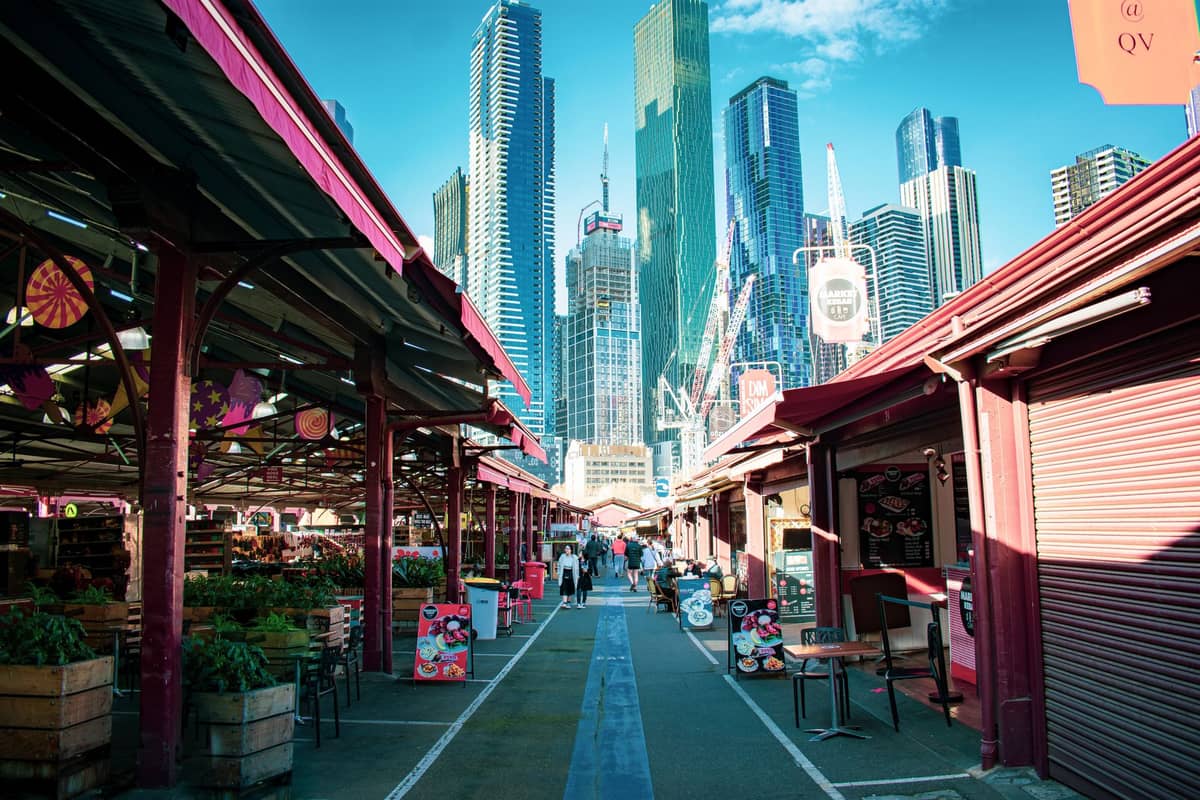
- Queen Victoria Market is one of the Southern Hemisphere's largest open-air markets — go early on weekday mornings for fresh produce without the weekend crowds.
- For independent designers and secondhand fashion, Fitzroy and Collingwood are the precincts to prioritise — not the CBD.
- South Yarra's Chapel Street and Prahran offer a mix of mainstream retail and boutique labels, but the strip has changed significantly over the past decade.
- Use the Free Tram Zone to move between CBD shopping precincts at no cost; check the Melbourne transport guide for routes to outer neighbourhoods.
The CBD: Arcades, Department Stores, and the Bourke Street Mall
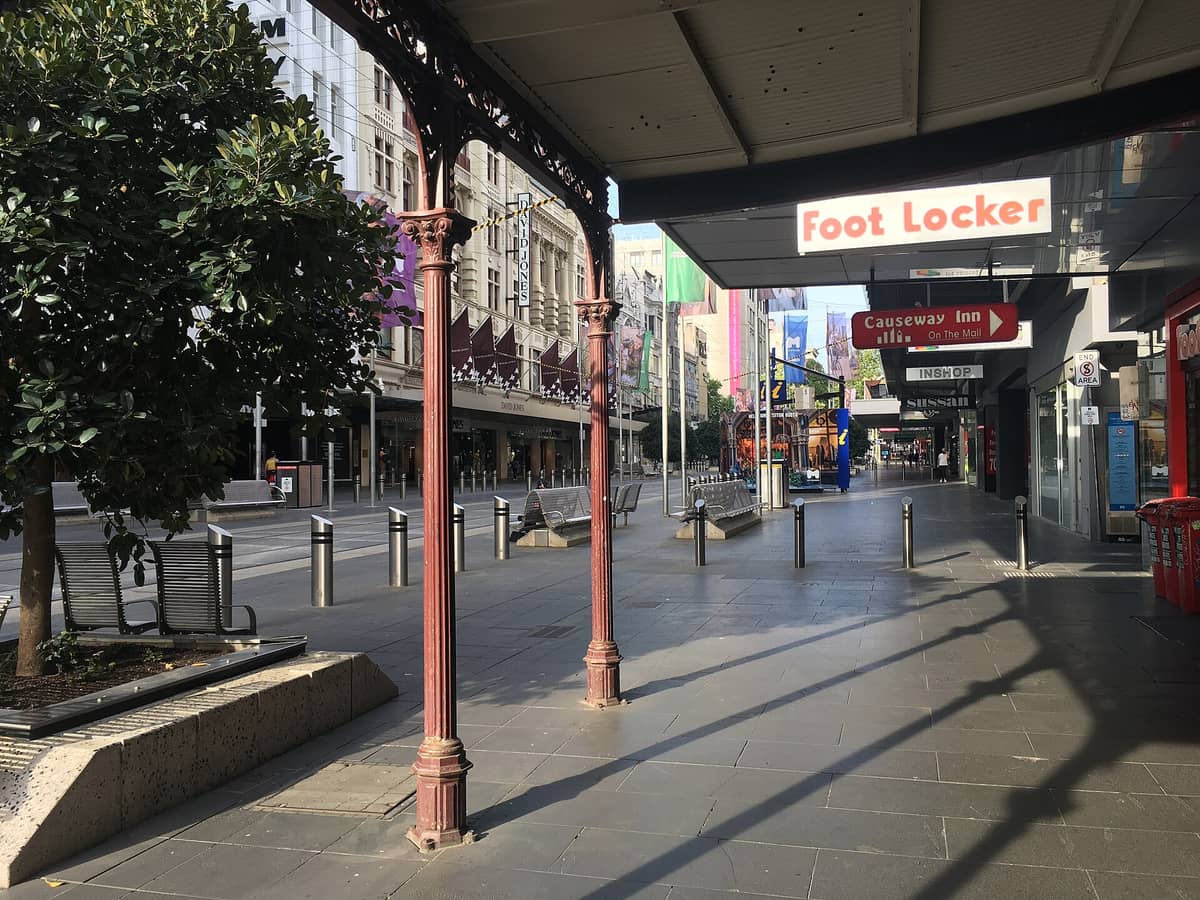
Melbourne's central grid packs a serious amount of retail into a compact area. The pedestrianised Bourke Street Mall is the anchor — home to Myer and David Jones flagship stores — but it's the network of covered arcades cutting through the city blocks that makes Melbourne's CBD shopping genuinely distinctive. The Block Arcade, built in 1893, features ornate mosaic floors and a Victorian-era atmosphere that no modern shopping centre can replicate. The Royal Arcade, Melbourne's oldest surviving arcade, dates to 1870 and connects Bourke Street Mall to Little Collins Street.
Beyond the heritage arcades, the CBD holds Melbourne Central (a large indoor mall above a heritage shot tower, located on La Trobe Street) and the Emporium Melbourne complex on Lonsdale Street, which covers mid-range to premium fashion. Neither is particularly distinctive compared to shopping centres in other Australian cities, but they're useful for consolidating purchases under one roof on a rainy day.
💡 Local tip
The Free Tram Zone covers the CBD grid and extends to Docklands and along Spring Street. If you're moving between Bourke Street Mall, Melbourne Central, and Emporium, you can board any tram within this zone at no cost. Check the official PTV map for exact boundaries before you travel.
Collins Street between Swanston and Spring Street is Melbourne's traditional luxury retail corridor — often called the 'Paris End', a label that flatters it somewhat. You'll find international brands including Louis Vuitton, Chanel, and Hermes in this stretch, plus some high-end local jewellers. It's a noticeably calmer part of the CBD and worth a slow walk even without a purchase in mind.
Fitzroy and Collingwood: Where Independent Retail Actually Lives
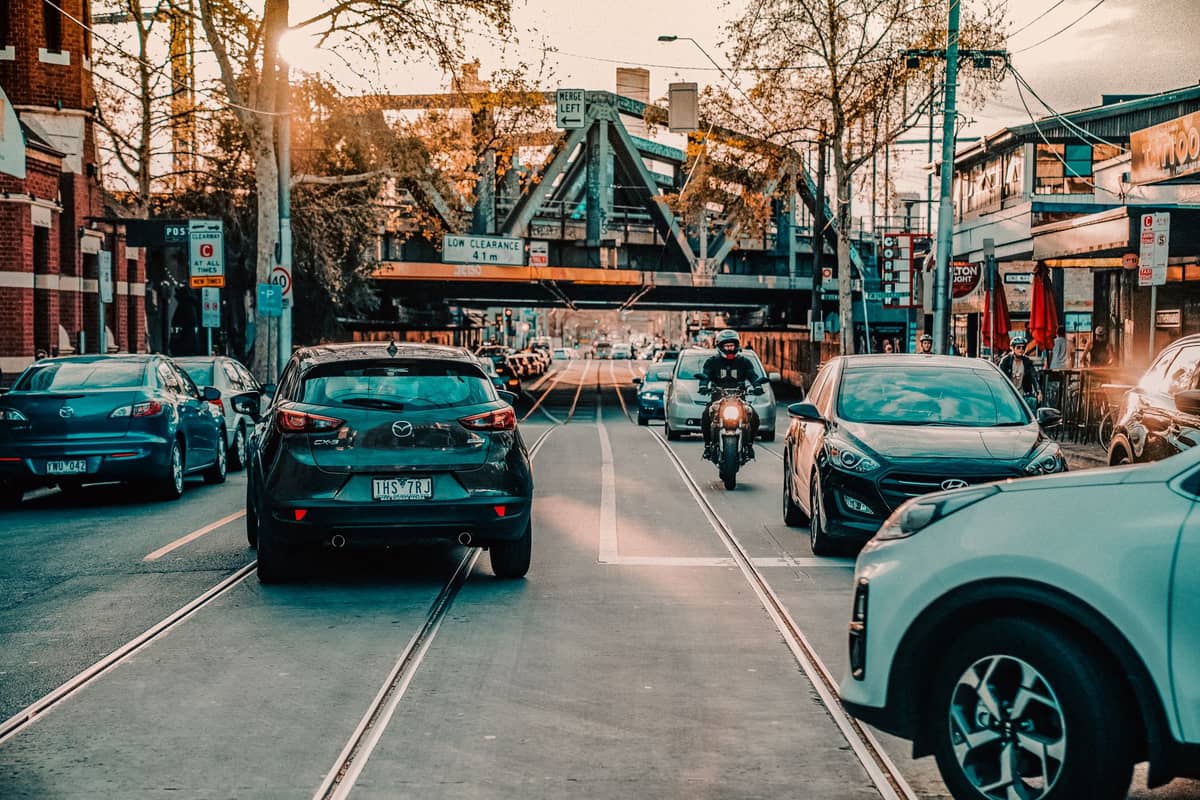
If you want to find labels you haven't seen before, Fitzroy is the neighbourhood that delivers. Brunswick Street runs north from Johnston Street and is lined with independent boutiques, record stores, bookshops, and vintage clothing dealers. Smith Street, which divides Fitzroy from Collingwood, has a similar mix — arguably more interesting for fashion, with several Australian designers operating small storefronts here.
Collingwood's Gertrude Street is worth a separate detour. It's a shorter strip than Brunswick or Smith, but the density of design-focused stores, galleries, and independent food businesses is high. Prices reflect the neighbourhood's reputation — this is not the place to bargain-hunt on clothing, but it's the right place to find a piece from an emerging Australian label you can't buy anywhere else.
- Brunswick Street, Fitzroy Best for vintage clothing, independent bookshops, vinyl records, and niche homewares. Most stores open from 10am or 11am, seven days.
- Smith Street, Collingwood Strong for Australian fashion labels, concept stores, and streetwear. More affordable than Gertrude Street without losing the independent character.
- Gertrude Street, Fitzroy/Collingwood Design-led boutiques, furniture stores, and galleries. Smaller selection but higher quality curation. Park nearby or walk from the 86 tram.
⚠️ What to skip
Weekends on Brunswick Street get crowded, particularly between noon and 3pm on Saturdays. If you're there to actually browse and try things on rather than fight foot traffic, a weekday morning visit is significantly more pleasant. Most stores don't open until 10am or 11am regardless of the day.
Markets: Queen Victoria, South Melbourne, and Beyond
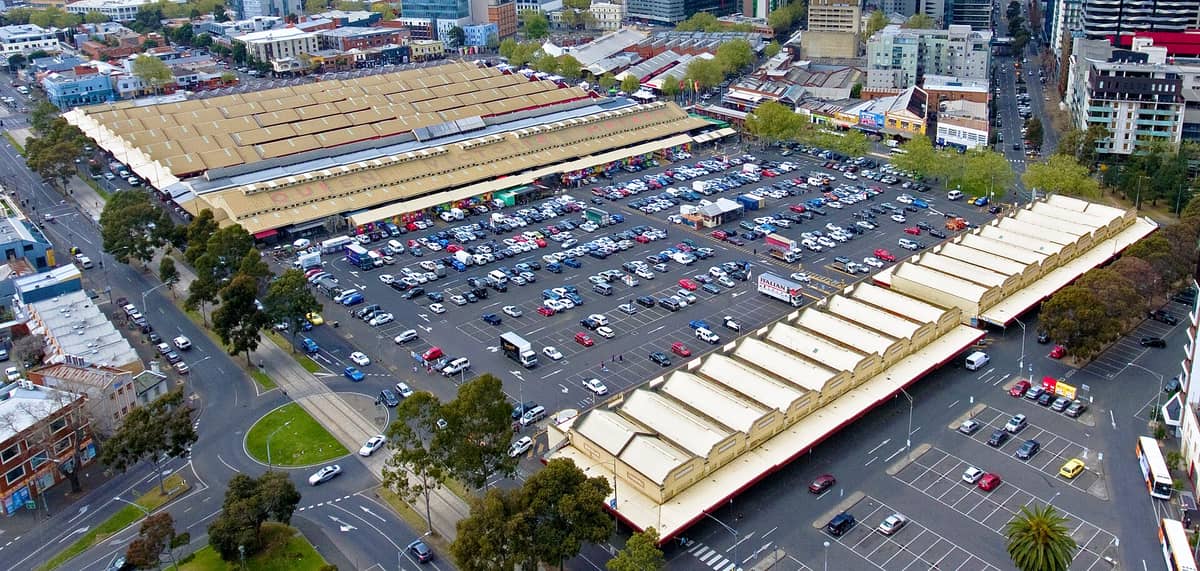
Melbourne's market culture is one of its genuine strengths. The Queen Victoria Market — universally known as the Queen Vic or QVM — covers two city blocks on the northern edge of the CBD. Its fresh produce halls and open-air general merchandise sections operate on different schedules: the market is open Tuesday and Thursday–Friday from 6am to 3pm, Saturday 6am to 4pm, and Sunday 9am to 4pm. It's closed Monday and Wednesday. Note that the specialty retail stalls don't open until 9am even on earlier days, so the pre-9am hours are primarily for the fresh food sections.
The South Melbourne Market is smaller, less touristed, and more food-focused. It operates Wednesday 8am–4pm, Friday 8am–5pm, and Saturday–Sunday 8am–4pm (closed Monday, Tuesday, and Thursday). The food vendors here — particularly the dim sim stall, a South Melbourne institution — draw local regulars as much as visitors. It's a good alternative if you want a market experience without QVM's scale and the tourist merchandise that fills much of its general goods section.
- Queen Victoria Market Best for: fresh produce, deli goods, clothing and souvenirs. Go Tuesday or Thursday morning for the smallest crowds. Tourist merchandise quality varies widely — inspect before buying.
- South Melbourne Market Best for: prepared food, fresh produce, and a less overwhelming experience. The dim sim from the original stall is a local ritual worth joining.
- Prahran Market Upmarket fresh food market on Commercial Road in South Yarra/Prahran. Strong for specialty grocers, butchers, and artisan producers. Smaller footprint than QVM but higher average quality.
- Rose Street Artists' Market (Fitzroy) Weekend market focused on handmade goods, jewellery, and art prints from local makers. A better option for unique gifts than the general merchandise sections of larger markets. Check dates before visiting.
✨ Pro tip
At Queen Victoria Market, the deli hall — a long covered building running down the centre — is where to spend your money on food. The cheese, charcuterie, and specialty grocers here are genuinely excellent and reasonably priced. The outer general merchandise stalls are more variable in quality.
South Yarra, Prahran, and Chapel Street
Chapel Street has a complicated reputation among Melburnians. It was the city's premier fashion destination through the 1990s and 2000s, but retail attrition and changing shopping habits have left notable gaps in the strip. The northern end near Toorak Road retains upmarket labels and homeware stores; the middle section around Commercial Road and Greville Street is more interesting for independent boutiques and vintage stores; the southern end in Windsor has a grittier, more experimental character.
Greville Street, running west off Chapel in Prahran, is worth the five-minute detour. It's short but consistent — record shops, independent clothing stores, and cafes that haven't been replaced by chains. The Prahran Market sits at the southern end of the precinct and is particularly strong for fresh food and specialty grocers.
Richmond and Bridge Road: Discount Retail and Sports Gear
Bridge Road in Richmond built its identity on factory outlet and discount clothing stores. That model has faded — many outlets have closed over the past decade — but the strip still offers some of the city's best prices on Australian fashion labels at end-of-season sales. If you're after sportswear, particularly AFL merchandise, this neighbourhood is worth checking: it sits adjacent to the Melbourne Cricket Ground precinct and several sports retailers cluster here.
Swan Street, running parallel through Richmond, has shifted upmarket with wine bars and restaurants replacing the old variety stores. It now functions more as a dining strip than a shopping destination, though a few independent retailers and homewares stores have taken root here.
Practical Shopping Logistics
Melbourne retailers generally trade seven days, with reduced hours on Sundays (most open around 10am–11am and close by 5pm). CBD stores often stay open until 7pm on weekdays and until 9pm on Thursday, which is the traditional late-night shopping night across Victoria. Markets operate on their own schedules — verify hours directly with each market before travelling.
- GST (Goods and Services Tax) of 10% is included in all displayed prices in Australia — you don't get a surprise at the checkout.
- Visitors spending AUD $300 or more with a single retailer may be eligible for a GST refund through the Tourist Refund Scheme (TRS) at the airport on departure. Keep your receipts and check the Australian Border Force TRS requirements before you travel.
- Tipping is not expected in retail settings. In markets, rounding up for small food purchases is common but not obligatory.
- Most stores accept Visa, Mastercard, and EFTPOS. Contactless payment is almost universal. Cash is accepted at most markets but some smaller vendors are card-only.
- Public transport covers most shopping precincts. For Fitzroy and Collingwood, the 86 tram (from the CBD via Smith Street) and 112 tram (Brunswick Street) are the most direct options.
For a broader sense of how the city's neighbourhoods connect and where to allocate your time, the Melbourne things to do guide gives context on how shopping fits into a wider itinerary. If you're working with a tight budget, Melbourne on a budget covers which precincts and markets offer the best value.
ℹ️ Good to know
Melbourne is on the traditional lands of the Wurundjeri Woi-wurrung and Bunurong peoples of the Kulin Nation. Several market vendors and independent retailers sell work by First Nations artists and makers — look for visible Indigenous business certification or ask directly about provenance if you're purchasing art or cultural items.
FAQ
What are Melbourne's best shopping areas for tourists?
The CBD arcades (Block Arcade and Royal Arcade), Queen Victoria Market, and Fitzroy's Brunswick Street cover the main visitor interests. For fashion specifically, Smith Street in Collingwood and Chapel Street in South Yarra/Prahran are worth adding. The CBD is walkable from most central hotels; the others require a short tram ride.
When is Queen Victoria Market open?
Queen Victoria Market is open Tuesday and Thursday–Friday from 6am to 3pm, Saturday 6am to 4pm, and Sunday 9am to 4pm. It is closed Monday and Wednesday. Specialty retail stalls typically don't open until 9am even on early-opening days, so the pre-9am crowd is mainly there for fresh produce. Verify hours on the official QVM website before visiting as schedules can change for public holidays and special events.
Is there a GST refund for tourists shopping in Melbourne?
Yes. Australia's Tourist Refund Scheme (TRS) allows departing visitors to claim back the 10% GST on purchases of AUD $300 or more made with a single retailer within 60 days of departure. You need to present the goods, tax invoices, and your boarding pass at the TRS facility at Melbourne Airport before you clear customs. Check the Australian Border Force website for full eligibility rules and item restrictions.
How do I get from the CBD to Fitzroy and Collingwood by public transport?
The 86 tram runs from the CBD through Gertrude Street and Smith Street into Collingwood. The 112 tram runs from the CBD up Brunswick Street through Fitzroy. Both routes are within the Myki fare system — load credit onto a Myki card before boarding, as cash fares are not accepted on Melbourne trams. Journey time from the CBD is roughly 10–15 minutes depending on your destination stop.
What souvenirs are worth buying in Melbourne versus tourist traps to avoid?
Worth buying: quality Australian Merino wool products, locally roasted coffee (Melbourne's coffee culture is serious), First Nations art from certified sellers, wine from the Yarra Valley or Mornington Peninsula, and clothing from independent Australian labels found in Fitzroy or Collingwood. Avoid: generic kangaroo and koala merchandise sold in bulk at QVM's general goods section — it's almost all imported and overpriced. If you want an Australiana gift that means something, the deli hall at QVM or the specialty food stalls at South Melbourne Market are far better options.
Tickets & tours
Live prices and dates from our booking partner. If you book, we may earn a commission at no extra cost to you.
Planning a trip? Discover personalized activities with the Nomado app.