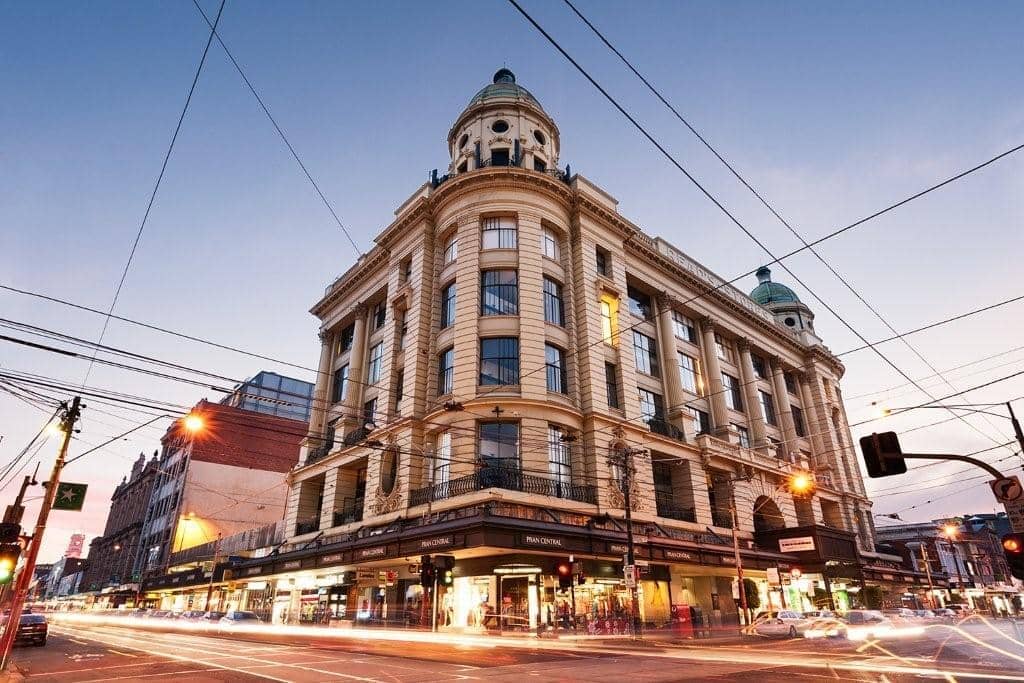
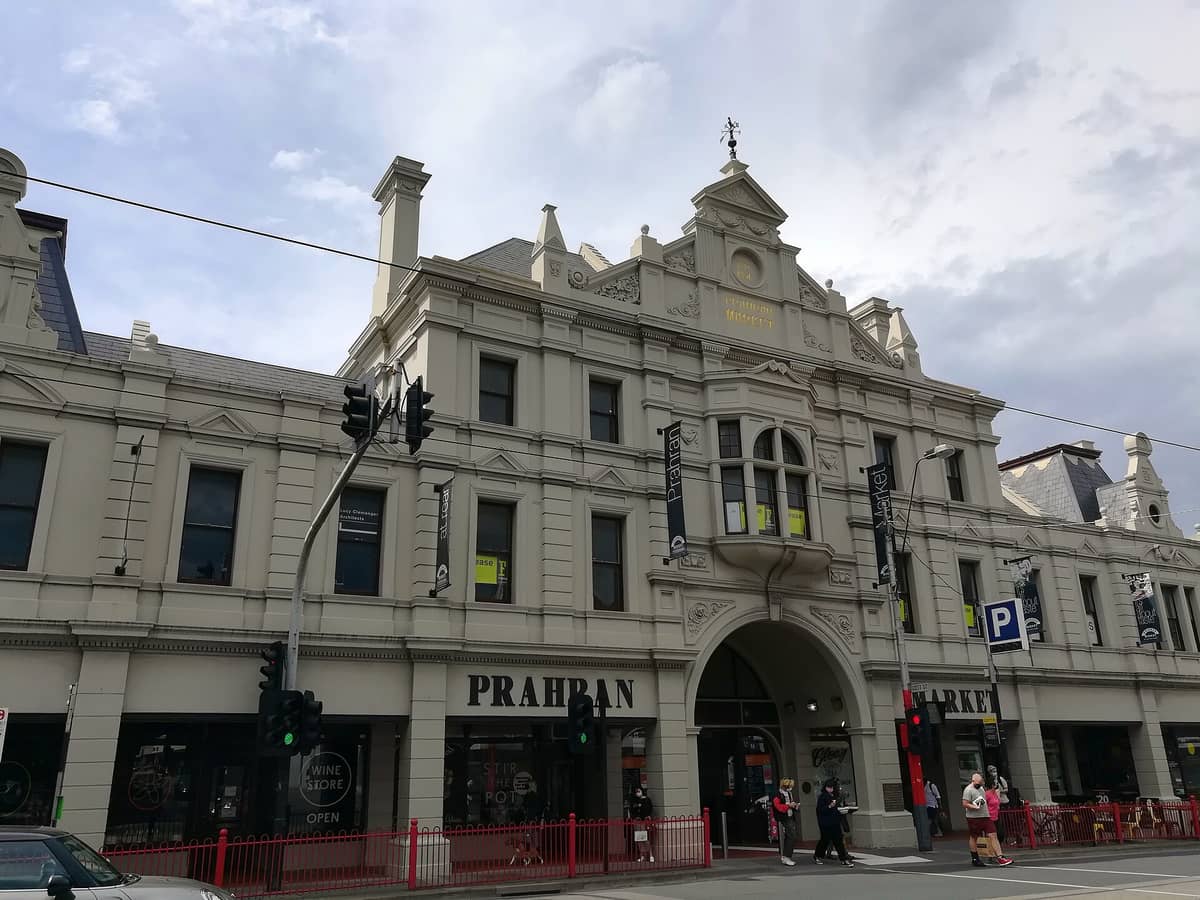
Richmond, South Yarra and Prahran form a connected arc of inner Melbourne suburbs east and south of the CBD, each with a distinct personality but sharing good transit links and a strong food and retail culture. Richmond is defined by its sporting venues, multicultural dining strips, and the Nylex clock on the horizon; South Yarra brings tree-lined boulevards and upscale boutiques; Prahran anchors the trio with its legendary market and the long, eclectic run of Chapel Street.
Three suburbs, three personalities, one logical base for travelers who want fast CBD access without staying in the CBD. Richmond pulses with sport and Vietnamese kitchens; South Yarra dresses well and dines later; Prahran keeps it real at the market before the weekend crowd takes over Chapel Street.
Orientation
Richmond, South Yarra and Prahran are three distinct suburbs that sit immediately southeast of Melbourne's CBD, separated from the central city only by the Yarra River. Administratively they belong to two different local governments: Richmond falls within the City of Yarra, while Prahran is governed by the City of Stonnington and South Yarra spans the Cities of Stonnington and Melbourne. For a traveler, this distinction barely matters; what matters is that these suburbs form a coherent inner-city zone within two to three kilometres of Federation Square.
Richmond occupies the triangle between the Yarra River to the north, Punt Road to the west, and the railway corridor to the south. Its three main commercial strips run roughly parallel: Victoria Street in the north, Bridge Road through the middle, and Swan Street closer to the southern rail line. South Yarra sits directly south of Richmond, centered on the intersection of Chapel Street and Toorak Road. Prahran continues south along Chapel Street, with the Prahran Market anchoring the precinct just east of the main strip on Commercial Road.
To the west, South Yarra meets the Royal Botanic Gardens and the edge of Southbank. To the east, the suburbs give way to Hawthorn and Malvern. Directly north, crossing the Yarra, you reach the Melbourne CBD in under ten minutes by train. This central location means you can reach the cricket at the MCG, shop Toorak Road, and still be at Federation Square in time for dinner without ever needing a taxi.
Character & Atmosphere
Richmond is a suburb that runs on sport and noodle soup. On weekday mornings, Victoria Street is quiet enough to notice the Vietnamese grocery signs stacked above each other like cards in a deck, the smell of pho broth drifting from places that have been open since dawn. By Saturday afternoon, when the MCG or AAMI Park have a fixture, Swan Street becomes a river of scarves and club colours, and the pubs fill up three hours before the bounce.
Bridge Road has a different rhythm again. This is Melbourne's original discount fashion strip, still lined with factory outlets and sample sales, though the street has matured and now mixes independent retailers with the occasional high-end interior design shop. On a Tuesday morning it feels almost provincial, with locals moving between the bakery and the dry cleaner. The Nylex clock and temperature sign on Burnley Street, visible across the suburb, has been a Melbourne landmark since 1978 and serves as an unofficial orientation point.
Cross Punt Road into South Yarra and the streetscape shifts noticeably. The blocks are wider, the plane trees are older, and the people on the footpath are wearing more expensive shoes. Toorak Road between Chapel Street and the CBD edge is Melbourne's most consistently upscale retail corridor: international luxury brands, well-maintained apartment blocks with concierge, and coffee shops where the menu is short and the beans are taken seriously. This is not a neighbourhood that performs cool; it simply assumes it.
Prahran is where the spectrum opens up again. Chapel Street south of Commercial Road is louder, more diverse in age and style, and genuinely multicultural at street level. On Friday nights the strip hums with the pre-dinner crowd; on Sunday mornings the same stretch feels almost gentle, with people carrying market bags from Prahran Market and reading newspapers outside cafes. The Prahran end of Chapel Street also contains Melbourne's most concentrated strip of LGBTQ+ bars and venues, particularly around the Commercial Road intersection.
ℹ️ Good to know
Richmond, South Yarra and Prahran sit on the traditional lands of the Wurundjeri Woi-wurrung and Bunurong peoples of the Kulin Nation. Acknowledging this history is standard practice in Melbourne and reflects a genuine, ongoing cultural presence in the city.
What to See & Do
Richmond's biggest draw for many visitors is sport. The Melbourne Cricket Ground, a fifteen-minute walk north from Richmond Station through Yarra Park, is one of the great sporting arenas on earth. It hosts AFL matches through the winter and Test cricket in the summer. AAMI Park on Batman Avenue handles football codes including soccer and rugby. Even if you are not a sports fan, walking through Yarra Park on match day is an experience in Melbourne street theatre that no amount of sightseeing can replicate.
The Prahran Market on Commercial Road is one of Melbourne's oldest and most serious food markets, The market’s present Commercial Road building opened in 1891. Unlike the tourist-facing Queen Victoria Market, Prahran skews toward specialty producers, artisan cheese counters, quality butchers, and a fishmonger worth going out of your way for. Come on a Saturday morning before 10am if you want to move freely; by 11am the central hall is shoulder-to-shoulder.
The Royal Botanic Gardens are technically in the adjoining South Yarra/Domain precinct and are walkable from the South Yarra end of Chapel Street in around fifteen minutes. The gardens cover 38 hectares of the Yarra River bend and are a genuine place of daily use for locals, not just a tourist sight. The garden's Tan Track, a 3.8-kilometre loop around the perimeter, is Melbourne's most popular running route.
Richmond's Victoria Street: Melbourne's Vietnamese quarter, good for exploring on foot between Bridge Road and Church Street
Swan Street: independent bars, weekend sport crowds, some of Melbourne's most reliable pub food
Bridge Road: factory outlets, sample sales, and independent home-wares retailers
Chapel Street, South Yarra section: upscale boutiques, international brands, and the Jam Factory entertainment precinct
Prahran Market: Tuesday, Thursday, Friday and Saturday from 7am; Sunday from 8am
Yarra Park and MCG precinct: best experienced on match day, but pleasant for a walk regardless
For those interested in Melbourne's broader cultural geography, the walk from South Yarra along St Kilda Road toward the Shrine of Remembrance and the cultural precinct is one of the city's finest boulevards. It connects naturally to the NGV International at the northern end of the boulevard, making a logical half-day loop from a South Yarra hotel.
Eating & Drinking
Victoria Street in Richmond is the reason this suburb has its nickname: Little Saigon. The strip between Hoddle and Church streets is anchored by Vietnamese restaurants and grocery stores, with pho as the entry point but banh mi, bun bo hue, and com tam worth seeking out. Prices are low, portions are large, and several places open early enough for breakfast pho. This is not a curated food destination; it is a working food street, and the quality is consistent because the local community demands it.
Swan Street has evolved into one of Richmond's more reliable strips for bars and casual dining. You will find wine bars with natural-leaning lists, small plates restaurants, and pubs that have been serving the post-match crowd for decades without trying too hard. The street's geography helps: it is wide enough to have outdoor seating but narrow enough to feel like a neighbourhood rather than a precinct.
South Yarra's eating scene is concentrated around the Chapel Street and Toorak Road intersection. This is where Melbourne's expense-account restaurants cluster, alongside well-funded brunch spots and coffee bars that take the craft of espresso seriously. For background on what Melbourne's coffee culture actually means, the city's reputation in this area is genuinely distinctive — the Melbourne coffee guide explains what to look for and how to order without sounding like a tourist.
Prahran's dining runs the full price spectrum. The blocks immediately around the market on Commercial Road have the best concentration of casual daytime eating. Chapel Street after dark is where things diversify: late-night Thai, reliable ramen, dive-bar chicken wings, and the occasional genuinely ambitious small restaurant tucked into what looks like a retail conversion. This is a strip that rewards walking slowly and making decisions based on what looks busy rather than what is rated online.
💡 Local tip
For pho on Victoria Street, the best indicator of quality is usually the longest queue of Vietnamese locals. Avoid places with laminated tourist menus or photos on the wall; the serious kitchens are usually the most modest-looking ones.
Vietnamese dining (pho, banh mi, com tam): Victoria Street, Richmond
Post-match pub food and bars: Swan Street, Richmond
Upscale brunch and specialty coffee: Chapel Street and Toorak Road, South Yarra
Fresh produce and artisan groceries: Prahran Market, Commercial Road
Late-night dining and nightlife eating: Chapel Street, Prahran
Wine bars with food: scattered through Richmond's back streets, particularly around Swan and Church streets
Getting There & Around
Richmond Station is one of Melbourne's most important rail interchanges, sitting on multiple metropolitan lines and within a ten-minute train ride of Flinders Street Station. This makes Richmond genuinely easy to reach from the CBD, the airport corridor (via Southern Cross), and the eastern and southeastern suburbs. South Yarra Station is also a major interchange on the Frankston, Pakenham, Cranbourne and Sandringham lines, and Prahran Station sits directly on Chapel Street. Windsor Station, one stop south of Prahran, adds another option for the southern end of the strip.
Trams add another layer of connectivity. Routes run along Victoria Street, Church Street, Bridge Road, and Swan Street in Richmond, and along Chapel Street and Toorak Road in South Yarra and Prahran. These are not the free tram zone routes — you need a Myki card once you are outside the central city boundary, which runs roughly to the river. Loading Myki credit is straightforward; the getting around Melbourne guide covers the full public transport system and where to buy cards.
Walking between these suburbs is entirely practical in good weather. From Richmond Station to the Chapel Street and Toorak Road intersection in South Yarra takes around 20 minutes on foot along Church Street. From there to Prahran Market on Commercial Road is another eight to ten minutes walking south on Chapel Street. This linear geography makes it possible to move through all three suburbs in a day without backtracking.
Cycling is feasible: dedicated lanes and shared paths connect Richmond to the CBD along the Yarra River trails and through Yarra Park. Bike share docks are present around Richmond and South Yarra for short trips. Ride-hailing services operate freely throughout, and weekend nights in particular see high pickup volumes on Chapel Street; allow extra wait time after midnight on Friday and Saturday.
⚠️ What to skip
On AFL or major sporting event days at the MCG or AAMI Park, trains through Richmond Station become extremely crowded in the two hours before and after the game. If you are not attending the match, avoid Richmond Station at those times or build extra time into any journey through the area.
Where to Stay
South Yarra is the most logical base for accommodation in this cluster of suburbs. It combines genuine CBD proximity (ten minutes by train from South Yarra Station to Flinders Street) with a quieter residential atmosphere and easy access to the restaurant strip on Chapel Street. The streets between Toorak Road and the Botanic Gardens are particularly well-served by apartment-style hotels and boutique properties suited to visitors who prefer space over central-city density.
Richmond suits travelers who want slightly lower nightly rates and do not mind a more residential, less polished environment. Swan Street and the blocks around Richmond Station have a range of mid-range hotels and serviced apartments that are genuinely convenient for the MCG and the train network. This end of the inner city is practical rather than atmospheric for visitors, though the food access from Victoria Street alone makes it worth considering.
Prahran appeals to travelers who want to be close to nightlife and the market, and who are comfortable with a slightly louder environment on weekend nights. Chapel Street between Commercial Road and Dandenong Road is where the bars cluster most densely. If you are visiting Melbourne primarily for its food and nightlife culture, staying in Prahran puts you in the centre of it. Compare options across the inner suburbs using the Melbourne accommodation guide to find the right fit.
⚠️ What to skip
Chapel Street between Commercial Road and High Street is noisy on Thursday, Friday and Saturday nights until at least 2am. Light sleepers should choose accommodation off the main strip or with soundproofed windows. Victoria Police deploys Protective Services Officers at South Yarra and Prahran stations; approach an officer if you feel unsafe on the platform after dark.
Honest Assessment: Who This Area Suits
This trio of suburbs covers a lot of ground, both literally and in terms of traveler type. Richmond is best for sports-focused visitors, budget-conscious travelers who want inner-city access, and anyone who wants to eat Vietnamese food at 7am without explanation. South Yarra suits couples, design-conscious visitors, and those whose idea of a good Melbourne day involves good coffee followed by the Botanic Gardens followed by a well-chosen dinner. Prahran is for nightlife seekers, market obsessives, and travelers who want LGBTQ+-inclusive spaces in a genuinely integrated neighbourhood setting.
Families with younger children may find the area less convenient than staying closer to Southbank or Carlton, which have more immediate access to major family attractions. For a broader sense of how these neighborhoods fit the city's geography, the 3-day Melbourne itinerary shows how to build a logical visit that passes through all of these areas without wasted time.
TL;DR
Three adjoining suburbs with distinct characters: Richmond for sport and Vietnamese dining, South Yarra for upscale retail and tree-lined elegance, Prahran for markets and nightlife
Excellent public transport: Richmond and South Yarra are major rail interchanges, with trams running along all main commercial strips; Myki card required outside the CBD free zone
Prahran Market (since 1891) is one of Melbourne's best food markets for serious produce shopping — arrive before 10am on weekends
Chapel Street in Prahran is loud on weekend nights; not ideal for light sleepers unless accommodation is off the main strip
Best suited to travelers who want inner-city access with neighbourhood texture: sports fans, food-focused visitors, nightlife seekers, and couples looking for a comfortable non-CBD base
Top Attractions in Richmond, South Yarra & Prahran
Three days in Melbourne is enough to move past the obvious tourist circuit and get a real sense of the city. This itinerary covers the CBD laneways, inner-north neighbourhoods, bayside suburbs, and cultural institutions, with practical transport advice, realistic crowd warnings, and enough flexibility to make it your own.
The Australian Open is one of the four Grand Slam tennis tournaments and the biggest annual sporting event in Melbourne. This guide covers tickets, getting to Melbourne Park, navigating the grounds, and how to make the most of your visit whether you're going for a single session or the full fortnight.
Melbourne sits on Port Phillip Bay, giving the city access to calm bay beaches within 30 minutes of the CBD, and wilder ocean surf beaches a 90-minute drive south. This guide covers the best beaches near Melbourne by type, with frank notes on safety, crowds, and what each beach actually delivers.
Melbourne is a stronger museum city than many visitors expect. Whether you're drawn to world-class art collections, colonial history, hands-on science, or Australia's sporting obsession, these are the museums worth your time.
Melbourne's weather is notoriously unpredictable, but the city rewards visitors year-round. This guide breaks down every season by weather, events, crowds, and value so you can pick the right time for your trip.
Melbourne rewards those who look up, look out, and look across. Whether you want 360-degree city panoramas from 285 metres up, golden-hour shots of the skyline from the bay, or dramatic coastal cliffs an hour from the CBD, this guide covers every angle worth seeking out.
Melbourne is one of Australia's great base cities, with extraordinary landscapes, wildlife, history, and wine country within a two-hour drive. This guide covers the best day trips from Melbourne, from dramatic ocean coastlines to misty mountain ranges, with realistic travel times and what to prioritise.
Melbourne rewards curious visitors with an impressive range of genuinely free experiences. From world-class art galleries and heritage reading rooms to wild penguin encounters and the city's famous laneway culture, these are the best free things to do in Melbourne.
From the Free Tram Zone to airport transfers, myki cards to rideshare, this guide covers every practical detail you need to navigate Melbourne's transport network confidently. No fluff, just the information that actually matters.
A Great Ocean Road day trip from Melbourne is one of the most iconic outings in Australia, but it requires serious planning. This guide covers the full route, realistic timelines, tour options with price ranges, the best stops beyond the Twelve Apostles, and clear warnings about what most visitors get wrong.
Melbourne Airport (MEL) sits 23 km northwest of the city centre at Tullamarine. This guide covers every transfer option — SkyBus, taxi, rideshare, and public bus — with current pricing, journey times, and the insider details that save you time and money on arrival.
Melbourne's built environment tells the story of a city that went from a colonial outpost to a gold rush boomtown to a modern metropolis in under two centuries. This guide covers the key buildings, neighbourhoods, and walking routes to understand how it all fits together.
Melbourne's coffee culture is serious business. This guide breaks down the best café neighbourhoods, what drinks to order, what to pay, and how to navigate the city's specialty scene like a local. Whether you're landing at Tullamarine or already in the CBD, here's what you need to know.
The Melbourne Cup is Australia's most famous horse race, held annually at Flemington Racecourse each November. This guide covers everything from buying tickets and getting to the track to dress codes, the full Carnival schedule, and a clear picture of what to expect on race day.
Melbourne runs one of the most packed event calendars in the Southern Hemisphere, with major festivals, sporting events, and cultural programs spread across every season. This guide breaks down what's on, when to go, and how to plan around it without getting caught out by full hotels or sold-out tickets.
Melbourne rewards couples who slow down and look beyond the obvious. This guide covers the city's most genuinely romantic experiences, from sunrise walks through the Royal Botanic Gardens to candlelit laneway dinners and scenic day trips, with candid notes on what's worth it and what to skip.
Melbourne takes its parks seriously. From UNESCO-listed formal gardens to wild river corridors just minutes from the CBD, the city's green spaces range from manicured and historic to untamed and surprising. This guide covers the best of them, with practical advice on what to expect at each.
Melbourne rewards those who look beyond the obvious. This guide uncovers the city's overlooked art museums, geological surprises, historic estates, and quiet urban escapes that most visitors walk straight past.
Melbourne's laneways are the city's most distinctive feature: a network of narrow alleys, covered arcades, and public art corridors threading through the CBD grid. This guide covers the essential stops, practical logistics, and what most visitors get wrong about the street art scene.
Melbourne's live music scene spans everything from intimate 80-person rooms above pubs to ornate theatres holding thousands. This guide breaks down the best venues by style and suburb, explains how to find and book gigs, and covers the practical details that most listings skip.
Melbourne's market scene goes well beyond tourist postcards. This guide covers the city's best permanent and weekly markets, with verified opening hours, what each one does best, candid assessments of which are worth your time, and practical tips for getting the most out of each visit.
Melbourne, Australia is home to one of the world's most diverse urban food cultures, shaped by over 200 years of immigration waves. This guide breaks down the city's key multicultural food neighbourhoods, what to eat in each, when to go, and how to navigate them like a local.
Melbourne's nightlife scene runs deep, from laneway cocktail bars to legendary live music rooms that shaped Australian rock. This guide breaks down the best neighbourhoods, venues, and practical logistics so you can navigate it like a local.
Melbourne, Australia rewards budget travellers more than most major cities. From free tram rides and world-class free museums to cheap market food and no-cost beaches, this guide covers every practical angle for spending less without missing out.
Seven days is enough time to get well beyond Melbourne's postcard highlights. This itinerary balances the CBD's iconic landmarks, inner-suburb character, a coastal day trip, and the regional Victorian countryside — with practical logistics for every step.
Melbourne rewards shoppers who look beyond the chain stores. This guide covers the city's best shopping precincts, heritage arcades, weekend markets, and neighbourhood strips — with practical notes on what's worth your time and what to skip.
Melbourne's street art scene is one of the most concentrated and celebrated in the world. This guide covers the essential laneways, the City of Melbourne's official self-guided walk, neighbourhood murals beyond the CBD, and practical advice for getting the most out of every visit.
Melbourne rewards walkers like few other cities. From the iconic laneways of the CBD to the bayside foreshore of St Kilda, this guide covers the best guided tours, official self-guided routes, and neighbourhood walks, with straightforward notes on what's worth your time and what to skip.
Melbourne is one of Australia's most family-friendly cities, with a range of attractions spread across the inner city and beyond. This guide covers the best things to do with kids in Melbourne, from free rainy-day museums to weekend wildlife encounters, with practical notes on costs, transport, and what's actually worth your time.
Melbourne rewards visitors who look beyond the obvious. This guide covers the city's best experiences across culture, food, sport, nature, and neighbourhoods — with practical details on getting around, what to skip, and how to make the most of every day in Melbourne, Australia.
Melbourne is one of the world's great sporting cities, hosting world-class events across football, cricket, tennis, and more. This guide covers every major venue, how to get tickets, the best seasons to visit, and the practical details that actually matter.
Melbourne's food scene is one of the most diverse and serious in the Southern Hemisphere. This guide covers the dishes, neighbourhoods, markets, and cultural context you need to eat well in Melbourne — whether you have three days or three weeks.
Choosing where to stay in Melbourne shapes your entire trip. This guide breaks down every major neighbourhood by location, transport access, price range, atmosphere, and who it suits best, so you can book with confidence.
The Yarra Valley is one of Australia's most accessible cool-climate wine regions, sitting about 65 km from central Melbourne. This guide covers how to get there, which cellar doors are worth your time, tour vs. self-drive decisions, and how to plan around the seasons.