The Magnificent Mile and Streeterville form Chicago's most commercially intense stretch, running north from the Chicago River along North Michigan Avenue to Oak Street. The area combines landmark architecture, luxury retail, major hotels, and direct access to the lakefront into one of the city's most visited corridors.
North Michigan Avenue from the Chicago River to Oak Street is one of the most recognizable commercial corridors in the United States, flanked by landmark towers, department stores, and some of Chicago's most prominent hotels. East of Michigan Avenue, Streeterville fills the narrow peninsula between the avenue and Lake Michigan with a dense mix of high-rise residences, hospitals, restaurants, and Navy Pier. Together, they form the city's most visitor-heavy district and one of its most architecturally rewarding walks.
Orientation
The Magnificent Mile is the roughly one-mile section of North Michigan Avenue stretching from the DuSable Bridge over the Chicago River at its southern end to Oak Street at the north. It sits on the Near North Side of Chicago, the broad residential and commercial zone immediately north of the Loop's skyscraper district. The bridge itself is a useful mental anchor: south of it is downtown proper; north of it begins the Mag Mile.
Michigan Avenue functions as a boundary line here. Everything to the west of it, between the avenue and the Chicago River, is River North, a neighborhood dominated by galleries, restaurants, and mid-rise office buildings. Everything to the east is Streeterville, a narrow wedge of land bounded by Oak Street to the north, Lake Michigan and Navy Pier to the east, and the Chicago River to the south. Rush Street marks its western edge at the residential level, though Michigan Avenue is the more visible dividing line for visitors.
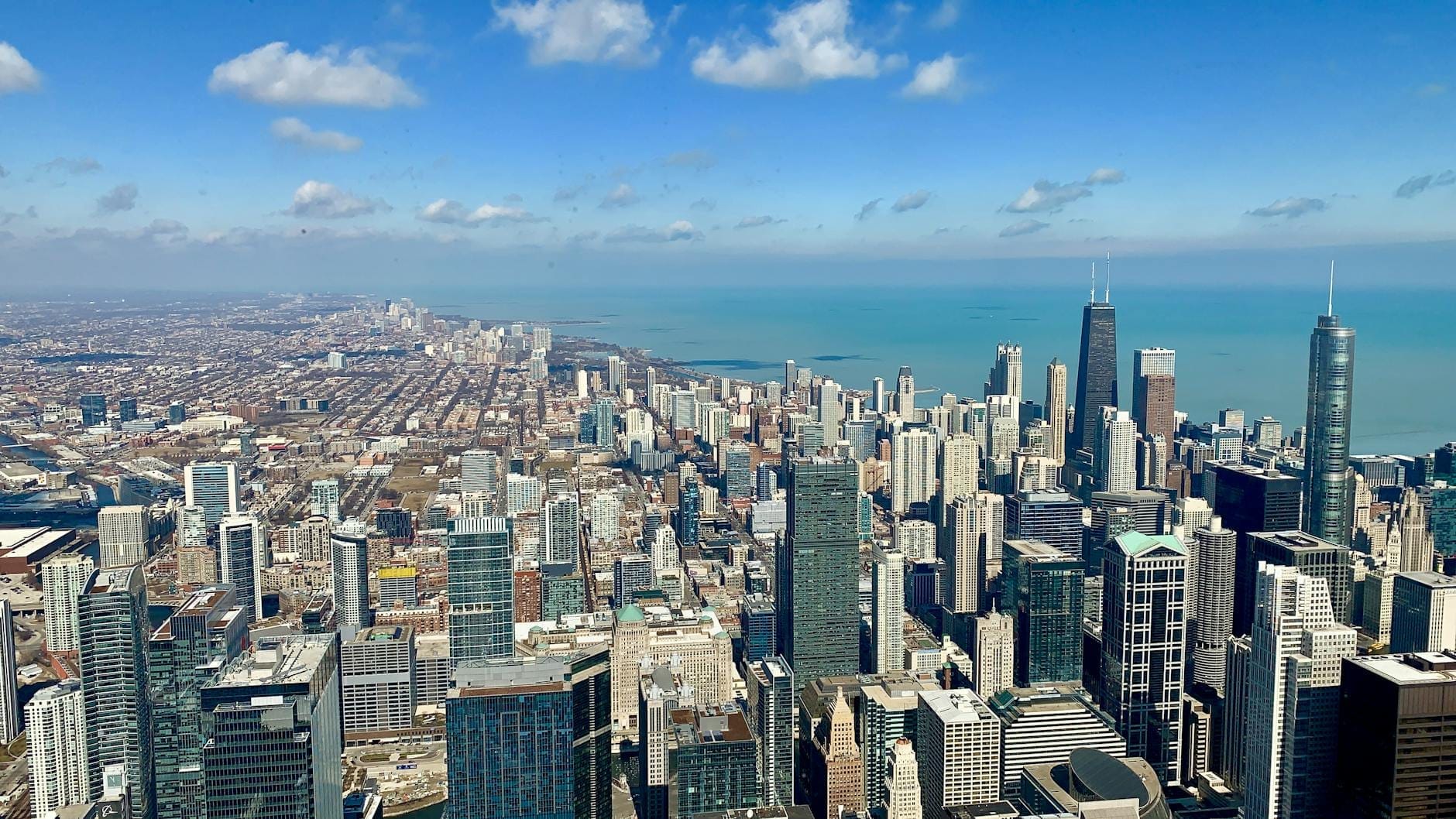
The broader context matters for navigation. The Magnificent Mile connects two distinct zones: the Loop to the south (home to Millennium Park and the main museum institutions) and the Gold Coast to the north, one of Chicago's most affluent residential neighborhoods. Streeterville itself connects eastward to the lakefront, making this area the gateway to Chicago's most celebrated public amenity: the 18-mile lakefront trail.
Character & Atmosphere
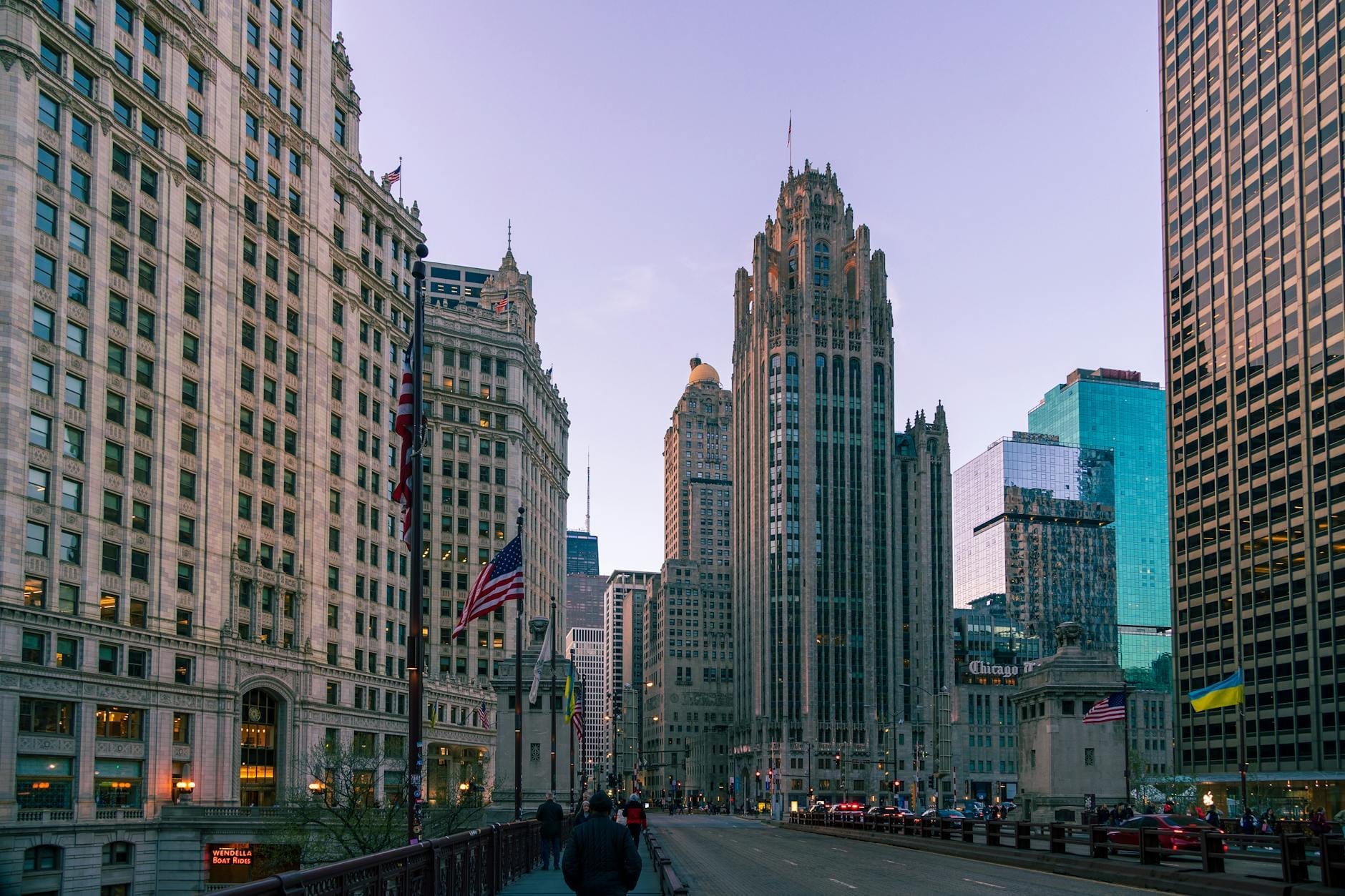
Michigan Avenue in the morning hours has a particular quality that the afternoon crowds erase entirely. Before 9am, the sidewalks belong to hotel guests, hospital workers from Northwestern Memorial, and delivery trucks servicing the retail towers. The avenue feels wide and almost austere, the limestone and brick facades of the Tribune Tower and the Wrigley Building catching early light from the east. This is when the architecture reads most clearly, without the midday pedestrian density that compresses everything.
By mid-morning the retail current begins, and by early afternoon the Magnificent Mile earns its reputation for crowds. The sidewalks between Water Tower Place and the 900 North Michigan Shops are among the busiest pedestrian corridors in the city, particularly on weekends and during summer. This is not a neighborhood for those seeking a quiet urban stroll during peak hours. The energy is commercial and purposeful: shoppers, tour groups, and workers moving with intent.
Streeterville east of Michigan Avenue has a noticeably different rhythm. The side streets heading toward the lakefront, such as Illinois Street and Grand Avenue, are quieter, lined with high-rise apartment buildings and medical facilities. The neighborhood has the slightly anonymous quality of a district built primarily for density rather than street-level character. That said, the proximity to the lakefront and the open sky over Lake Michigan give Streeterville an airiness that purely inland neighborhoods lack.
After dark, the Magnificent Mile transitions again. The retail blocks quiet considerably once stores close, but the restaurant and hotel bar scene keeps foot traffic moving until late. The area around Navy Pier draws evening visitors, particularly in summer when the pier's entertainment programming runs into the night and the fireworks displays are visible from half the neighborhood. The lakefront path near Ohio Street Beach stays in use well past sunset on warm evenings.
ℹ️ Good to know
The Magnificent Mile draws over 22 million visitors annually across its roughly one-mile length. Weekend afternoons between June and August are the peak intensity periods. If you want the architecture and the storefronts without the shoulder-to-shoulder crowds, come on a weekday morning.
What to See & Do
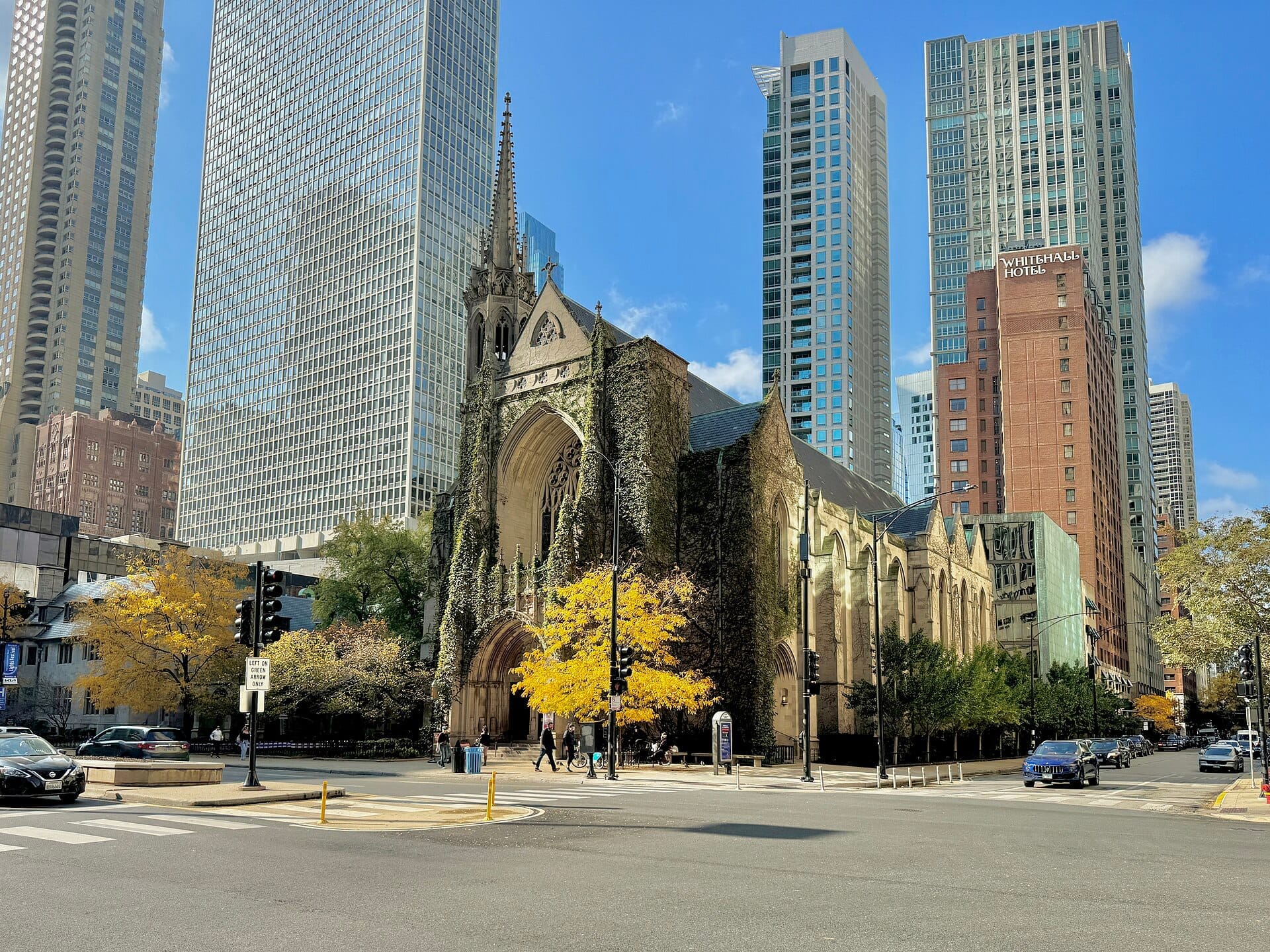
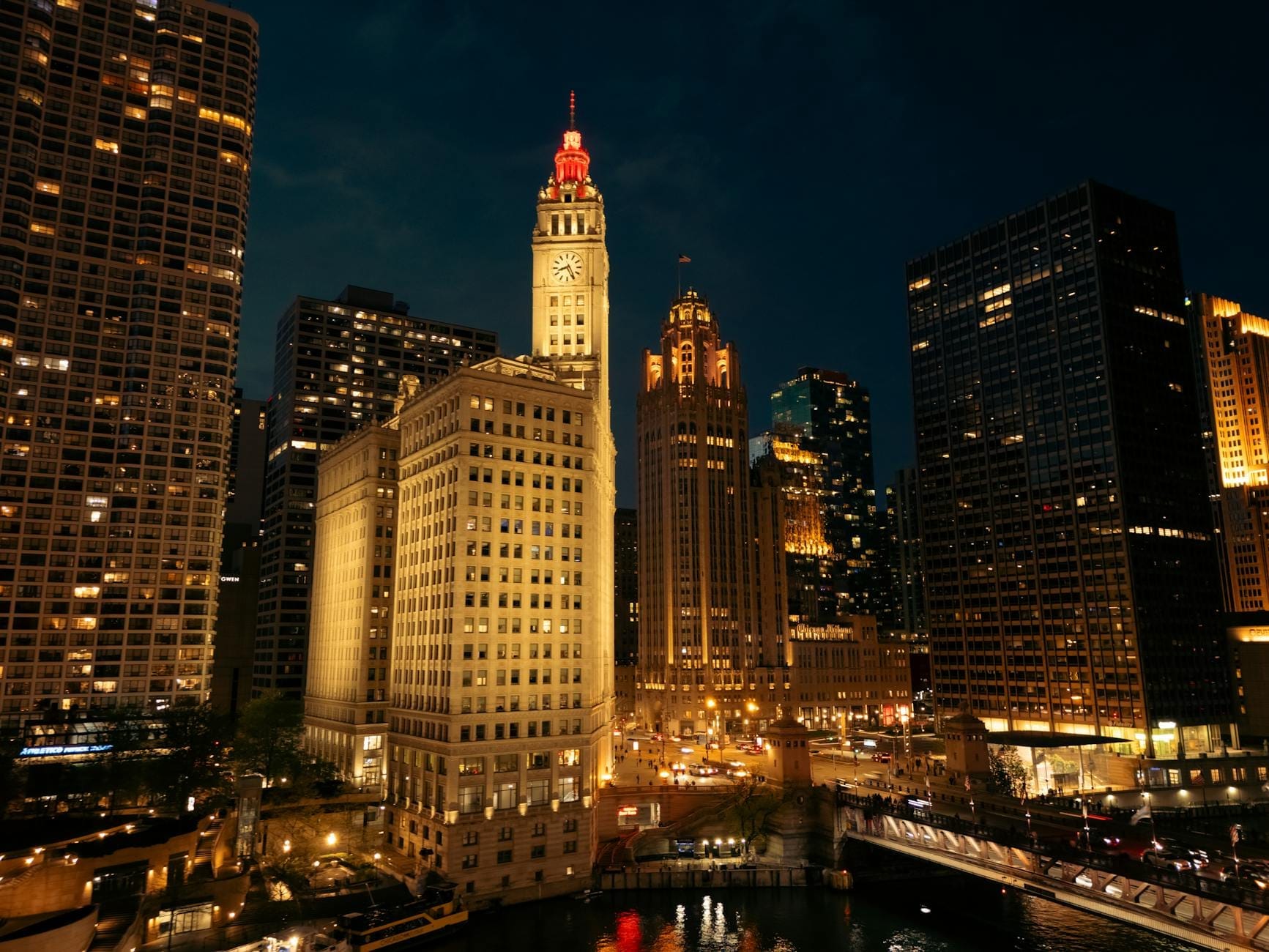
The architecture along Michigan Avenue deserves more attention than most visitors give it. The Wrigley Building, at the south end of the Magnificent Mile just north of the river, is one of the most photographed structures in Chicago, a gleaming white terra-cotta tower from 1921 that looks best in the late afternoon when the sun catches its glazed facade. Directly across Michigan Avenue stands Tribune Tower, completed in 1925 in neo-Gothic limestone, with fragments of famous buildings from around the world embedded in its base wall.
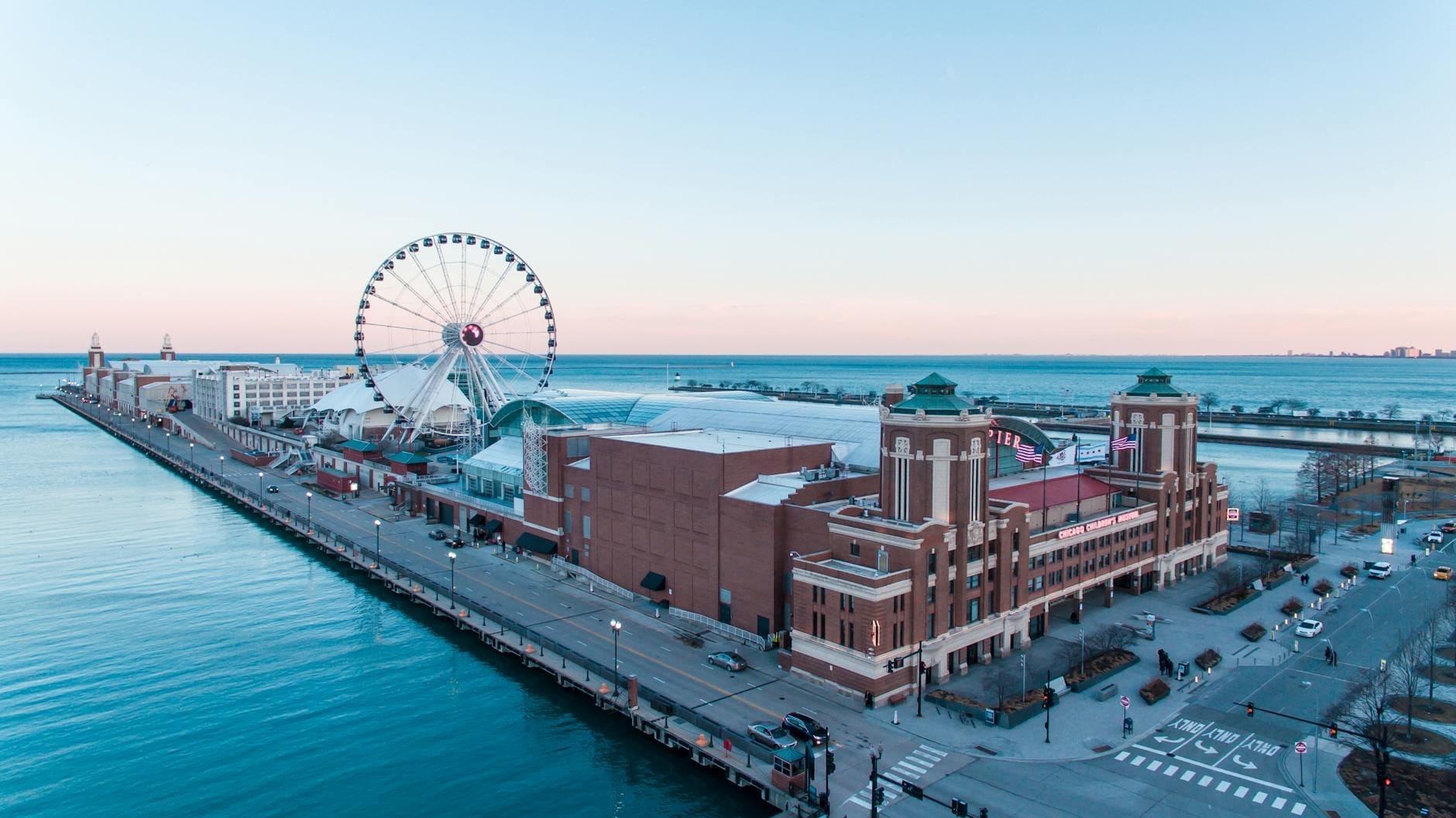
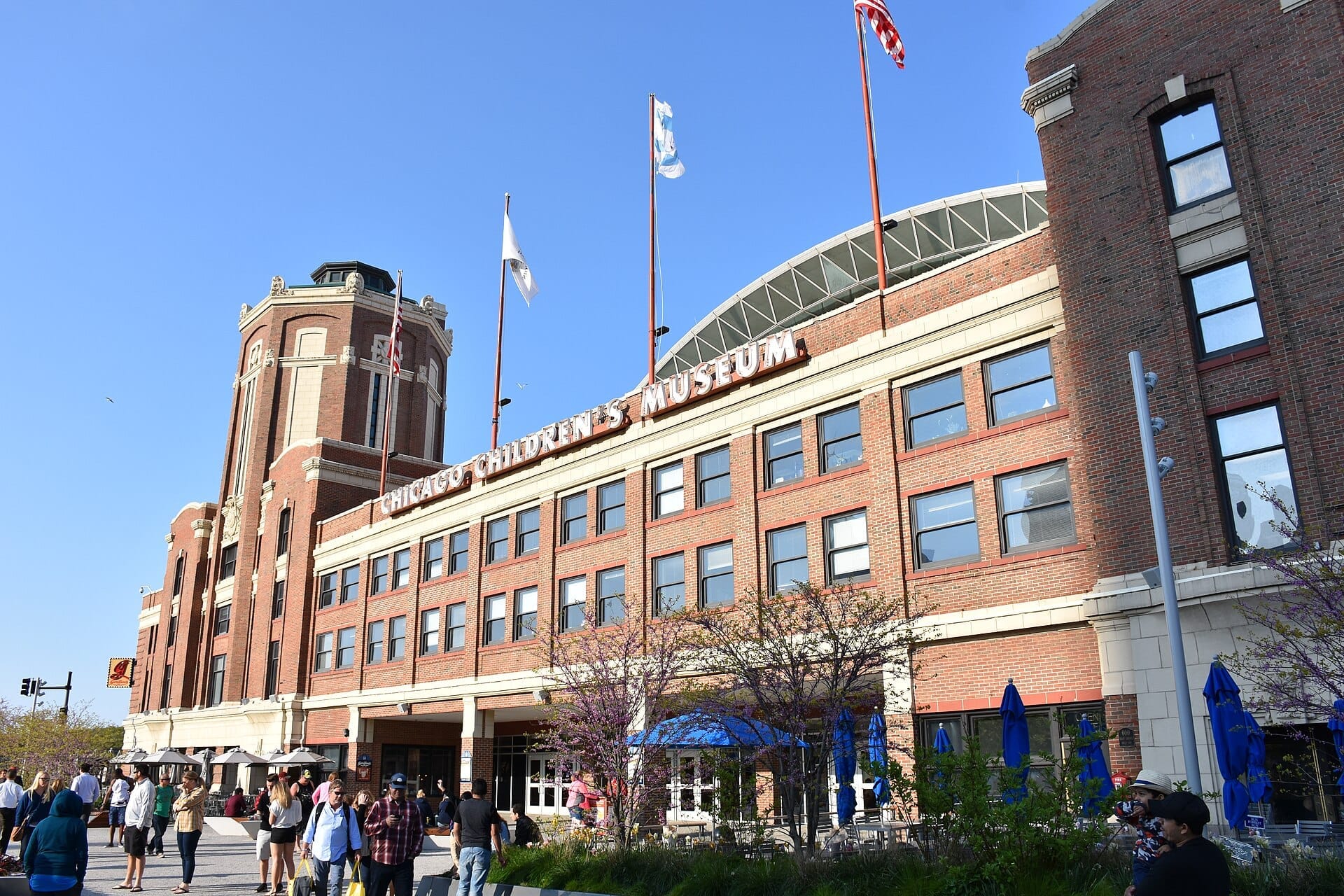
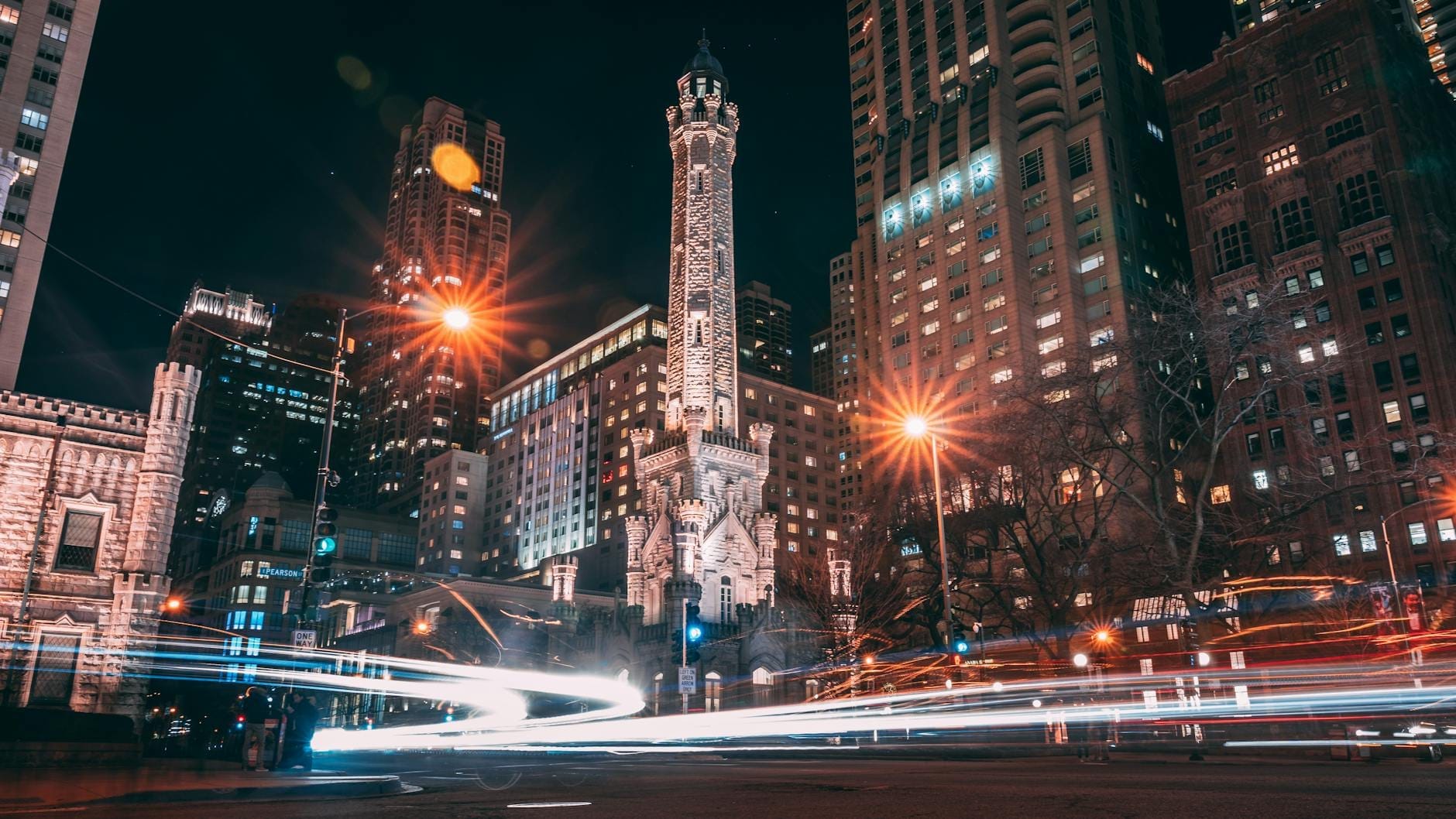
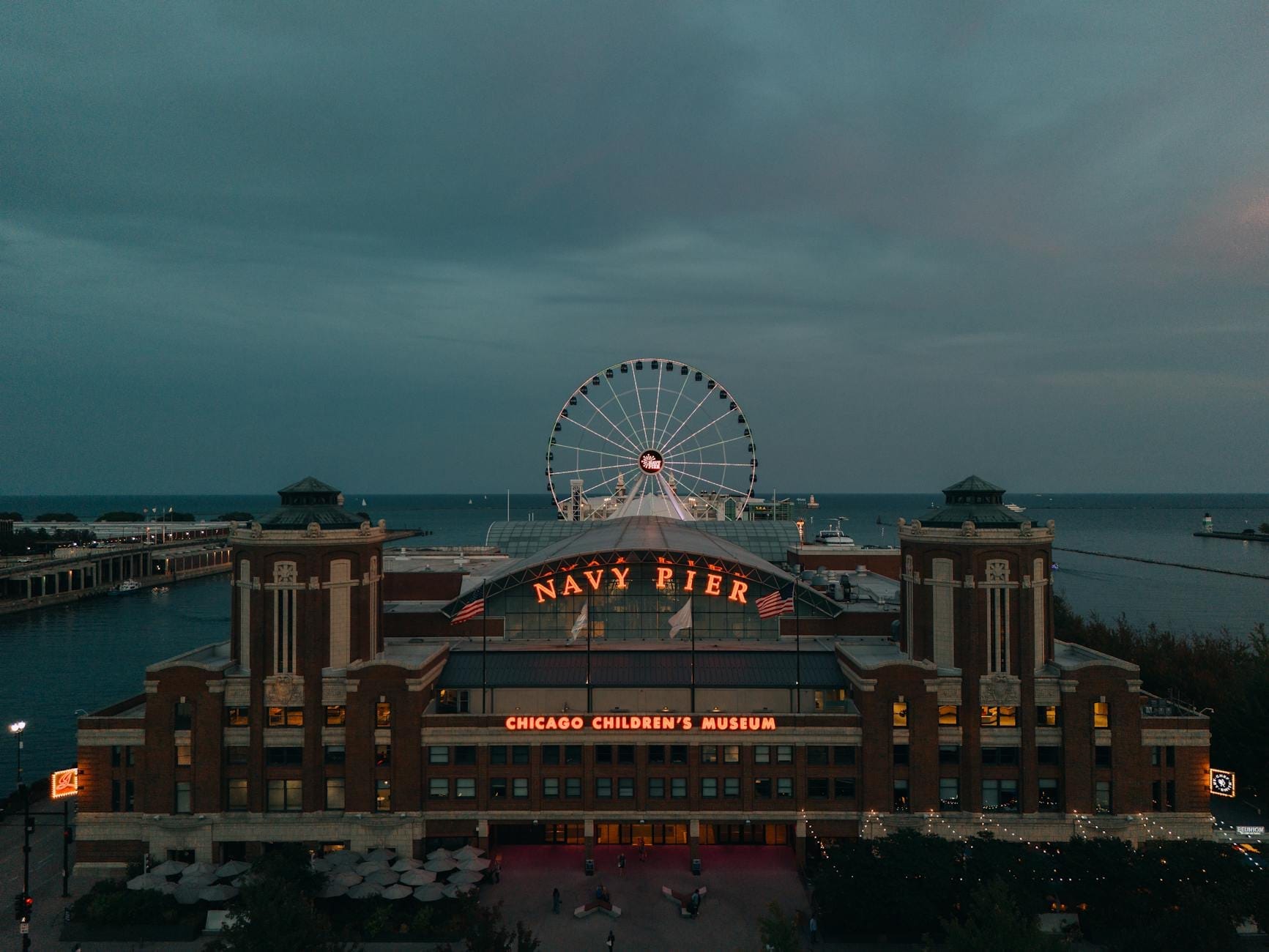
The Chicago Water Tower at 806 North Michigan Avenue is one of the few structures in this part of the city to survive the Great Chicago Fire of 1871. The castellated limestone tower now functions as a small gallery space and tourism information point, and it provides a useful orientation landmark halfway up the Mag Mile. A short walk east through Streeterville leads to the lakefront and Navy Pier, Chicago's largest single visitor attraction. The pier extends 3,300 feet into Lake Michigan and holds a Ferris wheel, a Shakespeare theater, the Chicago Children's Museum, restaurants, and seasonal event programming.
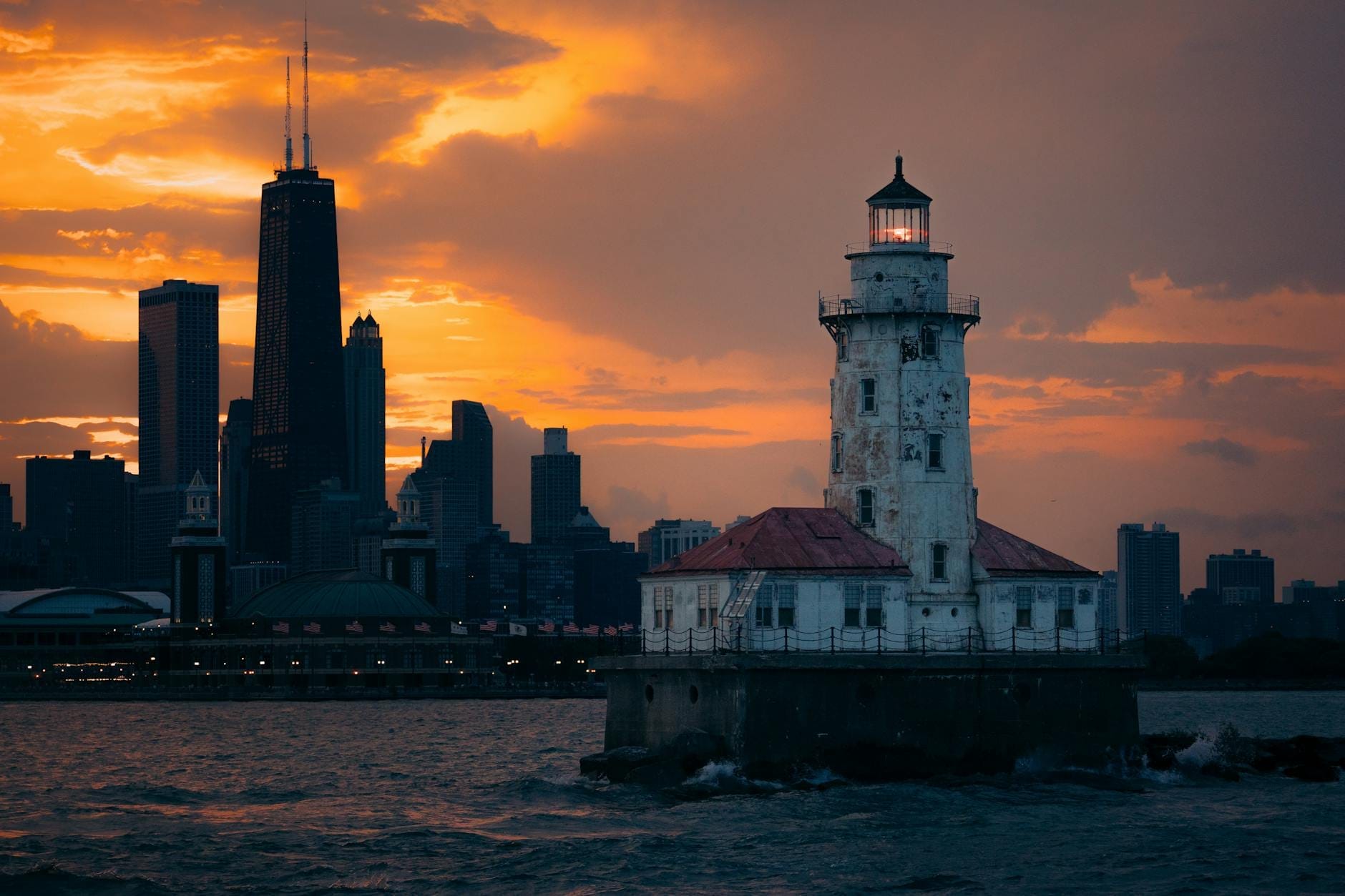
For views over the city and the lake, the Magnificent Mile corridor has two major observation options within easy walking distance. 360 Chicago sits on the 94th floor of the 875 North Michigan Avenue tower (formerly the John Hancock Center) and offers a particularly dramatic perspective because of the tower's position right on the avenue, with unobstructed lake views to the east. The building's former Signature Room restaurant and bar on the 95th and 96th floors, which closed in 2023, previously provided elevated views for the cost of a drink.
Wrigley Building: white terra-cotta tower at the foot of the Mag Mile, best viewed from the Michigan Avenue Bridge at dusk
Tribune Tower: neo-Gothic landmark with embedded building fragments from Stonehenge, the Parthenon, and the Berlin Wall
Chicago Water Tower: surviving 1871 fire landmark at 806 N Michigan Ave, now houses a small gallery
Water Tower Place: multi-level indoor shopping center at 835 N Michigan Ave with a hotel
Navy Pier: 3,300-foot pier into Lake Michigan with the Centennial Wheel, theaters, and seasonal events
360 Chicago: observation deck on the 94th floor of 875 N Michigan Ave with TILT glass experience
Ohio Street Beach and lakefront access via Streeter Drive in Streeterville
For visitors interested in Chicago's broader architectural story, the Chicago Architecture Center is located just south of the Magnificent Mile on Michigan Avenue at the river, and it's the best starting point for understanding how the buildings around you fit into 150 years of architectural history. Boat tours depart from the riverwalk nearby and provide the classic perspective on Michigan Avenue's canyon of towers from the water level.
Eating & Drinking
The food scene on the Magnificent Mile itself leans heavily toward chain restaurants, hotel dining rooms, and tourist-facing concepts. That is not a condemnation: several of the hotel restaurants here are genuinely strong, and the density of options means you are rarely more than a short walk from a decent meal. But travelers seeking adventurous independent dining will want to move a few blocks west into River North or south toward the Loop.
The stretch between the river and Chicago Avenue contains most of the dining activity. The lower floors of Water Tower Place and the 900 North Michigan Shops both have food-court level options for quick and inexpensive meals. For sit-down dining, the hotels along the avenue, including the InterContinental, Loews, and the Westin Michigan Avenue, all have restaurant and bar spaces that serve the public and are reliable for quality, though prices reflect the real estate.
Streeterville proper has more neighborhood-facing options along Illinois Street, Grand Avenue, and near Northwestern Memorial Hospital, where staff and residents provide a non-tourist customer base. This is where you find sandwich counters, reliable casual spots, and a few independent cafes serving the residential and medical community rather than the visitor trade.
Navy Pier has undergone significant redevelopment of its dining offerings and now includes a range of restaurants from casual lakefront bites to more formal dining, all with water views. The prices reflect the location, but eating at the pier with lake views in either direction is a legitimately enjoyable experience, particularly at sunset on a clear summer evening.
💡 Local tip
For Chicago deep dish without the tourist markup, step off Michigan Avenue. The Magnificent Mile corridor has several well-known pizza chains, but for a more local experience, head a few blocks west into River North. If you want context on what to order, the city's pizza culture is worth understanding before you arrive.
Getting There & Around
The CTA Red Line is the most practical rail connection to the Magnificent Mile. The Grand station on State Street (at Grand Avenue) and the Chicago station on State Street (at Chicago Avenue) both place you a five to seven minute walk west of Michigan Avenue. From Grand station, walk east on Grand Avenue to reach the southern end of the Mag Mile near Tribune Tower. From Chicago station, walk east on Chicago Avenue to reach the northern section near the Water Tower.
Multiple CTA bus routes run along Michigan Avenue itself, including the 151 (Sheridan) and 145/146/147/148 routes that use Michigan Avenue as a spine and connect through to the lakefront and the Loop. The 66 Chicago Avenue bus connects the Red Line at Chicago station east into Streeterville. For Navy Pier specifically, the 124 Navy Pier bus provides a direct connection from Ogilvie Transportation Center and the Loop.
From O'Hare International Airport, the Blue Line runs to the Loop (about 45 minutes), where you transfer to the Red Line northbound for the Magnificent Mile stations. From Midway Airport, the Orange Line runs to the Loop (about 30 minutes) with the same onward Red Line connection. Both airports also have ride-hailing pickup areas for Uber and Lyft, and a direct trip to a Mag Mile hotel typically takes around 30 to 60 minutes from O'Hare depending on traffic, or about 25 to 45 minutes from Midway. Full airport logistics are covered in the Chicago airport guide.
Within the neighborhood, walking is the dominant mode of transport and it covers more ground than it seems. The full length of the Magnificent Mile from the river to Oak Street takes under 20 minutes at a comfortable walking pace, and the side streets east into Streeterville to the lakefront add another 10 minutes. Navy Pier is roughly a 15 to 20 minute walk from Michigan Avenue along Grand Avenue, or a short bus ride.
⚠️ What to skip
Michigan Avenue itself has no dedicated cycle lane, and the sidewalks are too crowded for comfortable cycling during peak hours. The Divvy bike-share system has docking stations throughout Streeterville and along the lakefront, which is a much more pleasant cycling environment. Avoid cycling on Michigan Avenue between Ohio Street and Oak Street on weekend afternoons.
Where to Stay
The Magnificent Mile corridor has one of the highest hotel densities in Chicago, with more than 50 hotels across the area. It suits travelers who prioritize proximity to shopping, the lakefront, and easy walking access to the Loop and Grant Park. For a broader overview of accommodation options across the city, the Chicago accommodation guide provides neighborhood comparisons.
Hotels on or directly off Michigan Avenue itself offer the most central position but also the highest prices and, at street level, the most noise. Upper Michigan Avenue, from Chicago Avenue north to Oak Street, tends to be quieter underfoot than the lower stretch between the river and Grand Avenue, which receives more foot and vehicle traffic. Streeterville hotels east of Michigan Avenue, particularly those near the lakefront or facing Navy Pier, often offer better value per room than their counterparts directly on the avenue.
This area makes most sense for first-time visitors to Chicago, families wanting easy access to Navy Pier and the lakefront, and travelers attending conferences at the many large hotel convention spaces here. Those who want a more residential feel or access to independent dining and nightlife might find River North, the West Loop, or Lincoln Park a better fit. The Magnificent Mile is unambiguously convenient but it is also one of the city's most expensive places to stay, and the immediate neighborhood rewards tourist activity more than it rewards exploration.
ℹ️ Good to know
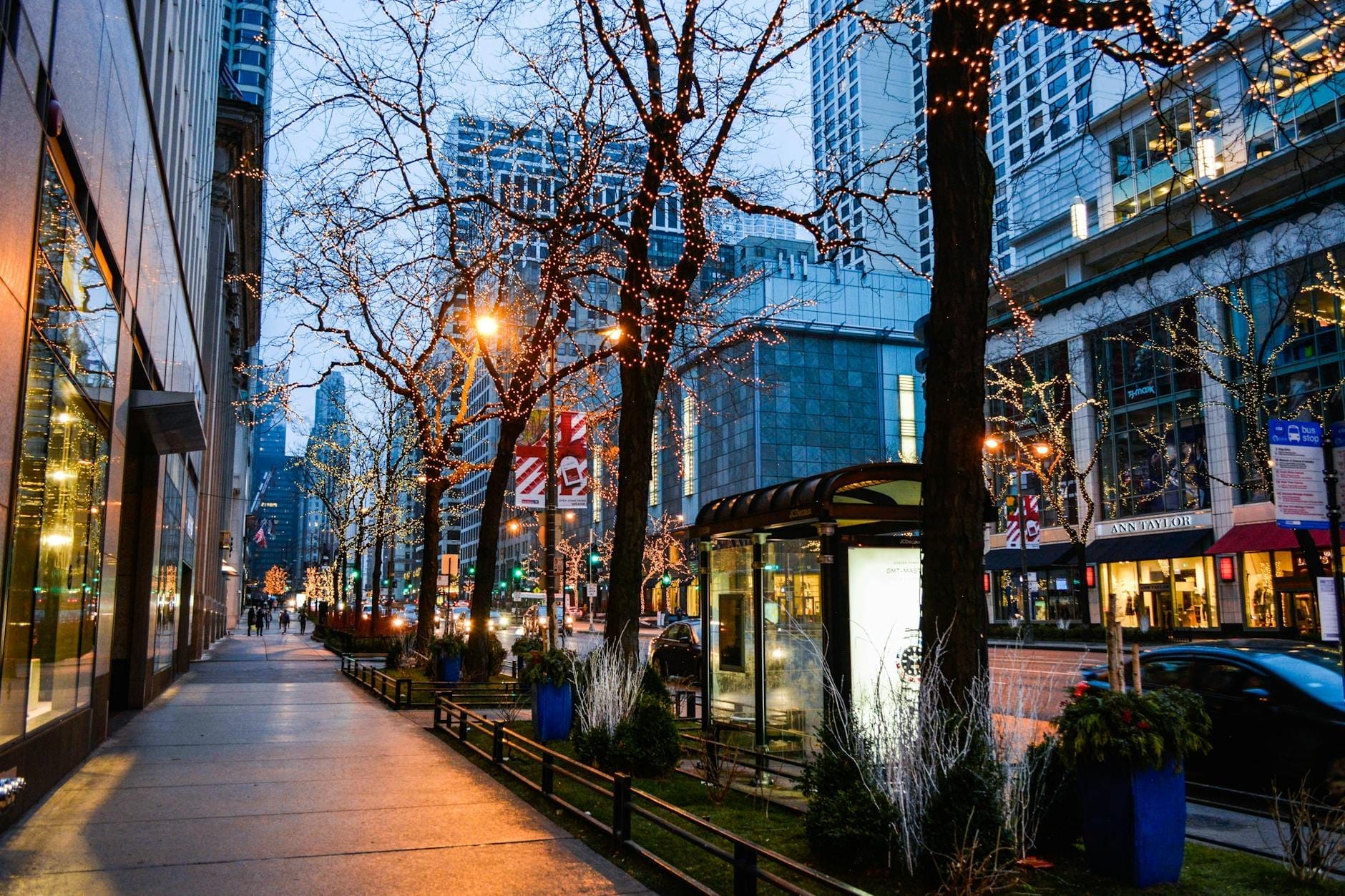
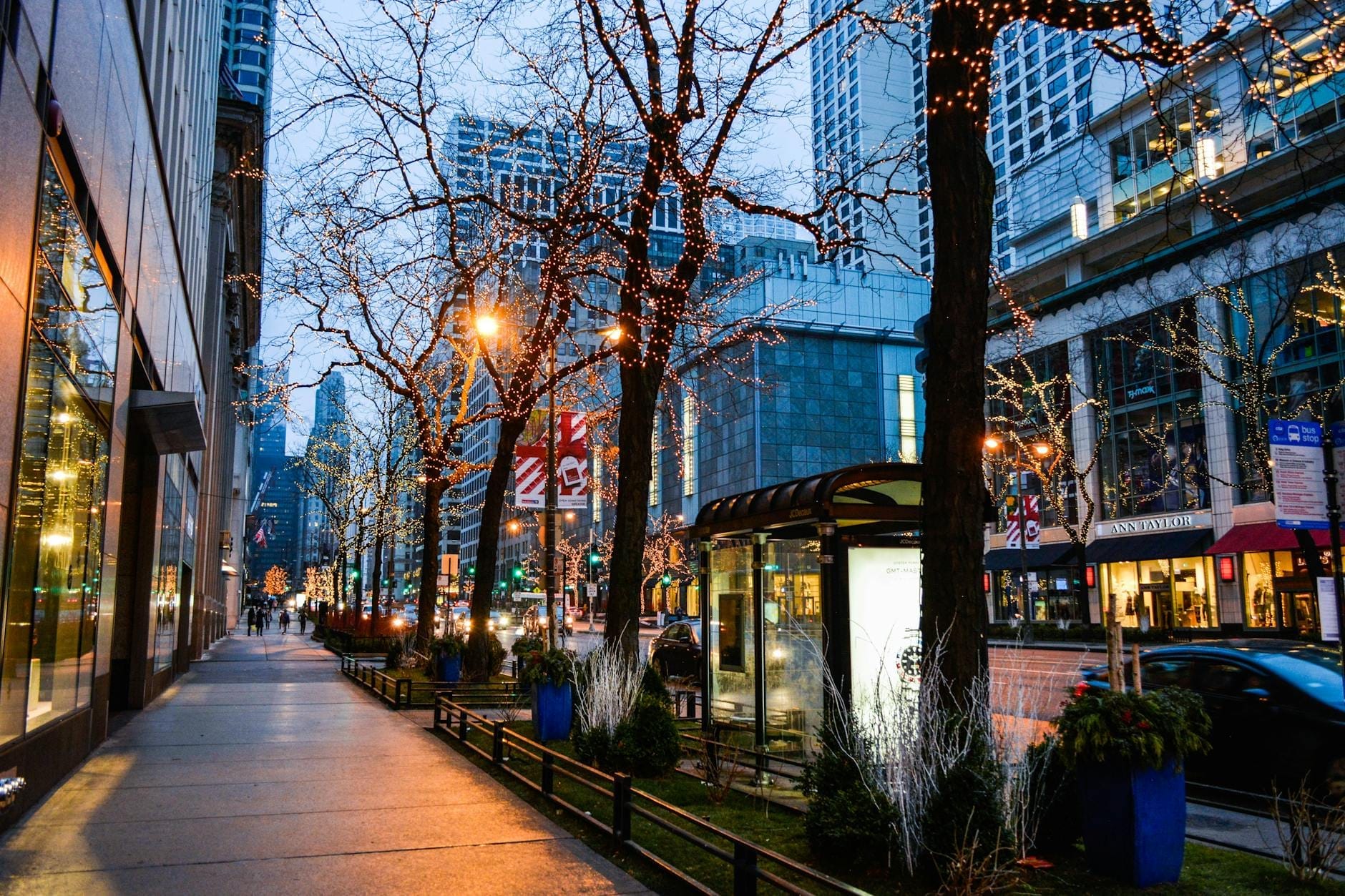
The holiday lights and occasional seasonal events on the Magnificent Mile in November and December transform the stretch of Michigan Avenue between Ontario and Illinois streets into one of the city's most atmospheric seasonal displays. Hotel rates spike significantly during this period. Book well in advance if visiting around Thanksgiving or early December.
Practical Considerations
The Magnificent Mile and Streeterville are among the safest areas in Chicago for visitors, given the density of hotels, retail security, and foot traffic at almost all hours. Standard urban precautions apply: stay aware of your surroundings in crowded stretches, keep bags in front of you on crowded sidewalks, and be mindful of pickpockets near major transit stops. The Chicago safety guide covers the broader picture across different neighborhoods.
Seasonally, this area experiences significant weather extremes. Chicago's humid continental climate means summer temperatures can reach 29°C (84°F) with high humidity, while January averages hover near -3°C (27°F) with the lakefront wind making the feels-like temperature considerably colder. Michigan Avenue in winter, when the lake wind funnels south along the avenue, is genuinely brutal without a serious coat. For seasonal packing and timing advice, the best time to visit Chicago guide breaks down each season's trade-offs.
The Magnificent Mile is also the starting point for some of Chicago's most celebrated architectural experiences. The Chicago Architecture Foundation River Cruise departs from the riverwalk just south of the Michigan Avenue Bridge and provides the most comprehensive single introduction to the city's building history. It books out well in advance during summer, particularly on weekend evenings.
Summary
TL;DR
The Magnificent Mile is Chicago's primary retail and hotel corridor, running one mile along North Michigan Avenue from the Chicago River to Oak Street, with Streeterville occupying the dense lakefront district to its east.
Best for: first-time visitors, shoppers, families visiting Navy Pier, architecture enthusiasts, and travelers who want maximum convenience and lakefront proximity.
The area draws over 22 million visitors annually; expect significant crowds on Michigan Avenue from mid-morning onward, particularly on summer weekends.
Transit is straightforward via the CTA Red Line (Grand and Chicago stations) and multiple bus routes; the neighborhood is very walkable and connects easily to the Loop to the south and the Gold Coast to the north.
Those seeking independent dining, quieter streets, or a neighborhood feel will find the area's character more commercial than residential; River North to the west or Lincoln Park to the north offer more textured alternatives.
Top Attractions in Magnificent Mile & Streeterville
Three days is enough time to cover Chicago's iconic skyline, world-class museums, lakefront, and neighborhoods — if you plan it right. This itinerary cuts the guesswork with day-by-day structure, honest timing advice, and the practical details most guides skip.
Chicago's museum scene is one of the strongest in the United States, anchored by institutions that rank among the best in the world. This guide covers the top picks across art, natural history, science, architecture, and cultural heritage, with honest advice on what each one offers and how to plan your visit.
Chicago rewards visitors year-round, but timing your trip makes a real difference. This guide breaks down every season by weather, crowd levels, pricing, and events so you can pick the dates that match what you actually want from the city.
Twenty-four hours in Chicago is genuinely enough to hit the architectural icons, taste the food worth traveling for, and understand why this city earns its reputation. This guide cuts through the noise with a tight, practical sequence that actually works — morning coffee to late-night jazz, no wasted miles.
Navy Pier lights up the lakefront every Independence Day, but Chicago 4th of July celebrations extend far beyond a single pier. This guide covers the best fireworks viewing spots, lake cruises, rooftop bars, daytime activities, and practical logistics for a smooth July 4th in the city.
Chicago is served by two major airports: O'Hare International (ORD) and Midway International (MDW). This guide breaks down the key differences in location, transit connections, airlines, and costs so you can choose the right one before you book.
The Chicago architecture boat tour is one of the city's most rewarding experiences, but not all cruises are equal. This guide breaks down the top operators, ticket prices, departure logistics, and the details most visitors only discover after they've already booked.
Chicago is the most important city in North America for architecture, full stop. This guide covers the essential buildings, the best tours, and the landmarks that explain how a city rebuilt from ashes became the birthplace of the skyscraper.
Chicago is a crucible of modern electric blues and one of the great jazz cities on earth. This guide covers the essential clubs, historic venues, and annual festivals where you can hear world-class live music any night of the week.
Chicago transforms every December into one of the most festive winter cities in the United States. From the authentic German Christkindlmarket at Daley Plaza to the ice skating rinks, dazzling light displays, and world-class theater, this guide covers every key event, practical logistics, and honest advice for making the most of Chicago at Christmas.
Chicago CityPASS promises up to 50% savings on top attractions like Shedd Aquarium, Skydeck Chicago, and the Field Museum. But does it actually deliver? This guide breaks down both pass options, calculates real savings, flags what's missing, and tells you exactly who should buy it and who should pass.
Chicago is the comedy capital of the United States, the city where improv was born and where generations of the world's funniest performers learned their craft. This guide covers the essential stages, late-night clubs, and supporting venues that make Chicago's comedy scene unlike anywhere else.
Chicago deep-dish is one of America's most iconic regional foods, but knowing where to eat it, what to order, and how long to wait makes all the difference. This guide covers the top pizzerias, the difference between stuffed and traditional deep-dish, and practical tips to avoid rookie mistakes.
Chicago's food identity runs far deeper than one famous pizza style. This guide covers every iconic dish you should try, the neighborhoods where each one thrives, honest price expectations, and the seasonal rhythms that shape how the city eats.
Chicago's Prohibition-era crime history is woven into its streets, neighborhoods, and buildings. This guide covers the real locations tied to Al Capone, the St. Valentine's Day Massacre, John Dillinger, and the Chicago Outfit, plus the best tours to bring it all to life.
Chicago rewards the curious traveler who ventures beyond the Bean and Navy Pier. From a Gilded Age cemetery full of architectural masterpieces to a free tropical conservatory on the West Side, these under-the-radar experiences reveal the city's true depth and character.
Summer transforms Chicago into one of America's most energetic cities. From massive free festivals on the lakefront to neighborhood street fairs, world-class beaches, and outdoor concerts, this guide covers everything you need to know to make the most of Chicago from June through August.
Winter in Chicago is genuinely cold, occasionally brutal, and completely worth it. This guide covers the best things to do in Chicago winter — from free ice skating at Millennium Park to world-class museums, holiday markets, and rooftop views — along with honest advice on surviving the weather and keeping costs down.
Chicago's lakefront is one of the great urban waterfronts in the world: 26 miles of free public shoreline, 24 sand beaches, and a continuous trail linking neighborhoods from Edgewater to Hyde Park. This guide covers the best beaches, parks, trails, water activities, and practical rules you need to enjoy it without any surprises.
Lollapalooza takes over Grant Park for four days every summer, drawing around 460,000 people to one of the world's biggest music festivals. This guide covers tickets, the 2026 lineup, on-site logistics, getting there, where to stay, and what first-timers get wrong.
Chicago delivers world-class luxury across every category, from lakefront five-star hotels to Michelin-starred tasting menus and private architecture cruises. This guide cuts through the noise to tell you exactly where to stay, eat, and splurge in one of North America's most sophisticated cities.
The Chicago Marathon draws over a million spectators to 26.2 miles of city streets each October. This guide covers the best places to watch, how to use the CTA to hit multiple spots, Grant Park access rules, and everything you need to know to make race day effortless.
Chicago's 77 community areas each have a distinct personality, and knowing which ones to visit makes all the difference. This guide breaks down the city's best neighborhoods by what they offer, from world-class museums and architecture to street art, jazz clubs, and lakefront beaches.
Chicago's nightlife runs deep and wide, from century-old jazz clubs to basement punch bars in Pilsen. This guide maps the best venues by neighborhood, covers last-call logistics, and tells you where the locals actually drink.
Two iconic observation decks, two very different experiences. This guide breaks down Skydeck Chicago and 360 CHICAGO side by side — heights, ticket prices, signature features, crowd patterns, and honest verdicts — so you can choose the right one for your visit.
Chicago is one of America's great cities, but it does not have to be an expensive one. From free world-class museums and an 18-mile lakefront trail to $2.50 train rides and Italian beef sandwiches under $5, this guide breaks down exactly how to stretch your dollars across every part of the trip.
Chicago's reputation for danger is significantly overblown when it comes to tourist areas. This guide breaks down which neighborhoods are genuinely safe, where to exercise caution, and the practical habits that keep visitors out of trouble.
Chicago is one of the great shopping cities of North America, with options ranging from luxury flagships on Oak Street to independent boutiques in Andersonville and massive outlet malls near O'Hare. This guide breaks down every major district, what you'll actually find there, and how to get around without wasting a day.
Chicago is one of the best American cities to explore alone. The CTA L train connects virtually every major attraction, central neighborhoods are walkable and safe for solo visitors, and the city rewards independent travelers with world-class museums, architecture, food, and free cultural spaces. This guide covers everything you need: safety by area, transit logistics, the best solo-friendly experiences, and practical advice on timing and budgeting your trip.
Chicago is one of only a handful of U.S. cities with teams in all five major men's pro sports leagues. This guide covers every team, every venue, the best seats for your budget, and everything you need to know before game day.
Chicago turns the river green every St. Patrick's Day in one of America's most spectacular civic traditions. This guide covers the river dyeing history, best viewing spots, parade logistics, neighborhood celebrations, and practical tips for making the most of the city's biggest Irish-American holiday.
The Chicago style hot dog is one of the most specific, opinionated, and genuinely great street foods in America. This guide breaks down every topping, the Depression-era origins, the ketchup controversy, and the best stands in the city to try one.
Chicago has one of the richest theater scenes in the world, stretching from grand Loop venues hosting Broadway tours to intimate storefront stages that have shaped American drama for decades. This guide covers the best venues, how to get tickets, and what makes each stage worth your time.
Chicago's skyline is one of the greatest in the world, and the city gives you dozens of ways to take it in. From two competing observation decks to free lakefront viewpoints and rooftop bars, this guide covers every perspective worth seeking out.
Two days in Chicago is enough to hit the architectural landmarks, world-class museums, and legendary food scene — if you plan smart. This guide breaks down exactly how to spend a Chicago weekend, from Saturday morning at Millennium Park to Sunday dinner in the West Loop, with honest tips on what's worth your limited time.
Chicago ranks among the best American cities for families, and not just because of its world-class museums. Free zoos, lakefront beaches, landmark parks, and kid-friendly neighborhoods make it surprisingly affordable and endlessly entertaining. This guide covers the top things to do in Chicago with kids, season by season, with real logistics and honest money-saving advice.
Chicago sits at the center of one of the most day-trip-rich regions in North America. Within two hours you can be hiking sand dunes on Lake Michigan, touring Frank Lloyd Wright's studio, exploring a stunning botanical garden, or catching world-class outdoor music. This guide covers the best destinations within easy reach of the city.
Chicago is one of America's most generous cities when it comes to free attractions. World-class public art, a free zoo, miles of lakefront beaches, always-free museums, and summer festivals that draw millions — all without admission fees.
Chicago has one of the most comprehensive public transit systems in North America, with 'L' trains connecting both major airports to downtown and buses covering nearly every corner of the city. This guide breaks down every option: the CTA, airport transfers, rideshare, taxis, bikes, and water taxis, with honest advice on when each makes sense.
Chicago rewards couples with an extraordinary range of experiences: candlelit jazz clubs, skyline views from the water, world-class art museums, and tranquil gardens tucked inside the city's busiest parks. This guide covers the most romantic things to do in Chicago, organized by mood and moment.
Chicago packs more into one city than almost anywhere in America: world-class museums, a stunning lakefront, boundary-pushing food, and architecture that stops you mid-stride. This guide covers the top things to do in Chicago across every budget, season, and travel style, with honest rankings and practical logistics.
Chicago was ranked among the top U.S. food cities in 2026, and the title is earned. This guide cuts through the deep-dish clichés to show you where locals actually eat: the best neighborhoods by cuisine, standout restaurants by category, booking tips, and honest advice on what to skip.
Choosing where to stay in Chicago shapes your entire trip. This guide breaks down the city's top neighborhoods by location, price, vibe, and transit access, so you can book with confidence whether you're a first-timer or returning visitor.