American Writers Museum: Chicago's Tribute to the Written Word
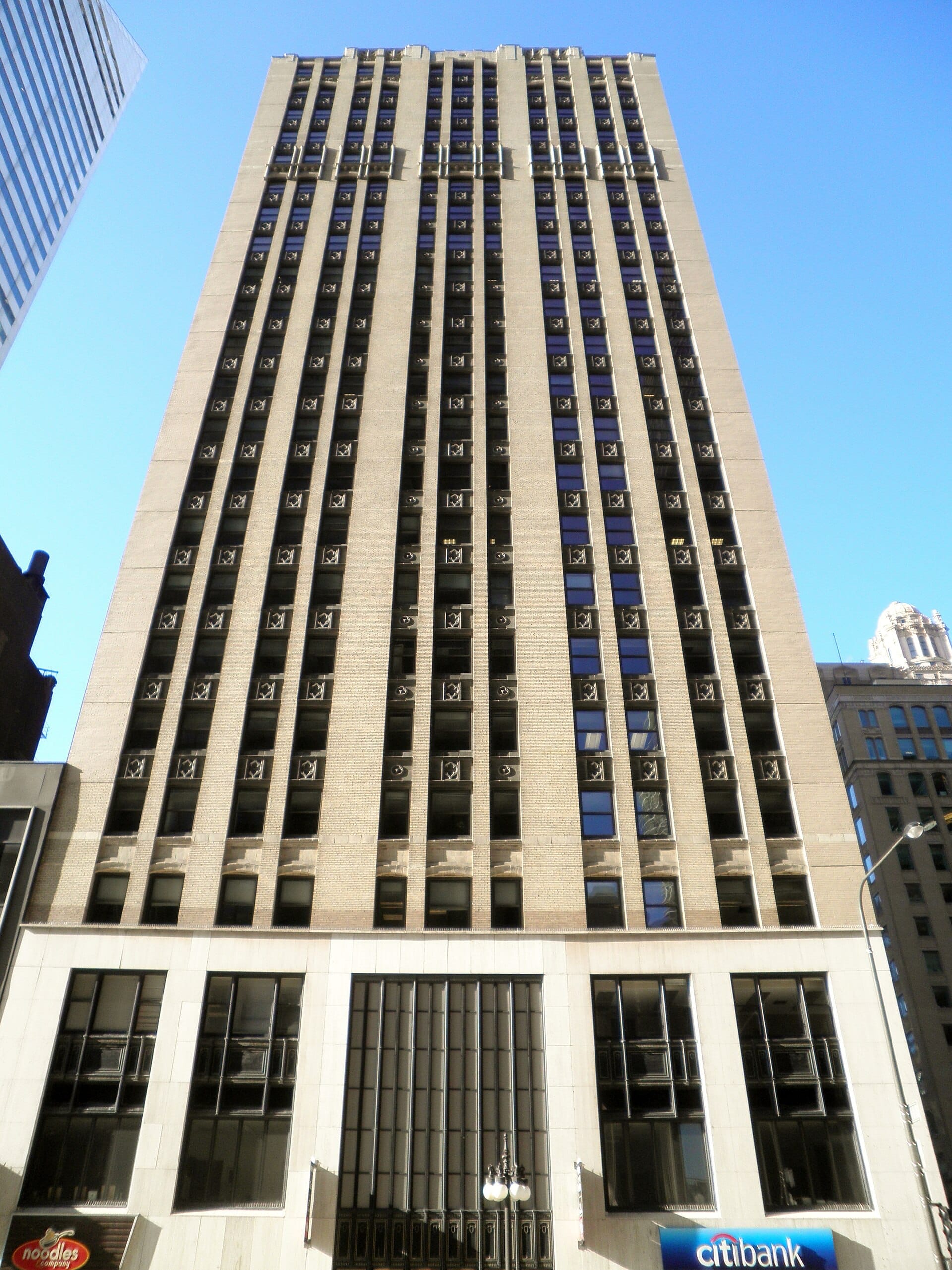
Tucked on the second floor of 180 N. Michigan Avenue, the American Writers Museum makes a persuasive case that literature shaped the United States as much as any battlefield or boardroom. It's compact, thoughtfully curated, and rewards visitors who slow down.
Quick Facts
- Location
- 180 N. Michigan Ave., 2nd Floor, Chicago, IL 60601
- Getting There
- CTA Red Line to Grand station; Green, Orange, Pink, and Purple Lines to Clark/Lake station; steps from Millennium Park
- Time Needed
- 1 to 2 hours
- Cost
- Adults $16 door / $14 online; Seniors $10; Students and teachers $10; Children 12 & under free
- Best for
- Literature lovers, students, rainy-day culture seekers
- Official website
- americanwritersmuseum.org
What the American Writers Museum Actually Is
The American Writers Museum opened in May 2017 on the second floor of a Michigan Avenue office building, making it one of the newer cultural institutions in downtown Chicago. The concept is deliberately broad: rather than honoring a single author or literary era, the museum frames American writing as a continuous, evolving national conversation, from colonial pamphlets to contemporary genre fiction. That ambition is both its greatest strength and the thing that occasionally makes the curatorial choices feel a little stretched.
At roughly 5,000 square feet, this is not a sprawling complex. You can walk every exhibit in under an hour if you move at a clip. The value comes from lingering: reading manuscript fragments, listening to audio recordings of authors reading their own work, and engaging with the interactive stations that let you try your hand at writing in different forms. Think of it less as a traditional museum and more as a well-designed reading room that happens to have rotating exhibits.
For context on how this fits into Chicago's broader cultural landscape, see the best museums in Chicago guide, which covers everything from blockbuster natural history collections to smaller institutions like this one.
The Exhibits: What You'll See Inside
The permanent gallery organizes American literary history into thematic corridors rather than a strict chronological timeline. One wall features a long, typographic installation listing hundreds of American writers, organized not by alphabet but by loose thematic groupings. It's the kind of display that stops people mid-stride: you'll find yourself scanning for names you recognize, discovering writers you don't, and occasionally arguing quietly with the editorial decisions.
A dedicated section on the American Novel includes interactive elements where visitors can explore the mechanics of storytelling: narrative voice, structure, place. The Word Play area is particularly popular with younger visitors and with adults who are willing to sit down at a screen and actually engage. There's also a rotating gallery that changes roughly every few months, bringing in focused exhibits on specific authors, movements, or themes. Check the museum's website before visiting to see what's currently showing, since the temporary exhibit can substantially alter the overall experience.
The museum also maintains a reading room stocked with books by featured authors, and a small gift shop with a genuinely good literary selection. The shop is worth a few minutes even if you're not buying, since the curation there reflects the museum's sensibility more honestly than any brochure.
💡 Local tip
Buy your ticket online to save $2 per adult and skip any queue at the front desk. The museum is small enough that even a modest line can feel slow.
Tickets & tours
Hand-picked options from our booking partner. Prices are indicative; availability and final rates are confirmed when you complete your booking.
Six Flags Great America admission tickets
From 50 €Instant confirmationGo City | Chicago All-Inclusive Pass
From 127 €Instant confirmationFree cancellationiFLY Chicago Lincoln Park indoor skydiving experience
From 126 €Instant confirmationFree cancellationiFLY Chicago Rosemont indoor skydiving tickets
From 117 €Instant confirmationFree cancellation
When to Visit and How Crowds Behave
The American Writers Museum draws a quieter crowd than the blockbuster attractions a few blocks away. On a typical weekday morning, especially Thursday or Friday, you'll often have the gallery largely to yourself. This is the ideal window: the light through the Michigan Avenue windows is soft, staff members are available for conversation, and the reading room has the atmosphere of a private library.
Weekend afternoons see more visitors, particularly families with school-age children. The museum handles foot traffic gracefully given its size, but if you're someone who prefers uninterrupted reading of exhibit text, a weekday visit is noticeably more pleasant. The museum is closed on Tuesdays and Wednesdays, which catches some visitors off guard.
⚠️ What to skip
The museum is closed every Tuesday and Wednesday. Hours are 10:00 am to 5:00 pm Thursday through Monday. Arrive before 4:00 pm to allow enough time to explore properly.
Summer brings an uptick in visitors, partly because Millennium Park draws large crowds to the area and partly because the museum offers a cool, quiet alternative to outdoor heat. In winter, it functions well as a warm-weather detour during a Michigan Avenue walk, particularly given how close it sits to the park and the Chicago Architecture Center.
Getting There and the Surrounding Area
The museum sits on the second floor of 180 N. Michigan Avenue, at the south end of the Magnificent Mile corridor. Access is via elevator from the building lobby. There is no exterior signage at street level that announces the museum prominently, so first-time visitors sometimes walk past the building entrance. Look for the building address and take the elevator up; the museum entrance is clearly marked on the second floor.
Multiple CTA 'L' lines serve this area. The closest stations are Grand (Red Line) and Clark/Lake (Green, Orange, Pink, and Purple lines). From either stop it's a short walk north or south along Michigan Avenue. The Millennium Park entrance is literally across the street, making it easy to combine both in a single outing.
If you're arriving from O'Hare, the Blue Line runs direct to Clark/Lake downtown, from which it's a short walk east to Michigan Avenue. For a broader understanding of how to navigate the city by transit, the getting around Chicago guide covers all the major options including Ventra card setup and fare structures.
Practical Considerations: Accessibility, Discounts, and Logistics
The second-floor location is fully elevator-accessible from the building lobby. The gallery floor itself is level with no significant obstacles, making navigation straightforward for visitors using mobility aids or strollers.
Several groups receive free or discounted admission beyond the standard ticket structure. Chicago Public Library cardholders in good standing (aged 18 and over) receive free admission for up to four people per visit. SNAP EBT cardholders receive the same benefit. Active military personnel and their families receive free entry through the Blue Star Museums program. ROAM and NARM members also enter free. If you hold any of these credentials, bring documentation.
- Adults: $16 at the door, $14 online
- Seniors (65+): $10
- Students and teachers with valid ID: $10
- Children 12 and under: free
- Chicago Public Library cardholders (18+): free for up to 4 people
- SNAP EBT cardholders: free for up to 4 people
- Blue Star Museums (military): free
- ROAM / NARM members: free
ℹ️ Good to know
The museum does not maintain a coat check or bag storage. The gallery is small enough that carrying a daypack is manageable, but large luggage or rolling suitcases would be awkward. Leave those at your hotel.
Photography, Sensory Details, and the Feel of the Space
The exhibition design leans heavily on text: wall-mounted quotes, manuscript reproductions, typographic installations. Photography is generally permitted in the gallery for personal use, though specific temporary exhibits may have restrictions. The lighting is deliberately controlled, which means wide-angle phone shots of text displays don't always reproduce well. Close-up shots of individual panels and installations tend to work better.
The space smells faintly of new construction and paper, not unpleasant. The ambient sound level is low: occasional audio recordings from exhibit stations, soft footsteps, murmured conversation. If you visit on a quiet weekday morning, you'll notice how genuinely peaceful the museum is compared to the street noise of Michigan Avenue two floors below. That contrast is part of what makes a slower visit feel worthwhile.
The museum sits in the Magnificent Mile and Streeterville neighborhood, one of the most densely visited corridors in Chicago. Pairing the museum with a walk along the lakefront or a stop at the Chicago Cultural Center a few blocks south makes for a full cultural afternoon without covering much ground.
Honest Assessment: Who Will Love It and Who Won't
The American Writers Museum is a rewarding visit for anyone with a genuine interest in literature, writing, or American cultural history. It rewards curiosity and slow engagement. The permanent collection is coherent without being exhaustive, and the programming around readings, author visits, and writing workshops adds depth that extends well beyond the gallery walls.
Visitors expecting the scale or spectacle of Chicago's major museums will be underwhelmed. The Art Institute, Field Museum, and Shedd Aquarium operate at a fundamentally different magnitude. This museum is small by design, and that's a legitimate choice, but it means the $16 admission requires calibrated expectations. If you pay full adult price and spend only about an hour here, you may leave feeling the ratio was off. Give yourself up to two hours: read the wall text, engage with the interactives, sit in the reading room.
Families with young children under about eight years old may find the text-heavy exhibits less engaging for kids, though the Word Play area and some interactive stations do hold younger attention. Children 12 and under are free, which removes the financial sting for families who want to try it.
Insider Tips
- Check the museum's events calendar before your visit. Author readings, writing workshops, and panel discussions are scheduled regularly and are often included with admission or available at a modest additional cost. These events are frequently more memorable than the static exhibits alone.
- The second-floor lobby area near the entrance has a view down onto Michigan Avenue that most visitors ignore. It's worth a moment before you enter the gallery.
- If you hold a Chicago Public Library card, your free admission for up to four people is one of the best-value cultural benefits in the city. Bring your card and be prepared to show it.
- The gift shop carries a curated selection of books that tracks closely with current temporary exhibits. If there's a specific author or period being featured during your visit, the selection there will reflect it and is worth checking.
- Combine this with a visit to the Chicago Architecture Center, roughly a five-minute walk south along the river. Both institutions are compact, intellectually oriented, and fit comfortably into a single half-day.
Who Is American Writers Museum For?
- Literature enthusiasts and book-club travelers looking for a Chicago experience beyond the standard tourist circuit
- Students and educators, who receive discounted admission and will find direct connections to American literary curricula
- Rainy or cold days when outdoor attractions lose their appeal and a calm, text-rich indoor space is exactly what's needed
- Solo travelers who enjoy quiet, self-paced exploration without crowds
- Families with children aged 8 to 12 who are readers or budding writers
Nearby Attractions
Other things to see while in Magnificent Mile & Streeterville:
- 360 CHICAGO Observation Deck
Perched on the 94th floor of 875 North Michigan Avenue, 360 CHICAGO delivers panoramic views stretching across the city grid, Lake Michigan, and on clear days, four states. With the TILT ride, interactive displays, and a full bar, it offers more than just a lookout.
- Centennial Wheel
Standing nearly 196 feet above the Lake Michigan shoreline, the Centennial Wheel at Navy Pier offers enclosed, climate-controlled gondola rides with some of the most expansive views of Chicago's skyline. Opened in 2016 to mark Navy Pier's 100th anniversary, it replaced a beloved predecessor and quickly became one of the city's most recognizable structures.
- Chicago Children's Museum
Perched inside Navy Pier on the lakefront, Chicago Children's Museum has been sparking curiosity in kids since 1982. With hands-on exhibits built for children under 10, it rewards an unhurried half-day visit. Here is exactly what to expect, when to go, and how to make the most of your time.
- Chicago Harbor Lighthouse
Built in 1893, the Chicago Harbor Lighthouse stands on the breakwater at the entrance to Chicago Harbor, just east of Navy Pier. It cannot be entered, but viewed from the shoreline or water, it offers one of Chicago's most quietly striking lakefront scenes.