Getting Around Chicago: The Complete Transport & Airport Guide
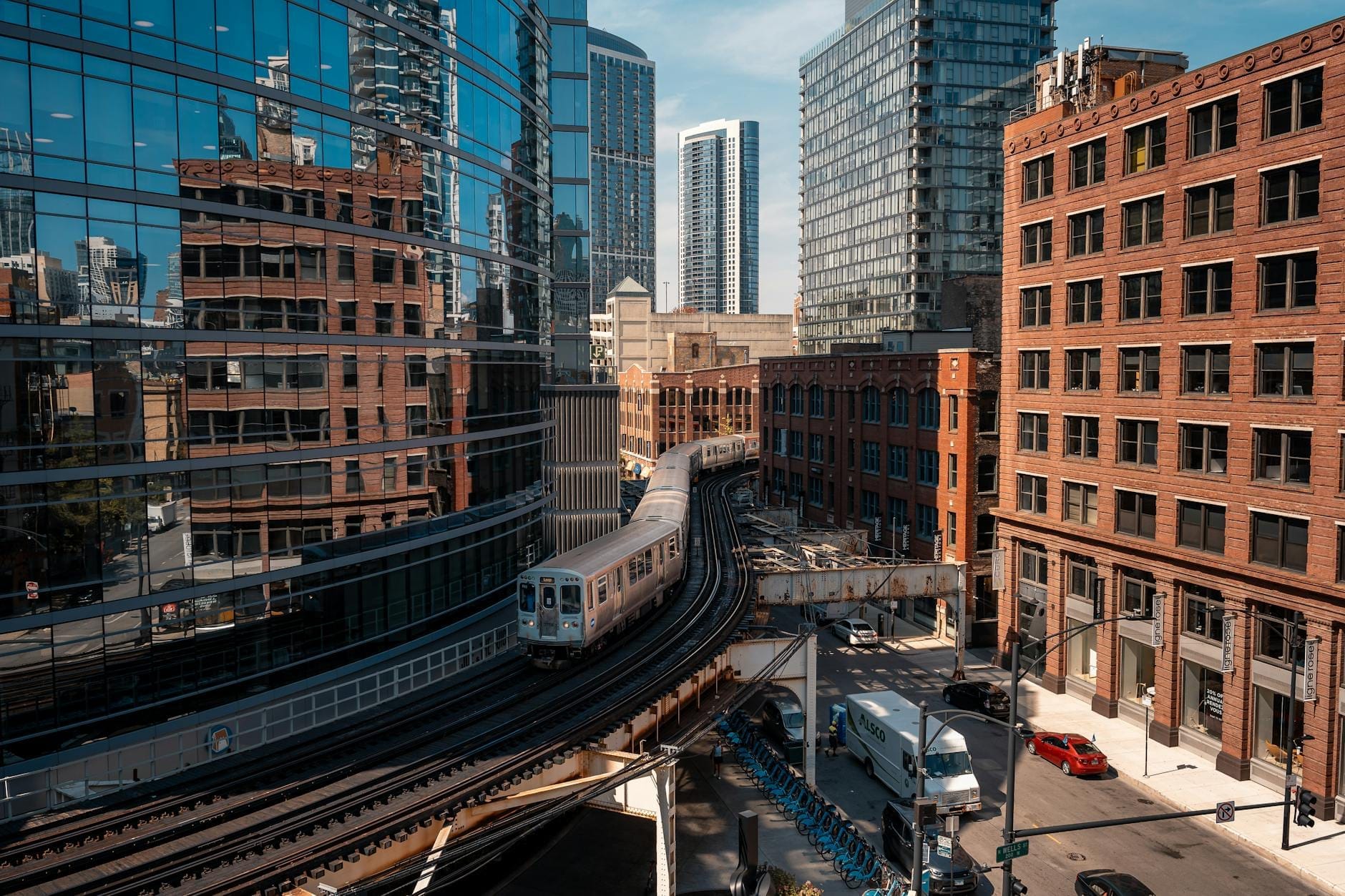
Chicago has one of the most comprehensive public transit systems in North America, with 'L' trains connecting both major airports to downtown and buses covering nearly every corner of the city. This guide breaks down every option: the CTA, airport transfers, rideshare, taxis, bikes, and water taxis, with honest advice on when each makes sense.
Plan and book this trip
Tools from our partner Travelpayouts help you compare flights and hotels. If you book through them, we may earn a commission at no extra cost to you.
Flights
Hotels map
TL;DR
- The CTA 'L' train connects directly to both O'Hare (Blue Line, ~40 min) and Midway (Orange Line, ~25 min) for around $5 and $2.50 respectively.
- A Ventra card is the easiest way to pay for all CTA trips; load it at any 'L' station or use a contactless bank card.
- Unlimited day passes ($5/day, $15/3-day, $20/7-day) are worth it if you plan to use the 'L' and buses more than twice a day.
- Rideshare and taxis surge during rush hours (6–9 am, 4–7 pm) and weekend nights; factor that into your plans.
- Read our Chicago airport guide for a deeper breakdown of both O'Hare and Midway terminals.
Chicago's Two Airports: Which One Are You Flying Into?
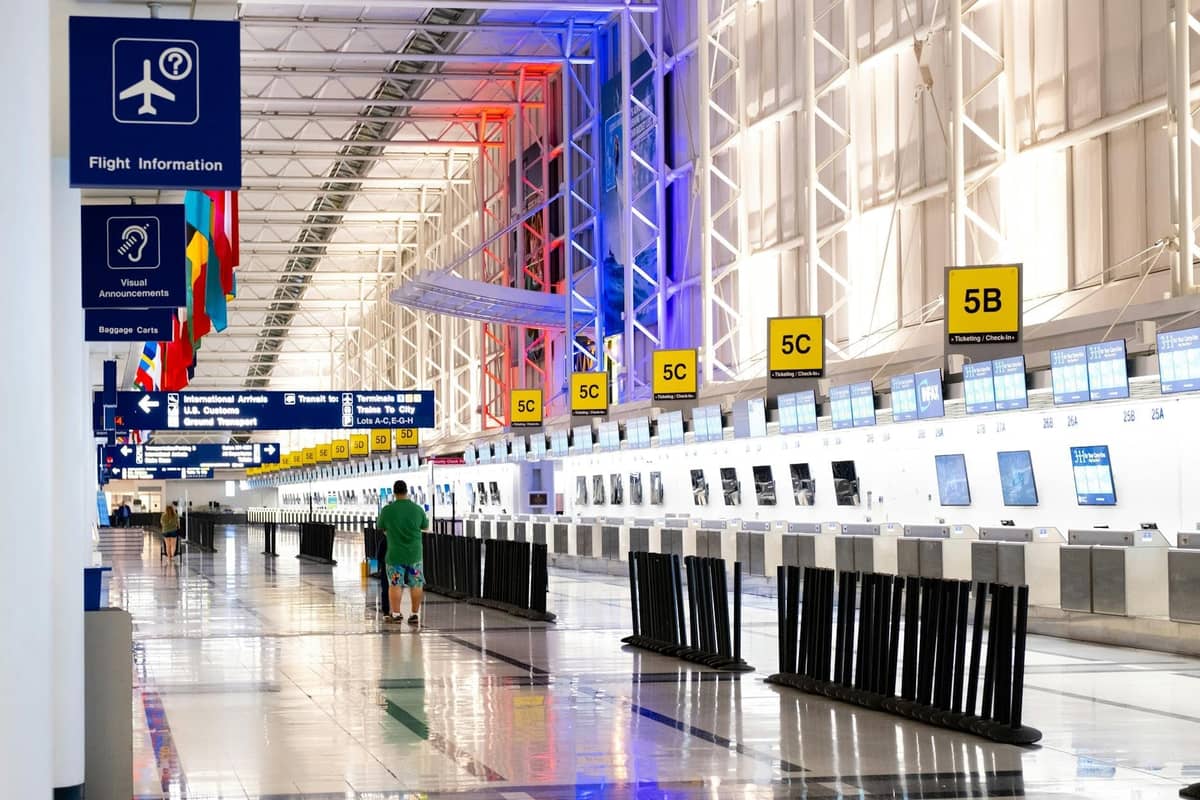
Chicago is served by two commercial airports, and the difference between them matters for your ground transportation plan. O'Hare International Airport (ORD) sits about 17 miles northwest of downtown in the Loop and is one of the busiest airports in the world by aircraft movements. Midway International Airport (MDW) is smaller and closer, about 10 miles southwest of the Loop, and serves primarily domestic routes with several budget carriers.
Both airports have direct CTA 'L' rail connections to downtown, which is genuinely rare in American cities. That single fact changes the math on ground transportation significantly. If you can travel light and don't mind a 25-45 minute train ride, you can get from either airport to the center of the city for a few dollars, avoiding both the unpredictability of rush-hour traffic and the surge pricing that hits rideshare apps during peak periods.
💡 Local tip
Flying into O'Hare on a Friday evening? The Blue Line is almost always faster than a taxi or rideshare during that window. Traffic on the Kennedy Expressway (I-90/94) can push car journeys to 75 minutes or more, while the train stays at roughly 40 minutes regardless of road conditions.
Getting from O'Hare to Downtown Chicago
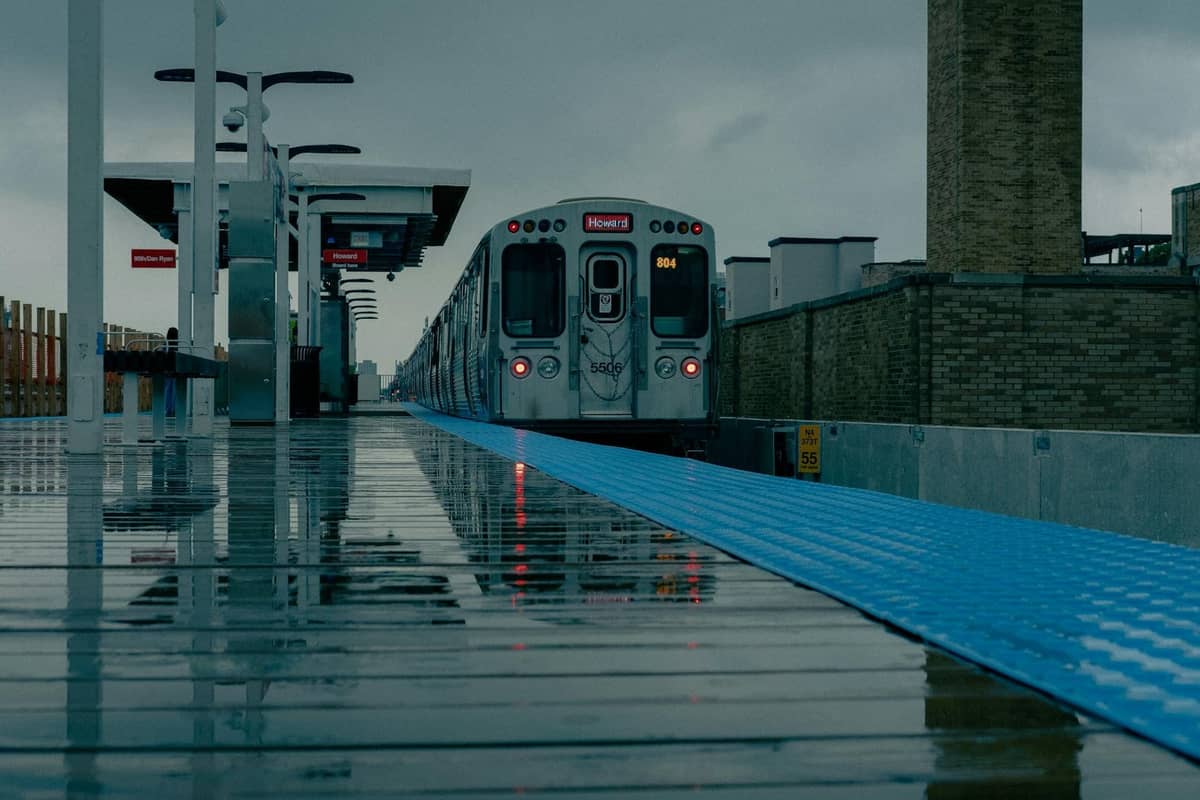
The CTA Blue Line runs 24 hours a day, 7 days a week from O'Hare station directly to the Loop. Journey time is typically 35-45 minutes to central stops like Clark/Lake or Washington/Dearborn. The O'Hare fare is higher than the standard CTA rate when purchased at O'Hare, currently $5 one-way versus the standard $2.50 rail fare (verify the latest amounts at CTA's fare page before travel). The train station is located within the airport terminal complex, so you don't need to go outside or take a shuttle.
- CTA Blue Line Roughly 35-45 minutes to the Loop. Fare around $5. Runs 24/7. Best value by far for solo travelers or pairs.
- Rideshare (Uber/Lyft) Pick up from designated TNP (Transportation Network Provider) zones on the lower level. Fares vary by demand; expect anywhere from $25 to $60+ during surge. Good for groups of 3-4 splitting the cost.
- Taxi Available at lower-level curb fronts outside baggage claim. Metered fares typically land in the $40-55 range to downtown, not counting tip, though traffic can push the meter higher.
- Shared shuttle vans Several operators run hotel-to-hotel shared services. Slower than a taxi due to multiple stops, but cheaper for solo travelers who don't want to navigate the train with heavy luggage.
Getting from Midway to Downtown Chicago
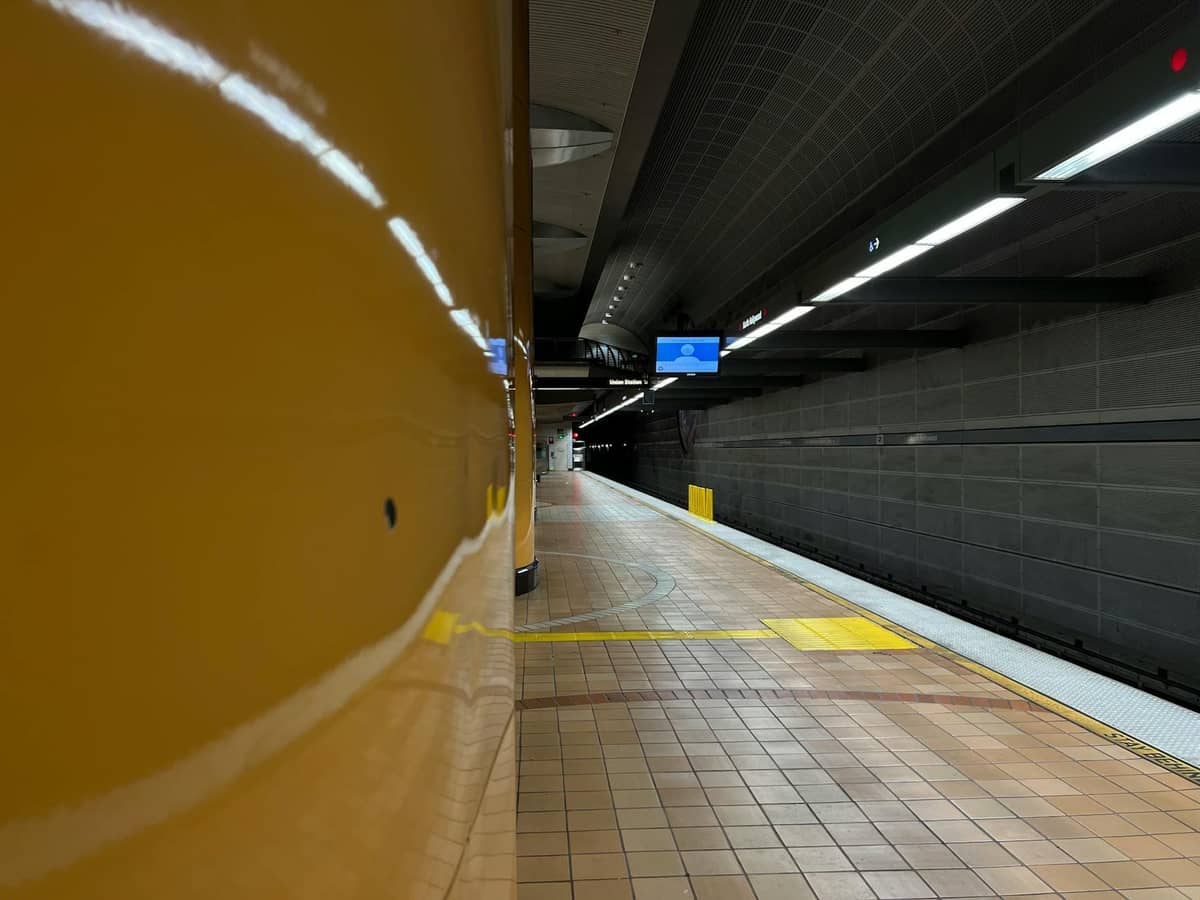
Midway is the easier airport for transit. The CTA Orange Line connects Midway station directly to the Loop in about 25-30 minutes, and standard CTA fares apply (currently $2.50 for rail). The station entrance is a short walk from the terminal. Trains run frequently during daytime hours, and while the Orange Line doesn't run 24/7 like the Blue Line, late-night service is available on connecting lines.
Taxis and rideshare pick up outside the arrivals level. Traffic to downtown from Midway is generally lighter than from O'Hare, and the route via the Stevenson Expressway (I-55) tends to be more predictable. Rideshare fares to central neighborhoods typically run $20-40, though again, rush hour and event days push those numbers up. Pace suburban buses also connect Midway with surrounding communities if you're heading to the southwest suburbs rather than downtown.
⚠️ What to skip
The Orange Line does not run overnight between roughly 1 am and 4 am. If your flight lands in that window, take a rideshare or taxi rather than waiting at the station. Check the CTA website for current service hours before your trip.
The CTA 'L' and Bus Network: Your Main Tool for Getting Around
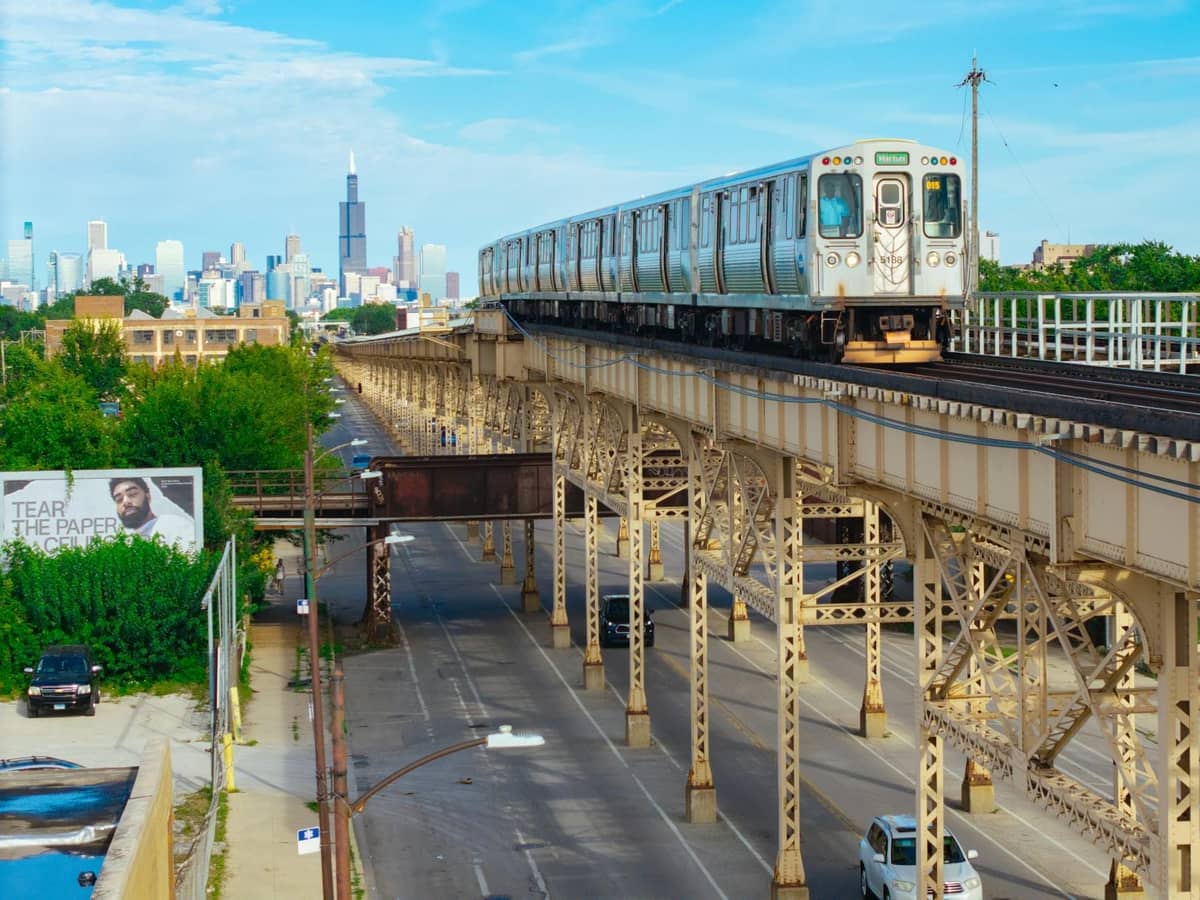
The CTA operates the second-largest public transit system in the United States, with 8 rapid transit lines (collectively called the 'L') covering about 102 miles of route and 145 stations, plus over 100 bus routes. On an average weekday, the system handles close to a million trips. For most visitors staying in central neighborhoods, the 'L' will handle 80% of your transportation needs. For a full breakdown of what to do once you arrive, the things to do in Chicago guide maps out the city by neighborhood and interest.
- Red Line: The backbone of the system. Runs north-south 24/7 from Howard (far north) through the Loop and down to 95th/Dan Ryan. Stops at major visitor hubs including Addison (Wrigley Field), Belmont, Chicago/State, and Jackson.
- Blue Line: Runs 24/7 from O'Hare through Logan Square and Wicker Park to the Loop, then west to Forest Park.
- Orange Line: Connects Midway Airport to the Loop via Pilsen and Chinatown-adjacent stops.
- Green Line: Runs east-west through the Near West Side and south through Bronzeville and toward Woodlawn and East Garfield Park connections.
- Brown Line: Loops through Lincoln Square, Ravenswood, and Lincoln Park before joining the downtown elevated tracks.
- Pink, Purple, and Yellow Lines: Serve additional neighborhoods and Evanston; useful for specific destinations but less central to most tourist itineraries.
CTA buses fill the gaps where the 'L' doesn't reach and are essential for crosstown travel (east-west routes that don't pass through the Loop). Bus routes are numbered, not colored. The 151 Sheridan, 66 Chicago, and 36 Broadway are among the most useful for visitors. Buses accept Ventra cards, contactless payment, mobile pay, or exact cash; change is not given, so come prepared.
✨ Pro tip
Download the Ventra app before you arrive. You can load funds and day passes directly onto your phone, skip the station vending machines (which can have queues), and use it as your transit card via NFC on turnstiles and bus readers. The app also shows real-time train arrivals, which is genuinely useful.
Ventra Cards, Passes, and How to Pay
The Ventra card is Chicago's unified transit payment system, covering CTA trains and buses, plus Metra commuter rail with a separate fare. Cards are sold at vending machines in every 'L' station and at many retail outlets across the city. There's a $5 card issuance fee, which is credited back to your transit balance when you register the card within 90 days. If you're only in town briefly and don't want a physical card, you can tap a contactless credit or debit card directly at turnstiles and bus readers.
- Single ride (bus) $2.25. Best if you're taking just one or two trips total.
- Single ride (L train) $2.50. Includes one free transfer within 2 hours.
- 1-Day Unlimited Pass $5. Worth it if you take 3+ CTA trips in a day, which is easy to do.
- 3-Day Unlimited Pass $15. Strong value for a long weekend visit.
- 7-Day Unlimited Pass $20. Excellent value for week-long trips. Pays for itself by day 3 for active sightseers.
- 30-Day Unlimited Pass $75. For extended stays or monthly visitors.
Up to three children 7 and under ride free with a fare-paying adult. Reduced fares apply for seniors and riders with disabilities. All fares listed here should be verified at the CTA's official fares page before travel, as they are subject to change. If you're planning a longer stay, also look at the Chicago on a budget guide for ways to stretch your transit dollars further.
Rideshare, Taxis, Bikes, and Water Taxis
Uber and Lyft both operate extensively across Chicago and are regulated by the city as Transportation Network Providers. They're genuinely useful for late-night travel when some transit options thin out, for trips to neighborhoods with limited 'L' coverage, or for getting between South Side and North Side locations without routing through the Loop. The catch: prices spike significantly during rush hours (roughly 6-9 am and 4-7 pm on weekdays) and on weekend nights, particularly around bar closing time at 2 am.
Traditional metered taxis are still widely available and are sometimes the faster choice when rideshare surge pricing kicks in. You can flag cabs on the street in most central neighborhoods, and they queue at major hotels, Navy Pier, and Millennium Park. For cycling, Divvy is Chicago's bike-share program, with docking stations across most of the city. You rent by the minute via the Divvy app and unlock bikes by scanning a QR code. Single trips, day passes, and annual memberships are all available. The Chicago Lakefront is particularly well-suited to Divvy, with the 18-mile Lakefront Trail running continuously from north to south along Lake Michigan.
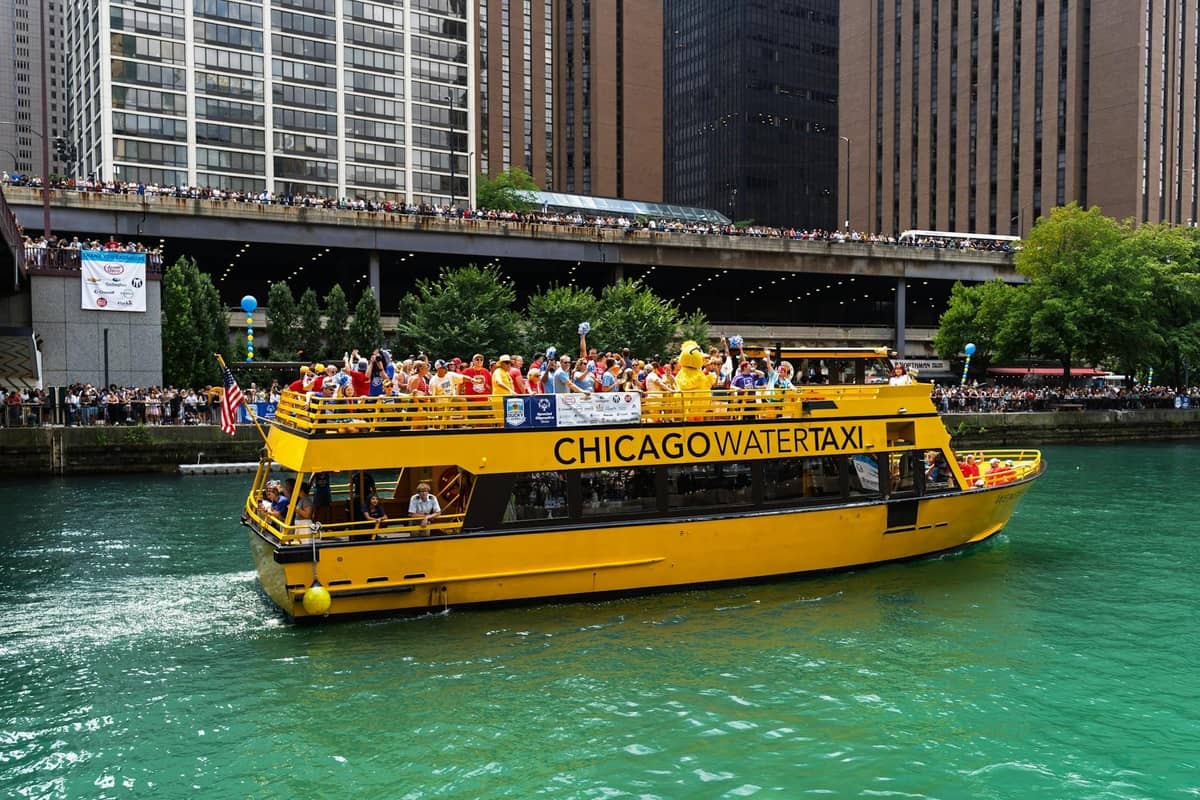
The Chicago Water Taxi runs along the Chicago River during the warmer months, generally spring through fall. Routes connect stops including Michigan Avenue, Madison Street, and LaSalle/Clark near the Loop. A single one-way ticket runs around $6–$8 depending on route, with all-day passes around $20 and 10-ride passes around $25. It's slower than the 'L' but significantly more pleasant for a sunny afternoon, and the river views of the city's architecture are excellent. Tickets can be purchased online in advance.
ℹ️ Good to know
Driving in Chicago is rarely the right choice for visitors staying downtown. Parking garages in the Loop run $25-45 per day, street parking is metered and competitive, and the city issues a significant number of parking violations. If you're renting a car to reach suburban attractions like Brookfield Zoo or the Chicago Botanic Garden, consider picking it up on the day you need it rather than keeping it for your whole stay.
Navigating Chicago's Neighborhoods by Transit
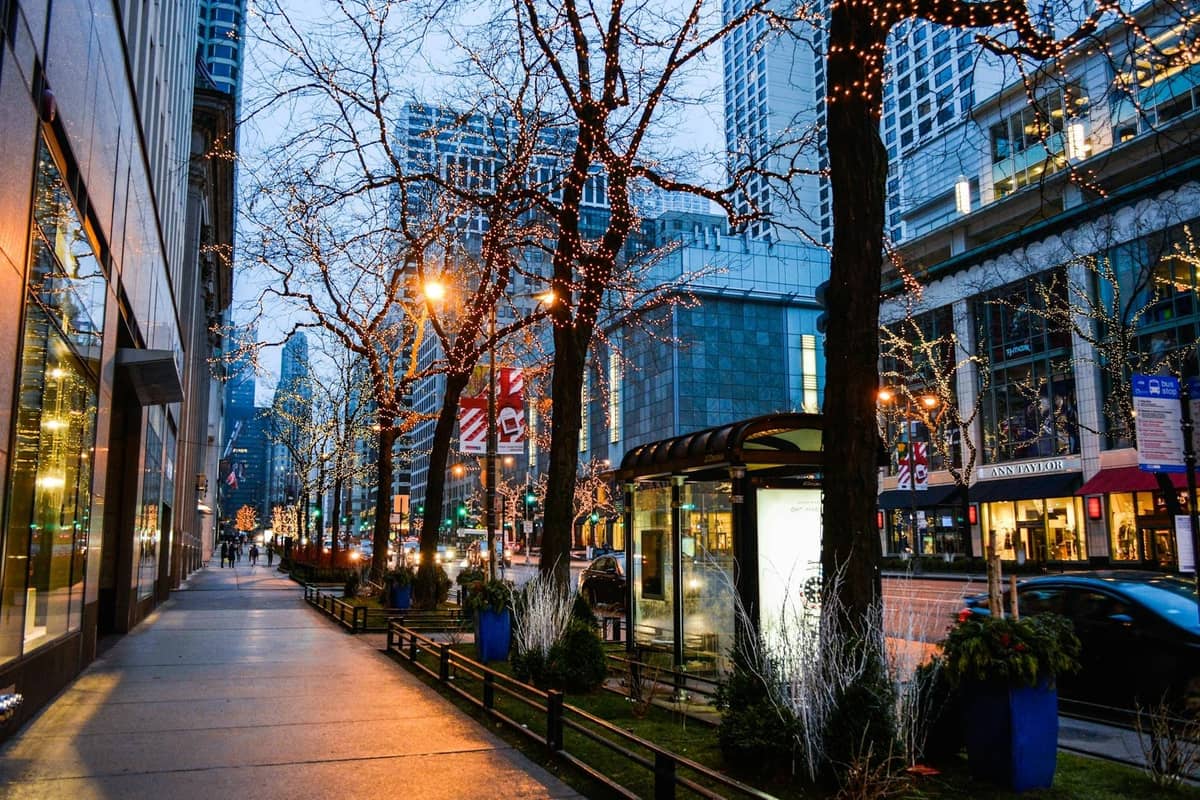
Chicago's grid system makes navigation intuitive once you understand the baseline: State and Madison streets in the Loop are the zero point, and addresses count outward from there. North Michigan Avenue, the Magnificent Mile, and River North are all within walking distance of each other and close to Red Line and Blue Line stops. The Loop itself is served by all 'L' lines that share elevated tracks downtown, so getting in and out is never difficult.
For neighborhoods further afield: Wrigleyville and Lakeview are served by the Red and Brown lines (Addison stop for Wrigley Field). Wicker Park, Bucktown, and Logan Square are all on the Blue Line. Pilsen is accessible via the Pink Line (18th Street stop). Hyde Park on the South Side is the trickiest for transit, as the Green Line stops more than a mile west of the main drag; Metra's Electric Line (59th Street stop) is often faster for reaching the Museum of Science and Industry and the University of Chicago campus.
Metra commuter rail is primarily designed for suburb-to-downtown commuters, but it's worth knowing about for visitors. Metra's 11 lines radiate outward from four downtown terminals: Union Station, Ogilvie Transportation Center, Millennium Station, and LaSalle Street Station (with some lines sharing a terminal). Fares are zone-based and generally higher than CTA, but if you're taking a day trip from Chicago to places like the Indiana Dunes or Ravinia Festival, Metra may be your best option.
FAQ
What is the cheapest way to get from O'Hare to downtown Chicago?
The CTA Blue Line is by far the cheapest option. The O'Hare fare is around $5, and the train takes 35-45 minutes to the Loop, running 24/7. A taxi or rideshare to the same destination typically costs $40-60 or more, especially with surge pricing during peak hours.
Is the CTA safe to use at night?
The 'L' and buses are used by millions of Chicagoans daily, and most riders have no problems. That said, as with any major city transit system, it's sensible to stay aware of your surroundings, avoid empty cars late at night, and keep valuables out of sight. The Red and Blue lines run 24/7 and tend to have reasonable passenger loads even in late-night hours.
Do I need a Ventra card, or can I use my credit card?
You can tap a contactless credit or debit card directly at CTA turnstiles and bus readers without needing a separate Ventra card. However, the Ventra card or Ventra app is recommended if you want to use unlimited day passes, which offer better value for frequent riders and cannot be loaded onto a standard bank card.
How long does it take to get from Midway Airport to downtown Chicago?
The CTA Orange Line connects Midway to the Loop in about 25-30 minutes and costs the standard rail fare (currently $2.50). Taxis and rideshares typically take 20-35 minutes in normal traffic, but can run longer during rush hour. Note that the Orange Line does not operate overnight (roughly 1 am to 4 am).
Is it worth renting a car in Chicago?
For visitors staying in the city center, almost certainly not. Parking is expensive, traffic is heavy during peak hours, and the CTA covers most tourist destinations well. A car makes sense for specific suburban excursions, such as visiting Brookfield Zoo, the Chicago Botanic Garden, or the Indiana Dunes, but even then, consider picking up a rental only for the days you need it rather than keeping it your entire stay.