Chicago on a Budget: How to Visit Without Breaking the Bank
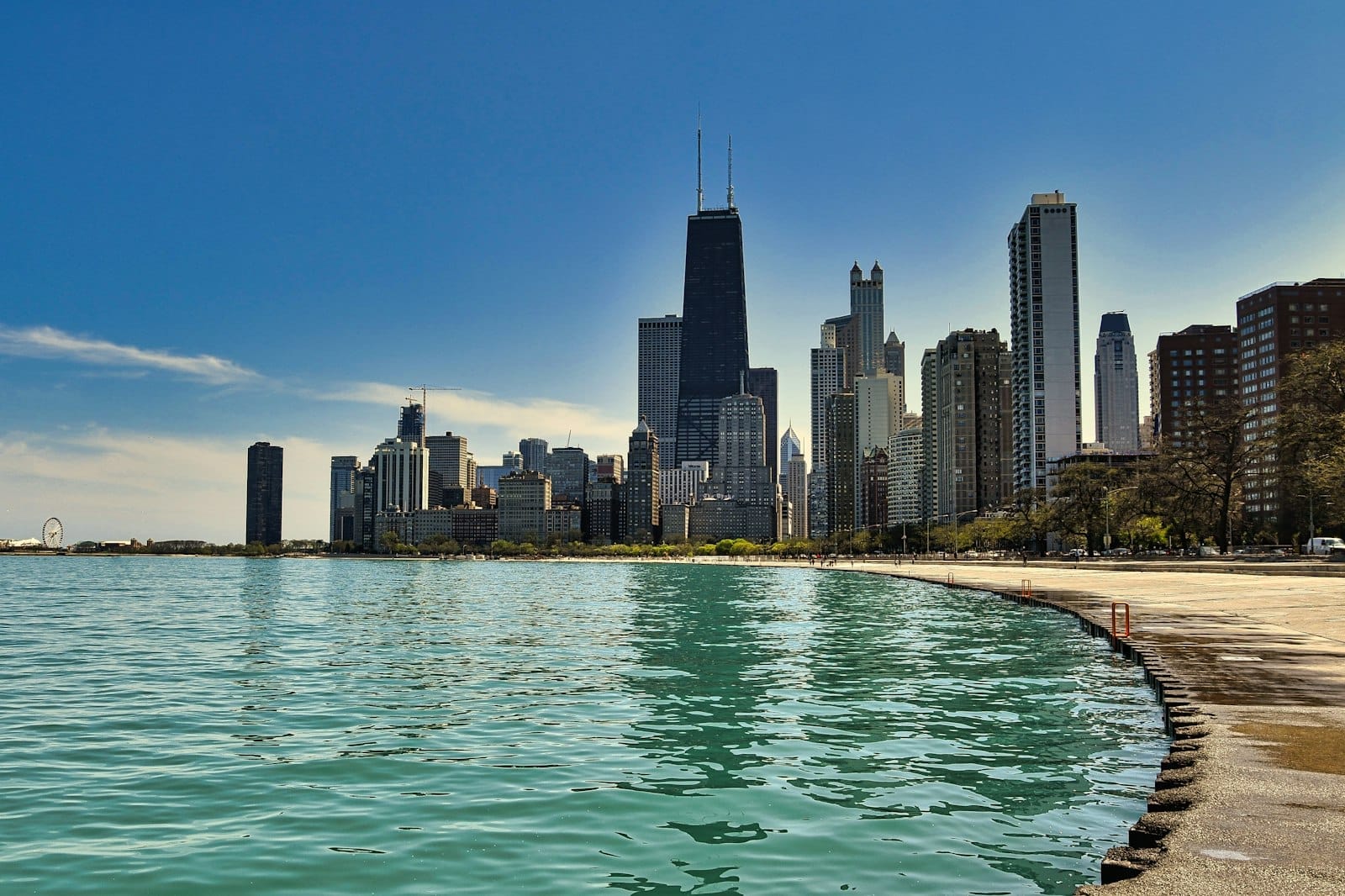
Chicago is one of America's great cities, but it does not have to be an expensive one. From free world-class museums and an 18-mile lakefront trail to $2.50 train rides and Italian beef sandwiches under $5, this guide breaks down exactly how to stretch your dollars across every part of the trip.
Plan and book this trip
Tools from our partner Travelpayouts help you compare flights and hotels. If you book through them, we may earn a commission at no extra cost to you.
Flights
Hotels map
TL;DR
- The CTA 'L' train connects both airports to downtown for around $2.50–$5, and a 7-Day Unlimited Ventra pass costs $20, making it far cheaper than parking or taxis. See our guide to getting around Chicago for the full breakdown.
- Lincoln Park Zoo, Millennium Park, the Lakefront Trail, and the Chicago Cultural Center are all completely free to visit.
- Many major museums (Art Institute, Shedd Aquarium, Museum of Science and Industry) offer free or discounted days for Illinois residents and reduced general admission on select dates.
- Staying in Lakeview, Wicker Park, or Lincoln Park instead of the Loop can cut hotel costs significantly while keeping you well-connected by transit. Explore where to stay in Chicago for neighborhood-by-neighborhood options.
- Late fall through early spring is the cheapest time to visit: hotel rates drop, museums are less crowded, and the city's indoor scene is excellent.
Getting to and Around Chicago Without Overspending
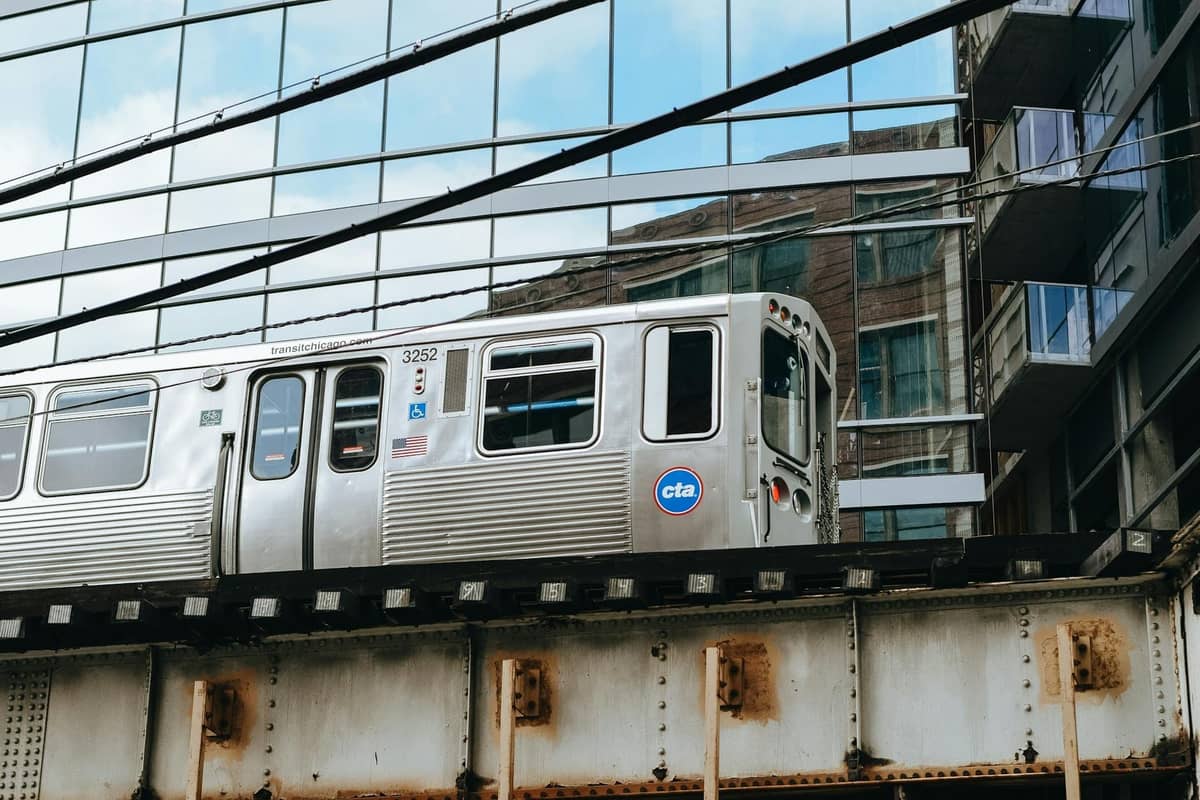
Transportation is where most Chicago visitors waste money, and it is entirely avoidable. Chicago has two airports: O'Hare International (ORD), about 17 miles northwest of downtown, and Midway International (MDW), about 10 miles southwest. Both have direct CTA 'L' train connections to downtown. The Blue Line from O'Hare runs 24 hours a day and takes roughly 40-45 minutes downtown. The Orange Line from Midway operates approximately 4:00 a.m. to 1:00 a.m. and reaches the Loop in about 25-30 minutes. Compared to a taxi or rideshare, which can cost $35-60 from O'Hare and $25-45 from Midway depending on traffic and surge pricing, the train is the obvious budget move.
Within the city, the CTA runs 8 'L' lines and over 100 bus routes. A single ride with a Ventra card or contactless bank card costs $2.50. Contactless credit and debit cards are accepted directly at turnstiles at the same rate, so you do not always need a separate transit card for a short visit. The real value is in the unlimited passes: a 1-Day Unlimited costs $5, a 3-Day is $15, and a 7-Day is $20. If you plan to take three or more rides on any given day, the 1-Day pass pays for itself immediately. For a 4-night trip with heavy sightseeing, the 7-Day pass at $20 is almost always the smartest buy.
⚠️ What to skip
Do not rent a car for a Chicago city trip. Downtown parking routinely exceeds $35-40 per day in garages, street parking near major attractions is extremely limited, and the CTA reaches virtually every sight worth seeing. Car rental plus parking will cost more per day than almost any other line item in your budget.
Free Things to Do in Chicago (That Are Actually Worth Your Time)
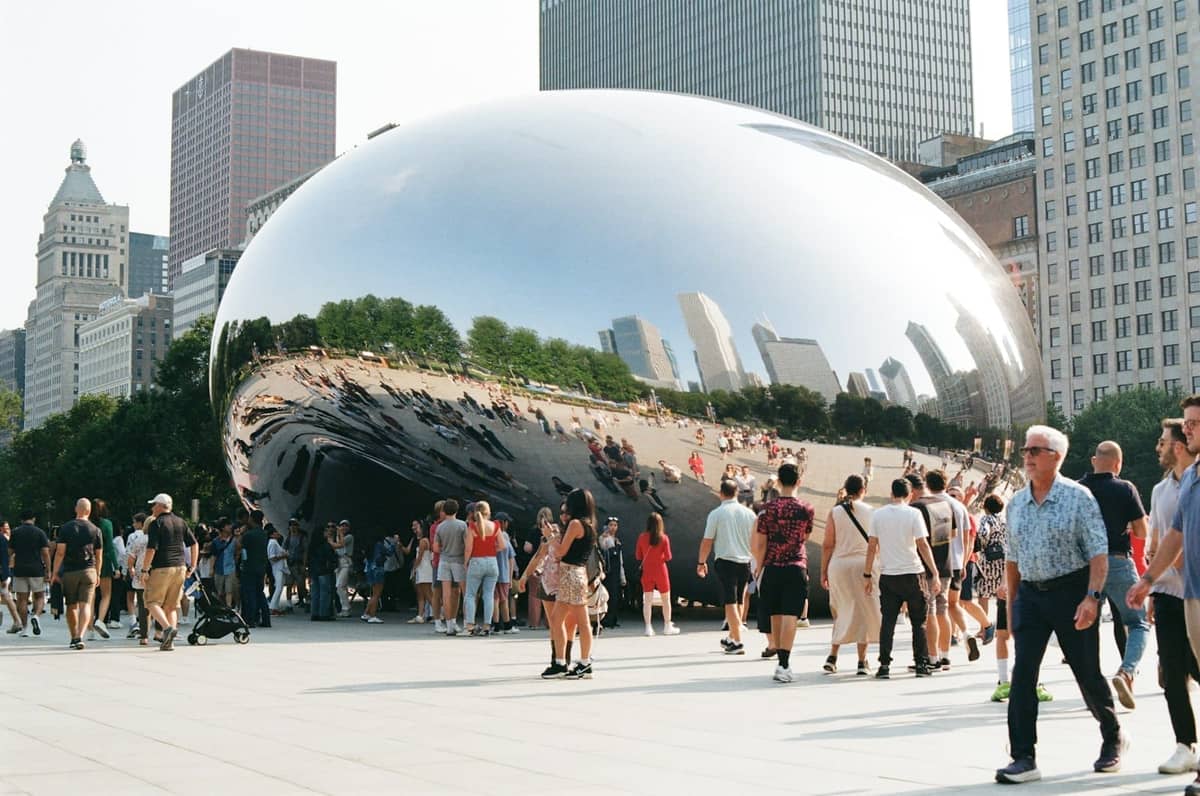
Chicago has more genuinely free, world-class experiences than almost any other American city. Millennium ParkMillennium Park is the obvious starting point: Cloud Gate ("The Bean"), Crown Fountain, the Jay Pritzker Pavilion, and the Lurie Garden are all free to explore. In summer, the Pavilion hosts free classical and jazz concerts. In winter, the McCormick Tribune Ice Rink operates free admission (you pay for skate rental, typically around $13-15). This single block of the city can fill a full morning.
The Lakefront Trail stretches 18 miles along Lake Michigan and is free to walk, run, or bike year-round. Bike rental stations (Divvy, Chicago's bike-share system) are scattered throughout the route, starting at around $1.75 per 30-minute ride for casual pass holders. The trail connects dozens of beaches, parks, and neighborhoods. Pair it with a stop at Lincoln Park Zoo, which charges zero admission on all standard days and is genuinely one of the better free zoos in the country.
- Chicago Cultural Center A Beaux-Arts landmark with stunning Tiffany glass domes and free rotating art exhibitions. No admission, no reservation needed.
- Harold Washington Library Center The main Chicago Public Library branch features a soaring Winter Garden on the top floor and rotating public art. Free to visit.
- Millennium Park & Grant Park Free outdoor concerts, public sculpture, and lakefront access. Summer programming runs June through August.
- Pilsen Murals The Pilsen neighborhood has one of the most impressive concentrations of public murals in the Midwest. Self-guided walking tours cost nothing.
- Chicago Riverwalk The main stretch of the Riverwalk is free to walk and offers some of the best architecture views in the city without paying for a boat tour.
💡 Local tip
The Chicago Architecture Center on the Riverwalk sells boat and walking tour tickets, but you can absorb a significant amount of the city's architectural story just by walking the Riverwalk and reading the free interpretive signage along the water. Worth knowing before you spend $55 on a cruise.
Paid Attractions: When to Go and How to Pay Less
Chicago's top museums are not cheap at standard rates. The Art Institute of Chicago charges $32 for adults. Shedd Aquarium's Total Experience tickets start around $44. The Museum of Science and Industry runs about $25 for standard admission. If you are visiting multiple major attractions, the Chicago CityPASS bundles five top institutions (currently around $144 for adults) and can save a meaningful amount versus buying tickets separately. Whether it makes sense depends entirely on which attractions you actually want to see.
Illinois residents get the best deal in town: the Art Institute offers free admission to Illinois residents on select Thursdays and the Museum of Science and Industry holds multiple free resident days each year. Even if you are visiting from out of state, these institutions tend to have fewer crowds and slightly better value in the off-season (November through March). The Chicago CityPass guide goes deeper on the math. For families especially, buying bundled passes often makes more financial sense than paying at the door.
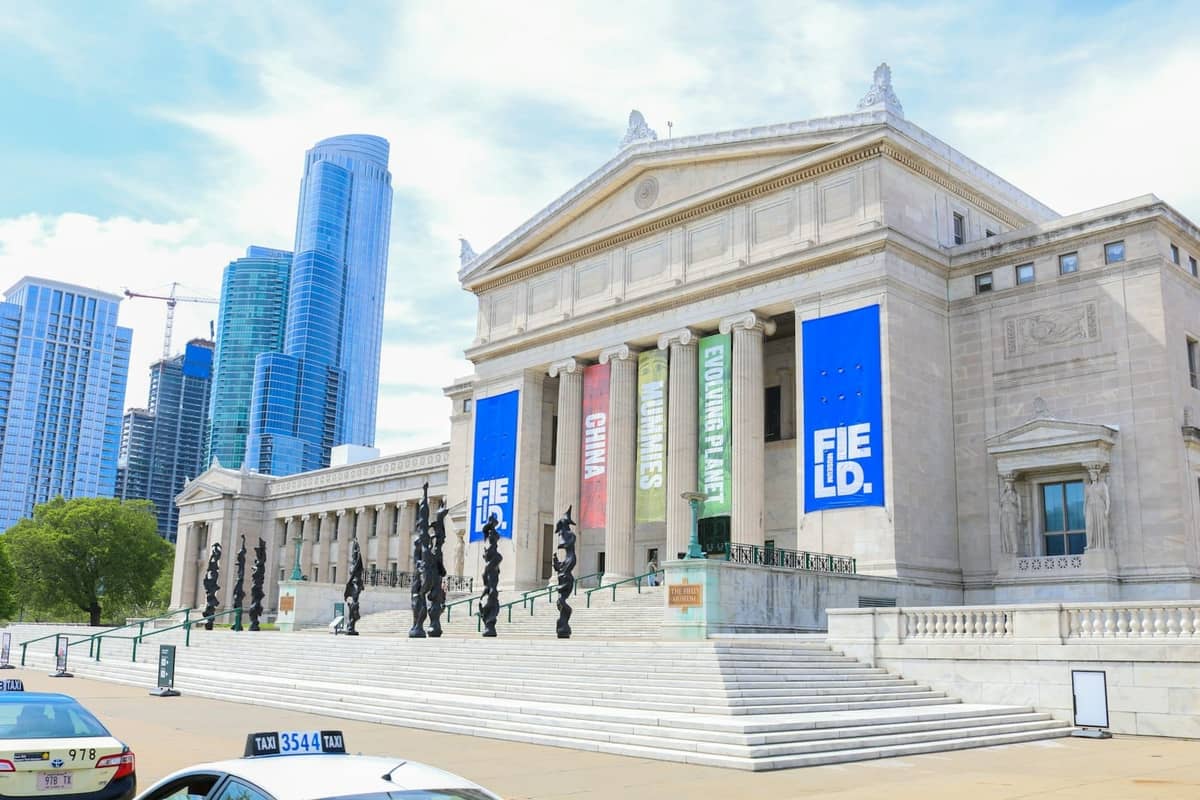
One often-overlooked budget option: the Field Museum and Adler Planetarium on Museum Campus both offer discounted admission tiers (basic vs. all-access) that let you see the core collections for less. If you skip the special exhibitions and IMAX films, you can see a substantial amount at both institutions for noticeably less than the headline ticket price. The Museum Campus itself, on the lakefront just south of the Loop, is free to walk around and offers excellent views.
Eating Well on a Budget in Chicago
Chicago rewards budget eaters. The city's iconic foods, deep-dish pizza, Chicago-style hot dogs, and Italian beef sandwiches, are not expensive if you go to the right places. A Chicago-style hot dog at a proper stand runs $3-5. Italian beef sandwiches at places like Johnnie's Beef in Elmwood Park start around $6 and represent one of the best dollar-per-satisfaction ratios in the city. For a full breakdown of where to eat without overspending, the Chicago food guide covers the full spectrum from street food to sit-down.
Neighborhoods away from the tourist core offer dramatically better value. Chinatown has dim sum and noodle dishes well under $15. Pilsen and Little Village are the places for inexpensive Mexican food, from taquerias to bakeries. Argyle Street in Uptown (the 'Little Vietnam' corridor) has banh mi and pho at prices that feel like a different decade. Chiu Quon Bakery on Argyle is famous for pastries well under $2 each.
- Avoid sit-down restaurants on the Magnificent Mile for lunch: the same quality food costs 30-50% more than in surrounding neighborhoods.
- The West Loop and Fulton Market are packed with excellent restaurants, but this is now one of Chicago's priciest dining corridors. Go for dinner only if you have budget room.
- Grocery stores (Trader Joe's and Mariano's have downtown locations) are useful for breakfast and snacks if you are staying in accommodation with a fridge.
- Many Chicago food festivals, including the Taste of Chicago in Grant Park, charge no admission. Individual food tickets cost money, but browsing is free.
- Happy hour culture is alive in Chicago: many bars offer $5-7 cocktails and half-price appetizers between 4-6 p.m., making evenings out more affordable.
Where to Stay: Neighborhoods That Save You Money
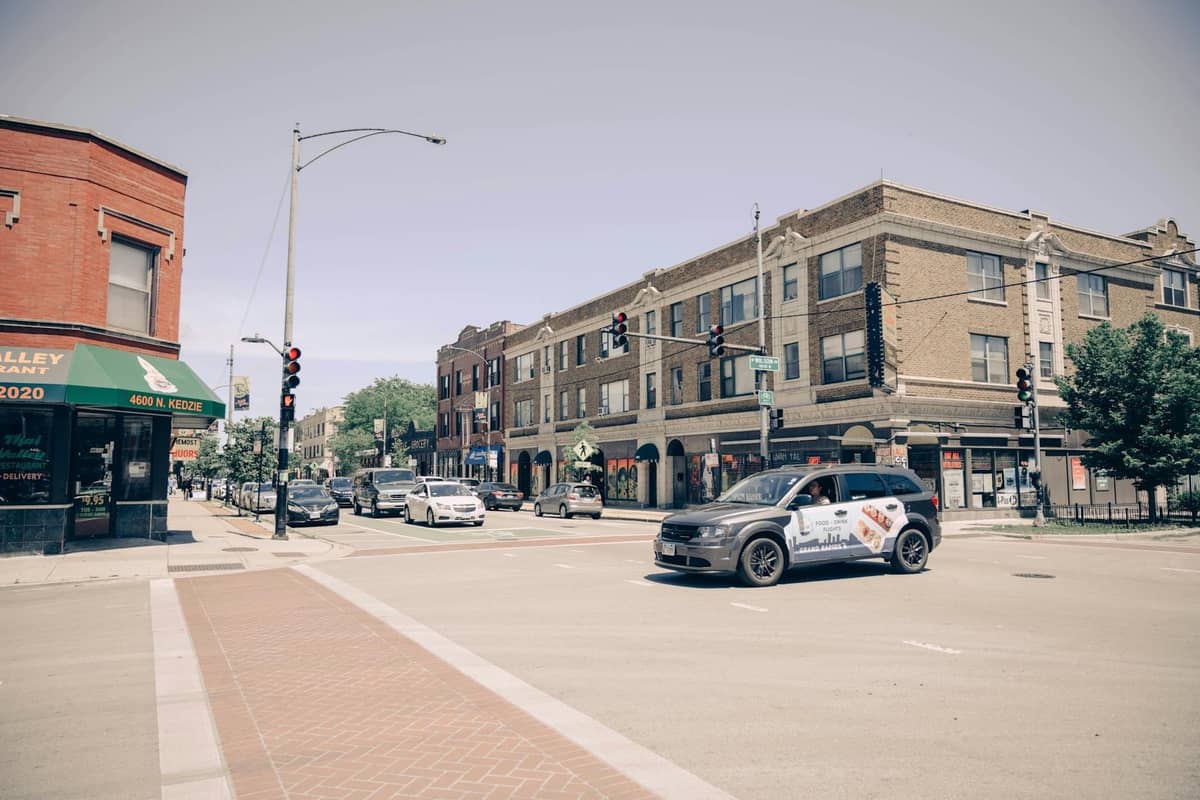
Hotel rates in the Loop and River North regularly run $180-300+ per night during peak summer and convention periods. Staying a few stops out on the 'L' can cut that figure significantly without adding much actual travel time. The Red Line connects neighborhoods like Lakeview and Wrigleyville to the Loop in 20-25 minutes. The Blue Line makes Wicker Park and Bucktown an easy ride from downtown. These neighborhoods also have more independent restaurants, coffee shops, and bars than the tourist core, which compounds your savings throughout the day.
Lincoln Park and Lakeview East sit along the lakefront north of downtown and offer a mix of boutique hotels and short-term rental options at prices that track below River North and Streeterville. Lakeview and Wrigleyville in particular has solid mid-range hotel inventory that spikes only around Cubs home games at Wrigley Field. Check the Cubs schedule before booking, and avoid game-day weekends if you want the lowest rates.
✨ Pro tip
Visiting Chicago in January or February will get you the lowest hotel rates of the year, sometimes 40-50% below summer peak. Yes, the weather is genuinely cold (average January high around 31°F / -1°C), but the museums are uncrowded, there are no convention-season surges, and the city's indoor food and music scene runs at full capacity. If cold weather does not bother you, winter is the best-value window to visit.
Timing Your Visit to Spend Less
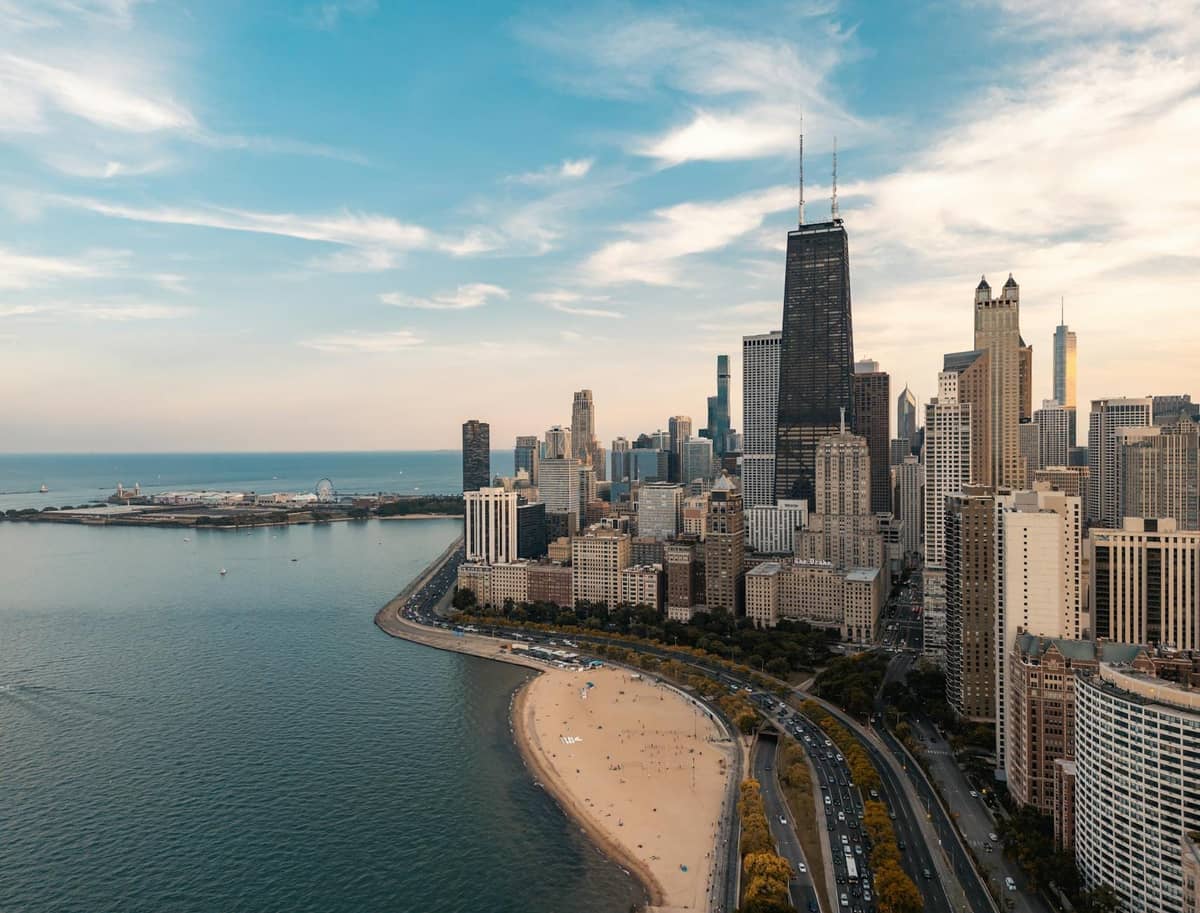
Summer (June through August) is peak season for Chicago: hotel rates are highest, free outdoor events are plentiful, and the lakefront is at its best. If your budget is tight, the math often favors a fall or spring visit instead. September and early October offer pleasant temperatures (average September high around 75°F / 24°C), lower hotel rates than summer, and all the same museums and restaurants. The best time to visit Chicago guide maps out how costs, weather, and crowds interact across every season.
Major convention weeks (when McCormick Place is hosting large events) cause hotel rates to spike dramatically across the entire city. These dates shift every year, so it is worth checking Chicago convention calendars when planning. Similarly, big event weekends like Lollapalooza in Grant Park (typically late July/early August) and the Chicago Marathon in October compress hotel availability and push rates up across nearby neighborhoods. Book early or plan to stay farther from the action if those dates are unavoidable.
FAQ
What is the cheapest way to get from O'Hare Airport to downtown Chicago?
The CTA Blue Line 'L' train is the cheapest option, running directly from O'Hare station to downtown (the Loop) in about 40-45 minutes. The fare from O'Hare is $5 with a Ventra card or contactless payment (higher than the standard $2.50 rail fare elsewhere), and the Blue Line runs 24 hours a day. A taxi or rideshare to downtown typically costs $35-60 or more depending on traffic and demand.
Are there free museums in Chicago?
Several Chicago institutions are entirely free. The Chicago Cultural Center, Harold Washington Library Center, and the National Museum of Mexican Art charge no admission. Lincoln Park Zoo is free year-round. Many paid museums, including the Art Institute of Chicago and the Museum of Science and Industry, offer free or reduced-admission days for Illinois residents and occasional public free days throughout the year. Check each museum's website before your visit, as schedules change annually.
Is it worth buying a CTA unlimited pass?
Yes, in most cases. A standard CTA ride costs $2.50 with a Ventra card. A 1-Day Unlimited pass costs $5 (break-even at two rides), a 3-Day is $15 (break-even at six rides over three days), and a 7-Day is $20 (break-even at eight rides over the week). If you plan to take the train to even two or three attractions per day, the unlimited pass is almost always better value.
What neighborhoods in Chicago are best for budget travelers?
Lakeview, Wicker Park, Lincoln Park, and Logan Square can offer lower hotel and accommodation rates than the Loop and River North, while remaining well-connected to downtown by CTA 'L' trains. These neighborhoods also have more affordable independent restaurants, coffee shops, and bars than the tourist core, which adds up across a multi-day trip.
What is the cheapest time of year to visit Chicago?
January and February are typically the cheapest months, with hotel rates at their annual low and fewer large conventions or outdoor festivals driving up prices. The trade-off is cold weather (January averages around 27°F / -3°C). For travelers who want a balance of savings and reasonable weather, late October through early November and late March through April also offer below-peak hotel rates with milder conditions than deep winter.