Best Time to Visit Chicago: A Month-by-Month Guide
Chicago rewards visitors year-round, but timing your trip makes a real difference. This guide breaks down every season by weather, crowd levels, pricing, and events so you can pick the dates that match what you actually want from the city.
Plan and book this trip
Tools from our partner Travelpayouts help you compare flights and hotels. If you book through them, we may earn a commission at no extra cost to you.
Flights
Hotels map
TL;DR
- Late spring (May–June) and early fall (September–October) offer the best overall balance of weather, crowds, and pricing.
- Summer (June–August) is peak season: expect festivals, lakefront crowds, and higher hotel rates — but also the city at full energy. Check out Chicago in summer for a full breakdown.
- January and February are the cheapest months to visit, but temperatures regularly drop below 20°F (-7°C) and wind chill can make it feel far colder.
- September is the single best month if you want warm weather, thinner crowds, and most summer attractions still running.
- Chicago sits in the Central Time Zone (CST/CDT, UTC-6 in winter, UTC-5 in summer), which matters for booking flights and coordinating across time zones.
Chicago's Climate at a Glance
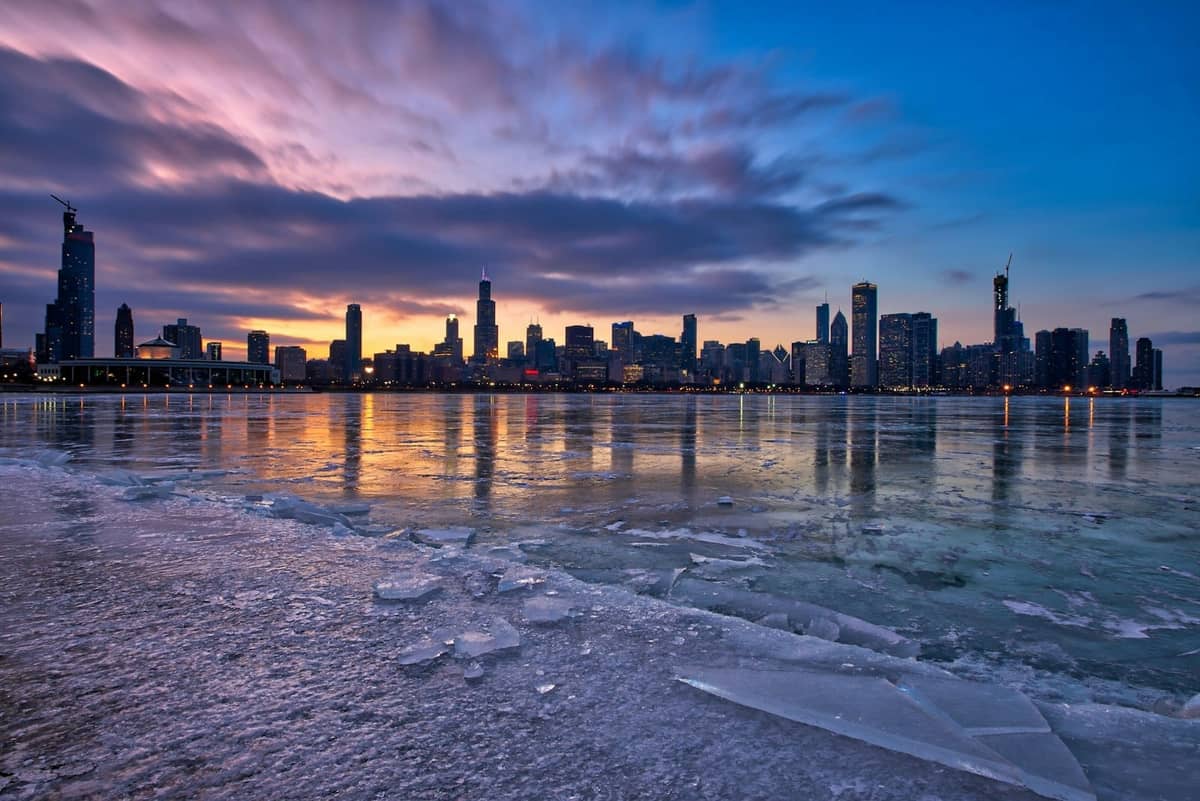
Chicago has a humid continental climate, meaning four genuinely distinct seasons. The city sits on the southwestern shore of Lake Michigan at roughly 595 feet above sea level, and the lake plays a major role in moderating temperatures, especially in late spring and early fall. That said, the "Windy City" nickname has real weight: wind chill in winter can make a 20°F day feel closer to 0°F, and a lake breeze in July can cut the heat meaningfully.
Using NOAA's 1991–2020 climate normals for O'Hare International Airport, here's what temperatures look like across the year. January averages around 27°F (-3°C), while July averages around 75°F (24°C) with highs commonly hitting 82–84°F (28–29°C). Spring arrives gradually — March still averages only 38°F (3°C) — while fall drops quickly after September, which averages a pleasant 67°F (19°C). Annual precipitation is roughly 36–38 inches, spread fairly evenly, with May through August bringing the heaviest rainfall and the highest chance of thunderstorms.
ℹ️ Good to know
Chicago observes Central Time: Central Standard Time (CST, UTC-6) from early November to mid-March, and Central Daylight Time (CDT, UTC-5) the rest of the year. When planning flights from Europe or Asia, this 6- or 7-hour gap from UTC is worth factoring into arrival logistics.
Season-by-Season Breakdown
Spring (March through May) is deceptive. March is cold, gray, and often wet, with temperatures that feel more like late winter. April improves noticeably, with average highs climbing into the mid-50s°F (12–13°C), but pack layers — a warm afternoon can turn into a chilly evening fast. May is where spring actually delivers: temperatures reach the mid-60s°F (17°C), outdoor dining returns in force, parks fill up, and the city feels energized without the summer congestion. Mid-April through mid-May is genuinely underrated as a travel window.
Summer (June through August) is Chicago's headline season. The warm period — defined as consistent daily highs above 73°F (23°C) — runs roughly from early June to late September. July is the hottest month, with highs averaging 84°F (29°C), but humidity can push the heat index into the 90s°F on the worst days. This is the season for North Avenue Beach, lakefront cycling, rooftop bars, and major outdoor festivals. Hotel rates peak in July and early August, and popular accommodation can sell out weeks in advance.
Fall (September through November) is when the city earns its best-kept secret reputation. September still averages 67°F (19°C) — warm enough for architecture boat tours and outdoor festivals — but without the humidity that characterizes late summer. Crowds thin noticeably after Labor Day, hotel rates drop, and the city's restaurant scene gets back to business after summer. October cools quickly (average high around 55°F / 13°C), and by November you're firmly in coat territory, but early October remains very livable.
Winter (December through February) is genuinely harsh. January averages 27°F (-3°C), and wind chill routinely makes it feel colder. Snowfall is significant — the city averages over 35 inches per season under normal conditions, and extreme winters can bring far more. That said, winter has real appeal for certain travelers: hotel rates hit annual lows, the Christkindlmarket in Daley Plaza runs through Christmas, and indoor attractions like the Art Institute and Field Museum are far less crowded. Check Chicago in winter for a complete picture of what the cold months actually offer.
The Best Months to Visit, Ranked
- September The single best month overall. Summer warmth, lower crowds after Labor Day, most outdoor venues still operating, and hotel rates beginning to soften. Average high around 74°F (23°C).
- May Great weather before peak-season pricing kicks in. Average high reaches the mid-60s°F by late May. Outdoor markets, green parks, and no punishing humidity yet.
- June The start of festival season with comfortable temperatures (average high ~79°F / 26°C). Still pre-peak pricing for the first two weeks before the summer surge.
- October (early) Crisp air, fall foliage in Lincoln Park and Hyde Park, much lighter crowds. Average high around 63°F (17°C) in early October. Bring a medium-weight jacket.
- July–August Peak energy, peak pricing. Best for festivals and beach culture, but expect high hotel rates and busy attractions. Not ideal for budget travelers or those sensitive to humidity.
- January–February Cheapest flights and hotels of the year. Great for museum-focused trips. Not suitable for outdoor sightseeing unless you're genuinely cold-weather tolerant.
Major Events and How They Affect Your Trip
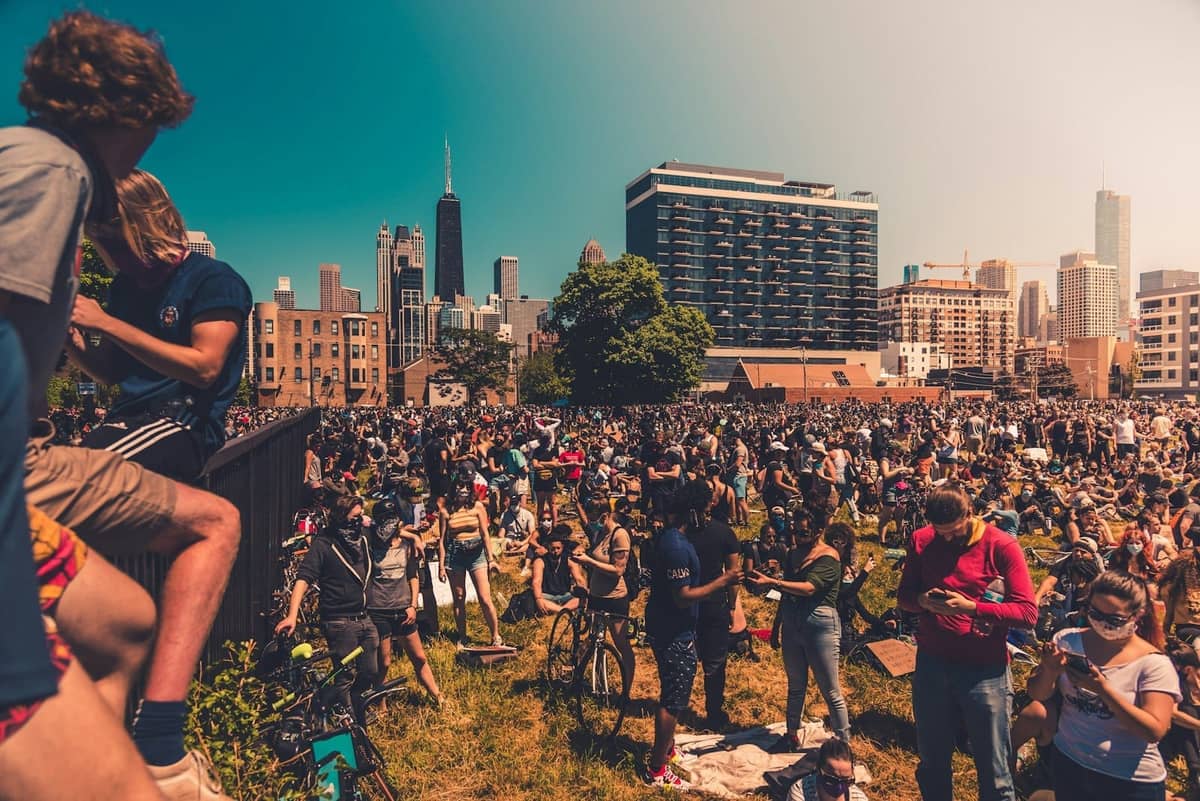
Chicago's event calendar has a major impact on availability and pricing. The summers are particularly event-dense, and several festivals effectively block out entire weekends for budget-conscious travelers.
- St. Patrick's Day (mid-March) Chicago dyes the Chicago River green and hosts a massive downtown parade. Hotels along the parade route fill up fast. Prices spike the weekend of the event. The city takes this seriously — it's one of the most elaborate St. Patrick's Day celebrations in the country.
- Lollapalooza (early August) Four days in Grant Park drawing 100,000+ attendees per day. Hotel rates citywide spike dramatically the first weekend of August. Book months in advance or avoid if you're not attending.
- Chicago Air and Water Show (mid-August) One of the largest free air shows in the U.S., held along the lakefront near North Avenue Beach. Draws massive crowds over a full weekend. Great spectacle if you plan for it.
- Taste of Chicago (early–mid July) Grant Park hosts one of the world's largest food festivals for several days. Crowds are significant but manageable, and it's a genuine showcase of the city's food scene.
- Chicago Jazz and Blues Festivals (late August / early September) Both are free, held in Grant Park, and draw serious music fans rather than just tourists. September's Jazz Festival is particularly enjoyable with cooling weather.
- Christkindlmarket (late November through Christmas Eve) German-style Christmas market in Daley Plaza. Genuinely atmospheric and worth visiting in early December before the holiday crowds peak. After Christmas, crowds thin and winter deals are excellent.
⚠️ What to skip
The first weekend of August (Lollapalooza) is the single most expensive time to book a Chicago hotel. If your trip isn't tied to the festival, avoid that specific weekend — rates can triple compared to the week before or after.
Crowds, Pricing, and When to Find Deals
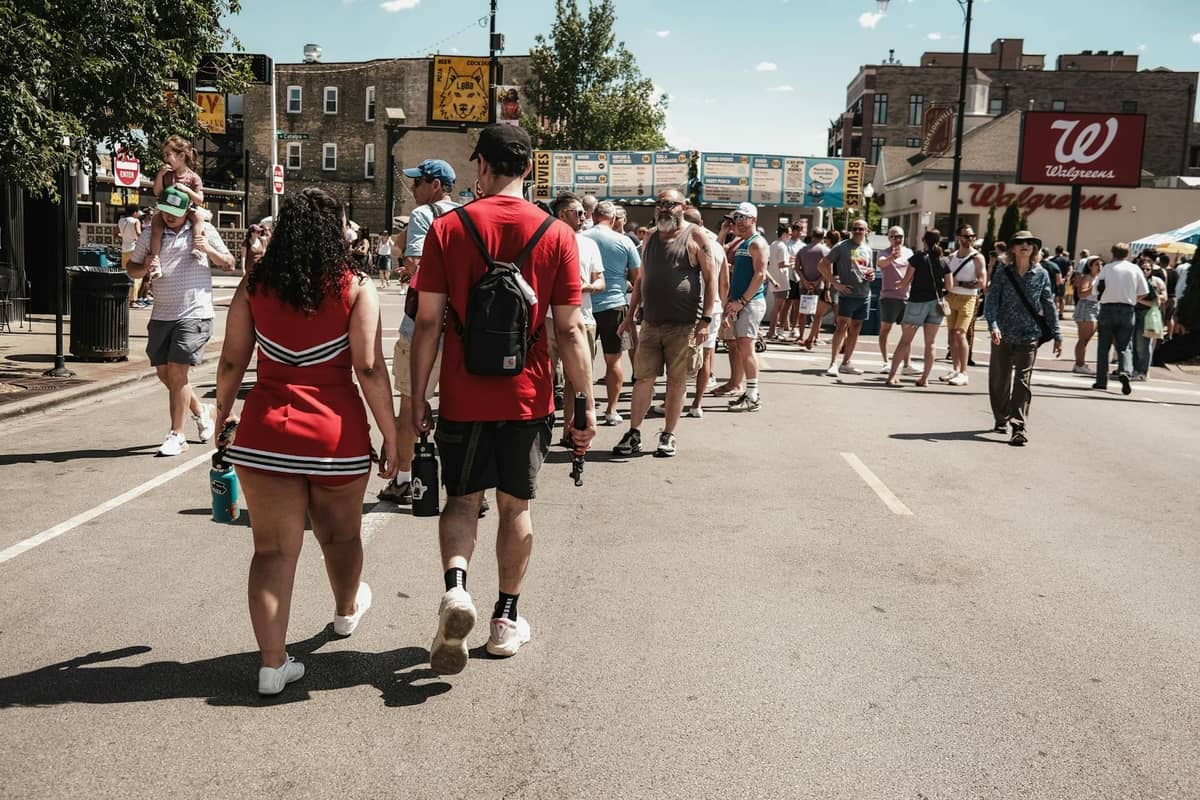
Chicago's tourism patterns follow the weather fairly closely, with a few notable spikes. High season runs Memorial Day through Labor Day (late May to early September). This is when hotel rates are highest, popular restaurants are busiest, and attractions like the Shedd Aquarium and Navy Pier see their longest lines. Booking two to three months ahead is standard for summer weekends.
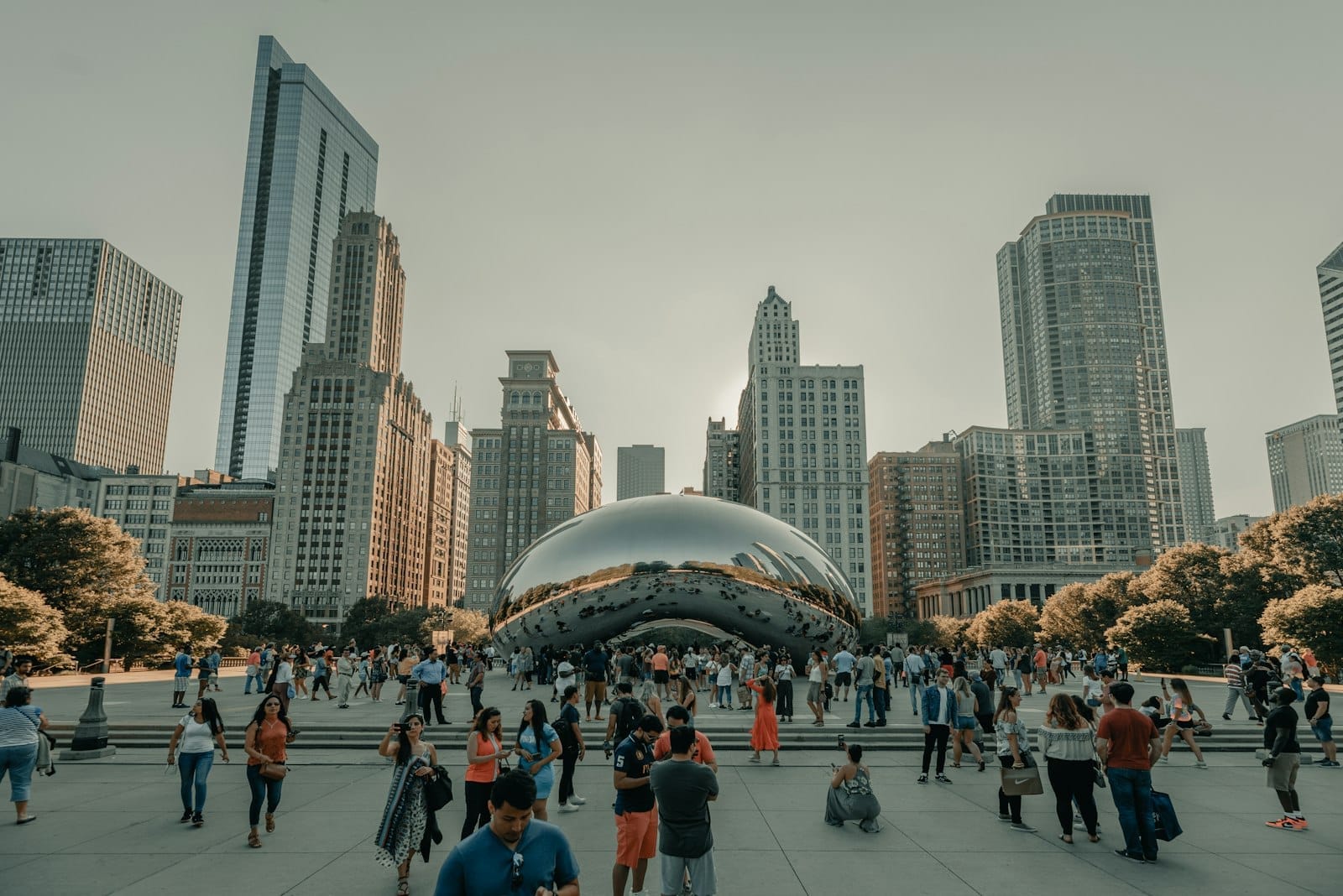
The shoulder seasons — mid-April through mid-May and mid-September through early November — offer the best combination of decent weather and manageable prices. You'll pay noticeably less for the same hotel rooms, and iconic spots like Millennium Park or the Art Institute of Chicago are far more comfortable to navigate. For budget travelers, this is where the value is.
January and February represent true low season. Flight prices drop significantly, and hotels run promotions to fill rooms. If your priority is indoor Chicago — world-class museums, deep-dish pizza, live jazz and blues, architecture tours inside buildings — winter works well. The trade-off is real: prolonged outdoor time becomes genuinely unpleasant, and some outdoor attractions close or reduce hours. The CTA runs year-round, so getting around isn't the issue — it's the experience between stops.
✨ Pro tip
Mid-September through early October is the most underestimated window. Summer pricing has dropped, summer festival crowds are gone, but temperatures are still in the 60s–70s°F. Architecture boat tours, rooftop bars, and lakefront trails are all still fully operational — often with noticeably shorter queues.
Practical Tips for Planning Around Chicago's Weather
Whatever time of year you visit, layering is the right strategy. Chicago's weather can shift significantly within a single day, particularly in spring and fall. A morning in the 50s°F can warm into the low 70s°F by afternoon, then drop again after sunset. For summer, pack light layers for the lake breeze and at least one rain layer — afternoon thunderstorms are common from May through August. For winter, wind protection is more important than pure insulation. Getting around on the CTA's 'L' trains is straightforward year-round; see our guide to getting around Chicago for full transit details.
For first-time visitors trying to decide what to prioritize, the city's top experiences vary significantly by season. Summer maximizes outdoor time: the Lakefront Trail, beach culture, and rooftop venues. Fall and spring favor walkable neighborhoods, architecture tours, and the restaurant scene. Winter is ideal for the cultural depth that makes Chicago genuinely world-class: the symphony, theater, and museum collections that don't require good weather to appreciate. Our complete guide to things to do in Chicago covers the top attractions with seasonal context.
- Book summer hotel stays 6–8 weeks in advance minimum; Lollapalooza weekend requires 3+ months
- Architecture boat tours run April through November — September is the sweet spot for lower crowds
- Navy Pier runs free fireworks Wednesday and Saturday evenings from Memorial Day through Labor Day
- The CTA Blue Line from O'Hare to downtown runs 24/7 and costs around $5 — far cheaper than a taxi
- Pack a wind layer regardless of season — lake breezes can be cutting even on otherwise warm days
- April and November are the months most often cited for avoiding crowds without taking on full winter conditions
💡 Local tip
If you're combining Chicago with day trips — Indiana Dunes, Galena, or Milwaukee — fall is especially good timing. Foliage is at its best in late October, and driving or taking Metra out of the city is far more pleasant than in the heat of August.
FAQ
What is the best time to visit Chicago for good weather?
September offers the best weather overall: average highs around 74°F (23°C), lower humidity than summer, and most outdoor attractions still running. Late May and June are close behind if you want to catch summer festival season from the start.
What time zone is Chicago in?
Chicago is in the Central Time Zone. It observes Central Standard Time (CST, UTC-6) from early November to mid-March, and Central Daylight Time (CDT, UTC-5) from mid-March to early November. When it's noon in Chicago, it's 1pm in New York and 10am in Los Angeles.
What is the cheapest time to visit Chicago?
January and February are consistently the cheapest months for flights and hotels. Mid-January through early March is low season across most attractions. The cold is real — temperatures regularly stay below 30°F (-1°C) — but indoor Chicago (museums, jazz clubs, deep-dish restaurants) is fully operational.
Is Chicago worth visiting in winter?
Yes, for the right kind of traveler. Winter Chicago offers world-class museums without summer queues, a genuine live music and theater scene, and some of the best deals of the year on accommodation. The Christkindlmarket in December is worth the cold. That said, extended outdoor sightseeing is genuinely uncomfortable, and anyone expecting to spend significant time outside should plan for a different season.
When should I avoid visiting Chicago?
Lollapalooza weekend in early August causes citywide hotel price spikes and crowds in Grant Park and surrounding neighborhoods. The same applies to major holiday weekends in July and August if budget is a concern. March, while not unbearable, is cold, gray, and often wet — it's rarely anyone's highlight month in Chicago unless you're visiting for St. Patrick's Day specifically.