Best Things To Do in Chicago: The Definitive Local Guide
Chicago packs more into one city than almost anywhere in America: world-class museums, a stunning lakefront, boundary-pushing food, and architecture that stops you mid-stride. This guide covers the top things to do in Chicago across every budget, season, and travel style, with honest rankings and practical logistics.
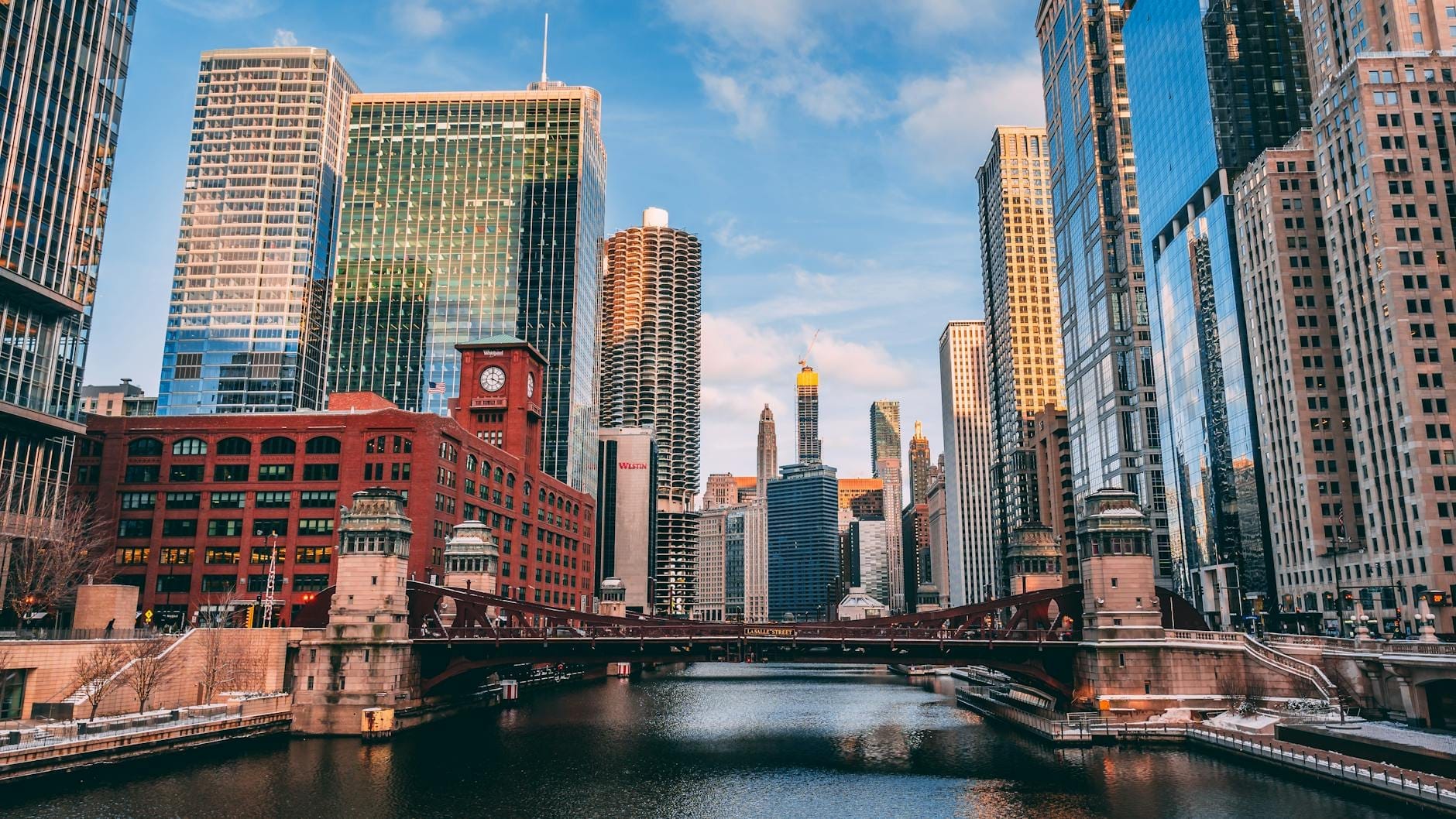
Plan and book this trip
Tools from our partner Travelpayouts help you compare flights and hotels. If you book through them, we may earn a commission at no extra cost to you.
Flights
Hotels map
TL;DR
- Millennium Park and Cloud Gate are free every day; combine them with the Chicago Riverwalk for a half-day of zero-spend sightseeing.
- The architecture river cruise is the single best introduction to Chicago, worth every dollar of the roughly $45-50 ticket price.
- Museum Campus (Field Museum, Shedd Aquarium, Adler Planetarium) is a full day on its own; buy tickets online in advance to skip lines.
- Late May through early October is peak season; for fewer crowds and lower hotel rates, aim for September or early October. See the full breakdown in our best time to visit Chicago guide.
- The CTA Blue Line from O'Hare costs $5 and takes 35-45 minutes to downtown, making it the smartest airport transfer in any major U.S. city.
Start Here: Millennium Park and the Chicago Riverwalk
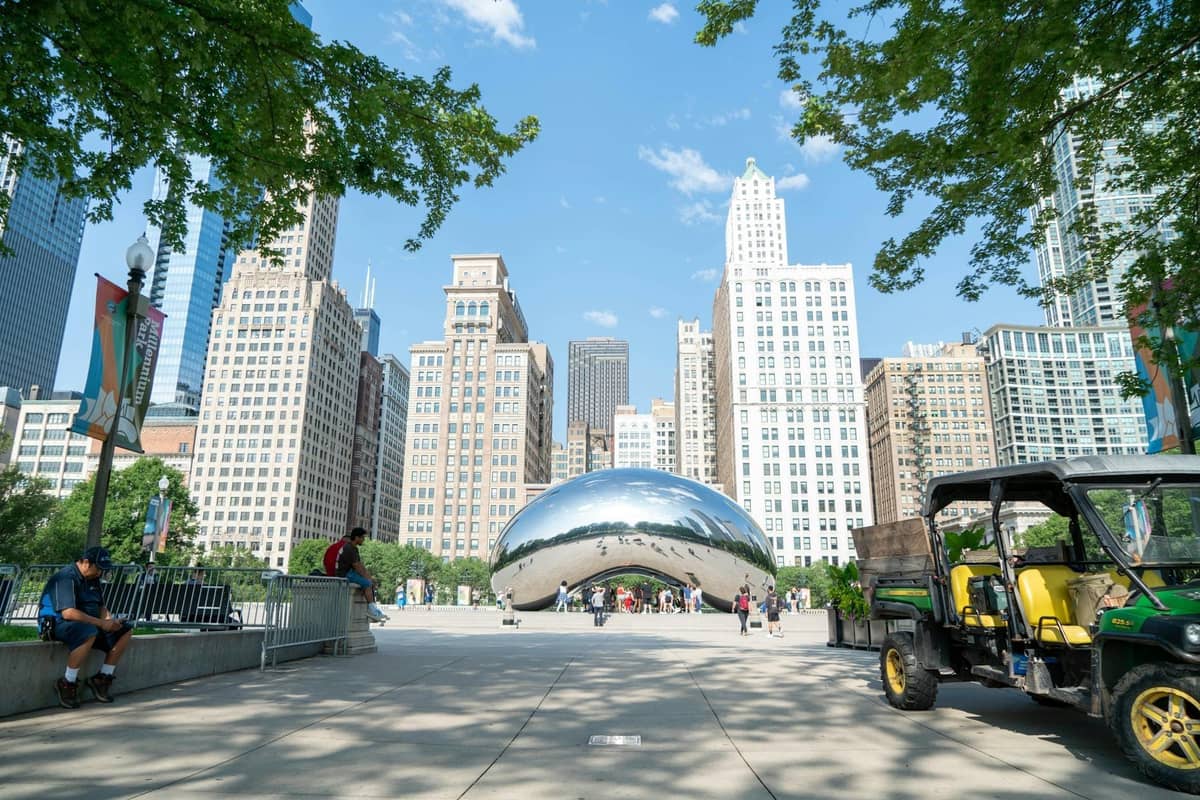
The best things to do in Chicago almost always start here, and for good reason. Millennium Park is free, open daily from 6am to 11pm, and contains Cloud Gate (universally known as "The Bean"), the interactive Crown Fountain, and Jay Pritzker Pavilion, where free concerts run on many evenings from mid-June through mid-August. Spend time here before 9am if you want photos without crowds reflected in the sculpture's polished surface.
One common confusion worth clearing up: Cloud Gate sits inside Millennium Park, which is technically a developed section of the larger Grant Park. They are not the same place. Millennium Park has its own distinct programming and entrances along Michigan Avenue and Randolph Street.
From Millennium Park, walk north or west to reach the Chicago Riverwalk, a 1.25-mile (roughly 2 km) stretch along the south bank of the main branch of the Chicago River. It connects to kayak rentals, boat tour departures, and a string of outdoor bars and restaurants. The Riverwalk is free to walk anytime. For those who want to get on the water, Chicago River kayaking launches from here and is one of the more underrated ways to see the skyline.
💡 Local tip
Jay Pritzker Pavilion hosts free outdoor concerts most Tuesday, Thursday, and weekend evenings in summer. Check the City of Chicago's official Department of Cultural Affairs calendar before your trip to confirm the schedule, as programming varies by year.
The Architecture River Cruise: Chicago's Best Two Hours
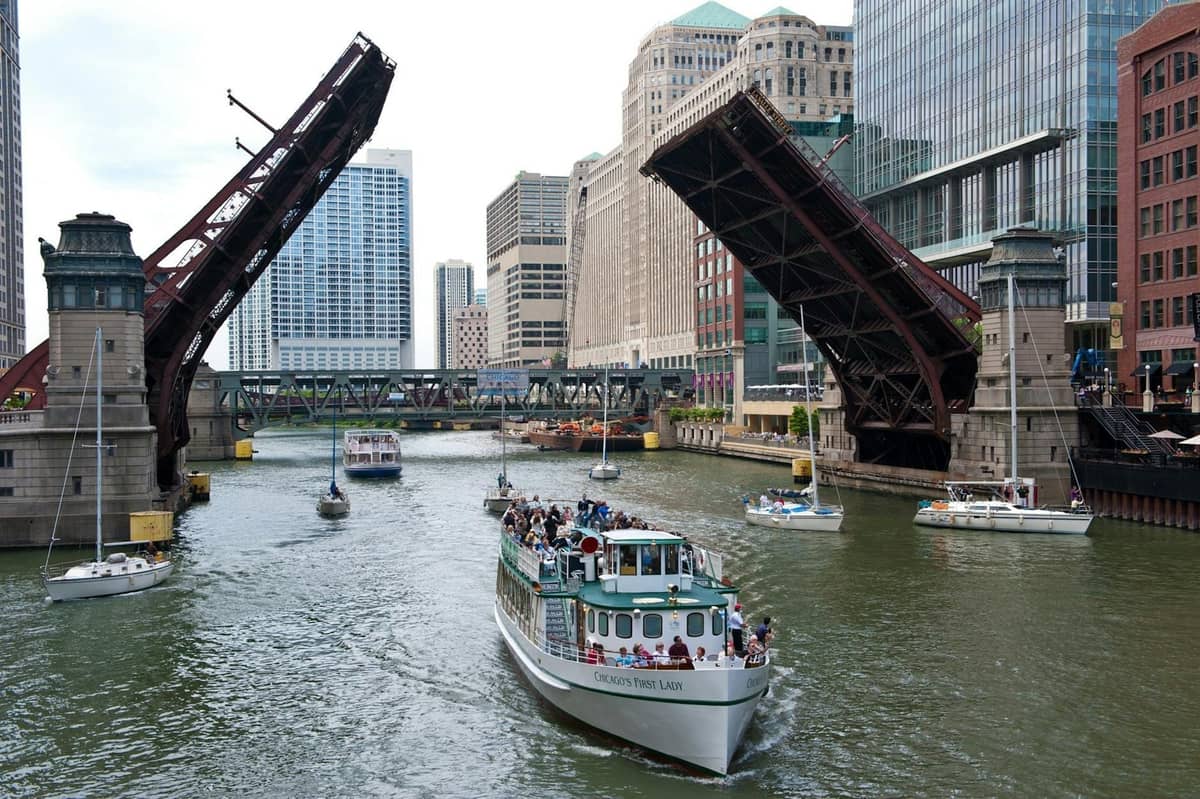
If you only do one paid activity in Chicago, make it the architecture boat tour. No other experience delivers as much context about this city in as little time. Cruises run seasonally from approximately April through November, departing from the Riverwalk and Michigan Avenue Bridge area. Tickets typically run about $45-55 per adult depending on operator and departure time; evening tours often cost slightly more.
The Chicago Architecture Center on the Riverwalk is the most well-known operator and generally has the most knowledgeable docents, though several other companies offer competitive alternatives. Book directly through operator websites or the official Choose Chicago portal to see current departure times. Weekend morning tours sell out days in advance in summer, so plan accordingly.
✨ Pro tip
Sit on the left (port) side of the boat when facing forward for the best views of the Tribune Tower, Wrigley Building, and Marina City on the main river branch heading east. Guides rarely mention this, but it makes a noticeable difference for photography.
Museum Campus: A Full Day South of the Loop
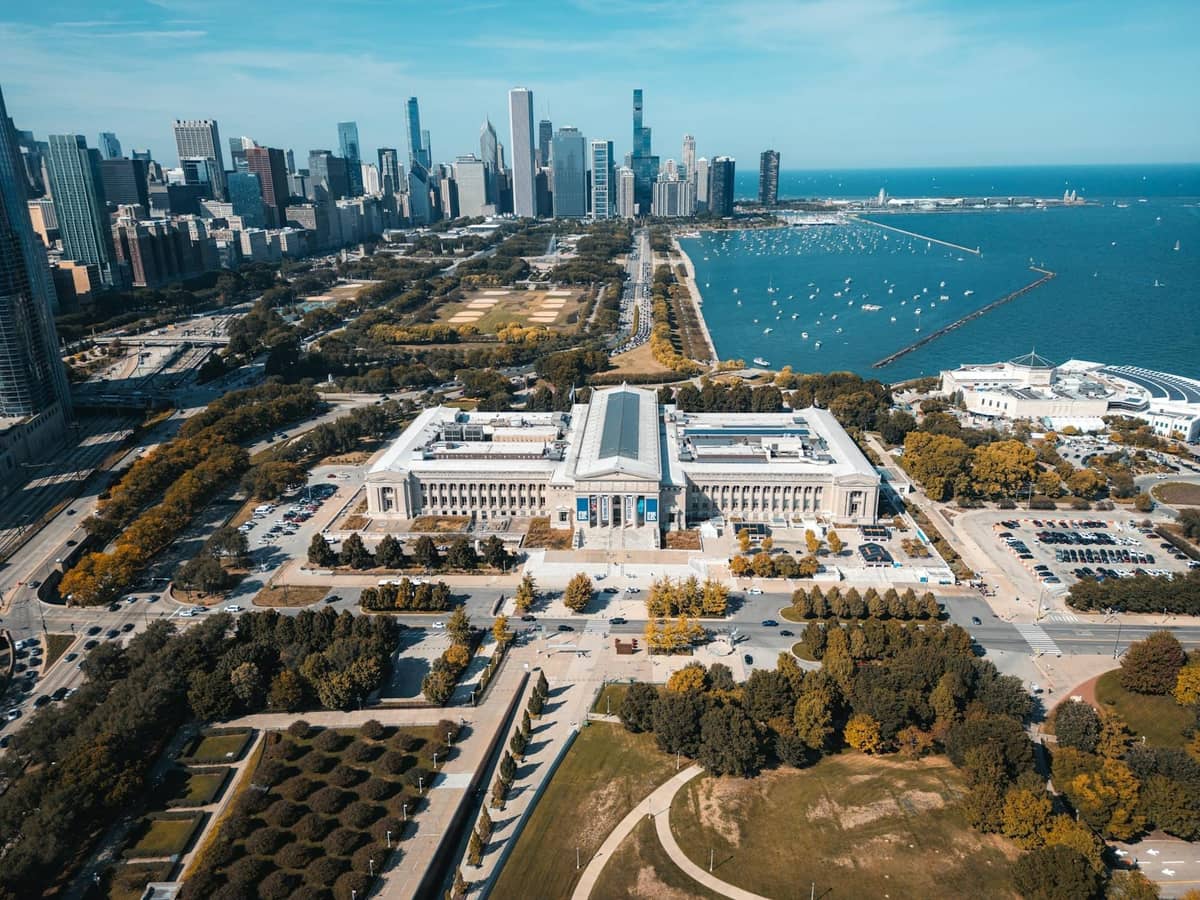
Chicago's Museum Campus clusters three world-class institutions within easy walking distance of each other on the lakefront just south of the Loop. The Field Museum houses one of the most impressive natural history collections in the country, including Sue, one of the most complete T. rex skeletons ever discovered. Shedd Aquarium is among the most visited aquariums in the United States. The Adler Planetarium sits at the peninsula's tip with some of the best unobstructed skyline views in the city, free to photograph from the grounds even without a ticket.
Each institution has its own admission pricing structure, which changes periodically, so check their official websites before visiting. Illinois residents often qualify for discounted rates. If you plan to visit multiple major attractions, compare the CityPASS or Go City pass options to see whether the bundled cost makes sense for your itinerary.
- Field Museum Plan at least 3 hours. The Evolving Planet exhibit and the Egypt collection alone justify the ticket. Buy timed entry online to avoid queuing at the door.
- Shedd Aquarium Peak crowds hit 11am-2pm on weekends. Arrive at opening (usually 9am) or after 3pm for a noticeably better experience. Dolphin and beluga shows have separate timed capacities.
- Adler Planetarium Smaller than the other two but worth 90 minutes for the sky shows and the genuinely spectacular lakefront position. The free outdoor terrace is accessible without a ticket.
Skyline Views: Skydeck, 360 Chicago, and Free Alternatives
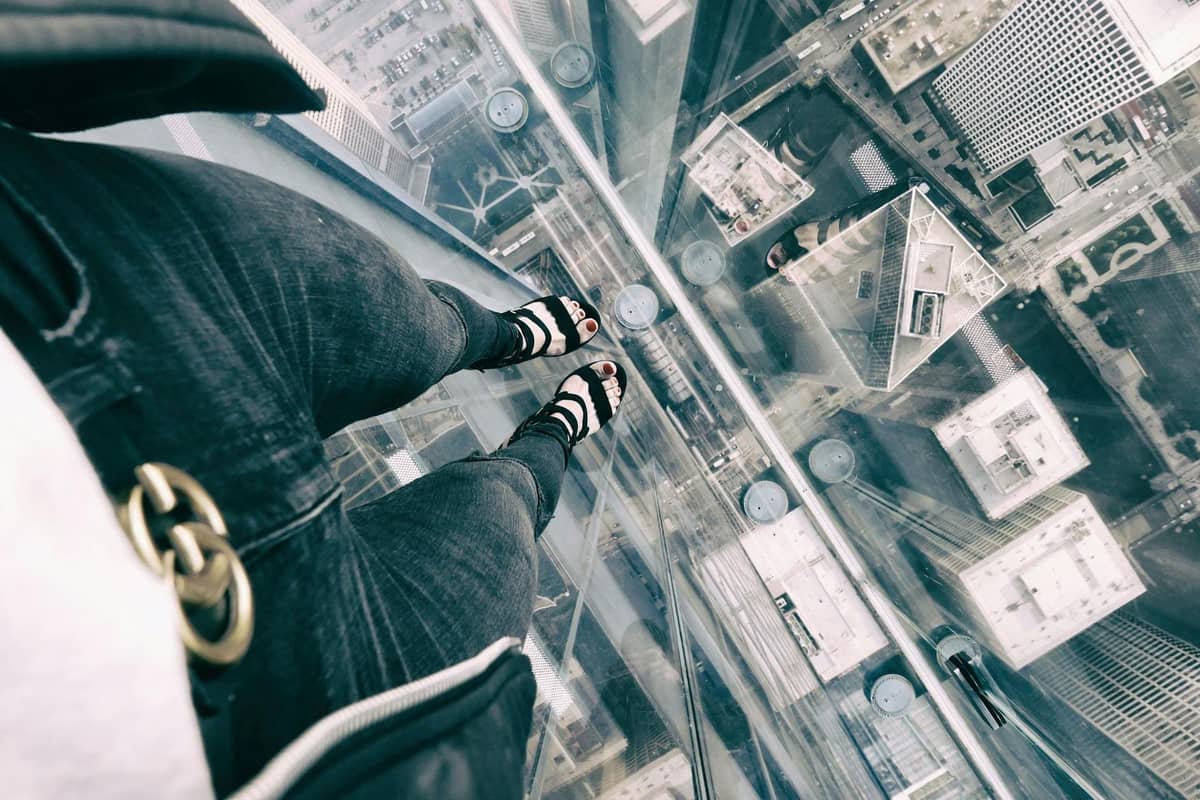
Two paid observation decks dominate the Chicago skyline debate. Skydeck Chicago sits on the 103rd floor of Willis Tower, 1,353 feet (412 m) above the ground (still called Sears Tower by most locals, though that name is not official). The signature Ledge, glass boxes that extend 4 feet beyond the building's face, genuinely produces a stomach-drop effect that photos do not fully capture. Tickets are time-specific and sold online; current pricing and hours should be verified directly at theskydeck.com before your visit.
360 CHICAGO on the 94th floor of 875 North Michigan Avenue (formerly the John Hancock Center) is the better choice for lake views and is generally less crowded than Skydeck. For a budget-conscious alternative, the bar at the same building offers similar sightlines without an admission fee, just the cost of a drink. Our full comparison of Chicago observation decks breaks down both options in detail.
⚠️ What to skip
Skydeck and 360 CHICAGO both have lines that extend 45-75 minutes on summer weekends without pre-booked tickets. Sunset slots (roughly 7-8pm in summer) are the most popular and sell out first. Book at least 3-4 days in advance for weekend visits in June, July, and August.
Free and Low-Cost Things To Do in Chicago
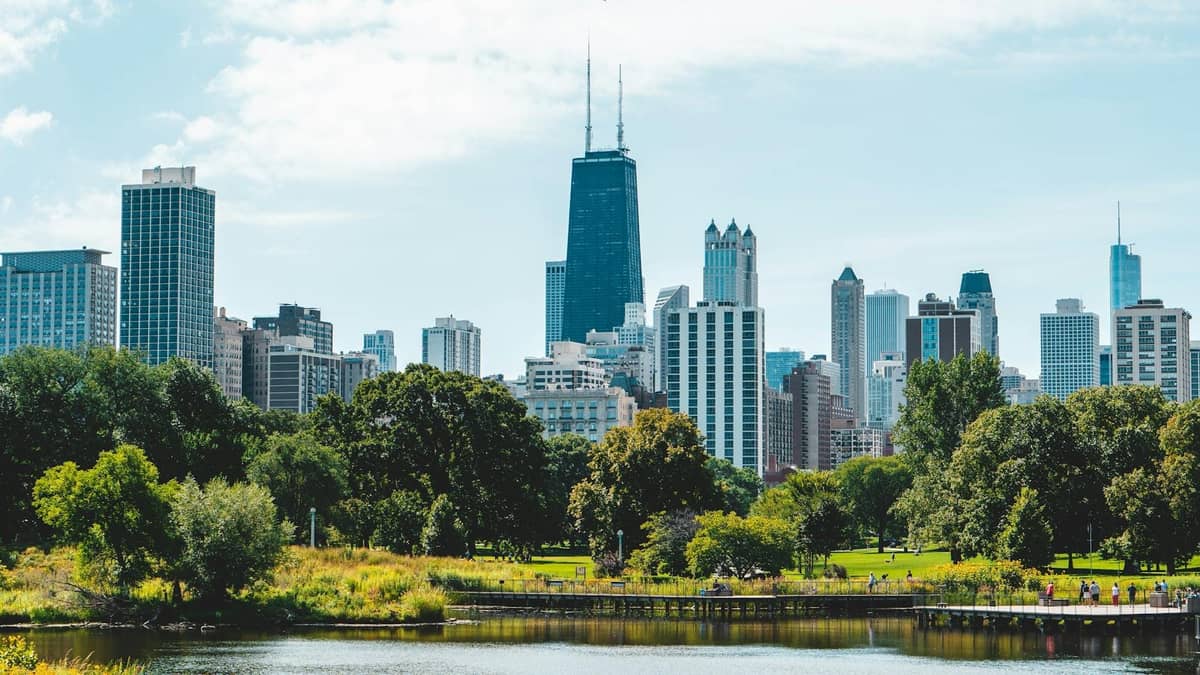
Chicago is genuinely one of the more budget-friendly major American cities for sightseeing. Beyond Millennium Park, the Lincoln Park Zoo offers free admission year-round, making it one of the only major free-entry zoos in the country. The zoo's grounds connect directly to Lincoln Park itself and the lakefront, so a full morning of walking, wildlife, and waterfront costs nothing. Some special events and parking require payment.
The Chicago Cultural Center on Michigan Avenue is free to enter and houses two of the most extraordinary Tiffany glass domes in the world. Most visitors walk right past it. The Art Institute of Chicago charges admission for adults (currently about $32 for general adult admission; verify on their site), but Chicago residents under 14 are always free, and the permanent collection justifies every dollar.
- Walk the Lakefront Trail: 18.5 miles of paved path from Ardmore Avenue in the north to 71st Street in the south, free and accessible year-round
- North Avenue Beach and Oak Street Beach: both free, staffed by lifeguards in summer, walkable from downtown
- Pilsen neighborhood murals: concentrated along 16th Street and Blue Island Avenue, viewable any time from the sidewalk
- Harold Washington Library Center: among the largest public library buildings in the world by floor area, free to enter, with rotating art exhibitions
- Chicago Riverwalk: free walking, with paid options for kayak rentals and boat tours layered on top
For a deeper dive into no-cost options, our guide to free things to do in Chicago covers over 20 specific experiences without an entry fee.
Food Experiences Worth Planning Around
Chicago's food identity is more layered than the deep-dish stereotype suggests. Yes, deep-dish pizza is worth trying at least once, with Lou Malnati's and Giordano's being two of the most consistently recommended options. But deep-dish is a sit-down, 45-minute affair, not a quick slice, and ordering it for every meal means missing the rest of what Chicago does well.
The Chicago-style hot dog, eaten with yellow mustard, relish, tomato, onion, sport peppers, celery salt, and a poppy-seed bun, is a genuine cultural institution. The one hard rule: no ketchup. Our Chicago-style hot dog guide explains the specific logic behind each topping. For a broader food overview covering neighborhoods, restaurant types, and price points, the Chicago food guide is the best starting point.
Seasonal Highlights and When to Time Your Visit
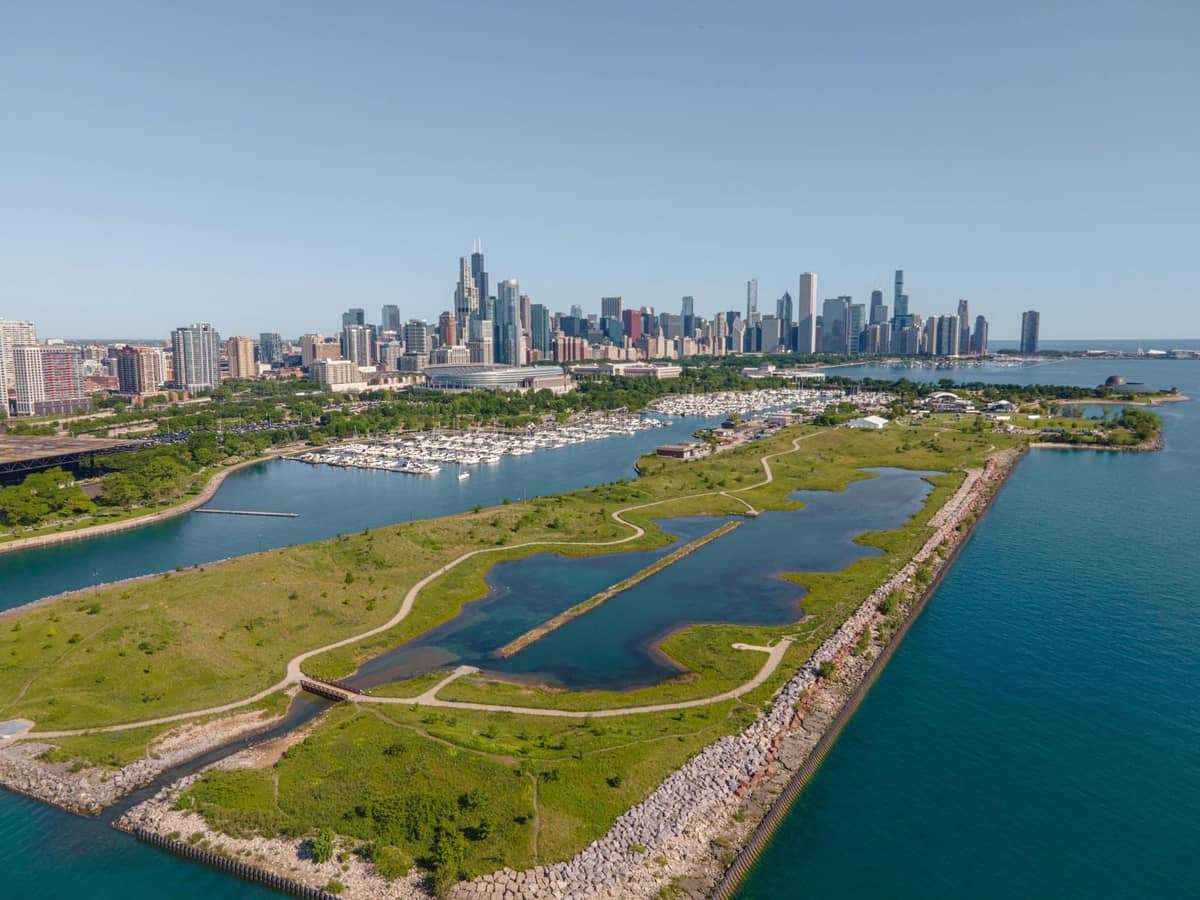
Chicago's weather operates on extremes. July averages around 75°F (24°C) with highs often reaching 85°F (29°C), while January averages around 26°F (-3°C) with wind chill regularly pushing the real-feel well below zero. The lake effect amplifies both, making summer feel more humid and winter feel sharper than the numbers suggest.
Late May through June and the entire month of September offer the most reliable balance of comfortable temperatures, full event calendars, and manageable crowds. July and August bring Lollapalooza, the Air and Water Show, Taste of Chicago, and peak lakefront activity, but also peak hotel prices and summer thunderstorms. October is underrated: crowds drop sharply after Labor Day, fall foliage appears in Lincoln Park and Hyde Park, and most attractions remain fully operational.
Winter is not for everyone, but it is also not the dead zone some assume. The Christkindlmarket at Daley Plaza runs through late December, ice skating at Millennium Park opens in November, and hotel rates drop significantly. For a complete breakdown, read our guides on Chicago in summer and Chicago in winter.
Practical Logistics: Getting Around and Getting Here
Chicago has two commercial airports. O'Hare International (ORD), about 17 miles northwest of downtown, handles most international and long-haul flights. Midway (MDW), about 10 miles southwest, is a domestic-focused airport served heavily by Southwest Airlines. From O'Hare, the CTA Blue Line runs directly to downtown in 35-45 minutes for around $5. From Midway, the Orange Line reaches the Loop in 25-30 minutes at standard CTA fares. Both are the cheapest and most reliable options when traffic is unpredictable.
Inside the city, the CTA 'L' system covers most visitor destinations efficiently. The Red Line runs north-south through the heart of the city, connecting Lincoln Park and Wrigleyville to the Loop and south-side neighborhoods. For day-to-day navigation, a Ventra card loaded with transit value is far more practical than buying individual tickets. Full logistics, including neighborhood-by-neighborhood transport tips, are in our getting around Chicago guide.
- Uber and Lyft both operate fully in Chicago under city regulations; pickup at both airports is in designated rideshare zones
- Standard U.S. electricity: 120V, 60Hz, Type A/B plugs; bring an adapter if traveling from outside North America
- Tipping is expected in Chicago restaurants: 18-20% is standard for table service, 15% acceptable for counter service
- Tap water is safe to drink and comes from Lake Michigan via city treatment; water quality reports are published annually by the Chicago Department of Water Management
- Emergency services: dial 911; non-emergency city services: dial 311
FAQ
What are the best things to do in Chicago this weekend?
For a weekend visit, prioritize Millennium Park and the Riverwalk on day one (both free, most of a morning), followed by the architecture river cruise in the afternoon. On day two, tackle Museum Campus with at least the Field Museum and Adler Planetarium grounds. Fit in a Chicago-style hot dog, a deep-dish dinner, and an evening at a rooftop bar or observation deck. This covers the city's core without feeling rushed.
What are the best things to do in Chicago with kids?
Lincoln Park Zoo is free year-round and genuinely impressive. Shedd Aquarium is excellent for children and opens at 9am. The Museum of Science and Industry in Hyde Park is the most hands-on of the major museums and consistently ranks as a top family destination. Navy Pier has a Ferris wheel, the Chicago Children's Museum, and multiple dining options. For older children interested in history, the Chicago History Museum in Lincoln Park is accessible and well-curated.
How many days do you need in Chicago?
Three full days is the practical minimum to cover the major highlights without rushing. A long weekend (Friday evening through Sunday) works for first-timers who focus on the Loop, Riverwalk, Museum Campus, and one or two neighborhoods. Four to five days allows for neighborhoods like Pilsen, Hyde Park, or Wicker Park, plus a day trip option. A week is enough to feel like you've genuinely explored the city.
Are there things to see in Chicago that are actually free?
Yes, more than most cities. Millennium Park and Cloud Gate, the Lincoln Park Zoo, the Chicago Cultural Center, the Lakefront Trail, Pilsen's street murals, the Harold Washington Library, and all public beaches are free. The Riverwalk is free to walk. Some major museums also offer free admission on specific days for Illinois residents or certain demographics, so check directly with each institution before your visit.
Is Chicago safe for tourists?
The neighborhoods most visitors frequent, including the Loop, River North, Lincoln Park, Lakeview, and Millennium Park, are generally safe with normal urban precautions. Chicago's crime statistics are often cited without geographic context; the serious crime that gives the city its national reputation is concentrated in specific south and west side neighborhoods that are not on the typical tourist itinerary. Standard urban awareness applies everywhere: be alert at night, avoid displaying expensive items obviously, and use the CTA rather than walking unfamiliar routes after midnight.