What To Eat in Chicago: The Essential Food Guide
Chicago's food identity runs far deeper than one famous pizza style. This guide covers every iconic dish you should try, the neighborhoods where each one thrives, honest price expectations, and the seasonal rhythms that shape how the city eats.
Plan and book this trip
Tools from our partner Travelpayouts help you compare flights and hotels. If you book through them, we may earn a commission at no extra cost to you.
Flights
Hotels map
TL;DR
- Chicago ranks among the top three food cities in the U.S. — the breadth of the dining scene goes far beyond deep-dish pizza.
- The five essential Chicago foods are: deep-dish pizza, Italian beef, Chicago-style hot dog, Maxwell Street Polish sausage, and the breaded steak sandwich — each with specific, historic places to try them.
- Expect to pay $20–$35 per person at a solid neighborhood restaurant; deep-dish pizza averages around $28 per order and is among the most expensive in the country.
- The best food is not concentrated downtown. Neighborhoods like the West Loop, Pilsen, and Logan Square consistently outperform tourist-facing areas for quality and value.
- Summer brings food festivals and riverfront patio dining; winter is when hearty Chicago staples — beef sandwiches, deep-dish, Polish sausage — make the most sense.
Why Chicago's Food Scene Earns Its Reputation
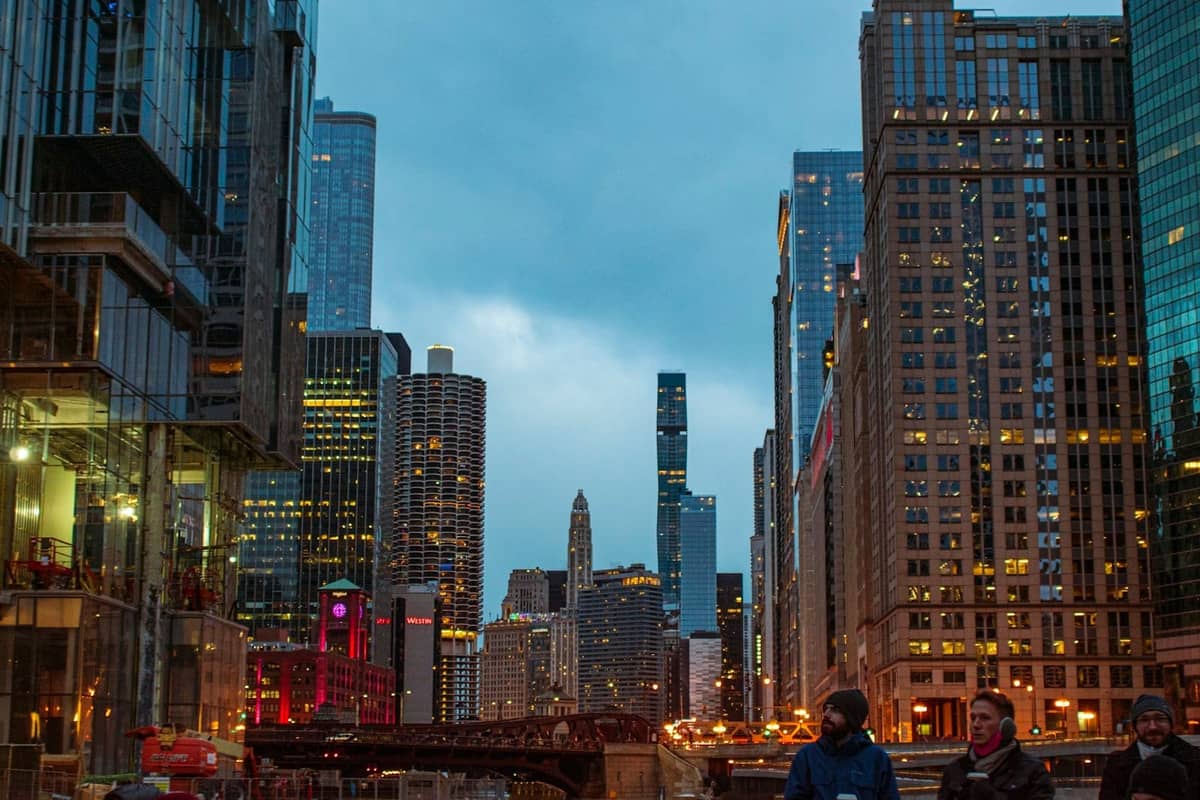
Chicago residents spend an average of around $1,074 per month dining out, placing the city third among major U.S. cities for restaurant spending. The city ranks first nationally for overall restaurant quality and first for takeout quality. These numbers reflect a city that takes eating seriously at every price point, from a $5 hot dog at a stand to a multi-course tasting menu at a Michelin-starred restaurant in the West Loop.
The city's food identity was built by successive waves of immigration. Polish, Italian, Mexican, Chinese, Greek, and South Asian communities each left a permanent mark on what Chicago eats, and those traditions are most alive in specific neighborhoods rather than in downtown restaurants. If you plan to eat well, plan to move around the city. A neighborhood-by-neighborhood breakdown is genuinely useful context before you start booking tables.
ℹ️ Good to know
Tipping is expected at all sit-down restaurants in Chicago. The standard range is 18–22% of the pre-tax bill. Some spots add an automatic gratuity for larger parties; check before adding your own.
The Five Foods You Have to Try
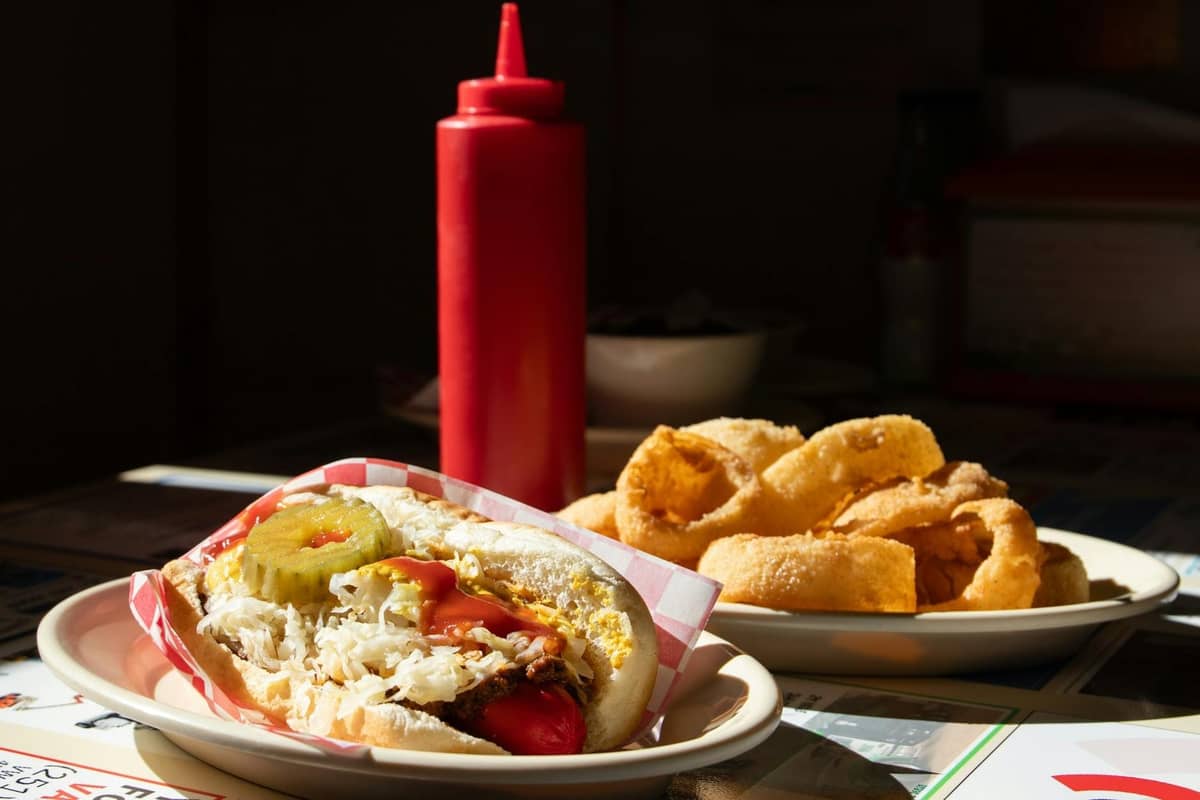
Deep-dish pizza gets all the press, but locals will tell you it's not something they eat every week. The real daily-life foods of Chicago are more often a dripping Italian beef sandwich, a perfectly constructed hot dog, or a griddled Polish sausage. Here is what actually defines Chicago eating.
- Deep-Dish Pizza The thick, buttery crust with chunky tomato sauce on top is a genuine Chicago invention. Expect to pay around $28 per order, making it among the priciest pizza in the country. Giordano's, Lou Malnati's, and Pequod's are the most-debated names. Pequod's, in Lincoln Park, is worth the line for its caramelized-crust edge alone. Allow 45 minutes for a pie to bake.
- Italian Beef Sandwich Thinly sliced beef, slow-cooked in seasoned broth, piled onto Italian bread and served 'wet' (dipped in the cooking juices) or 'dry.' Giardiniera — spicy pickled vegetables — is the essential topping. Al's Beef and Portillo's are the landmark chains; local beef stands throughout the South and West sides often surpass them.
- Chicago-Style Hot Dog An all-beef frankfurter in a poppy seed bun, topped with yellow mustard, chopped onions, bright green relish, a dill pickle spear, tomato slices, sport peppers, and a dash of celery salt. No ketchup — this is a firm local rule. The dog is never grilled, always steamed or simmered.
- Maxwell Street Polish Sausage A griddled pork sausage served on bread with grilled onions and mustard, traced directly to Jim's Original, which opened in the 1930s. Macedonian immigrant Jimmy Stefanovich added the Maxwell Street Polish to the menu in 1939. Jim's Original now operates at 1250 S Union Ave and is open around the clock.
- Breaded Steak Sandwich A breaded, fried beef steak on Italian bread, popularized at Ricobene's, a South Side institution opened in 1946 by the Ricobene brothers. The sandwich itself was added to the menu by the second generation in 1976 and has been a cult item ever since. It is messy, filling, and not found anywhere else.
⚠️ What to skip
Deep-dish pizza is genuinely delicious, but treating it as Chicago's only food is a mistake that will cause you to miss the city's real character. Most Chicagoans eat Italian beef, hot dogs, and tacos far more often than deep-dish.
Where to Eat by Neighborhood
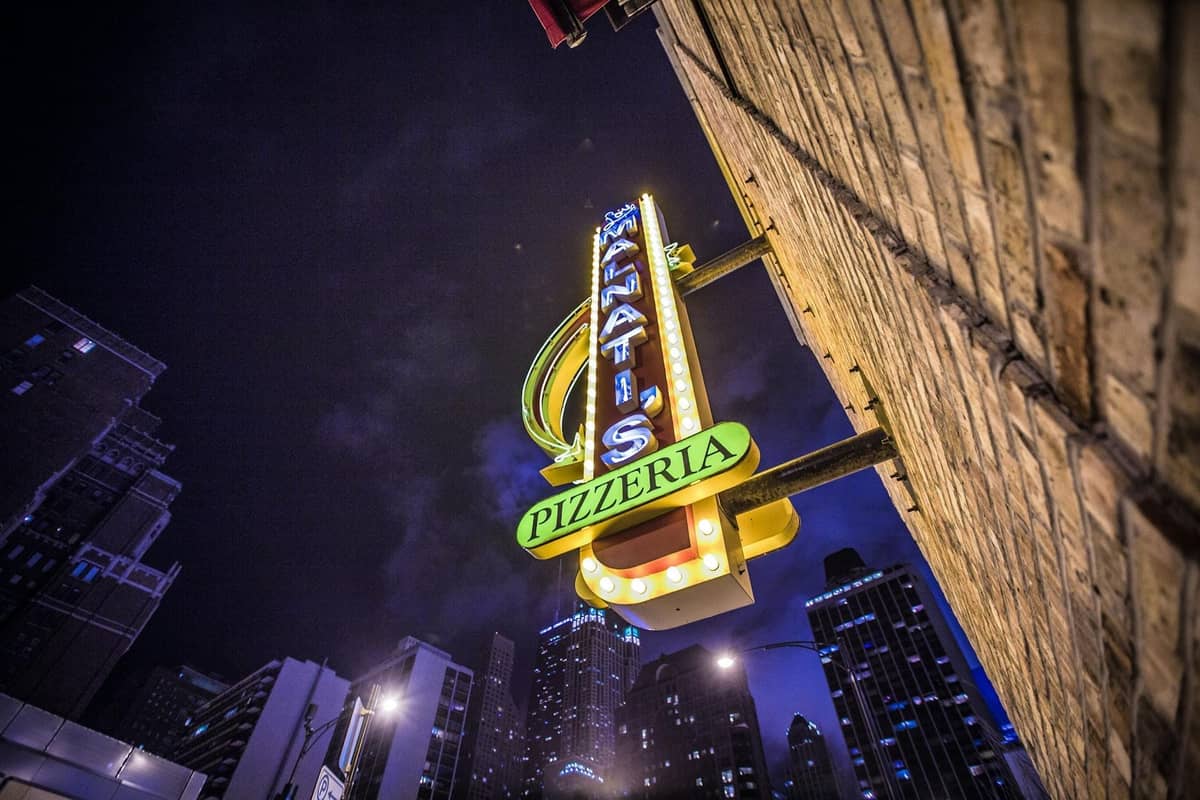
The West Loop and Fulton Market district is Chicago's most concentrated fine-dining corridor. Restaurant Row on Randolph Street and the converted meatpacking buildings of Fulton Market host some of the city's most ambitious cooking. This is where you'll find multi-course tasting menus, acclaimed steakhouses, and a high density of Michelin-recognized spots. Dinner reservations here need to be booked weeks in advance for the most in-demand tables.
Pilsen and Little VillagePilsen and Little Village on the Southwest Side are Chicago's heart for Mexican food. Pilsen's 18th Street and Little Village's 26th Street corridor offer pozole, birria, tacos al pastor, and agua fresca at prices that are a fraction of what you'd pay downtown. The quality is consistently better than anything marketed to tourists. The National Museum of Mexican Art in Pilsen is worth combining with a meal in the neighborhood.
Logan Square and Wicker Park, part of the Wicker Park/Bucktown/Logan Square area, have the city's most creative mid-range dining. Expect farm-to-table spots, serious cocktail bars, ramen shops, Filipino-American restaurants, and late-night food worth planning around. The neighborhood skews younger and more experimental than the West Loop, and prices are slightly more forgiving.
ChinatownChinatown on the South Side is compact but excellent, centered on Wentworth Avenue. Dim sum on weekend mornings draws lines that start early; arrive before 10am to avoid a long wait. The neighborhood also has strong options for Sichuan and Cantonese cooking, and several bubble tea and bakery shops that stay open late.
Food Festivals and Seasonal Eating
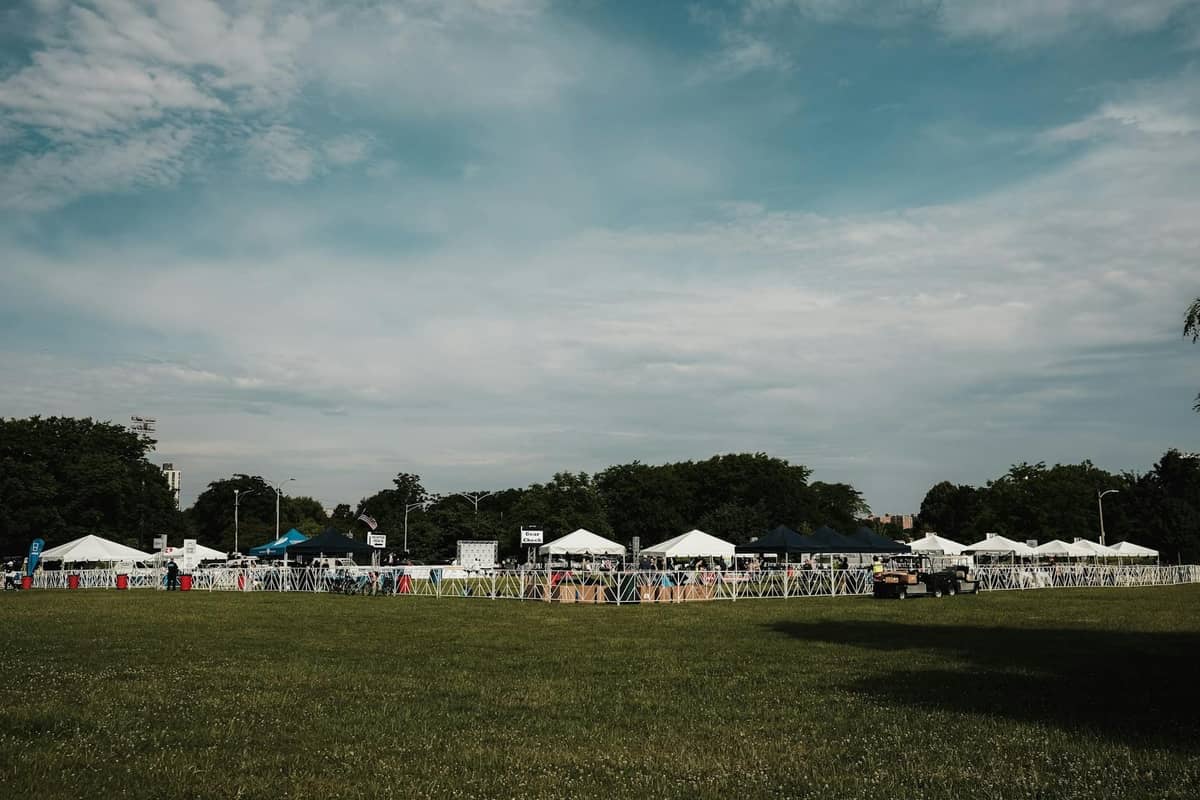
Summer in Chicago means outdoor food, and the city does it at scale. The Taste of Chicago festival, typically held in July in Grant Park, is one of the largest food festivals in the world and draws hundreds of thousands of visitors. It is loud, crowded, and extremely hot in peak summer heat, but it covers an enormous range of the city's restaurant scene in one place. Tickets for individual food portions are purchased on-site.
Beyond Taste of Chicago, summer weekends are packed with neighborhood food festivals across the city. The Green City Market in Lincoln Park runs on Wednesday and Saturday mornings from May through October and is the city's premier farmers market, with prepared foods, demos from notable local chefs, and serious produce sourcing. It is genuinely one of the best food markets in the Midwest.
Winter eating in Chicago shifts decisively toward comfort. Italian beef, deep-dish pizza, Polish sausage, and steaming bowls of pho or ramen become the natural choice when temperatures drop below freezing. Several of the city's best restaurant months are actually January and February, when chefs are more creative, crowds thin out, and reservations at competitive spots become easier to secure.
✨ Pro tip
Chicago Restaurant Week, typically held in late January or early February, offers fixed-price menus at hundreds of restaurants across all price ranges. It is the best single opportunity to access high-end tables at a predictable cost. Check the Choose Chicago website for the current year's dates and participating restaurants.
Ethnic Food Corridors Worth Seeking Out
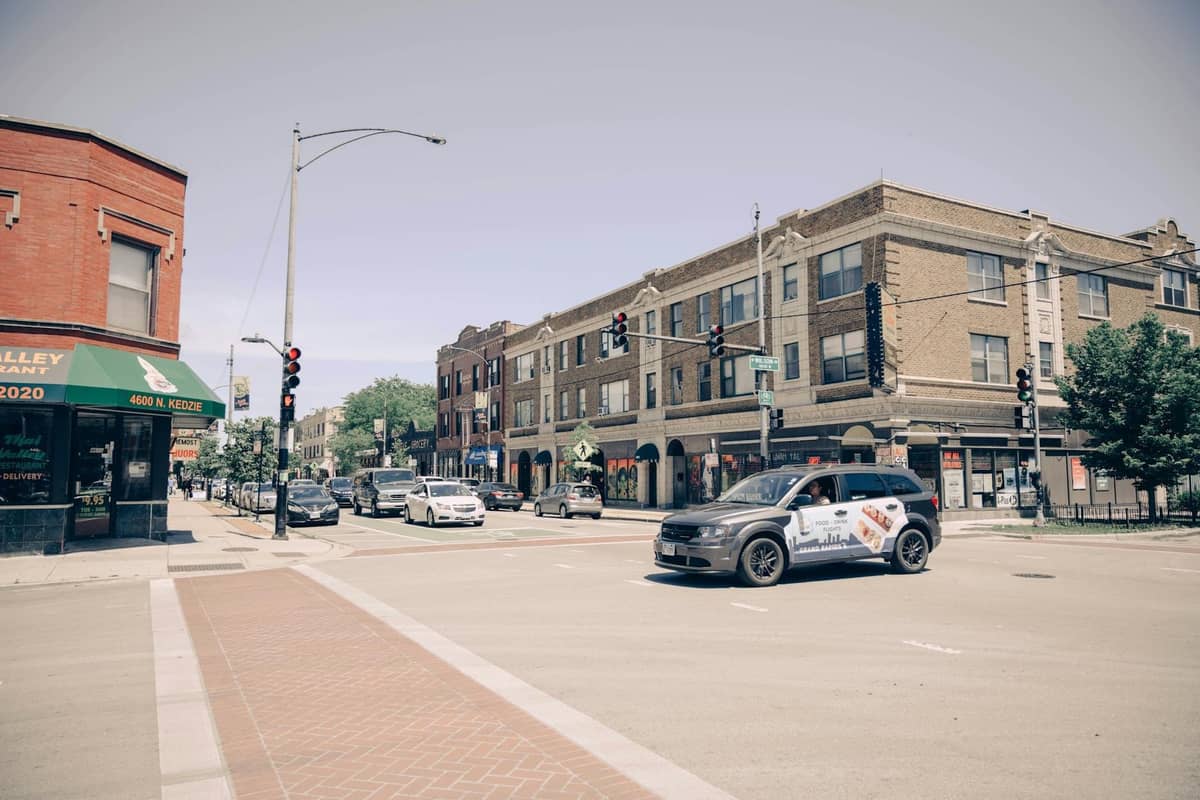
Chicago's immigrant food corridors are among the most geographically defined in any American city. Devon Avenue on the North Side, in the Devon Avenue/Little India corridor, is a several-block stretch of South Asian grocery stores, halal butchers, Indian and Pakistani restaurants, and sweets shops. It is one of the most complete South Asian commercial streets in the country, and the food is priced for local residents rather than visitors.
Argyle Street in Uptown, known as Little Vietnam, has a concentrated strip of Vietnamese, Thai, and pan-Asian restaurants and grocery stores. Pho here is serious and cheap, banh mi shops are abundant, and the neighborhood has none of the tourist-facing markup you'd encounter closer to downtown.
Greektown along Halsted Street, near the West Loop, is covered in the Greektown corridor. The restaurants are reliable rather than revelatory — saganaki flamed tableside, gyros, lamb dishes — and the area is good for a group dinner that doesn't require advance planning.
- Devon Avenue (Rogers Park/West Ridge): South Asian and Middle Eastern food at local prices
- Argyle Street (Uptown): Vietnamese, Thai, and pan-Asian, open late
- 26th Street / Little Village: Mexican carnicerias, taquerias, and bakeries
- 18th Street / Pilsen: Mexican restaurants with some of the city's best mole and tamales
- Wentworth Avenue / Chinatown: Dim sum, Sichuan cooking, and Asian bakeries
- Greektown / Halsted: Greek restaurants, good for groups
Practical Eating Tips and Price Reality
Chicago is not a cheap food city by national standards. A mid-range sit-down dinner at a neighborhood restaurant runs $20–$35 per person before drinks, tax, and tip. In the West Loop and River North, that floor rises to $35–$55 per person at most respected tables. Budget eating is absolutely possible but requires knowing where to look: taqueria lunches in Pilsen under $10, hot dog stands around $5–6, and Maxwell Street Polish sausage around $8–$9 are the reliable cheap anchors.
For visitors trying to manage costs without sacrificing quality, the Chicago on a budget guide covers this in detail. The short version: eat lunch instead of dinner at your target restaurant (many upscale spots offer lunch service at 30–40% less), shop at the Green City Market for prepared food, and prioritize the ethnic food corridors for your casual meals.
Reservations are essential for any restaurant that has been reviewed in the past two years. Chicago's best tables at mid-to-high price points book out two to four weeks in advance on weekends. OpenTable and Resy are the dominant platforms; some smaller restaurants take reservations only by phone or do not take them at all, relying on walk-ins. Showing up at 5:30pm on a weekday remains the best strategy for getting into a restaurant without a reservation.
FAQ
What is the most iconic food to eat in Chicago?
The Italian beef sandwich has the strongest claim to being Chicago's most distinctive food — it exists in this specific form almost nowhere else. Deep-dish pizza is more famous internationally, but the Italian beef is more woven into daily life for residents.
Is deep-dish pizza actually what locals eat?
Rarely on a regular basis. Deep-dish is a treat and a tourist ritual more than an everyday meal. Most Chicagoans eat thin-crust tavern-style pizza, Italian beef, tacos, or hot dogs far more often. That said, deep-dish is genuinely worth trying at least once — just don't mistake it for the totality of Chicago food.
What neighborhood has the best food in Chicago?
It depends on what you want. The West Loop/Fulton Market district has the most concentrated fine dining. Pilsen and Little Village have the best Mexican food. Logan Square and Wicker Park have the most interesting mid-range and experimental cooking. Chinatown is the best value for Asian food. There is no single answer.
How much should I budget for food in Chicago?
A realistic daily food budget for someone eating well is $50–$80 per person, covering one sit-down meal ($25–40), one casual meal or snack ($8–15), and drinks. If you target ethnic food corridors and lunch specials, you can eat extremely well on $35–50 per day. Fine dining with wine will push past $100 per person easily.
When is the best time of year to eat in Chicago?
Summer (June–September) for outdoor eating, food festivals, and farmers markets. Late January to February for Restaurant Week deals and easier reservations at competitive spots. Fall (September to November) is when many chefs introduce seasonal menus and the city's dining energy picks up after the summer festival season.