Chicago Neighborhoods Guide: Which Areas To Visit
Chicago's 77 community areas each have a distinct personality, and knowing which ones to visit makes all the difference. This guide breaks down the city's best neighborhoods by what they offer, from world-class museums and architecture to street art, jazz clubs, and lakefront beaches.
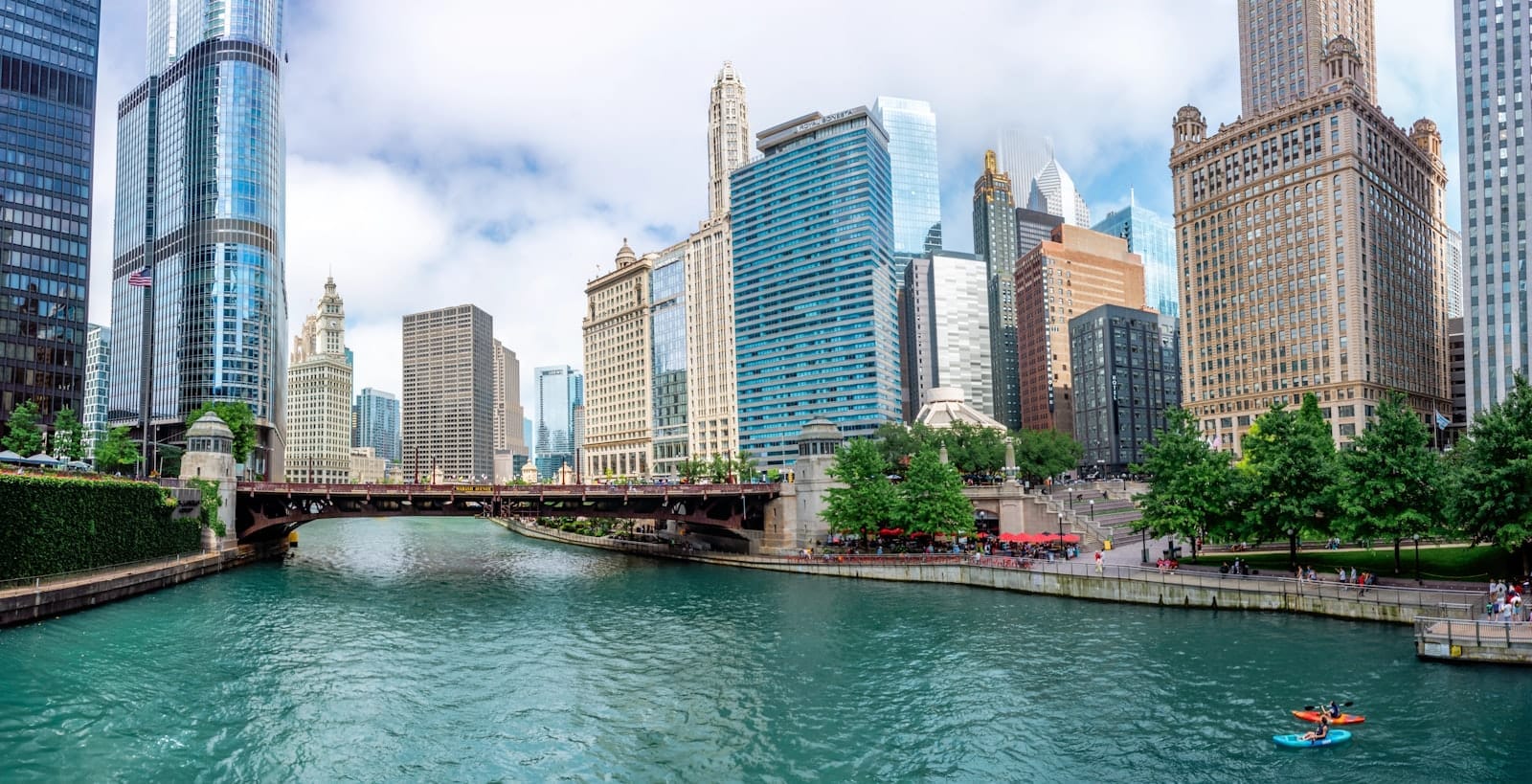
Plan and book this trip
Tools from our partner Travelpayouts help you compare flights and hotels. If you book through them, we may earn a commission at no extra cost to you.
Flights
Hotels map
Chicago rewards explorers who venture beyond the obvious. Yes, the Loop anchors every itinerary, but the city's character lives in its neighborhoods: the gallery-packed streets of River North, the converted meatpacking corridors of the West Loop, the ballpark energy of Wrigleyville, and the mural-covered blocks of Pilsen. The CTA 'L' connects most of these areas, making it genuinely possible to move between Lincoln Park, Wicker Park, and Hyde Park in a single day without a car. This guide points you to the specific attractions that make each area worth the trip, so you can plan your time around what actually interests you.
The Loop & Museum Campus: Chicago's Iconic Core
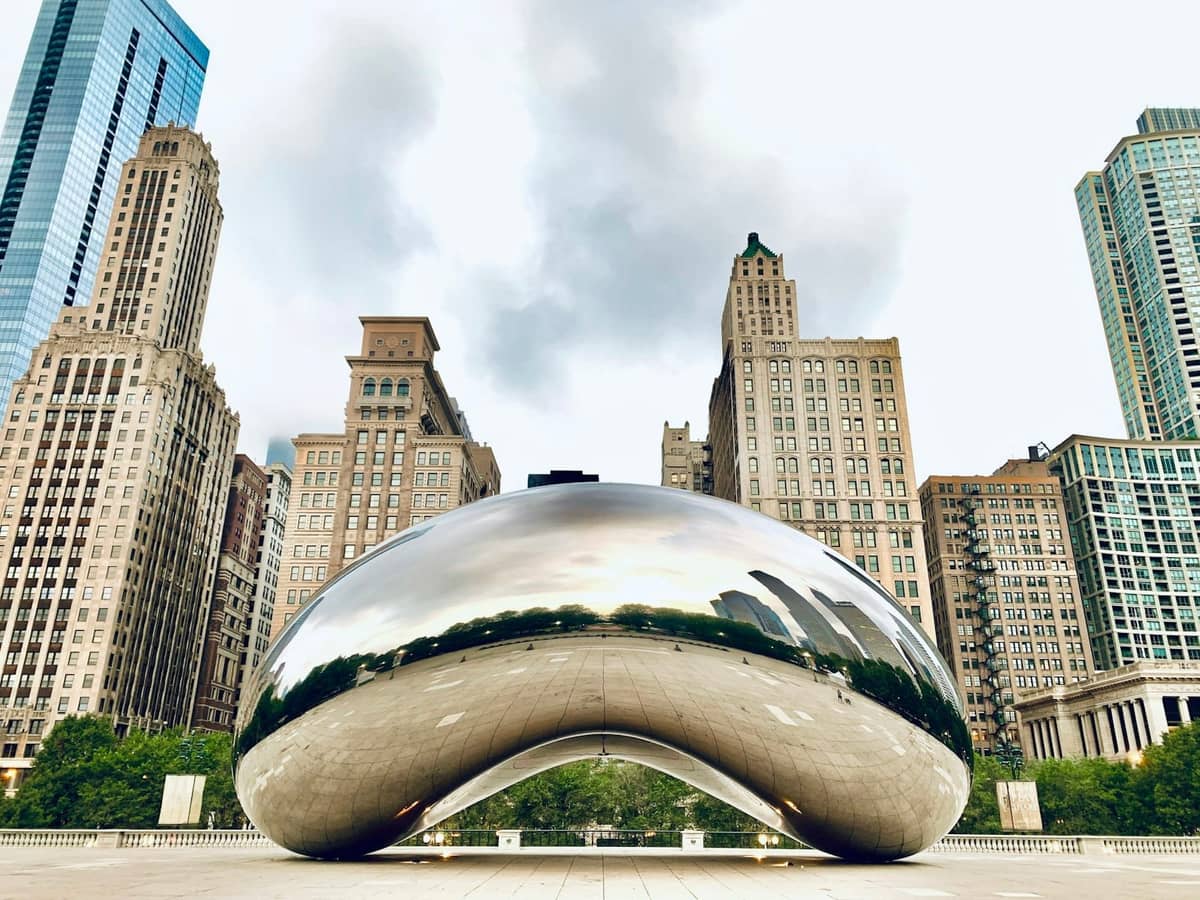
The Loop is far more than an office district. Millennium Park, the Riverwalk, and a concentration of architectural landmarks keep it busy well into the evening. Just south on the lakefront, Museum Campus groups three world-class institutions in one walkable cluster. If you only have limited time, this is where Chicago's greatest hits are most densely packed. For a deeper dive into the architecture, the Chicago architecture guide is an excellent companion.
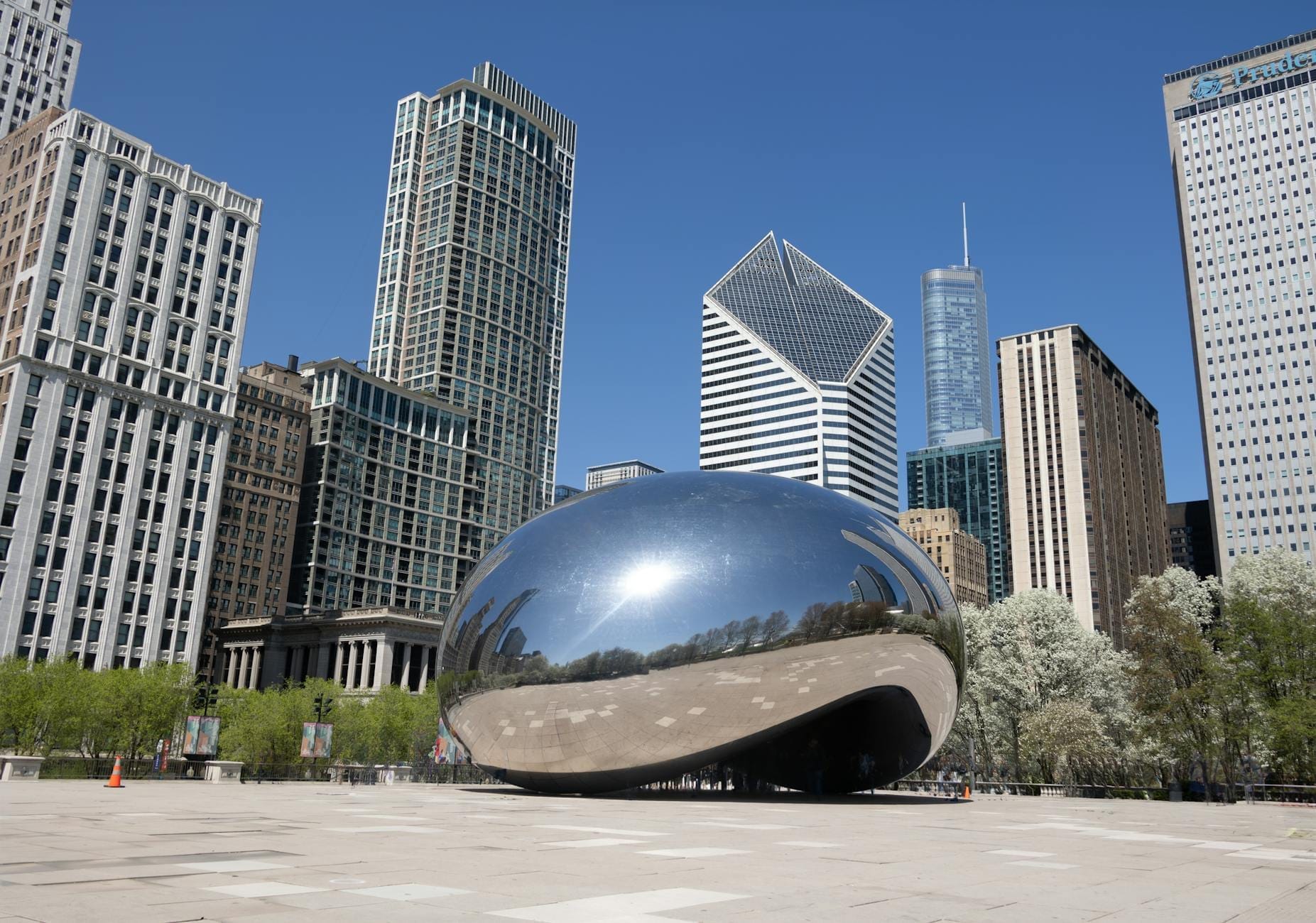
1. Start Every Chicago Trip at Millennium Park
Chicago's free crown jewel combines Cloud Gate, a Frank Gehry concert pavilion, the Lurie Garden, and an ice rink in one downtown park. It's the city's best orientation point and the natural hub of the Loop neighborhood.
Explore1. Start Every Chicago Trip at Millennium Park
Chicago's free crown jewel combines Cloud Gate, a Frank Gehry concert pavilion, the Lurie Garden, and an ice rink in one downtown park. It's the city's best orientation point and the natural hub of the Loop neighborhood.
Explore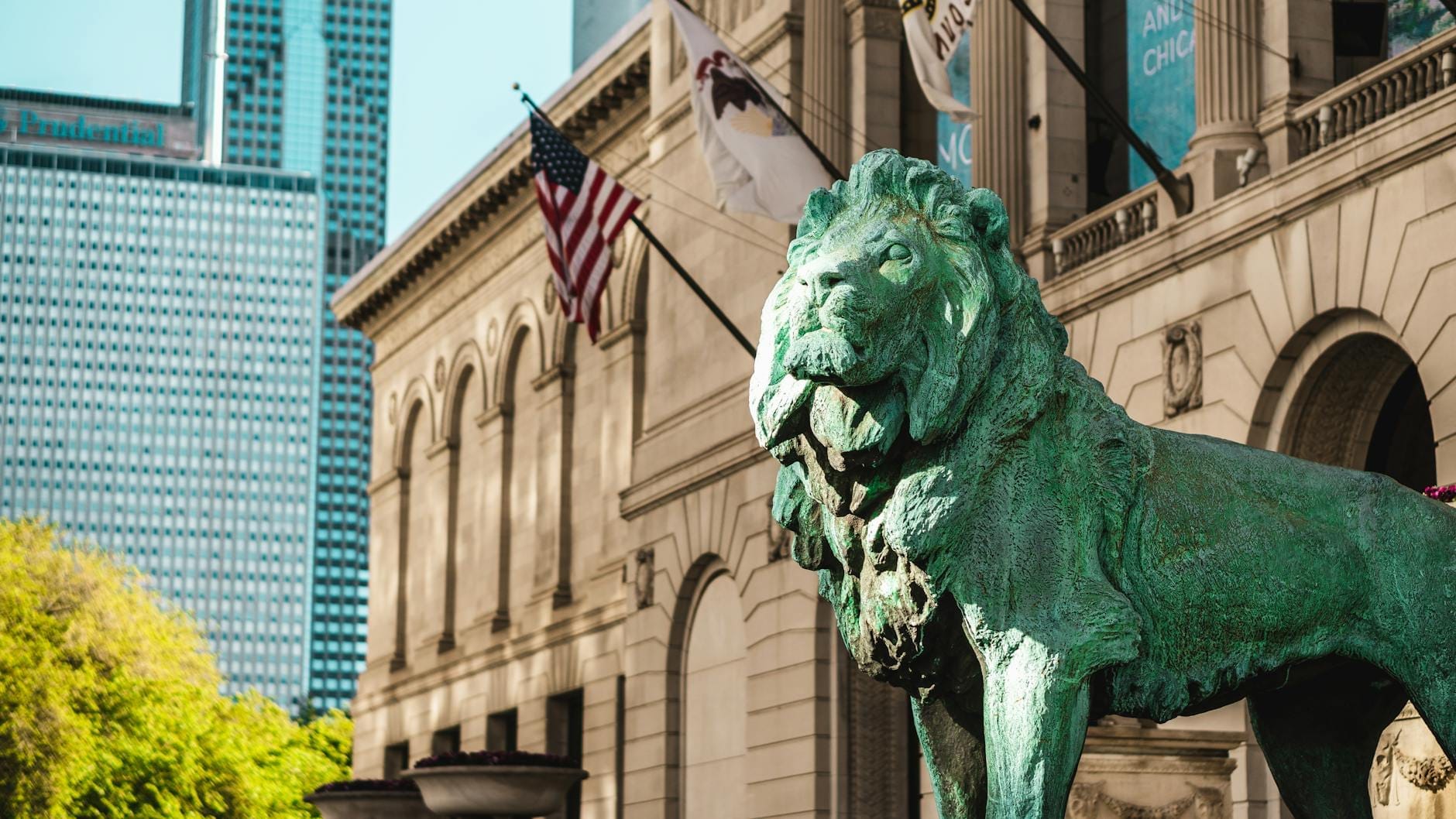
2. Spend a Morning at the Art Institute of Chicago
One of America's great encyclopedic museums, with Seurat's 'La Grande Jatte' and Renzo Piano's Modern Wing. Budget at least three hours. It anchors the Loop's cultural identity and sits steps from Millennium Park.
Explore2. Spend a Morning at the Art Institute of Chicago
One of America's great encyclopedic museums, with Seurat's 'La Grande Jatte' and Renzo Piano's Modern Wing. Budget at least three hours. It anchors the Loop's cultural identity and sits steps from Millennium Park.
Explore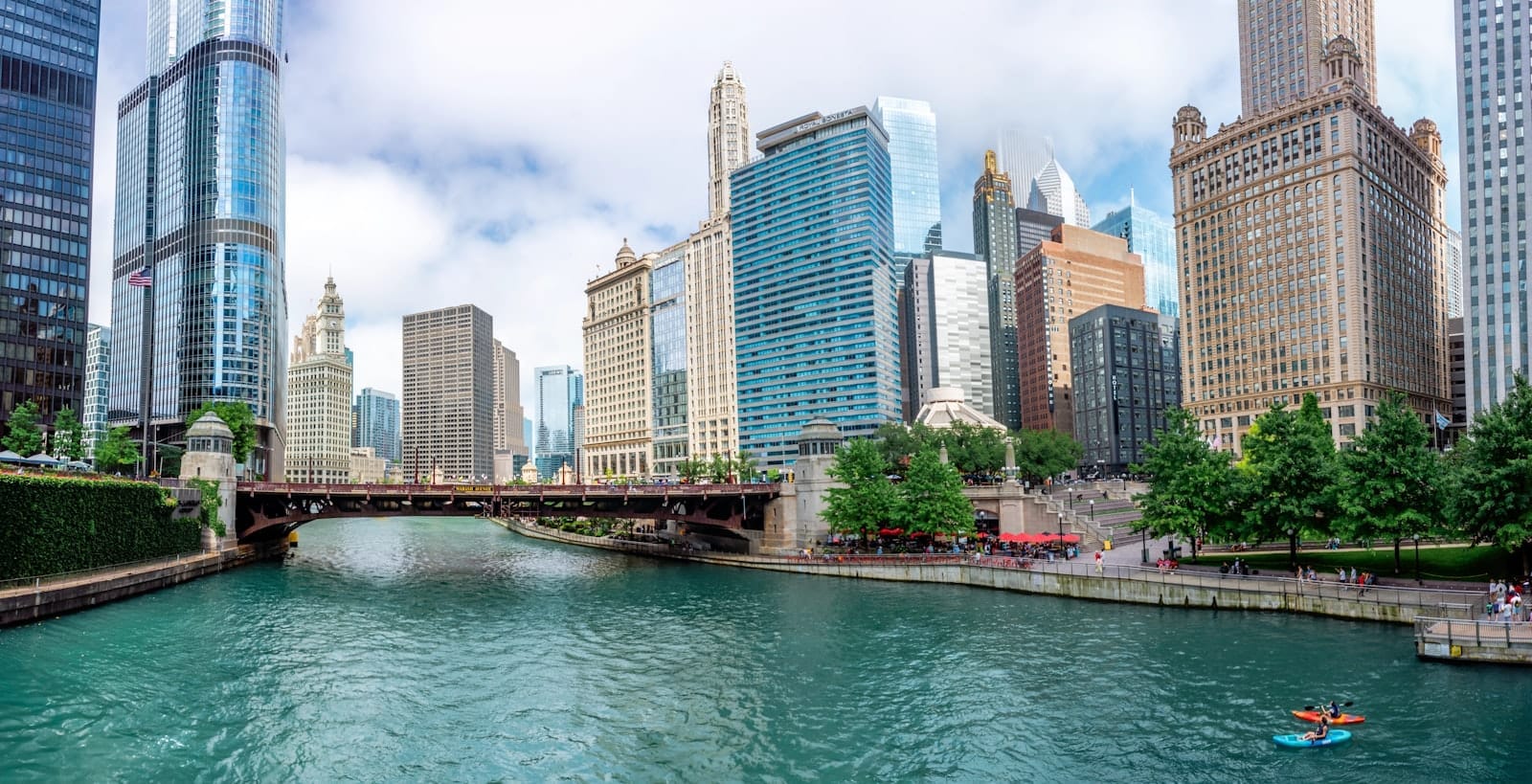
3. Walk the Chicago Riverwalk for Architecture Views
The 1.25-mile promenade along the south bank of the Chicago River puts skyscrapers, bridges, and boat tours at eye level. Grab a drink at one of the riverside bars and watch the bascule bridges lift for tall boats.
Explore3. Walk the Chicago Riverwalk for Architecture Views
The 1.25-mile promenade along the south bank of the Chicago River puts skyscrapers, bridges, and boat tours at eye level. Grab a drink at one of the riverside bars and watch the bascule bridges lift for tall boats.
Explore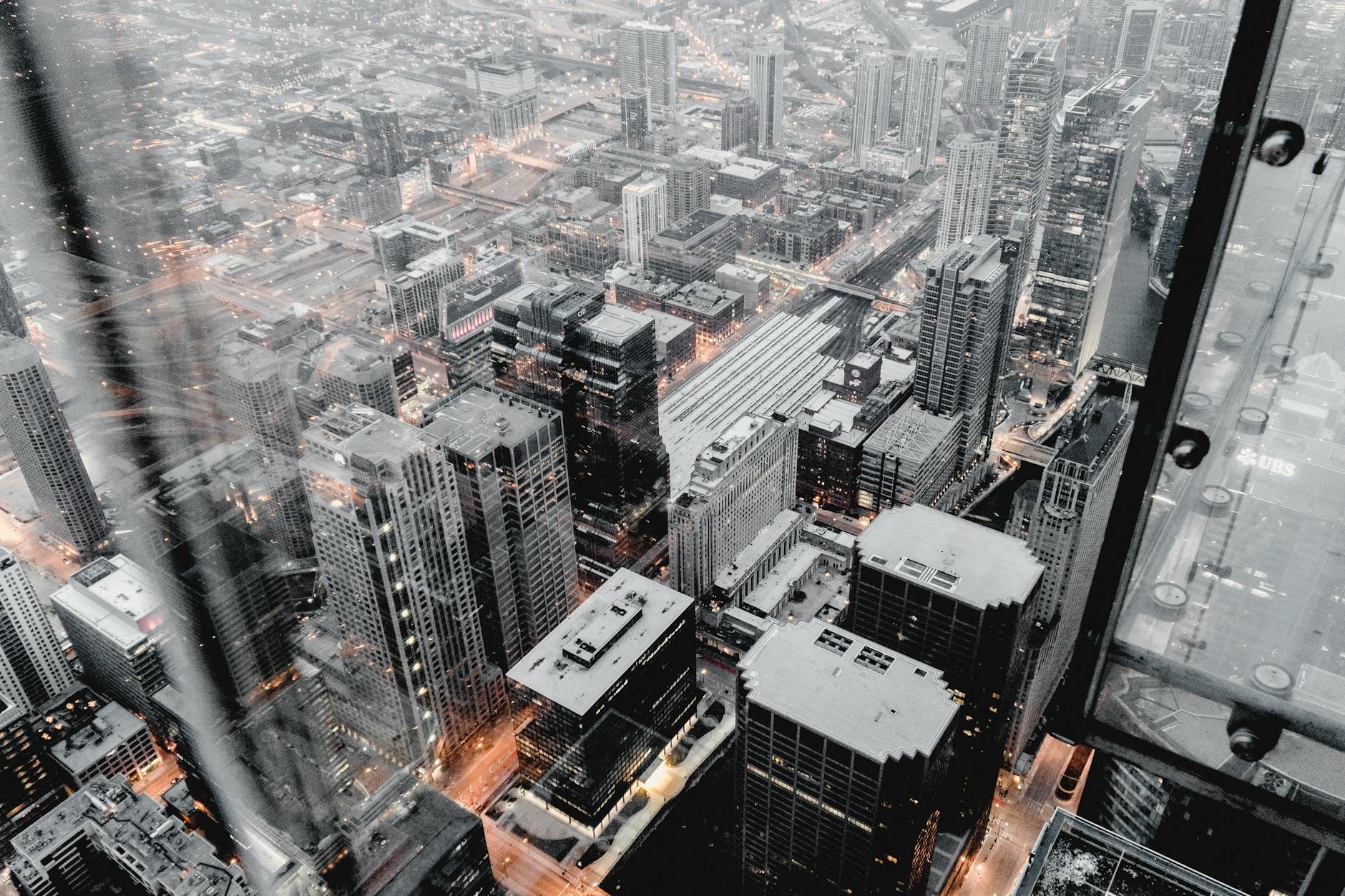
4. Step Out on the Ledge at Willis Tower's Skydeck
At 103 floors up, the glass-floored Ledge boxes extend four feet beyond the facade for a stomach-dropping view. On clear days visibility reaches 50 miles. Book tickets in advance to avoid long waits, especially in summer.
Explore4. Step Out on the Ledge at Willis Tower's Skydeck
At 103 floors up, the glass-floored Ledge boxes extend four feet beyond the facade for a stomach-dropping view. On clear days visibility reaches 50 miles. Book tickets in advance to avoid long waits, especially in summer.
Explore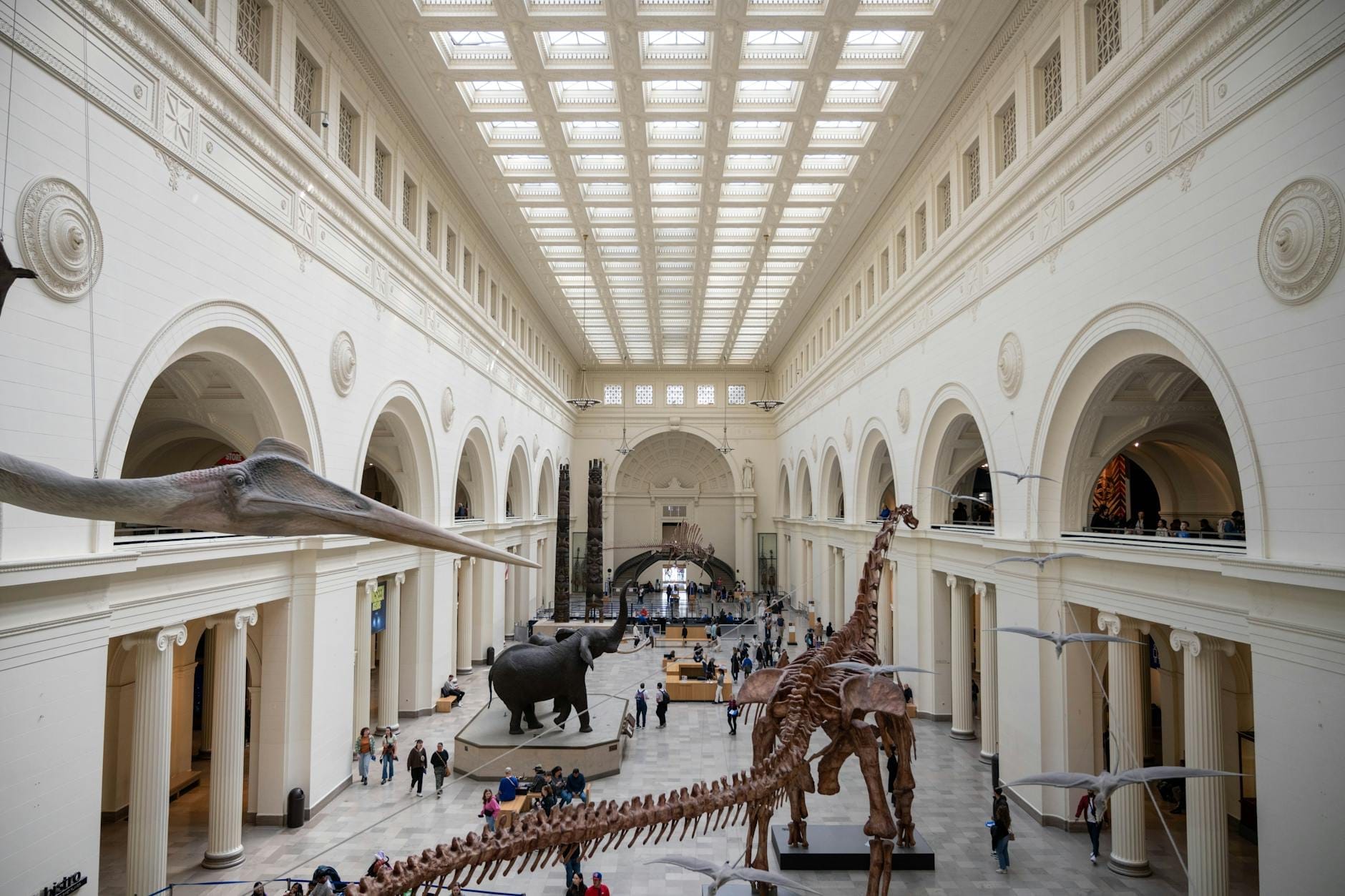
5. Spend a Full Day at the Field Museum on Museum Campus
Sue the T. rex, Egyptian mummies, and 40 million specimens in a stunning neoclassical lakefront building. Museum Campus groups this with Shedd Aquarium and Adler Planetarium within a short walk of each other.
Explore5. Spend a Full Day at the Field Museum on Museum Campus
Sue the T. rex, Egyptian mummies, and 40 million specimens in a stunning neoclassical lakefront building. Museum Campus groups this with Shedd Aquarium and Adler Planetarium within a short walk of each other.
Explore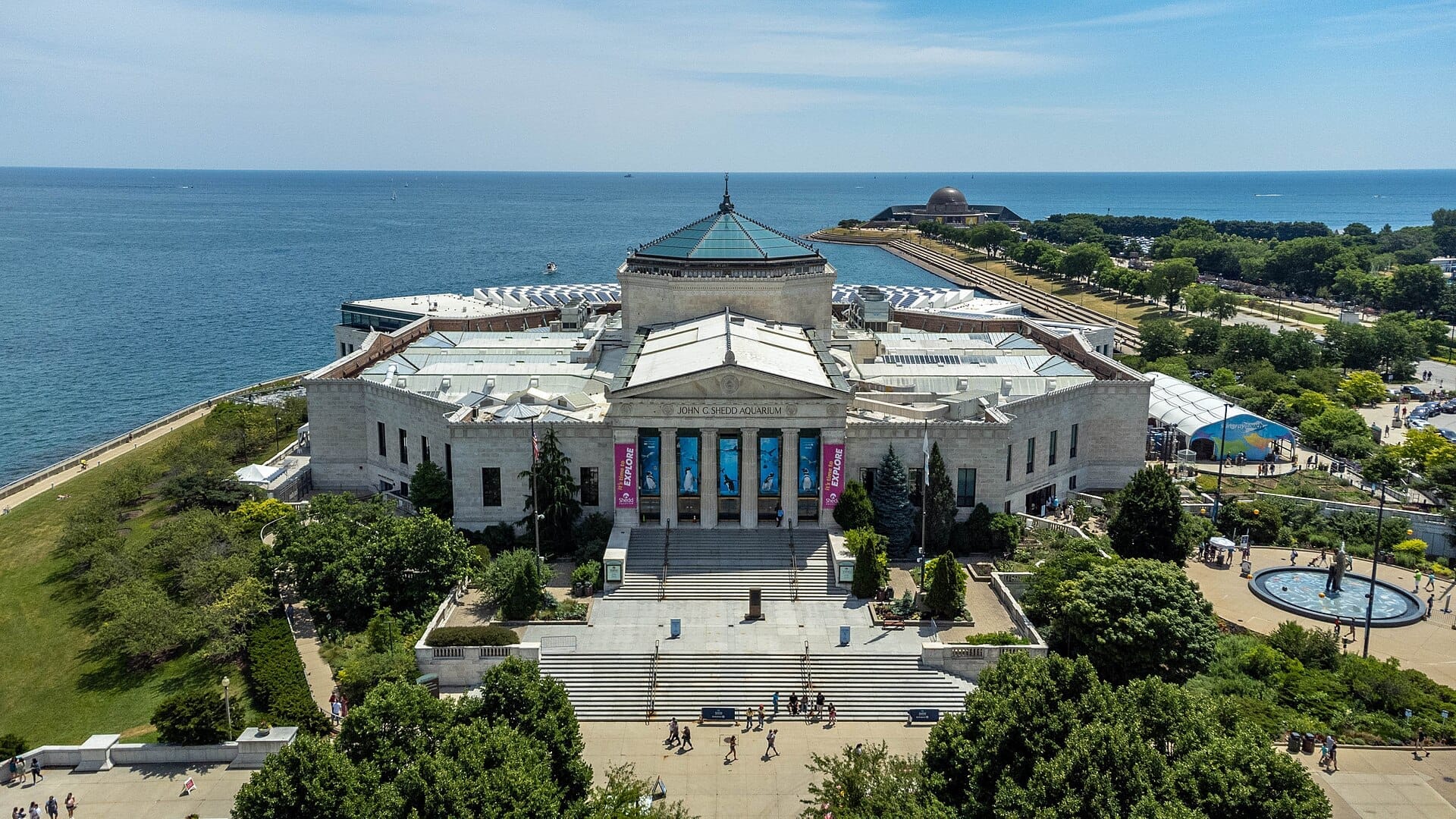
6. See Beluga Whales at the Shedd Aquarium
Over 32,000 animals in one of the world's finest indoor aquariums, with beluga whales, dolphin presentations, and a Caribbean reef exhibit. Book timed tickets online in summer as this sells out regularly.
Explore6. See Beluga Whales at the Shedd Aquarium
Over 32,000 animals in one of the world's finest indoor aquariums, with beluga whales, dolphin presentations, and a Caribbean reef exhibit. Book timed tickets online in summer as this sells out regularly.
Explore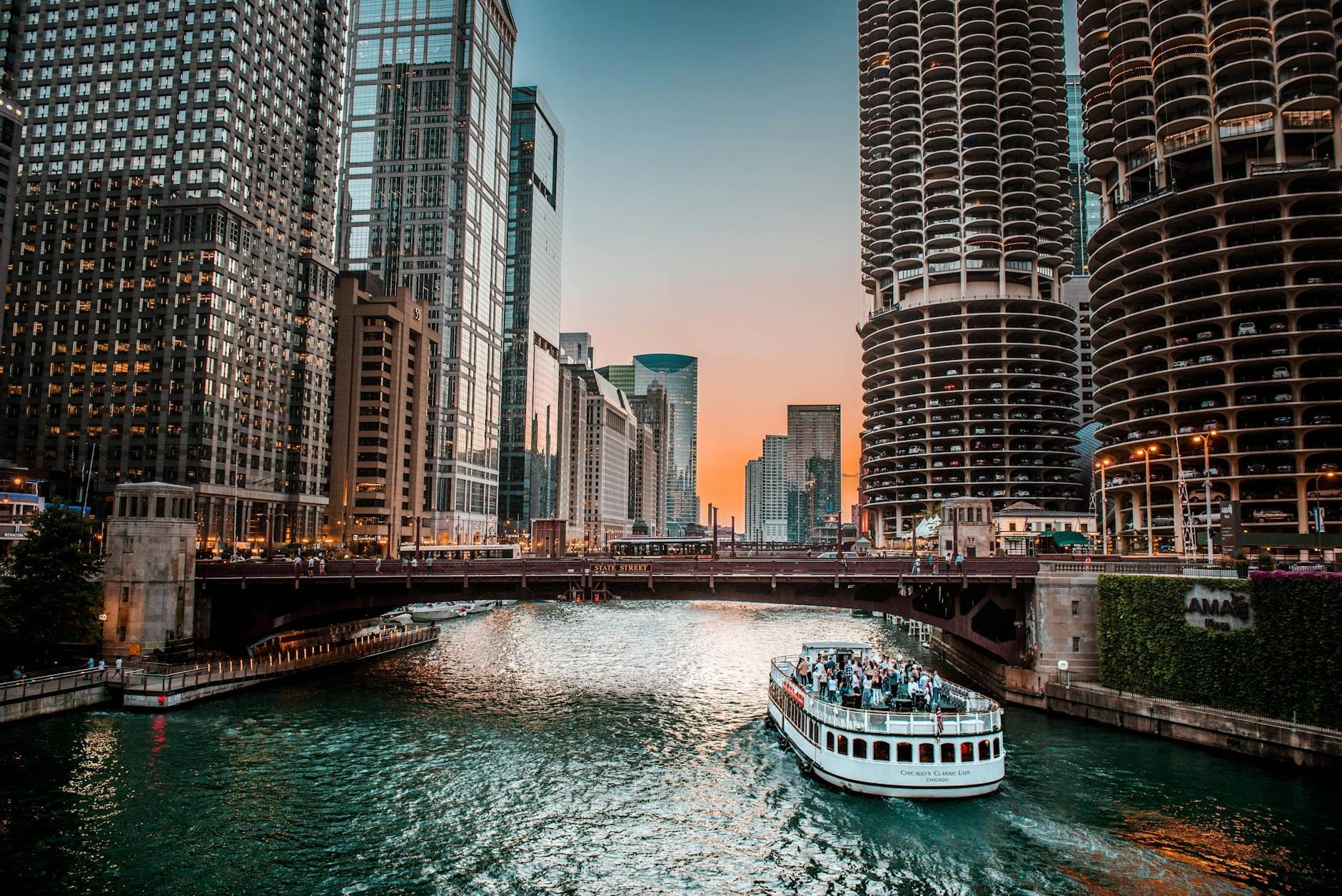
7. Take the Architecture River Cruise for the Best Skyline View
Ninety minutes on the water with a CAC docent covering over 50 buildings is the single best introduction to Chicago's skyline. Departs from the Riverwalk, spring through fall. Book the early morning cruise for the best light.
Explore7. Take the Architecture River Cruise for the Best Skyline View
Ninety minutes on the water with a CAC docent covering over 50 buildings is the single best introduction to Chicago's skyline. Departs from the Riverwalk, spring through fall. Book the early morning cruise for the best light.
ExploreMagnificent Mile & River North: Shopping, Art, and High-Rises
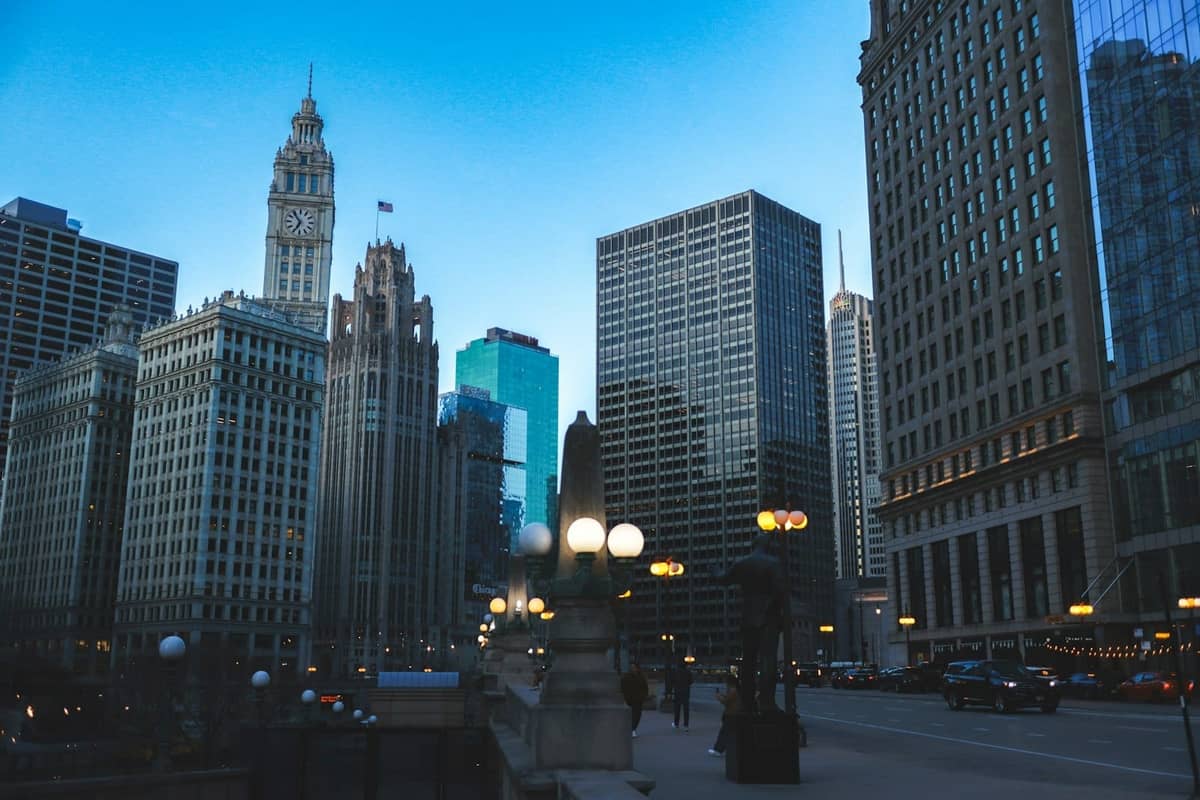
The stretch from the Chicago River north to Oak Street along Michigan Avenue is where most first-time visitors spend their first hours. The Magnificent Mile and Streeterville area delivers flagship stores, landmark buildings, and easy lakefront access. Just west, River North holds the city's densest gallery district and some of its most visited bars and restaurants.
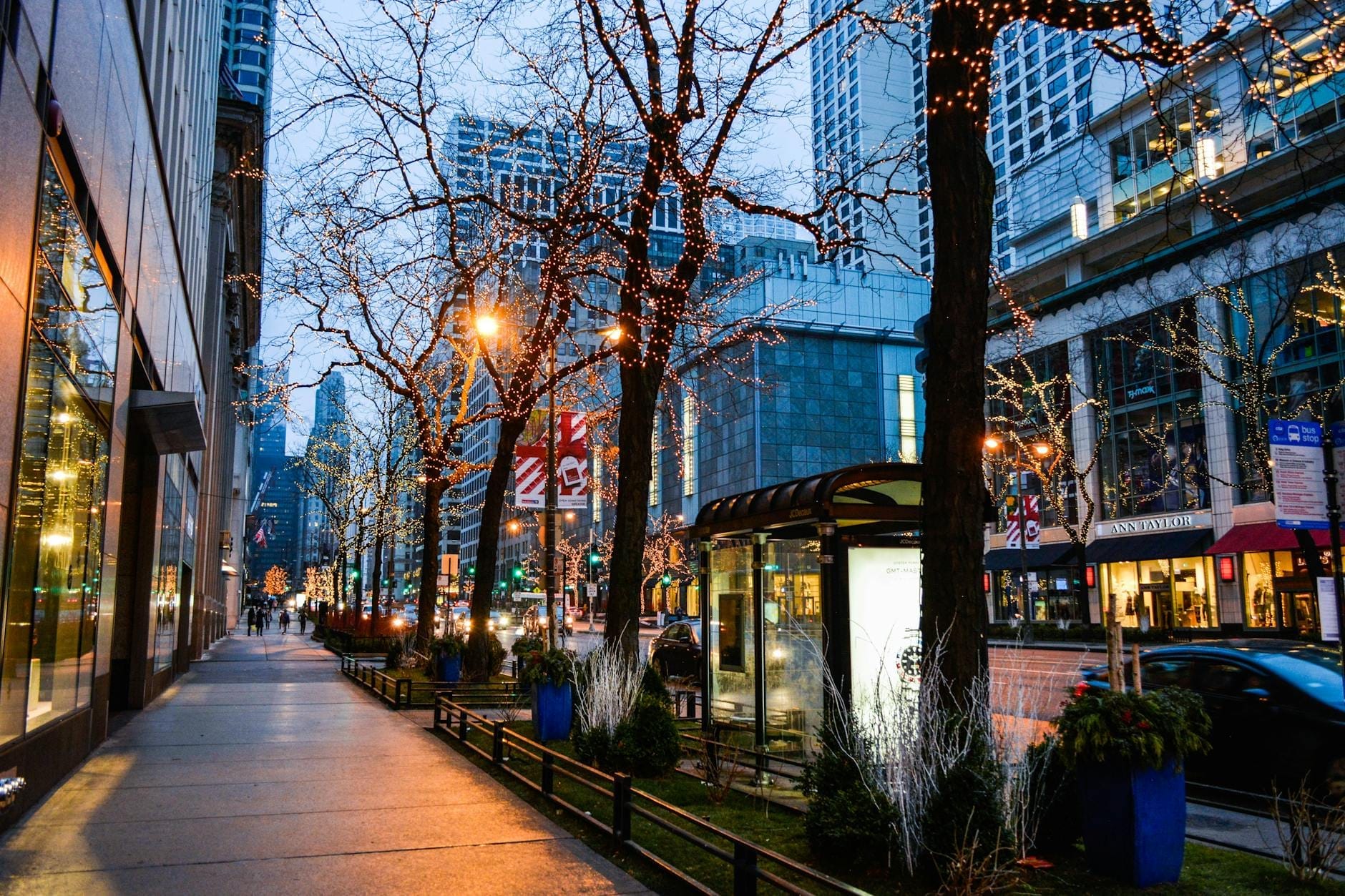
8. Walk the Magnificent Mile for Architecture and Flagship Stores
Thirteen blocks of Michigan Avenue lined with historic towers, luxury hotels, and flagship retailers from Apple to Bloomingdale's. Even non-shoppers should walk it once for Tribune Tower, the Wrigley Building, and the water tower.
Explore8. Walk the Magnificent Mile for Architecture and Flagship Stores
Thirteen blocks of Michigan Avenue lined with historic towers, luxury hotels, and flagship retailers from Apple to Bloomingdale's. Even non-shoppers should walk it once for Tribune Tower, the Wrigley Building, and the water tower.
Explore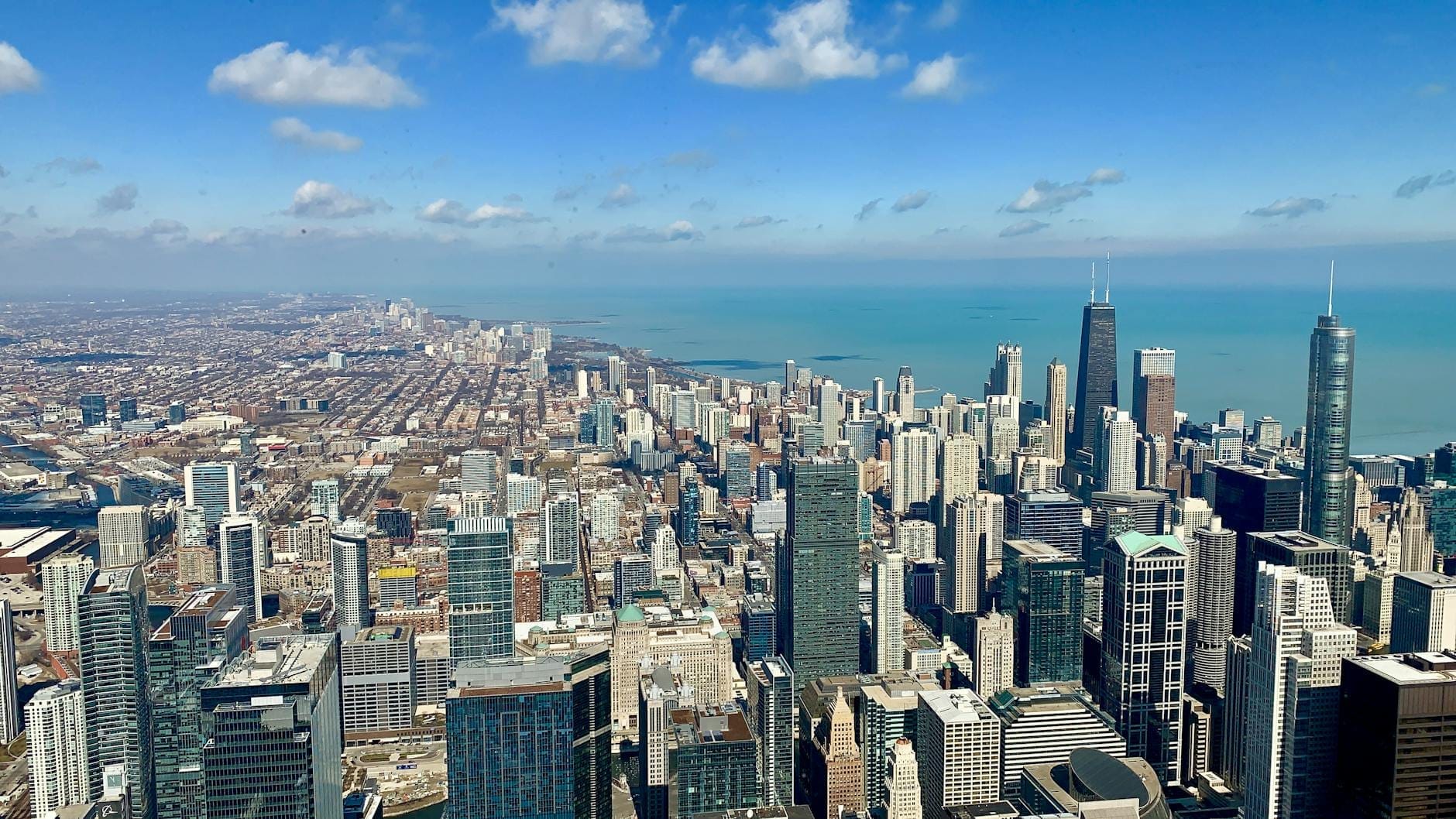
9. Tilt Over Michigan Avenue at 360 CHICAGO
The 94th-floor observation deck at 875 North Michigan Avenue offers sweeping views of the lake and skyline, plus the TILT experience that rotates visitors 30 degrees outward over the street. A strong alternative to Willis Tower for lakefront views.
Explore9. Tilt Over Michigan Avenue at 360 CHICAGO
The 94th-floor observation deck at 875 North Michigan Avenue offers sweeping views of the lake and skyline, plus the TILT experience that rotates visitors 30 degrees outward over the street. A strong alternative to Willis Tower for lakefront views.
Explore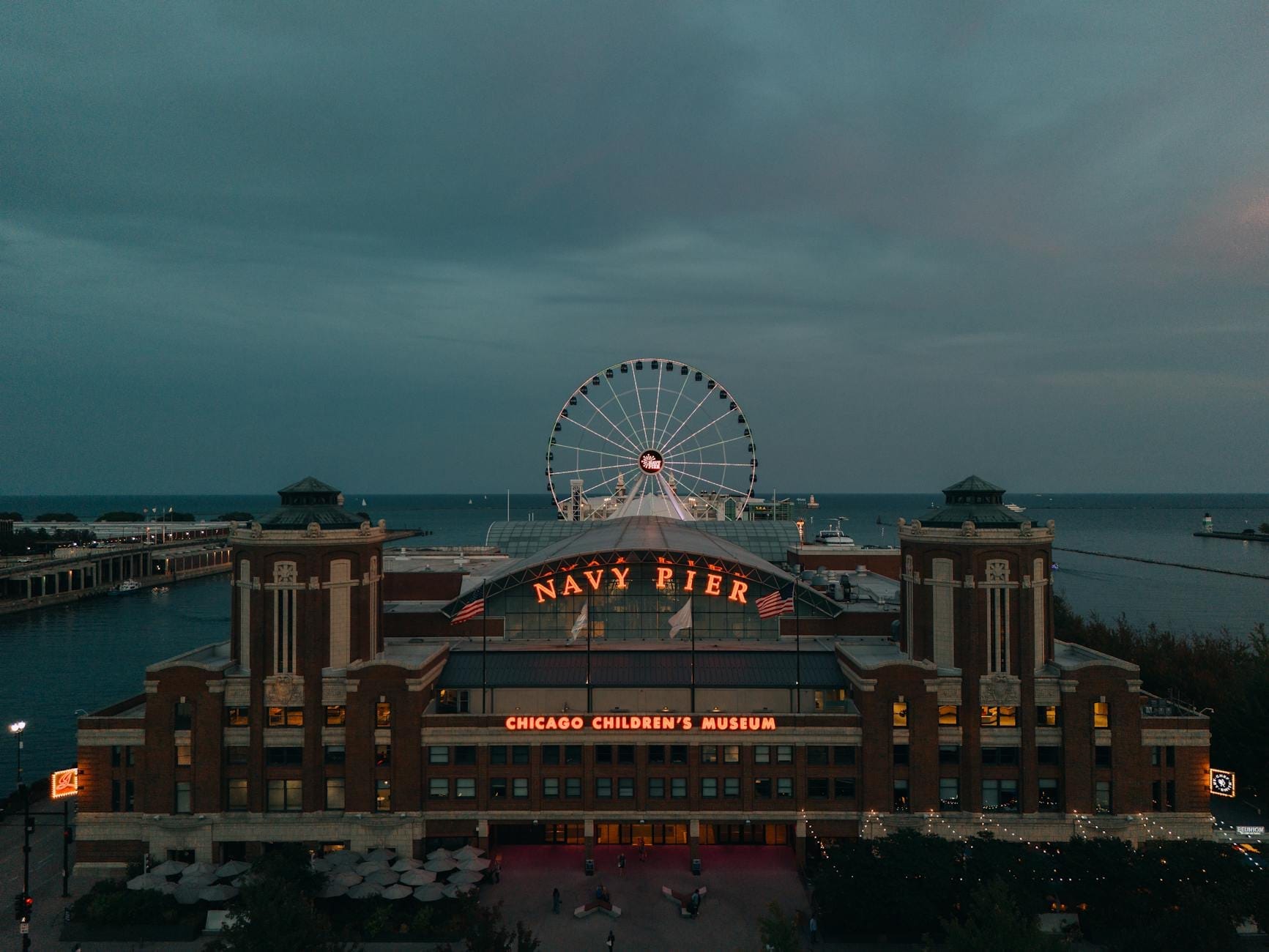
10. Catch Summer Fireworks from Navy Pier
Half a mile into Lake Michigan with a Ferris wheel, Chicago Shakespeare Theater, beer gardens, and summer fireworks every Wednesday and Saturday. Best visited in the evening when the skyline light is dramatic across the water.
Explore10. Catch Summer Fireworks from Navy Pier
Half a mile into Lake Michigan with a Ferris wheel, Chicago Shakespeare Theater, beer gardens, and summer fireworks every Wednesday and Saturday. Best visited in the evening when the skyline light is dramatic across the water.
Explore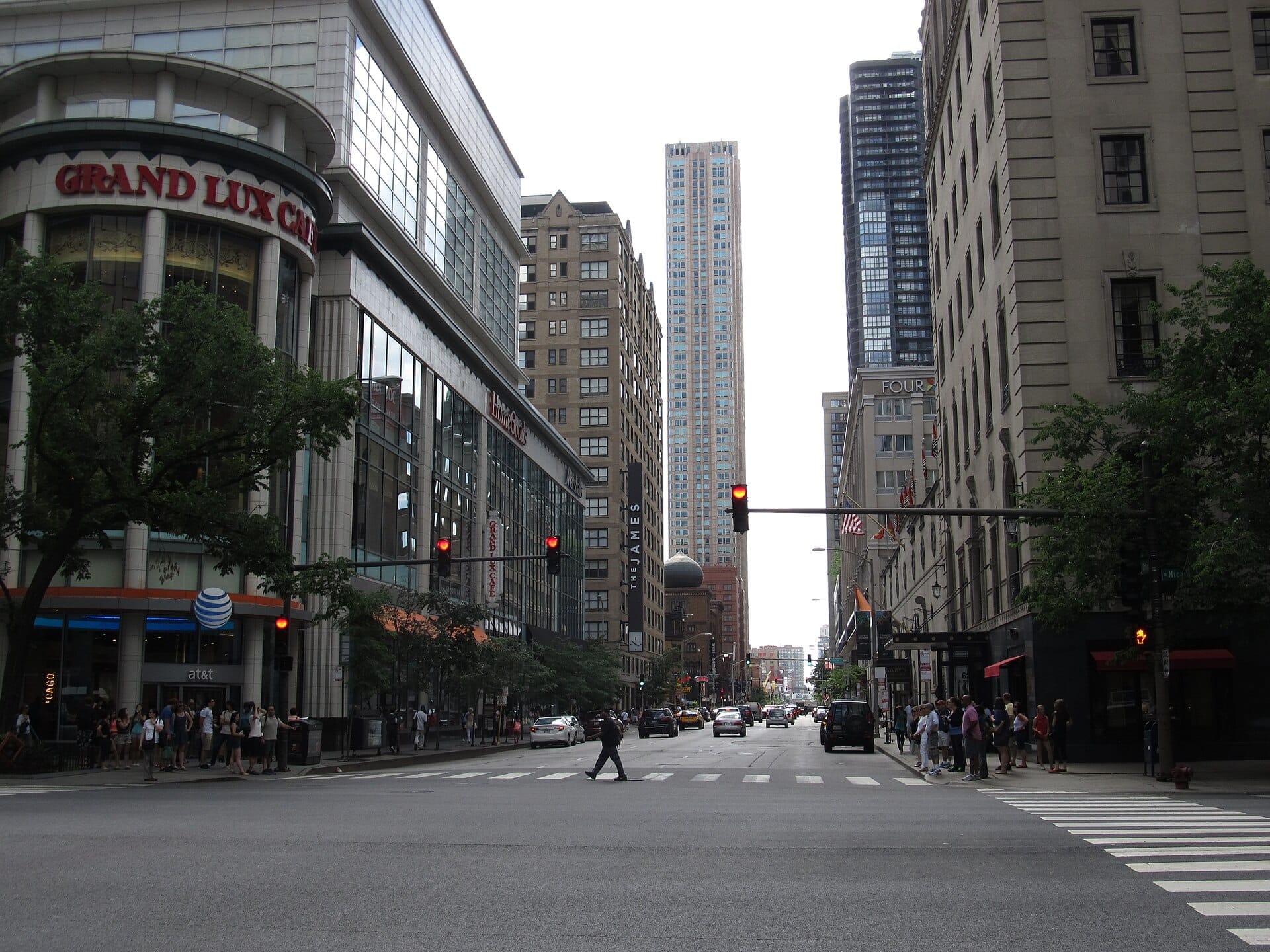
11. Browse Chicago's Gallery District in River North
The highest concentration of art galleries outside Manhattan clusters around Superior and Franklin Streets. First Fridays draw large crowds to openings. Most galleries are free to enter and open Tuesday through Saturday.
Explore11. Browse Chicago's Gallery District in River North
The highest concentration of art galleries outside Manhattan clusters around Superior and Franklin Streets. First Fridays draw large crowds to openings. Most galleries are free to enter and open Tuesday through Saturday.
Explore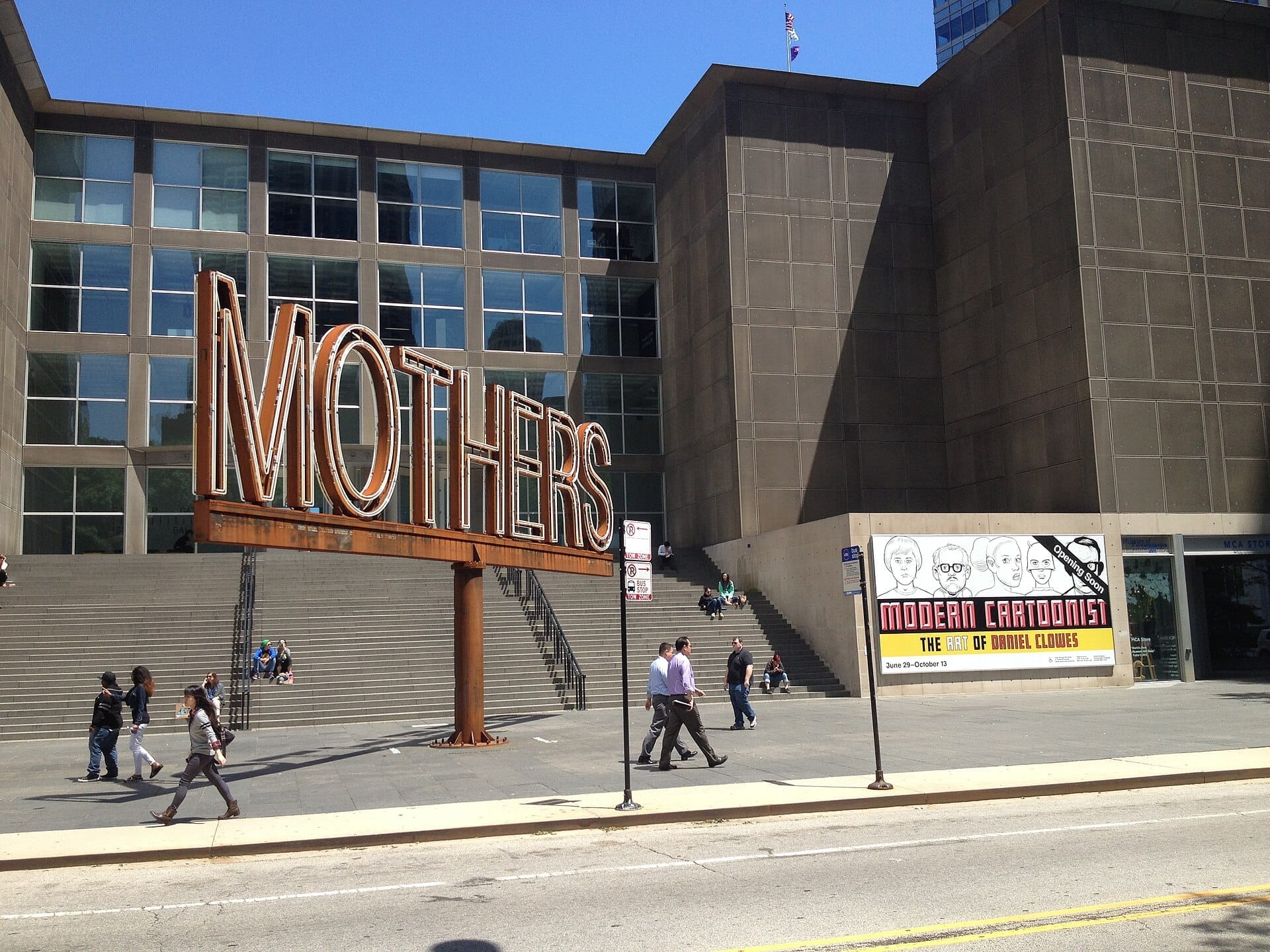
12. Challenge Your Assumptions at the MCA Chicago
One of the largest contemporary art museums in the U.S., steps from Water Tower Place, with consistently provocative exhibitions across painting, sculpture, and performance art. The rooftop terrace adds a lake view bonus.
Explore12. Challenge Your Assumptions at the MCA Chicago
One of the largest contemporary art museums in the U.S., steps from Water Tower Place, with consistently provocative exhibitions across painting, sculpture, and performance art. The rooftop terrace adds a lake view bonus.
ExploreLincoln Park & Old Town: The North Side's Green Heart
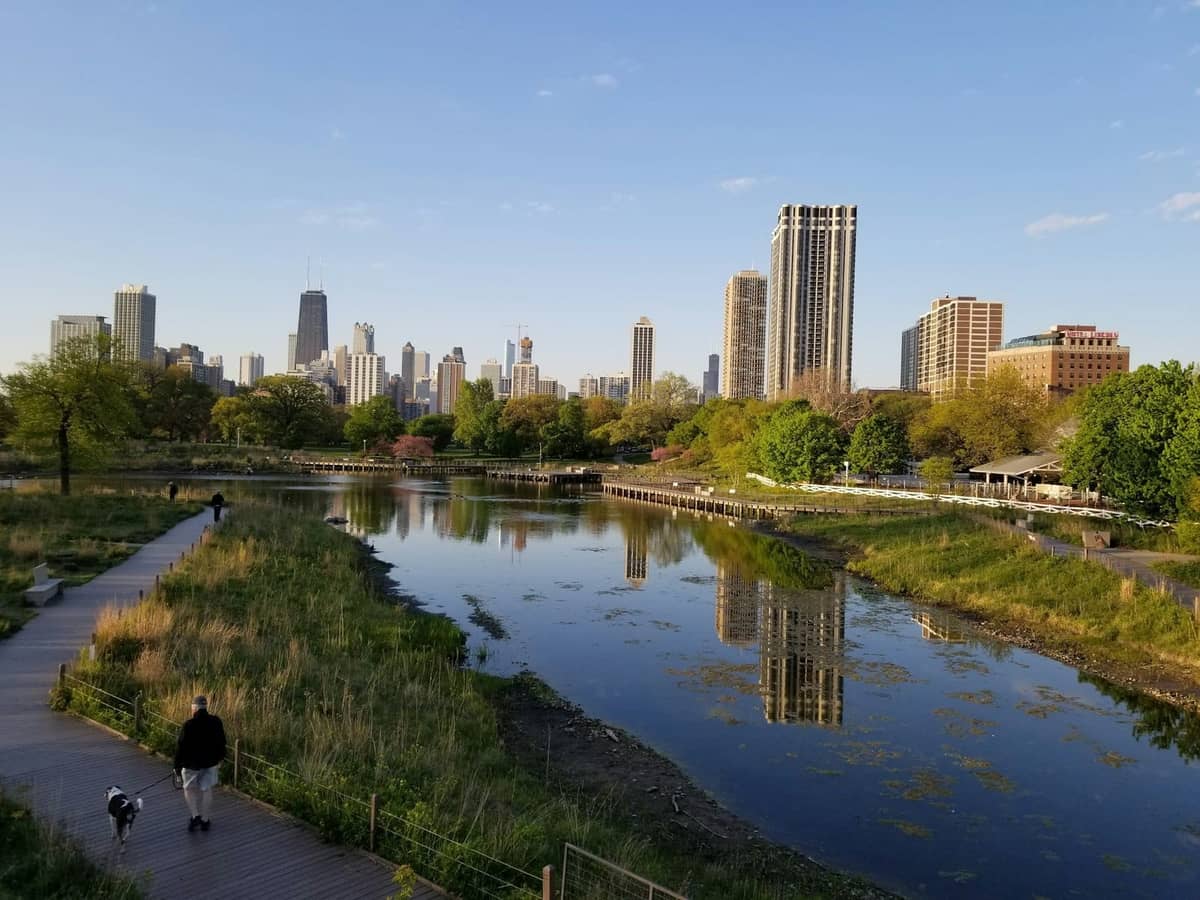
Lincoln Park is one of Chicago's most livable neighborhoods, stretching along part of the North Side lakefront. It pairs urban greenspace and a free zoo with a sophisticated dining and nightlife scene in Old Town. This is also where you'll find some of Chicago's best theater and live blues. See the full Chicago with kids guide for more family-friendly options in this area.
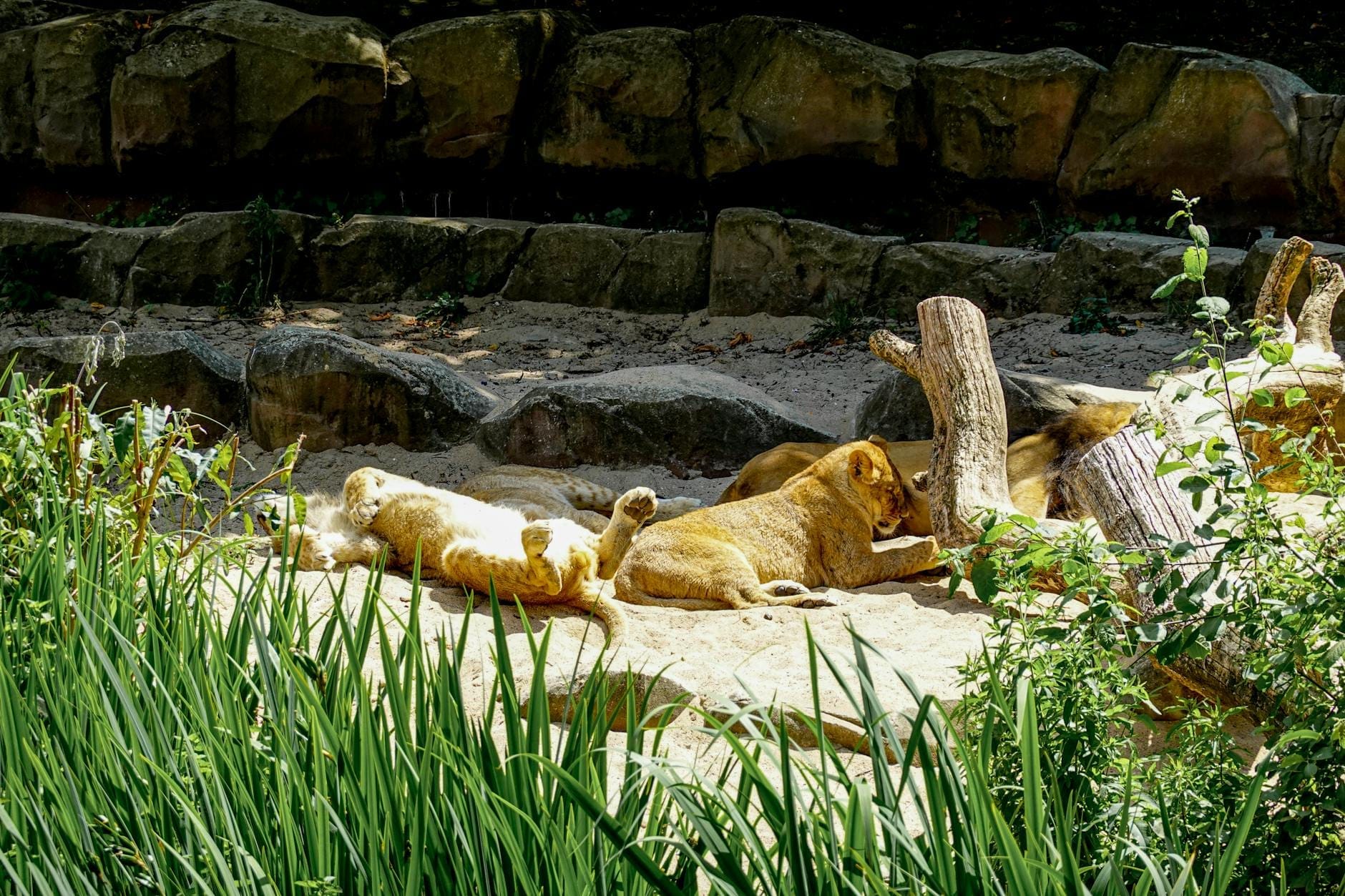
13. Visit One of America's Last Free Zoos in Lincoln Park
Over 1,000 animals across 35 beautifully landscaped lakefront acres, free every day of the year. The gorilla house, polar bear exhibit, and farm-in-the-zoo make this a genuine half-day destination for families and solo visitors alike.
Explore13. Visit One of America's Last Free Zoos in Lincoln Park
Over 1,000 animals across 35 beautifully landscaped lakefront acres, free every day of the year. The gorilla house, polar bear exhibit, and farm-in-the-zoo make this a genuine half-day destination for families and solo visitors alike.
Explore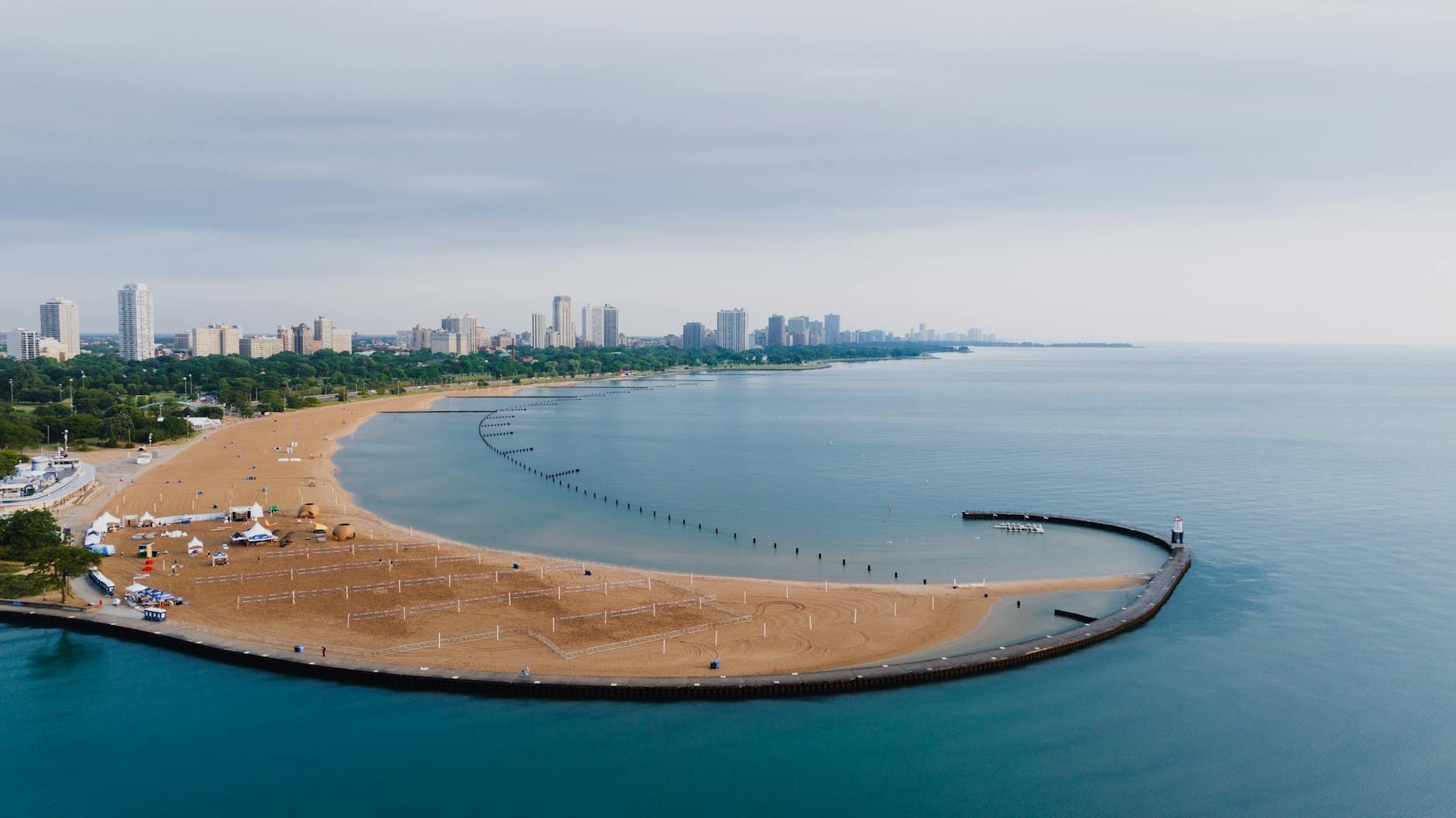
14. Join Chicago's Summer Social Scene at North Avenue Beach
The city's most popular urban beach has a steamship-shaped beach house, volleyball courts, a rooftop bar, and one of the finest skyline views in Chicago looking south across the water. Arrive early on summer weekends.
Explore14. Join Chicago's Summer Social Scene at North Avenue Beach
The city's most popular urban beach has a steamship-shaped beach house, volleyball courts, a rooftop bar, and one of the finest skyline views in Chicago looking south across the water. Arrive early on summer weekends.
Explore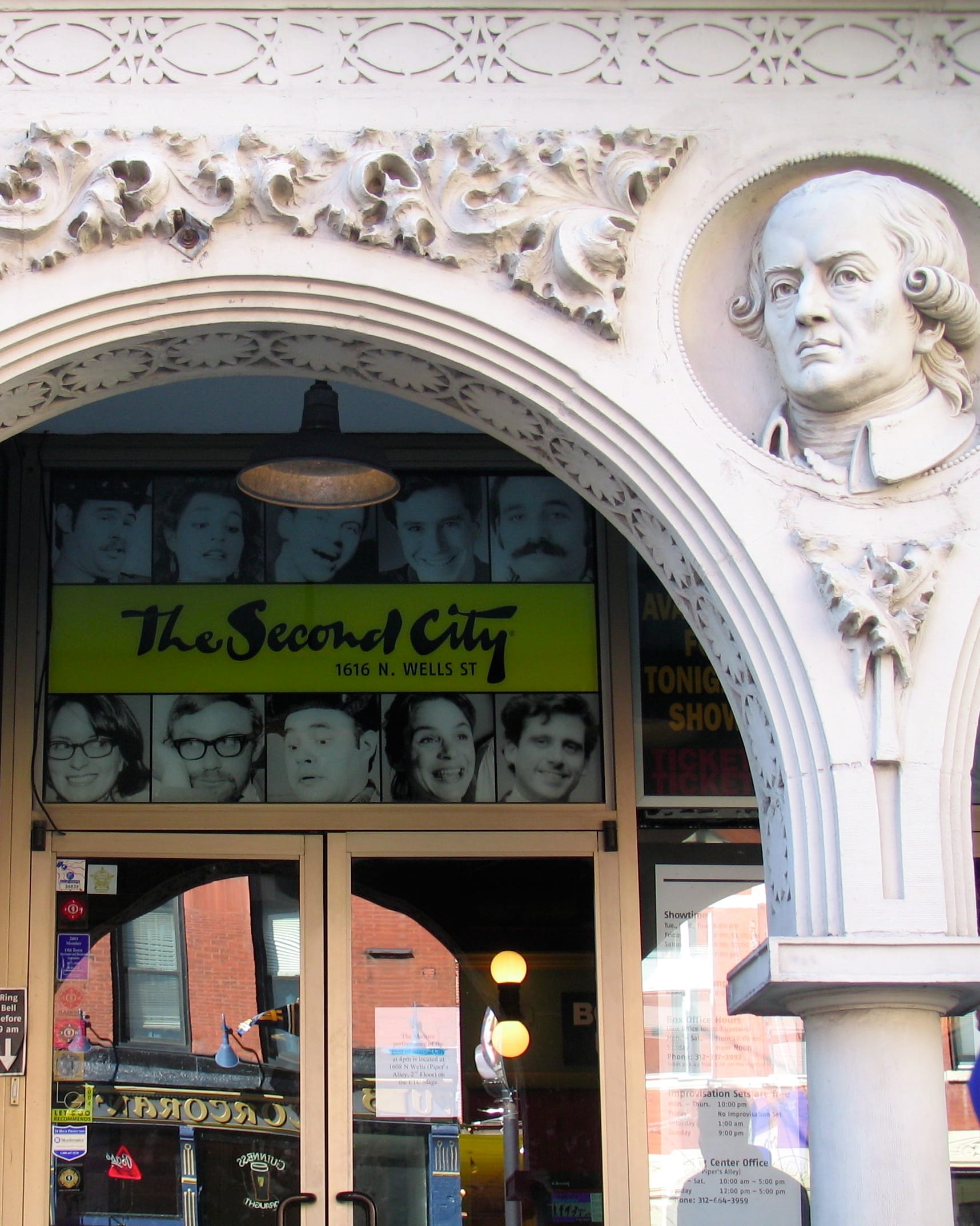
15. Catch a Show at the Legendary Second City Comedy Club
The Old Town club that launched John Belushi, Tina Fey, and Stephen Colbert still runs nightly shows from polished mainstage revues to experimental late-night sets. The late Friday and Saturday sets are the most raw and unpredictable.
Explore15. Catch a Show at the Legendary Second City Comedy Club
The Old Town club that launched John Belushi, Tina Fey, and Stephen Colbert still runs nightly shows from polished mainstage revues to experimental late-night sets. The late Friday and Saturday sets are the most raw and unpredictable.
Explore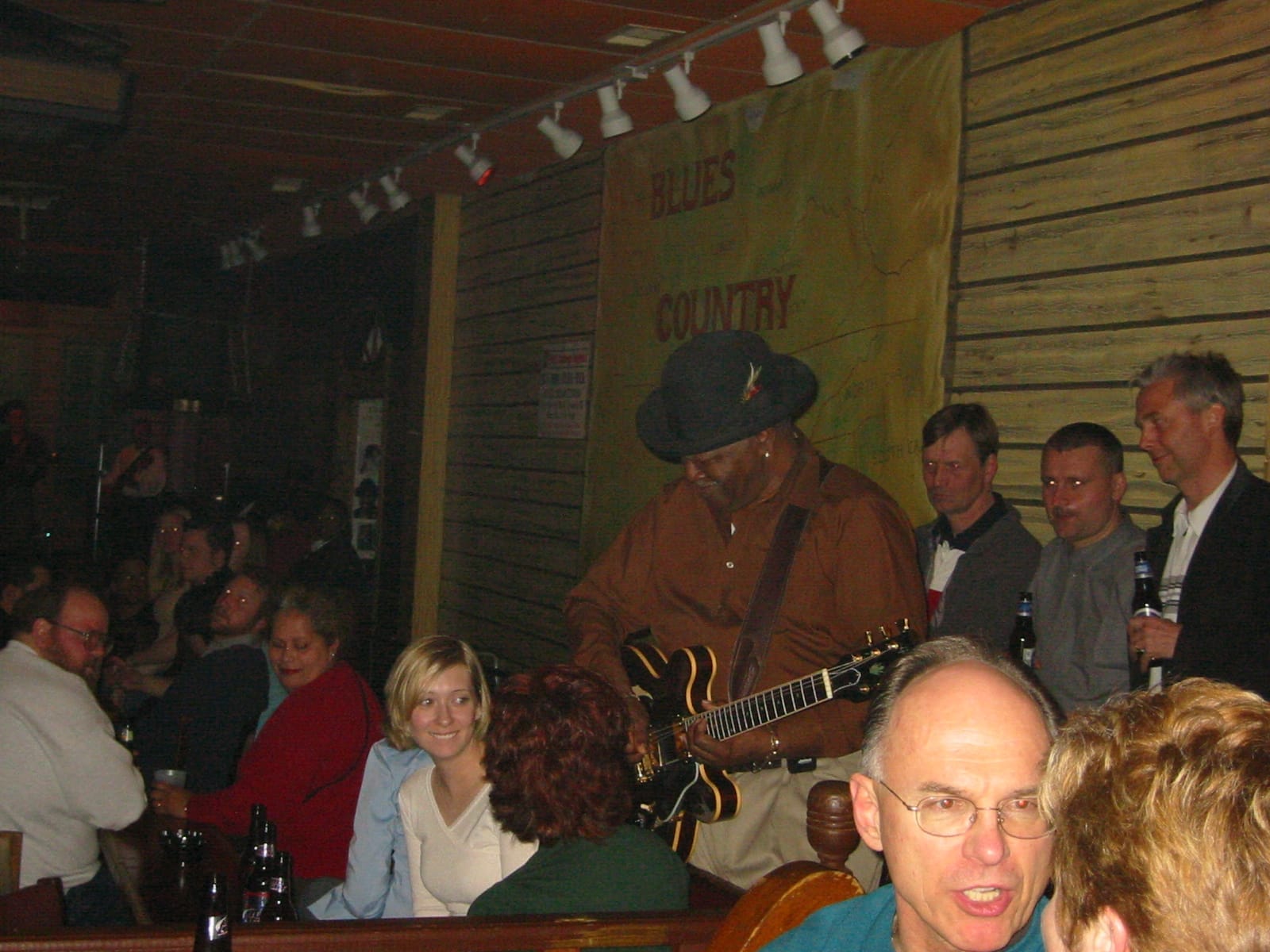
16. Stay Out Late for Blues at Kingston Mines
Chicago's oldest continuously operating blues club runs two stages simultaneously until 4am on weekends in Lincoln Park. No venue in the city delivers a more authentic late-night blues experience. Cover charge applies, but walk-ins are welcome.
Explore16. Stay Out Late for Blues at Kingston Mines
Chicago's oldest continuously operating blues club runs two stages simultaneously until 4am on weekends in Lincoln Park. No venue in the city delivers a more authentic late-night blues experience. Cover charge applies, but walk-ins are welcome.
ExploreLakeview, Wrigleyville & Andersonville: Neighborhoods with Character
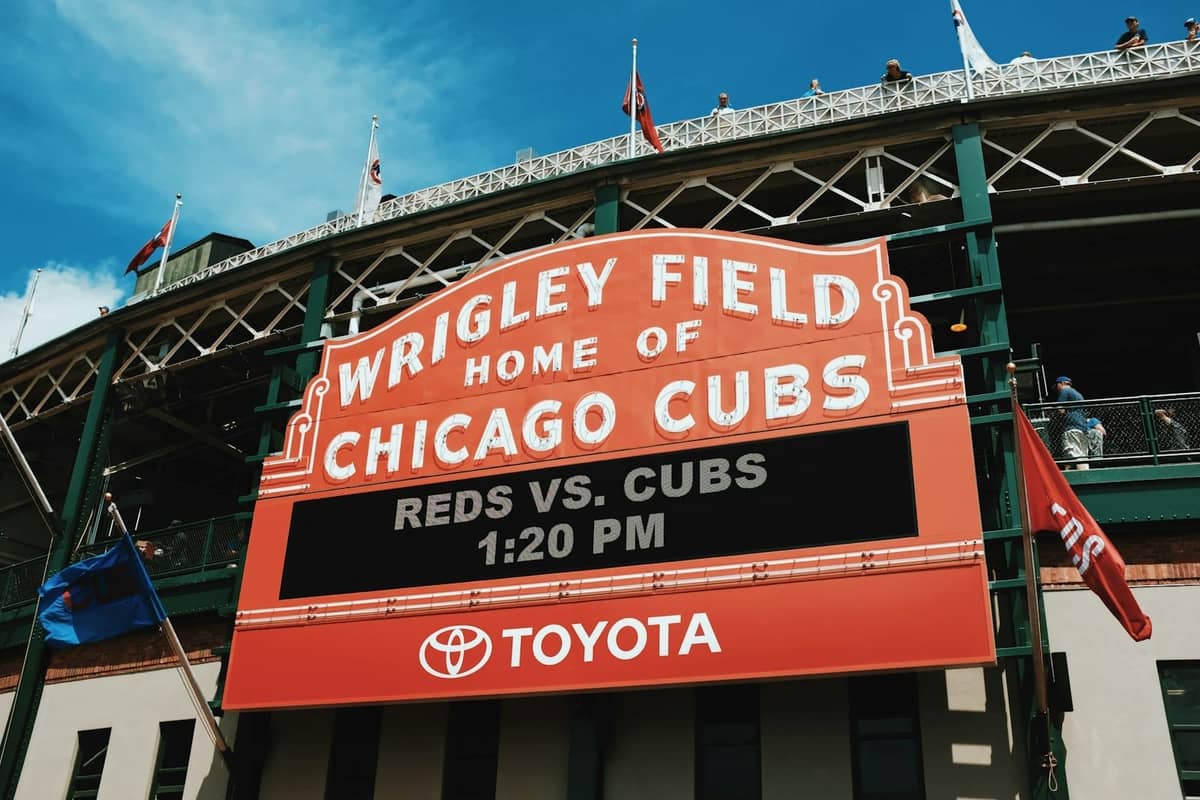
Heading further north on the Red Line takes you into some of Chicago's most character-rich residential neighborhoods. Wrigleyville's identity is inseparable from the Cubs. Boystown is one of America's most historic LGBTQ+ districts. And Andersonville, a bit further north, delivers one of the city's best independent shopping and dining streets. The Andersonville and Uptown area also contains Uptown's extraordinary concentration of historic music venues.
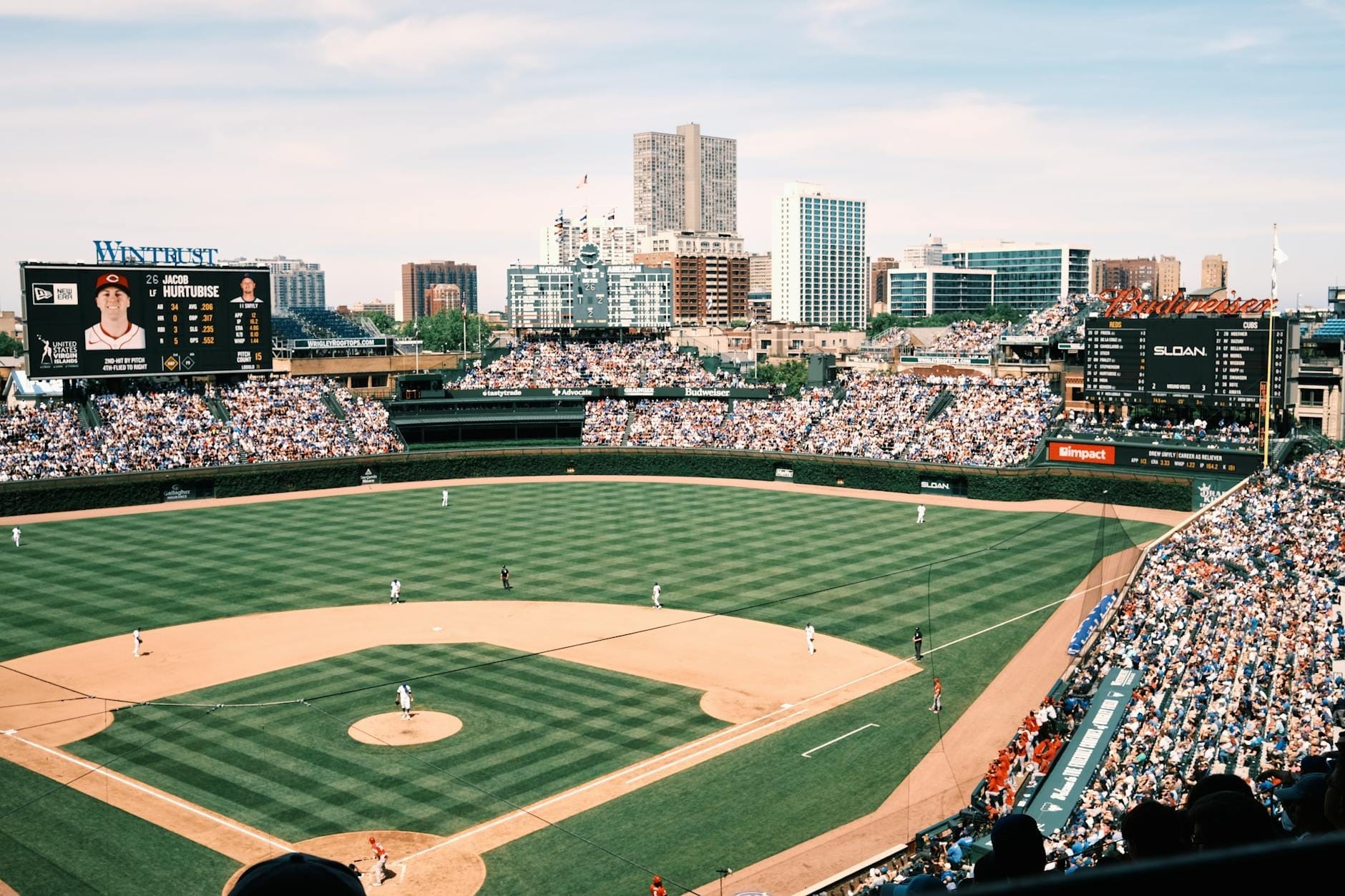
17. Catch a Cubs Game at Wrigley Field
Built in 1914, this ivy-covered North Side landmark is the second-oldest MLB stadium in America. The hand-operated scoreboard, rooftop bleachers across the street, and the surrounding Wrigleyville bar scene make game day a full neighborhood event.
Explore17. Catch a Cubs Game at Wrigley Field
Built in 1914, this ivy-covered North Side landmark is the second-oldest MLB stadium in America. The hand-operated scoreboard, rooftop bleachers across the street, and the surrounding Wrigleyville bar scene make game day a full neighborhood event.
Explore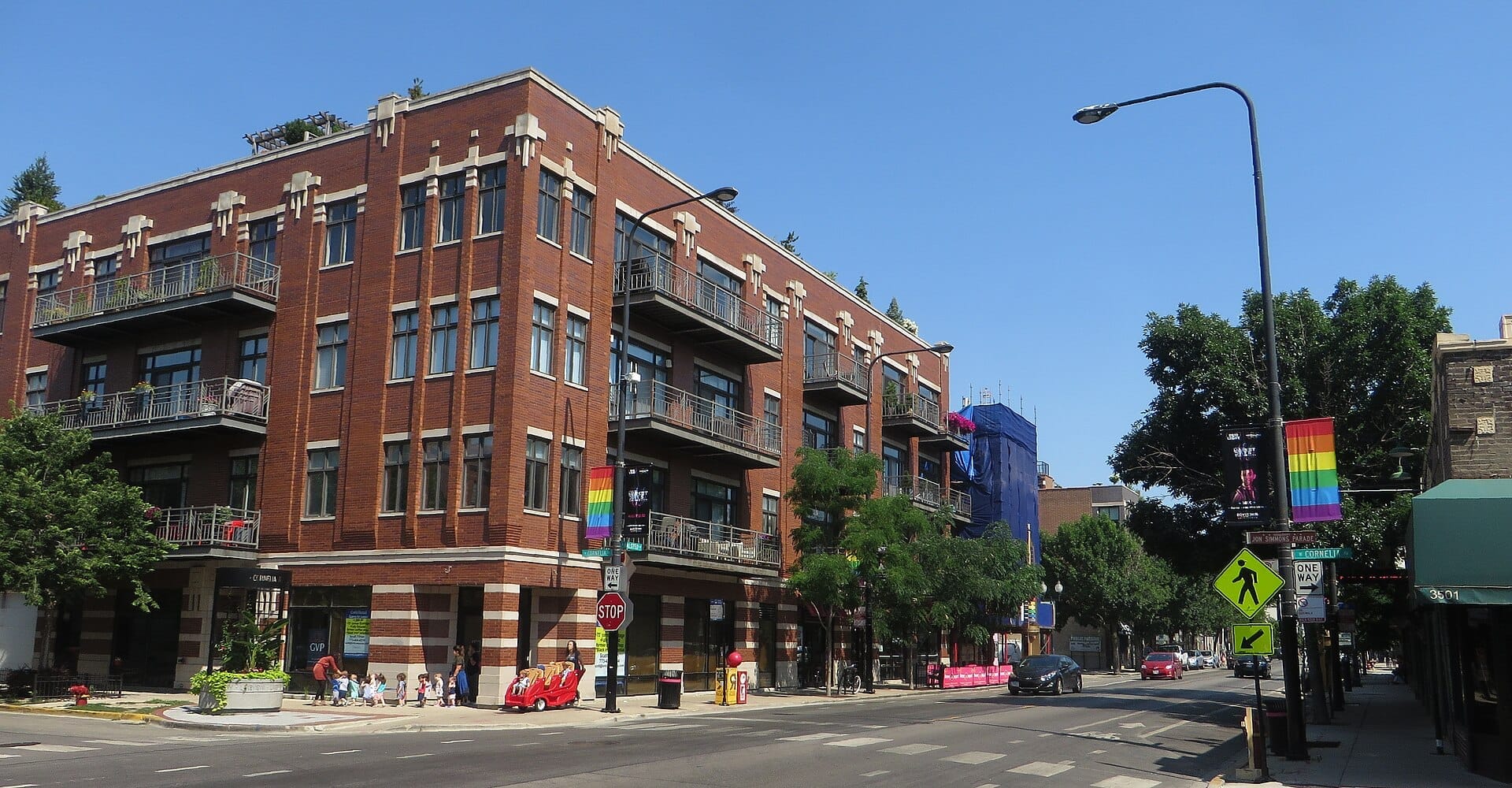
18. Explore Boystown, One of America's First Recognized LGBTQ+ Districts
Rainbow pylons mark the North Halsted Street corridor that has been the heart of Chicago's LGBTQ+ community for decades. Bars, restaurants, and community spaces line the street, welcoming visitors of all backgrounds year-round.
Explore18. Explore Boystown, One of America's First Recognized LGBTQ+ Districts
Rainbow pylons mark the North Halsted Street corridor that has been the heart of Chicago's LGBTQ+ community for decades. Bars, restaurants, and community spaces line the street, welcoming visitors of all backgrounds year-round.
Explore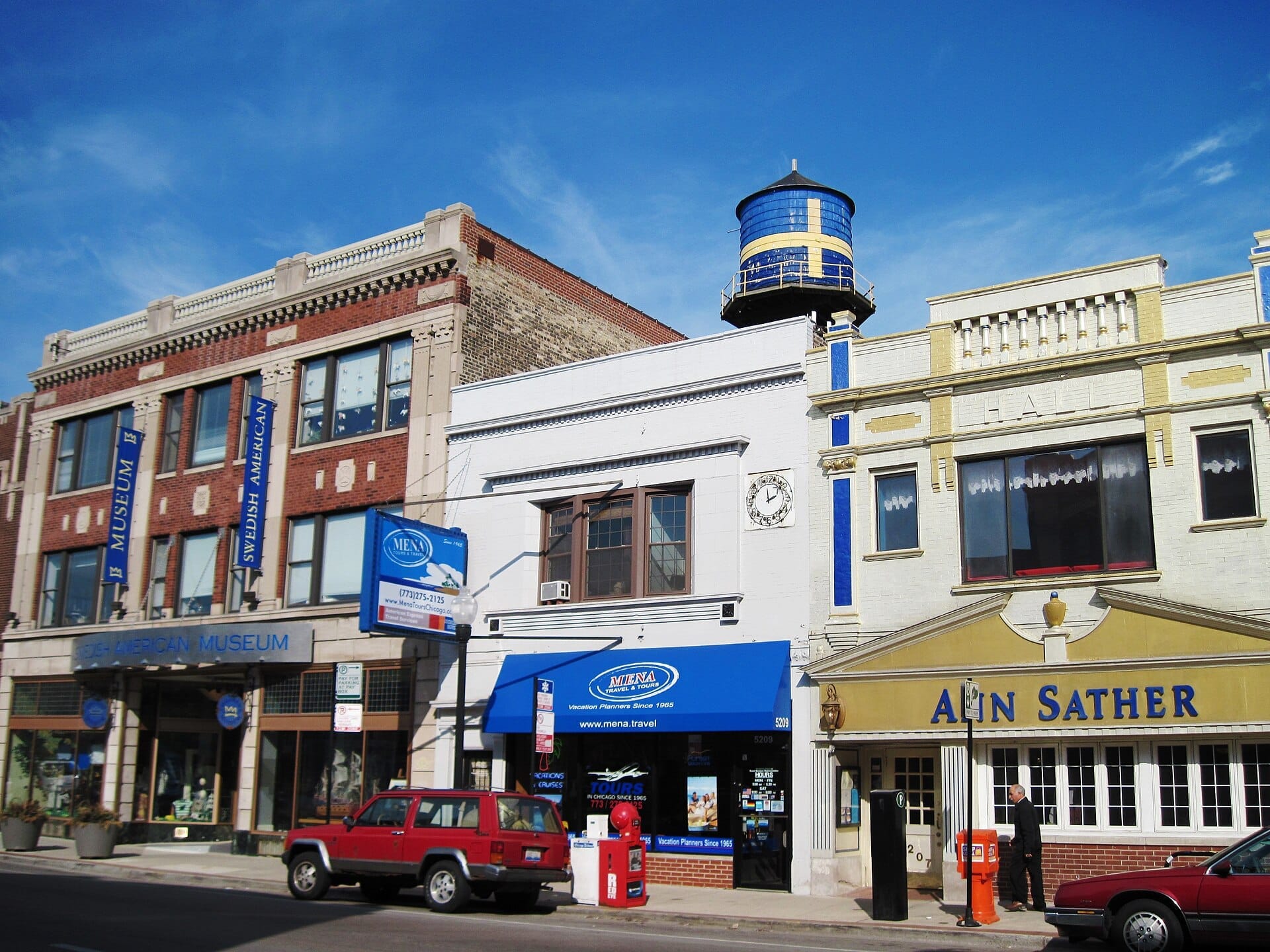
19. Shop Independent Boutiques Along Andersonville's Clark Street
One of Chicago's best independent retail corridors, with women-owned boutiques, used bookstores, vintage shops, and specialty food stores concentrated along Clark Street. A refreshing and genuinely local alternative to the chain-heavy Mag Mile.
Explore19. Shop Independent Boutiques Along Andersonville's Clark Street
One of Chicago's best independent retail corridors, with women-owned boutiques, used bookstores, vintage shops, and specialty food stores concentrated along Clark Street. A refreshing and genuinely local alternative to the chain-heavy Mag Mile.
Explore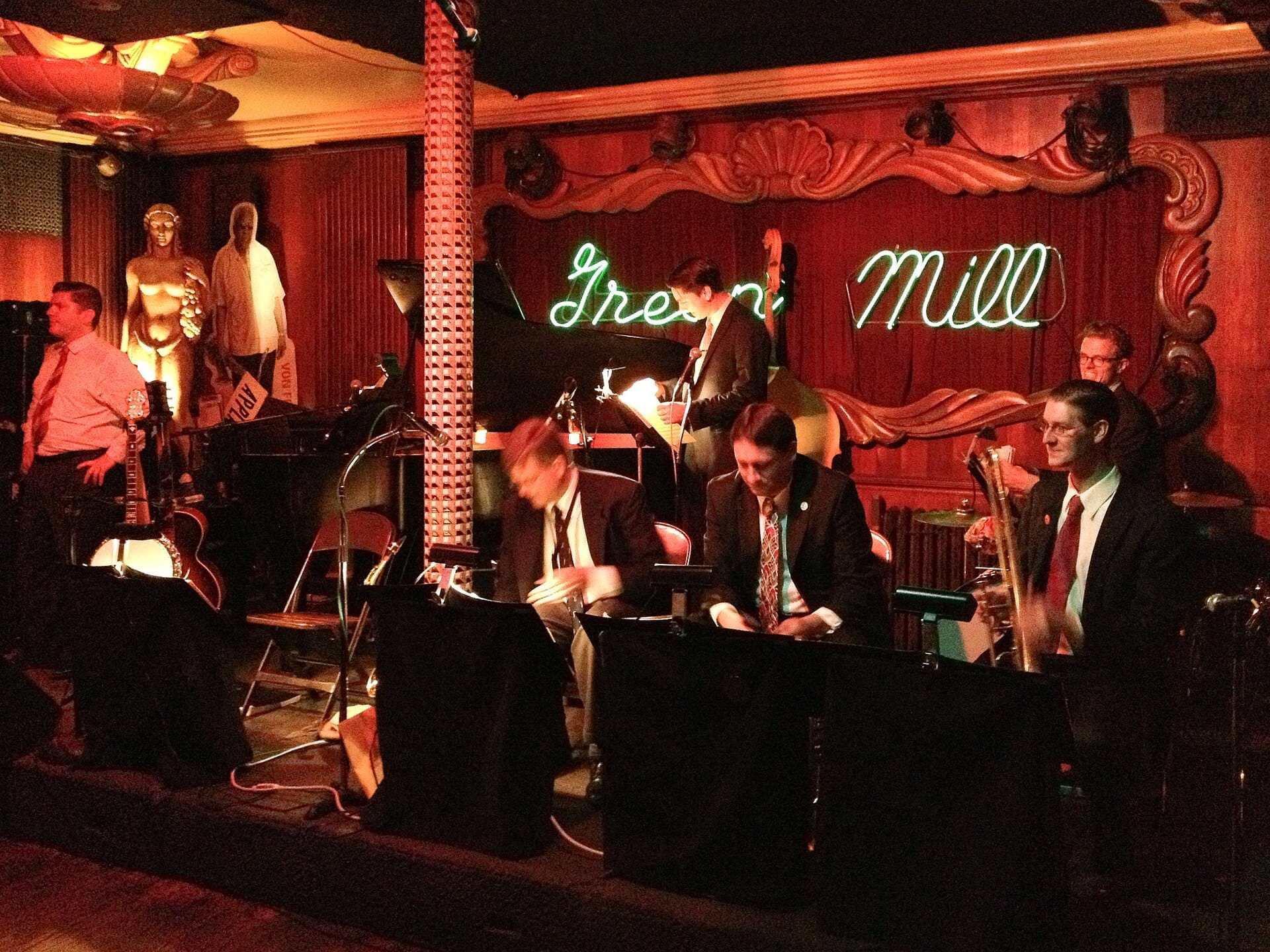
20. Drink in Jazz History at the Green Mill in Uptown
Al Capone's old haunt in Uptown has hosted live jazz seven nights a week since 1907 in a perfectly preserved Art Deco interior. One of the most atmospheric bars in America, and still a serious listening room for some of Chicago's best jazz musicians.
Explore20. Drink in Jazz History at the Green Mill in Uptown
Al Capone's old haunt in Uptown has hosted live jazz seven nights a week since 1907 in a perfectly preserved Art Deco interior. One of the most atmospheric bars in America, and still a serious listening room for some of Chicago's best jazz musicians.
ExploreWicker Park, Logan Square & the West Loop: Chicago's Creative West Side
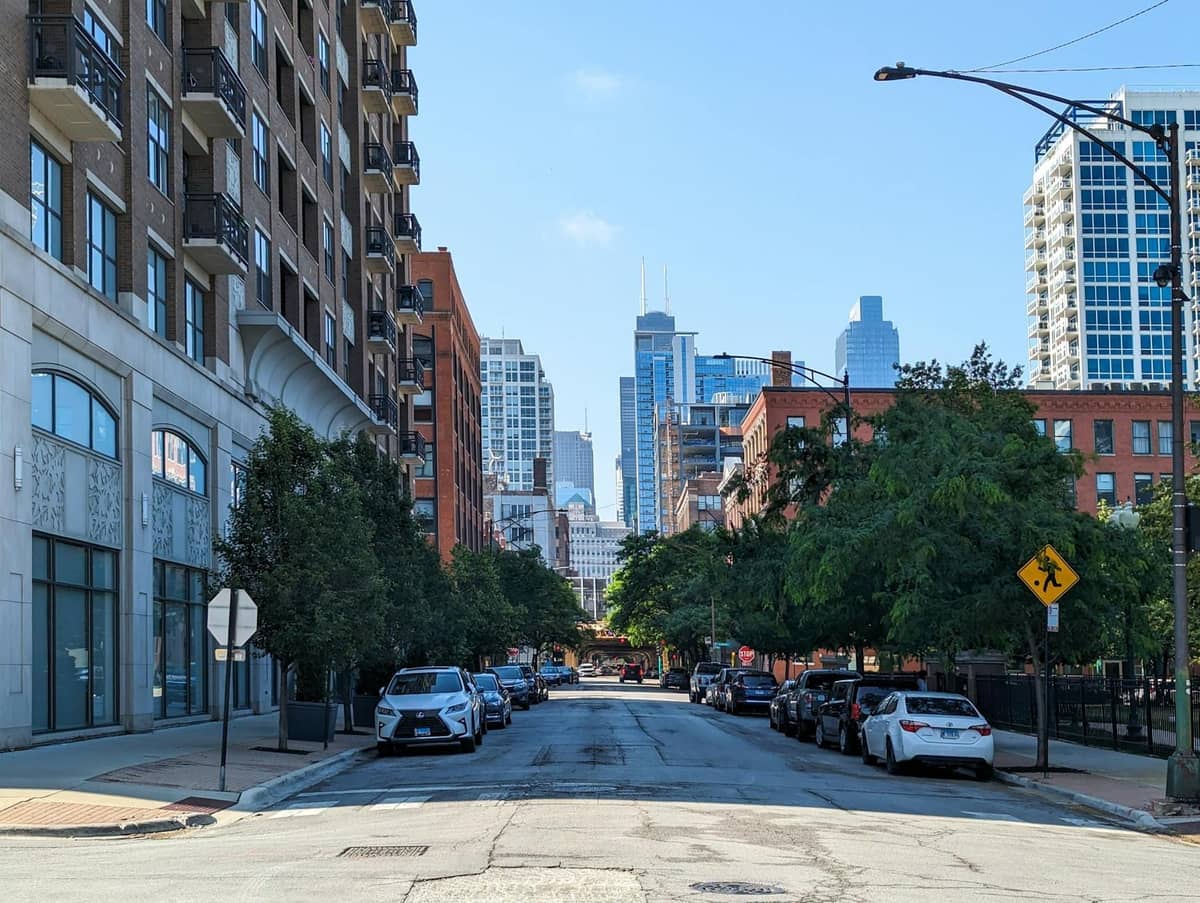
The neighborhoods west and northwest of downtown have undergone dramatic transformation over the past two decades without losing all of their edge. The West Loop and Fulton Market is now Chicago's most celebrated dining district, while Wicker Park, Bucktown, and Logan Square remain the city's most creative residential neighborhoods, connected by the 606 elevated trail and the Blue Line.
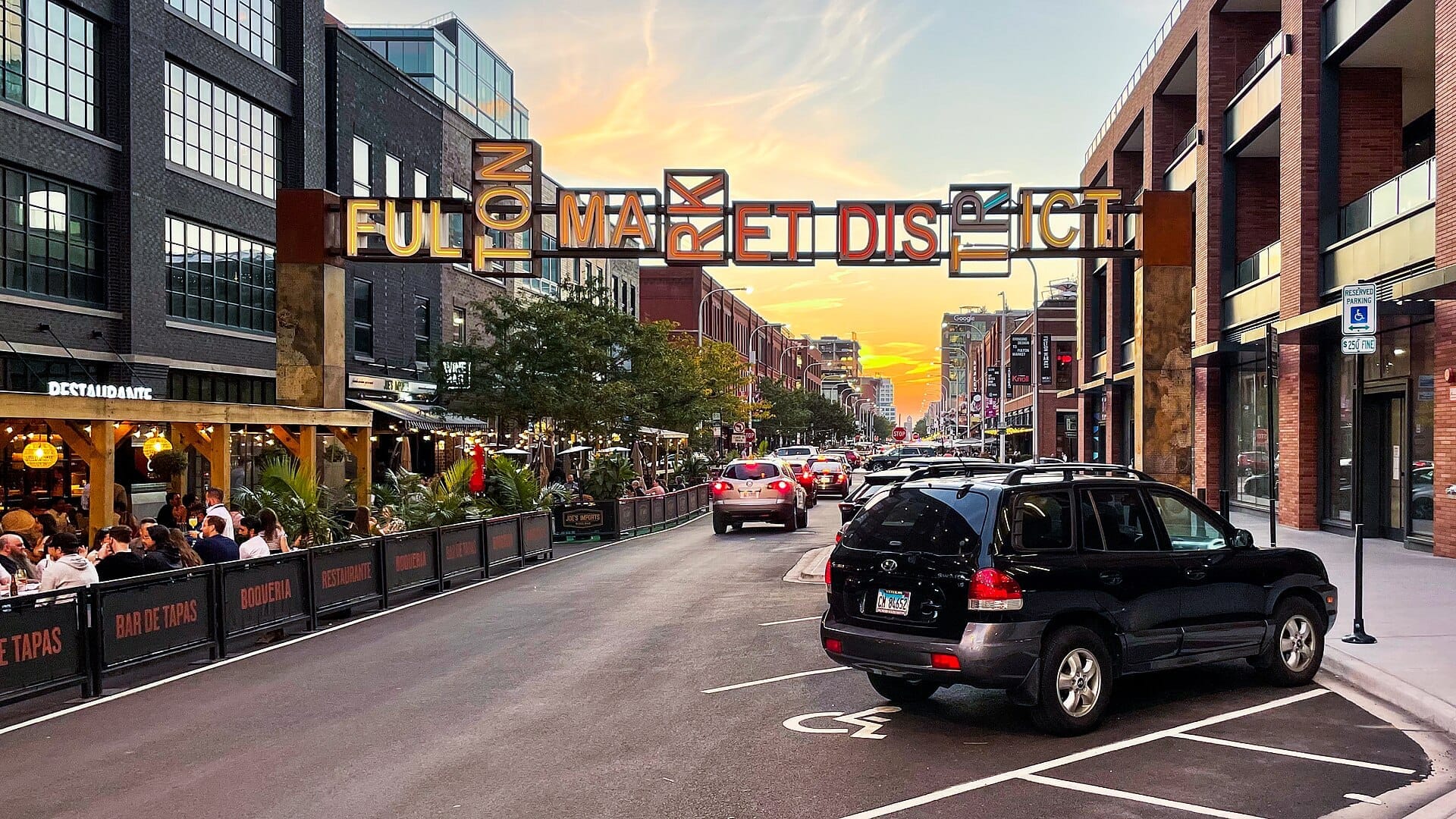
21. Eat Your Way Through Fulton Market's Restaurant Corridor
The former meatpacking district is now Chicago's most exciting dining street, with Michelin-starred restaurants, celebrity chef concepts, and food halls in converted industrial spaces. Wednesday through Saturday evenings are when the street is most alive.
Explore21. Eat Your Way Through Fulton Market's Restaurant Corridor
The former meatpacking district is now Chicago's most exciting dining street, with Michelin-starred restaurants, celebrity chef concepts, and food halls in converted industrial spaces. Wednesday through Saturday evenings are when the street is most alive.
Explore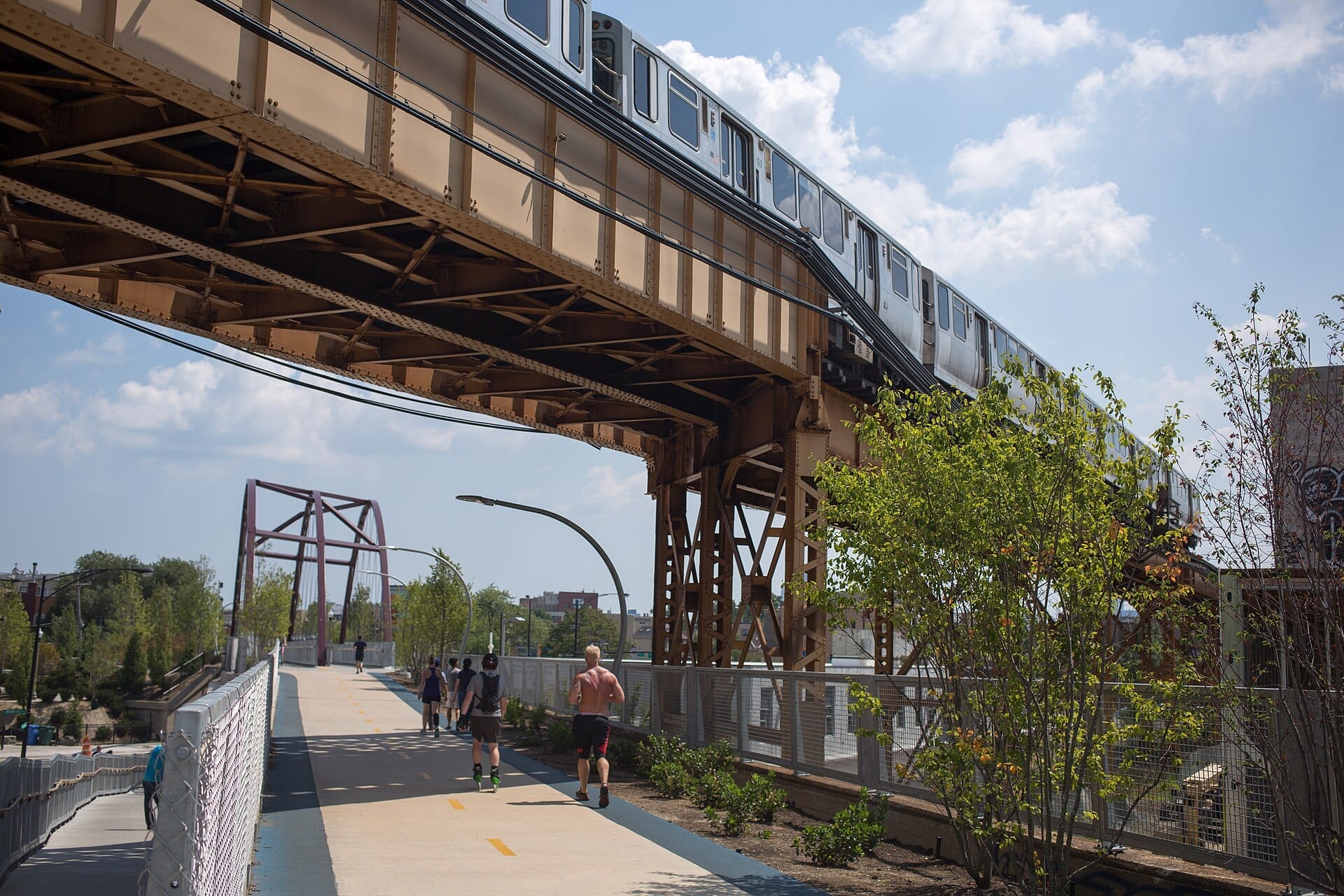
22. Walk or Cycle the 606 Elevated Trail
This 2.7-mile former rail line converted to a green urban trail connects Wicker Park, Bucktown, Logan Square, and Humboldt Park with public art, city views, and an easy, car-free corridor. Best for an early morning run or a relaxed afternoon stroll.
Explore22. Walk or Cycle the 606 Elevated Trail
This 2.7-mile former rail line converted to a green urban trail connects Wicker Park, Bucktown, Logan Square, and Humboldt Park with public art, city views, and an easy, car-free corridor. Best for an early morning run or a relaxed afternoon stroll.
Explore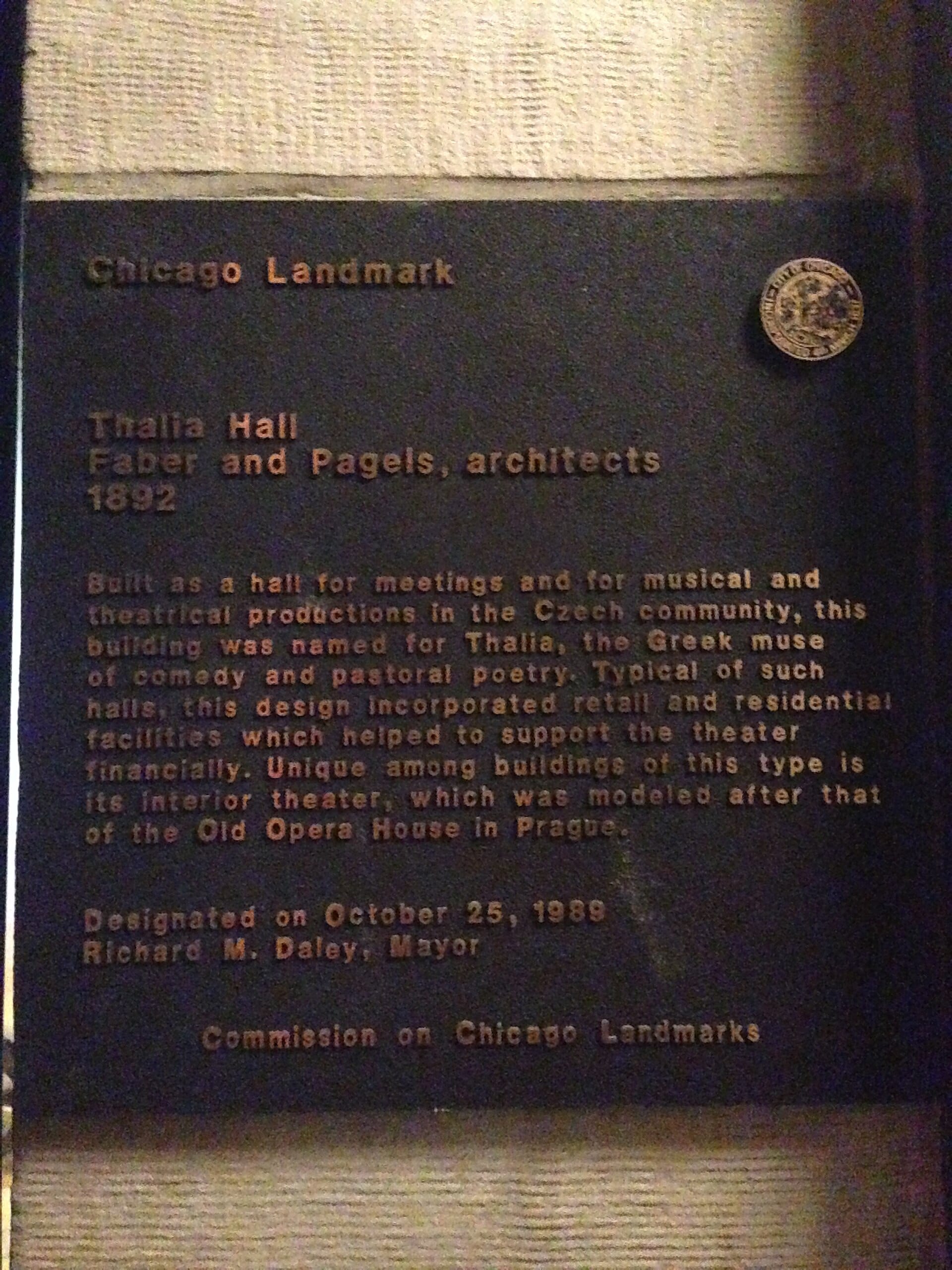
23. See a Show at Thalia Hall, Pilsen's Restored Opera House
A beautifully restored 1892 Bohemian opera house now operating as a beloved mid-size music venue in Pilsen, booking excellent indie and alternative acts. The ornate interior alone is worth the price of admission. Arrive early for a drink downstairs.
Explore23. See a Show at Thalia Hall, Pilsen's Restored Opera House
A beautifully restored 1892 Bohemian opera house now operating as a beloved mid-size music venue in Pilsen, booking excellent indie and alternative acts. The ornate interior alone is worth the price of admission. Arrive early for a drink downstairs.
ExploreHyde Park, Pilsen & Chinatown: Chicago's South Side Cultural Belt
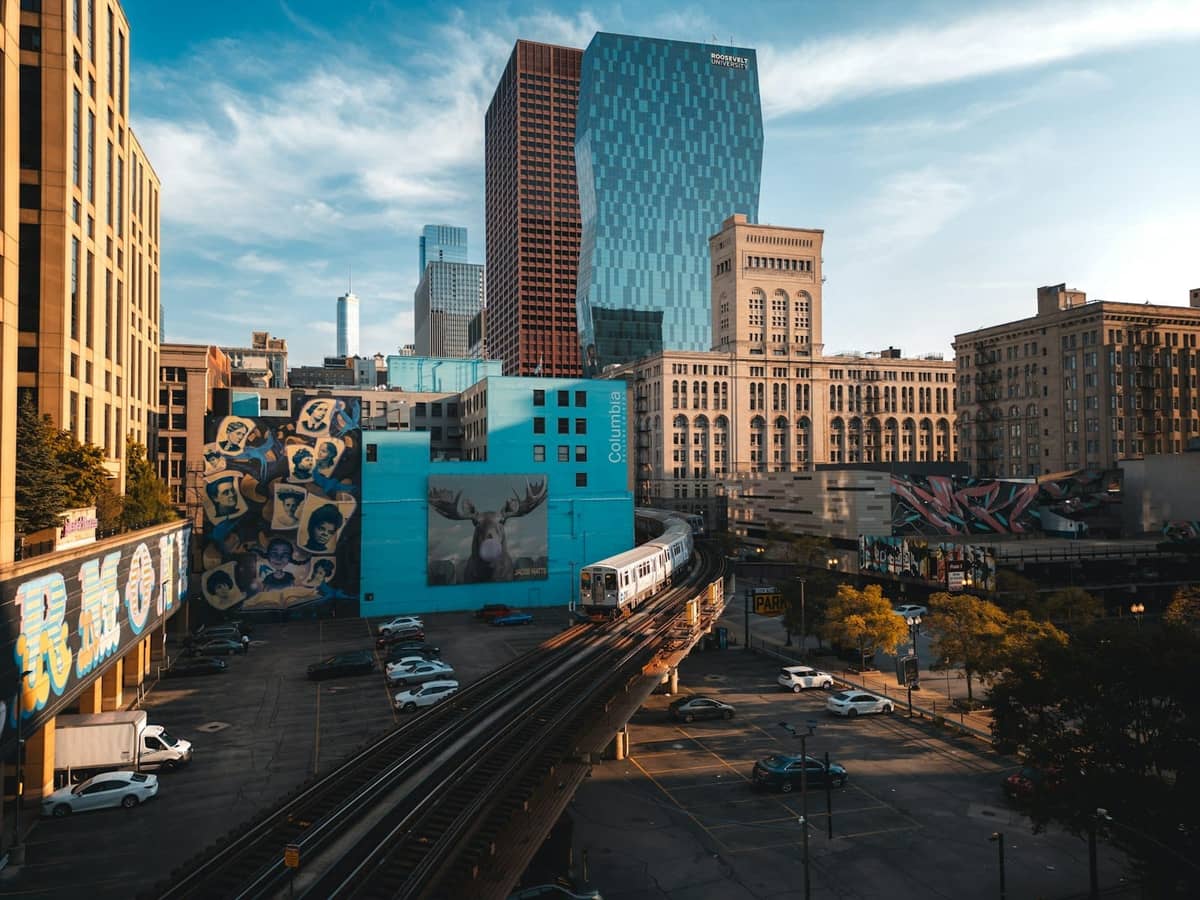
Chicago's South Side neighborhoods are among its most culturally rich and most undervisited by tourists. Hyde Park clusters the Museum of Science and Industry, Robie House, and two outstanding university museums around the University of Chicago campus. Pilsen is Chicago's Mexican-American cultural heart, and Chinatown is one of the most established and active Chinese-American communities in the Midwest. These three neighborhoods can be combined in a single South Side day trip.
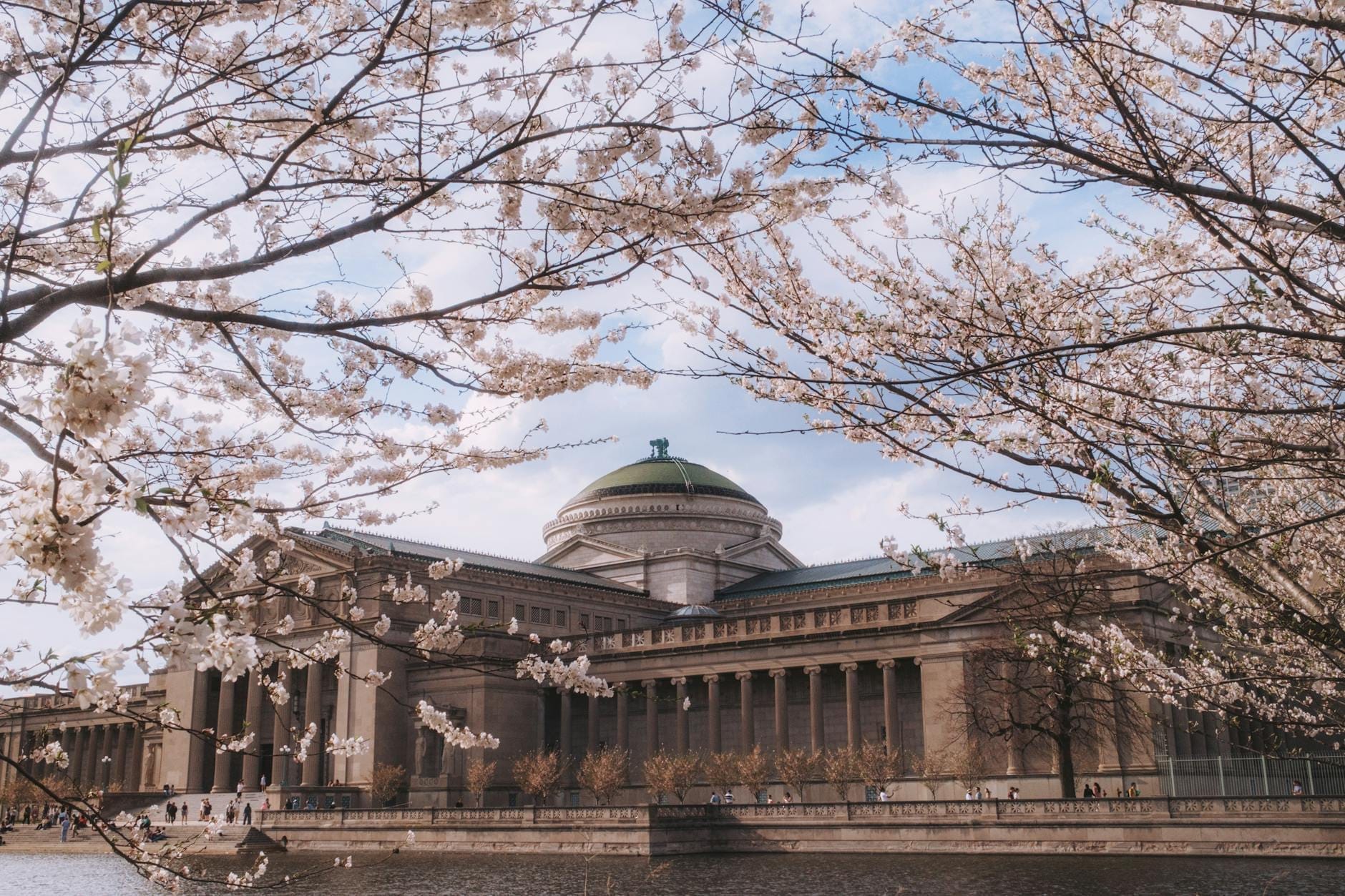
24. Spend Hours at the Museum of Science and Industry in Hyde Park
The largest science museum in the Western Hemisphere, with a real captured German U-boat, a working coal mine, and hundreds of interactive exhibits in a stunning neoclassical lakefront building. Easily a full-day destination for families and curious adults.
Explore24. Spend Hours at the Museum of Science and Industry in Hyde Park
The largest science museum in the Western Hemisphere, with a real captured German U-boat, a working coal mine, and hundreds of interactive exhibits in a stunning neoclassical lakefront building. Easily a full-day destination for families and curious adults.
Explore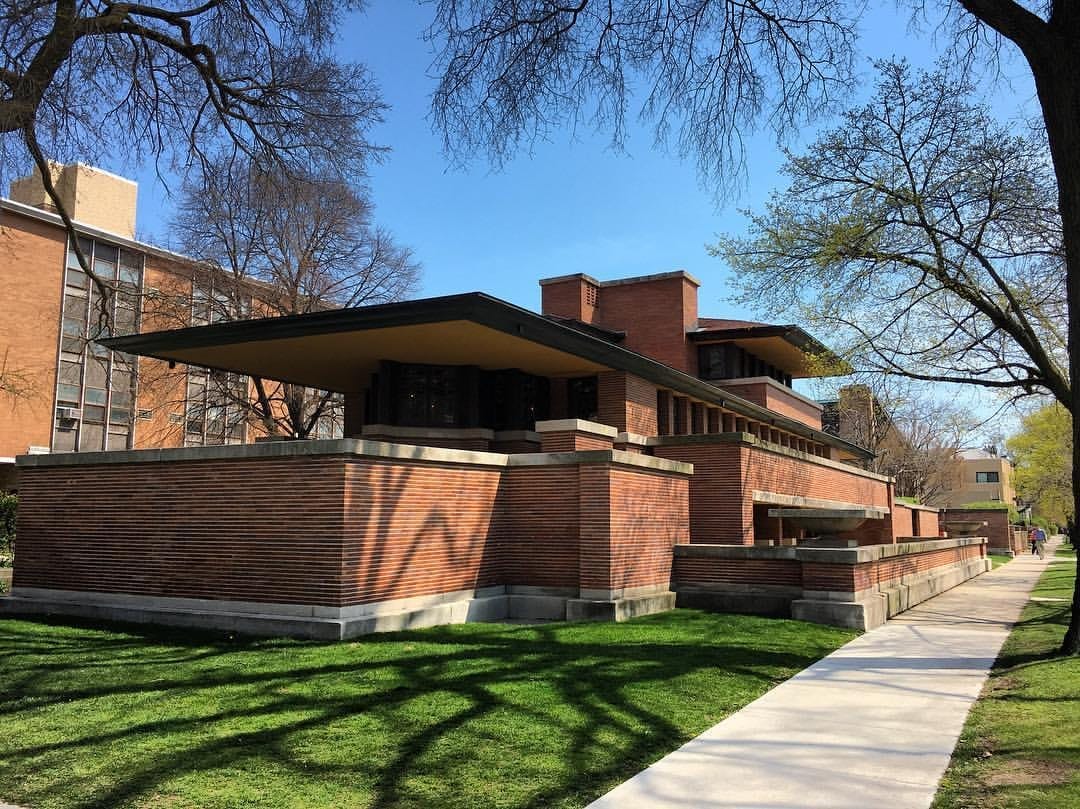
25. Tour Frank Lloyd Wright's Robie House in Hyde Park
The 1910 Robie House is considered the finest Prairie Style building ever constructed, with cantilevered roofs, art glass windows, and dramatic horizontal lines. Daily guided tours are essential viewing for architecture enthusiasts visiting Chicago.
Explore25. Tour Frank Lloyd Wright's Robie House in Hyde Park
The 1910 Robie House is considered the finest Prairie Style building ever constructed, with cantilevered roofs, art glass windows, and dramatic horizontal lines. Daily guided tours are essential viewing for architecture enthusiasts visiting Chicago.
Explore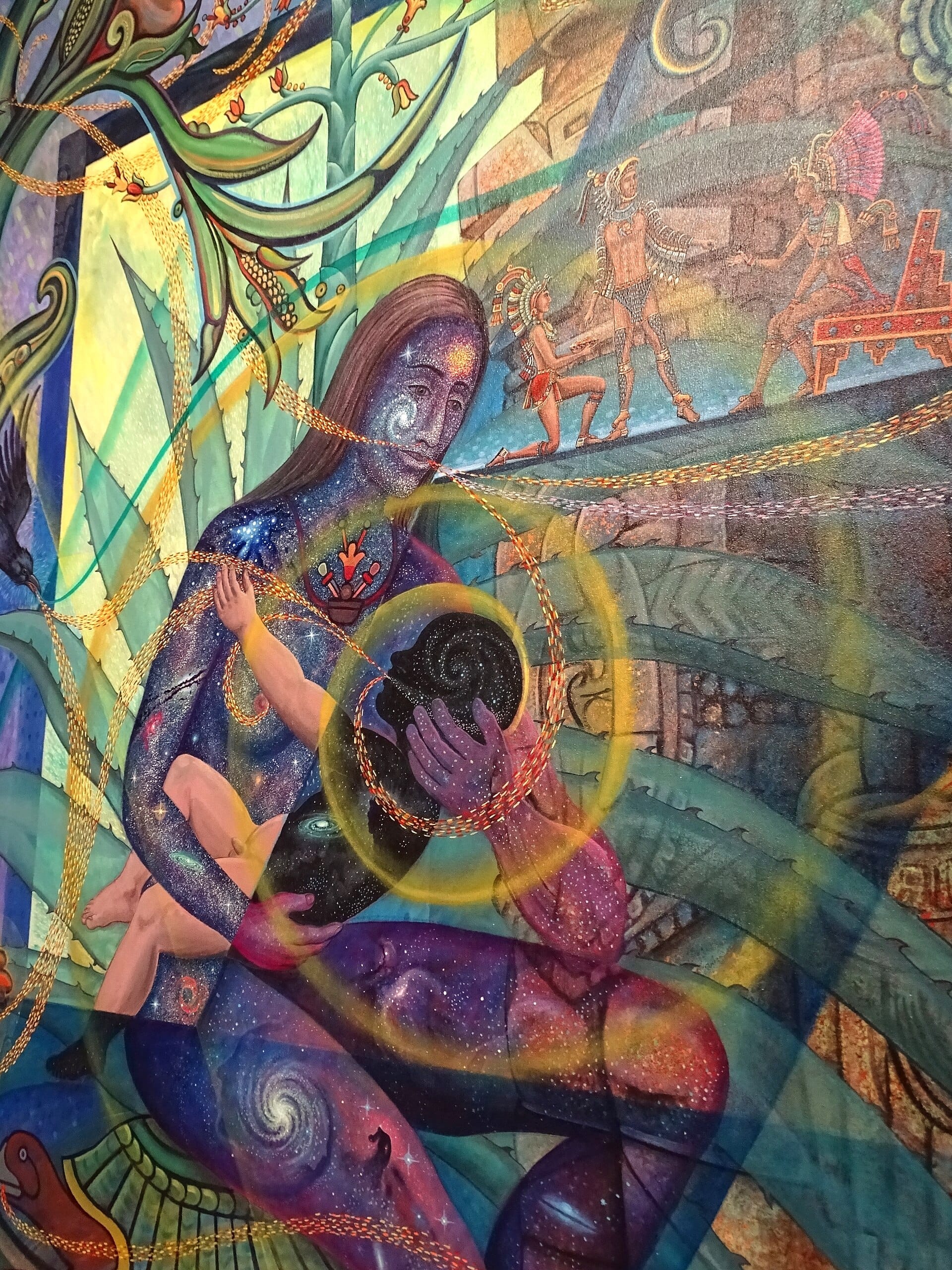
26. Visit the National Museum of Mexican Art in Pilsen
The only Latino museum accredited by the American Alliance of Museums houses 10,000 works spanning 3,000 years of Mexican and Mexican-American art and culture, entirely free to visit. Pair it with a walk along 18th Street's murals for a full Pilsen afternoon.
Explore26. Visit the National Museum of Mexican Art in Pilsen
The only Latino museum accredited by the American Alliance of Museums houses 10,000 works spanning 3,000 years of Mexican and Mexican-American art and culture, entirely free to visit. Pair it with a walk along 18th Street's murals for a full Pilsen afternoon.
Explore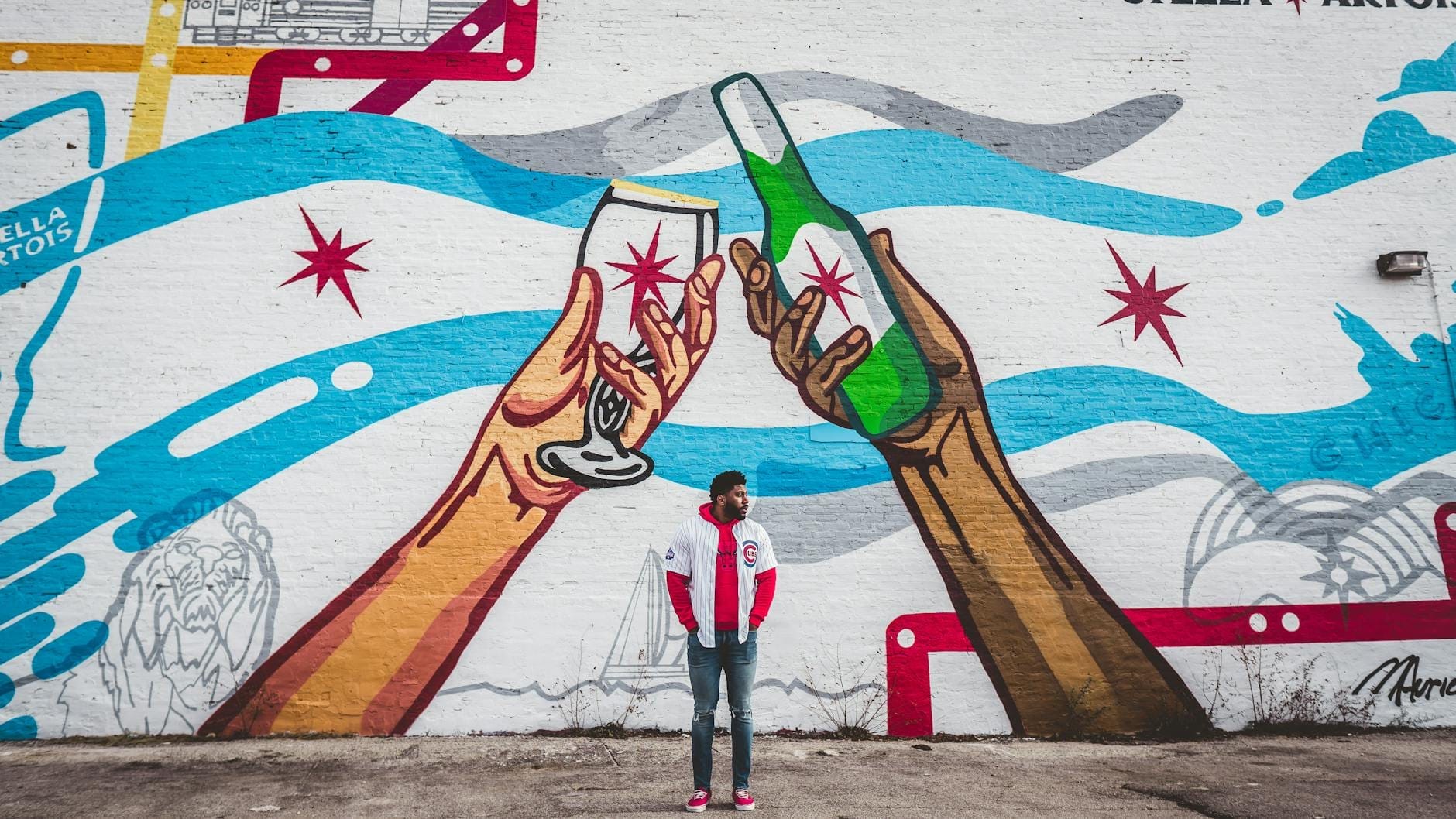
27. Walk Pilsen's Open-Air Mural Gallery on 18th Street
Building facades across Pilsen carry some of the most impressive murals in the United States, depicting Mexican history and community identity in vivid color. The 18th Street corridor rewards a self-guided walk of an hour or two.
Explore27. Walk Pilsen's Open-Air Mural Gallery on 18th Street
Building facades across Pilsen carry some of the most impressive murals in the United States, depicting Mexican history and community identity in vivid color. The 18th Street corridor rewards a self-guided walk of an hour or two.
Explore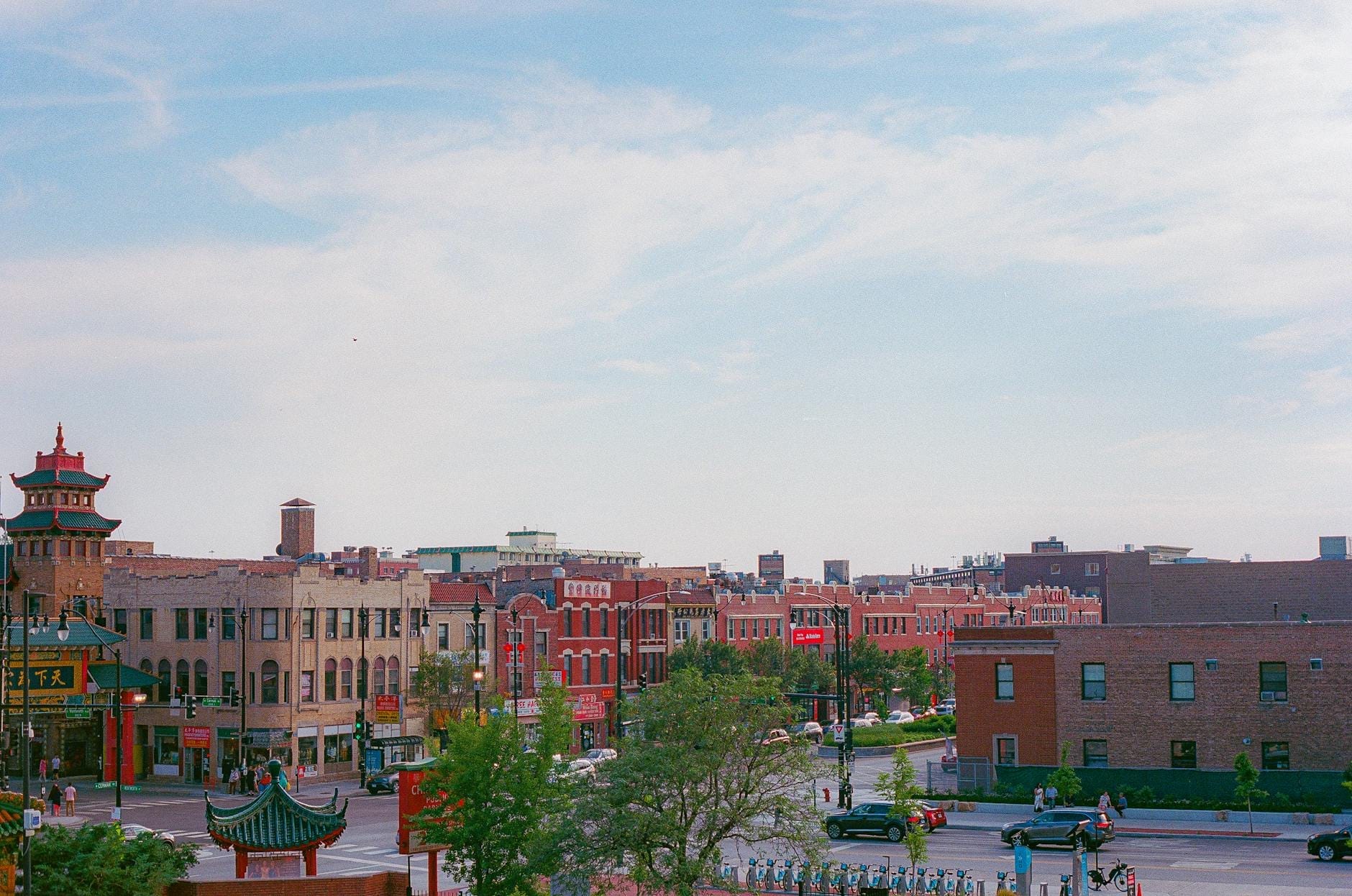
28. Eat Dim Sum and Explore Chinatown's Wentworth Avenue
One of the Midwest's most active Chinese-American neighborhoods centers on Wentworth Avenue and Chinatown Square, with excellent dim sum, bakeries, tea houses, and Asian grocery stores. Sunday morning is the best time for dim sum, but expect waits at top spots.
Explore28. Eat Dim Sum and Explore Chinatown's Wentworth Avenue
One of the Midwest's most active Chinese-American neighborhoods centers on Wentworth Avenue and Chinatown Square, with excellent dim sum, bakeries, tea houses, and Asian grocery stores. Sunday morning is the best time for dim sum, but expect waits at top spots.
Explore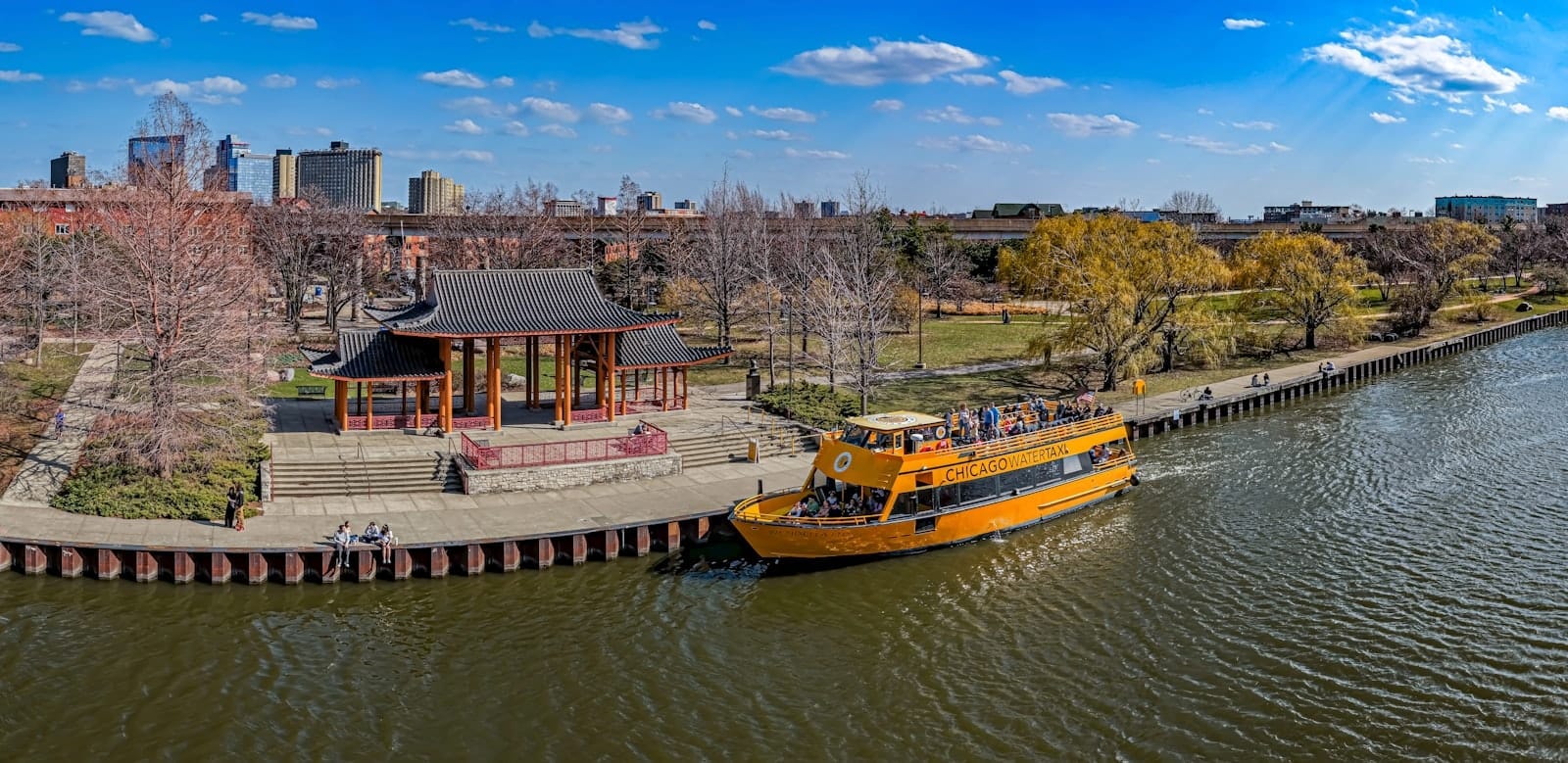
29. Relax at Ping Tom Memorial Park Along the Chicago River
A peaceful riverside park in Chinatown with a Chinese-inspired pavilion, boat launch, and skyline views looking north toward downtown. It's a beautiful and underused green space that makes a natural break during a South Side day out.
Explore29. Relax at Ping Tom Memorial Park Along the Chicago River
A peaceful riverside park in Chinatown with a Chinese-inspired pavilion, boat launch, and skyline views looking north toward downtown. It's a beautiful and underused green space that makes a natural break during a South Side day out.
Explore✨ Pro tip
A 7-day CTA pass costs $20 and covers unlimited rides on all 'L' lines and buses. It's the most practical way to move between neighborhoods without worrying about individual fares, especially if you're visiting 3 or more areas per day.
FAQ
Which Chicago neighborhood is best for first-time visitors?
The Loop and its immediate surroundings give first-timers the most ground covered efficiently: Millennium Park, the Art Institute, the Riverwalk, and Willis Tower are all within walking distance. Add a day trip north to Lincoln Park for the zoo and lakefront, or south to Museum Campus for the Field Museum and Shedd Aquarium.
What is the safest neighborhood to stay in Chicago?
The Loop, River North, Streeterville, Lincoln Park, and the Gold Coast are the most heavily trafficked visitor areas and are generally considered safe for tourists day and night. As in any large city, basic urban awareness applies. The CTA connects all of these neighborhoods quickly.
How do I get between Chicago neighborhoods without a car?
The CTA 'L' train covers most visitor neighborhoods: the Red Line connects the Loop, River North, Lincoln Park, Wrigleyville, and Andersonville; the Blue Line reaches Wicker Park, Logan Square, and O'Hare; the Green and Pink Lines serve the West Loop. Standard fare is $2.50, and a 7-day pass is $20.
Is Hyde Park worth visiting as a tourist?
Yes, especially for culture and architecture. Hyde Park holds the Museum of Science and Industry, Frank Lloyd Wright's Robie House, two outstanding University of Chicago museums (ISAC and the Smart Museum), and Jackson Park. It's about 30 minutes from the Loop by Metra or bus.
What is the best neighborhood to experience Chicago food culture?
Fulton Market in the West Loop is the epicenter of Chicago's current dining scene, with Michelin-starred restaurants and celebrity chef concepts in a compact area. For ethnic food diversity, Devon Avenue (South Asian), Chinatown, Pilsen (Mexican), and Argyle Street in Uptown (Vietnamese) each offer exceptional and affordable options.