Boystown (Northalsted): Chicago's LGBTQ+ Neighborhood on Halsted Street
Northalsted, long known as Boystown, is Chicago's most recognized LGBTQ+ neighborhood, stretching along North Halsted Street in Lakeview. It's a place to eat, drink, and attend festivals, but also a neighborhood with genuine history as the first officially recognized gay neighborhood in the United States.
Quick Facts
- Location
- N. Halsted Street (Belmont Ave to Addison St), Lakeview, Chicago
- Getting There
- Belmont (Red/Brown/Purple Lines) or Addison (Red Line); Bus #8 Halsted, #77 Belmont
- Time Needed
- 1–3 hours for a daytime stroll; a full evening for the bar scene
- Cost
- Free to explore; individual venues set their own prices. Festival events may have suggested donations.
- Best for
- LGBTQ+ travelers, nightlife seekers, history walkers, Pride visitors, and anyone curious about Chicago neighborhood culture
- Official website
- northalsted.com
What Northalsted Is (and Why the Name Matters)
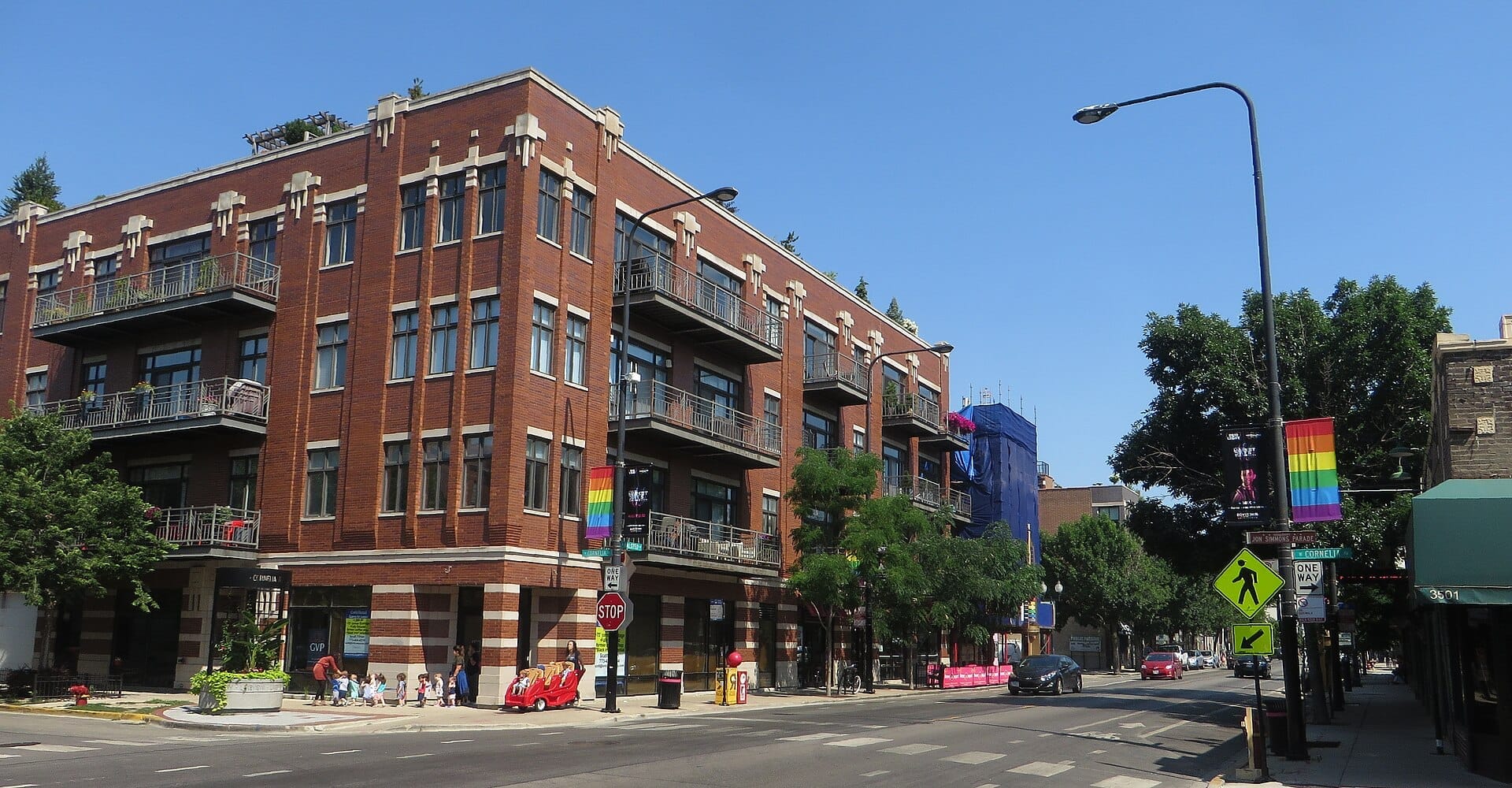
The neighborhood known to Chicagoans for decades as Boystown runs along North Halsted Street in Lakeview, roughly between Belmont Avenue to the south and Addison Street to the north. In 2020, the Northalsted Business Alliance formally shifted the district's marketing name to Northalsted, a change intended to signal broader inclusion across the LGBTQ+ spectrum. You'll still hear locals use both names interchangeably, and the shift hasn't altered the neighborhood's fundamental character.
What makes Northalsted worth understanding beyond the bar signs is its status as one of the first officially designated gay neighborhoods in the United States. In 1997, Mayor Richard M. Daley recognized it as Chicago's gay district, and the city installed a series of rainbow-painted steel pylons along Halsted that have become the neighborhood's most photographed landmark. Those pylons weren't just decorative: they were a political act, a public acknowledgment at a time when most city governments were still keeping LGBTQ+ communities at arm's length.
ℹ️ Good to know
Northalsted is a public neighborhood, not a ticketed attraction. Streets and sidewalks are accessible at all hours. The district feels very different at noon on a Tuesday versus midnight on a Saturday, so consider what kind of experience you're after before you go.
The Streetscape: What You Actually See
Walking north from the Belmont Red Line station puts you at the southern entry point of the main corridor. The rainbow pylons line Halsted at regular intervals, each topped with a spherical globe and painted in the colors of the Pride flag. They read as cheerful in daylight and genuinely striking after dark, when the surrounding bar signs, string lights, and foot traffic give the street a density of energy that few Chicago neighborhoods match.
The architecture along this stretch is typical North Side Chicago: two- and three-flat brick buildings above street-level commercial spaces, punctuated by occasional newer mixed-use construction. Nothing is architecturally exceptional in isolation, but the layering of community-facing businesses, murals, and long-established venues gives the corridor a texture that distinguishes it from more generic entertainment districts. Several bars have operated here for decades, and you'll notice the difference between places that feel lived-in and those that cater primarily to tourists.
The northern end near Addison Street sits close to Wrigley Field, which creates an interesting collision on Cubs game days: thousands of sports fans in blue jerseys mixing with the regular Northalsted crowd. It's not a clash exactly, but the tonal shift is noticeable, and some regulars prefer visiting on non-game days for that reason.
Tickets & tours
Hand-picked options from our booking partner. Prices are indicative; availability and final rates are confirmed when you complete your booking.
Go City | Chicago All-Inclusive Pass
From 127 €Instant confirmationFree cancellationiFLY Chicago Lincoln Park indoor skydiving experience
From 126 €Instant confirmationFree cancellationiFLY Chicago Rosemont indoor skydiving tickets
From 117 €Instant confirmationFree cancellationChicago lakefront neighbourhood bike tour
From 18 €Instant confirmationFree cancellation
Time of Day: How the Neighborhood Changes
Morning on Halsted is quiet in the way most bar-centric neighborhoods are. Coffee shops and brunch spots pick up foot traffic first, and the pylons catch the early light in a way that makes the street feel more intimate than it does at peak hours. This is the best time to photograph them without a crowd in frame.
Afternoons, particularly on weekends, bring a mix of shoppers, diners, and residents running errands. The corridor between Belmont and Roscoe Street is where most of the daytime commercial activity concentrates: a handful of LGBTQ+-owned boutiques, bookshops, and specialty retailers that are worth slowing down for. The neighborhood's bookstore and gift shop options here carry items you won't find in the Loop.
By 9 or 10 PM on a Friday or Saturday, the street's character shifts decisively. The sidewalks fill, bar queues form, and the sound levels rise substantially. This is Northalsted in its most recognizable form: a genuine nightlife corridor that has been drawing LGBTQ+ visitors from across the Midwest for decades. Expect cover charges at some venues after 10 PM, and expect lines at the most popular bars.
💡 Local tip
Thursday nights have a loyal local following and are noticeably less crowded than Friday or Saturday. If you want the atmosphere without the tourist density, Thursday evening is the strategic choice.
Historical Context: How This Block Became a District
The concentration of gay bars along Halsted dates to the 1970s and accelerated through the 1980s, when the neighborhood became a hub of community organizing during the AIDS crisis. Organizations providing services, healthcare referrals, and support networks established themselves here, and the density of community institutions gave the neighborhood a resilience that purely bar-focused districts often lack.
By the 1990s, the nickname Boystown was in common use, and the corridor had accumulated enough cultural weight that the city's 1997 pylon installation was a recognition of something already established rather than an attempt to manufacture identity. The pylons were designed to be functional street furniture as well as symbolic markers, and they've held up both literally and culturally in the nearly three decades since.
The 2021 name transition to Northalsted reflects a shift in community conversation about who the neighborhood is for. Critics of the Boystown name argued that it centered one part of the LGBTQ+ spectrum and implicitly excluded others. Supporters of the change see Northalsted as more capacious. Whether you find the rebranding meaningful or cosmetic likely depends on your relationship to the community. For the historical background on Chicago's neighborhoods more broadly, the Chicago History Museum in Lincoln Park holds extensive archives on the development of LGBTQ+ life in the city.
Events and Festivals: When the Neighborhood Scales Up
Two annual events transform Northalsted into something beyond a neighborhood destination. Chicago Pride Fest, typically held in mid-June, takes place along Halsted and draws large crowds across two days of music, vendors, and community programming. A suggested donation is usually requested at the perimeter. The following weekend, the Chicago Pride Parade routes through Lakeview and ends near Diversey or Lincoln Park, drawing one of the largest parade crowds in the country.
Northalsted Market Days, usually scheduled in August, is one of the largest street festivals in Chicago, running across several blocks of Halsted with multiple music stages, food vendors, and merchandise booths. The scale of Market Days surprises first-time visitors: this is not a small neighborhood fair but a full production that closes significant stretches of Halsted for the weekend. If you're visiting during either festival period, book accommodation well in advance.
⚠️ What to skip
During Pride Fest and Market Days, the neighborhood is extremely crowded and street closures affect CTA bus routes. The Belmont and Addison Red Line stations remain the most reliable transit options during these periods.
For more on Chicago's summer event calendar, the Chicago in summer guide covers timing, crowds, and what to expect across the city's major festivals.
Getting There and Getting Around
The Belmont CTA station (Red, Brown, and Purple Lines) drops you at the southern edge of the main corridor, a 30-second walk from the first of the rainbow pylons. From downtown (the Loop), the Red Line north to Belmont runs frequently and takes roughly 15 to 25 minutes. The Addison Red Line station serves the northern end and is also the closest stop to Wrigley Field.
Bus routes #8 (Halsted) and #77 (Belmont) provide additional surface coverage if you're coming from neighborhoods not directly served by the Red Line. The #8 runs the length of Halsted and is useful if you're combining a Northalsted visit with stops in other parts of the North Side.
Street parking in Lakeview is metered and competitive on evenings and weekends. Driving is the least practical option. If you're organizing a broader North Side day, the Chicago transit guide covers CTA fares, Ventra card setup, and route planning across the city.
Practical Notes for Visitors
Northalsted is a public neighborhood with no admission cost. Bars, clubs, and restaurants set their own hours and prices. Most of the established bars operate late, with some holding licenses for service until 4 AM on weekends (5 AM on Saturdays, as is standard in Chicago late-night districts). Cover charges vary and are more common after 10 PM at music venues and clubs.
Accessibility across the district is uneven. The Belmont Red Line station has elevators and is listed as accessible by the CTA, while Addison is not currently an accessible station. Sidewalks along Halsted are standard Chicago sidewalks, generally level and well-maintained. Individual venues vary considerably in terms of step-free entry, bathroom accessibility, and interior layout. If accessibility is a concern, contact specific venues in advance rather than assuming.
The neighborhood sits in Lakeview, one of Chicago's densest residential areas on the North Side. It's worth knowing the broader neighborhood context if you're spending time in the area. The Lakeview and Wrigleyville neighborhood guide covers dining, bars, and points of interest beyond the Halsted corridor itself.
Insider Tips
- The rainbow pylons are best photographed in the hour after sunrise, before foot traffic and parked cars clutter the frame. The northernmost pylons near Addison get the most unobstructed light early in the morning.
- Several of the longest-running bars in the district have daytime hours and are significantly more welcoming for conversation and atmosphere before the evening crowds arrive. If you want to talk to regulars and understand the neighborhood's history, afternoon is better than midnight.
- Northalsted Market Days in August is genuinely enormous. Arriving before noon on the first day gives you the best access to vendors and main-stage positioning before the crowds peak mid-afternoon.
- The strip between Roscoe Street and Addison has a quieter, more residential character than the blocks directly off Belmont. Walking the full length from Belmont to Addison gives a more complete picture of the neighborhood than stopping at the first few bars you encounter.
- Cubs game days (the stadium is four blocks north at Addison and Clark) bring a surge of sports visitors into the area. Some Northalsted regulars time their visits to avoid game-day overlap; others enjoy the cross-crowd energy. Know which you prefer before planning around it.
Who Is Boystown (Northalsted) For?
- LGBTQ+ travelers looking for a neighborhood with genuine community depth rather than a manufactured theme
- Nightlife visitors who want a multi-bar evening on a walkable strip with strong late-night options
- History-minded walkers interested in how American cities have navigated LGBTQ+ identity and public space since the 1990s
- Festival-goers attending Chicago Pride or Northalsted Market Days, who want to be based within walking distance of the action
- Visitors combining a Lakeview day with Wrigley Field who want neighborhood context beyond the sports bars
Nearby Attractions
Other things to see while in Lakeview & Wrigleyville:
- Graceland Cemetery
Graceland Cemetery and Arboretum is a approximately 120-acre historic cemetery on Chicago's North Side where landscape design, architectural sculpture, and the city's own history converge. Established in 1860, it holds the graves of figures who literally built Chicago, from Louis Sullivan to Daniel Burnham, all set within a pastoral, park-like arboretum. Entry is free.
- Wrigley Field
Wrigley Field is more than a stadium — it's a National Historic Landmark–eligible ballpark that has anchored Chicago's Lakeview neighborhood since 1914. Whether you're catching a Cubs game or taking a ballpark tour, this guide covers everything from getting there to the best seats in the house.