Chicago in Summer: Festivals, Beaches & What To Expect
Summer transforms Chicago into one of America's most energetic cities. From massive free festivals on the lakefront to neighborhood street fairs, world-class beaches, and outdoor concerts, this guide covers everything you need to know to make the most of Chicago from June through August.
Plan and book this trip
Tools from our partner Travelpayouts help you compare flights and hotels. If you book through them, we may earn a commission at no extra cost to you.
Flights
Hotels map
TL;DR
- Summer in Chicago runs June through August, with July being the hottest and most event-packed month; average highs reach around 28°C (82°F).
- The festival calendar is enormous and varied: free neighborhood street fests, ticketed stadium events, and major lakefront celebrations like Taste of Chicago and the Chicago Air and Water Show all run through the season.
- Not all festivals are free — some ticketed events like Summer Smash cost $175+ per day; always check the official event page before you go.
- Chicago has 26 miles of lakefront, with beaches like North Avenue and Oak Street drawing large crowds on weekends; arrive early or use the CTA to get around instead of driving.
- Late June and early September offer the best balance of warm weather and manageable crowds compared to the July peak.
What Summer Actually Feels Like in Chicago
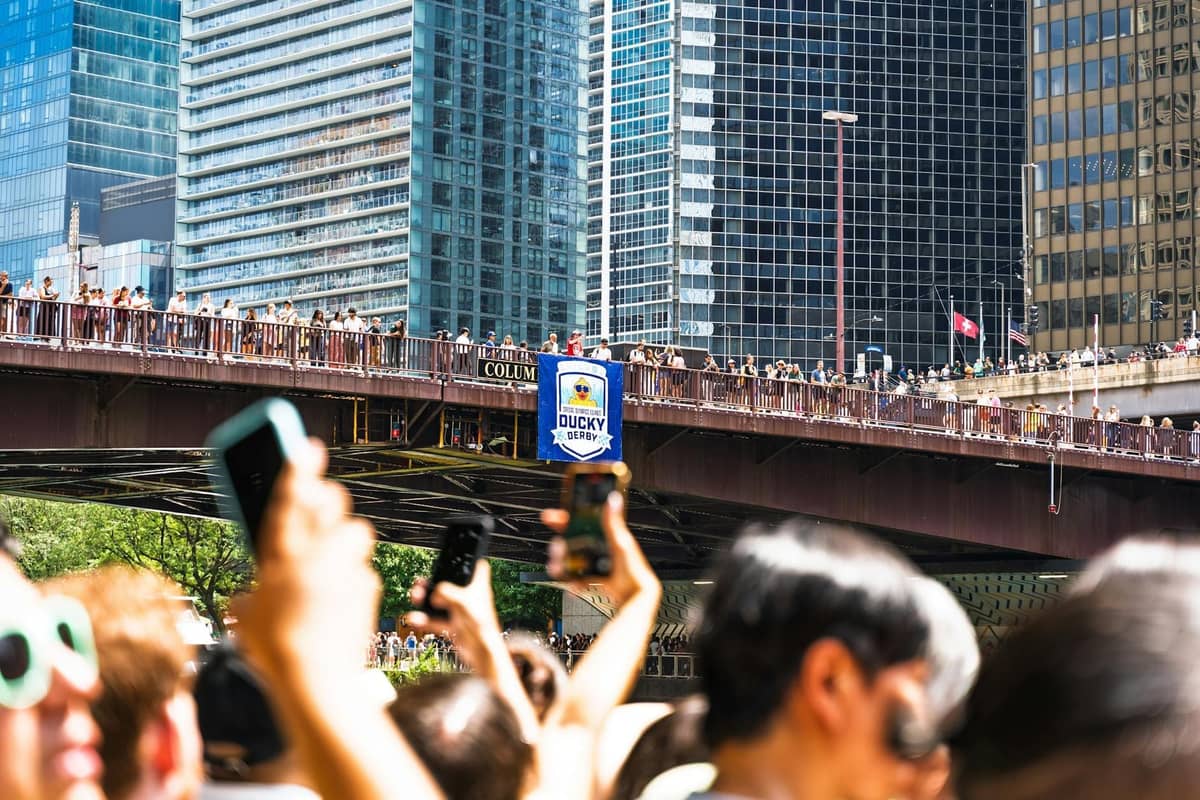
Chicago's summer reputation is well-earned. From early June through late August, the city operates at full throttle: streets fill with festival-goers, the lakefront becomes a recreational highway, and rooftop bars stay open until the early hours. The climate is classified as humid continental (Köppen Dfa), meaning summers are genuinely hot with real humidity. July is the warmest month, averaging around 23.9°C (75°F) for the mean but regularly hitting highs of about 28°C (82°F) or more. Heat waves pushing above 35°C (95°F) are not unusual, so packing light, breathable clothing is practical advice, not a cliché.
The flip side of summer heat is summer storms. Late spring through August is Chicago's wettest period, with powerful thunderstorms capable of rolling in quickly off Lake Michigan. August 1987 holds the city's monthly precipitation record at about 17.1 inches. What this means practically: outdoor festival plans can change fast. Always check forecasts the morning of any outdoor event, and have a backup plan for indoor activities.
💡 Local tip
Chicago sits at about 600 feet above sea level on the southwestern shore of Lake Michigan, and the lake creates its own microclimate. Downtown and lakefront areas can be noticeably cooler and windier than neighborhoods further inland — especially in early June before the lake fully warms. Bring a light layer if you're spending evenings on the waterfront.
If you want warm weather with smaller crowds and lower hotel rates, target late May or early September. July is the peak of everything — festivals, beach crowds, tourist traffic, and prices. It's great if you want maximum energy; less great if you want breathing room at popular spots like Millennium Park or the Museum Campus.
The Festival Calendar: What's On and When
Chicago's summer street-festival season typically runs from early June through late August, and it is genuinely staggering in scale. The city hosts dozens of neighborhood festivals, major lakefront events, and a handful of large ticketed concerts and music fests. Understanding the differences between these categories will save you money and frustration.
- Free neighborhood street fests These are the backbone of Chicago summer. Block sections of residential or commercial streets are closed, stages go up, food vendors move in, and admission is typically free or by suggested donation (usually $5–$10 at the gate). Examples include the Chinatown Summer Fair on Wentworth Avenue, running late July (2026 dates: July 25–26, 11am–10pm Saturday and 10am–7pm Sunday), drawing over 40,000 visitors with lion dances, kung fu demonstrations, restaurant samplings, and craft vendors — all at no charge.
- Major city-produced events The Chicago Department of Cultural Affairs and Special Events runs several marquee summer programs: Taste of Chicago (one of the world's largest food festivals, held in Grant Park), the Chicago Blues Festival, the Chicago Jazz Festival, and the Chicago Air and Water Show along the lakefront. Most are free to enter, with costs for food and beverages on-site.
- Ticketed stadium and venue festivals Not everything falls under the free-street-fest umbrella. Lollapalooza takes over Grant Park in late July or early August with multi-day passes running several hundred dollars. Summer Smash 2026 is held at SeatGeek Stadium in Bridgeview (outside city limits), with 1-day General Admission at $175 and 3-day passes at $399. These require advance planning and purchase.
The Chicago Blues Festival in June and the Chicago Jazz Festival in late August/early September are both held in Grant Park and are free to attend. These are serious events, not background-music fairs — they draw internationally renowned performers and dedicated audiences. If blues or jazz is your thing, plan the entire trip around one of these.
⚠️ What to skip
Festival dates shift year to year, and some events don't announce lineups or confirm dates until a few months out. Never rely on last year's schedule. Check the official City of Chicago Department of Cultural Affairs and Special Events page and the individual event's official site before booking flights or hotels around a specific festival.
For a concentrated dose of Chicago's outdoor music culture, the Ravinia Festival in Highland Park (about 30 miles north of downtown) runs all summer and features everything from the Chicago Symphony Orchestra to pop acts. The lawn seating format — bring a blanket and a picnic — is a beloved Chicago-area tradition worth experiencing at least once.
Chicago's Beaches: The Honest Guide
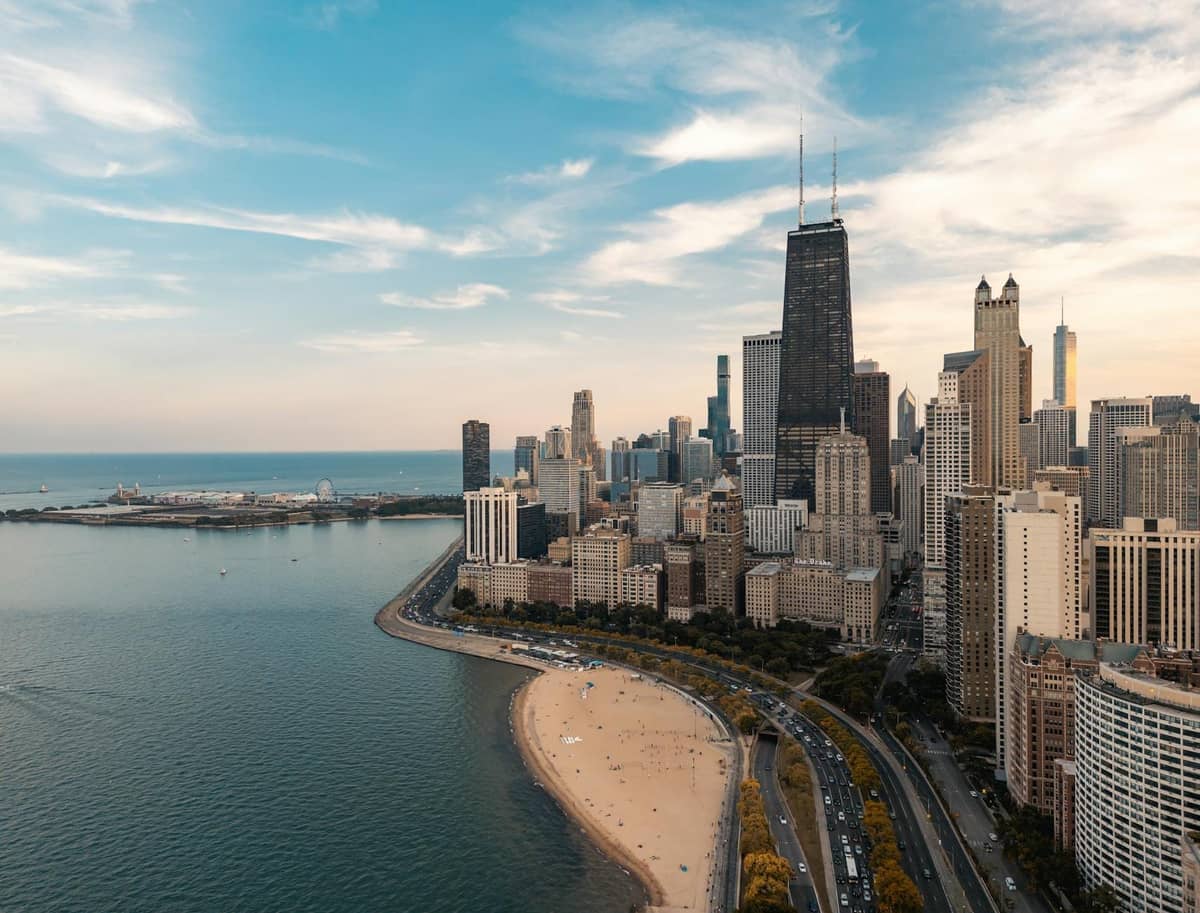
Chicago has 26 miles of publicly accessible lakefront and more than two dozen official beaches, all free to enter. This is one of the city's most underappreciated assets for visitors, many of whom don't realize Lake Michigan produces genuinely beach-worthy conditions in summer. Water temperatures often climb into the low 20s°C (upper 60s to around 70°F) by mid-July, making swimming comfortable on many days. The lake also produces surf — rarely as dramatic as the ocean, but enough to make some days more interesting than others.
- North Avenue Beach The most popular and most developed beach in the city, located about 2 miles north of downtown in Lincoln Park. It has a beach house with food service, volleyball courts, kayak and paddleboard rentals, and a large open swim area. On hot summer weekends it gets extremely crowded by 11am. The Red Line to North/Clybourn or the 151 bus are your best options — parking nearby is a genuine ordeal.
- Oak Street Beach Closer to downtown and directly accessible from the Magnificent Mile, Oak Street is smaller than North Avenue but popular with hotel guests from the Gold Coast and Streeterville areas. The scene is more urban — you can watch the skyline from your towel — but it fills up fast on weekends.
- Montrose Beach Larger, less crowded, and more of a local favorite. Located about 5 miles north of the Loop, it has a boat launch, a dog beach, and the adjacent Montrose Point Bird Sanctuary for anyone who wants a quieter lakefront experience. Good for families.
- South Shore Cultural Center Beach On the South Side, this beach is set within the historic South Shore Cultural Center grounds. It's less trafficked than North Side beaches and offers a more relaxed setting — worth seeking out if you're also visiting Hyde Park or the Museum of Science and Industry.
✨ Pro tip
Chicago beaches fly colored flag systems: green means safe to swim, yellow means use caution (usually due to moderate waves or currents), and red means no swimming. Rip currents and strong lateral currents are real hazards on Lake Michigan — they are responsible for multiple drownings each summer. Take flag warnings seriously, especially after storms.
Outdoor Activities Beyond the Beach
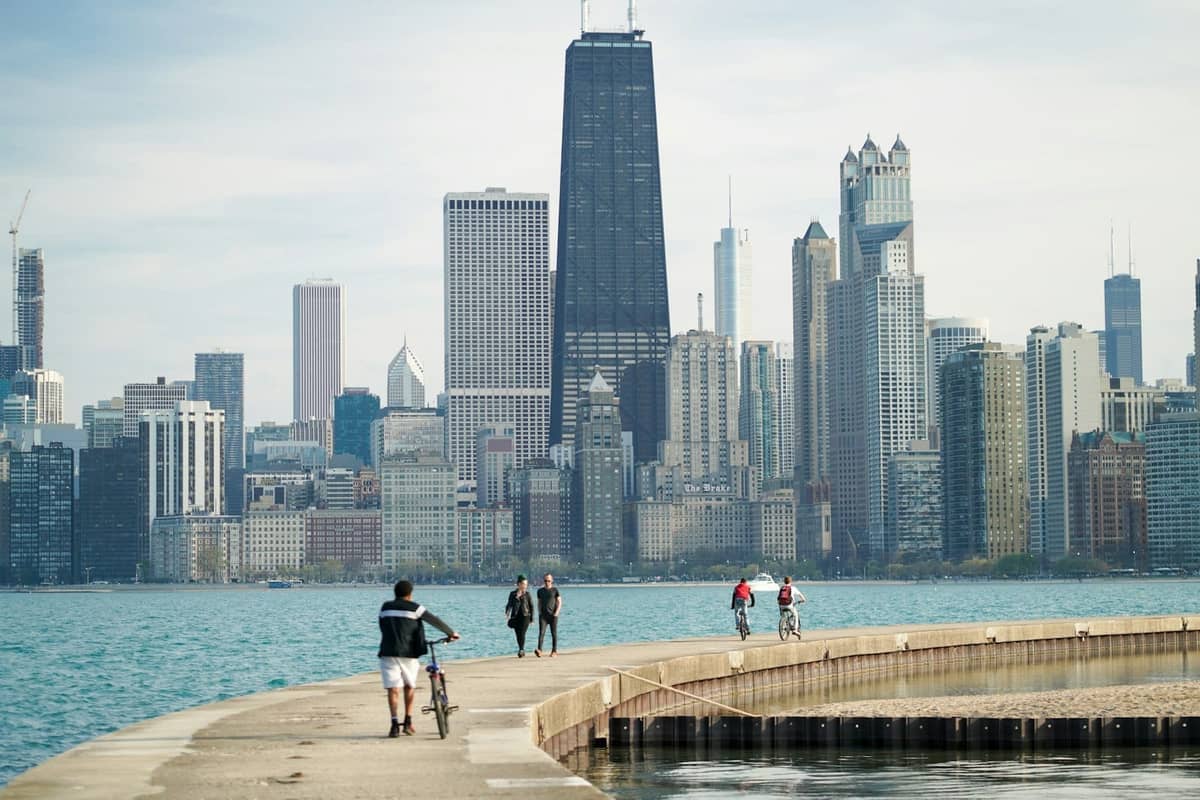
Summer is the best time to experience the Lakefront Trail, an 18-mile paved path running along the shore from Ardmore Avenue in the north to 71st Street in the south. It's used by cyclists, runners, rollerbladers, and walkers. On peak summer weekends it can feel like a crowded highway, so if you're cycling, early morning (before 9am) is significantly more pleasant.
Summer is also peak season for the Chicago Architecture Foundation River Cruise, widely considered the best single activity in the city. The 90-minute boat tour along the Chicago River covers decades of architectural history with narration from certified guides. Tickets sell out on summer weekends — book at least a few days in advance. For a broader look at what makes Chicago's built environment worth studying, the Chicago architecture guide covers self-guided walks and additional tours.
Grant Park hosts a lot of summer activity beyond festivals. Millennium Park runs free outdoor concerts at the Jay Pritzker Pavilion on Tuesday and Thursday evenings in summer, covering everything from classical to world music. Bring a blanket and food from nearby restaurants. The park also has free yoga classes and fitness events most mornings — check the park's official calendar on arrival.
Practical Tips for Visiting Chicago in Summer
Hotel rates peak in late July and early August, driven by festival demand and general leisure travel. If Lollapalooza weekend aligns with your trip, expect rates to jump significantly — sometimes doubling for downtown properties. Booking 6–8 weeks out for July stays is not excessive. The neighborhoods around the Loop, River North, and the Magnificent Mile put you closest to major attractions, but neighborhoods like Wicker Park, Logan Square, and Lincoln Park often have more affordable options with easy CTA access.
Getting around Chicago in summer without a car is genuinely practical. The CTA's 'L' train system covers most major tourist areas, with the Red Line being the most useful for lakefront and North Side attractions. From O'Hare, the Blue Line runs direct to downtown (about 35–45 minutes, $5.75 for a single ride from O’Hare). From Midway, the Orange Line reaches the Loop in 25–30 minutes. For a full breakdown of transport options, the getting around Chicago guide covers fares, routes, and Ventra card setup.
- Carry water: summer heat plus festival walking adds up fast, and vendor drinks are expensive ($5–$8 for a bottle at most festival grounds).
- Sunscreen matters more than people expect on the lakefront — the combination of sun and reflective water is intense.
- Wear comfortable shoes: Chicago is a walking city and festival grounds involve hours on your feet, often on pavement or packed grass.
- Bring cash: many neighborhood street festivals still have vendors who prefer or require it, even if the event itself is cashless at the gate.
- Check the CTA service advisories for your travel days: summer construction and special events regularly cause reroutes and delays on specific lines.
- Tipping is expected in Chicago restaurants and bars — 18–20% is standard for sit-down service.
ℹ️ Good to know
Chicago tap water is safe to drink and meets all federal and state standards, according to the Chicago Department of Water Management. There are localized concerns about lead service lines in some older buildings; if you're staying in an older property, you can ask the management about their plumbing or use a filtered water bottle as a precaution.
If you're traveling with children, summer Chicago is particularly strong. Navy Pier runs its full calendar of attractions including the Centennial Wheel, and the free Lincoln Park Zoo is one of the last free urban zoos in the country. The Museum Campus — home to the Field Museum, Shedd Aquarium, and Adler Planetarium — is walkable from Grant Park and represents a full day or more of programming. For a structured plan, the Chicago with kids guide covers logistics and the best age-appropriate itineraries.
What's Overrated (and What to Do Instead)
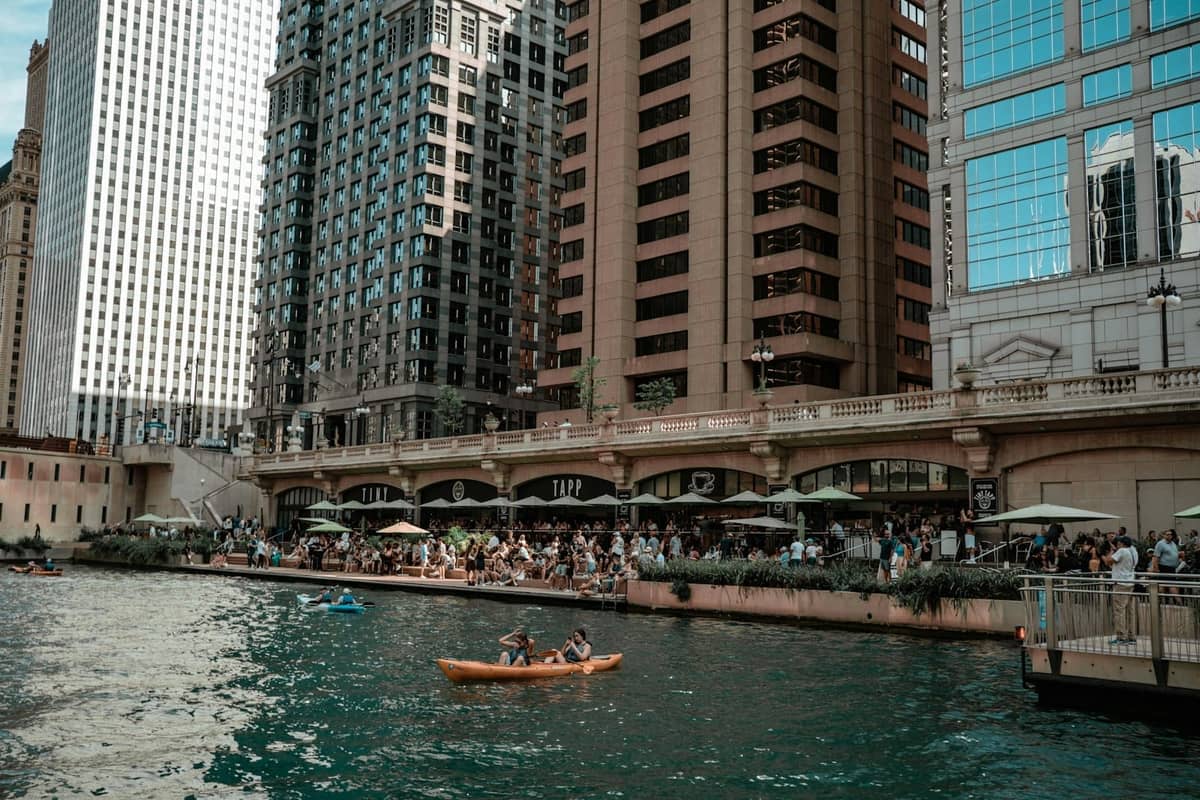
Navy Pier in peak summer is genuinely crowded and more tourist-trap than locals would admit. The pier itself has improved significantly with recent renovations, and the architecture cruise departure there is worth using. But if you're looking for waterfront food and atmosphere, the Chicago Riverwalk is a better experience: a continuous walkway along the main branch of the Chicago River through downtown, lined with restaurants, bars, and kayak rentals.
The Magnificent Mile shopping corridor can feel overwhelming in summer with large tour groups and aggressive foot traffic. If you're interested in shopping, Wicker Park and Logan Square offer a more interesting mix of independent boutiques and a neighborhood atmosphere that actually reflects how Chicago people shop and spend time. For a more complete overview of the city's commercial districts and markets, the Chicago shopping guide breaks down neighborhoods by style and price range.
Deep-dish pizza is real and worth eating once, but it is emphatically not what Chicago locals eat regularly. Summer is actually excellent for exploring the city's broader food culture: the Green City Market in Lincoln Park runs Wednesday and Saturday mornings through October, Pilsen's taqueries are outstanding and affordable, and the West Loop's Fulton Market district is where the city's serious restaurant scene is concentrated. Don't spend all your meals at tourist-facing deep-dish spots.
FAQ
How hot does Chicago get in summer?
July is the warmest month, with mean temperatures around 23.9°C (75°F) and typical highs around 28°C (82°F). Heat waves pushing above 35°C (95°F) occur most summers. Humidity adds to the perceived heat. Evenings cool down somewhat, especially near the lakefront, but June through August is genuinely hot.
Are Chicago summer festivals free?
Many are free or use a suggested donation at the gate (typically $5–$10). The city-produced events — Chicago Blues Festival, Chicago Jazz Festival, Taste of Chicago, Chicago Air and Water Show — are all free to enter. However, major ticketed events like Lollapalooza and Summer Smash require paid admission, sometimes $175+ per day. Always check the official event website before assuming admission price.
When is the best time to visit Chicago in summer?
Late June and early September offer warm weather with fewer crowds and lower hotel rates than peak July. July is the most event-dense month but also the most expensive and crowded. If you're targeting a specific festival, plan around its dates — but if flexibility exists, early June or the first two weeks of September are often better value.
Can you swim in Lake Michigan in Chicago?
Yes. Water temperatures reach comfortable swimming levels (low-to-mid 20s°C / low 70s°F) by mid-July. All Chicago beaches are free to enter. Always check the flag system before entering the water: green means safe, yellow means caution, red means no swimming. Rip currents and strong lateral currents are real dangers, particularly after storms — these conditions have caused fatal accidents and should be taken seriously.
How do I get around Chicago without a car in summer?
Chicago is highly practical without a car. The CTA 'L' train system and bus network cover virtually all tourist areas. A Ventra card (available at all 'L' stations) is the most convenient payment method and gives you access to both trains and buses. Standard CTA fares are around $2.50 per ride; the O'Hare Blue Line ride to downtown is $5 for a single ride (O'Hare station premium fare). Rideshare apps (Uber, Lyft) are widely available but surge pricing during festivals and peak hours can make them expensive.