Chicago Architecture Guide: The Essential Buildings & Tours
Chicago is the most important city in North America for architecture, full stop. This guide covers the essential buildings, the best tours, and the landmarks that explain how a city rebuilt from ashes became the birthplace of the skyscraper.
Plan and book this trip
Tools from our partner Travelpayouts help you compare flights and hotels. If you book through them, we may earn a commission at no extra cost to you.
Flights
Hotels map
After the Great Fire of 1871 leveled most of downtown, Chicago became a laboratory for architectural ambition on a scale the world had never seen. The Chicago School pioneered steel-frame construction and large windows. Louis Sullivan, Daniel Burnham, John Root, and a young Frank Lloyd Wright competed to outdo each other within a few square miles. The result is a city where every walk downtown is a survey course in modern architecture. Start your exploration at the Loop, where the density of significant buildings is unmatched anywhere in the United States. For a broader look at how to spend your time in the city, the things to do in Chicago guide provides useful context. If you want to understand the riverfront specifically, the architecture boat tour guide goes deep on what to expect from the water.
The Best Architecture Tours & Starting Points
The single best decision you can make on an architecture trip to Chicago is booking a guided tour before you wander independently. The Loop and Riverwalk area holds most of the essential buildings, and the Chicago Architecture Center is the logical anchor for any serious itinerary.
1. Start Your Chicago Architecture Journey at the CAC
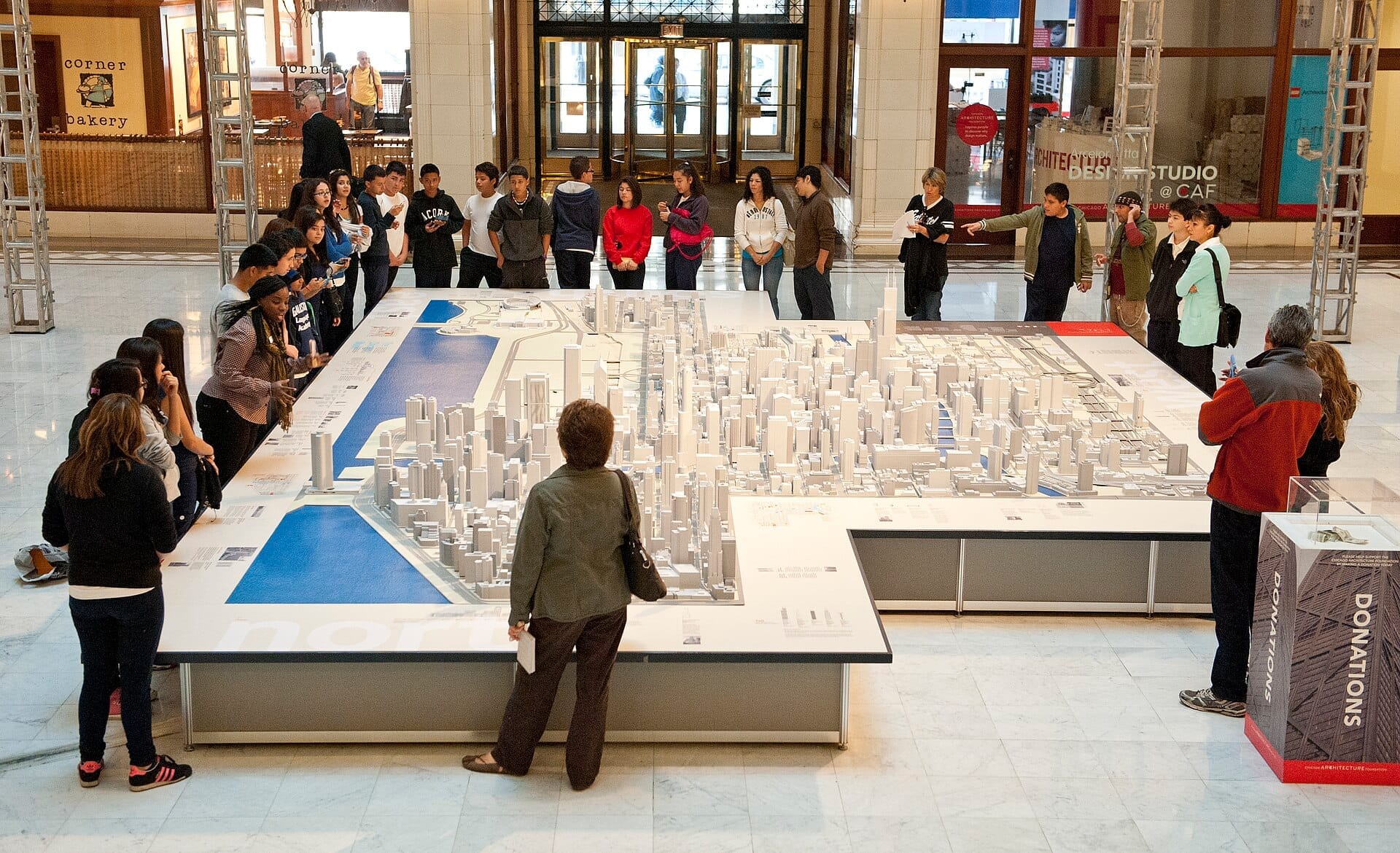
The Chicago Architecture Center is the best starting point for any architecture trip. Its scale model of the Chicago skyline is alone worth the visit, and it books the most authoritative river cruises and walking tours in the city.
Explore1. Start Your Chicago Architecture Journey at the CAC
The Chicago Architecture Center is the best starting point for any architecture trip. Its scale model of the Chicago skyline is alone worth the visit, and it books the most authoritative river cruises and walking tours in the city.
Explore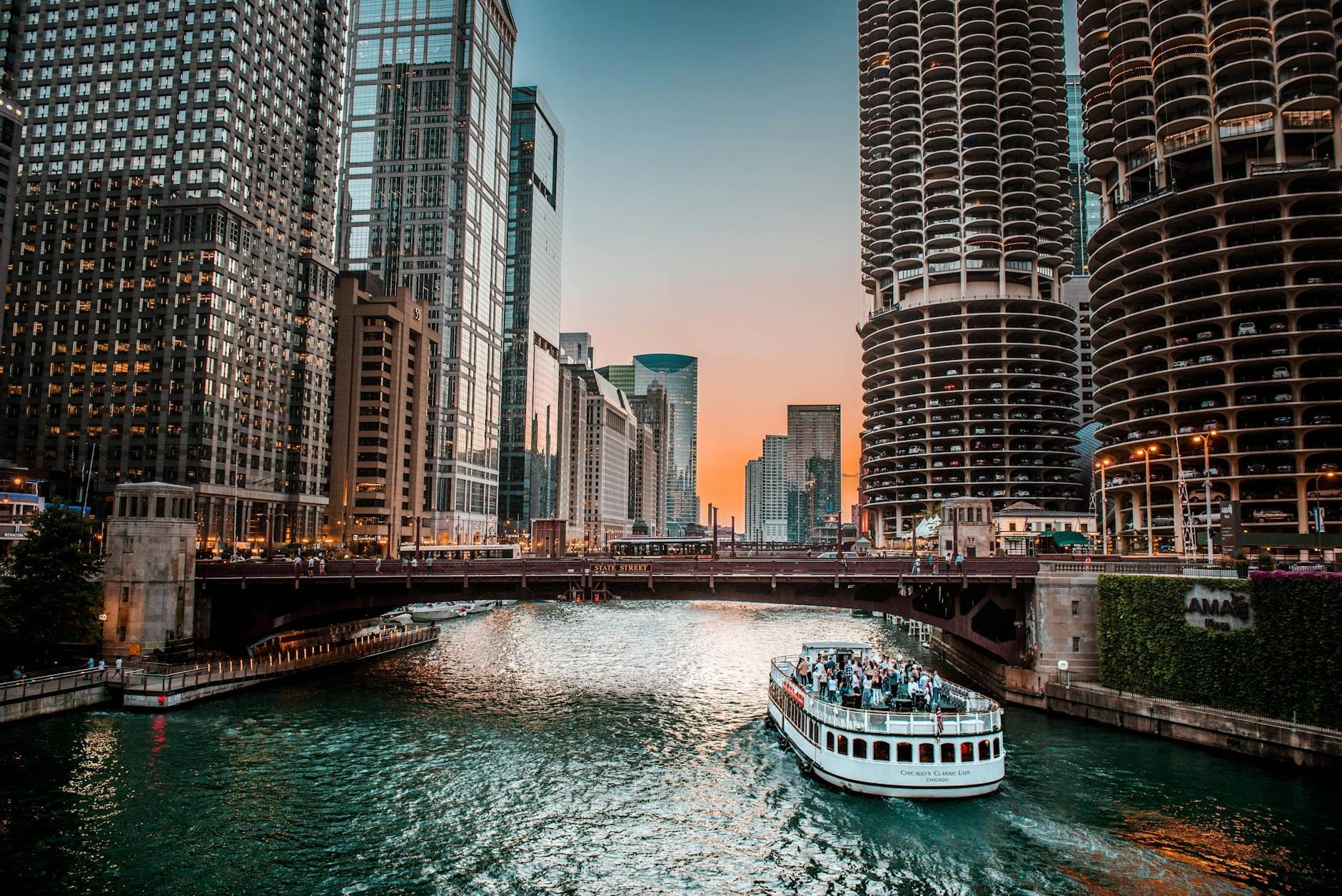
2. Read the Skyline from the Water on the CAC River Cruise
The gold-standard way to see Chicago's architecture. In 90 minutes, trained docents explain 40-plus buildings across all three river branches, connecting styles to the decisions and rivalries that produced them. Book ahead in summer.
Explore2. Read the Skyline from the Water on the CAC River Cruise
The gold-standard way to see Chicago's architecture. In 90 minutes, trained docents explain 40-plus buildings across all three river branches, connecting styles to the decisions and rivalries that produced them. Book ahead in summer.
Explore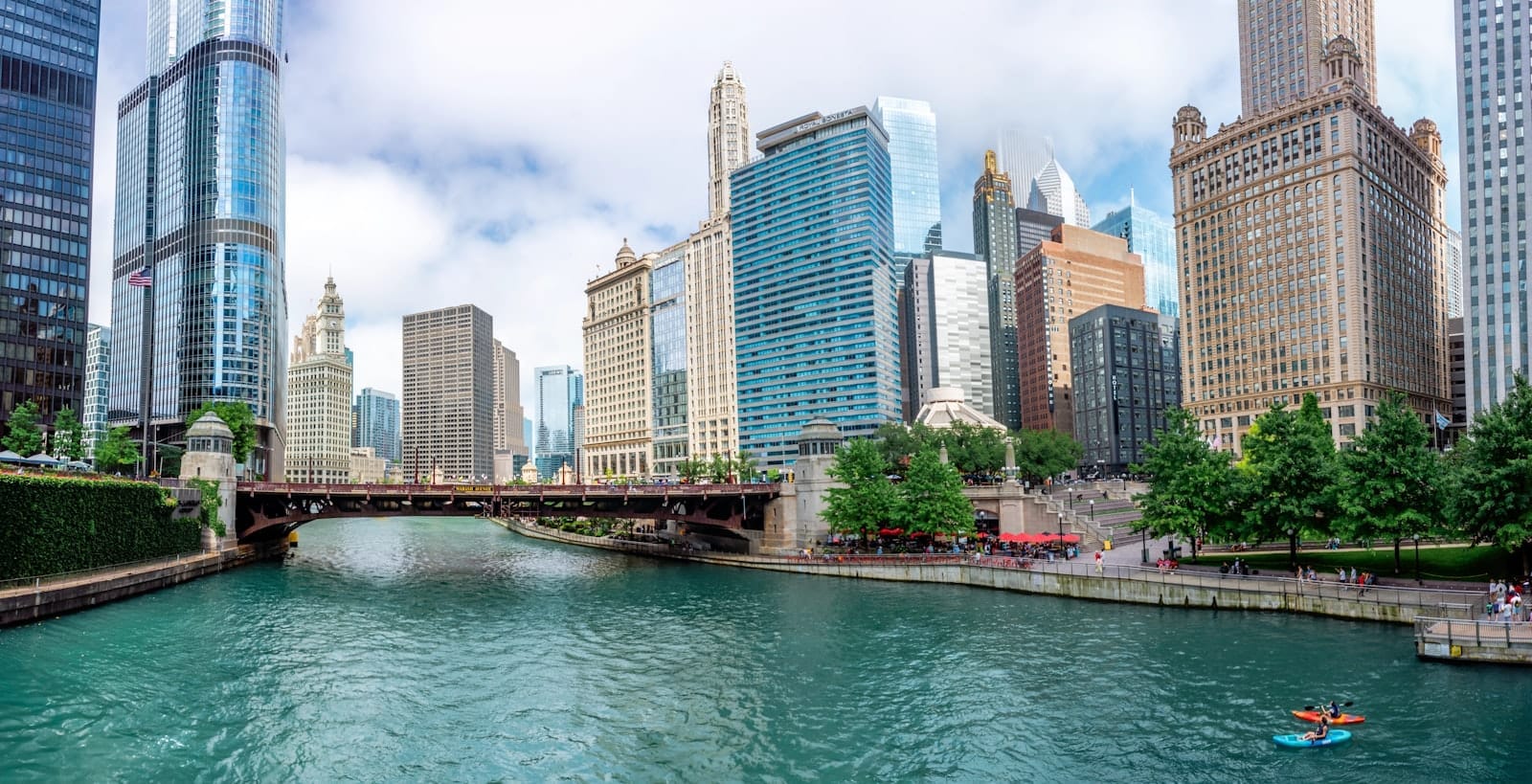
3. Walk the Riverwalk for a Self-Guided Architecture Corridor
The 1.25-mile south-bank promenade puts you at water level beneath Marina City, the Wrigley Building, and Tribune Tower. Free to walk, best in spring through fall, and one of the finest urban spaces in the country.
Explore3. Walk the Riverwalk for a Self-Guided Architecture Corridor
The 1.25-mile south-bank promenade puts you at water level beneath Marina City, the Wrigley Building, and Tribune Tower. Free to walk, best in spring through fall, and one of the finest urban spaces in the country.
ExploreLoop Landmarks: The Chicago School & Art Deco
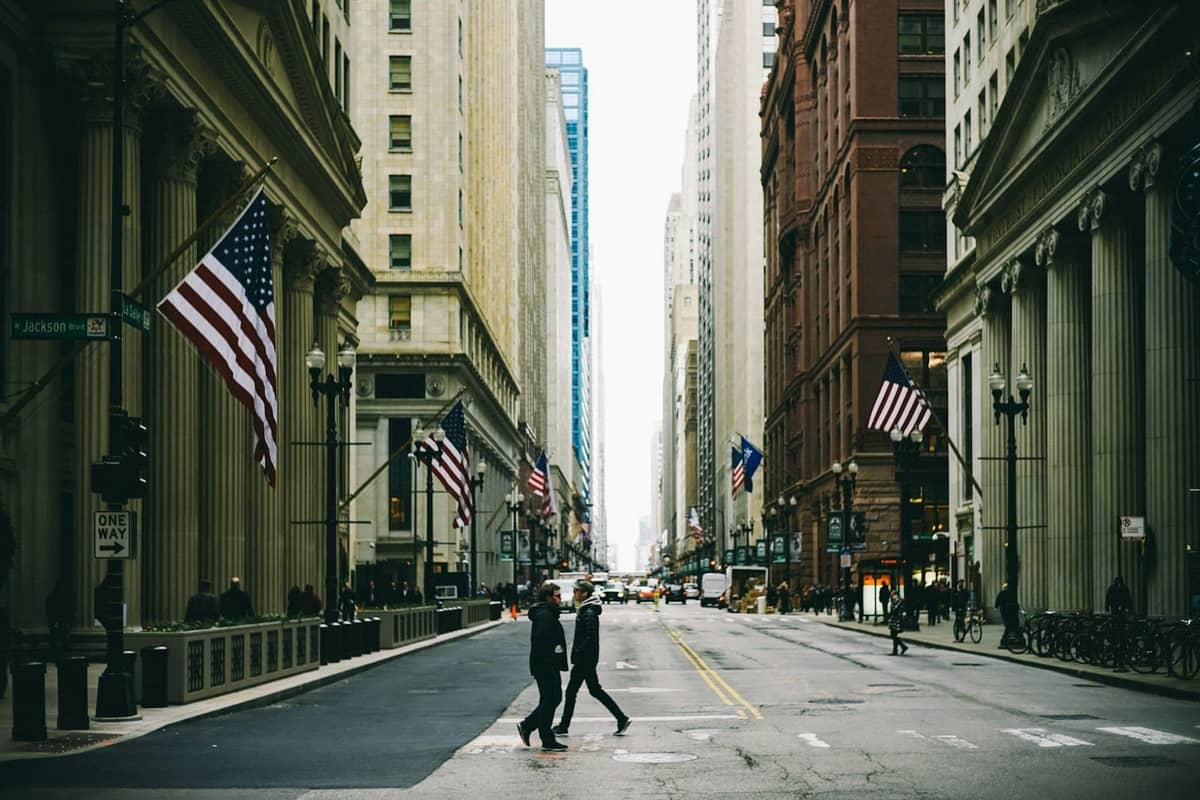
The Loop is where the history of modern architecture is most densely legible. Several buildings here are free to enter, and walking between them takes under 30 minutes. Pay particular attention to the buildings on and around LaSalle and Dearborn Streets, where the 19th-century steel-frame tradition and the 1920s-1930s Art Deco wave overlap within a single city block.
4. Step Inside the Rookery: Chicago's Oldest Standing High-Rise
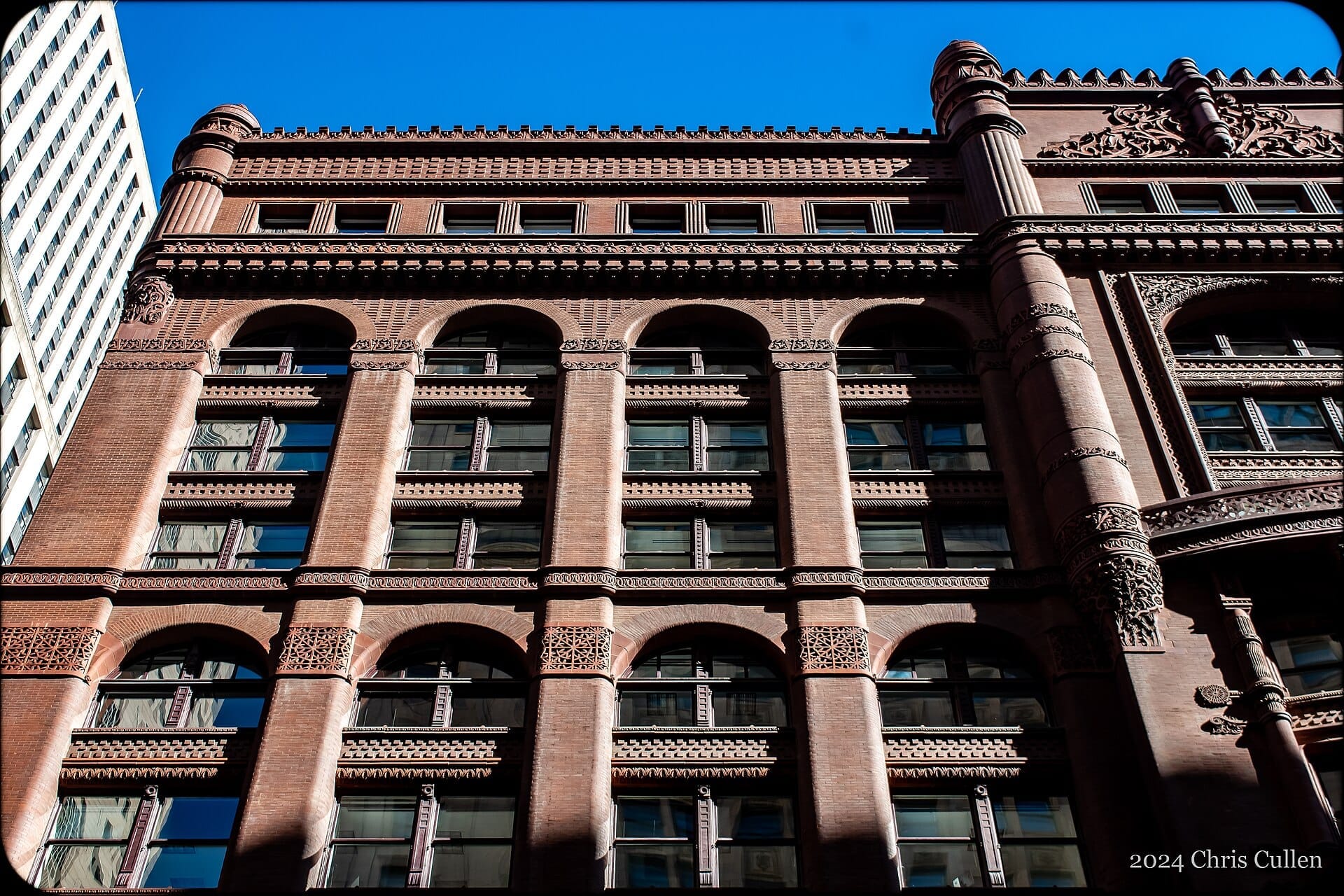
Built in 1888 by Burnham and Root, the Rookery's Frank Lloyd Wright-remodeled lobby is the most photographed interior in the Loop. The white marble and gilded ironwork light court is free to enter on weekdays. Do not skip it.
Explore4. Step Inside the Rookery: Chicago's Oldest Standing High-Rise
Built in 1888 by Burnham and Root, the Rookery's Frank Lloyd Wright-remodeled lobby is the most photographed interior in the Loop. The white marble and gilded ironwork light court is free to enter on weekdays. Do not skip it.
Explore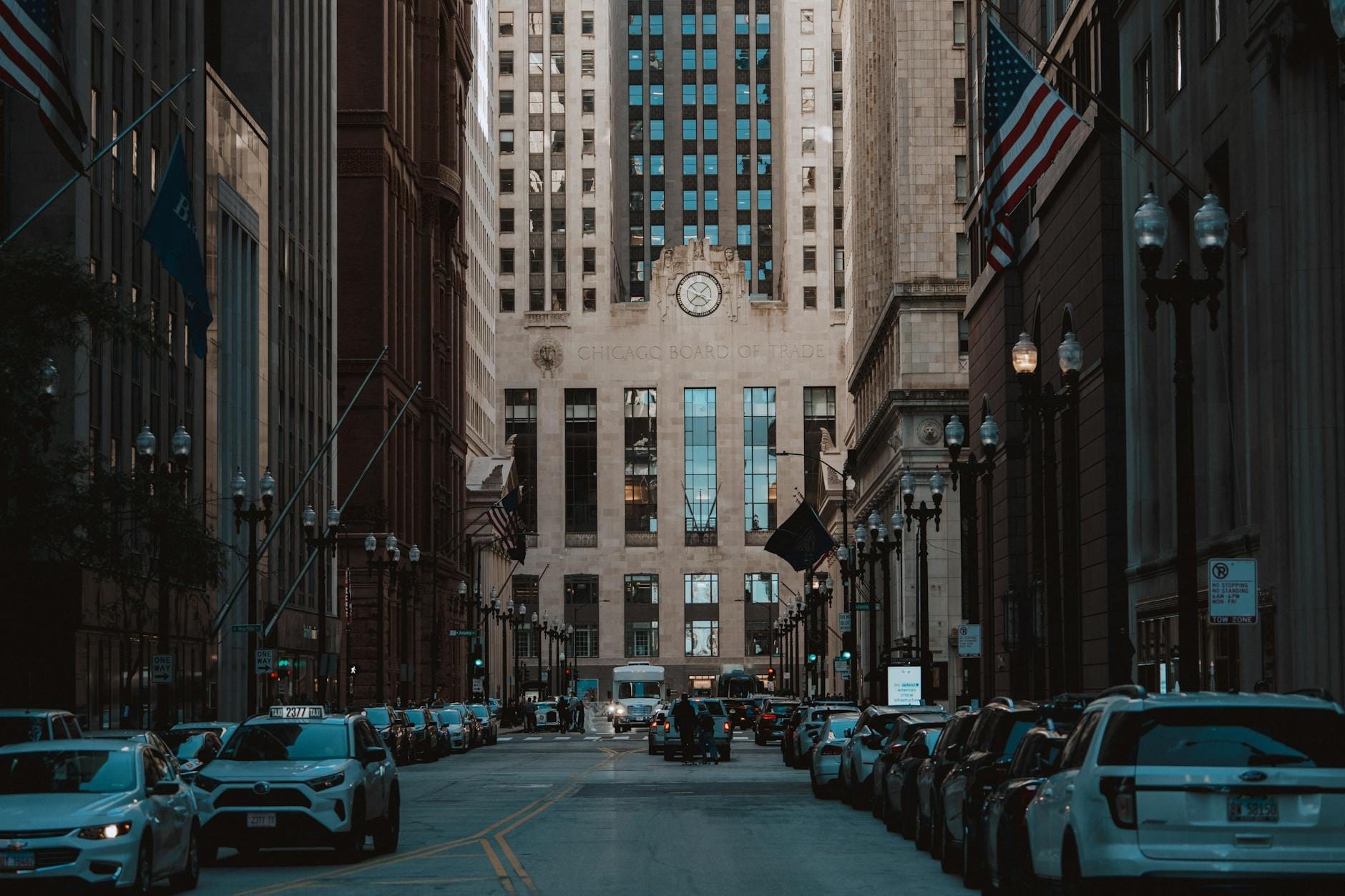
5. Look Up at the City's Finest Art Deco Skyscraper
The 1930 Chicago Board of Trade Building anchors LaSalle Street with a stainless-steel goddess, a lobby that feels Prohibition-era dramatic, and one of the most powerful street-level architectural compositions in the United States.
Explore5. Look Up at the City's Finest Art Deco Skyscraper
The 1930 Chicago Board of Trade Building anchors LaSalle Street with a stainless-steel goddess, a lobby that feels Prohibition-era dramatic, and one of the most powerful street-level architectural compositions in the United States.
Explore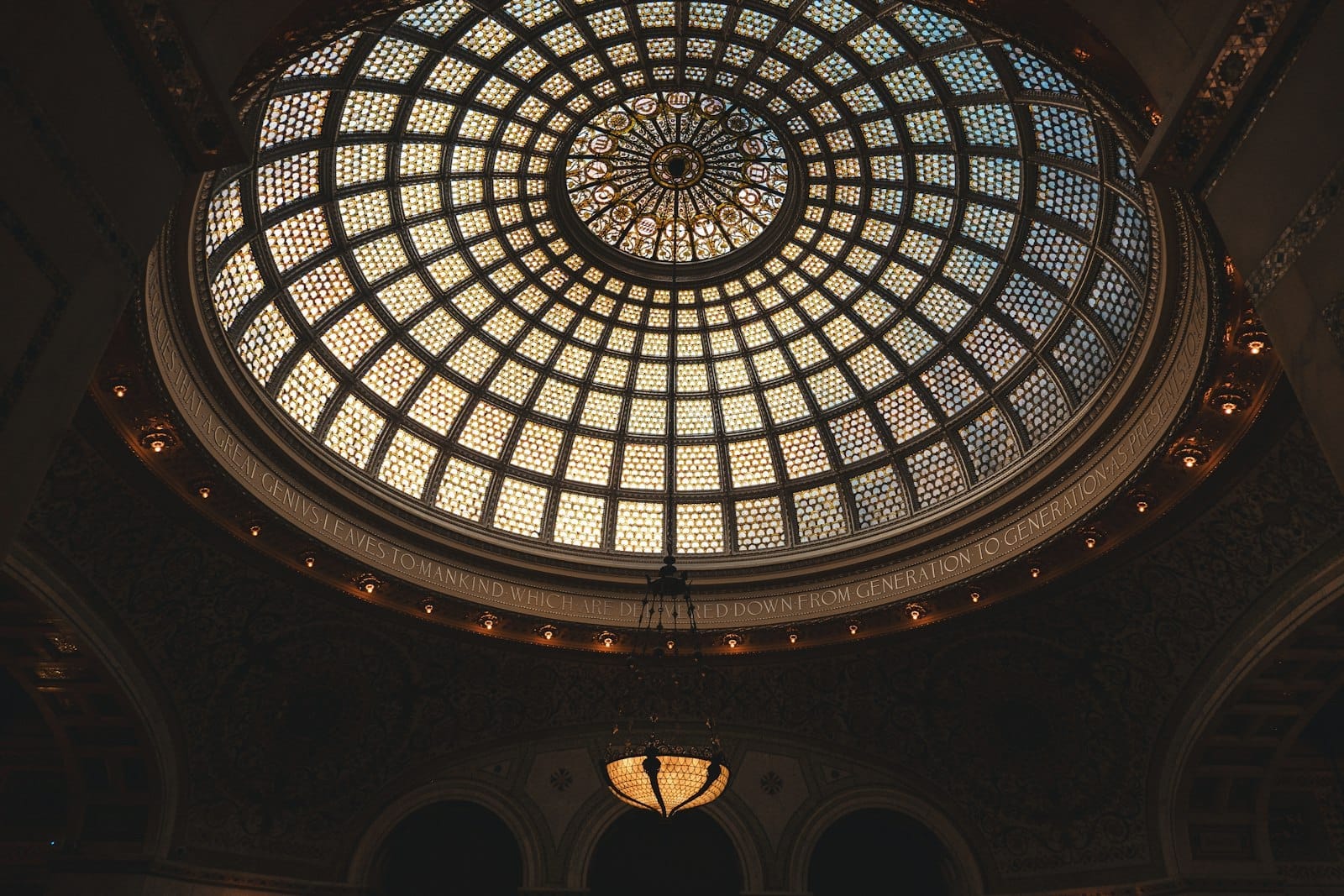
6. See the Tiffany Domes at the Chicago Cultural Center
This 1897 Beaux-Arts former library houses two of the world's largest Tiffany stained-glass domes. Free to enter, free rotating exhibitions, and one of the most jaw-dropping interiors in any American city. Allow 45 minutes minimum.
Explore6. See the Tiffany Domes at the Chicago Cultural Center
This 1897 Beaux-Arts former library houses two of the world's largest Tiffany stained-glass domes. Free to enter, free rotating exhibitions, and one of the most jaw-dropping interiors in any American city. Allow 45 minutes minimum.
Explore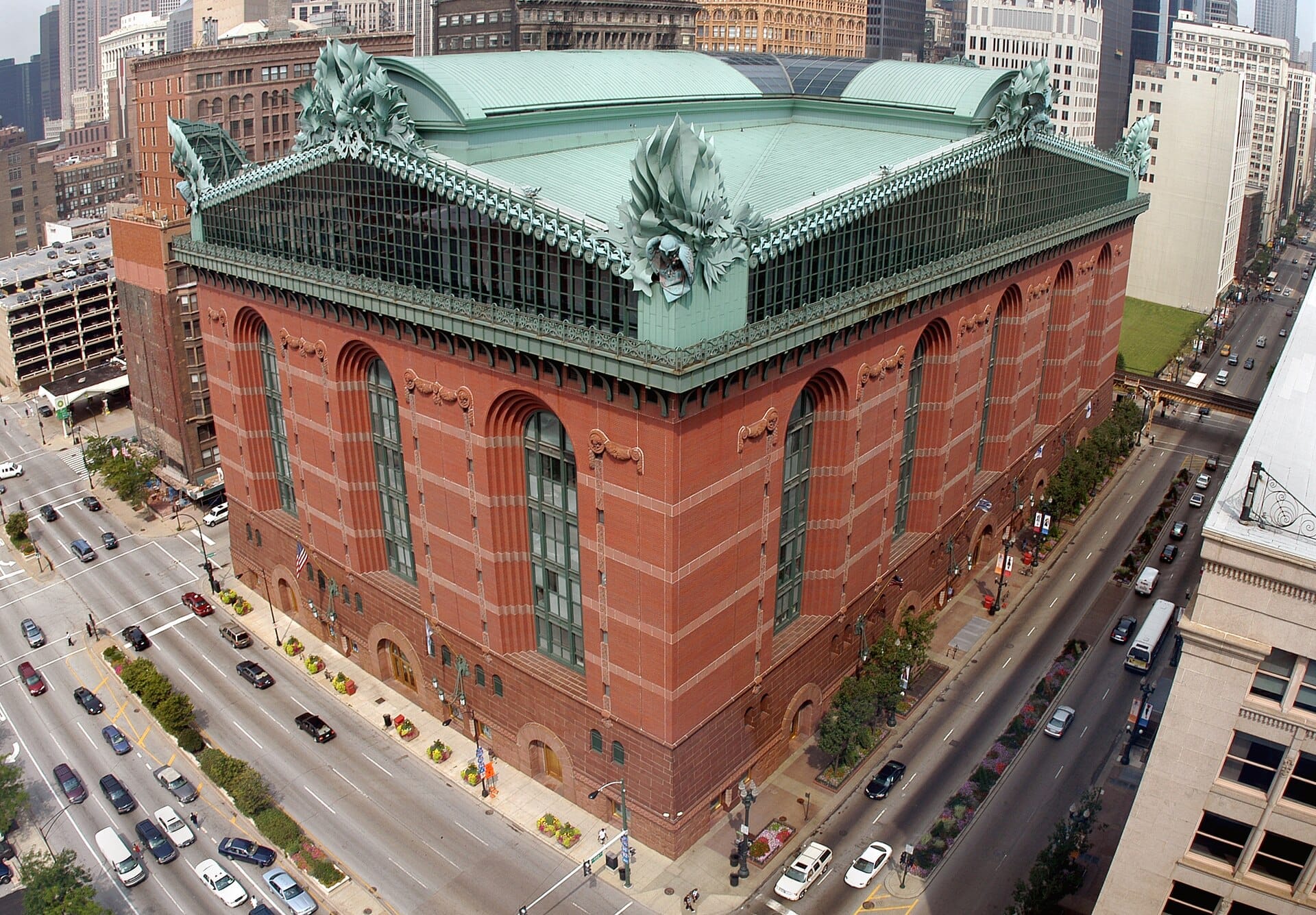
7. Discover the Architectural Boldness of Harold Washington Library
Completed in 1991, this postmodern Loop library packs massive ornamentation, enormous arched windows, and a rooftop greenhouse onto 756,000 square feet. Free to enter and largely overlooked by tourists, which makes it more rewarding.
Explore7. Discover the Architectural Boldness of Harold Washington Library
Completed in 1991, this postmodern Loop library packs massive ornamentation, enormous arched windows, and a rooftop greenhouse onto 756,000 square feet. Free to enter and largely overlooked by tourists, which makes it more rewarding.
Explore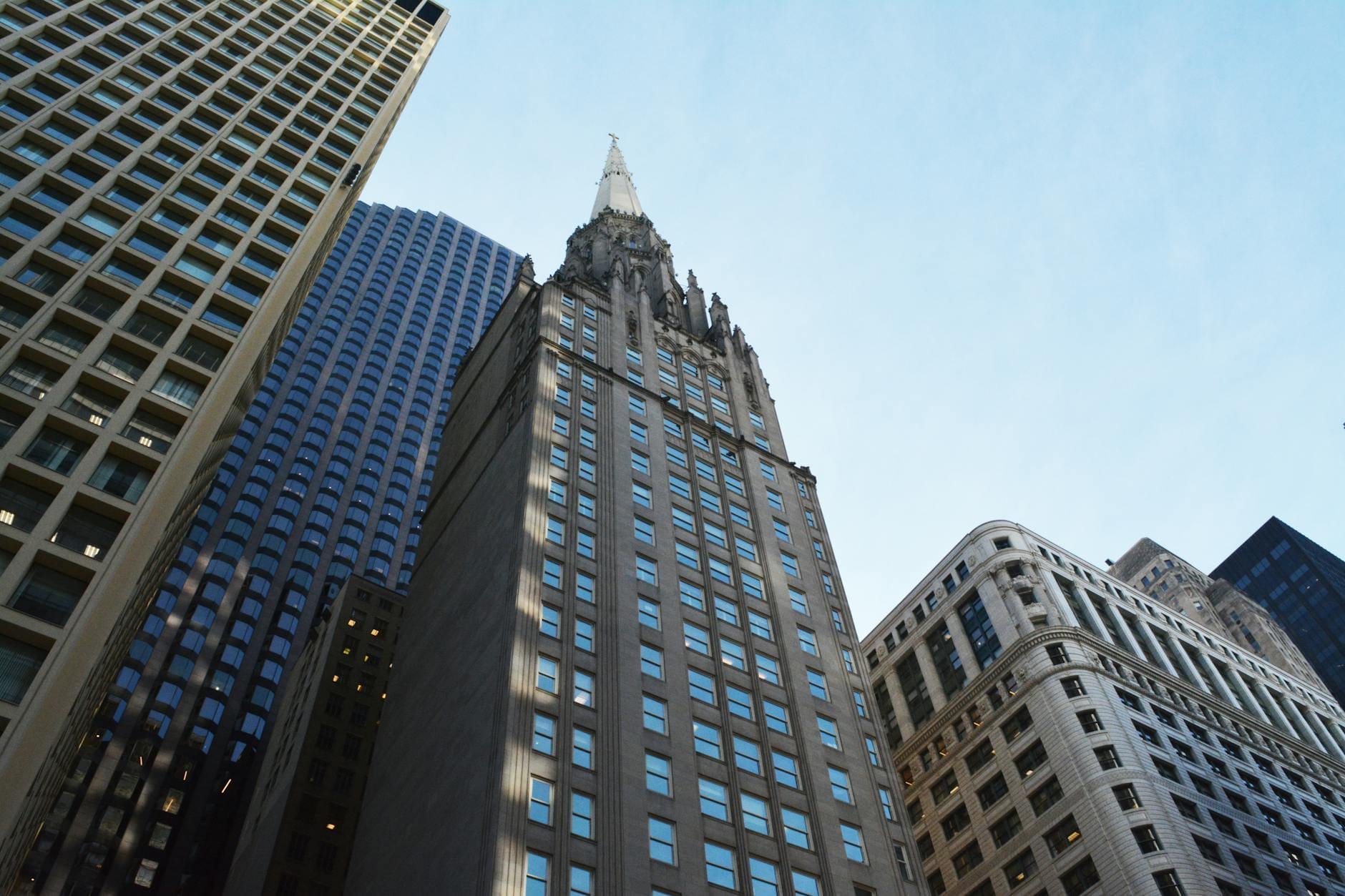
8. Visit the Loop's Only Gothic Skyscraper-Church Hybrid
The 1924 Chicago Temple Building is a 23-story office tower topped by a Gothic spire and a sky chapel used for active worship. One of the most quietly unusual buildings in the Loop, and free to view from the street or visit for services.
Explore8. Visit the Loop's Only Gothic Skyscraper-Church Hybrid
The 1924 Chicago Temple Building is a 23-story office tower topped by a Gothic spire and a sky chapel used for active worship. One of the most quietly unusual buildings in the Loop, and free to view from the street or visit for services.
Explore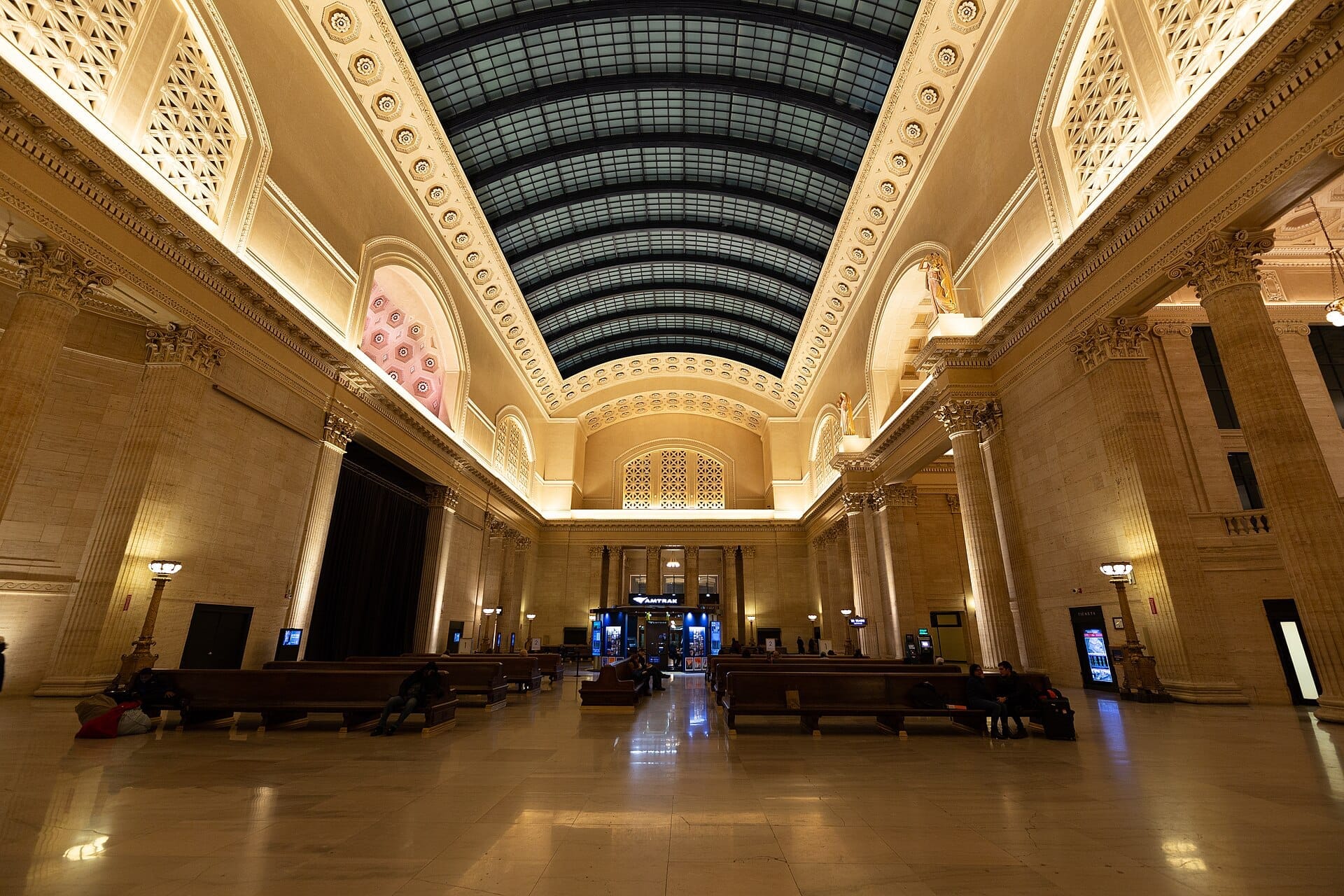
9. Stand Beneath the Soaring Vault of Union Station's Great Hall
Chicago Union Station's Great Hall is one of the city's grandest Beaux-Arts interiors: soaring skylight, monumental columns, and marble floors. Free to enter and especially rewarding as a quick architecture stop near the West Loop.
Explore9. Stand Beneath the Soaring Vault of Union Station's Great Hall
Chicago Union Station's Great Hall is one of the city's grandest Beaux-Arts interiors: soaring skylight, monumental columns, and marble floors. Free to enter and especially rewarding as a quick architecture stop near the West Loop.
Explore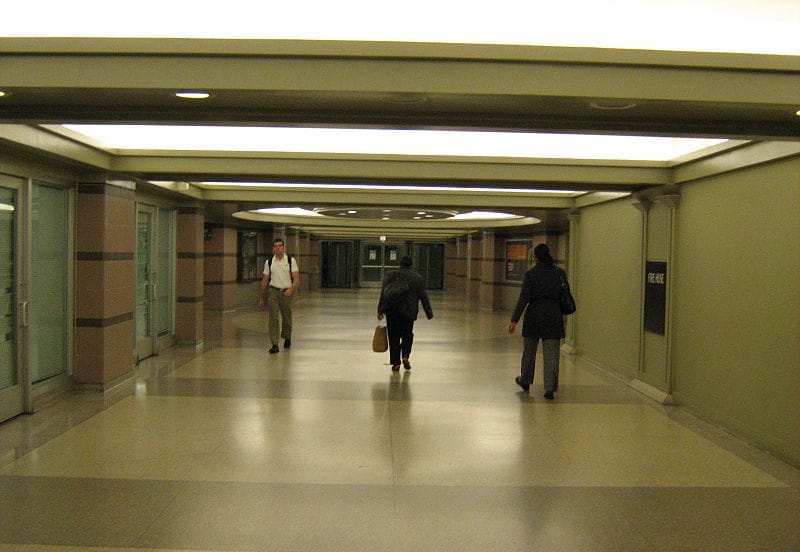
10. Explore the Underground Architecture of the Chicago Pedway
Five miles of tunnels, sky bridges, and concourses connect 50-plus Loop buildings. Part practical shortcut, part urban curiosity, the Pedway is one of downtown's most overlooked architectural experiences. Free, open daily, no map required.
Explore10. Explore the Underground Architecture of the Chicago Pedway
Five miles of tunnels, sky bridges, and concourses connect 50-plus Loop buildings. Part practical shortcut, part urban curiosity, the Pedway is one of downtown's most overlooked architectural experiences. Free, open daily, no map required.
ExploreRiverfront & Near North Architectural Icons
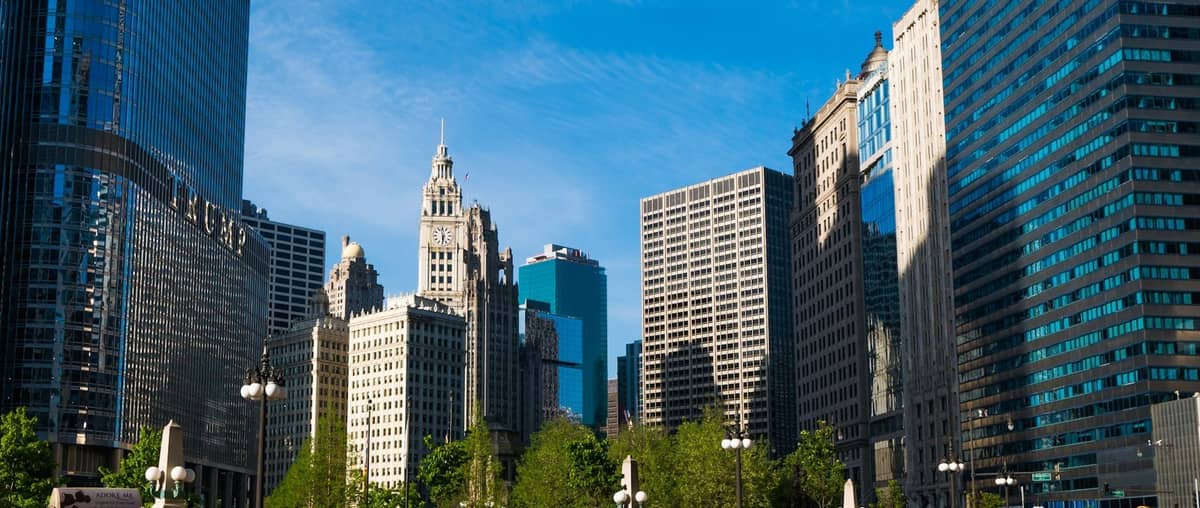
North of the Loop, the Chicago River frames some of the city's most recognizable towers. The Magnificent Mile and Streeterville corridor packs several essential stops into a walkable stretch, from the neo-Gothic Tribune Tower to the gleaming twin towers of the Wrigley Building. Marina City, visible from any point along the river, is one of the most photographed structures in American architecture.
11. Examine the Gothic Ambition of Tribune Tower
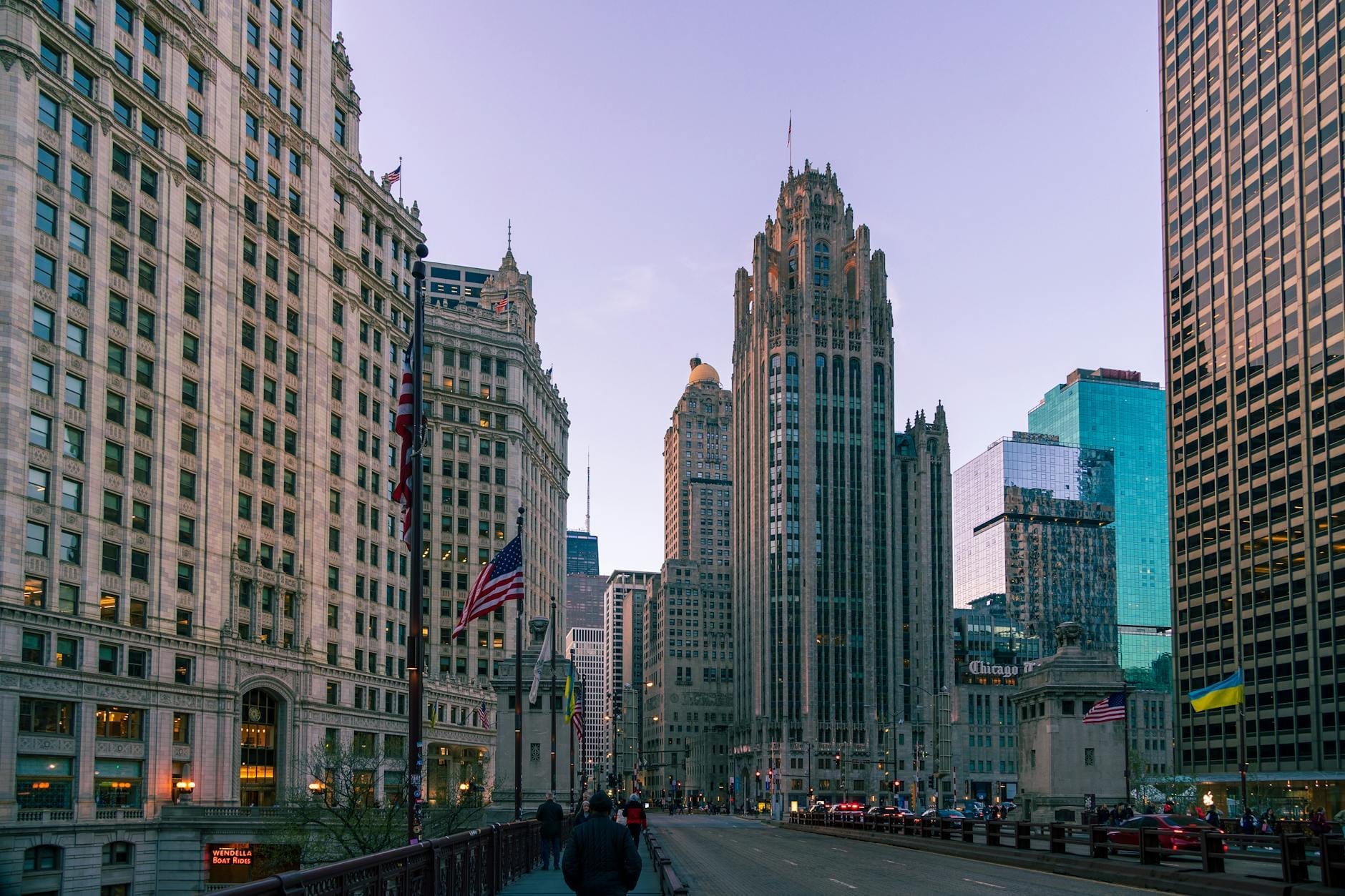
Completed in 1925 after a famous international competition, Tribune Tower's neo-Gothic silhouette dominates the Michigan Avenue Bridge approach. Its street-level facade is embedded with fragments from the Parthenon, Taj Mahal, and more. Free to view.
Explore11. Examine the Gothic Ambition of Tribune Tower
Completed in 1925 after a famous international competition, Tribune Tower's neo-Gothic silhouette dominates the Michigan Avenue Bridge approach. Its street-level facade is embedded with fragments from the Parthenon, Taj Mahal, and more. Free to view.
Explore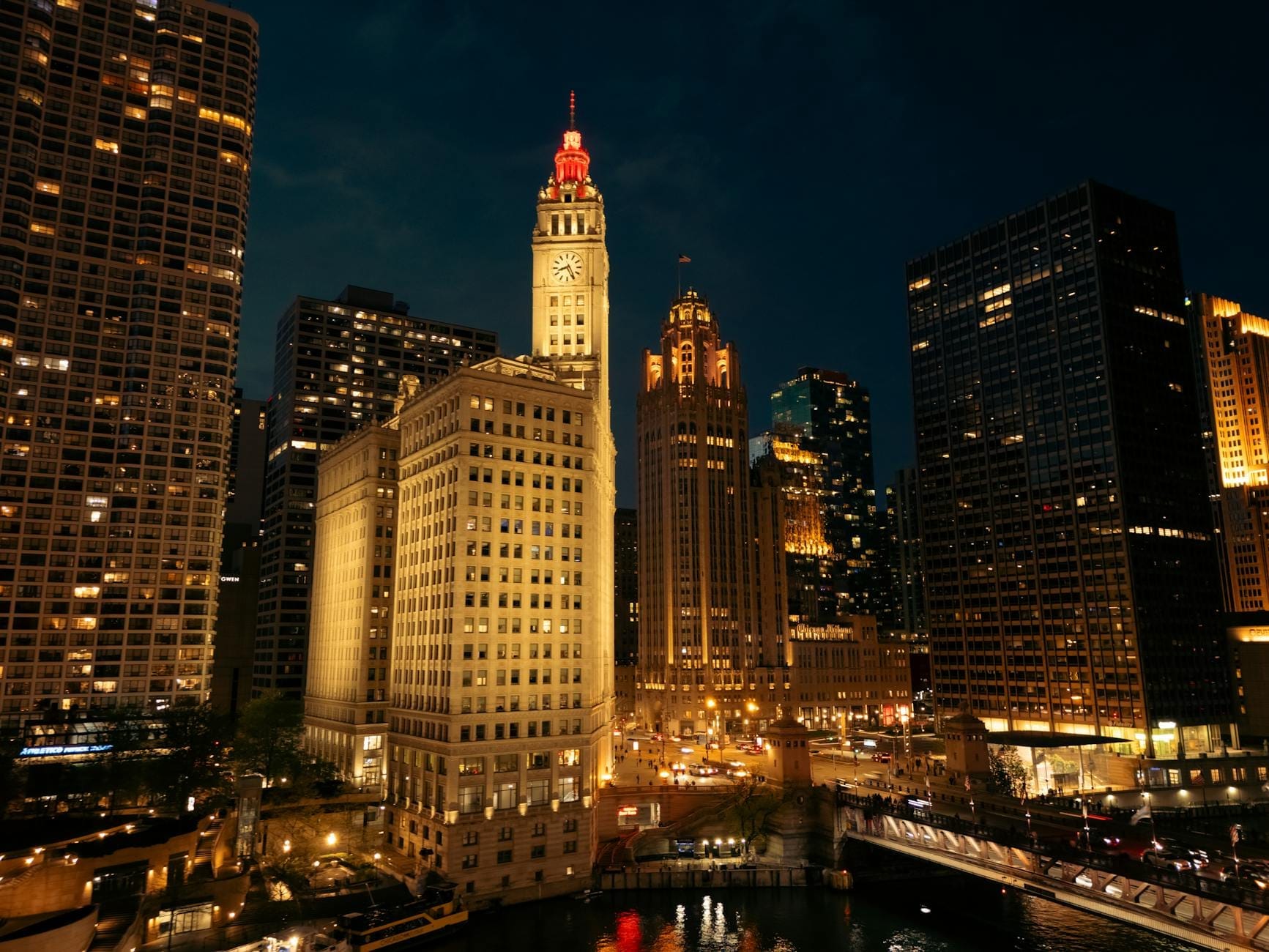
12. Cross the Michigan Avenue Bridge to See the Wrigley Building
The 1924 Wrigley Building's white terra-cotta facade and twin-tower form frame the Chicago River from the north. It was the first major building on North Michigan Avenue and remains one of the city's most compositionally satisfying facades.
Explore12. Cross the Michigan Avenue Bridge to See the Wrigley Building
The 1924 Wrigley Building's white terra-cotta facade and twin-tower form frame the Chicago River from the north. It was the first major building on North Michigan Avenue and remains one of the city's most compositionally satisfying facades.
Explore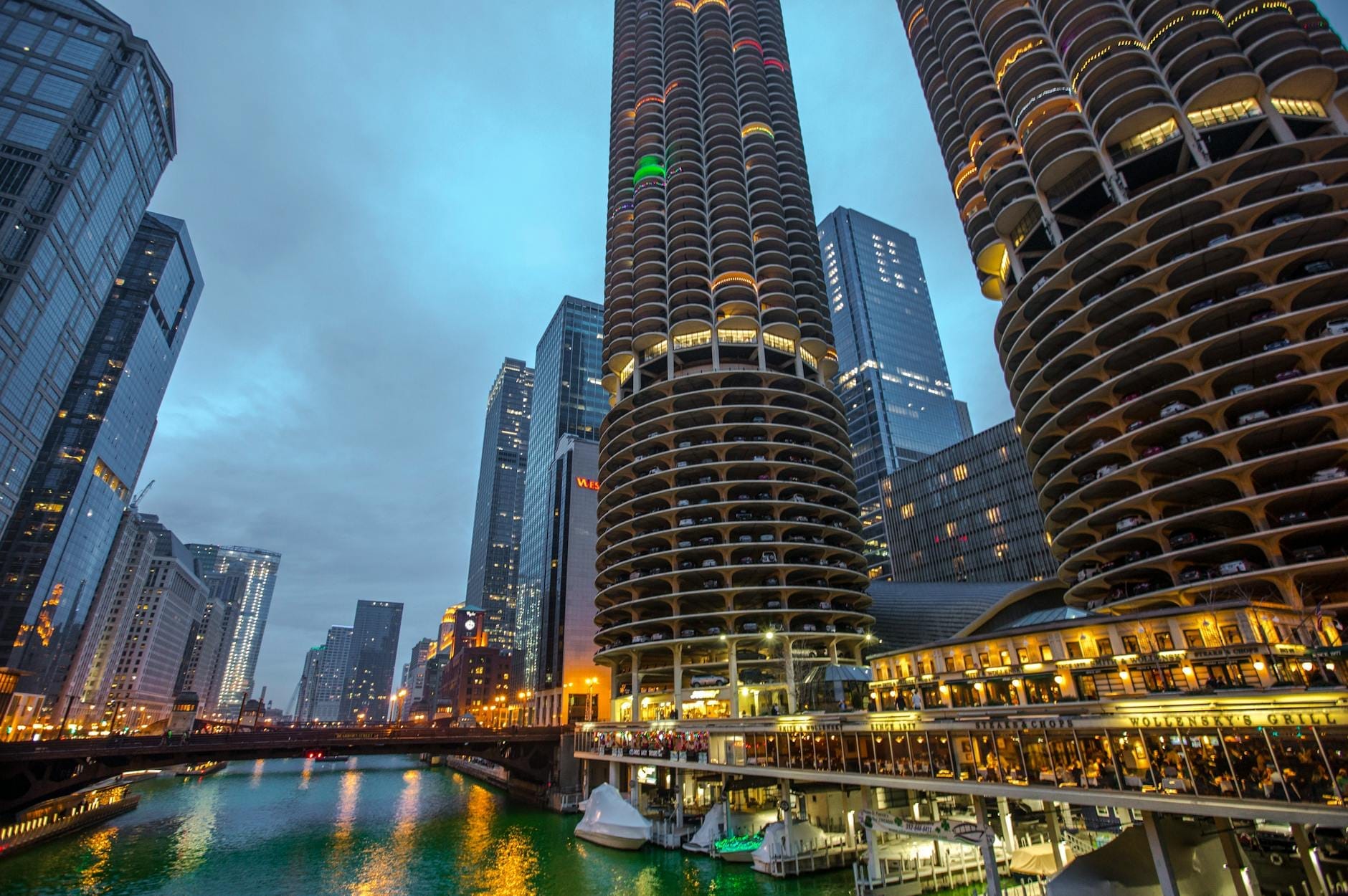
13. See Bertrand Goldberg's Corncob Towers at Marina City
Completed in 1967, Marina City's twin 65-story concrete cylinders are instantly recognizable from the riverwalk. Designed by Bertrand Goldberg as a city within a city, they represent a pivotal moment in American residential architecture. Entry to public areas is free.
Explore13. See Bertrand Goldberg's Corncob Towers at Marina City
Completed in 1967, Marina City's twin 65-story concrete cylinders are instantly recognizable from the riverwalk. Designed by Bertrand Goldberg as a city within a city, they represent a pivotal moment in American residential architecture. Entry to public areas is free.
Explore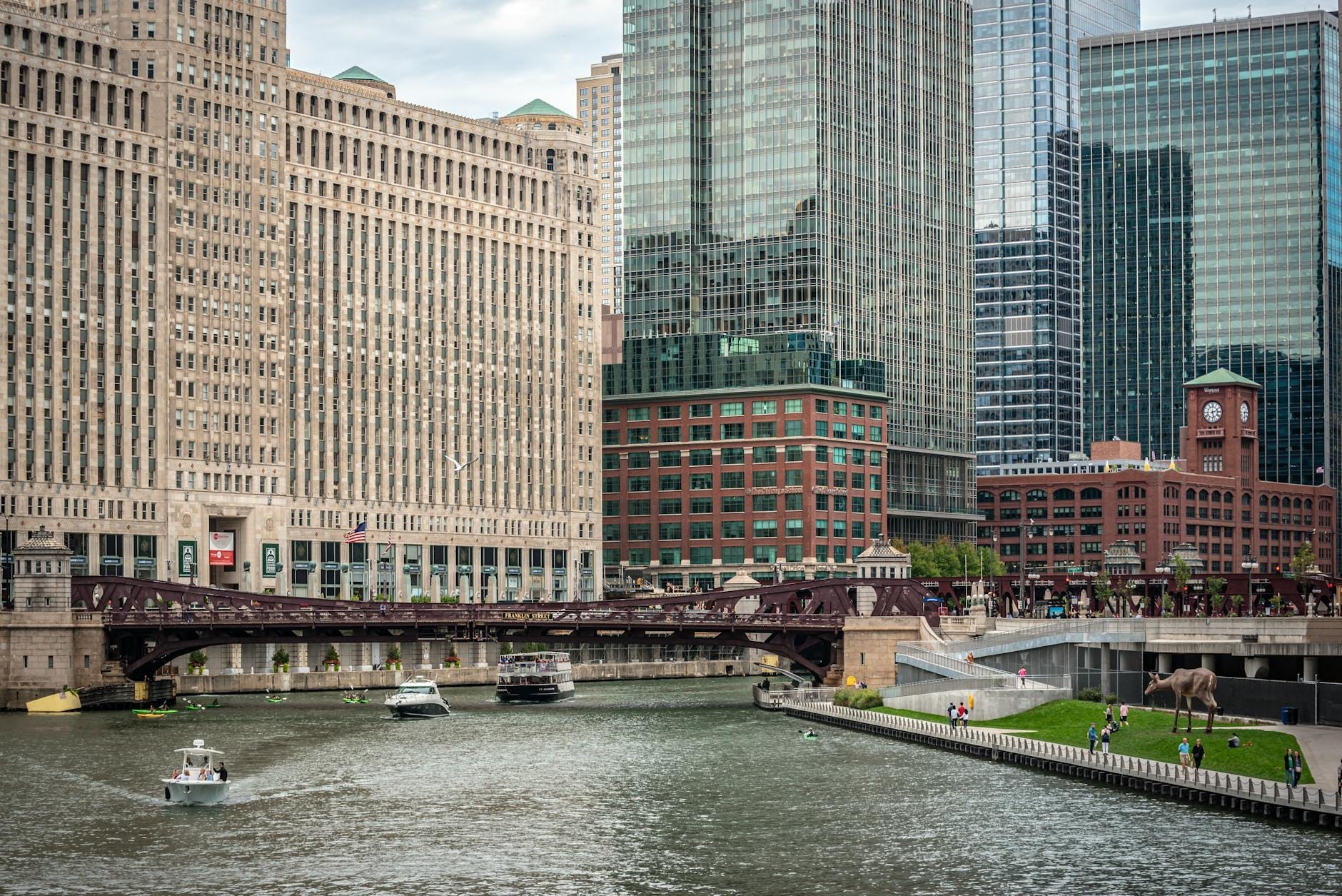
14. Walk Through the Art Deco Scale of the Merchandise Mart
One of the world's largest buildings by floor area, this 25-story 1930 Art Deco landmark spans two full city blocks along the river. Free to enter on weekdays, with a riverfront plaza that frames the downtown skyline from a less obvious angle.
Explore14. Walk Through the Art Deco Scale of the Merchandise Mart
One of the world's largest buildings by floor area, this 25-story 1930 Art Deco landmark spans two full city blocks along the river. Free to enter on weekdays, with a riverfront plaza that frames the downtown skyline from a less obvious angle.
Explore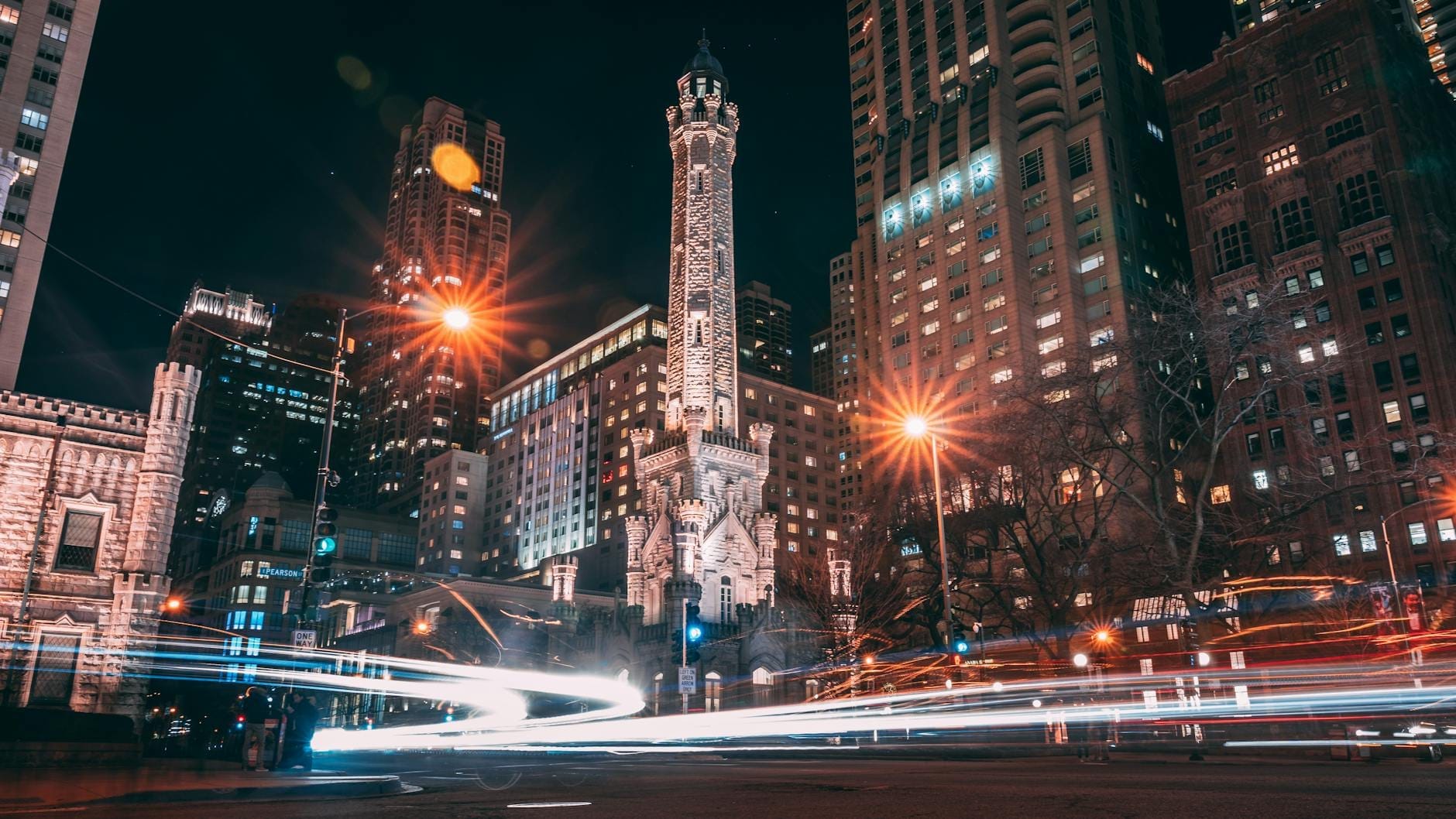
15. See the Great Fire Survivor: Chicago Water Tower
Built in 1869, this 182-foot limestone Gothic tower survived the 1871 Great Fire and became Chicago's most potent symbol of resilience. Free to view year-round on the Magnificent Mile, and essential context for understanding why the city rebuilt as it did.
Explore15. See the Great Fire Survivor: Chicago Water Tower
Built in 1869, this 182-foot limestone Gothic tower survived the 1871 Great Fire and became Chicago's most potent symbol of resilience. Free to view year-round on the Magnificent Mile, and essential context for understanding why the city rebuilt as it did.
Explore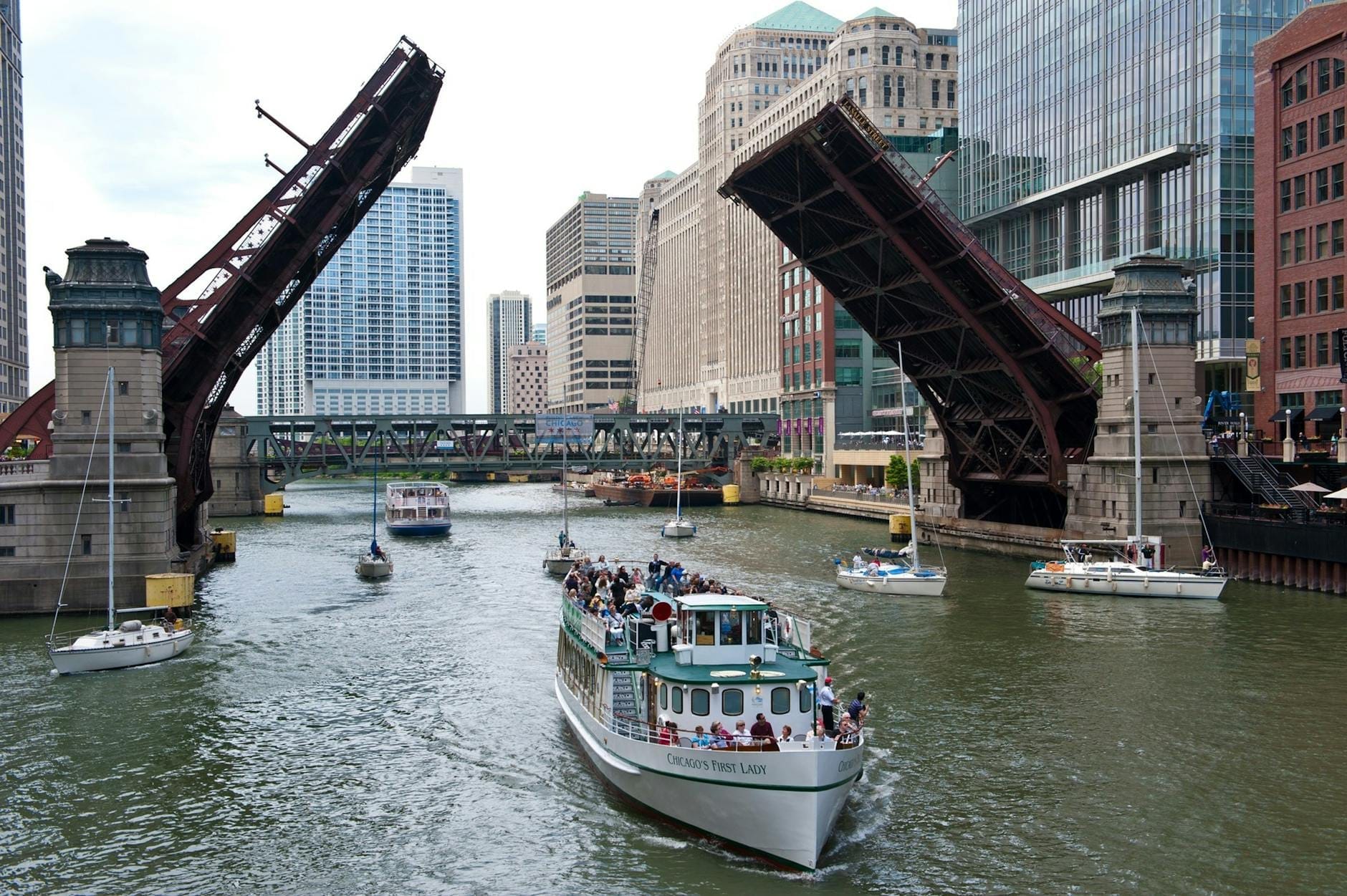
16. Cross a Bascule Bridge: Chicago's Moving Bridge Collection
Chicago has the world's largest concentration of movable trunnion bascule bridges, built between 1900 and 1940. Free to walk across, best watched in operation during tall-ship season, and most rewarding as part of a Riverwalk or river cruise itinerary.
Explore16. Cross a Bascule Bridge: Chicago's Moving Bridge Collection
Chicago has the world's largest concentration of movable trunnion bascule bridges, built between 1900 and 1940. Free to walk across, best watched in operation during tall-ship season, and most rewarding as part of a Riverwalk or river cruise itinerary.
ExploreFrank Lloyd Wright, Prairie Style & Gilded Age
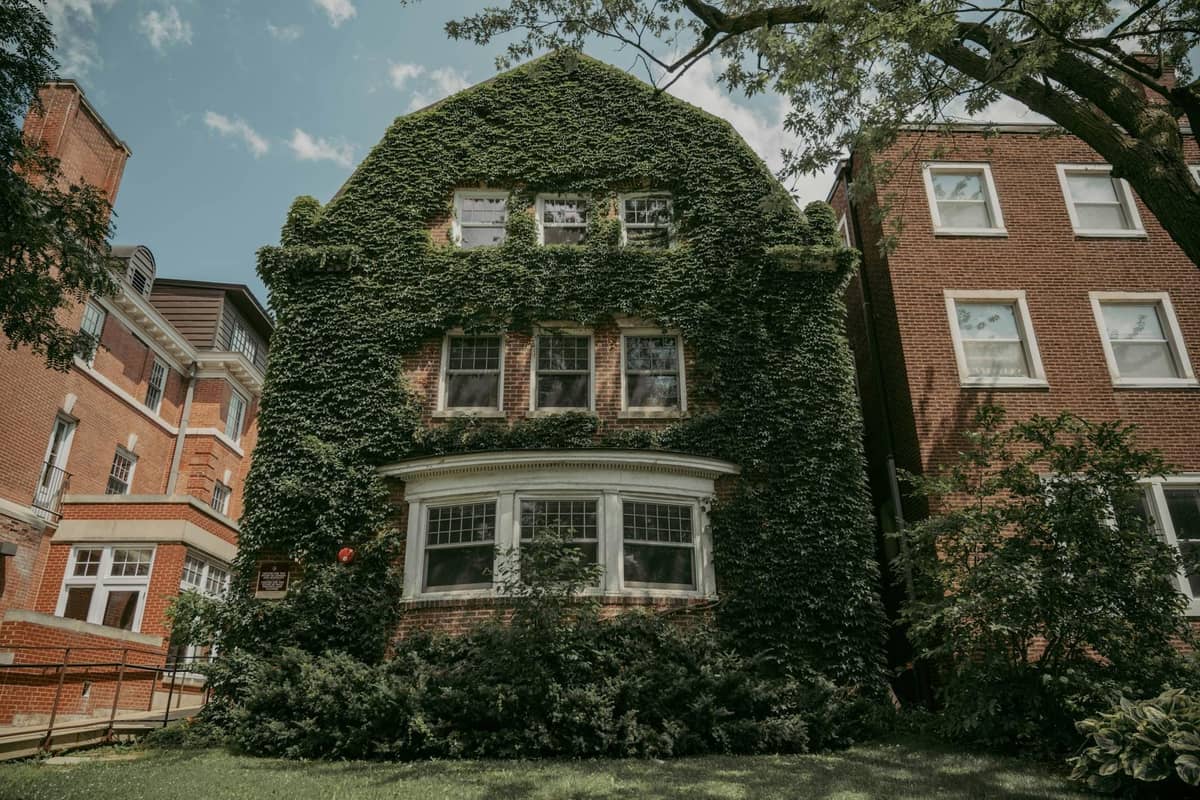
Some of Chicago's most significant architecture sits outside the downtown core. Oak Park is about a 30-minute CTA ride from the Loop and holds the densest collection of Frank Lloyd Wright buildings in the world. In Hyde Park, the Robie House is a UNESCO World Heritage Site. For anyone serious about American architectural history, these South Side and suburban stops are not optional extras. The Hyde Park neighborhood rewards a full half-day, combining Robie House with the Museum of Science and Industry and Jackson Park.
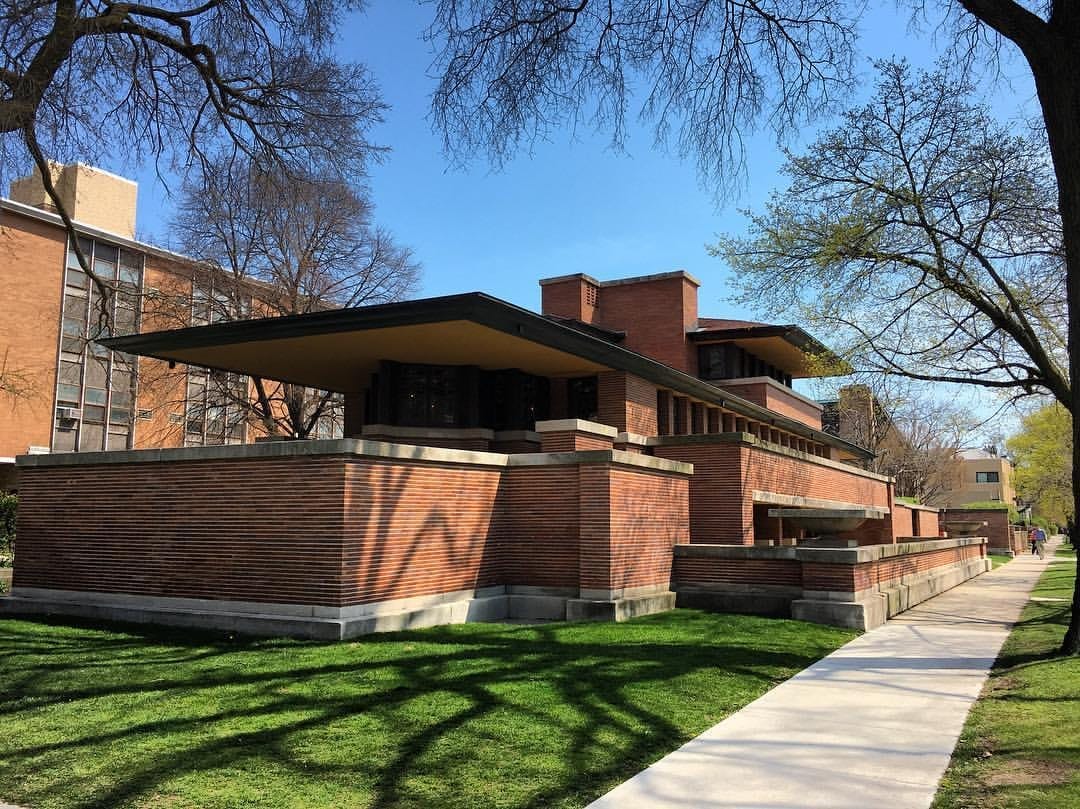
17. Tour Frank Lloyd Wright's Robie House, a UNESCO World Heritage Site
The 1910 Robie House in Hyde Park is the definitive Prairie Style building, with cantilevered roof planes, art-glass windows, and a horizontal massing that influenced architects worldwide. Guided tours are the only way inside and book up fast on weekends.
Explore17. Tour Frank Lloyd Wright's Robie House, a UNESCO World Heritage Site
The 1910 Robie House in Hyde Park is the definitive Prairie Style building, with cantilevered roof planes, art-glass windows, and a horizontal massing that influenced architects worldwide. Guided tours are the only way inside and book up fast on weekends.
Explore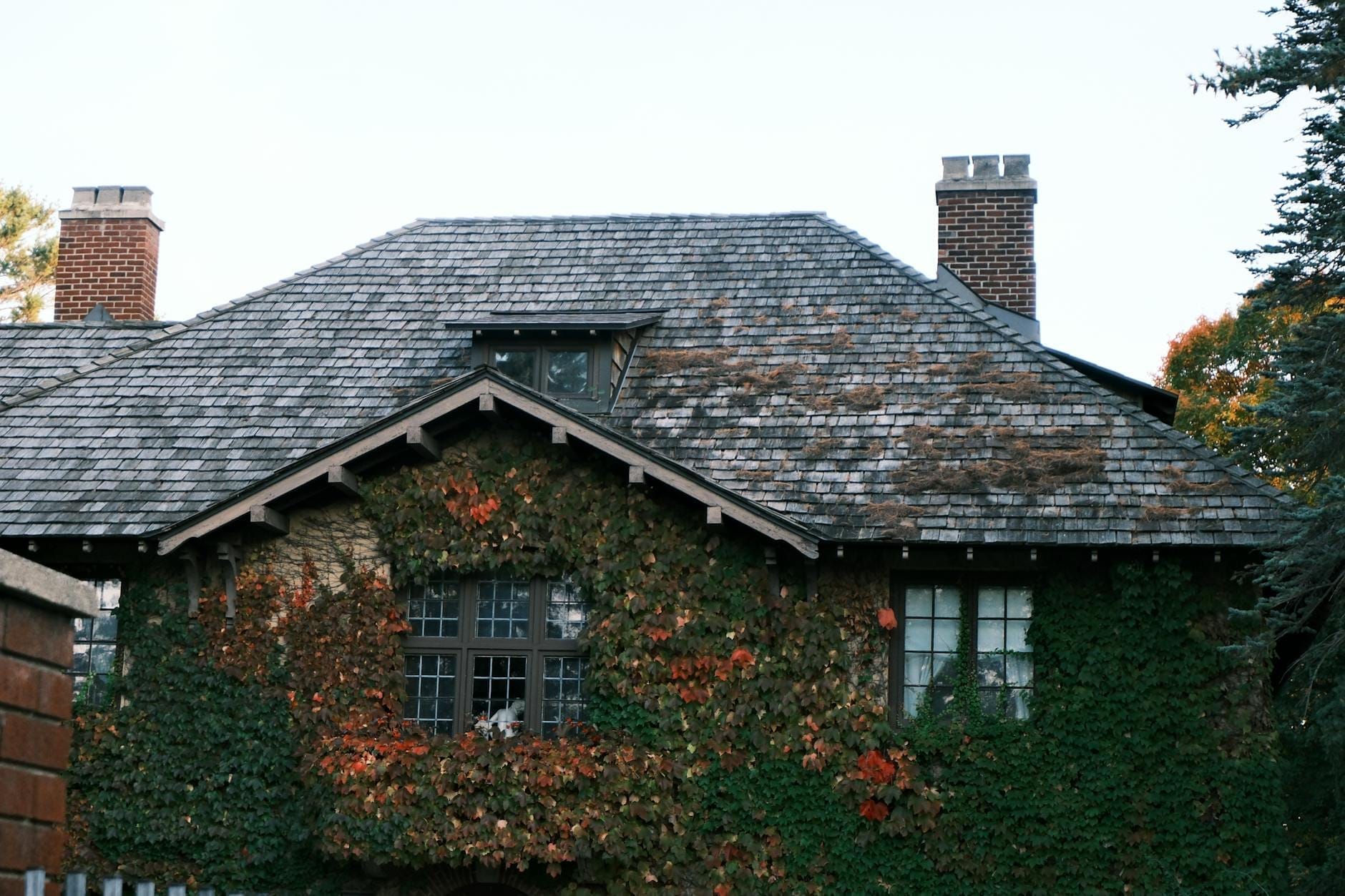
18. Walk Through Wright's Own Home and Studio in Oak Park
In Oak Park, 20 minutes from the Loop by CTA Blue Line, Wright's personal home and studio (1889-1909) shows how his ideas evolved from Victorian convention into something radically new. Daily guided tours make this the most informative Wright stop in the region.
Explore18. Walk Through Wright's Own Home and Studio in Oak Park
In Oak Park, 20 minutes from the Loop by CTA Blue Line, Wright's personal home and studio (1889-1909) shows how his ideas evolved from Victorian convention into something radically new. Daily guided tours make this the most informative Wright stop in the region.
Explore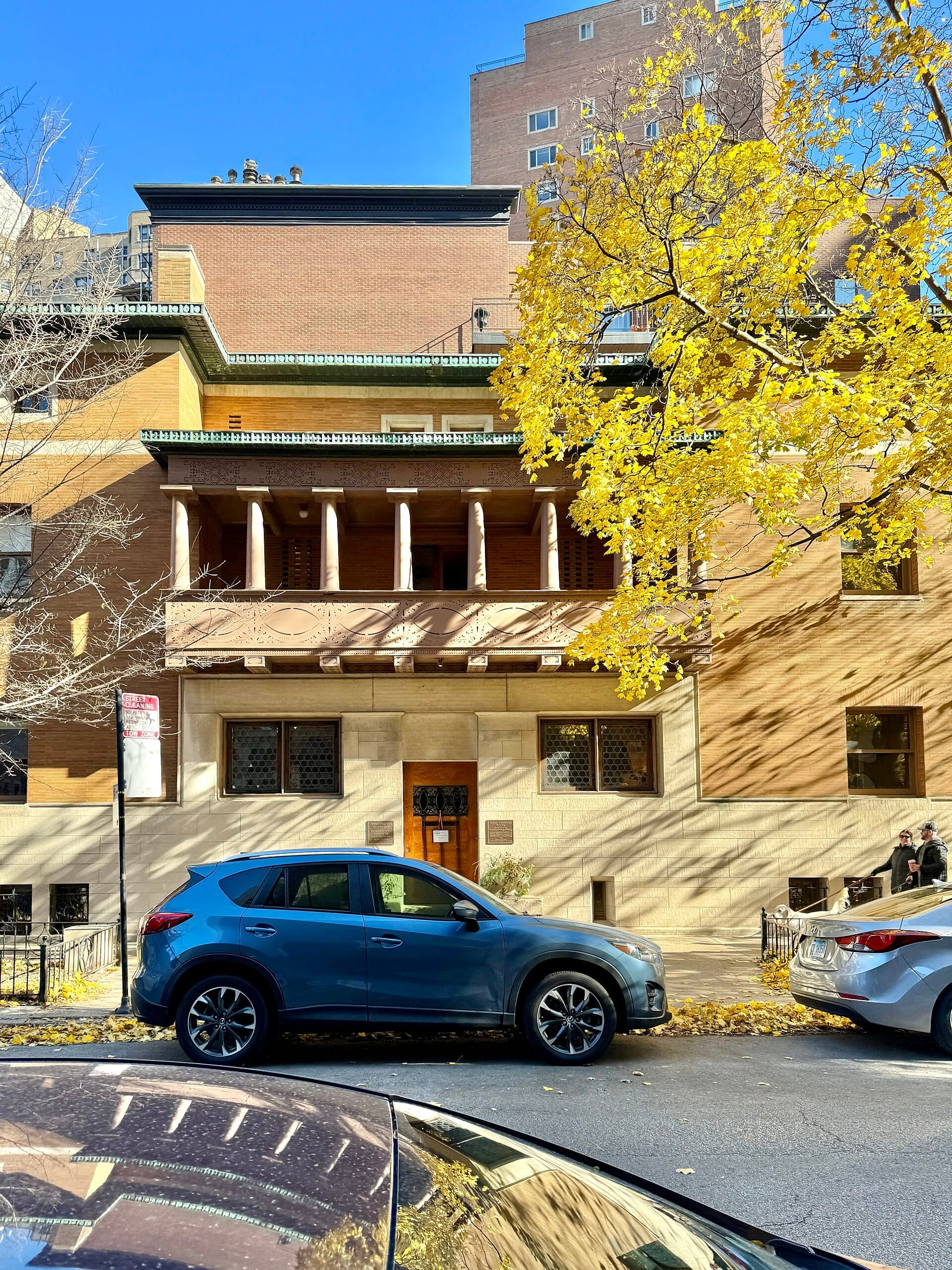
19. See the Charnley-Persky House: Sullivan and a Young Wright
Built in 1892, this Gold Coast landmark is widely considered America's first modern house. Designed by Louis Sullivan with a 24-year-old Frank Lloyd Wright, it opens for docent-led tours twice weekly from the Society of Architectural Historians. Limited availability.
Explore19. See the Charnley-Persky House: Sullivan and a Young Wright
Built in 1892, this Gold Coast landmark is widely considered America's first modern house. Designed by Louis Sullivan with a 24-year-old Frank Lloyd Wright, it opens for docent-led tours twice weekly from the Society of Architectural Historians. Limited availability.
Explore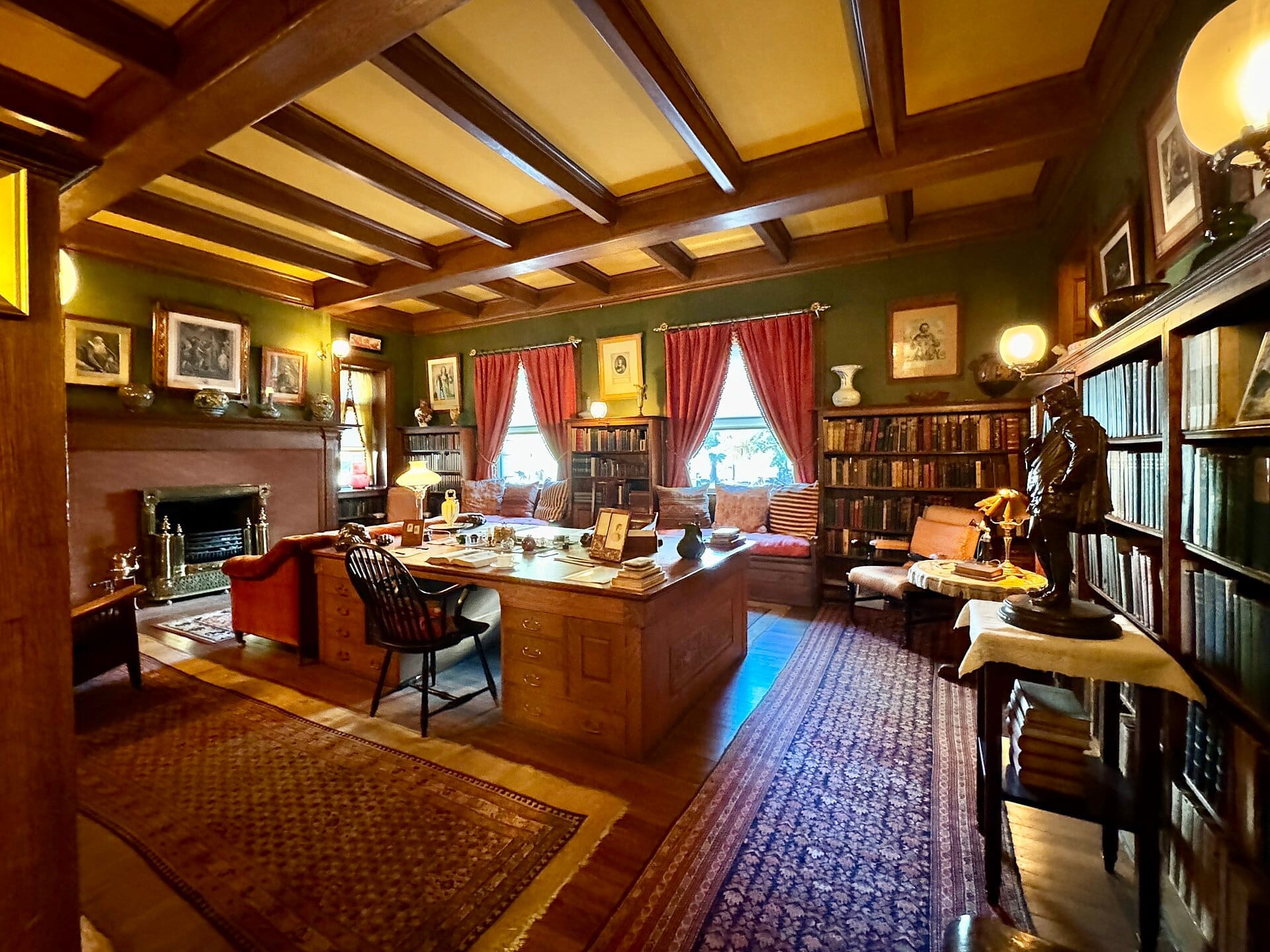
20. Tour H.H. Richardson's Glessner House on Prairie Avenue
Completed in 1887, this National Historic Landmark is Chicago's only surviving H.H. Richardson commission. Guided tours reveal a granite exterior that reads as fortress-like from the street but opens into warmly detailed domestic rooms inside. Essential for serious architecture visitors.
Explore20. Tour H.H. Richardson's Glessner House on Prairie Avenue
Completed in 1887, this National Historic Landmark is Chicago's only surviving H.H. Richardson commission. Guided tours reveal a granite exterior that reads as fortress-like from the street but opens into warmly detailed domestic rooms inside. Essential for serious architecture visitors.
Explore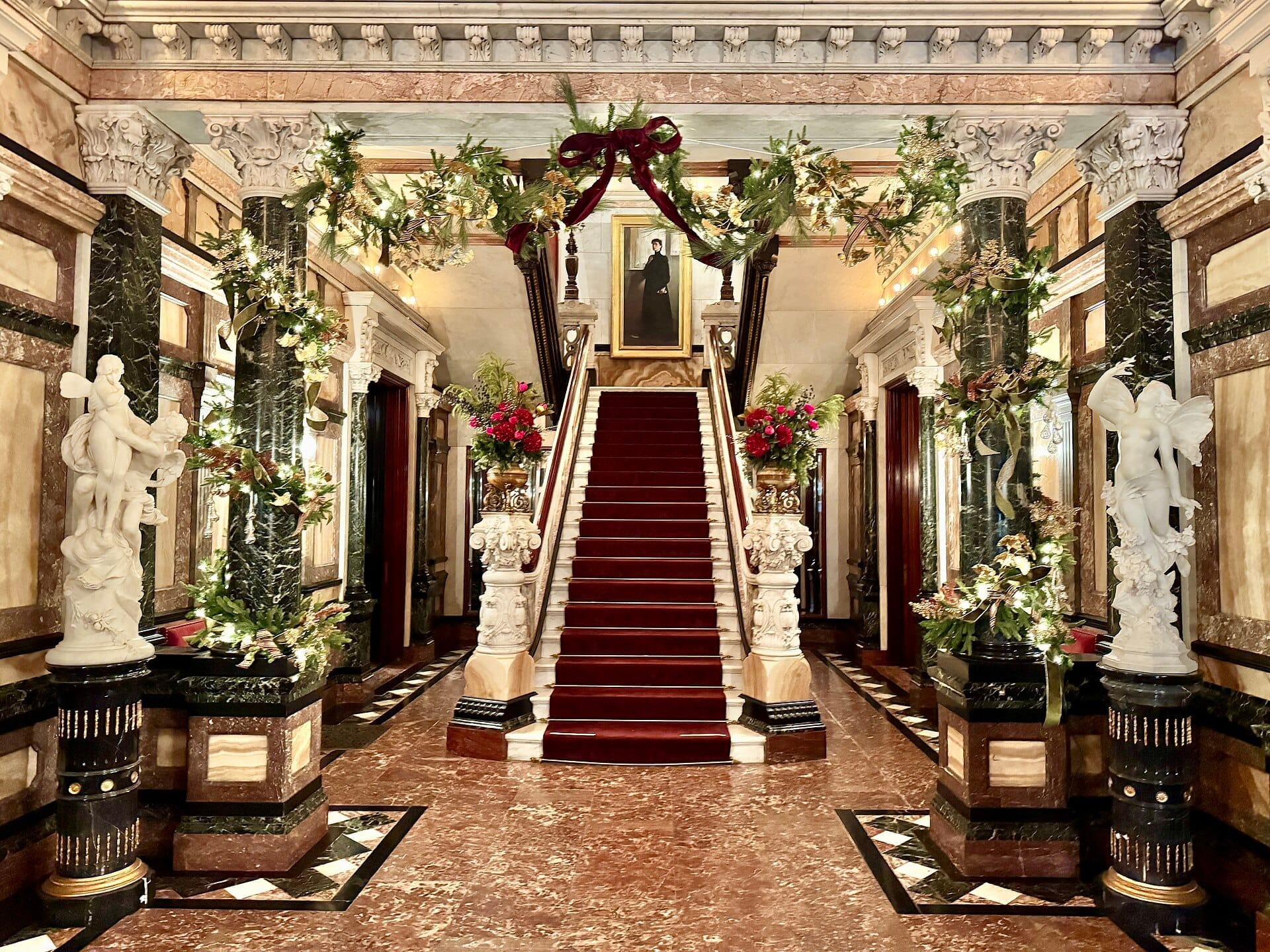
21. Experience the Gilded Age Inside the Driehaus Museum
The 1883 Nickerson Mansion two blocks from the Magnificent Mile is Chicago's most immersive window into 19th-century decorative arts and domestic architecture. Carved stone, stained glass, and period-authentic interiors make this far more than a standard house museum.
Explore21. Experience the Gilded Age Inside the Driehaus Museum
The 1883 Nickerson Mansion two blocks from the Magnificent Mile is Chicago's most immersive window into 19th-century decorative arts and domestic architecture. Carved stone, stained glass, and period-authentic interiors make this far more than a standard house museum.
ExploreModern & Contemporary Architecture
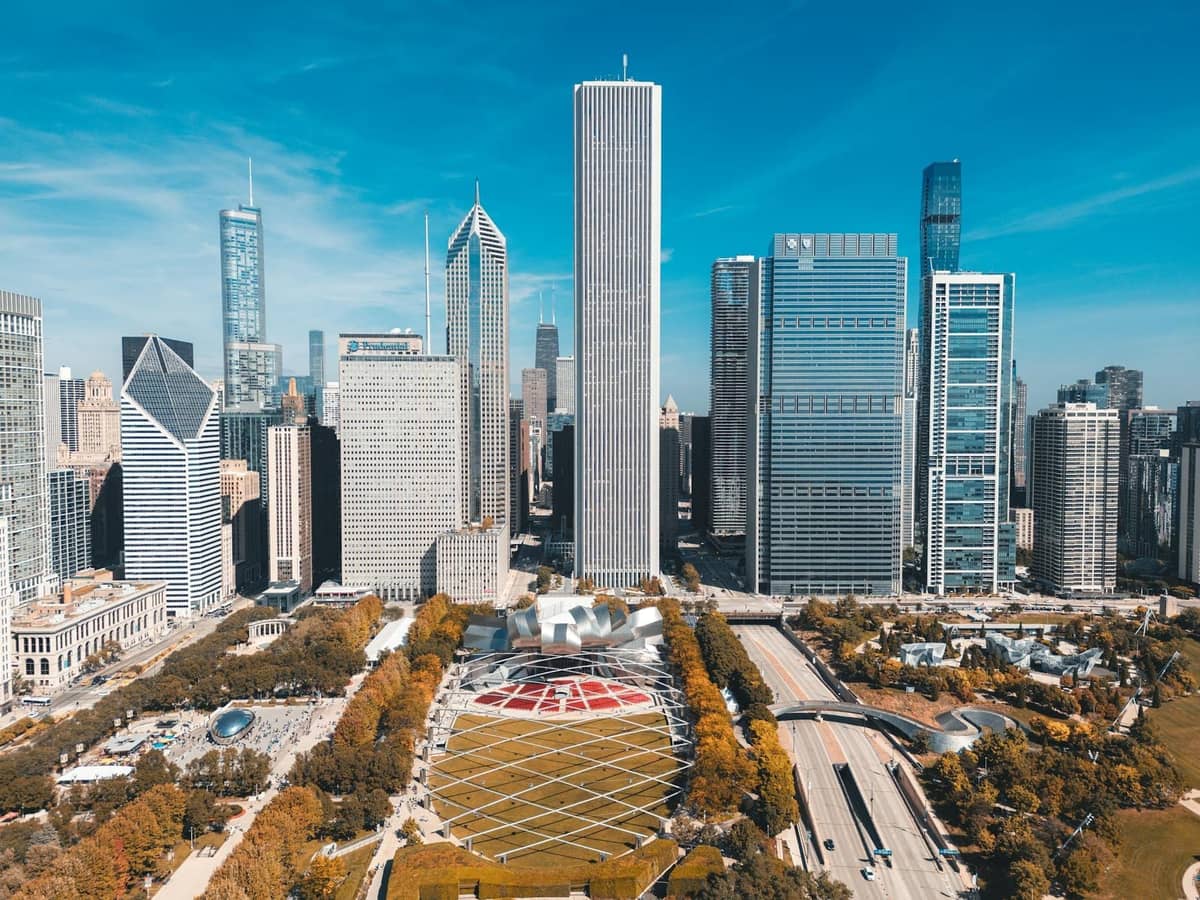
Chicago did not stop building great architecture after Mies van der Rohe arrived in 1938. The Illinois Institute of Technology campus, the curving concrete forms of Bertrand Goldberg, Frank Gehry's Pritzker Pavilion all form part of a 20th-century argument about how cities should be built. For views from the top of the most significant modern towers, the Chicago observation decks guide covers what each floor offers and whether the ticket price is justified.
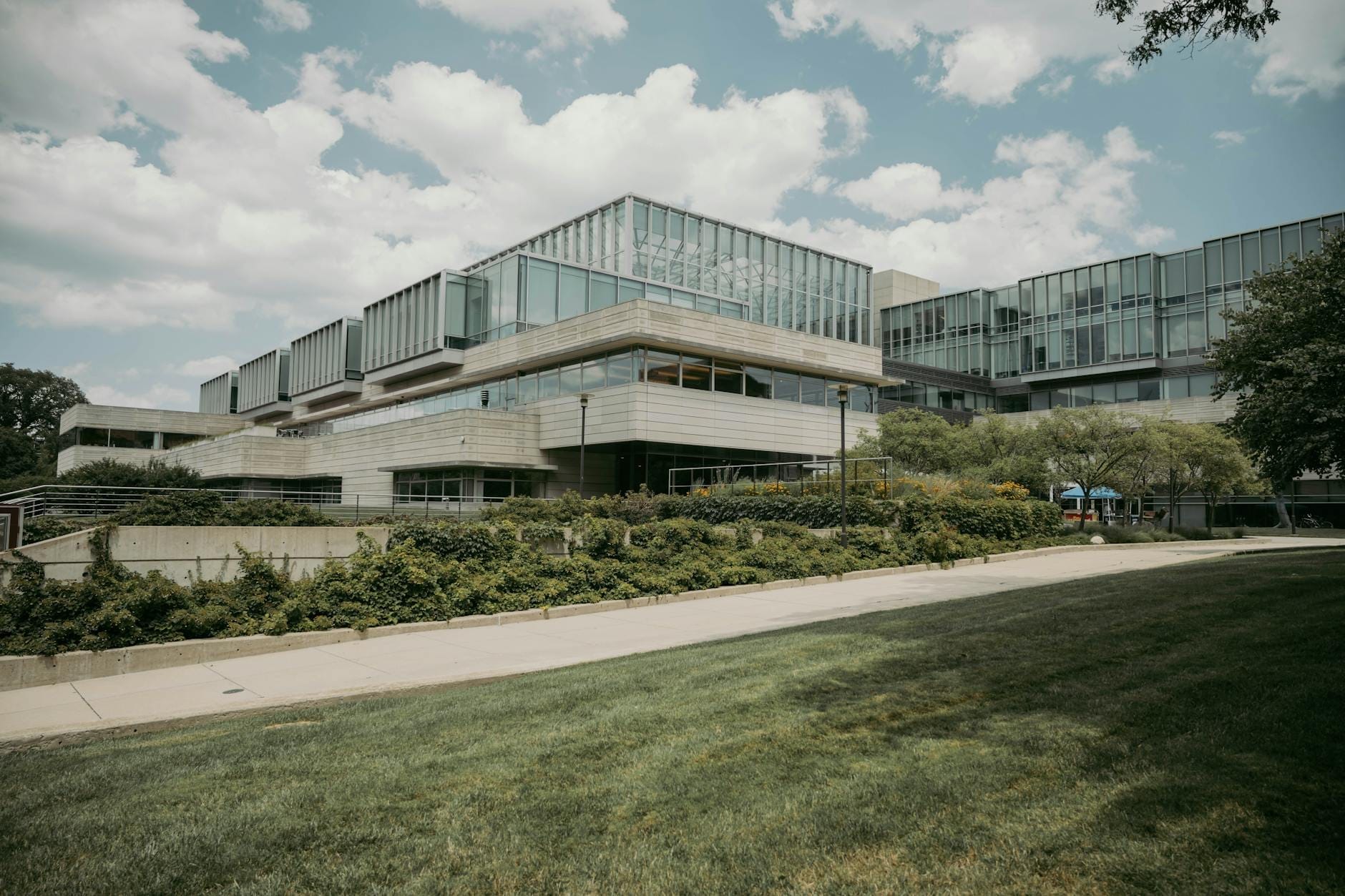
22. Walk Mies van der Rohe's IIT Campus in Bronzeville
The IIT campus is the most coherent Modernist architectural vision in the United States, designed almost entirely by Mies from the late 1930s through the 1950s. Crown Hall alone justifies the trip south. The campus is free to walk and largely unvisited by tourists.
Explore22. Walk Mies van der Rohe's IIT Campus in Bronzeville
The IIT campus is the most coherent Modernist architectural vision in the United States, designed almost entirely by Mies from the late 1930s through the 1950s. Crown Hall alone justifies the trip south. The campus is free to walk and largely unvisited by tourists.
Explore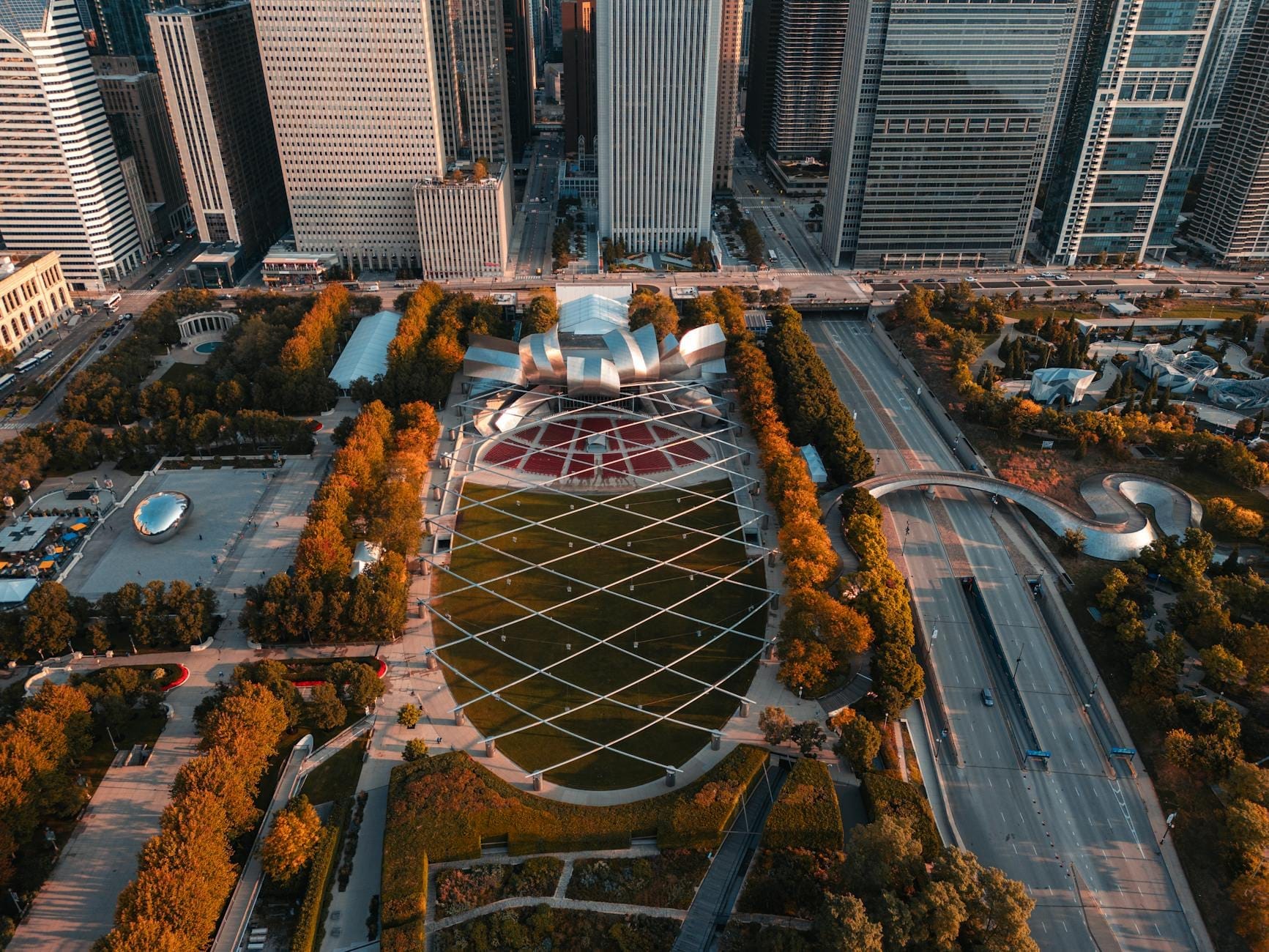
23. Stand Beneath Frank Gehry's Pritzker Pavilion in Millennium Park
Gehry's 2004 deconstructivist performance shell is one of the finest pieces of contemporary architecture in the city, with stainless-steel ribbons framing a 52,000-square-foot stage. Free to visit, free summer concerts, and best appreciated from the full depth of the Great Lawn.
Explore23. Stand Beneath Frank Gehry's Pritzker Pavilion in Millennium Park
Gehry's 2004 deconstructivist performance shell is one of the finest pieces of contemporary architecture in the city, with stainless-steel ribbons framing a 52,000-square-foot stage. Free to visit, free summer concerts, and best appreciated from the full depth of the Great Lawn.
Explore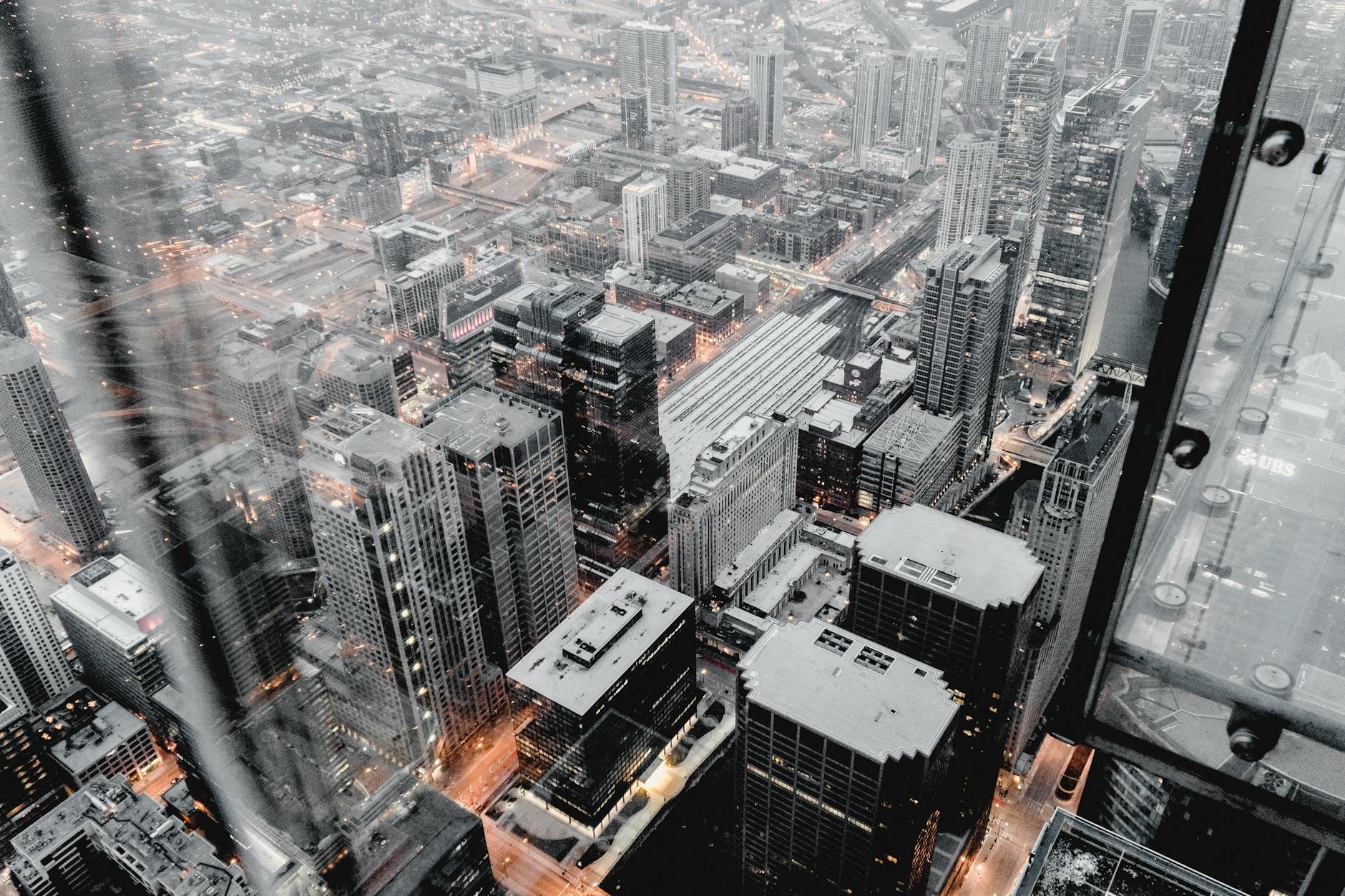
24. Go to the Top of Willis Tower for Architect-Level City Context
The 103rd-floor Skydeck on the former Sears Tower (now Willis Tower) gives the clearest overview of how Chicago's grid, river, and lakefront interact. The glass-floor Ledge extends over the city. Essential context for understanding the urban plan from above.
Explore24. Go to the Top of Willis Tower for Architect-Level City Context
The 103rd-floor Skydeck on the former Sears Tower (now Willis Tower) gives the clearest overview of how Chicago's grid, river, and lakefront interact. The glass-floor Ledge extends over the city. Essential context for understanding the urban plan from above.
Explore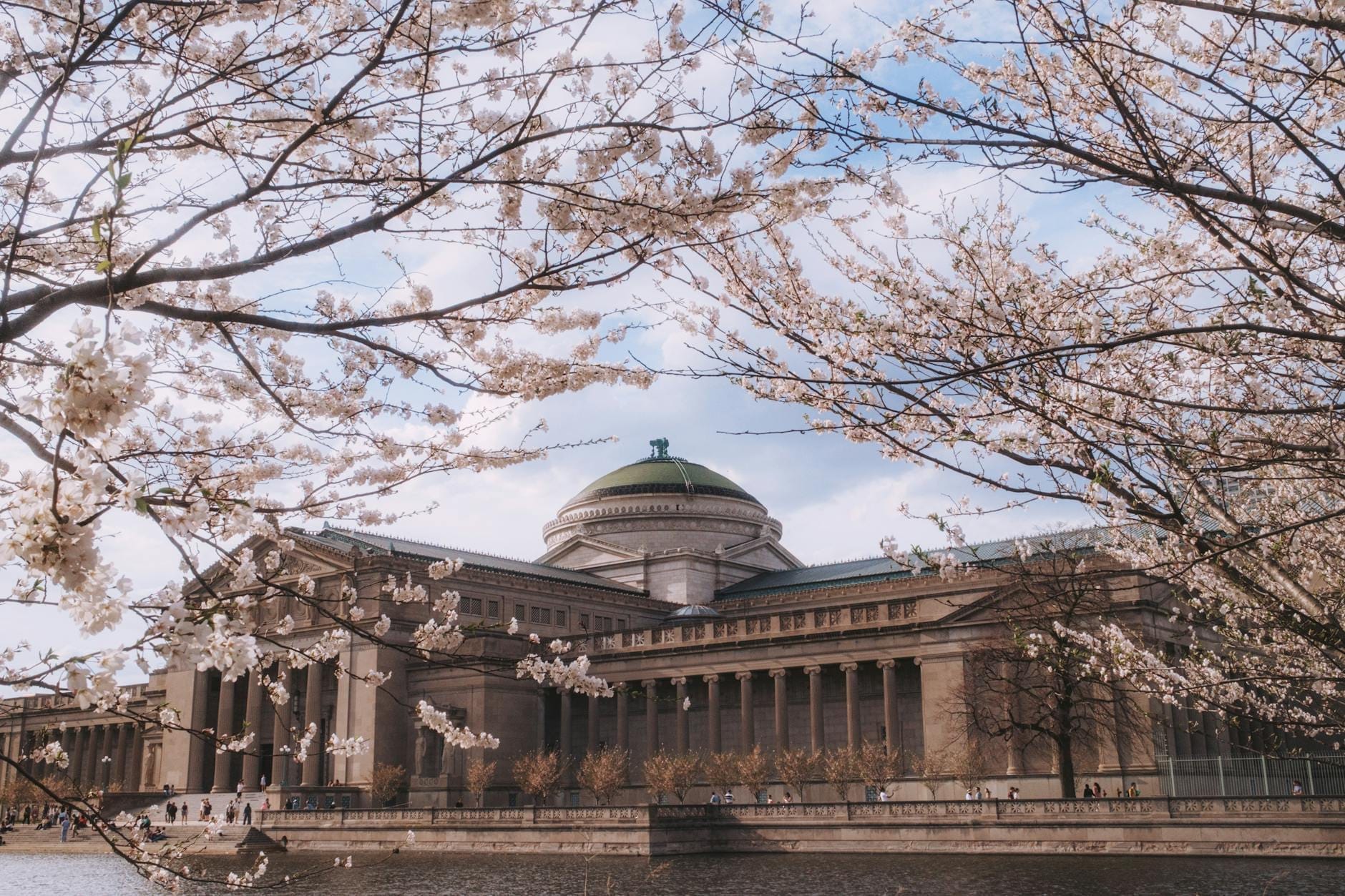
25. Tour One of Two Surviving 1893 World's Fair Buildings
The Museum of Science and Industry occupies the former Palace of Fine Arts from the 1893 World's Columbian Exposition, one of only two surviving structures from that event. Its Beaux-Arts exterior and grand interior spaces are as significant as the exhibits inside.
Explore25. Tour One of Two Surviving 1893 World's Fair Buildings
The Museum of Science and Industry occupies the former Palace of Fine Arts from the 1893 World's Columbian Exposition, one of only two surviving structures from that event. Its Beaux-Arts exterior and grand interior spaces are as significant as the exhibits inside.
Explore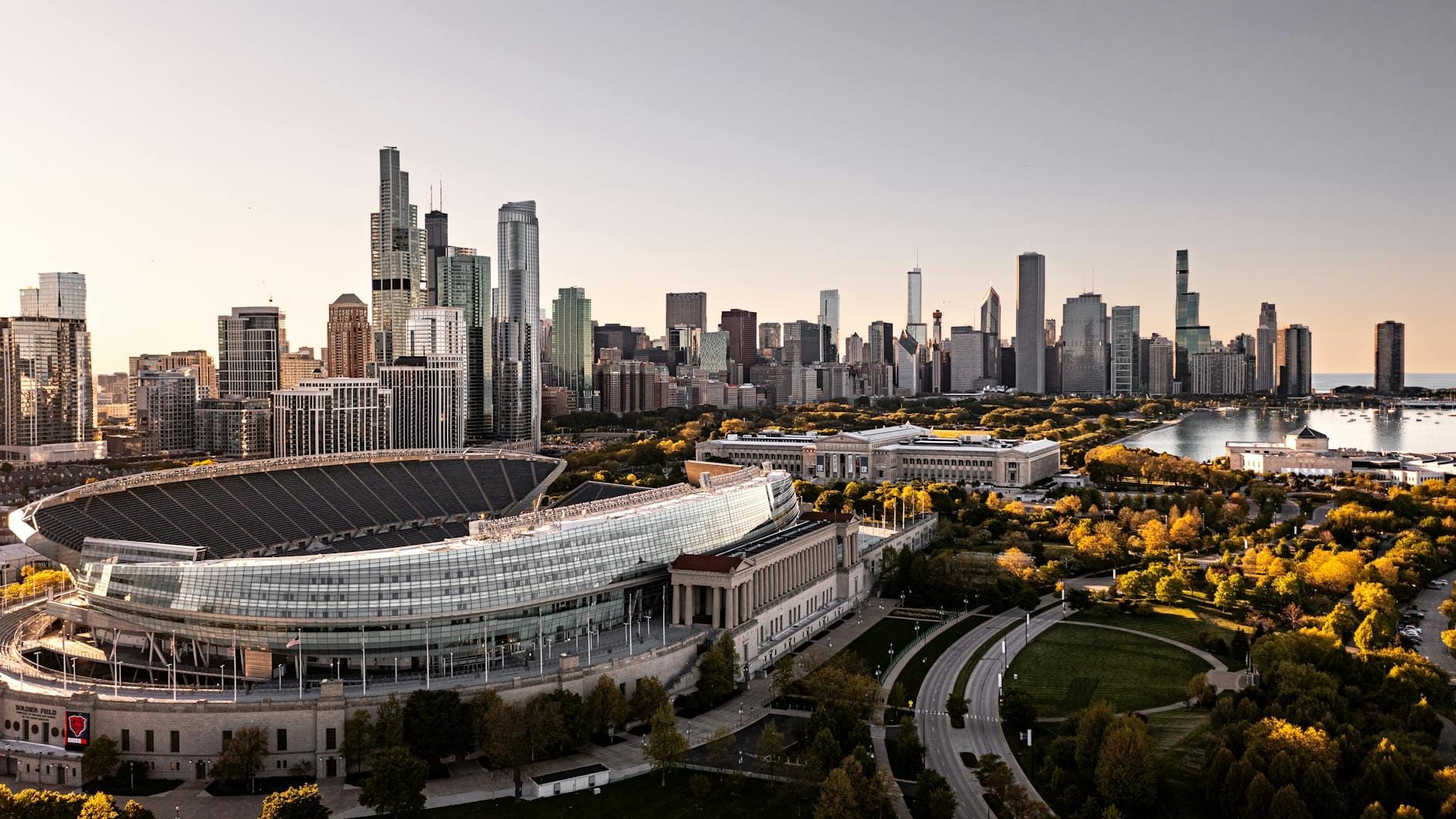
26. See the Controversial 2003 Renovation of Soldier Field
The 1924 neoclassical colonnades of Soldier Field frame a 2003 modern stadium insertion that divided architectural opinion globally. Whether you see it as brilliant contrast or architectural vandalism, it is one of the most discussed renovation projects in American sports history.
Explore26. See the Controversial 2003 Renovation of Soldier Field
The 1924 neoclassical colonnades of Soldier Field frame a 2003 modern stadium insertion that divided architectural opinion globally. Whether you see it as brilliant contrast or architectural vandalism, it is one of the most discussed renovation projects in American sports history.
ExploreArchitectural Walks, Interiors & Neighborhood Gems
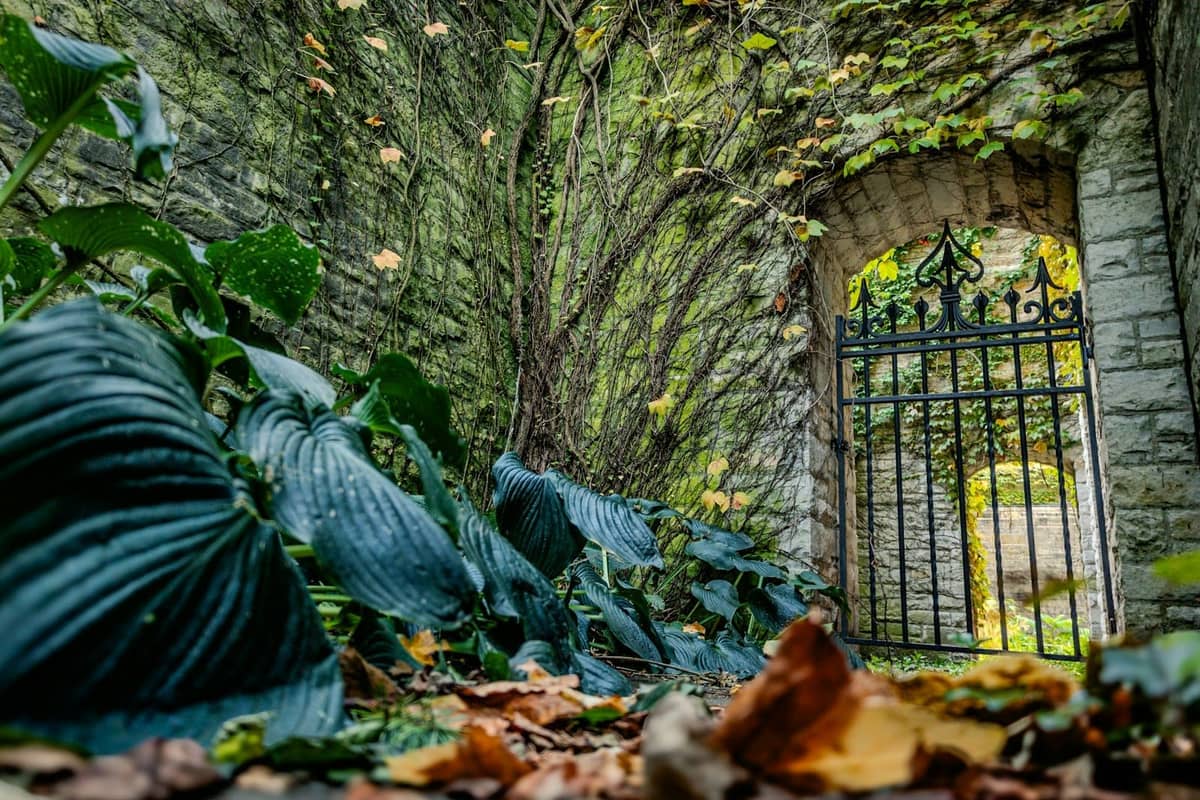
Some of Chicago's most rewarding architectural experiences are free, accessible, and hidden in plain sight. The Graceland Cemetery on the North Side holds the graves of Sullivan, Burnham, and Getty, framed by landscape design of its own significance. The Aragon Ballroom in Uptown preserves a 1926 Moorish interior that almost no other American city has kept intact. For a neighborhood-level guide to where architecture intersects with daily life, the Chicago neighborhoods guide is a useful companion.
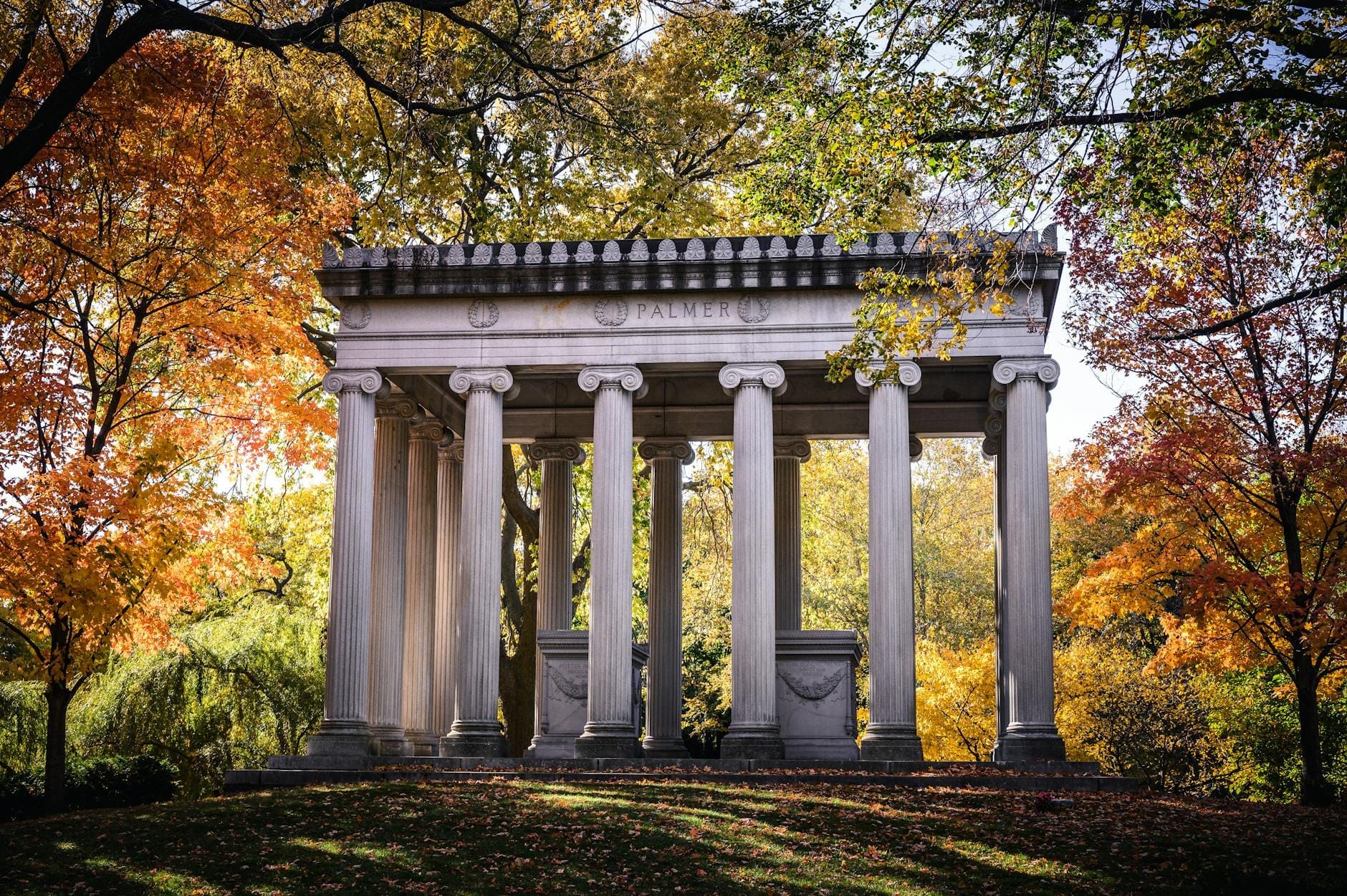
27. Walk Graceland Cemetery: Where Chicago's Architects Are Buried
Louis Sullivan, Daniel Burnham, and Getty are all buried here, their graves marked by some of the most significant funerary architecture in America. Sullivan's Getty Tomb (1890) alone makes the trip worthwhile. Free entry, open daily, 120 acres of parklike grounds.
Explore27. Walk Graceland Cemetery: Where Chicago's Architects Are Buried
Louis Sullivan, Daniel Burnham, and Getty are all buried here, their graves marked by some of the most significant funerary architecture in America. Sullivan's Getty Tomb (1890) alone makes the trip worthwhile. Free entry, open daily, 120 acres of parklike grounds.
Explore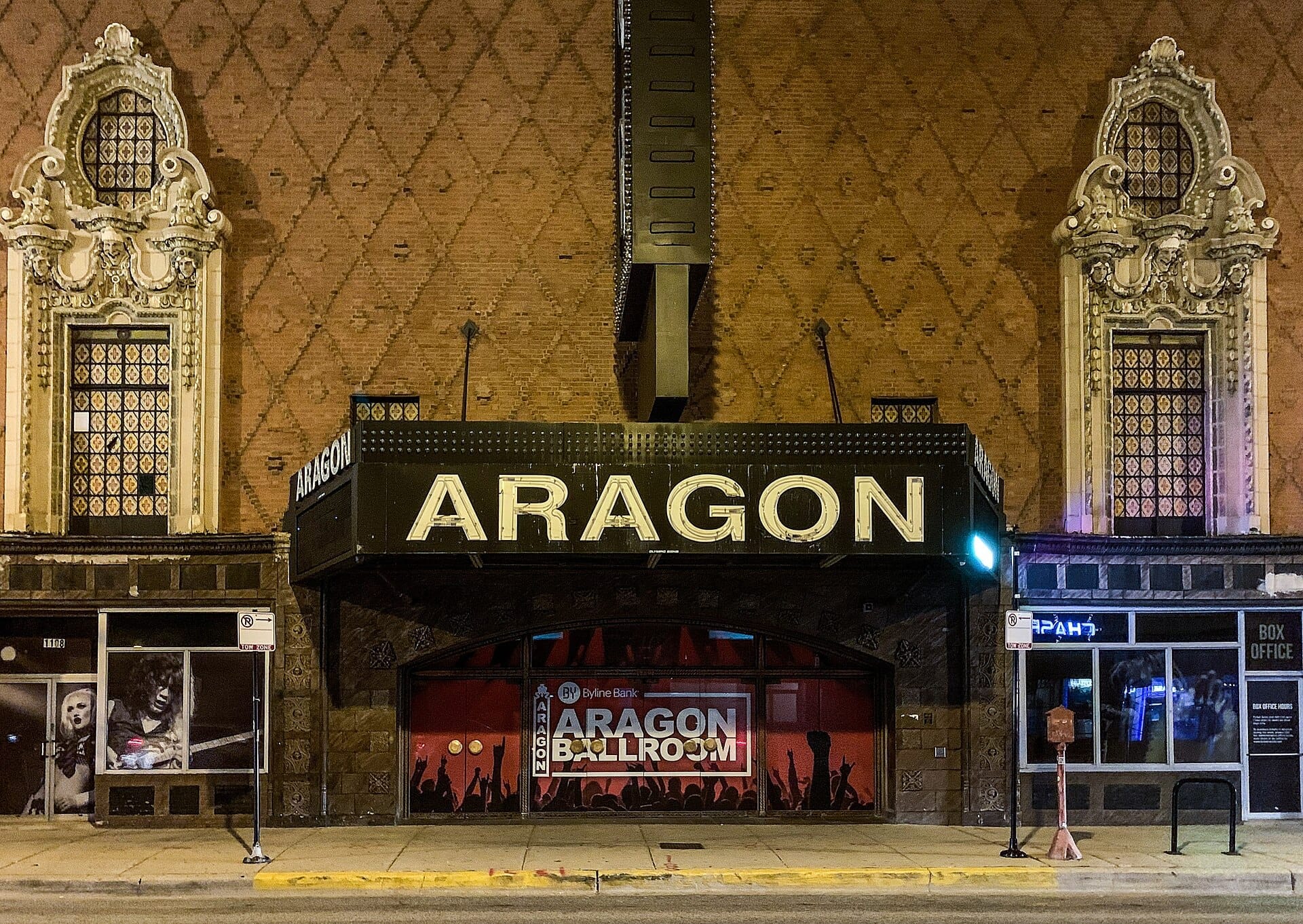
28. See the Intact 1926 Moorish Interior of the Aragon Ballroom
The Aragon Ballroom in Uptown preserves one of Chicago's most extraordinary historic interiors: a Moorish fantasy of towers, ornamental plasterwork, and starlit ceilings built in 1926. Still an active music venue, so check the calendar and buy a ticket to see it properly.
Explore28. See the Intact 1926 Moorish Interior of the Aragon Ballroom
The Aragon Ballroom in Uptown preserves one of Chicago's most extraordinary historic interiors: a Moorish fantasy of towers, ornamental plasterwork, and starlit ceilings built in 1926. Still an active music venue, so check the calendar and buy a ticket to see it properly.
Explore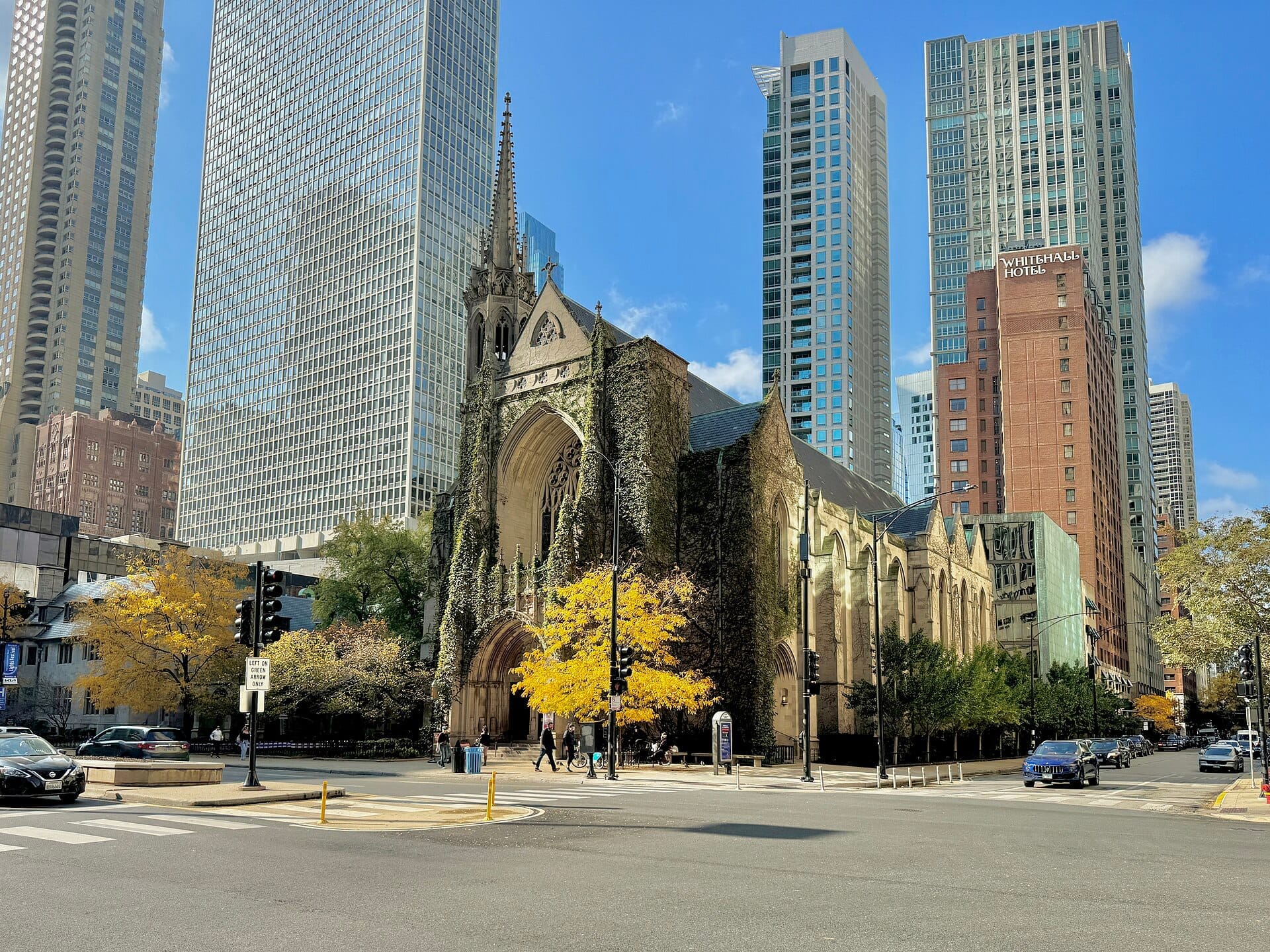
29. Find Rare Calm in the Gothic Courtyard of Fourth Presbyterian
Directly across Michigan Avenue from 875 North Michigan, this 1914 Gothic church offers one of the city's most serene architectural spaces: a cloister courtyard that feels centuries removed from the Magnificent Mile outside. Free entry, open daily.
Explore29. Find Rare Calm in the Gothic Courtyard of Fourth Presbyterian
Directly across Michigan Avenue from 875 North Michigan, this 1914 Gothic church offers one of the city's most serene architectural spaces: a cloister courtyard that feels centuries removed from the Magnificent Mile outside. Free entry, open daily.
Explore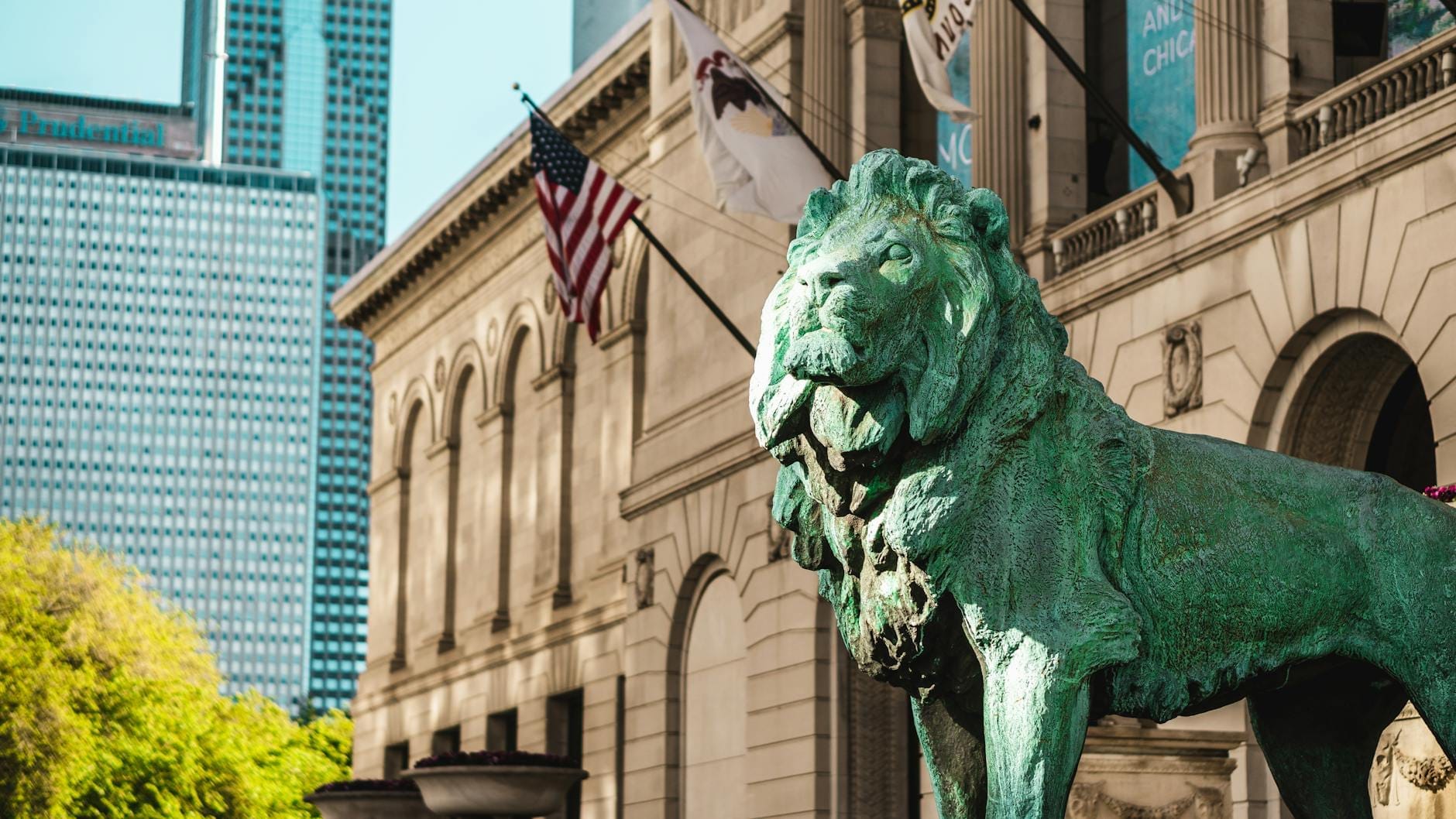
30. Walk Through the Art Institute's Architectural Layers
The 1893 original building, the 1977 Morton Wing, and the 2009 Modern Wing by Renzo Piano make the Art Institute of Chicago an architectural sequence worth reading carefully. The Modern Wing's light-diffusing ceiling alone is a masterclass. World-class collection inside too.
Explore30. Walk Through the Art Institute's Architectural Layers
The 1893 original building, the 1977 Morton Wing, and the 2009 Modern Wing by Renzo Piano make the Art Institute of Chicago an architectural sequence worth reading carefully. The Modern Wing's light-diffusing ceiling alone is a masterclass. World-class collection inside too.
Explore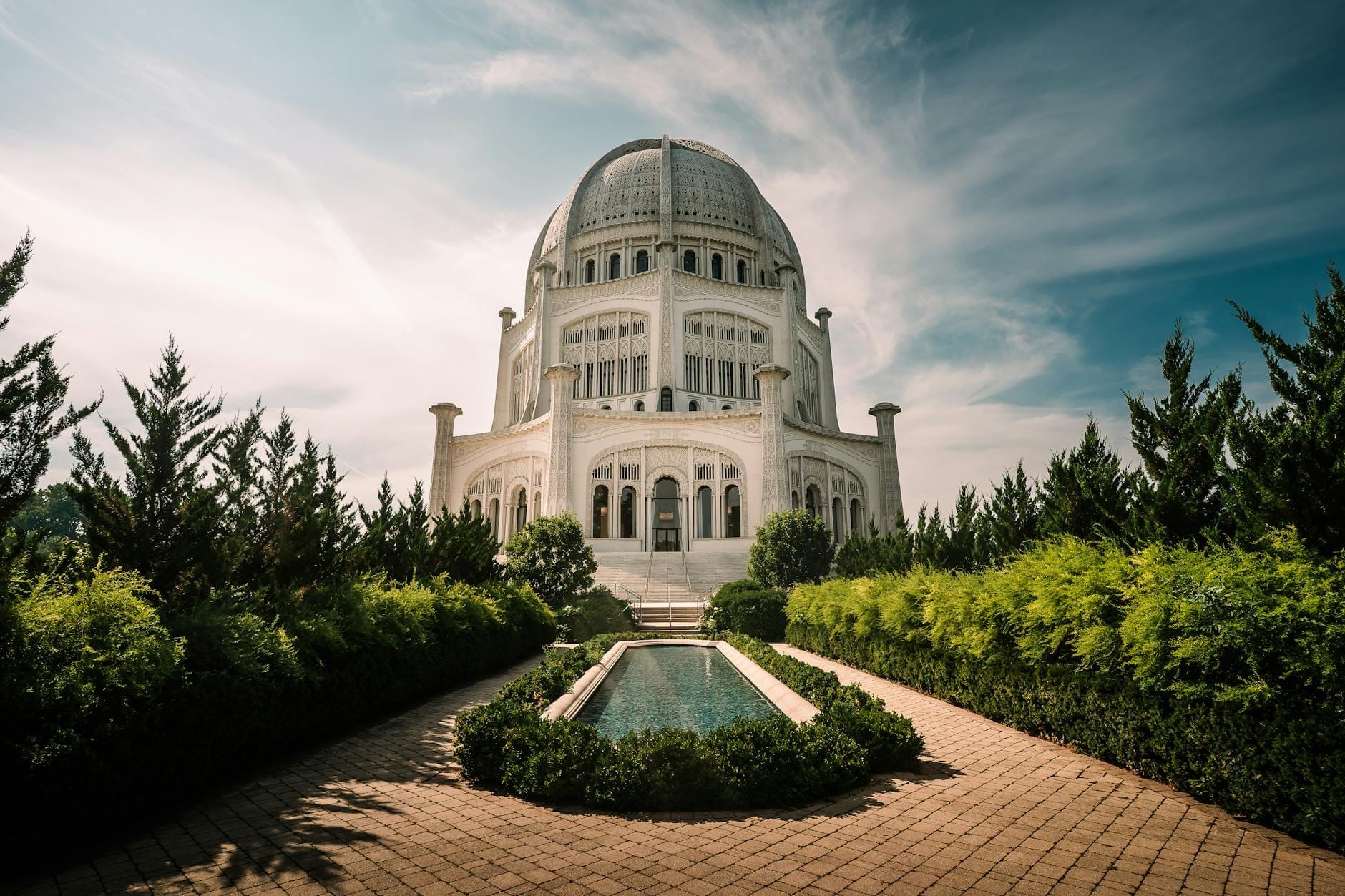
31. See the Bahá'í House of Worship's Extraordinary Lace-Like Dome
In Wilmette, reachable by CTA Purple Line, the 1953 Bahá'í Temple is one of the most architecturally singular buildings in North America: a 135-foot dome of ornamental concrete lace that looks impossible at close range. Free to enter, open daily, meditative interior.
Explore31. See the Bahá'í House of Worship's Extraordinary Lace-Like Dome
In Wilmette, reachable by CTA Purple Line, the 1953 Bahá'í Temple is one of the most architecturally singular buildings in North America: a 135-foot dome of ornamental concrete lace that looks impossible at close range. Free to enter, open daily, meditative interior.
Explore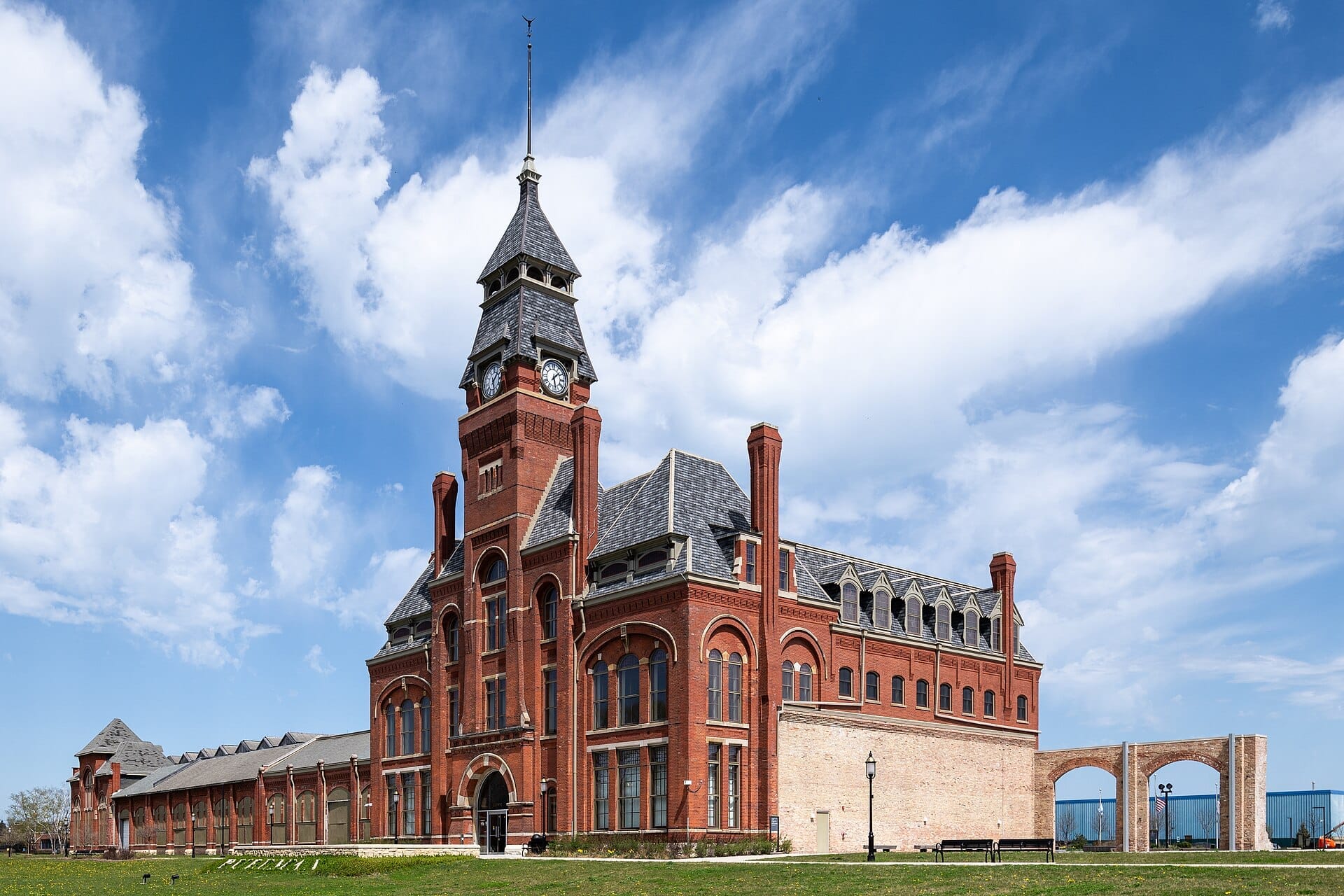
32. Explore America's First Planned Industrial Town at Pullman
Designed in 1880 as a model worker's town by architect Solon Beman, Pullman's red-brick row houses, hotel, and factory buildings form one of America's most intact planned industrial communities. Free National Park Service site on the South Side, unlike anything else in Chicago.
Explore32. Explore America's First Planned Industrial Town at Pullman
Designed in 1880 as a model worker's town by architect Solon Beman, Pullman's red-brick row houses, hotel, and factory buildings form one of America's most intact planned industrial communities. Free National Park Service site on the South Side, unlike anything else in Chicago.
Explore✨ Pro tip
The Chicago Architecture Center's City Model is free to view with any tour ticket purchase, but you can also see it by entering the ground-floor shop. The 1:2400 scale model of the entire city is one of the best orientation tools available for understanding how Chicago's grid and neighborhoods fit together before you start walking.
FAQ
What is the best architecture tour in Chicago?
The Chicago Architecture Foundation River Cruise, operated by the Chicago Architecture Center, is widely considered the best. Trained volunteer docents cover 40-plus buildings in 90 minutes from the water. Book online at least a few days ahead in summer, as cruises fill up. Walking tours from the CAC are the best alternative in colder months when boat cruises run less frequently.
Can you see Chicago architecture for free?
Yes, many of the most significant buildings are free to enter or view. The Rookery lobby, Chicago Cultural Center, Harold Washington Library, Merchandise Mart, Tribune Tower's embedded stone collection, Marina City's visible exterior and public plaza areas, and the entire Riverwalk are all free to access. The Illinois Institute of Technology campus in Bronzeville is also free to walk. The river cruise and observation decks charge admission.
How far is Oak Park from downtown Chicago, and is it worth the trip for architecture?
Oak Park is about 30 minutes from downtown on the CTA Blue Line (get off at the Oak Park or Harlem stops, depending on your exact destination). For architecture visitors, it is absolutely worth it. The Frank Lloyd Wright Home and Studio runs daily guided tours, and the surrounding streets hold more than 25 Wright-designed buildings you can view from outside on a self-guided walk. Combine it with a half-day and you have one of the best architectural excursions in the Midwest.
What is the best time of year to take an architecture river cruise in Chicago?
Late spring through early fall (May through October) is the main season for river cruises. July and August see the most frequent departures but also the largest crowds. Late May and September offer a good balance of warm weather, manageable crowds, and clear sightlines. The CAC and Shoreline Sightseeing both post seasonal schedules on their websites. Winter cruises do occasionally operate on warmer days, but frequency drops significantly.
Is the Willis Tower (Skydeck) or 360 Chicago better for architectural views?
Willis Tower's Skydeck at the 103rd floor is higher and gives the widest view of the city's grid, river, and lake. It is the better choice for understanding Chicago's urban structure. 360 Chicago at 875 North Michigan Avenue (the former Hancock) sits in the heart of the Magnificent Mile and offers a more intimate view of the lakefront and North Side. Both charge admission; Willis Tower is the stronger architectural experience.