Frank Lloyd Wright Home and Studio: Where Prairie Style Was Born
The Frank Lloyd Wright Home and Studio in Oak Park, Illinois is the building where one of America's most influential architects lived, raised a family, and developed the Prairie Style between 1889 and 1909. Today it operates as a National Historic Landmark with daily guided tours that reveal how Wright's ideas evolved from Victorian convention into something entirely his own.
Quick Facts
- Location
- 951 Chicago Avenue, Oak Park, Illinois 60302
- Getting There
- CTA Green Line to Oak Park station; approximately 0.5 miles north to the site
- Time Needed
- 1.5 to 2.5 hours for a guided tour; add 30–60 minutes for the outdoor neighborhood audio tour
- Cost
- Guided tours $24–$38 depending on type; outdoor audio tour $18 general / $14 members
- Best for
- Architecture enthusiasts, design students, history travelers, fans of American modernism
- Official website
- flwright.org/tour/home-and-studio
What You're Actually Visiting
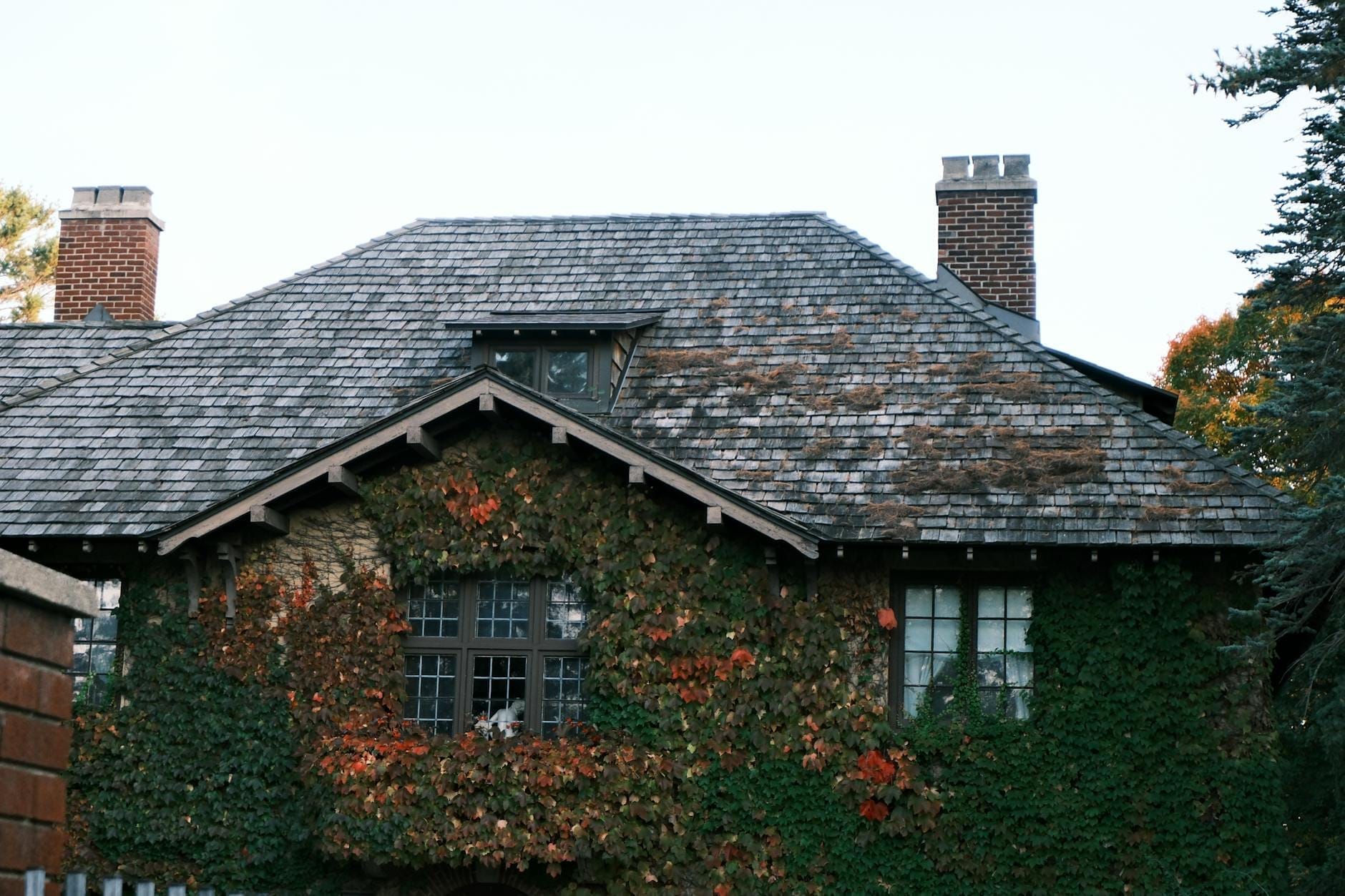
The Frank Lloyd Wright Home and Studio is not a reconstructed memorial or a period room frozen in amber. It is the actual house and attached workspace where Wright lived from 1889 to 1909, the two most formative decades of his career. He built it himself in his early twenties, using a modest loan from his employer Louis Sullivan, and then kept modifying it as his ideas outgrew the original structure. The result is a building that documents a mind in motion.
The house sits on a lot approximately 88 by 165 feet at the corner of Chicago Avenue and Forest Avenue in Oak Park, a leafy suburb about 9 miles west of downtown Chicago. The home and studio share a lot but are architecturally distinct: the house was built in 1889 in the Shingle and Queen Anne styles then fashionable in the United States, while the studio addition, completed in 1898, already shows the horizontal emphasis and geometric ornament that would define Prairie Style. Seeing both structures side by side makes the architectural evolution concrete rather than theoretical.
ℹ️ Good to know
Entry is by guided tour only, and tours are offered daily with start times from 10:00 am to 4:00 pm. The museum shop opens at 9:30 am. Advance tickets are strongly recommended, especially on weekends. Book through the Frank Lloyd Wright Trust at flwright.org.
The House: Victorian Roots and What Wright Was Escaping
Walking into the original 1889 house, you notice what Wright was working against before you notice what he was working toward. The entry is relatively compressed, the ceiling heights conventional, the decorative language still tied to the Victorian era that shaped his early career. The shingle cladding outside and the Queen Anne detailing inside tell you this is a young architect building what the market expected and what he could afford.
But even in these early rooms, small decisions announce a different temperament. The inglenook fireplace in the living room pulls the hearth to the center of the plan rather than the perimeter wall, a move Wright would repeat and refine throughout his career. The woodwork is precise without being fussy. Nothing is quite as ornamented as a typical house of the period. These are not dramatic gestures. They are early edits.
The playroom added in 1895 is the most surprising space in the house. Designed for Wright's six children, it has a barrel-vaulted ceiling, a mural above the fireplace depicting a scene from the Arabian Nights, and proportions that feel genuinely generous rather than merely tall. Natural light enters from clerestory windows. The room demonstrates that Wright understood how spatial experience affects mood long before he wrote about it.
Tickets & tours
Hand-picked options from our booking partner. Prices are indicative; availability and final rates are confirmed when you complete your booking.
Go City | Chicago All-Inclusive Pass
From 127 €Instant confirmationFree cancellationiFLY Chicago Lincoln Park indoor skydiving experience
From 126 €Instant confirmationFree cancellationiFLY Chicago Rosemont indoor skydiving tickets
From 117 €Instant confirmationFree cancellationChicago lakefront neighbourhood bike tour
From 18 €Instant confirmationFree cancellation
The Studio: Where Prairie Style Took Shape
The 1898 studio addition is a different building. The exterior reads as a series of interlocking geometric volumes: an octagonal library, a two-story drafting room with a chain-hung balcony, a reception hall with sculpted plaster friezes. The ornament is precise and abstract, drawn from natural forms but not imitating them. This is the visual language that would define not just Wright's work but an entire school of architecture.
The drafting room is the spatial centerpiece. Light enters from high windows and a skylight, keeping the drafting tables bright without direct glare. The chain-hung balcony overhead holds additional storage and creates a layered sense of vertical space that feels entirely unlike a conventional office. Wright employed draftsmen here throughout his Oak Park years, and the room still communicates the concentration and ambition of a working atelier rather than a domestic study.
It is worth noting that Oak Park as a neighborhood became, during Wright's residence, one of the most concentrated collections of Prairie Style buildings anywhere. Within walking distance of the Home and Studio, you can find more than 20 Wright-designed buildings built for private clients during the same period. The Frank Lloyd Wright Trust offers a separate outdoor historic neighborhood audio tour ($18 general admission, on-site purchase only) that maps these buildings across the surrounding blocks. If you are serious about the architecture of Chicago and its suburbs, this extension is worth the additional time.
How the Experience Changes by Time of Day
Morning tours, particularly those departing at 10:00 or 11:00 am, tend to have smaller groups. The light inside the drafting room is softer in the morning, which makes the texture of the plaster and the grain of the woodwork easier to read. If you photograph interiors, morning visits reward patience.
Midday and early afternoon tours are more crowded, especially on weekends and in summer. The tour groups are larger and the pace moves faster. You will still see everything, but the opportunity to linger in individual rooms is reduced. Weekday visits in late September or October offer a reasonable combination: fewer visitors, and the autumn light in Oak Park's tree-lined streets provides good conditions for photographing the exterior and the neighborhood.
Winter visits are underrated. The site is quieter, the bare trees on Forest Avenue reveal the horizontal profile of nearby Wright houses more clearly, and the indoor tour feels more intimate. The house itself is not cold or unwelcoming in winter. Oak Park experiences genuine Chicago-area winters, so dress appropriately if you plan to combine the indoor tour with the outdoor audio walk.
💡 Local tip
Wear comfortable shoes. The indoor tour involves standing for extended periods on original hardwood floors and navigating stairs between levels. The outdoor audio tour covers several blocks of sidewalk regardless of season.
Getting There from Chicago
The CTA Green Line runs directly to Oak Park station. From the Loop, the ride takes roughly 25 minutes. The Home and Studio is approximately 0.4–0.5 miles north of the station, a flat 10-minute walk through residential streets. There is no dedicated parking lot at the site, though street parking is generally available in the surrounding neighborhood.
Oak Park makes for a logical day trip if you are spending several days in Chicago. The suburb also contains the Ernest Hemingway Birthplace Museum if you want a literary complement to the architectural visit. For a broader sense of how Wright fits into Chicago's architectural identity, the Chicago Architecture Foundation River Cruise downtown covers the city's commercial and civic buildings from the water and pairs well with an Oak Park excursion on the same trip.
Practical Logistics: Tickets, Accessibility, and What to Know Before You Go
Guided tour prices run $24–$38 depending on tour type, with Trust members receiving discounts. The site is operated by the Frank Lloyd Wright Trust, and tickets should be purchased through their official website. Phone bookings are required for certain member benefits. The Guest Services line (+1 312-994-4000) operates seven days a week from 9:00 am to 4:00 pm Central Time for reservations and information.
The site is closed on Thanksgiving, Christmas Eve, Christmas Day, New Year's Day, and January 2. Verify current hours and any seasonal changes on the official site before you travel, as programming and tour types do shift across the year.
Accessibility across the historic structure is limited by the original architecture. The building is old, the floors are uneven in places, and some areas involve stairs without alternatives. For detailed accommodation of specific mobility or sensory needs, contact the Trust directly by phone or email (info@flwright.org) before booking. Do not assume accessibility features based on general guidelines.
⚠️ What to skip
Photography policies inside the Home and Studio can vary by tour type and may change seasonally. Check current rules when booking. Flash photography is typically discouraged to protect original materials.
Honest Assessment: Is It Worth the Trip?
For anyone with genuine interest in architecture, American design history, or the development of modernism, the answer is clearly yes. The Frank Lloyd Wright Home and Studio is not a replica or a museum installation. It is the original building, substantially restored, in the actual place where Wright worked. The guided tours are well-informed and cover both the biographical context and the architectural details in enough depth to make the visit substantive rather than superficial.
Visitors who come primarily for the famous name rather than the architecture itself may find the experience less gripping than expected. There are no dramatic Prairie masterpieces here, no Fallingwater-level spectacle. What the building offers is precision, restraint, and the visible record of an architect teaching himself. If that kind of close looking appeals to you, plan two hours minimum and add the neighborhood walk. If you want a broader overview of Chicago's architectural identity first, start downtown with the Chicago Architecture Center before making the trip to Oak Park.
The Home and Studio also fits naturally into a wider Chicago itinerary focused on culture and history. The Art Institute of Chicago holds significant holdings in architectural drawings and decorative arts that provide useful context for Wright's work, and the Chicago History Museum covers the broader urban and cultural environment in which Wright practiced.
Insider Tips
- Book the first tour of the day (10:00 am) on a weekday for the smallest group size and the best light in the drafting room. Weekend midday tours can have 15–20 people, which limits how long you can spend in any single room.
- The outdoor historic neighborhood audio tour is sold only on-site, not online. If you plan to do both the indoor guided tour and the outdoor walk, budget 3–4 hours total and wear layers: Oak Park weather can shift quickly, particularly in spring and autumn.
- The museum shop opens at 9:30 am, half an hour before tours begin. Arriving early lets you browse architectural books, prints, and reproductions without rushing after the tour ends.
- Trust members receive meaningful discounts and occasional free admission benefits, but phone booking is required to access some of those perks. If you are visiting multiple Frank Lloyd Wright sites in the Chicago area or elsewhere, membership can pay for itself quickly.
- The corner of Chicago Avenue and Forest Avenue gives the clearest exterior view of both structures simultaneously. Step back to the far corner of the intersection before your tour begins for the best overall photograph of the compound.
Who Is Frank Lloyd Wright Home and Studio For?
- Architecture students and professionals who want to study Wright's spatial thinking at close range
- Travelers on multi-day Chicago trips who want a half-day excursion beyond downtown
- Design and decorative arts enthusiasts interested in the origins of American modernism
- History travelers who appreciate built environments as biographical documents
- Visitors who prefer guided, in-depth experiences over self-directed wandering
Nearby Attractions
Combine your visit with:
- Bahá'í House of Worship
The Bahá'í House of Worship in Wilmette, Illinois, is one of the most architecturally singular buildings in North America. Free to enter, open daily, and reachable by CTA from downtown Chicago, it rewards visitors with a 135-foot lace-like dome, meditative silence, and an unusual kind of spiritual calm that transcends denomination.
- Brookfield Zoo Chicago
Brookfield Zoo Chicago is one of the largest and most historically significant zoos in the United States, covering 216 acres about 14 miles west of downtown. With more than 511 species, landmark indoor exhibits, and a genuine conservation mission, it rewards a full day of exploration. But it takes planning to get the most out of it.
- Chicago Air and Water Show
Every August, the Chicago Air and Water Show transforms the lakefront into a grandstand for one of the most spectacular free public events in the United States. Fighter jets, military demonstrations, and precision flying teams perform over Lake Michigan while hundreds of thousands of spectators line the shore from Fullerton to Oak Street.
- Chicago Botanic Garden
A living museum spread across 385 acres and nine islands north of Chicago, the Chicago Botanic Garden offers 27 gardens, four natural areas, and six miles of lake shoreline in Glencoe, Illinois. Whether you visit for a single seasonal bloom or spend a full day exploring Japanese landscapes and native prairies, this guide covers everything you need to plan a worthwhile trip.