Chicago with Kids: The Best Family Activities & Practical Tips
Chicago ranks among the best American cities for families, and not just because of its world-class museums. Free zoos, lakefront beaches, landmark parks, and kid-friendly neighborhoods make it surprisingly affordable and endlessly entertaining. This guide covers the top things to do in Chicago with kids, season by season, with real logistics and honest money-saving advice.
Plan and book this trip
Tools from our partner Travelpayouts help you compare flights and hotels. If you book through them, we may earn a commission at no extra cost to you.
Flights
Hotels map
TL;DR
- Lincoln Park Zoo, Garfield Park Conservatory, Maggie Daley Park, and the entire lakefront are free — great for keeping costs manageable. See more options in our guide to free things to do in Chicago.
- Museum Campus (Field Museum, Shedd Aquarium, Adler Planetarium) is the single densest concentration of kid-friendly paid attractions in the city — plan at least one full day.
- Summer brings crowds and heat; late May, early June, and September offer the best balance of good weather and manageable lines.
- Don't limit yourself to downtown: neighborhoods like Lincoln Park, Hyde Park, and even suburban Glencoe have excellent family stops. Check the full Chicago neighborhoods guide for context.
- Buy tickets online in advance for paid attractions — you'll save money and skip ticket-line waits, which matter when you have tired kids in tow.
The Free Attractions That Make Chicago Exceptional for Families
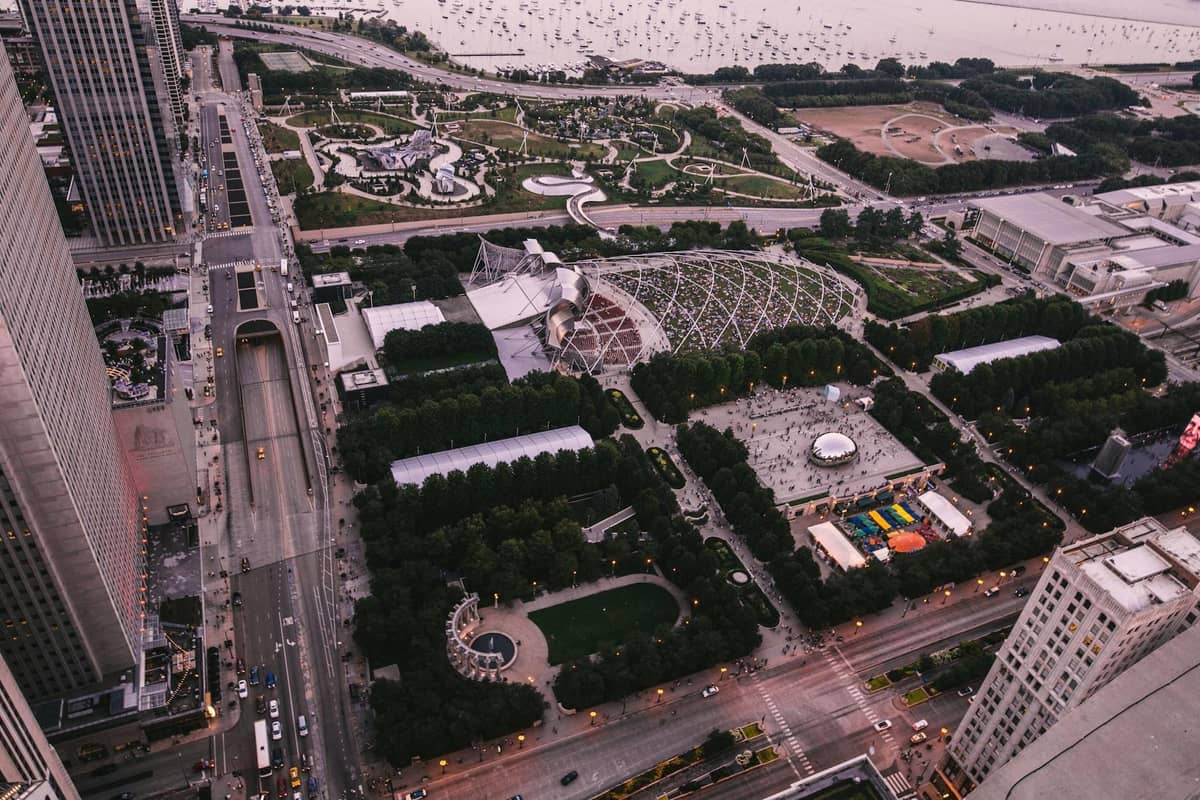
One of the biggest surprises for first-time family visitors is how much of Chicago costs nothing. The city's park system and several of its landmark institutions offer free admission, which genuinely changes the calculus for a multi-day family trip.
Lincoln Park Zoo is the anchor of the free attractions. Open 365 days a year, it covers about 49 acres on the North Side lakefront and houses around 200 species. There's no gate fee, though the carousel and the Lionel Train ride both charge around $4 per person. Budget at least two to three hours. It pairs naturally with Lincoln Park itself, where kids can run freely along the lakefront path between exhibits.
Maggie Daley Park sits directly adjacent to Millennium Park and deserves its own visit. The Play Garden is genuinely impressive: two distinct sections (one for younger kids, one for older), with climbing walls, a ship structure, and a treehouse-style maze. In winter, the park converts part of its grounds into a free skating ribbon (skate rentals cost extra). This is one of the best urban playgrounds in the country, and it's free.
Garfield Park Conservatory on the West Side often gets overlooked by visitors who stay close to downtown, but it's one of the largest conservatories in the nation and free to enter. The fern room and palm house are dramatic and genuinely fascinating for kids curious about plants. Educational programs run throughout the year, some free and some fee-based. Getting there is straightforward on the CTA Green Line — about 15 minutes from the Loop. Also free: Buckingham Fountain in Grant Park, which runs regular water displays from May through October, with a color light show after dark.
💡 Local tip
The Chicago Riverwalk — about 1.25 miles of pedestrian path along the south bank of the Chicago River from Lake Street to Lake Michigan — is free, stroller-friendly, and dotted with food and drink vendors in summer. It's one of the best ways to give kids a sense of the city's scale without spending anything.
Museum Campus: Where to Spend Your Big Days (and Budget)
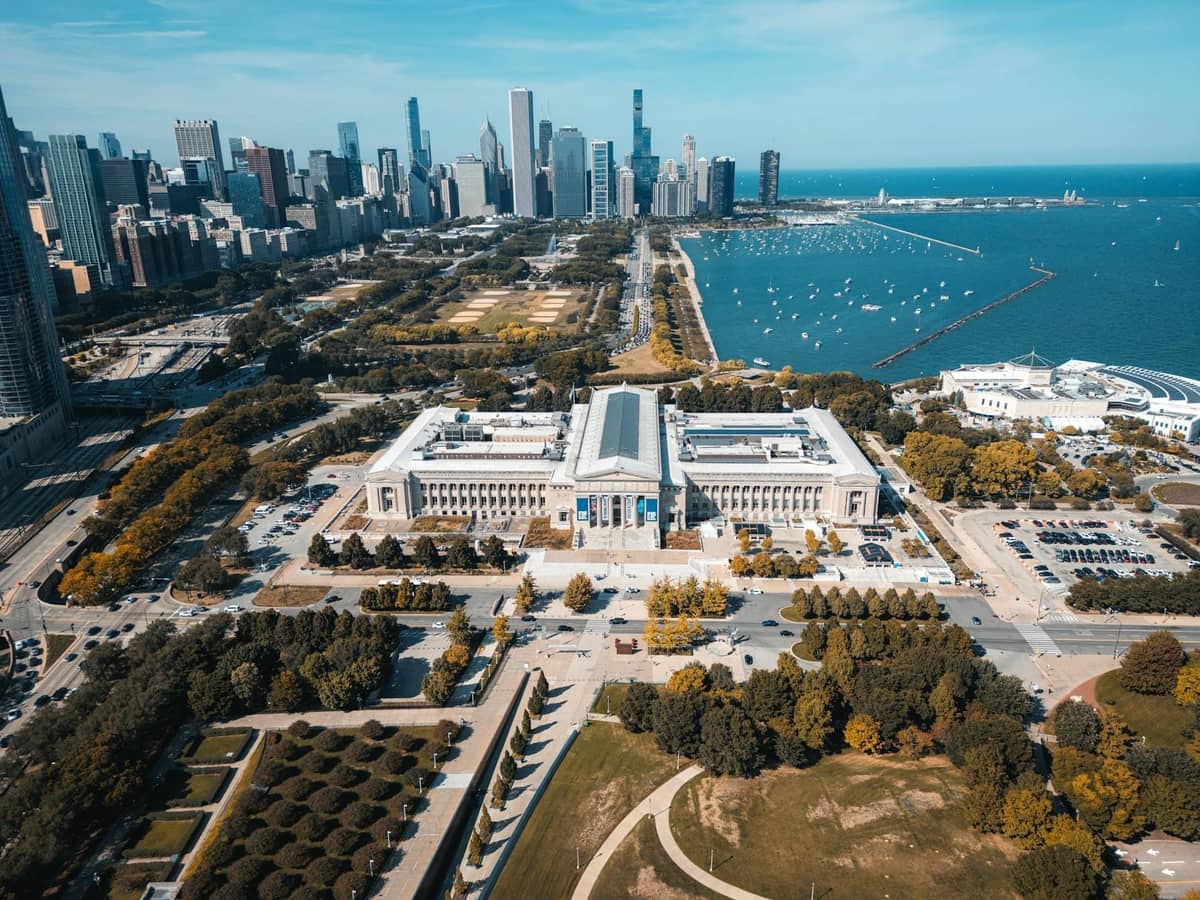
The Museum Campus on the South Loop lakefront clusters three world-class institutions within easy walking distance of each other: the Field Museum, Shedd Aquarium, and Adler Planetarium. This is the logical home base for a full family day, and trying to do all three in one visit is a mistake — each one demands more time than most families expect.
- Field Museum The natural history collection is extraordinary. Sue, one of the most complete T. rex skeletons ever found, is in the main hall and stops kids in their tracks. Budget three to four hours minimum. Verify current admission on the official site before visiting, as prices and membership deals change.
- Shedd Aquarium Beluga whales, dolphin presentations, and a coral reef exhibit make this a perennial family favorite. General admission is typically around $39.95 for adults and $29.95 for children aged 3–11, though prices fluctuate — always check the official site. Arrive when it opens; the dolphin shows sell out fast in summer.
- Adler Planetarium Best for kids aged six and up who can handle a sit-down show format. The sky shows are genuinely immersive. The lakefront position also offers some of the best views of the downtown skyline you'll find anywhere — worth the trip even if you're not going inside.
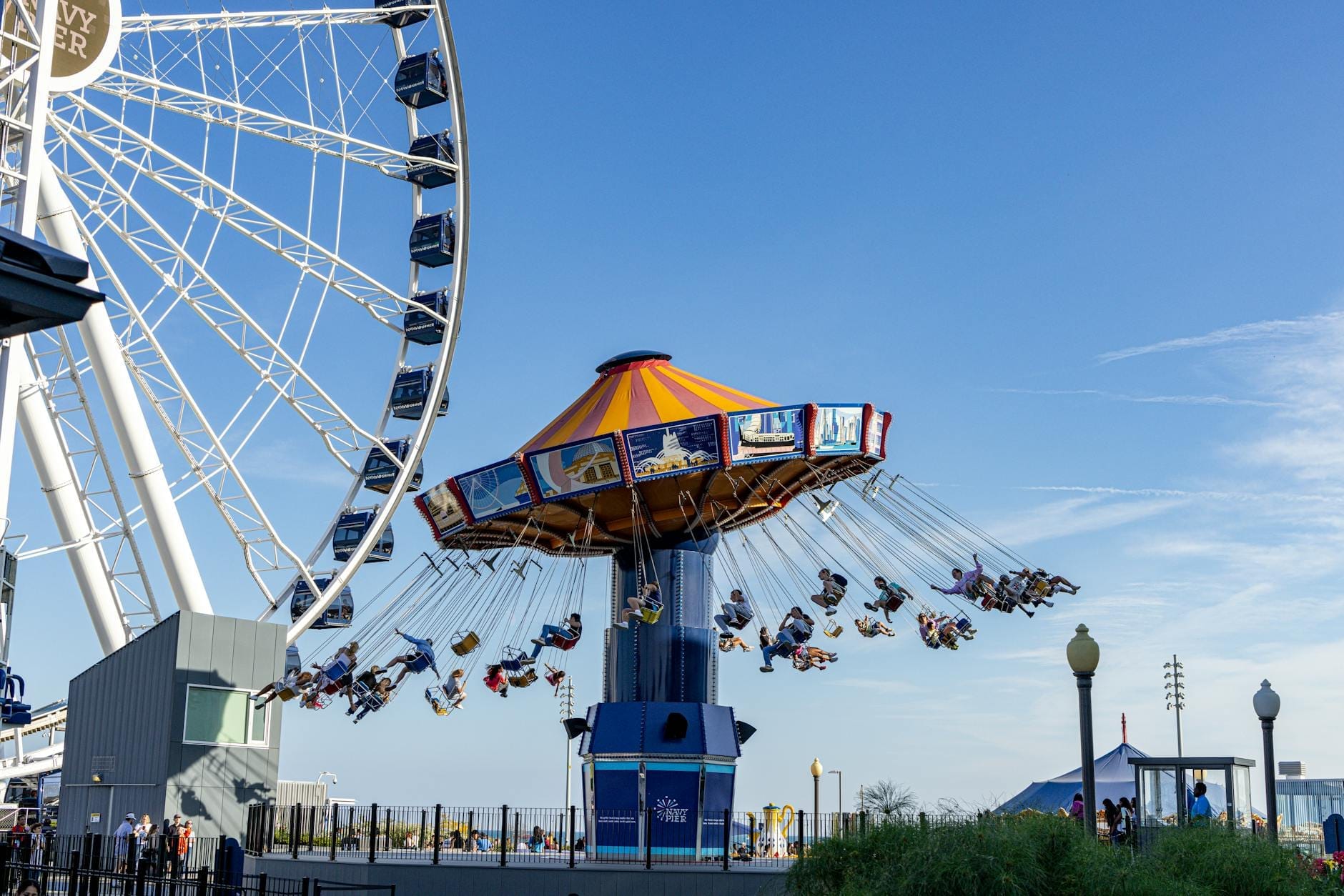
- Chicago Children's Museum at Navy Pier Not on Museum Campus proper, but worth grouping here. Located inside Navy Pier, tickets are around $19 per person (children under 1 free). The exhibits are hands-on and well-designed for ages 10 and under. Good for a half-day.
✨ Pro tip
The Chicago CityPASS and the Go City Chicago Pass both include multiple Museum Campus attractions. If you're visiting the Shedd, Field Museum, and at least one other paid attraction, a bundled pass often pays for itself. Compare the current pass prices against individual ticket prices for your specific group size before buying.
Art, Culture, and Unexpected Kid-Friendly Spaces
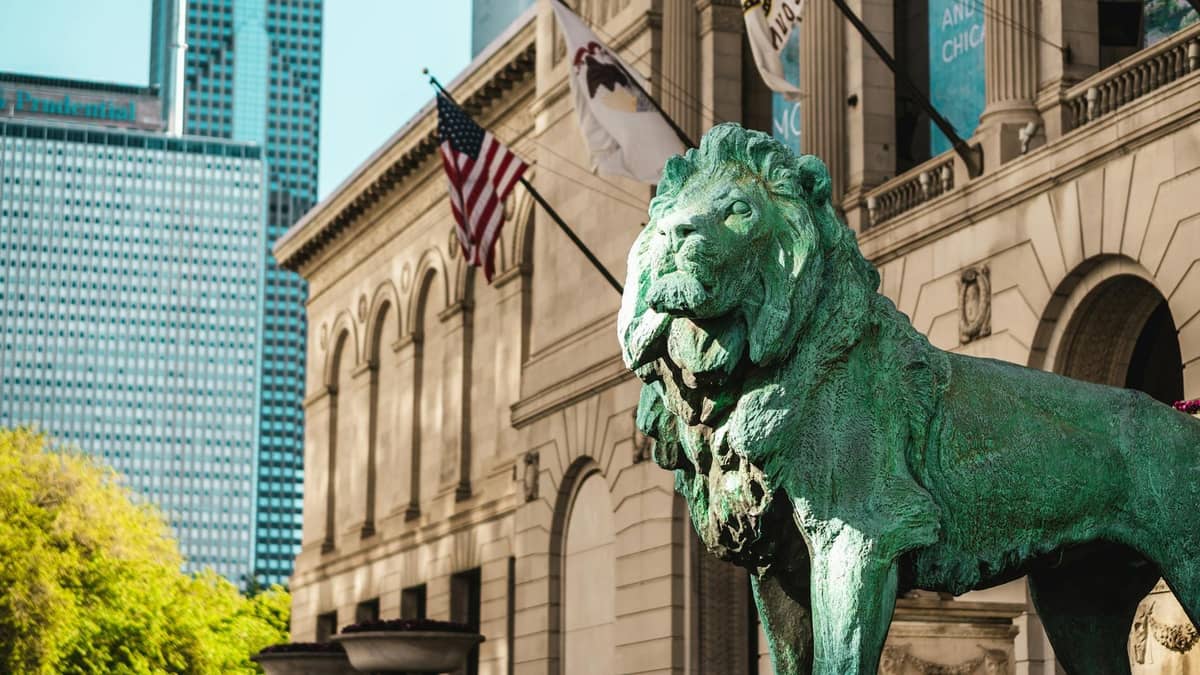
The Art Institute of Chicago admits children under 14 who live in Chicago for free year-round, which is remarkable given the quality of the collection. The Ryan Learning Center on the lower level is specifically designed for families, with hands-on art activities tied to current exhibitions. The Thorne Miniature Rooms — 68 tiny, obsessively detailed room interiors spanning five centuries — consistently capture kids' attention in a way that standard gallery spaces do not.
The Museum of Science and Industry in Hyde Park is the most hands-on major museum in Chicago. The German U-boat submarine (U-505), a full-scale coal mine simulation, a working model train layout, and a baby chick hatchery are among its most famous exhibits. It's a genuine all-day destination for families with children of nearly any age. Hyde Park itself is worth exploring: Jackson Park, the nearby lagoons, and ISAC at the University of Chicago (free admission, extraordinary ancient artifacts) can easily fill a second half of the day.
For families interested in the outdoors beyond the lakefront, the Chicago Botanic Garden in suburban Glencoe — about 20 miles north of downtown — offers free admission with paid parking (around $9–$15 for non-members, varying by season and time). The children's garden and tram rides make it genuinely engaging for younger visitors, and it's a realistic day trip on the Union Pacific North Metra line.
Seasonal Strategy: When to Visit Chicago with Kids
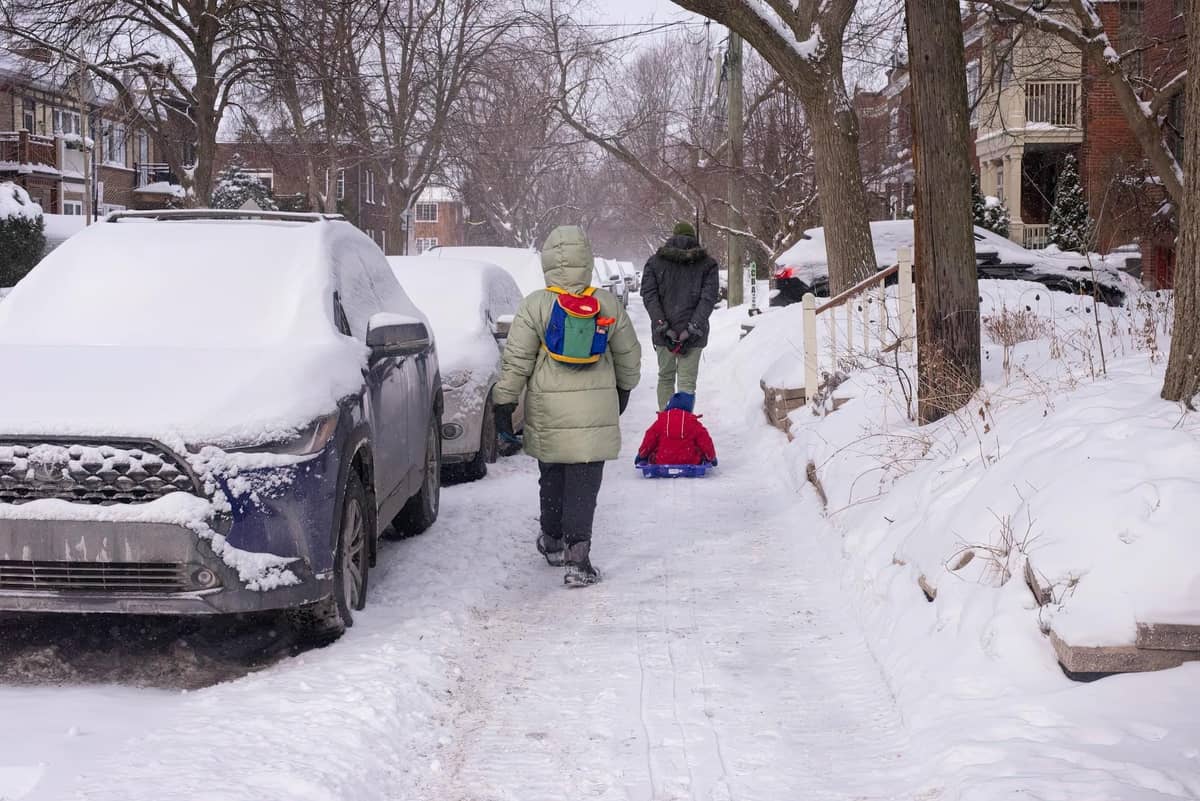
Chicago's humid continental climate means that when you visit shapes your entire itinerary. The city is not equally good for families year-round, and being honest about that saves a lot of frustration.
- Late May to early June The sweet spot. Temperatures reach 16–22°C (60–72°F), school groups have thinned out, and summer crowds haven't peaked. Buckingham Fountain is running, parks are green, and beaches are open for walking if not yet swimming.
- July and August Peak season with peak problems. Average highs hit 29°C (84°F), but humidity can push the feels-like temperature higher. Major attractions are packed by 10am. Lake Michigan beaches — North Avenue Beach and Oak Street Beach — are the saving grace; kids can spend entire mornings there at no cost. Plan indoor museum time for midday, outdoor activity in the morning and late afternoon.
- September Arguably the best month. Temperatures moderate to around 19–24°C (66–75°F), crowds drop after Labor Day, and the lake is still warm enough for swimming. The Chicago Jazz Festival in Grant Park (free) typically falls in early September.
- Winter (December–February) Not a family disaster, but you need to plan for it. Temperatures regularly drop below freezing; January averages around -3°C (27°F). The upside: indoor attractions have shorter lines, hotel prices drop, and Christkindlmarket in Daley Plaza runs through late December. Maggie Daley's skating ribbon and Millennium Park's free ice rink (skate rental fee applies) are genuine highlights.
⚠️ What to skip
Mid-July through August brings Chicago's biggest outdoor festivals — Lollapalooza, Air and Water Show, Taste of Chicago — which means the lakefront and Grant Park area can be severely congested. If your family trip coincides with these events and you're not attending them, plan to stay away from the lakefront and Grant Park during peak festival hours and book accommodations well in advance.
Getting Around Chicago with Kids: Practical Logistics
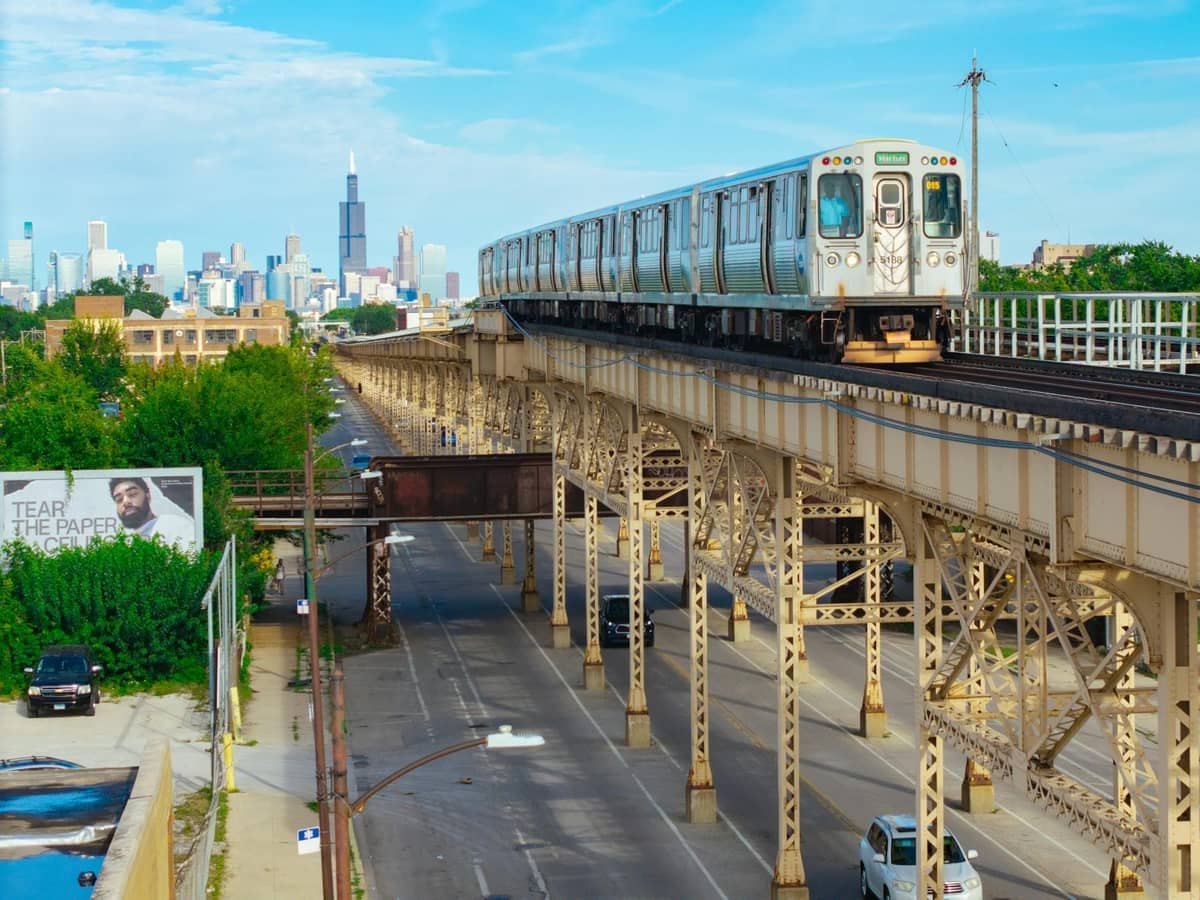
Chicago's CTA train network (the 'L') is the most practical way for families to move around without a car. The Red Line connects the North Side (near the Lincoln Park Zoo area) to the Loop, with bus connections to Museum Campus. The Blue Line runs from O'Hare Airport directly to downtown in 35–45 minutes. The Green Line reaches Garfield Park Conservatory; Hyde Park is reached via Metra Electric or CTA buses from the Green Line or Red Line. Children under 7 ride free when accompanied by a paying adult. Standard single-ride fares are $2.50 for full-fare riders; check getting around Chicago for the latest CTA fare details and Ventra card options.
Strollers are manageable on the L, though not all stations have elevators — check the CTA's accessibility map before planning your route. For families with infants or toddlers, rideshare (Uber, Lyft) is worth the premium for complex multi-stop days when carrying gear is a factor. Most of the city's prime family attractions are within a 5-mile radius of the Loop, so you rarely need to go far.
If you're flying in, O'Hare International Airport is about 16 miles northwest of downtown, and Midway International Airport is about 11 miles southwest. Both have direct CTA 'L' connections to the Loop. For airport arrival with young children and luggage, rideshare or a taxi is worth considering. Full details on both options are in the Chicago airport guide.
Honest Budget Breakdown and Money-Saving Tips
The perception that Chicago is expensive for families is partly earned and partly false. The free tier is genuinely strong: Lincoln Park Zoo, Garfield Park Conservatory, Maggie Daley Park, the Riverwalk, Grant Park, all lakefront beaches, and Art Institute admission for Chicago children under 14 cost nothing. A family of four can fill two full days without spending a dollar on attraction entry.
The paid tier gets expensive fast. Shedd Aquarium plus Field Museum for two adults and two children aged 3–11 can easily approach $130–150 before food. Buying tickets online in advance usually saves money (discount codes occasionally circulate) and eliminates the ticket line, which matters enormously at 9am with a four-year-old. Memberships at Chicago museums often pay off if you're staying more than three days or plan to return, and many Chicago institutions have reciprocal membership agreements. For a full picture of what's available at no cost, see the Chicago on a budget guide.
- Buy Museum Campus tickets online at least a day ahead — pricing is usually the same but you skip the physical queue.
- Chicago Greeter offers free 2–4 hour customized neighborhood walking tours led by local volunteers. Register in advance on the Chicago Greeter website. Excellent for families who want local context rather than a scripted tour.
- Pack a lunch for Museum Campus days. The lakefront between Shedd and the Field Museum has ample picnic space, and eating outside saves $30–50 for a family of four versus museum cafeterias.
- The CTA's Ventra card offers a $5 single‑day CTA pass for unlimited rides for one rider, which pays off if your family takes three or more trips in a day.
- North Avenue Beach and Montrose Beach are free all summer. Bring your own gear and spend a full morning — you won't need to buy a thing.
Neighborhood Day Trips Worth the Extra Effort
Downtown and Museum Campus cover the basics, but families who venture into neighborhoods get a richer experience. Chinatown is a 20-minute Red Line ride from the Loop and genuinely kid-friendly: dim sum restaurants welcome families, the Ping Tom Memorial Park has a riverfront playground, and the main shopping street on Wentworth Avenue is compact and walkable. Go on a weekend morning.
Pilsen on the Lower West Side is home to the National Museum of Mexican Art (free admission), some of the most concentrated public mural art in the city, and excellent family-friendly taquerias. It's a short Pink Line ride from the Loop. For families interested in architecture, the Chicago architecture guide outlines self-guided routes that work well with older children who can handle a walking pace and appreciate explanation.
For a half-day outside the city entirely, Indiana Dunes National Park is roughly 45–50 miles southeast of downtown Chicago and accessible by the South Shore Line commuter rail. The dunes, swimming beaches, and short hiking trails make it an excellent low-cost outdoor day for families. No car required.
FAQ
What are the best things to do in Chicago with kids under 5?
Lincoln Park Zoo (free, open every day), Maggie Daley Park's Play Garden (free), the Shedd Aquarium, and North Avenue Beach in summer are the top choices for toddlers. The Chicago Children's Museum at Navy Pier is specifically designed for young children and is worth the roughly $22 entry fee for a rainy-day or winter visit. Keep itineraries short and build in downtime — most toddlers last about two hours before needing a break.
Is Chicago safe to visit with kids?
The neighborhoods covered in most family itineraries — the Loop, Museum Campus, Lincoln Park, Navy Pier, Hyde Park, and Millennium Park — are high-traffic, well-policed tourist areas and are considered safe for families. Standard urban awareness applies: stay alert, keep bags close in crowded areas, and avoid walking in unfamiliar neighborhoods after dark. The city's main family attractions are all in areas with consistent foot traffic and good lighting.
What is the best time of year to visit Chicago with kids?
Late May through early June and September are the most practical choices. Temperatures are mild (16–24°C / 60–75°F), summer school-group visits have either not started or have ended, and outdoor attractions are fully operational. July and August work but require early starts and strategic planning around heat and crowds. Winter visits can work if your family is comfortable with cold weather and you focus on indoor attractions and seasonal events like Christkindlmarket.
How many days do you need in Chicago with kids?
Three full days covers the essentials without feeling rushed: one day for Museum Campus (pick two of the three main institutions), one day for Millennium Park, Maggie Daley, and the Riverwalk, and one day for Lincoln Park Zoo and the neighborhood. A fourth or fifth day opens up Hyde Park (Museum of Science and Industry), Chinatown, Pilsen, or a day trip to Indiana Dunes. A two-day visit is doable but requires tight prioritization.
Are Chicago museums free for kids?
Several are. Lincoln Park Zoo is free for all ages. The Art Institute of Chicago admits children under 14 who live in Chicago for free year-round. The National Museum of Mexican Art and the Chicago Cultural Center are free for everyone. Garfield Park Conservatory is free to enter. The major paid museums — Field Museum, Shedd Aquarium, Adler Planetarium, Museum of Science and Industry — charge for children aged 3 and up, though children under 3 are typically free. Always verify current pricing directly on museum websites before visiting.