Chicago's Chinatown is a compact, densely layered neighborhood on the Near South Side, centered on the intersection of Cermak Road and South Wentworth Avenue. Known for its dim sum restaurants, Chinese bakeries, herb shops, and the peaceful Ping Tom Memorial Park along the Chicago River, it offers one of the most distinct cultural experiences in the city, just a short Red Line ride from downtown.
Chicago's Chinatown punches well above its size. Within a few walkable blocks around Cermak Road and Wentworth Avenue, you'll find one of the most cohesive Chinese-American communities in the Midwest: storefront herbalists next to roast duck windows, zodiac statues in an outdoor plaza, and a riverfront park where dragon boats race every summer. It feels genuinely lived-in, not staged for tourists.
Orientation: Where Chinatown Fits in Chicago
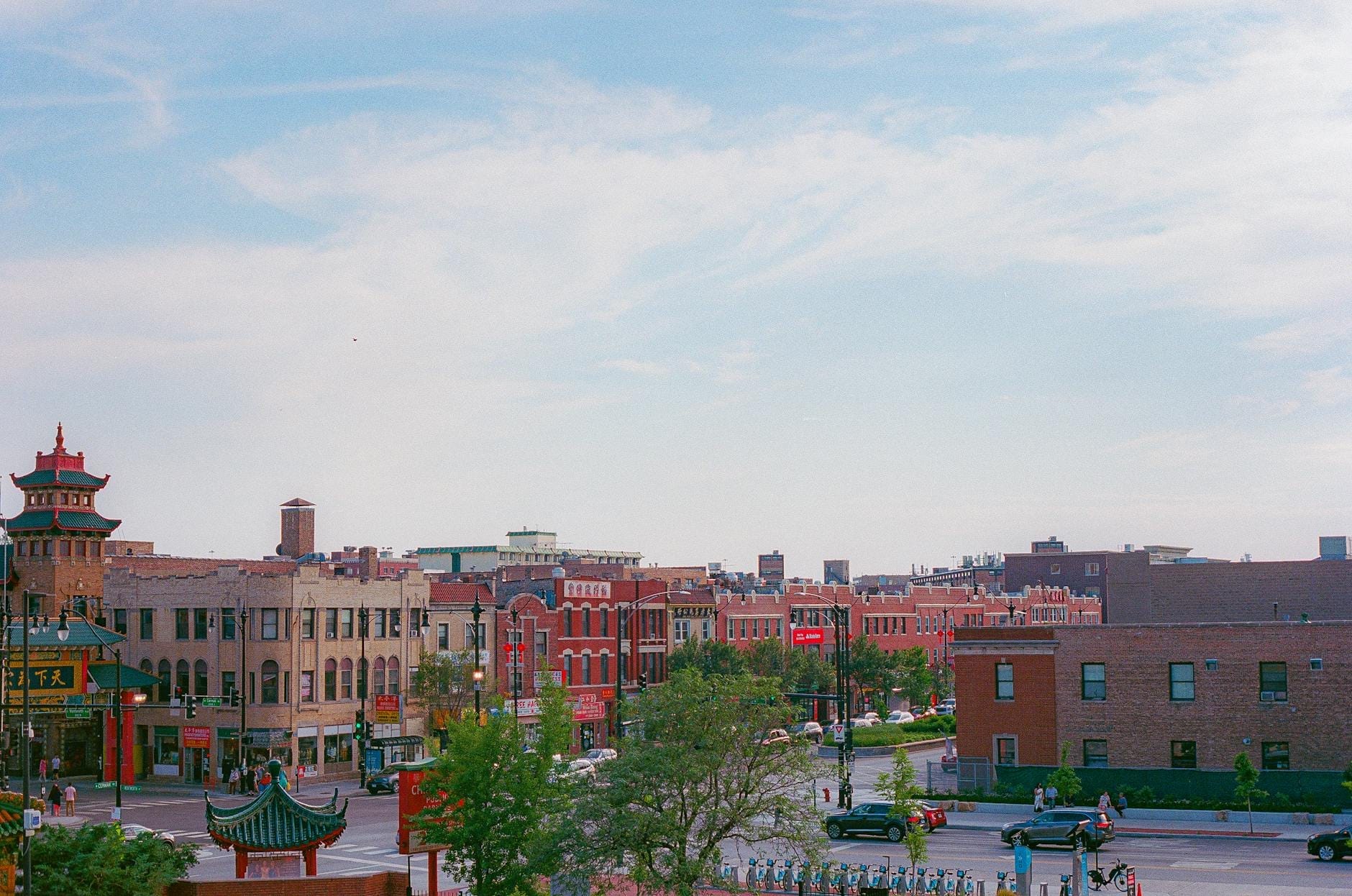
Chinatown sits in the Armour Square community area on Chicago's Near South Side, roughly two miles south of the Loop. The core of the neighborhood is the intersection of Cermak Road (22nd Street) and South Wentworth Avenue, where the ornate Chinatown Gate marks the southern entry point. From there, Wentworth Avenue runs south as the main commercial spine, flanked by restaurants, bakeries, and gift shops, before the streetscape opens into Chinatown Square, a modern outdoor plaza a few blocks south.
The neighborhood is relatively compact, roughly bounded by Cermak Road to the north, the South Branch of the Chicago River and Ping Tom Memorial Park to the west, the railroad embankment to the east, and 24th Place to the south. To the north lies the Museum Campus and South Loop. The near proximity to the Loop makes Chinatown one of the most accessible cultural neighborhoods in the city.
Chicago's Chinatown is not the city's original one. In the late 19th century, a small Chinese enclave existed in the South Loop near Van Buren Street. Around 1912, following tensions with other communities and expiring leases, the community relocated south to the Cermak and Wentworth corridor, where it has remained and grown ever since. Today it is one of the larger and more economically active Chinatowns in the United States; many sources rank it behind San Francisco and New York in size. For context on how this neighborhood fits into Chicago's broader cultural geography, the Chicago neighborhoods guide is a useful starting point.
Character & Atmosphere
On weekend mornings, Chinatown operates at a different tempo from the rest of the city. Wentworth Avenue fills early with families heading to dim sum restaurants, and the line outside the most popular spots can stretch past the door before 10am. The air carries the smell of roast pork from glass-fronted deli counters and steamed buns from sidewalk carts. Older residents play chess on benches near the Chinatown Gate while delivery trucks navigate the narrow side streets.
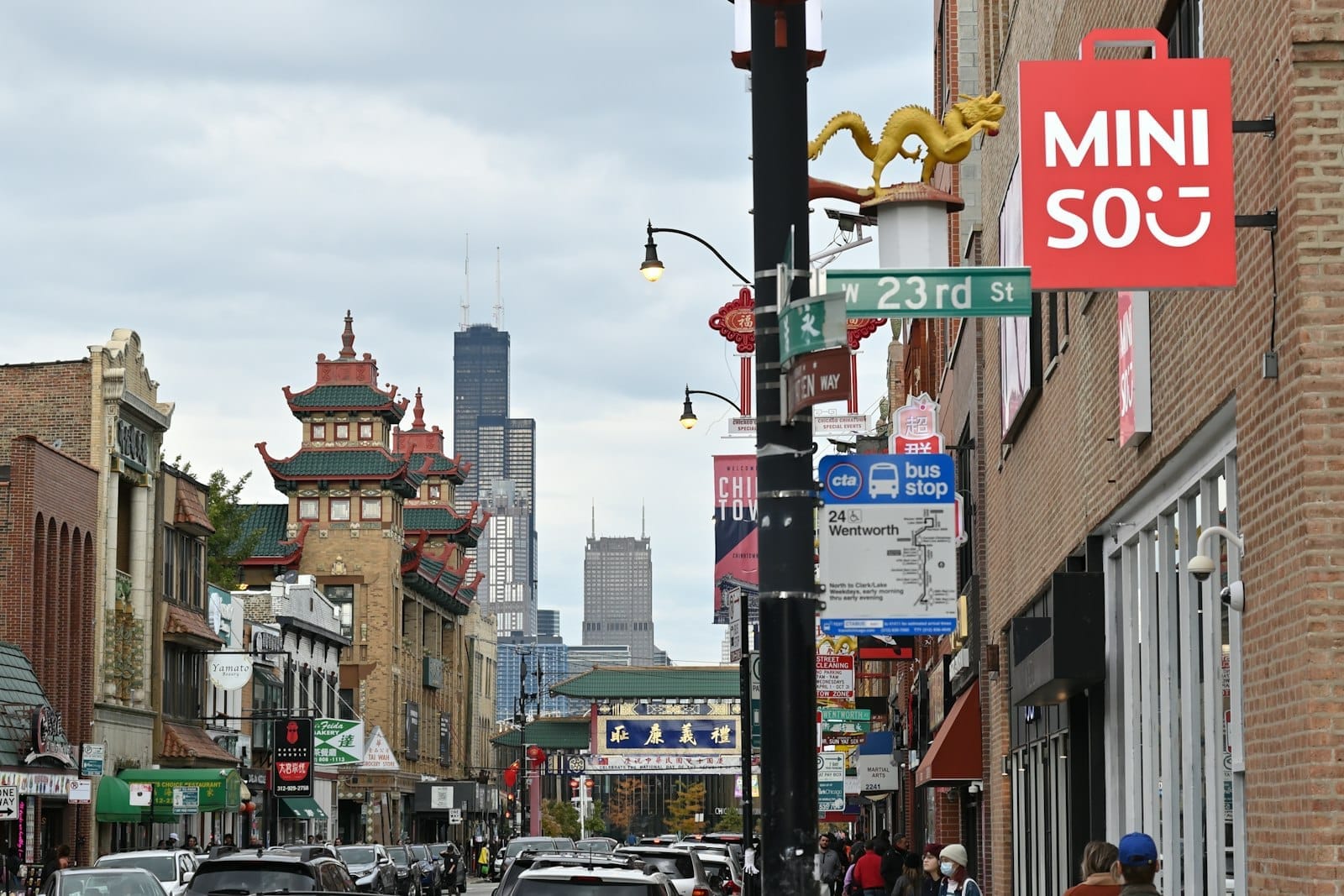
By afternoon the shopping stretches come alive. Grocery stores along Wentworth stock produce that is hard to find elsewhere in Chicago: fresh tofu, dried lotus root, multiple varieties of chrysanthemum tea, and shelves of rice wine. Herb shops display jars of ginseng, dried mushrooms, and medicinal roots. Gift shops sell paper lanterns, jade figurines, fans, and silk garments. The architecture reinforces the sense of place: pagoda-style rooflines, red and gold facades, and decorative tile work appear on buildings up and down the street.
After dark, the neighborhood quiets faster than you might expect. Most restaurants close by 10pm, and the streets empty out fairly quickly on weeknights. Weekend evenings stay lively a little longer, especially around Chinatown Square, where restaurants with later kitchens draw post-theater and post-game crowds from nearby Rate Field. The mood is generally relaxed and family-oriented rather than bar-scene oriented.
💡 Local tip
The best time to visit for atmosphere and food is Saturday or Sunday morning, when dim sum service is in full swing and the neighborhood feels most alive. Arrive by 10am if you want to avoid long waits at the top dim sum spots.
What to See & Do
The Chinatown Gate at the intersection of Wentworth and Cermak is the natural starting point for any visit. The ornate structure, with its curved roof and Chinese characters, frames the entrance to the main commercial strip and is one of the most photographed landmarks on the South Side. Walk south from the gate and you are immediately in the thick of the neighborhood.
A few blocks south, Chinatown Square is an outdoor plaza anchored by shops, restaurants, and a series of Chinese zodiac statues that children use as climbing structures. The twin pagodas at either end of the square are a good orientation landmark. The plaza was developed in the 1990s as an expansion of the original Wentworth corridor and now contains some of the neighborhood's most popular restaurants and bubble tea shops. For a broader look at Chicago's culturally distinctive neighborhoods, the Pilsen and Little Village neighborhood page covers the Southwest Side's Latino cultural hub, which makes for a good companion visit on the same day.
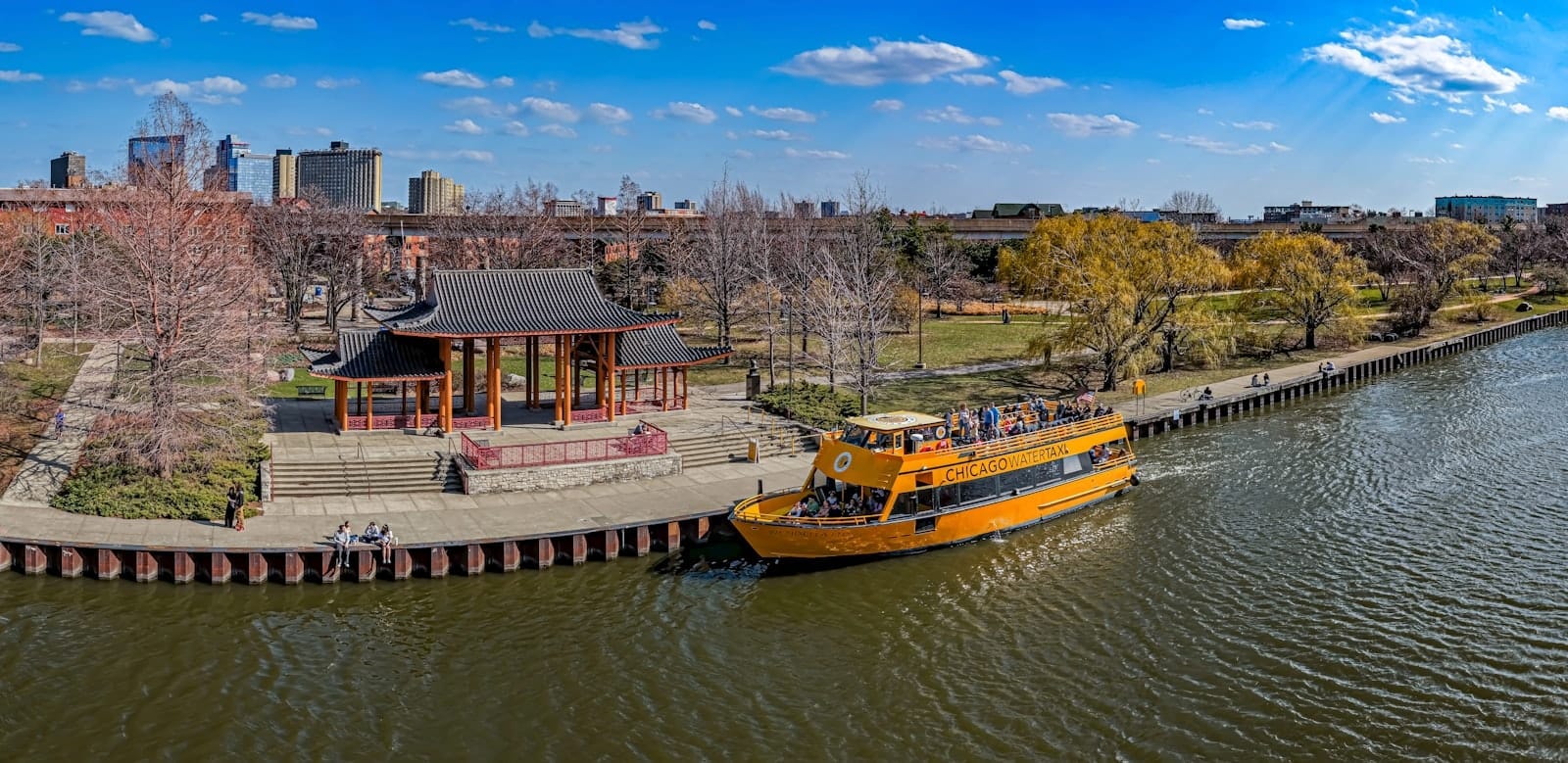
West of Wentworth, along the South Branch of the Chicago River, Ping Tom Memorial Park is the neighborhood's green lung. The roughly 17-acre park features a pagoda-style fieldhouse and pavilion, a kayak launch, and well-maintained riverfront paths. In summer, the park hosts dragon boat racing on the river, an event that draws large crowds and is one of the more distinctive seasonal spectacles in Chicago. Even outside event days, the park is a calm place to walk, with good views across the water toward the South Loop skyline.
Chinatown Gate at Wentworth and Cermak: the neighborhood's most recognizable landmark
Chinatown Square plaza: zodiac statues, twin pagodas, restaurants, and shops
Ping Tom Memorial Park: 17-acre riverfront park with kayak access and summer dragon boat races
Chinese American Museum of Chicago: documents the history of Chinese immigrants in the Midwest
Chinese American Veterans Museum: honors the contributions of Chinese-American military service members
Wentworth Avenue grocery stores and herb shops: worth browsing for ingredients unavailable elsewhere in Chicago
The Chinese New Year Parade along Wentworth Avenue is the neighborhood's biggest annual event, typically held in late January or February depending on the lunar calendar. The parade draws tens of thousands of spectators and fills the street with lion dances, firecrackers, and floats. If you are planning a trip around this event, book accommodation well in advance and expect the neighborhood to be crowded for the entire surrounding weekend.
ℹ️ Good to know
The Chinese American Museum of Chicago and the Chinese American Veterans Museum are both worth an hour of your time if you want to understand the community's history beyond the restaurant strip. Check current opening hours before visiting, as they may vary seasonally.
Eating & Drinking
Food is the primary reason most people come to Chinatown, and the neighborhood delivers with unusual consistency across a wide price range. Dim sum is the anchor experience: wheeled carts or order-sheet service, depending on the restaurant, bringing steamed dumplings, har gow, char siu bao, turnip cake, and egg tarts to crowded tables. The better dim sum spots fill quickly on weekend mornings, and the experience of eating in a large, noisy room packed with multigenerational families is part of what makes Chinatown feel distinct from the rest of Chicago.
Beyond dim sum, the neighborhood covers significant culinary ground. Cantonese roast meats, Szechuan dishes, Taiwanese bubble tea, Hong Kong-style bakeries, hot pot, and hand-pulled noodles all have representation within a few blocks of each other. Price points are generally low to moderate. A full dim sum lunch for two typically costs less than a mid-range meal in the Loop. Bubble tea shops around Chinatown Square stay open later than most restaurants and serve as casual gathering spots in the evenings. For a broader survey of Chicago's food landscape, the Chicago food guide covers the city's major culinary neighborhoods and cuisines.
The bakeries along Wentworth are worth a stop even if you are not sitting down for a meal. Pineapple buns, egg custard tarts, cocktail buns filled with coconut cream, and sesame balls are all sold fresh throughout the day. The grocery stores and herb shops in the same stretch sell prepared items including roast duck, soy-poached chicken, and barbecued pork by weight, making it easy to put together an inexpensive and interesting meal to take to Ping Tom Memorial Park.
Dim sum: the signature experience, best on weekend mornings; cart-style and order-sheet formats both available
Cantonese roast meats: whole ducks and BBQ pork displayed in deli windows along Wentworth
Szechuan: spicier regional cooking available in several restaurants, especially in Chinatown Square
Bubble tea: multiple shops around Chinatown Square, good for afternoon breaks
Bakeries: egg tarts, pineapple buns, and cocktail buns sold fresh daily
Hot pot: available at several spots, popular for evening group dining
⚠️ What to skip
Weekend dim sum waits at the most popular restaurants can be 30 to 60 minutes. Arriving before 10am or after 1:30pm reduces wait times significantly. Most restaurants are cash-friendly but increasingly accept cards; it is still worth carrying some cash in Chinatown.
Getting There & Around
The CTA Red Line is the most convenient way to reach Chinatown from downtown. The Cermak-Chinatown station sits right at the heart of the neighborhood and is one of the early above-ground stops heading south from the downtown State Street subway corridor. From the Loop, a southbound 95th/Dan Ryan train reaches Cermak-Chinatown in about 10–15 minutes. The station exit drops you directly onto Cermak Road at Wentworth, immediately in front of the Chinatown Gate. For general guidance on navigating Chicago's transit network, see the getting around Chicago guide.
From the Museum Campus and South Loop, Chinatown is reachable on foot in about 20 to 25 minutes, walking west and south along Cermak Road. This is a reasonable walk in good weather and gives you a sense of the transition between the institutional museum district and the residential and commercial fabric of Chinatown. Alternatively, the Red Line from the Roosevelt station (which serves the Museum Campus area) is one stop to Cermak-Chinatown.
Rideshare services and taxis are straightforward given the short distance from downtown, typically 10 to 15 minutes by car from the Loop without heavy traffic. Driving and parking in Chinatown on weekends requires patience: the neighborhood's streets are narrow, street parking fills quickly on busy mornings, and the side streets around Wentworth can back up during peak dim sum hours. The Red Line is the more reliable option on weekend mornings.
Within the neighborhood, everything is walkable. The distance from the Chinatown Gate to Chinatown Square is about five minutes on foot. Ping Tom Memorial Park adds another five to eight minutes walking west from Wentworth. The neighborhood's compact footprint means most visitors cover it entirely on foot without difficulty.
Where to Stay
Chinatown itself has limited accommodation options compared to the Loop, River North, or the Magnificent Mile. Most travelers who want to use Chinatown as a base stay in the South Loop, which is just north of Cermak Road and within easy walking or Red Line distance of both the neighborhood and the Museum Campus. The Museum Campus and South Loop area offers a range of hotel options from budget to mid-range, with good transit access.
If your priority is central location with access to the widest range of Chicago experiences, staying in the Loop or River North and making a dedicated half-day or full-day trip to Chinatown makes more sense than basing yourself at the southern edge of downtown. The Red Line makes the commute fast enough that distance is not a real obstacle. For a full overview of where to stay across Chicago, the where to stay in Chicago guide covers all the main options by neighborhood and traveler type.
Practical Considerations
Chinatown is a genuine residential and commercial neighborhood, not a tourist attraction built for visitors. That is both its strength and worth keeping in mind as you move through it. The main commercial strip along Wentworth can get crowded on weekends, but a block or two off the main drag, the streets are quiet residential territory. The neighborhood is generally considered safe and is well-trafficked throughout the day. As with all Chicago neighborhoods, standard urban awareness applies after dark, though the compact and active nature of the area around Cermak and Wentworth means it rarely feels isolated. For general guidance on staying safe in Chicago, see the Chicago safety tips guide.
Chinatown pairs naturally with a visit to the Museum Campus to the north, where the Field Museum, Shedd Aquarium, and Adler Planetarium are all within reach. Many visitors combine a morning in Chinatown for dim sum with an afternoon at one of the museums, or vice versa. It also works well as a dinner destination after a baseball game at Rate Field, which is a short walk east along 35th Street.
TL;DR
Chinatown centers on Cermak Road and South Wentworth Avenue, about 2 miles south of the Loop, and is easily reached in 10 minutes on the CTA Red Line from downtown.
The neighborhood is best for: dim sum and Cantonese roast meats, weekend morning visits, the Chinese New Year Parade in late January or February, and dragon boat races at Ping Tom Memorial Park in summer.
Not ideal for: travelers seeking nightlife or late-night dining options, or those who prefer large hotel districts within walking distance.
Best combined with a visit to the Museum Campus to the north, making for a full South Side day without needing a car.
Carry some cash, arrive early on weekends for dim sum, and allow at least half a day to cover the neighborhood properly.
Three days is enough time to cover Chicago's iconic skyline, world-class museums, lakefront, and neighborhoods — if you plan it right. This itinerary cuts the guesswork with day-by-day structure, honest timing advice, and the practical details most guides skip.
Chicago's museum scene is one of the strongest in the United States, anchored by institutions that rank among the best in the world. This guide covers the top picks across art, natural history, science, architecture, and cultural heritage, with honest advice on what each one offers and how to plan your visit.
Chicago rewards visitors year-round, but timing your trip makes a real difference. This guide breaks down every season by weather, crowd levels, pricing, and events so you can pick the dates that match what you actually want from the city.
Twenty-four hours in Chicago is genuinely enough to hit the architectural icons, taste the food worth traveling for, and understand why this city earns its reputation. This guide cuts through the noise with a tight, practical sequence that actually works — morning coffee to late-night jazz, no wasted miles.
Navy Pier lights up the lakefront every Independence Day, but Chicago 4th of July celebrations extend far beyond a single pier. This guide covers the best fireworks viewing spots, lake cruises, rooftop bars, daytime activities, and practical logistics for a smooth July 4th in the city.
Chicago is served by two major airports: O'Hare International (ORD) and Midway International (MDW). This guide breaks down the key differences in location, transit connections, airlines, and costs so you can choose the right one before you book.
The Chicago architecture boat tour is one of the city's most rewarding experiences, but not all cruises are equal. This guide breaks down the top operators, ticket prices, departure logistics, and the details most visitors only discover after they've already booked.
Chicago is the most important city in North America for architecture, full stop. This guide covers the essential buildings, the best tours, and the landmarks that explain how a city rebuilt from ashes became the birthplace of the skyscraper.
Chicago is a crucible of modern electric blues and one of the great jazz cities on earth. This guide covers the essential clubs, historic venues, and annual festivals where you can hear world-class live music any night of the week.
Chicago transforms every December into one of the most festive winter cities in the United States. From the authentic German Christkindlmarket at Daley Plaza to the ice skating rinks, dazzling light displays, and world-class theater, this guide covers every key event, practical logistics, and honest advice for making the most of Chicago at Christmas.
Chicago CityPASS promises up to 50% savings on top attractions like Shedd Aquarium, Skydeck Chicago, and the Field Museum. But does it actually deliver? This guide breaks down both pass options, calculates real savings, flags what's missing, and tells you exactly who should buy it and who should pass.
Chicago is the comedy capital of the United States, the city where improv was born and where generations of the world's funniest performers learned their craft. This guide covers the essential stages, late-night clubs, and supporting venues that make Chicago's comedy scene unlike anywhere else.
Chicago deep-dish is one of America's most iconic regional foods, but knowing where to eat it, what to order, and how long to wait makes all the difference. This guide covers the top pizzerias, the difference between stuffed and traditional deep-dish, and practical tips to avoid rookie mistakes.
Chicago's food identity runs far deeper than one famous pizza style. This guide covers every iconic dish you should try, the neighborhoods where each one thrives, honest price expectations, and the seasonal rhythms that shape how the city eats.
Chicago's Prohibition-era crime history is woven into its streets, neighborhoods, and buildings. This guide covers the real locations tied to Al Capone, the St. Valentine's Day Massacre, John Dillinger, and the Chicago Outfit, plus the best tours to bring it all to life.
Chicago rewards the curious traveler who ventures beyond the Bean and Navy Pier. From a Gilded Age cemetery full of architectural masterpieces to a free tropical conservatory on the West Side, these under-the-radar experiences reveal the city's true depth and character.
Summer transforms Chicago into one of America's most energetic cities. From massive free festivals on the lakefront to neighborhood street fairs, world-class beaches, and outdoor concerts, this guide covers everything you need to know to make the most of Chicago from June through August.
Winter in Chicago is genuinely cold, occasionally brutal, and completely worth it. This guide covers the best things to do in Chicago winter — from free ice skating at Millennium Park to world-class museums, holiday markets, and rooftop views — along with honest advice on surviving the weather and keeping costs down.
Chicago's lakefront is one of the great urban waterfronts in the world: 26 miles of free public shoreline, 24 sand beaches, and a continuous trail linking neighborhoods from Edgewater to Hyde Park. This guide covers the best beaches, parks, trails, water activities, and practical rules you need to enjoy it without any surprises.
Lollapalooza takes over Grant Park for four days every summer, drawing around 460,000 people to one of the world's biggest music festivals. This guide covers tickets, the 2026 lineup, on-site logistics, getting there, where to stay, and what first-timers get wrong.
Chicago delivers world-class luxury across every category, from lakefront five-star hotels to Michelin-starred tasting menus and private architecture cruises. This guide cuts through the noise to tell you exactly where to stay, eat, and splurge in one of North America's most sophisticated cities.
The Chicago Marathon draws over a million spectators to 26.2 miles of city streets each October. This guide covers the best places to watch, how to use the CTA to hit multiple spots, Grant Park access rules, and everything you need to know to make race day effortless.
Chicago's 77 community areas each have a distinct personality, and knowing which ones to visit makes all the difference. This guide breaks down the city's best neighborhoods by what they offer, from world-class museums and architecture to street art, jazz clubs, and lakefront beaches.
Chicago's nightlife runs deep and wide, from century-old jazz clubs to basement punch bars in Pilsen. This guide maps the best venues by neighborhood, covers last-call logistics, and tells you where the locals actually drink.
Two iconic observation decks, two very different experiences. This guide breaks down Skydeck Chicago and 360 CHICAGO side by side — heights, ticket prices, signature features, crowd patterns, and honest verdicts — so you can choose the right one for your visit.
Chicago is one of America's great cities, but it does not have to be an expensive one. From free world-class museums and an 18-mile lakefront trail to $2.50 train rides and Italian beef sandwiches under $5, this guide breaks down exactly how to stretch your dollars across every part of the trip.
Chicago's reputation for danger is significantly overblown when it comes to tourist areas. This guide breaks down which neighborhoods are genuinely safe, where to exercise caution, and the practical habits that keep visitors out of trouble.
Chicago is one of the great shopping cities of North America, with options ranging from luxury flagships on Oak Street to independent boutiques in Andersonville and massive outlet malls near O'Hare. This guide breaks down every major district, what you'll actually find there, and how to get around without wasting a day.
Chicago is one of the best American cities to explore alone. The CTA L train connects virtually every major attraction, central neighborhoods are walkable and safe for solo visitors, and the city rewards independent travelers with world-class museums, architecture, food, and free cultural spaces. This guide covers everything you need: safety by area, transit logistics, the best solo-friendly experiences, and practical advice on timing and budgeting your trip.
Chicago is one of only a handful of U.S. cities with teams in all five major men's pro sports leagues. This guide covers every team, every venue, the best seats for your budget, and everything you need to know before game day.
Chicago turns the river green every St. Patrick's Day in one of America's most spectacular civic traditions. This guide covers the river dyeing history, best viewing spots, parade logistics, neighborhood celebrations, and practical tips for making the most of the city's biggest Irish-American holiday.
The Chicago style hot dog is one of the most specific, opinionated, and genuinely great street foods in America. This guide breaks down every topping, the Depression-era origins, the ketchup controversy, and the best stands in the city to try one.
Chicago has one of the richest theater scenes in the world, stretching from grand Loop venues hosting Broadway tours to intimate storefront stages that have shaped American drama for decades. This guide covers the best venues, how to get tickets, and what makes each stage worth your time.
Chicago's skyline is one of the greatest in the world, and the city gives you dozens of ways to take it in. From two competing observation decks to free lakefront viewpoints and rooftop bars, this guide covers every perspective worth seeking out.
Two days in Chicago is enough to hit the architectural landmarks, world-class museums, and legendary food scene — if you plan smart. This guide breaks down exactly how to spend a Chicago weekend, from Saturday morning at Millennium Park to Sunday dinner in the West Loop, with honest tips on what's worth your limited time.
Chicago ranks among the best American cities for families, and not just because of its world-class museums. Free zoos, lakefront beaches, landmark parks, and kid-friendly neighborhoods make it surprisingly affordable and endlessly entertaining. This guide covers the top things to do in Chicago with kids, season by season, with real logistics and honest money-saving advice.
Chicago sits at the center of one of the most day-trip-rich regions in North America. Within two hours you can be hiking sand dunes on Lake Michigan, touring Frank Lloyd Wright's studio, exploring a stunning botanical garden, or catching world-class outdoor music. This guide covers the best destinations within easy reach of the city.
Chicago is one of America's most generous cities when it comes to free attractions. World-class public art, a free zoo, miles of lakefront beaches, always-free museums, and summer festivals that draw millions — all without admission fees.
Chicago has one of the most comprehensive public transit systems in North America, with 'L' trains connecting both major airports to downtown and buses covering nearly every corner of the city. This guide breaks down every option: the CTA, airport transfers, rideshare, taxis, bikes, and water taxis, with honest advice on when each makes sense.
Chicago rewards couples with an extraordinary range of experiences: candlelit jazz clubs, skyline views from the water, world-class art museums, and tranquil gardens tucked inside the city's busiest parks. This guide covers the most romantic things to do in Chicago, organized by mood and moment.
Chicago packs more into one city than almost anywhere in America: world-class museums, a stunning lakefront, boundary-pushing food, and architecture that stops you mid-stride. This guide covers the top things to do in Chicago across every budget, season, and travel style, with honest rankings and practical logistics.
Chicago was ranked among the top U.S. food cities in 2026, and the title is earned. This guide cuts through the deep-dish clichés to show you where locals actually eat: the best neighborhoods by cuisine, standout restaurants by category, booking tips, and honest advice on what to skip.
Choosing where to stay in Chicago shapes your entire trip. This guide breaks down the city's top neighborhoods by location, price, vibe, and transit access, so you can book with confidence whether you're a first-timer or returning visitor.