3 Days in Chicago: The Perfect Itinerary
Three days is enough time to cover Chicago's iconic skyline, world-class museums, lakefront, and neighborhoods — if you plan it right. This itinerary cuts the guesswork with day-by-day structure, honest timing advice, and the practical details most guides skip.
Plan and book this trip
Tools from our partner Travelpayouts help you compare flights and hotels. If you book through them, we may earn a commission at no extra cost to you.
Flights
Hotels map
TL;DR
- Three days covers the Loop, Millennium Park, Museum Campus, the Riverwalk, an architecture cruise, and at least one neighborhood beyond downtown.
- Buy timed entry tickets in advance for the Art Institute ($32 adults), Shedd Aquarium (from ~$39.95), and the Chicago Architecture Foundation River Cruise — they sell out, especially on weekends.
- The CTA Blue Line from O'Hare and the Orange Line from Midway both connect directly to the Loop, making airport transfers fast and inexpensive.
- Late spring (May–June) and early fall (September–October) offer the best weather; see the best time to visit Chicago guide for a full seasonal breakdown.
- Lincoln Park Zoo is free and worth adding to any day you're in the North Side area.
Before You Arrive: Logistics Worth Sorting in Advance
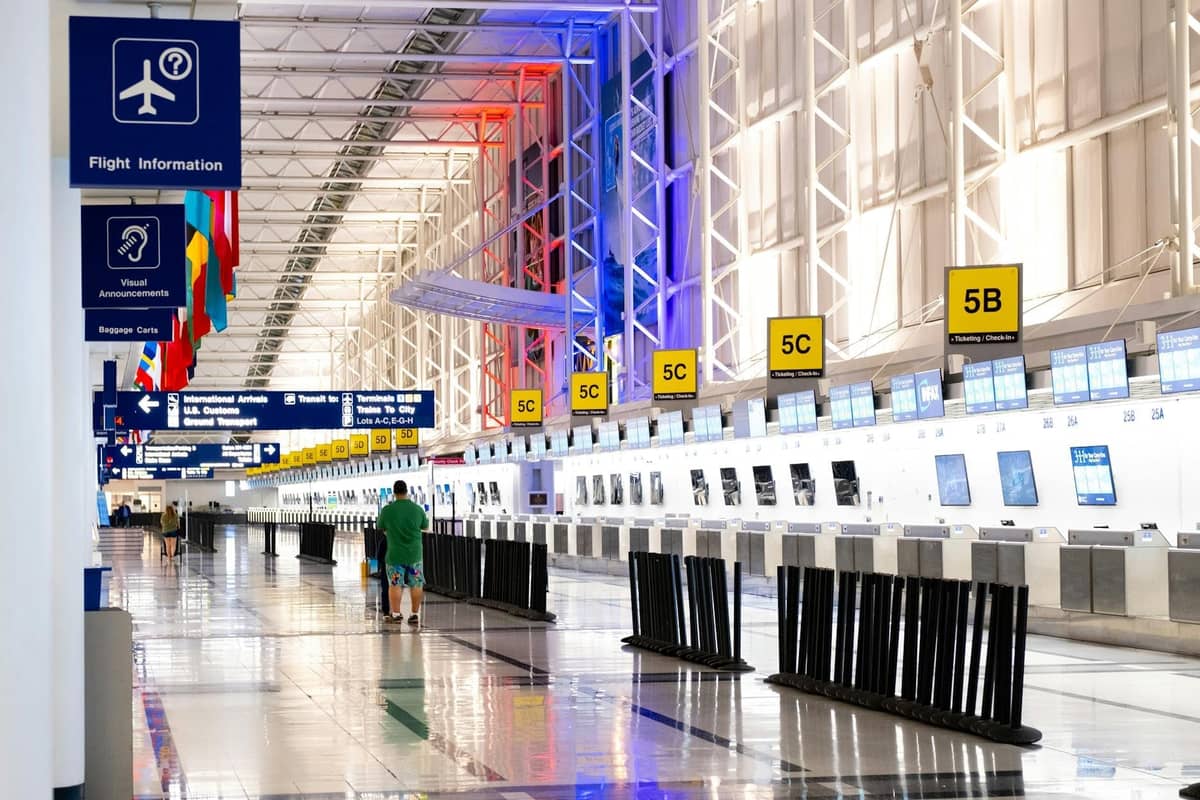
Chicago is served by two commercial airports. O'Hare International (ORD) is about 17 miles northwest of downtown and handles most international and long-haul traffic. Midway (MDW) is 10 miles southwest and used primarily by domestic carriers. From O'Hare, the CTA Blue Line runs directly to the Loop in 35–45 minutes for a flat fare ($5 from O'Hare, higher than standard CTA fares — confirm current pricing at transitchicago.com before you travel). From Midway, the Orange Line reaches the Loop in 25–30 minutes at the standard fare. Both options beat taxis and rideshares in predictability, especially during rush hour.
Once downtown, the CTA L system covers most tourist areas efficiently. The Red Line runs north-south along the lakefront side, useful for reaching Lincoln Park and Wrigleyville. The Brown Line loops through the Near North Side (including the Merchandise Mart area) but does not directly serve most of River North. For a full breakdown of how to move around the city without a car, the getting around Chicago guide covers fares, Ventra cards, and neighborhood-by-neighborhood transit options.
💡 Local tip
Pick up a reloadable Ventra card at any L station or participating retailer. It works on both CTA trains and buses, and a single-ride costs less than paying cash on the bus. Load it with a 1-day ($5) or 3-day ($15) unlimited pass if you plan to ride frequently.
Where you stay shapes the itinerary. The Loop and River North put you within walking distance of Millennium Park, the Riverwalk, and the Art Institute. Staying along the Magnificent Mile adds Navy Pier access. If you prioritize neighborhoods over landmarks, the West Loop or Lincoln Park both offer strong hotel and short-term rental options with good transit links back downtown.
Day 1: The Loop, Millennium Park, and the Riverwalk
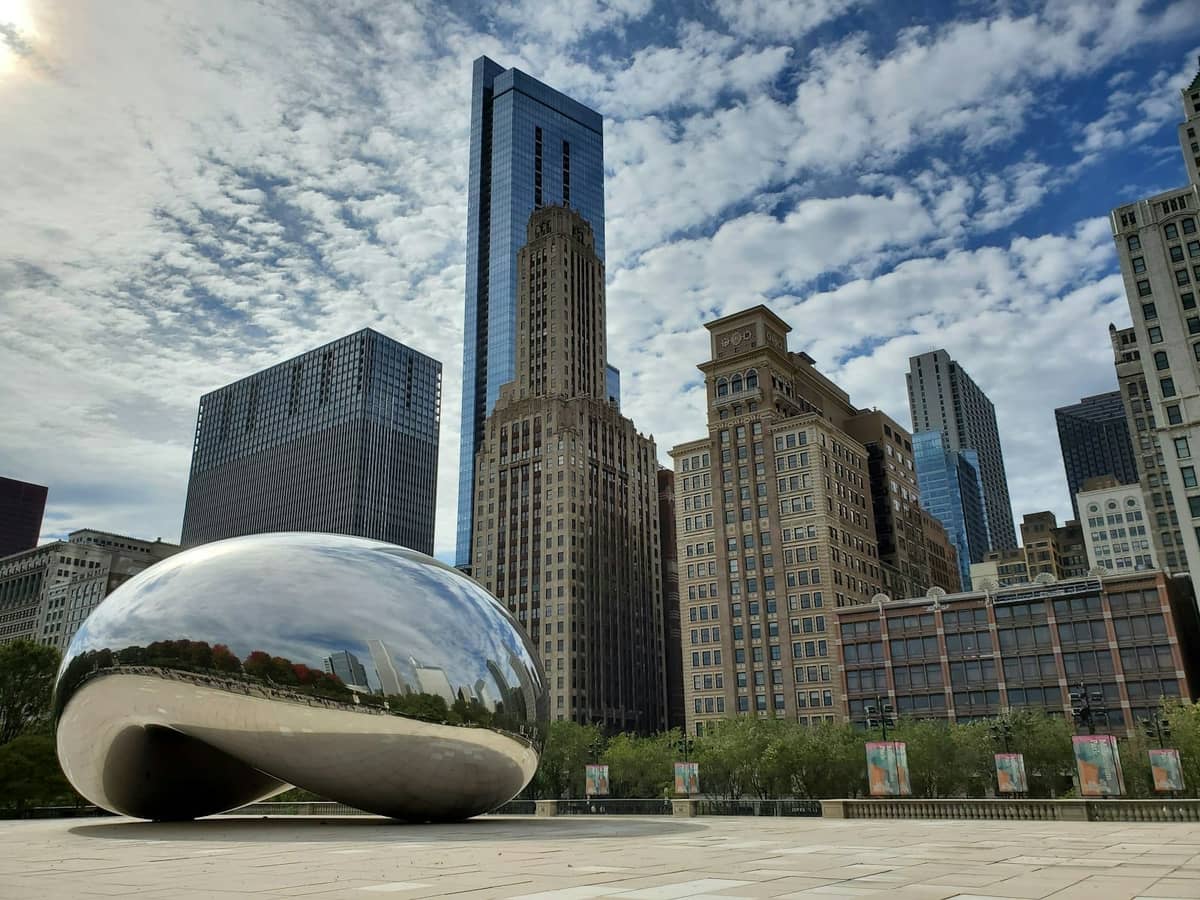
Start the first morning at Millennium Park, which opens at 6:00 AM and is free to enter. The crowd is manageable before 9:30 AM, which is when tour groups arrive. Spend time at Cloud Gate (the Bean), Crown Fountain, and the Lurie Garden before the day heats up. The Jay Pritzker Pavilion is worth a look even when there's no performance scheduled — its bandshell structure is one of Frank Gehry's most distinctive pieces of public architecture.
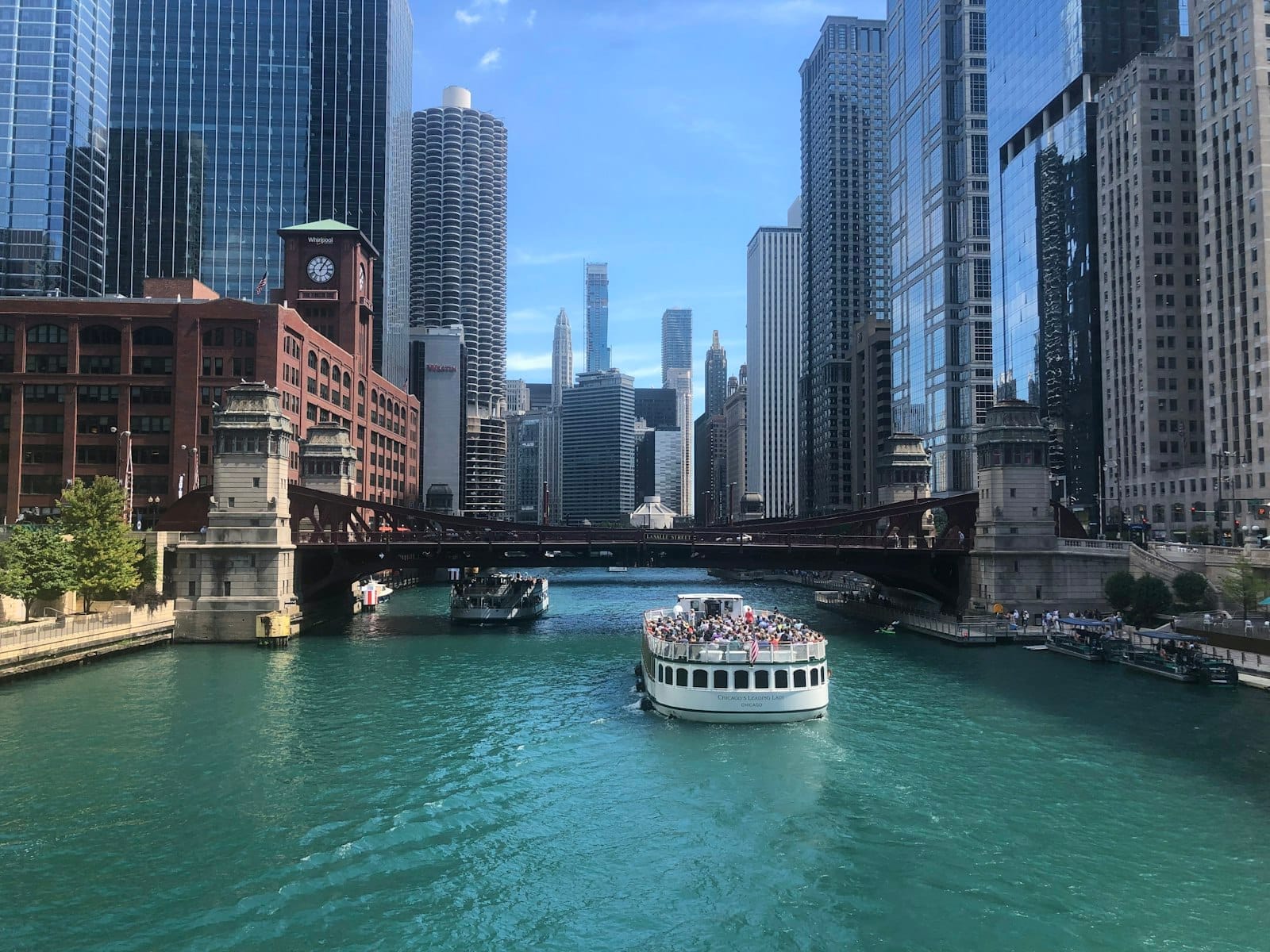
From Millennium Park, walk west along the Chicago River to the Chicago Riverwalk. The walkway runs along the south bank from Lake Shore Drive to Lake Street and is open daily from 6:00 AM to 11:00 PM. Vendors and restaurants operate May through October, so a morning coffee or midday lunch here is entirely doable in warmer months. The Riverwalk also positions you perfectly for an architecture cruise departure.
Book the Chicago Architecture Center River Cruise for the late morning or early afternoon. The 90-minute tour runs most days from spring through late fall, with tickets from around $54 per adult. This is genuinely one of the best introductions to Chicago available — the guides cover over 50 buildings and explain how Chicago rebuilt itself after the 1871 fire, pioneered the steel-frame skyscraper, and developed its distinctive architectural identity. Book online in advance, especially for weekend departures.
End the afternoon at the Art Institute of Chicago, whose main entrances are on Michigan Avenue and Monroe Street, just south of Millennium Park. General admission is $32 for adults, $26 for seniors and non-Chicago teens, and free for children under 14 and Chicago teens 14–17 with ID. Hours are 11:00 AM to 5:00 PM Saturday–Monday and Thursday, 11:00 AM to 8:00 PM on Wednesday, and the museum is closed Tuesday. The collection is enormous — plan to spend 2 to 3 hours if you want to cover the Impressionist galleries, the Thorne Miniature Rooms, and the American art wing without rushing. Book timed entry tickets in advance on weekends.
✨ Pro tip
The Art Institute's modern wing (the Renzo Piano-designed Griffin Court section) is often less crowded than the main building and connects via the Nichols Bridgeway over Monroe Street from Millennium Park. Enter from the park side to skip the main entrance queue on busy days.
- Millennium Park Free entry, opens 6:00 AM. Arrive before 9:30 AM to beat the crowds at Cloud Gate.
- Chicago Architecture Foundation River Cruise 90-minute tour from ~$54 adults. Book online. Runs April–November.
- Art Institute of Chicago $32 adults. Open 11:00 AM–5:00 PM (until 8:00 PM Thu). Closed Tuesdays. Pre-book timed entry on weekends.
- Chicago Riverwalk Free public walkway. Restaurants and vendors active May–October.
Day 2: Museum Campus, the Lakefront, and Navy Pier
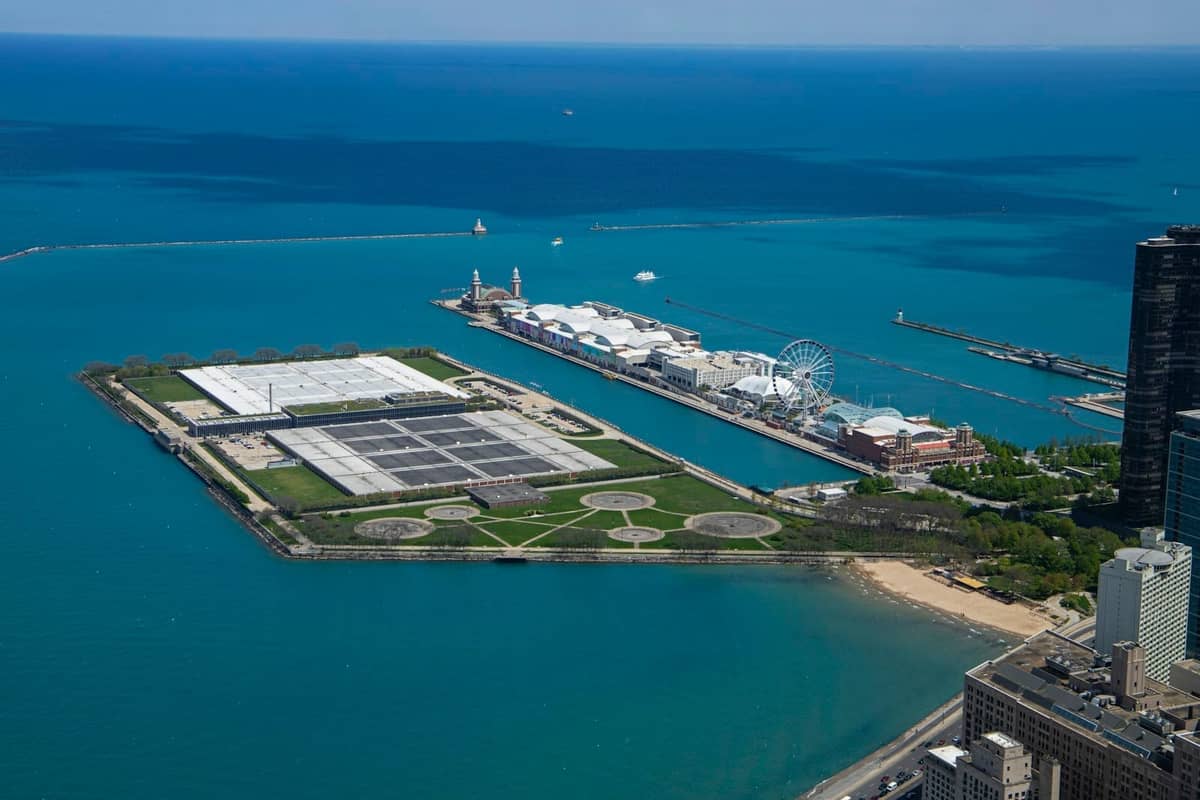
The Museum Campus clusters three of Chicago's major science and natural history institutions on a peninsula jutting into Lake Michigan just south of Grant Park. Budget an entire morning here — attempting all three in a single day is possible but rushed. The Field Museum alone could absorb 3 to 4 hours. The Shedd Aquarium typically requires online advance booking (tickets start at $39.95 for adults and $29.95 for children 3–11) and is best on weekday mornings when school groups are less likely. The Adler Planetarium rounds out the campus and is worth visiting for its outdoor lakefront views alone, even if you only go into one show.
If you're traveling with children, the Museum Campus is a full-day commitment. For more guidance on pacing and which attractions work for different ages, the Chicago with kids guide covers the Museum Campus and several other family-focused options across the city.
In the afternoon, head north along the lakefront to Navy Pier. The walk along the lakefront path takes about 25 minutes from the Museum Campus or you can take a rideshare. Navy Pier itself is free to enter and typically opens by 11:00 AM, though hours vary by season and day of week. The Centennial Wheel, the 200‑foot Ferris wheel on the pier, runs single-ride tickets from around $18 for adults and $16 for children (check navypier.org for current pricing and online discounts). Views of the city skyline from the top are best in clear weather, so check conditions before committing. If you're visiting with young children, the Chicago Children's Museum on the pier (open Thursday–Sunday, $23 per person ages 1 and up) adds another 2 hours of well-structured activity.
⚠️ What to skip
Navy Pier's restaurants are expensive relative to quality. The pier is worth visiting for the views and the Wheel, but eat before you arrive or plan dinner afterward in River North or Streeterville, where the value is considerably better.
Day 3: Neighborhoods, Food, and One Observation Deck
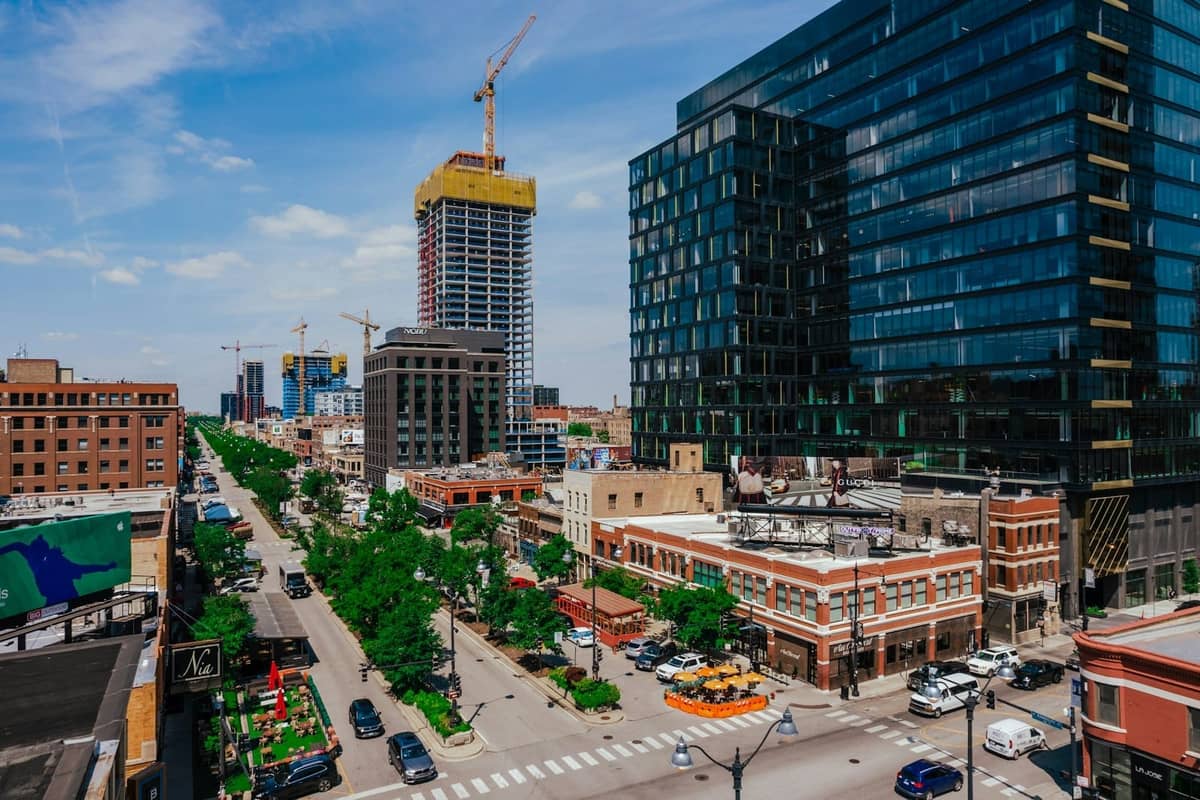
Use the final day to get beyond downtown. Chicago's neighborhoods are where the city's character is most legible, and even a half-day in one area reveals a different city than the one you've been seeing from the Riverwalk. The West Loop and Fulton Market district has become one of the city's most concentrated dining corridors over the past decade — former meatpacking warehouses now house some of the most-talked-about restaurants in the country. Weekend brunch here is popular enough that reservations are often necessary.
Alternatively, take the Red Line north to Lincoln Park or Lakeview. Lincoln Park ZooLincoln Park Zoo is free, open 365 days a year, and set inside one of Chicago's largest green spaces. It is one of the last free urban zoos in the United States. From the zoo, the path south through Lincoln Park leads to the Alfred Caldwell Lily Pool and the park's south end near the conservatory. For a longer neighborhood walk, continue into Old Town or south to the Gold Coast.
Before leaving Chicago, go up. The city's observation decks give context to everything you've seen at street level. The Skydeck Chicago on the 103rd floor of Willis Tower and 360 CHICAGO on the 94th floor of 875 North Michigan Avenue are the two main options. Willis Tower's Ledge (a glass-floored box extending from the building) is a genuine architectural experience; 360 CHICAGO costs slightly less and is less crowded. Either works — the Chicago observation decks guide breaks down the differences in detail.
End the day with dinner somewhere that earns its reputation. Chicago's food scene goes far deeper than deep dish pizza — though you should absolutely eat deep dish at least once. The Chicago deep dish pizza guide separates the genuinely great from the tourist traps. For a broader overview of what and where to eat, the where to eat in Chicago guide covers neighborhoods, cuisines, and price ranges.
- West Loop / Fulton Market: high-end dining corridor, best for dinner or weekend brunch (book in advance)
- Lincoln Park: free zoo, green space, easy lakefront access, good for a relaxed morning
- Pilsen: murals, the National Museum of Mexican Art, taquerias — best for a longer afternoon
- Wicker Park / Bucktown: bars, record shops, vintage clothing — more evening-oriented
- Magnificent Mile: efficient for shopping but overpriced for food; skip the chain restaurants
Seasonal Considerations and Timing
Chicago's climate swings hard. Winters are genuinely cold: January averages around 26°F (-3.3°C), with lake wind adding to the chill. Summers are warm and occasionally humid, with July averaging around 73°F (22.8°C). The shoulder seasons — May to early June and September to mid-October — give you moderate temperatures, fewer crowds at major attractions, and the full range of outdoor activities without the summer peak pricing.
Summer does have genuine advantages: all 20-plus public beaches along the 26-mile lakefront are open (most guarded swimming beaches operate Memorial Day through Labor Day, 11:00 AM to 7:00 PM), the Riverwalk is fully operational, and outdoor concerts at Jay Pritzker Pavilion in Millennium Park run regularly. The flip side is that the Art Institute, Shedd Aquarium, and Navy Pier are at their most crowded. Winter visitors get shorter queues, the McCormick Tribune Ice Rink in Millennium Park (usually open mid-November through early March, free to skate with a small skate rental fee), and holiday lighting throughout downtown.
One practical note on tipping: in Chicago, as throughout the United States, tipping is customary at restaurants with table service. The standard range is 18 to 20 percent of the pre-tax bill. Tip at bars, in taxis, and with rideshare drivers as well. This is not optional etiquette — service workers in Illinois operate under a tipped minimum wage structure and rely on gratuities as a core part of their income.
Practical Details Worth Knowing
Emergency services in Chicago are reached at 911. For non-emergency city services or information, 311 is the city's dedicated line. Tap water in Chicago is treated and meets federal safety standards, though the city does have older infrastructure with lead service lines in some areas — if you're staying in an older building and want certainty, use filtered or bottled water. The standard US electrical outlet is 120V/60Hz with Type A and B plugs; international visitors from Europe, Asia, or Australia will need a plug adapter.
International visitors entering the United States from Visa Waiver Program countries need an approved ESTA before boarding — apply through the official CBP site (esta.cbp.dhs.gov) at least 72 hours before departure. Citizens of non-VWP countries need a B-1/B-2 visitor visa. For a full practical overview of the city beyond logistics, the Chicago safety tips guide and the Chicago on a budget guide are worth reading before your trip.
ℹ️ Good to know
Chicago operates on Central Time: UTC-6 in winter (CST) and UTC-5 in summer (CDT). The city observes daylight saving time, so check the offset if you're coordinating flights or calls from Europe or Asia.
FAQ
Is 3 days enough time to see Chicago?
Three days is enough to cover the major landmarks — Millennium Park, the Art Institute, Museum Campus, an architecture cruise, Navy Pier, and at least one neighborhood. You won't see everything, but you'll get a solid and varied picture of the city. A fourth day helps if you want to explore Hyde Park, Pilsen, or Wrigleyville without rushing.
What is the best area to stay for a 3-day Chicago trip?
The Loop and River North are the most central options, putting you within walking distance of Millennium Park, the Riverwalk, and the Art Institute. The Magnificent Mile corridor (Streeterville) is also well-positioned and has good transit links north and south. The West Loop is a good choice if you prioritize food and nightlife over proximity to the main sights.
How do I get from O'Hare or Midway airport to downtown Chicago?
From O'Hare, take the CTA Blue Line directly to the Loop in about 35–45 minutes (fare is around $5 from O'Hare; verify current pricing at transitchicago.com). From Midway, the Orange Line takes about 25–30 minutes at the standard CTA fare. Both are reliable and run frequently. Taxis and rideshares are also available but cost significantly more and can be affected by traffic.
Do I need to book Chicago attractions in advance?
Yes, for several key attractions. The Shedd Aquarium, Art Institute (on weekends), and the Chicago Architecture Foundation River Cruise can sell out, particularly in summer and on holiday weekends. Lincoln Park Zoo is free and requires no advance booking, though peak-period timed reservations are sometimes required for special events. Millennium Park always has free walk-up access.
What is the best time of year for a 3-day Chicago visit?
Late May through early June and September through mid-October offer the best balance of weather, manageable crowds, and full access to outdoor attractions. Summer (July–August) is peak season — beaches and outdoor events are in full swing, but crowds and prices at major attractions are at their highest. Winter is the quietest and cheapest time, but temperatures regularly drop below freezing and some outdoor programming stops.