Where to Eat in Chicago: Best Restaurants, Food Districts & Local Dishes
Chicago was ranked among the top U.S. food cities in 2026, and the title is earned. This guide cuts through the deep-dish clichés to show you where locals actually eat: the best neighborhoods by cuisine, standout restaurants by category, booking tips, and honest advice on what to skip.
Plan and book this trip
Tools from our partner Travelpayouts help you compare flights and hotels. If you book through them, we may earn a commission at no extra cost to you.
Flights
Hotels map
TL;DR
- Chicago is far more than deep-dish pizza. Its food scene spans Michelin-starred West Loop tasting menus, South Side barbecue pits, Pilsen taquerias, and Logan Square ramen.
- The best dining neighborhoods are West Loop/Fulton Market, Logan Square, Pilsen, and Lincoln Park. Each has a distinct character and price range.
- Book West Loop and River North restaurants 2-4 weeks in advance on Resy or OpenTable. Walk-ins work fine in Pilsen and Chinatown.
- Tipping 18-20% is standard at sit-down restaurants. Counter service and casual spots typically prompt 10-15%.
- For iconic Chicago foods (deep-dish pizza, Chicago-style hot dogs, Italian beef), check our dedicated deep-dish pizza guide and Chicago-style hot dog guide for the full breakdown.
Why Chicago Is a Serious Food City
Food & Wine's 2026 Global Tastemakers Awards highlighted Chicago as one of the best food cities in the United States. The reasoning wasn't deep-dish nostalgia. Judges cited Chicago's extraordinary breadth: a fine dining scene that consistently punches at global levels, a network of immigrant neighborhoods producing some of the most authentic regional cuisines in North America, and a mid-range restaurant culture that genuinely delivers.
The city's food identity gets flattened by the deep-dish and hot dog narrative, but those are entry points, not the whole story. Chicago has a Michelin guide with around two dozen starred restaurants. Its West Loop neighborhood is considered one of the most concentrated restaurant corridors in the country. Pilsen's 18th Street rivals any Mexican food street in the U.S. Hyde Park, long underserved, is now generating real national buzz. This guide reflects that full range.
ℹ️ Good to know
Chicago observes Central Time (CST, UTC-6 in winter; CDT, UTC-5 in summer). Most restaurants open for dinner from 5pm. Brunch service on weekends typically runs 10am-2pm. Kitchen closing times vary significantly, so check before you arrive, especially Monday through Wednesday when many places close early or stay dark.
Chicago's Best Food Neighborhoods
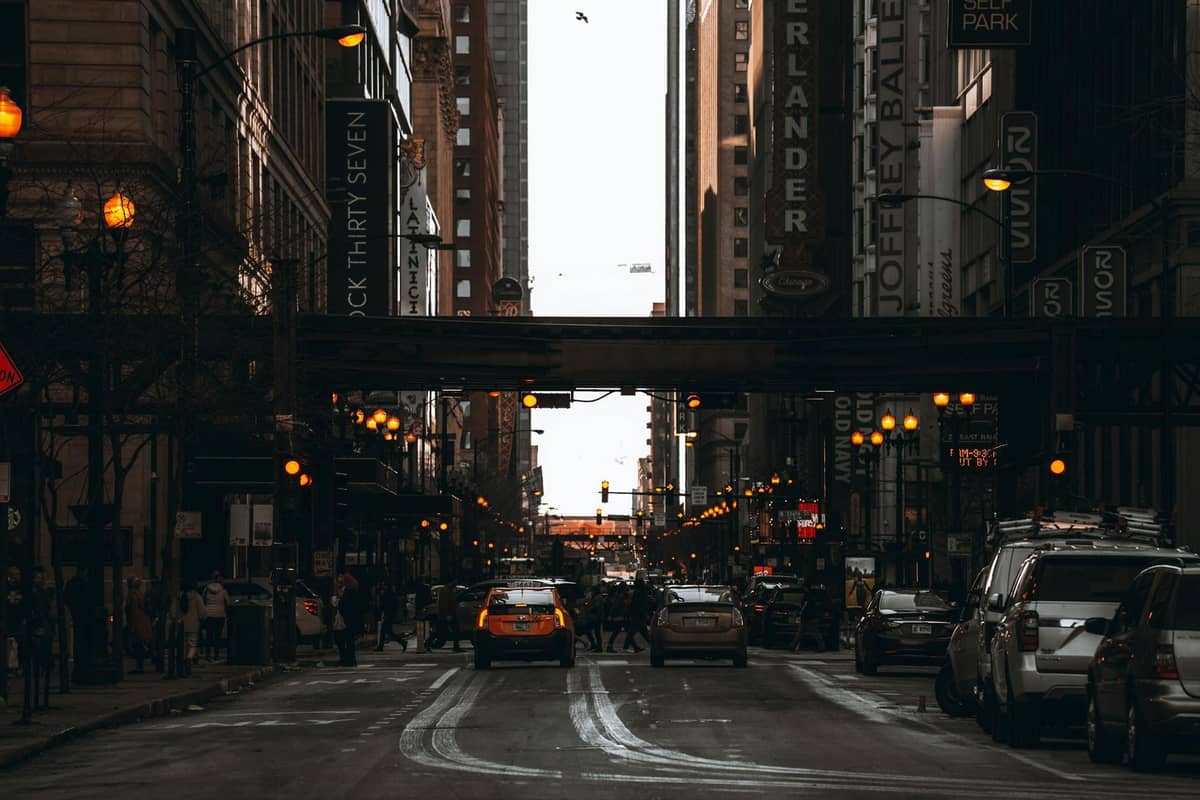
The West Loop and Fulton Market corridor is the undisputed center of Chicago's fine and upscale casual dining. What was a meatpacking district 20 years ago is now home to some of the city's most competitive restaurant real estate. Randolph Street and Fulton Market Drive are lined with restaurants ranging from acclaimed tasting menus to craft cocktail bars with serious food programs. If you have one splurge dinner in Chicago, it belongs here.
Logan Square runs on a different energy: lower price points, more experimental cooking, and a neighborhood feel that West Loop increasingly lacks. The boulevard-lined streets around the Logan Square Blue Line stop house a dense cluster of independently owned restaurants and bars. It's where Chicago chefs often open their second or passion projects after establishing themselves downtown.
Pilsen is the place for Mexican food, full stop. The neighborhood's Mexican-American community has been here for generations, and 18th Street is packed with taquerias, bakeries, carnicerias, and sit-down restaurants covering regional Mexican cooking from Oaxacan mole to Jalisco-style birria. Prices are low, quality is high, and the neighborhood is worth visiting for the street murals and the National Museum of Mexican Art alone.
- West Loop / Fulton Market Chicago's fine dining core. Dense concentration of upscale restaurants along Randolph Street and Fulton Market Drive. Book well ahead. Best for special occasions and serious food exploration.
- Logan Square Independent, creative, and more affordable than downtown. Strong cocktail bars, eclectic menus, and a few standout international spots. Accessible via the Blue Line.
- Pilsen (Lower West Side) The city's best neighborhood for Mexican food. Taquerias, panaderías, and sit-down spots along 18th Street. Low prices, long hours, casual atmosphere.
- River North Higher-end steakhouses, cocktail bars, and well-known mid-range spots. More polished and pricier than Logan Square. Bavette's Bar & Boeuf is a local institution for steak and a classic bar atmosphere.
- Lincoln Park Family-friendly with reliable mid-range options. Pat's Pizza on Fullerton has been serving Chicago-style pies since the 1950s. The Wieners Circle on Clark Street is a late-night institution for Chicago-style hot dogs.
- Hyde Park (South Side) Rapidly improving food scene anchored by the University of Chicago and incoming Obama Presidential Center development. Worth the trip south for ISAC and a growing set of serious restaurants.
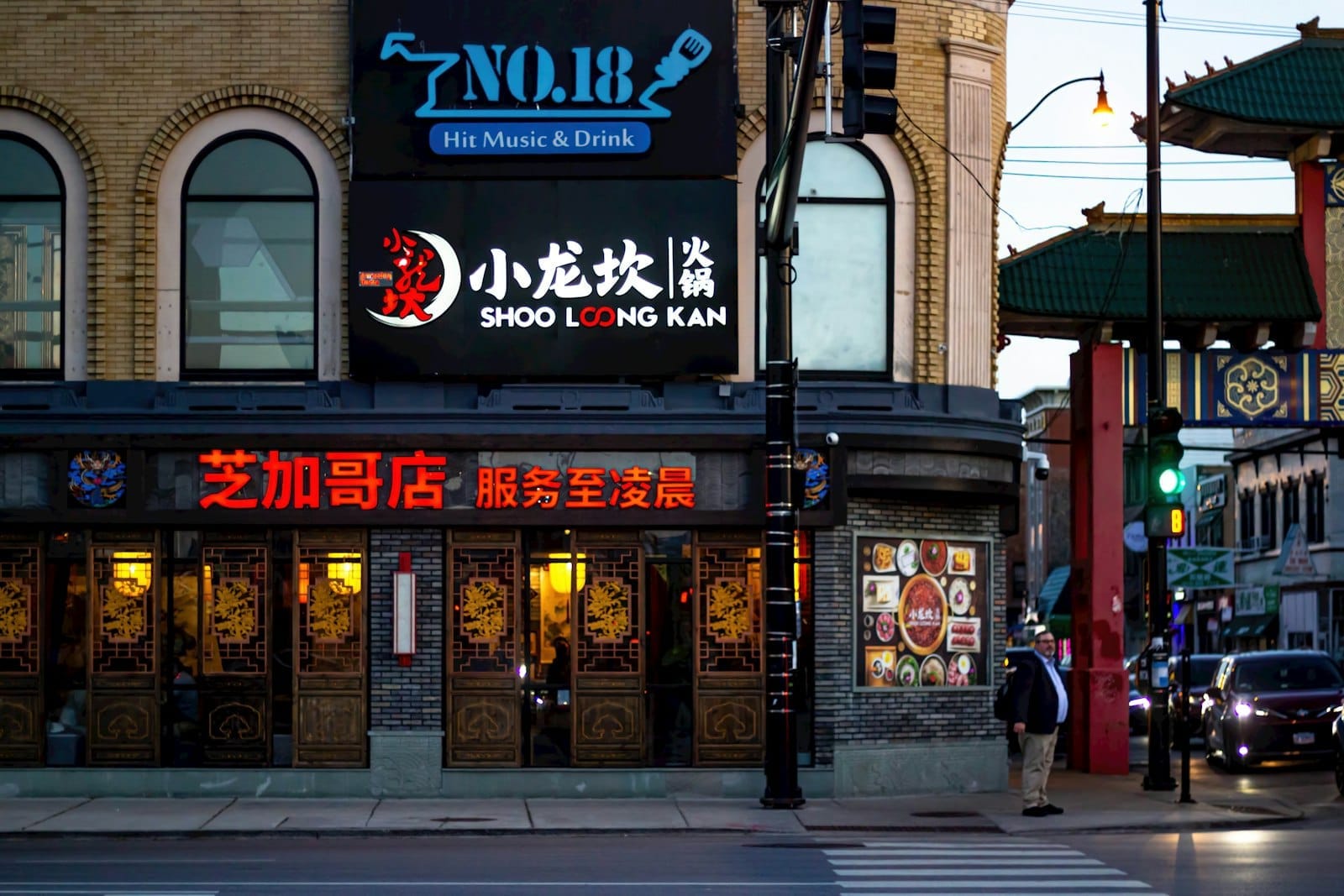
- Chinatown (Armour Square) Compact but dense with Chinese restaurants, dim sum spots, and bubble tea shops along Wentworth Avenue. Weekend dim sum lines start early — arrive before 11am or expect a wait.
Where to Eat by Food Type
Chicago's culinary depth shows most clearly when you eat by category rather than by neighborhood. Here are the food types worth prioritizing and where to find the best of each.
For steaks, Bavette's Bar & Boeuf in River North sits at the top of most local lists. It's a French-American chophouse with a deliberately old-school atmosphere, low lighting, and a menu built around prime cuts. The bar program is equally serious. Reservations go fast and are released on a rolling basis through Resy, typically 4-6 weeks out. If you can't get a table, the bar fills on a walk-in basis most nights, though you'll wait.
For burgers, Au Cheval on Randolph Street in West Loop is the benchmark. The double cheeseburger is genuinely exceptional and the reason most people visit. Expect waits at peak times, though the restaurant does take reservations. Small Cheval, the pared-back offshoot location, runs a shorter menu and a more casual atmosphere if the full Au Cheval experience feels like overkill.
For barbecue, the South Side is where to look. Lem's Bar-B-Q in the Chatham neighborhood has drawn consistent attention in recent years for smoked meats done with precision. South Side barbecue culture is distinct from Texas or Kansas City traditions and worth exploring for that alone. Hours vary, and many spots sell out by early afternoon, so an early lunch visit works better than dinner.
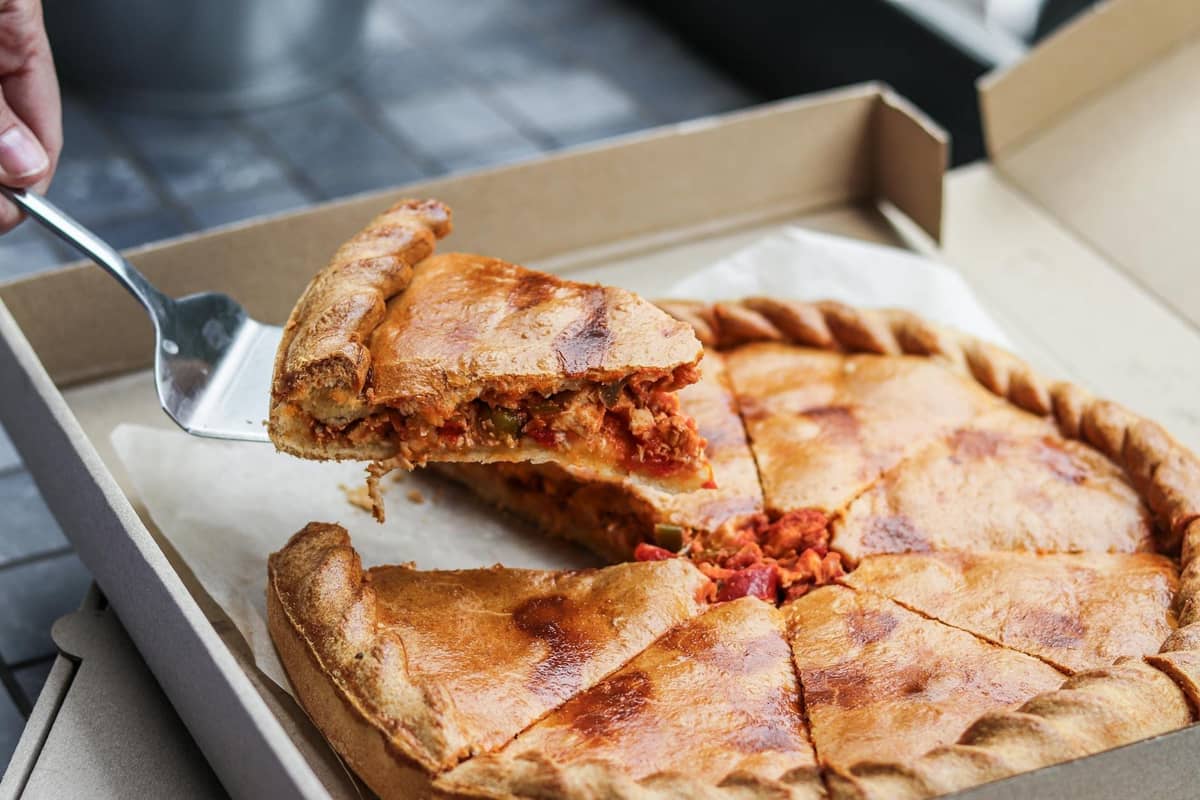
- Deep-dish pizza: Lou Malnati's and Pequod's are the most consistently cited options. Pat's Pizza in Lincoln Park is quieter but has been at it since the 1950s.
- Chicago-style hot dogs: The Wieners Circle on Clark Street in Lincoln Park operates late into the night. The staff is notoriously blunt, which is part of the experience. No ketchup.
- Ramen: Ramen Wasabi in Logan Square is the most frequently recommended bowl in the city, with a tonkotsu that holds up to serious scrutiny.
- Mexican food: The entire stretch of 18th Street in Pilsen. No single recommendation needed — walk the block, read the boards, eat where the lines are.
- Dim sum: Chinatown's weekend dim sum houses on Wentworth Avenue. Arrive before 11am on weekends to avoid significant waits.
- Italian beef: Al's Beef on Taylor Street in Little Italy is the classic reference point. Order it dipped and with hot giardiniera.
- Steak: Bavette's Bar & Boeuf (River North) for atmosphere and consistency; Gibson's Steakhouse on Rush Street for the classic Chicago power-dinner experience.
⚠️ What to skip
Deep-dish pizza is excellent, but it's not what most Chicago locals eat day-to-day. Visitors who only eat deep-dish often miss the city's genuine strengths: the thin-crust tavern-style pizza (which is actually more common among locals), the Italian beef sandwiches, and the diversity of immigrant neighborhood cooking. Budget at least one meal outside the tourist corridor.
Fine Dining and New Openings
Chicago's fine dining scene is anchored in West Loop but extends across the city. The restaurant landscape changes quickly: Chicago Magazine's mid-2020s lists of best new restaurants have included a mix of venues in both West Loop (including the 1300 block of W. Randolph St.) and Hyde Park (including the 1500 block of E. 55th St.). Upcoming openings tracked by WTTW include concepts such as SuSu, Fatback, Gingie, Kitty's Cosmopolitan Club, Schneider Deli, and several others, reflecting continued investment in global and contemporary cuisines.
For current fine dining recommendations, our Chicago food guide covers the full spectrum from Michelin-starred tasting menus to beloved neighborhood spots. The Michelin Guide Chicago is updated annually and is the most reliable single source for tracking which restaurants are performing at that level. Resy's Chicago staff picks are also updated monthly and tend to reflect what's actually good right now, rather than what was celebrated three years ago.
✨ Pro tip
Resy releases Chicago restaurant reservations on rolling 4-6 week windows. For West Loop's most competitive tables (and spots like Bavette's), check Resy at 10am Central Time when new slots often drop. Setting up Resy Notify for your target dates is the most reliable way to catch cancellations without manually refreshing.
Practical Eating Tips for Chicago
Tipping at sit-down restaurants in Chicago follows standard U.S. practice: 18-20% of the pre-tax bill is expected for table service. Many restaurants now include a suggested tip range on the receipt starting at 20%. For counter service, coffee shops, and fast-casual spots, 10-15% is common but not obligatory. Staff wages in Illinois follow U.S. federal tipped-employee rules, meaning tips form a significant portion of server income.
Getting around to eat in different neighborhoods is straightforward. The CTA 'L' runs until late and connects most dining districts: the Green and Pink Lines serve the Near West Side just south of the West Loop (Morgan station), and Logan Square (Logan Square station); the Red Line covers Lincoln Park and Lakeview. Pilsen is best reached by the Pink Line (18th Street station). Rideshare options through Uber and Lyft operate widely, and surge pricing is the main variable. For a full transport breakdown, see our guide on getting around Chicago.
Chicago tap water is treated to federal and state standards and is safe to drink. There are localized concerns about lead service lines in older residential buildings, so if you're staying in an older property and have concerns, check with your accommodation. In restaurants this is not a practical issue.
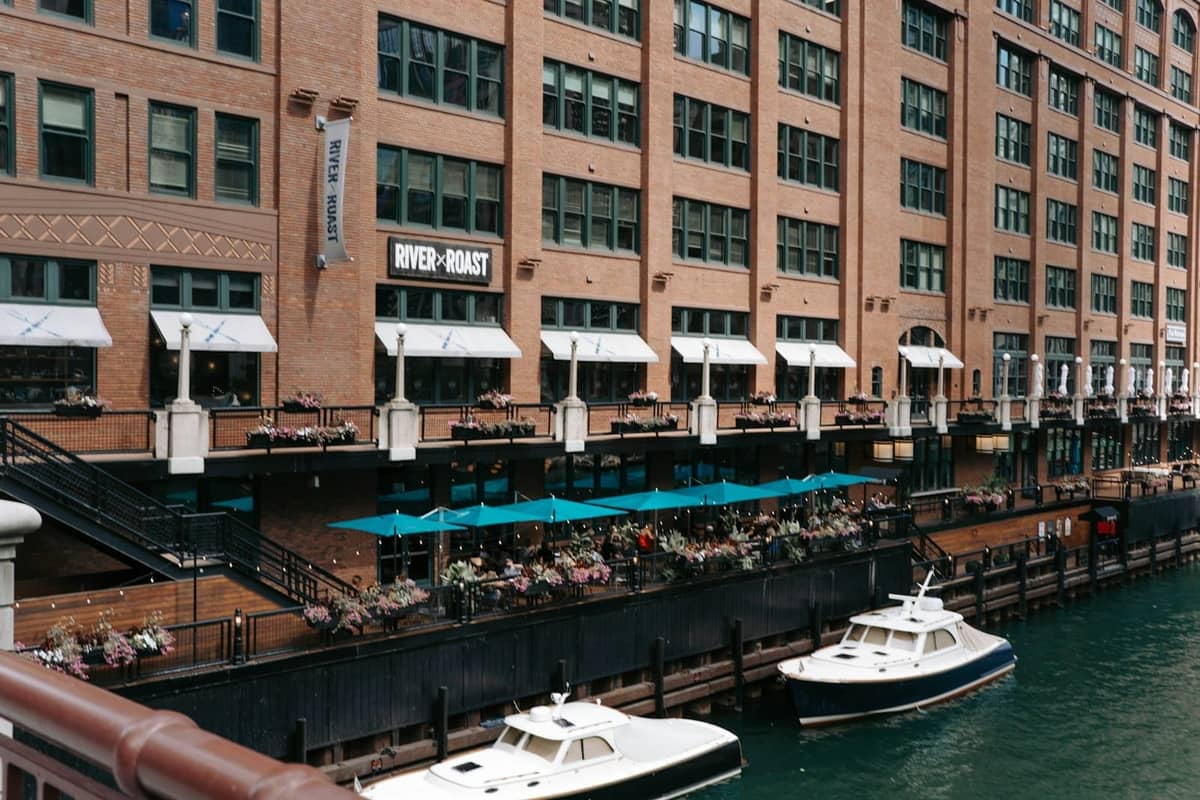
Seasonal timing affects the dining experience in meaningful ways. Summer brings outdoor patios and dining along the Chicago Riverwalk, where multiple food and drink vendors operate from late spring through early fall. Winter concentrates the scene indoors, which often means cozier atmospheres and slightly better reservation availability for high-demand spots. The best value windows for restaurant-hopping are shoulder season: late September through October and March through April, when crowds thin and prix-fixe menus sometimes appear.
- Book West Loop and River North restaurants 2-4 weeks ahead via Resy or OpenTable. Same-day walk-ins are rare for popular spots.
- Pilsen, Chinatown, and Logan Square are more walk-in friendly, though weekend evenings still get busy at standout spots.
- Many South Side barbecue spots run limited hours and sell out. Check current hours before making the trip.
- Chicago's Restaurant Week (typically late January into early February) offers prix-fixe menus at participating restaurants. It's a real opportunity to try higher-end spots at reduced prices.
- Cash is still accepted at many neighborhood spots, particularly in Pilsen and Chinatown, though card payment is standard everywhere.
- Most popular restaurants post current menus and hours on their own sites or on Resy/OpenTable. Third-party aggregators sometimes show outdated information.
💡 Local tip
Chicago's food festivals are a legitimate way to sample broadly in a single afternoon. Taste of Chicago (typically held in late summer or early fall) brings together dozens of vendors at rotating lakefront locations, including Grant Park in some years. The Fulton Market district also runs seasonal events. Check the City of Chicago's Department of Cultural Affairs calendar for confirmed dates each year, as scheduling shifts annually.
Eating Chicago on a Budget
Chicago's reputation as a big-city dining destination can obscure how affordable it actually is in the right neighborhoods. Pilsen offers some of the best-value meals in the city: a plate of tacos or an order of tamales on 18th Street typically runs $10-15. Chinatown's lunch specials and dim sum are similarly priced. The Maxwell Street Market, held on select Sundays May through October near UIC (confirm dates on the city's cultural affairs calendar), is one of the best cheap-eat experiences in the city, with a heavy emphasis on Mexican street food. For a full breakdown of low-cost options, see our Chicago on a budget guide.
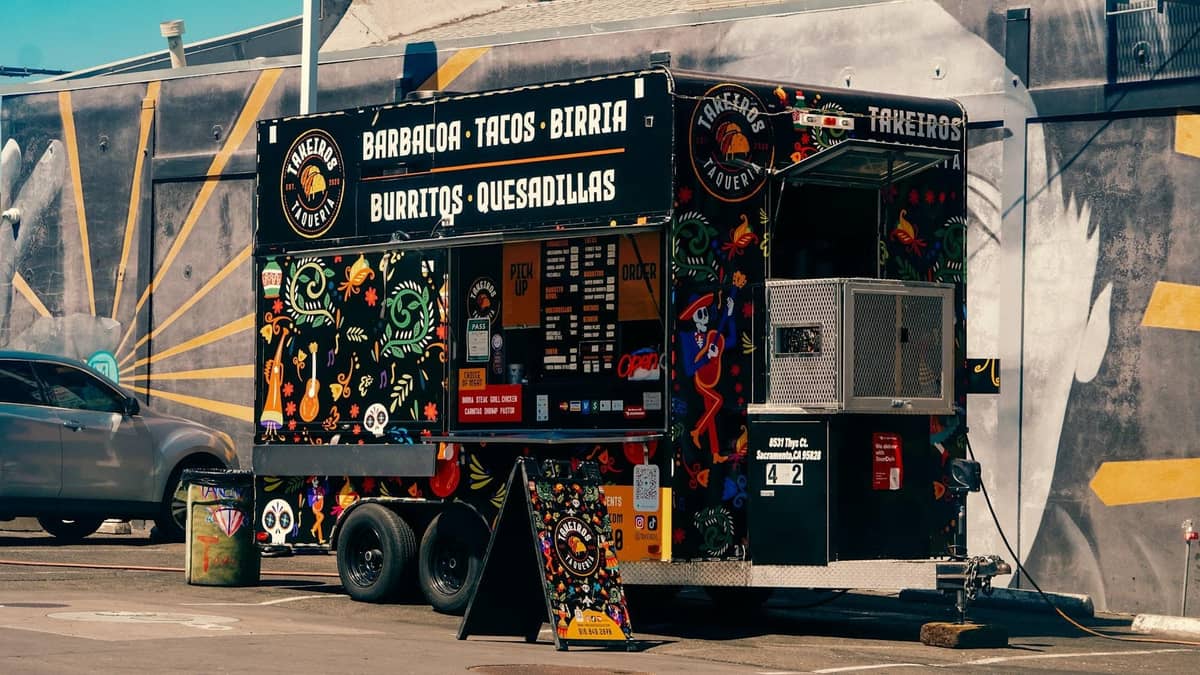
The city's food truck scene is active in warmer months, particularly in the Loop during lunch hours and at weekend markets across the North Side. Green City Market in Lincoln Park (with Wednesday and Saturday morning markets for most of the year) is the city's main farmers market and worth visiting as much for the prepared food vendors as for the produce.
FAQ
What is the best area to eat in Chicago?
West Loop/Fulton Market is the most concentrated area for high-quality dining and the neighborhood most food-focused visitors prioritize. For value and authenticity, Pilsen is unmatched for Mexican food, and Logan Square offers creative independent restaurants at lower price points than downtown. The 'best' area depends entirely on what you're after.
How far in advance do I need to book restaurants in Chicago?
For the most competitive West Loop restaurants and places like Bavette's or Au Cheval, 2-4 weeks ahead is typical for prime weekend times. For mid-range spots in Logan Square, Lakeview, or Lincoln Park, a week is usually sufficient. Pilsen and Chinatown restaurants are largely walk-in friendly, with the exception of weekend evenings at standout spots.
Is Chicago food expensive compared to other US cities?
Chicago sits in the mid-range of major US cities for dining costs. Fine dining is broadly comparable to New York or Los Angeles. Mid-range sit-down restaurants ($20-45 per person before drinks and tip) are slightly more affordable than coastal equivalents. Neighborhood spots in Pilsen, Chinatown, and the South Side offer exceptional value at $10-20 per person.
What food is Chicago actually known for?
Deep-dish pizza and Chicago-style hot dogs (with mustard, relish, onions, tomatoes, pickles, sport peppers, and celery salt, but never ketchup) are the signature dishes. The Italian beef sandwich — thin-sliced, slow-roasted beef in a roll, often dipped in the cooking juices — is equally important. Beyond icons, Chicago's immigrant neighborhoods produce serious regional Mexican, Chinese, and Eastern European food that rivals anywhere in the US.
Are there good vegetarian and vegan restaurants in Chicago?
Yes, and the options have grown significantly in recent years. Logan Square and Wicker Park have the highest concentration of vegetarian-friendly and explicitly vegan restaurants. Most upscale restaurants across the city offer strong vegetable-forward dishes, and Pilsen's Mexican food scene includes solid vegetarian options (veggie tacos, tamales, and more). It's worth calling ahead at traditional spots where meat is central to the menu.