Chicago Hidden Gems: 18 Off the Beaten Path Experiences
Chicago rewards the curious traveler who ventures beyond the Bean and Navy Pier. From a Gilded Age cemetery full of architectural masterpieces to a free tropical conservatory on the West Side, these under-the-radar experiences reveal the city's true depth and character.
Plan and book this trip
Tools from our partner Travelpayouts help you compare flights and hotels. If you book through them, we may earn a commission at no extra cost to you.
Flights
Hotels map
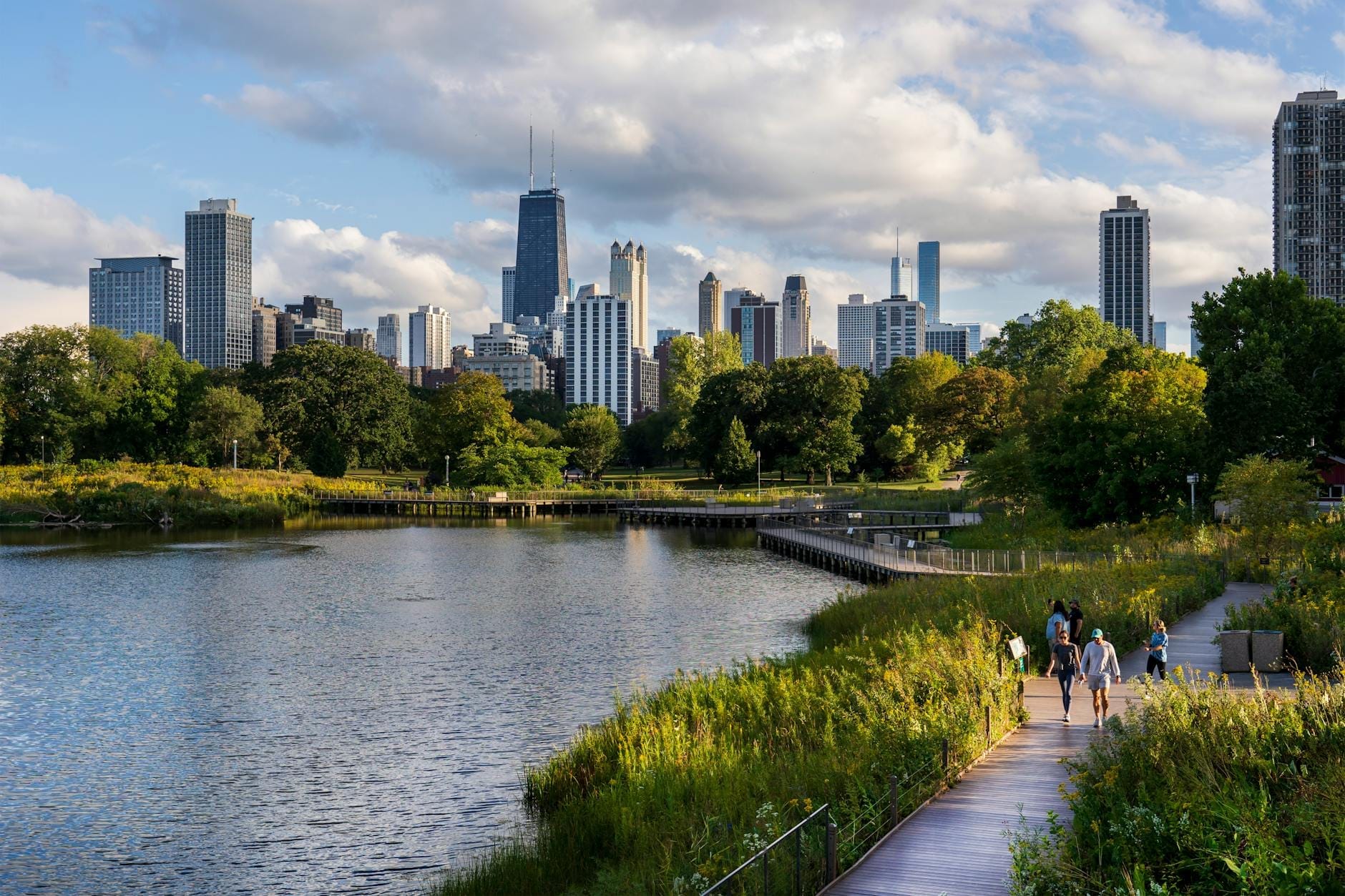
Most visitors to Chicago hit Millennium Park, take an architecture cruise, and call it a day. That's a fine start, but the city's most memorable experiences are often the ones that require a CTA ride and a little curiosity. Chicago's 77 neighborhoods each carry their own history, art, and food culture, and the gap between what tourists see and what locals know is enormous. This guide cuts through the obvious to focus on the overlooked: free museums, intact Gilded Age interiors, elevated rail trails, and dining streets that feel like a different country. For a broader look at the city, our complete Chicago guide covers the full picture, and our neighborhoods guide will help you understand which parts of the city to explore beyond downtown.
Free & Underrated Cultural Institutions
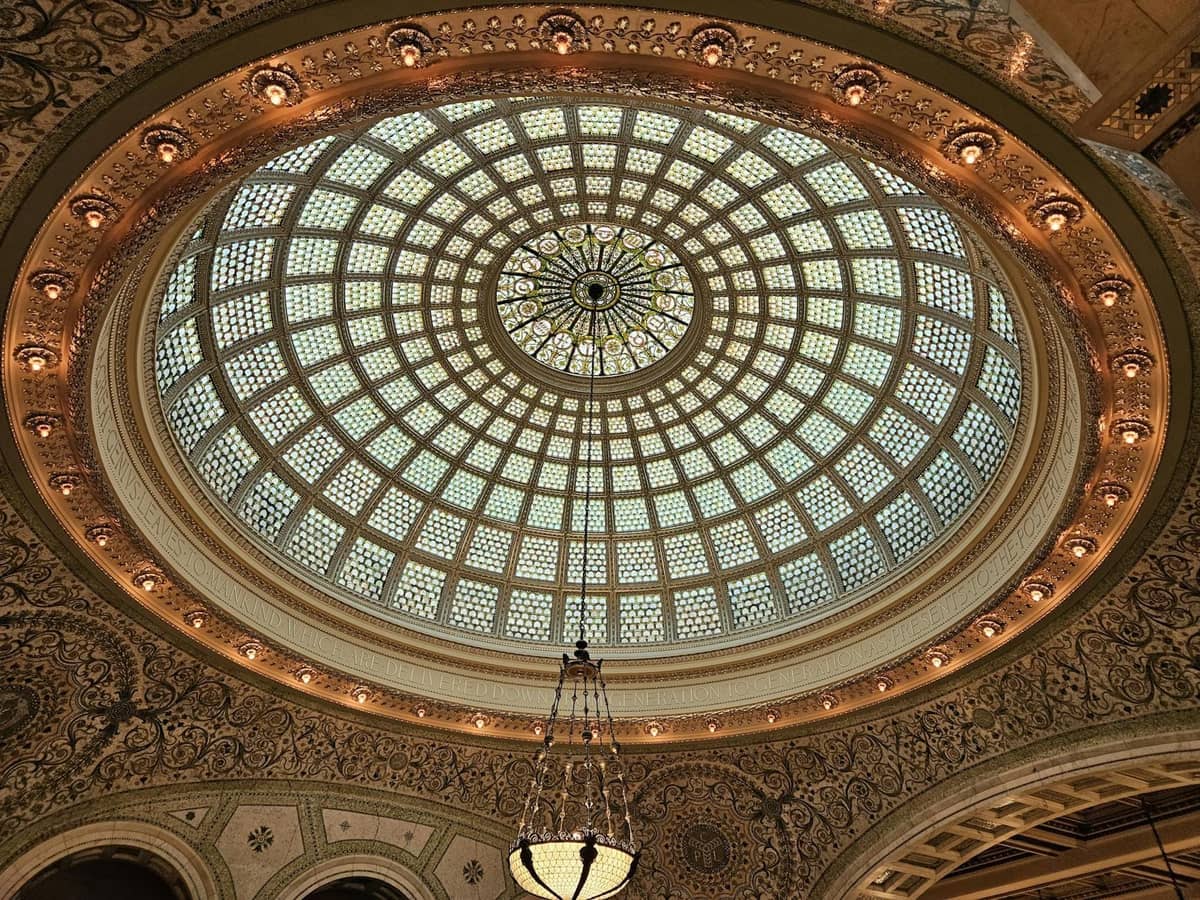
Chicago has an unusual number of world-class cultural institutions that are either free or deeply underpriced. The Loop and Hyde Park are especially rich in these overlooked gems, from Tiffany glass domes to ancient Assyrian artifacts.
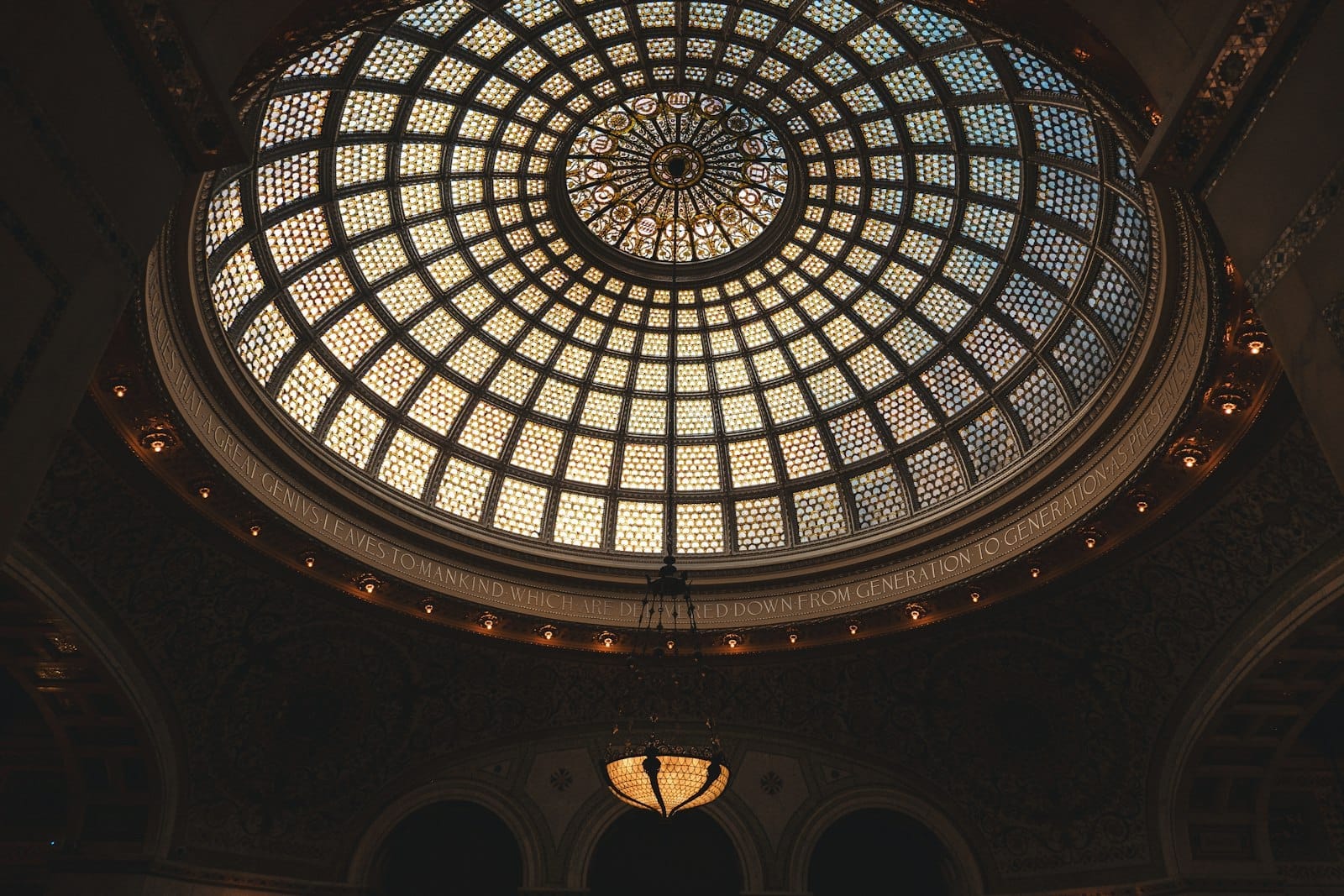
1. Stand Under the World's Largest Tiffany Glass Dome
The former Chicago Public Library houses two massive Tiffany stained-glass domes and free rotating art exhibitions. Most visitors walk right past it on their way to Millennium Park. Free admission, open daily — budget 30 to 45 minutes.
Explore1. Stand Under the World's Largest Tiffany Glass Dome
The former Chicago Public Library houses two massive Tiffany stained-glass domes and free rotating art exhibitions. Most visitors walk right past it on their way to Millennium Park. Free admission, open daily — budget 30 to 45 minutes.
Explore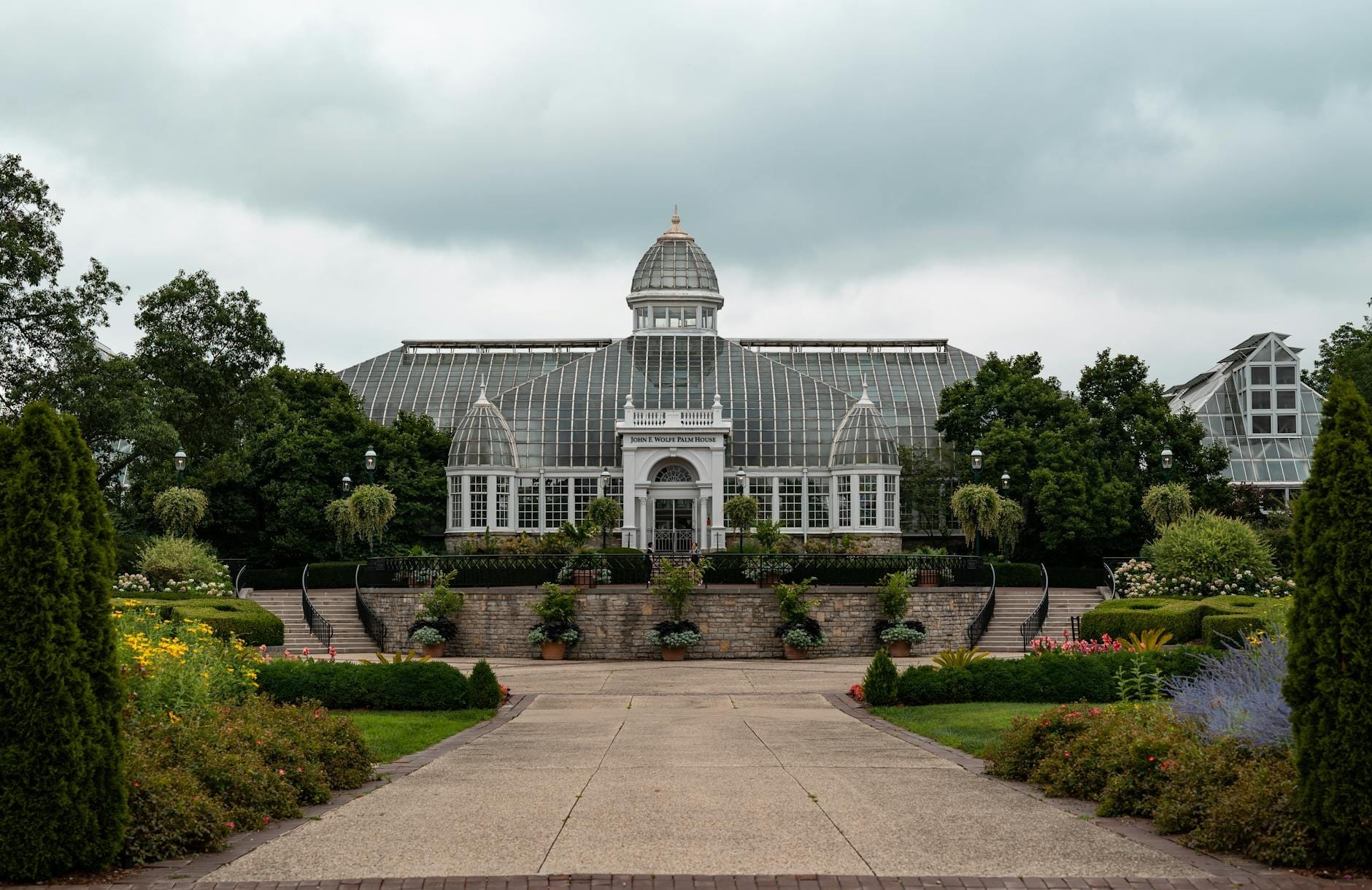
2. Wander a Tropical Forest at Garfield Park Conservatory
One of the largest botanical conservatories in the world under a single roof, with eight greenhouse rooms full of palms, ferns, and cacti. It's free, architecturally stunning, and almost completely unknown to tourists. Take the Green Line to get there.
Explore2. Wander a Tropical Forest at Garfield Park Conservatory
One of the largest botanical conservatories in the world under a single roof, with eight greenhouse rooms full of palms, ferns, and cacti. It's free, architecturally stunning, and almost completely unknown to tourists. Take the Green Line to get there.
Explore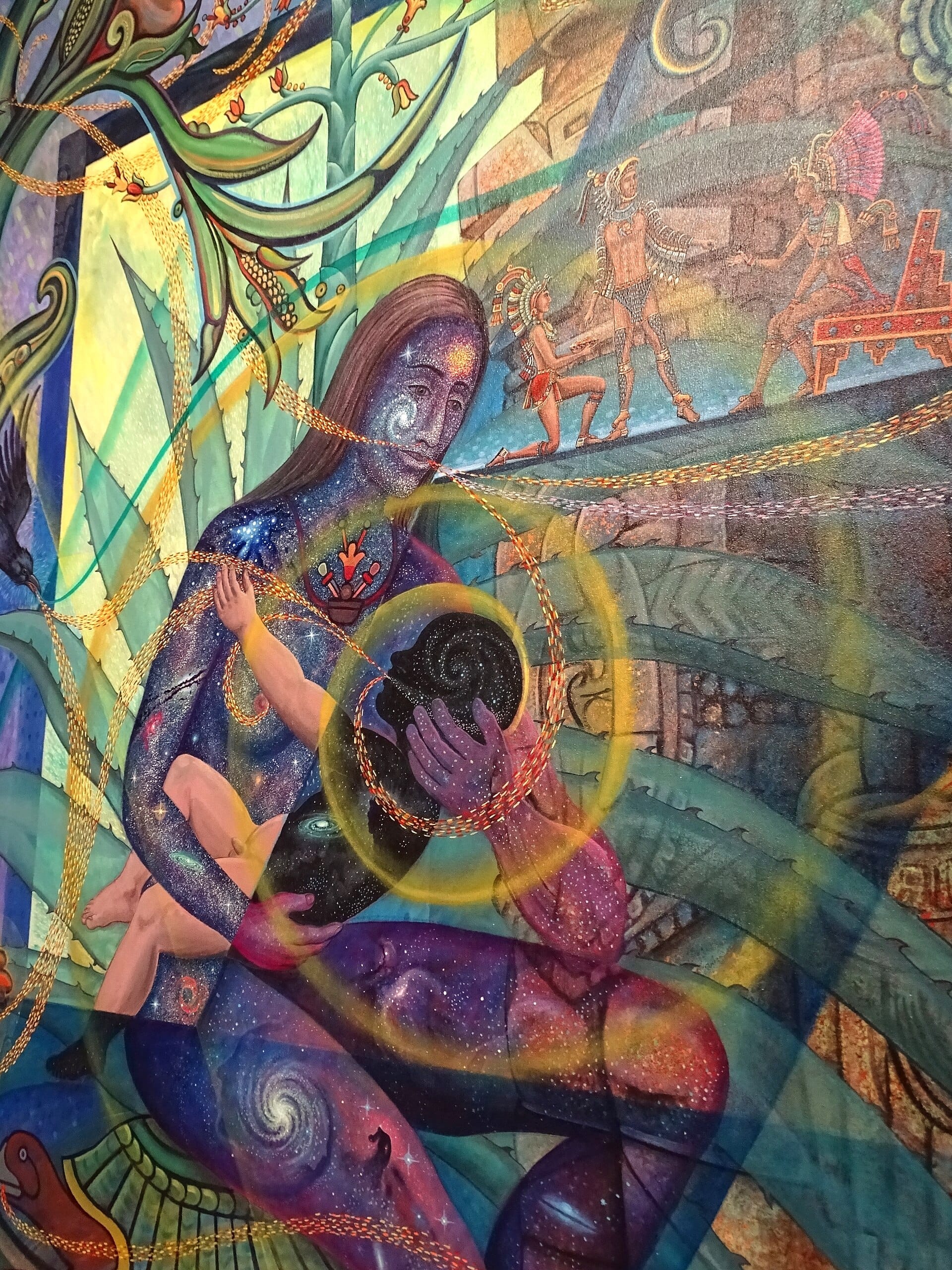
3. Explore 3,000 Years of Art at the National Museum of Mexican Art
The only Latino museum accredited by the American Alliance of Museums holds over 10,000 works in Pilsen. Entry is entirely free. The permanent collection spans pre-Columbian art to contemporary Mexican-American work, and rotating shows are consistently strong.
Explore3. Explore 3,000 Years of Art at the National Museum of Mexican Art
The only Latino museum accredited by the American Alliance of Museums holds over 10,000 works in Pilsen. Entry is entirely free. The permanent collection spans pre-Columbian art to contemporary Mexican-American work, and rotating shows are consistently strong.
Explore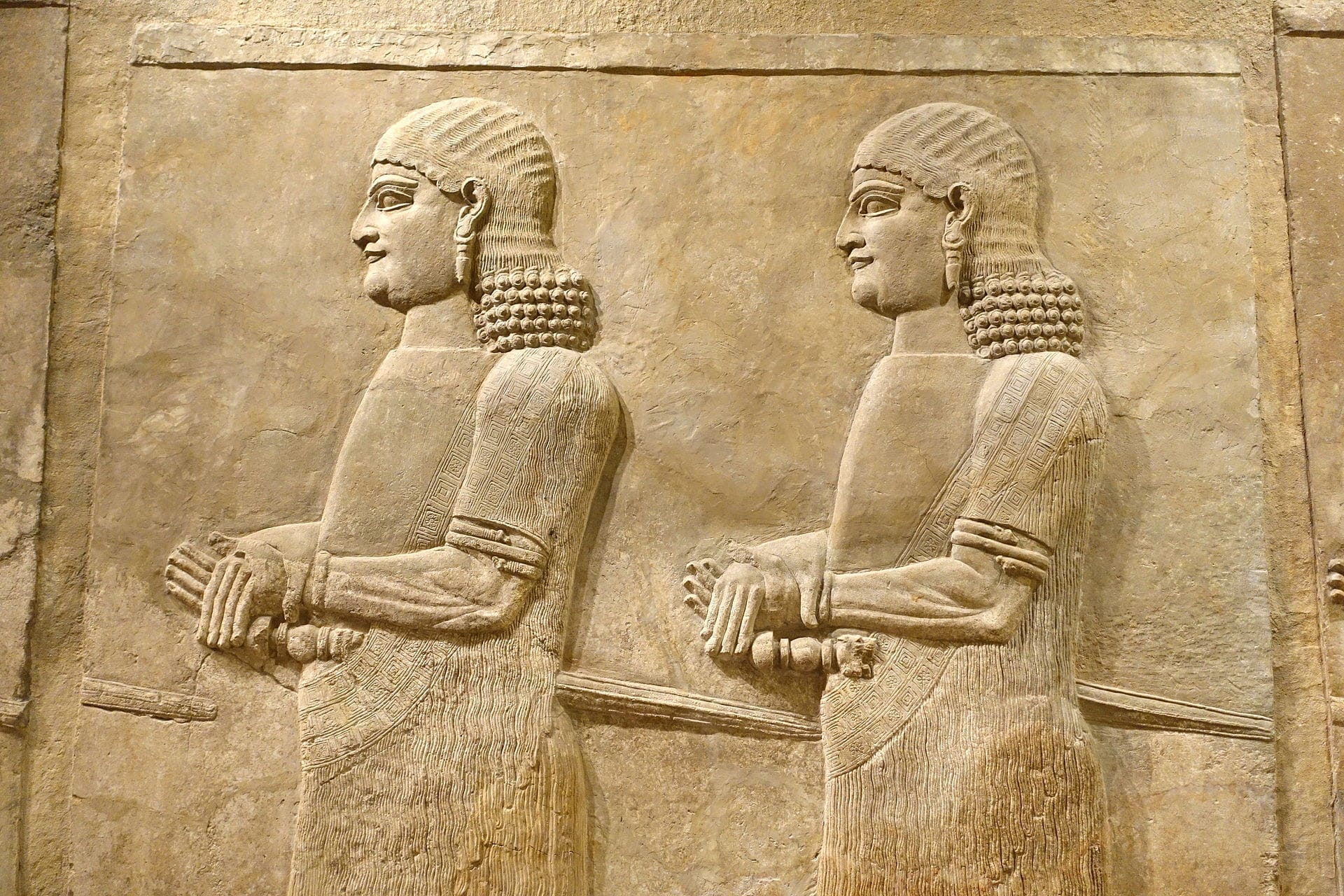
4. See Massive Assyrian Winged Bulls at ISAC
The University of Chicago's ancient Near East collection rivals any in the world, with towering Assyrian sculptures, Egyptian mummies, and Persian treasures. Admission is free with suggested donation, and the galleries are rarely crowded. Allow two hours.
Explore4. See Massive Assyrian Winged Bulls at ISAC
The University of Chicago's ancient Near East collection rivals any in the world, with towering Assyrian sculptures, Egyptian mummies, and Persian treasures. Admission is free with suggested donation, and the galleries are rarely crowded. Allow two hours.
Explore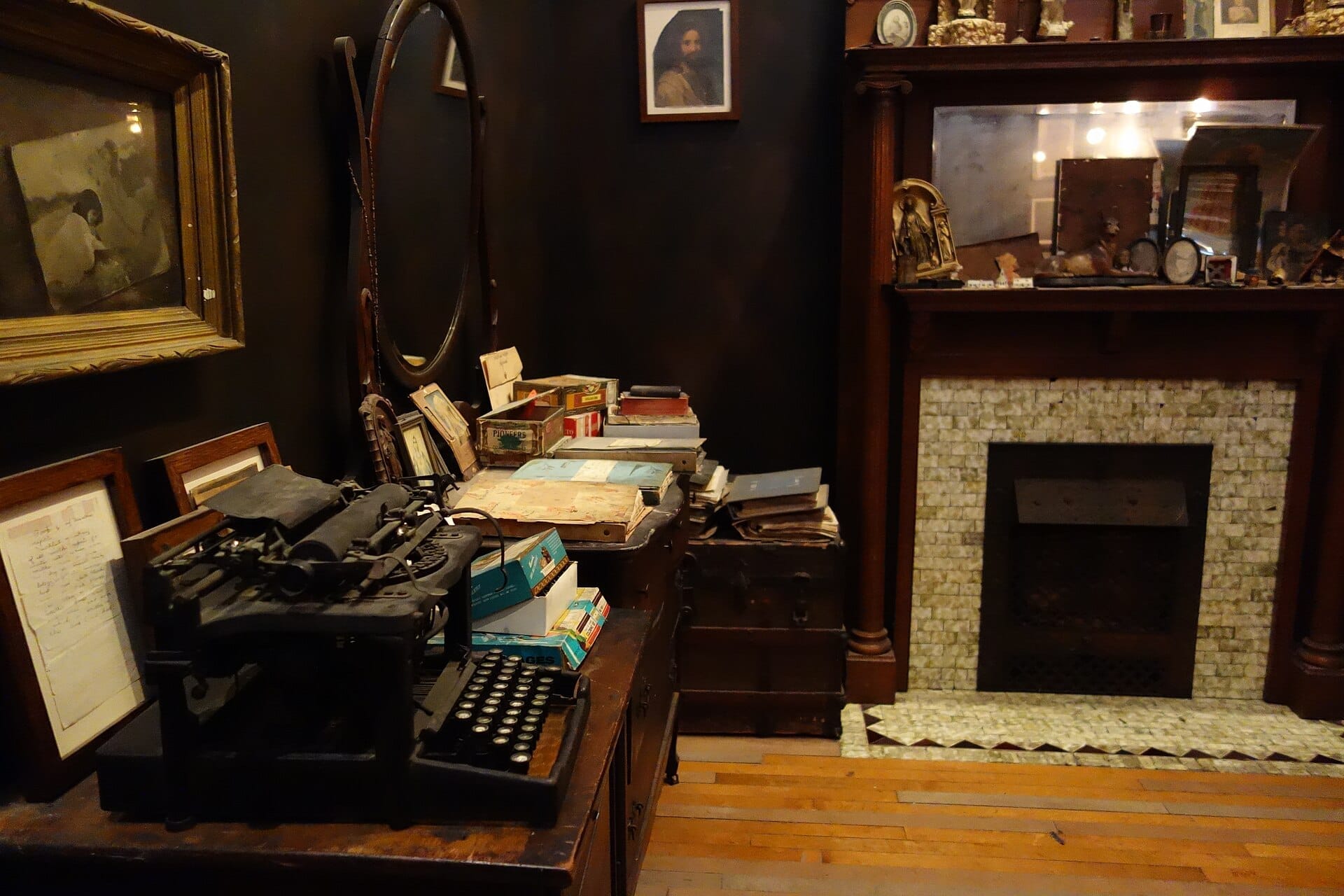
5. Discover Outsider Art at the Intuit Museum in River North
A compact River North museum dedicated to self-taught and outsider art, housing significant works by Henry Darger and other visionary artists. It's one of Chicago's most distinctive museum experiences, and easy to combine with gallery-hopping in the neighborhood.
Explore5. Discover Outsider Art at the Intuit Museum in River North
A compact River North museum dedicated to self-taught and outsider art, housing significant works by Henry Darger and other visionary artists. It's one of Chicago's most distinctive museum experiences, and easy to combine with gallery-hopping in the neighborhood.
Explore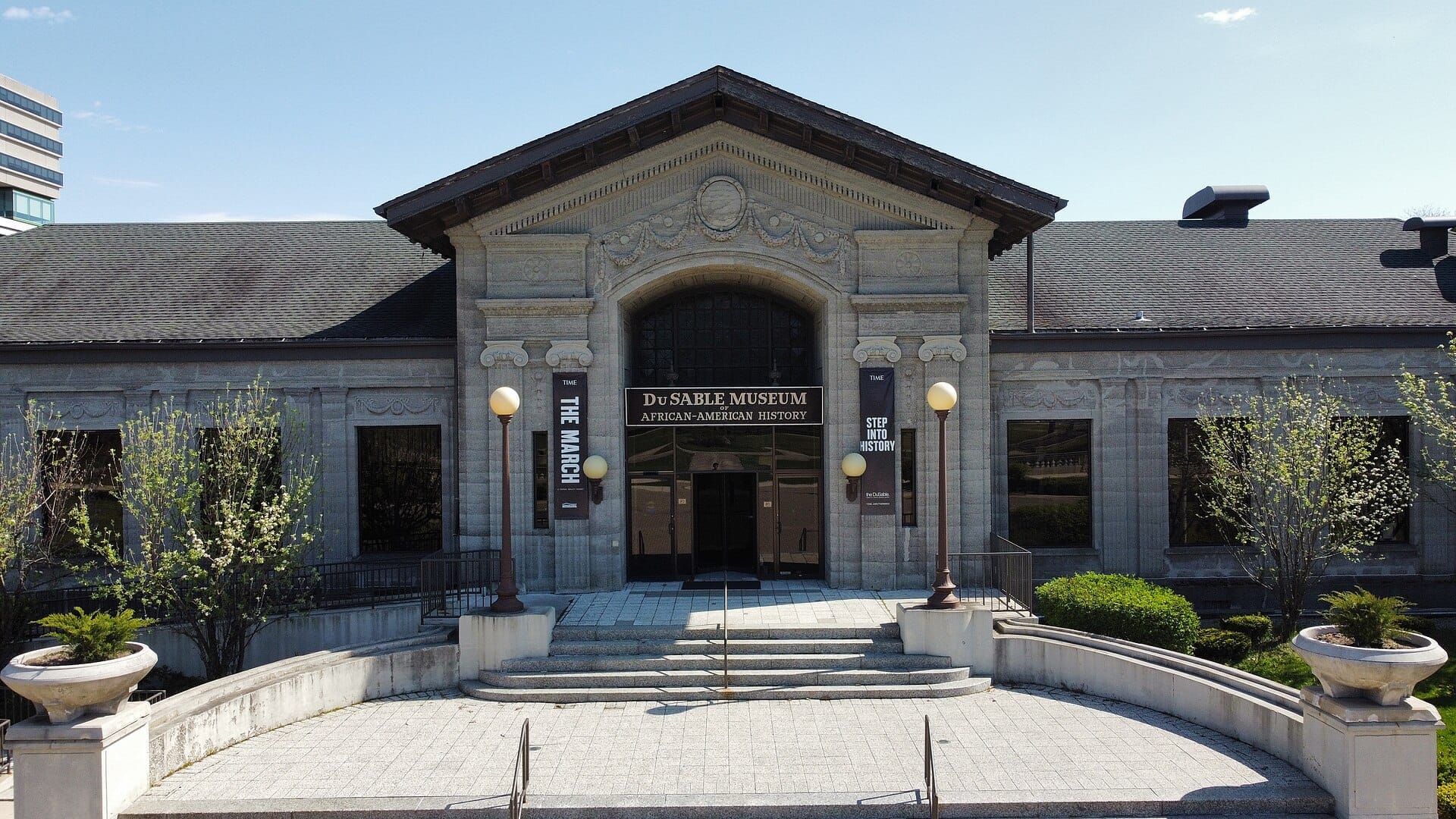
6. Visit One of America's Most Important Black History Museums
The DuSable Museum in Washington Park documents African American history with a focus on Chicago's Black community and its contributions to art, music, and civil rights. It's a profoundly moving institution that most downtown-focused visitors completely miss.
Explore6. Visit One of America's Most Important Black History Museums
The DuSable Museum in Washington Park documents African American history with a focus on Chicago's Black community and its contributions to art, music, and civil rights. It's a profoundly moving institution that most downtown-focused visitors completely miss.
ExploreArchitecture You Won't Find on the Boat Tour
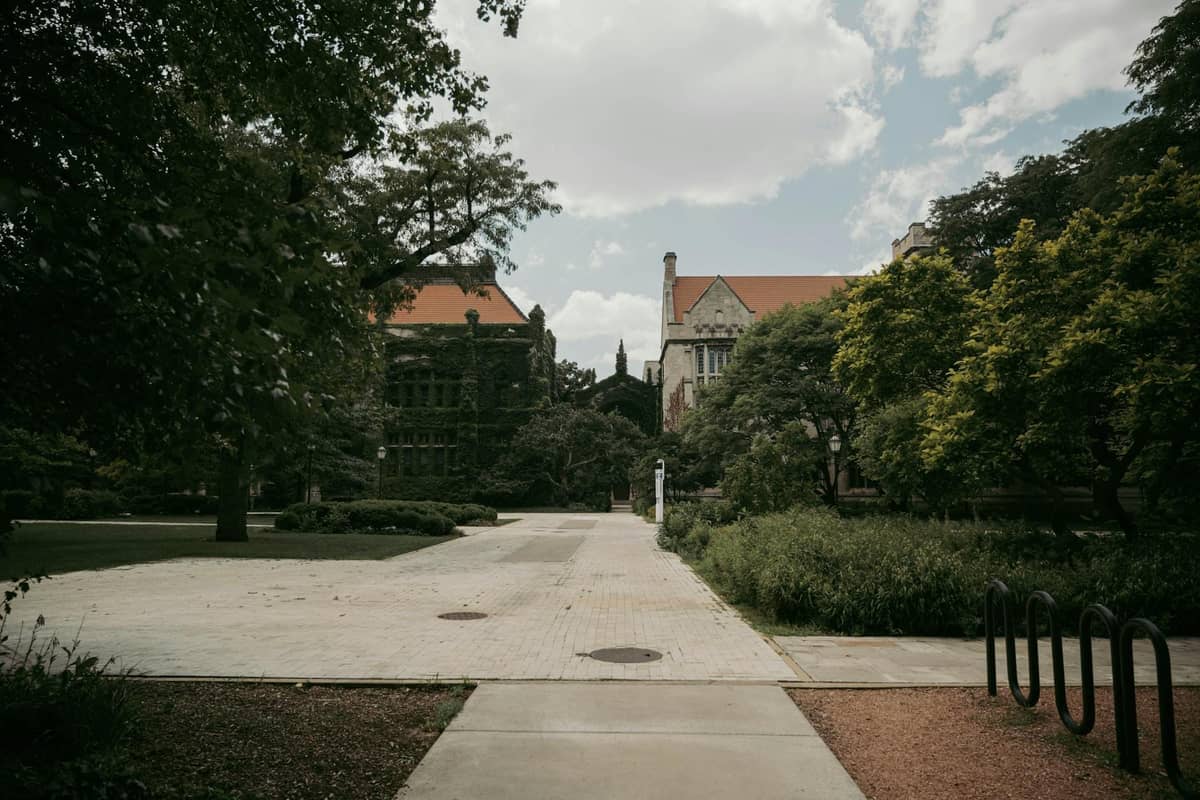
Chicago's architectural legacy extends far beyond the riverside skyscrapers. Some of the city's most significant buildings are in residential neighborhoods, cemeteries, and South Side campuses that standard tours never reach.
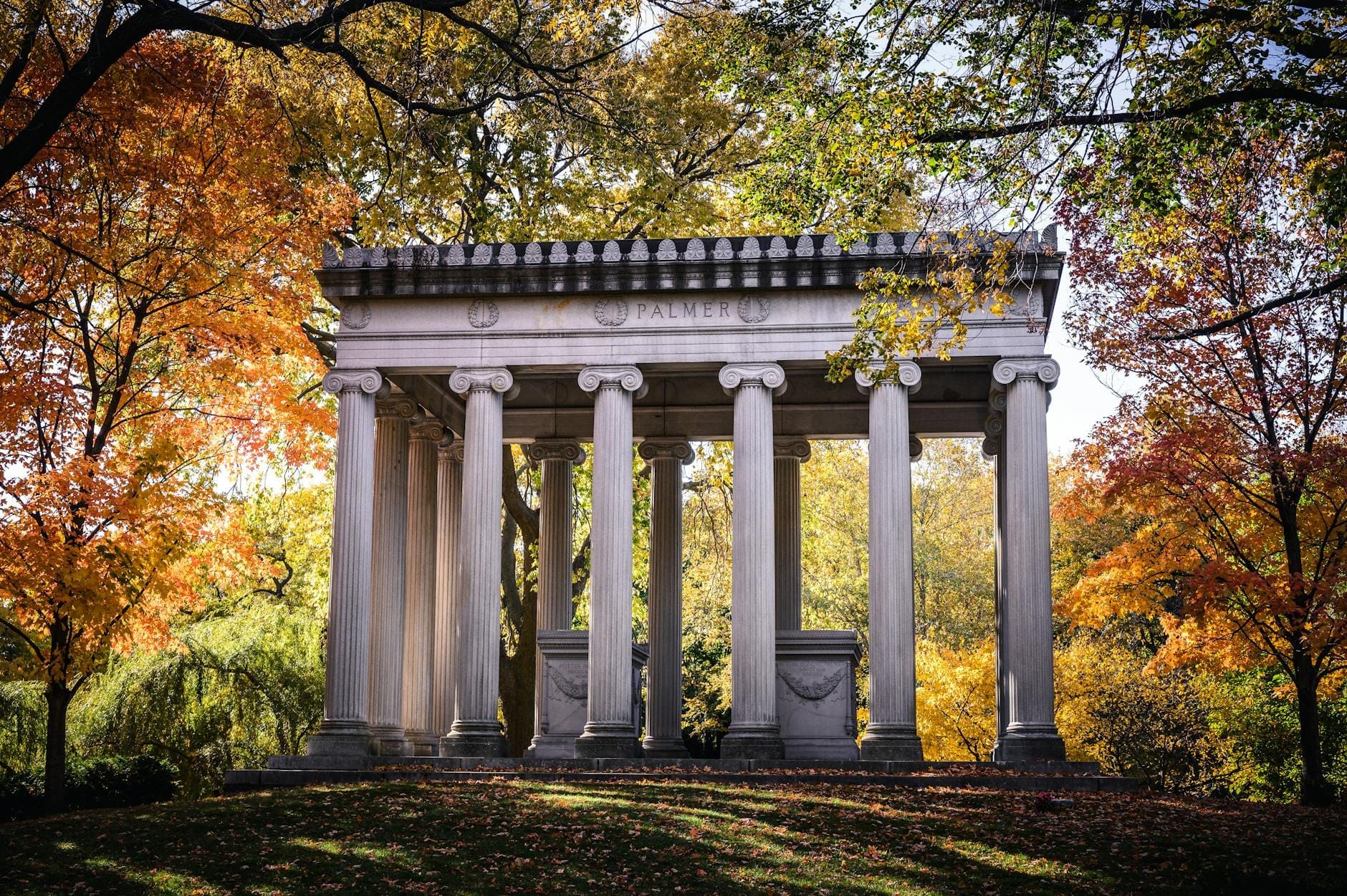
7. Walk Through an Outdoor Architecture Museum at Graceland Cemetery
The final resting place of Louis Sullivan, Daniel Burnham, and other Chicago legends is lined with monuments by the greatest architects in American history. Free, open 8am to 4pm daily. The Getty Tomb by Sullivan alone is worth the trip to Lakeview.
Explore7. Walk Through an Outdoor Architecture Museum at Graceland Cemetery
The final resting place of Louis Sullivan, Daniel Burnham, and other Chicago legends is lined with monuments by the greatest architects in American history. Free, open 8am to 4pm daily. The Getty Tomb by Sullivan alone is worth the trip to Lakeview.
Explore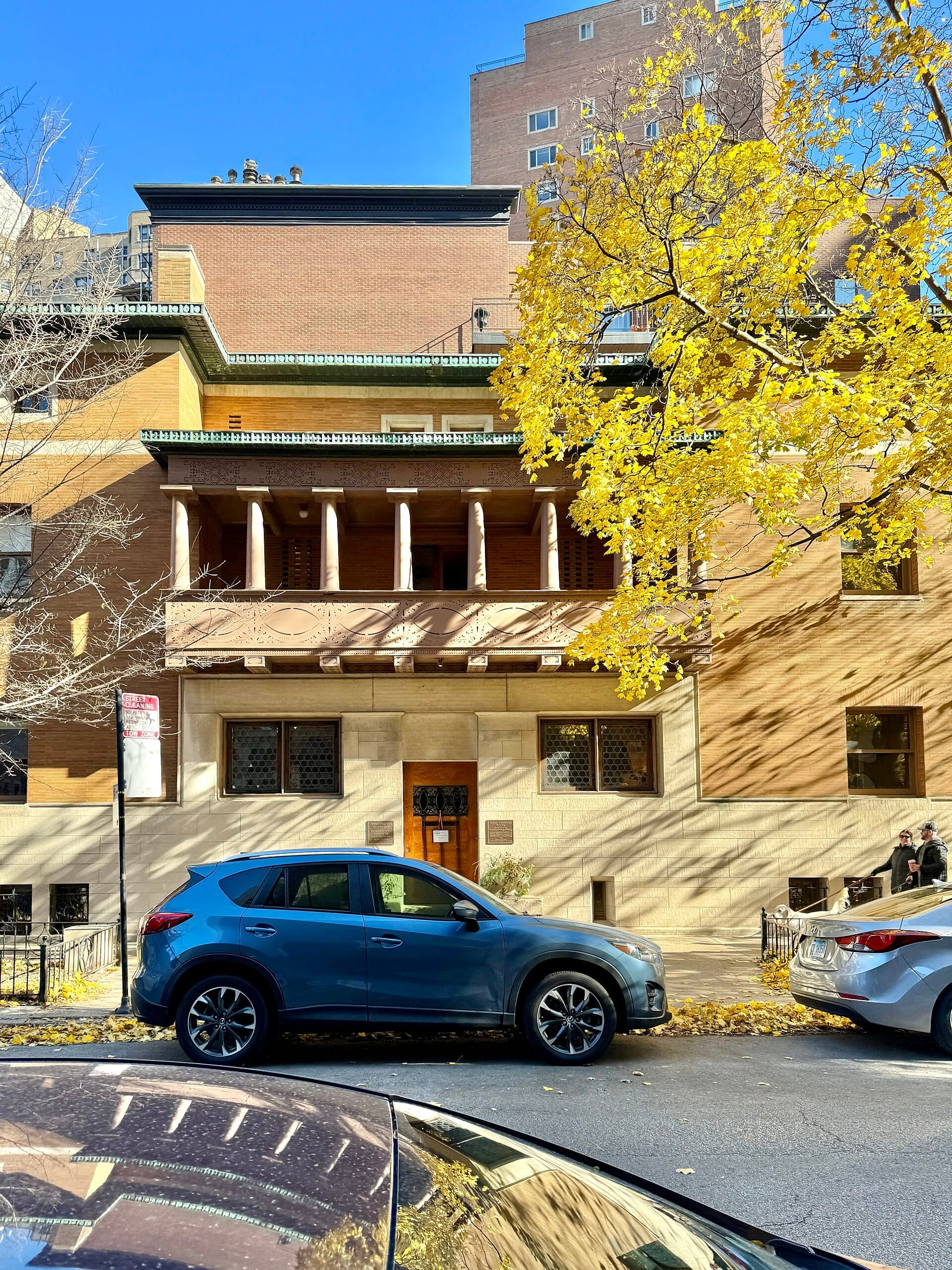
8. Tour the First Modern House in America in the Gold Coast
Louis Sullivan and a young Frank Lloyd Wright designed this 1892 Gold Coast townhouse, considered the pivotal first step toward modern American architecture. Tours are run by the Society of Architectural Historians and offer rare access to this intimate landmark.
Explore8. Tour the First Modern House in America in the Gold Coast
Louis Sullivan and a young Frank Lloyd Wright designed this 1892 Gold Coast townhouse, considered the pivotal first step toward modern American architecture. Tours are run by the Society of Architectural Historians and offer rare access to this intimate landmark.
Explore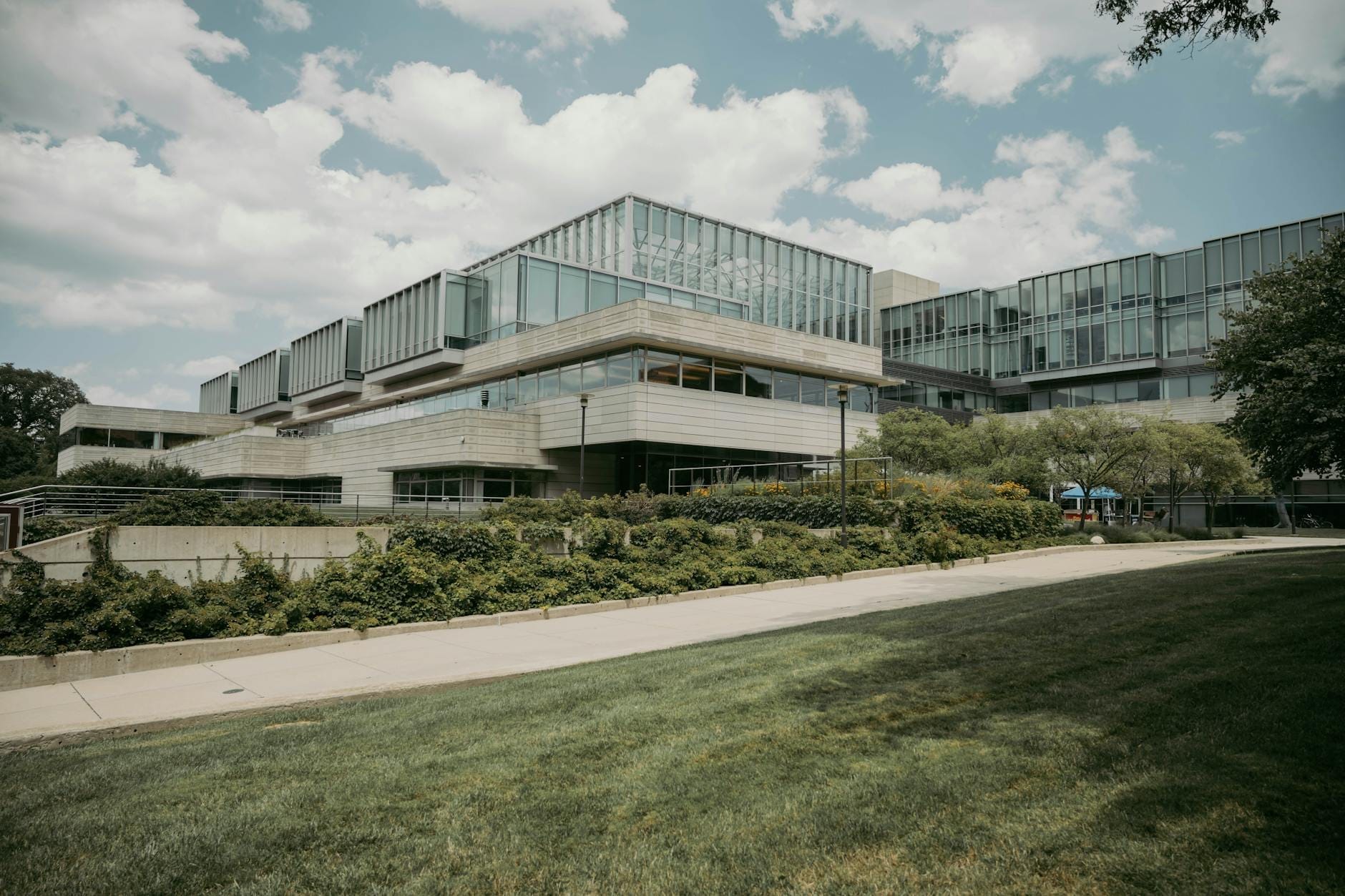
9. Walk Mies van der Rohe's Entire Campus on the South Side
Mies designed every building on the IIT campus between 1940 and 1958, creating the most concentrated collection of modernist architecture in the world. Crown Hall is widely considered one of the 20th century's greatest buildings. The campus is free to walk anytime.
Explore9. Walk Mies van der Rohe's Entire Campus on the South Side
Mies designed every building on the IIT campus between 1940 and 1958, creating the most concentrated collection of modernist architecture in the world. Crown Hall is widely considered one of the 20th century's greatest buildings. The campus is free to walk anytime.
Explore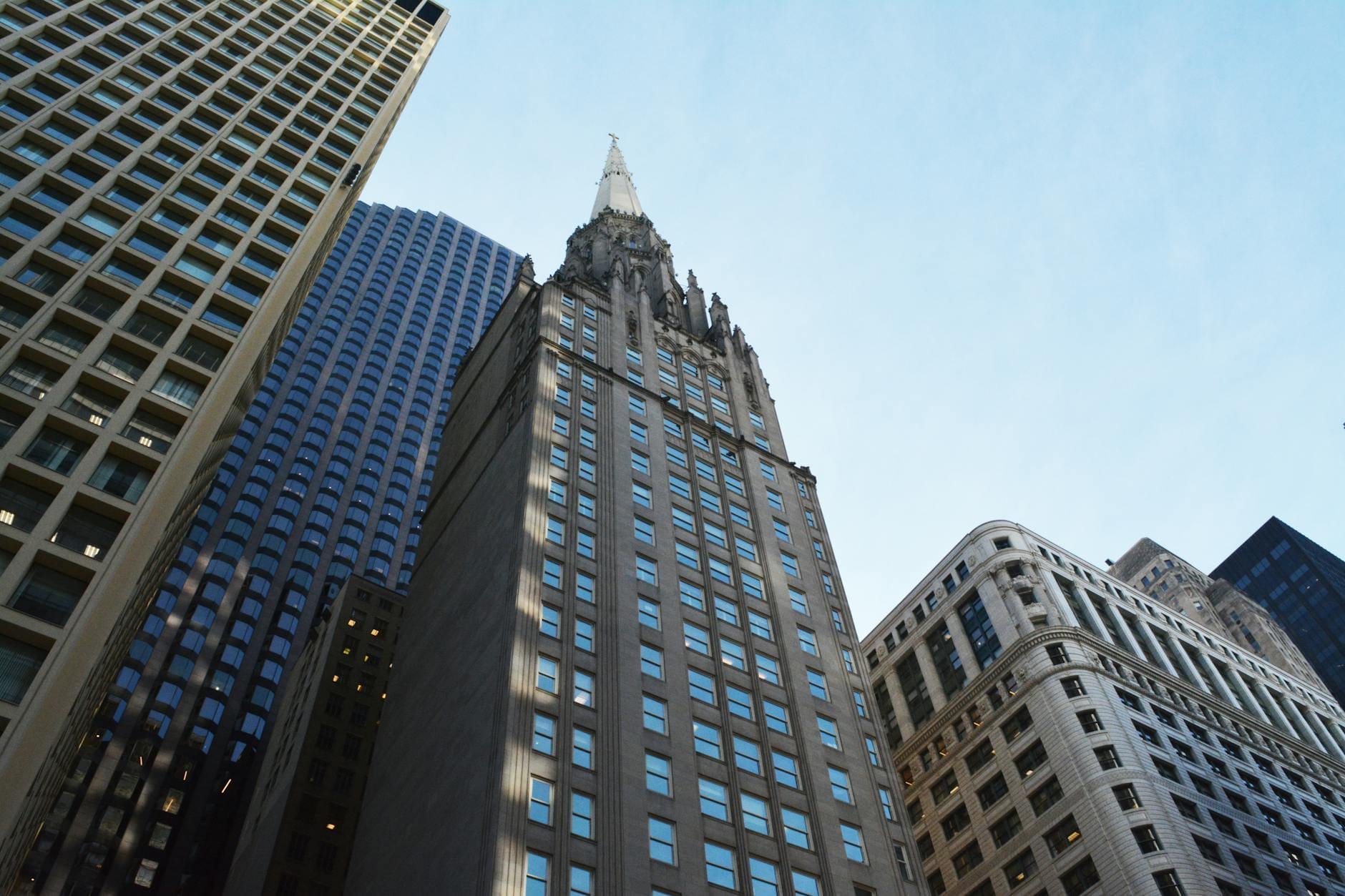
10. Climb to a Sky Chapel 400 Feet Above the Loop Streets
The Chicago Temple Building in the Loop houses a Gothic sky chapel at the top of its 1924 spire, 400 feet above street level. Free tours run on weekday mornings and Saturday. It's one of the least-known viewpoints in the city and a genuinely surprising experience.
Explore10. Climb to a Sky Chapel 400 Feet Above the Loop Streets
The Chicago Temple Building in the Loop houses a Gothic sky chapel at the top of its 1924 spire, 400 feet above street level. Free tours run on weekday mornings and Saturday. It's one of the least-known viewpoints in the city and a genuinely surprising experience.
Explore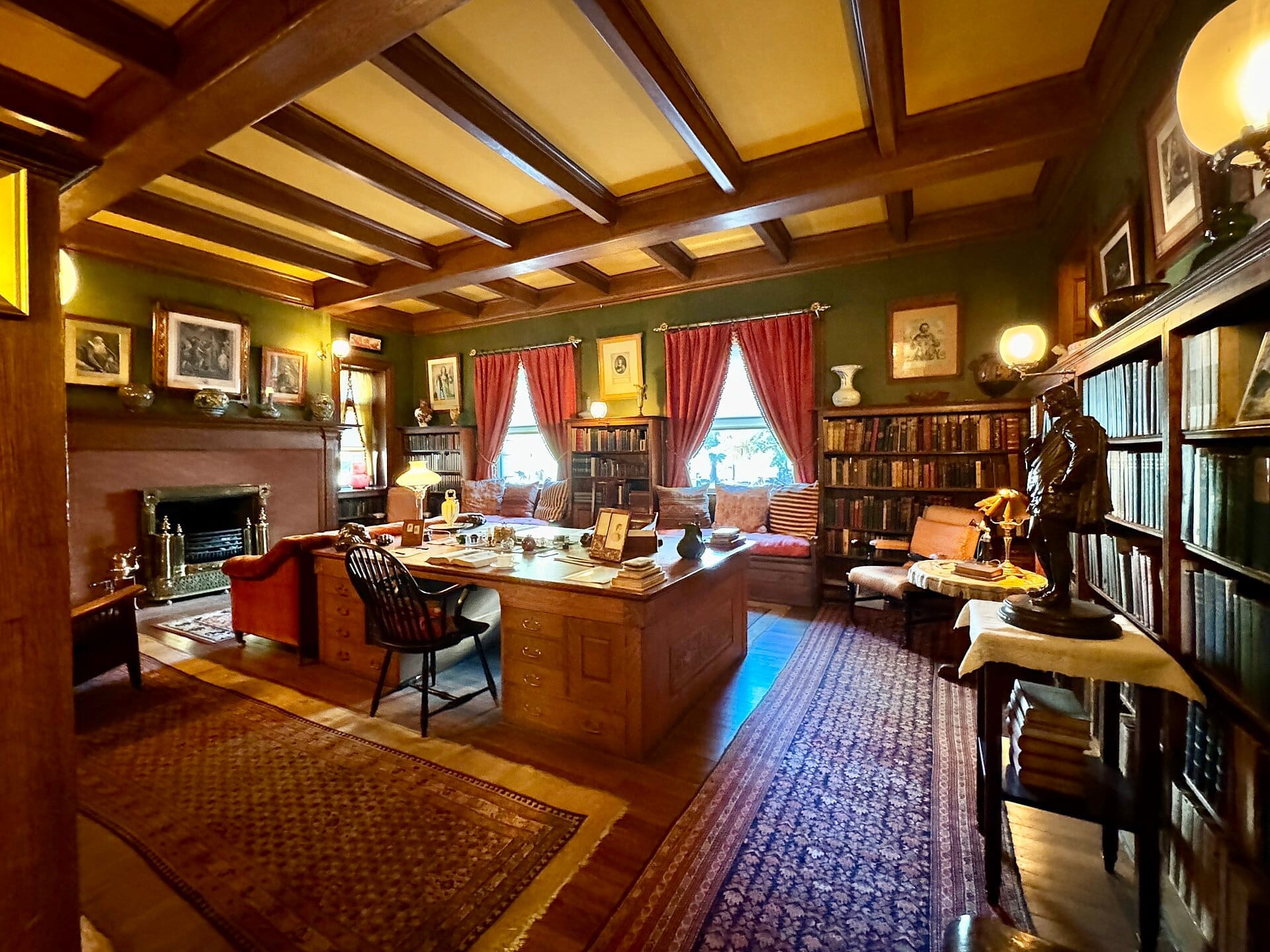
11. Step Inside a Gilded Age Mansion on Prairie Avenue
H.H. Richardson's 1887 Glessner House in the Prairie Avenue Historic District is a beautifully preserved Romanesque Revival home with Arts and Crafts interiors. Guided tours run regularly and reveal the story of Chicago's Gilded Age elite in remarkable detail.
Explore11. Step Inside a Gilded Age Mansion on Prairie Avenue
H.H. Richardson's 1887 Glessner House in the Prairie Avenue Historic District is a beautifully preserved Romanesque Revival home with Arts and Crafts interiors. Guided tours run regularly and reveal the story of Chicago's Gilded Age elite in remarkable detail.
Explore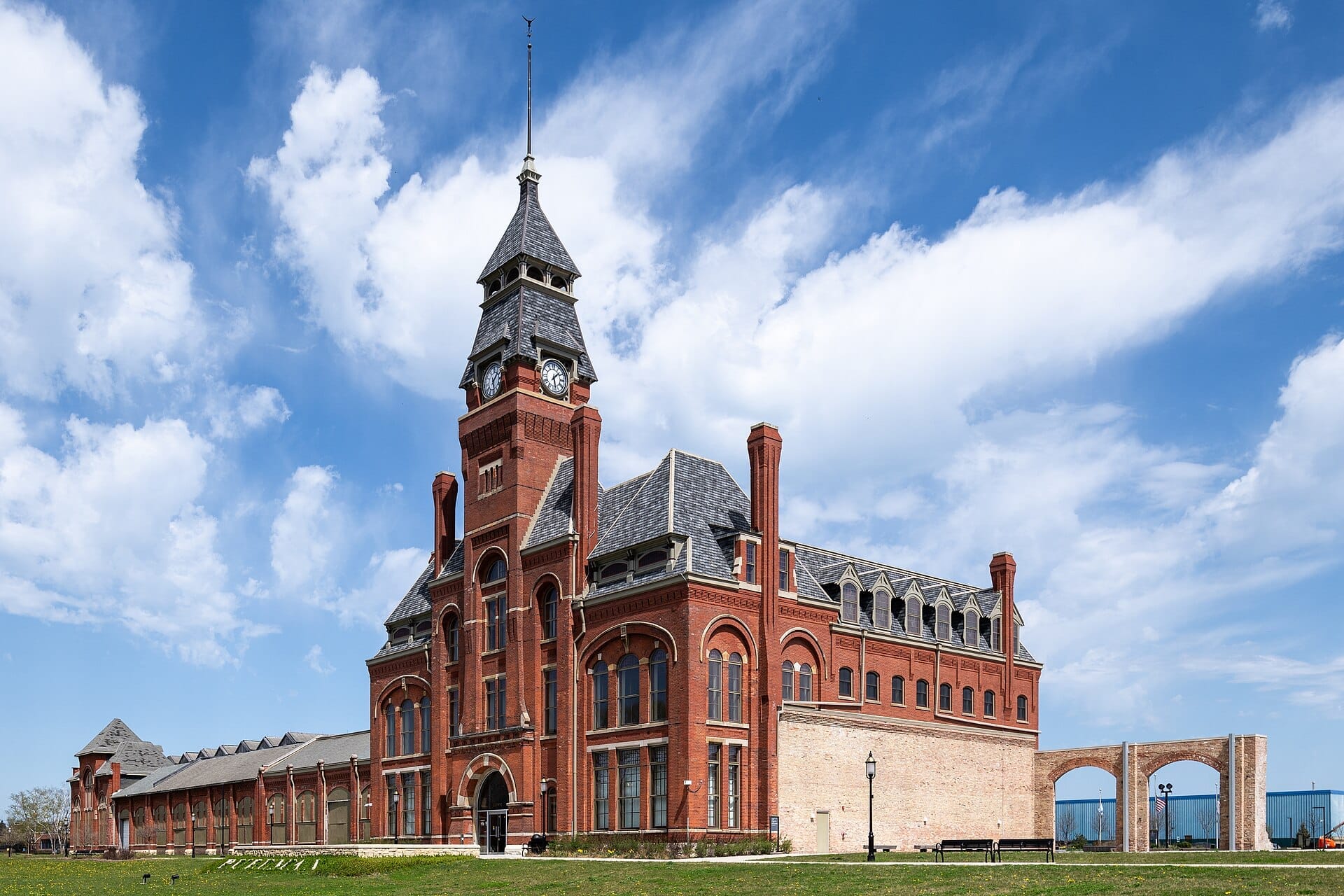
12. Explore America's First Planned Industrial Town at Pullman
America's first planned industrial community, built in the 1880s on Chicago's Far South Side, is now a National Historical Park. Its intact Victorian streetscapes and factory buildings tell a pivotal story about American labor history that most visitors never encounter.
Explore12. Explore America's First Planned Industrial Town at Pullman
America's first planned industrial community, built in the 1880s on Chicago's Far South Side, is now a National Historical Park. Its intact Victorian streetscapes and factory buildings tell a pivotal story about American labor history that most visitors never encounter.
ExploreParks, Nature & Hidden Green Spaces
Beyond the famous lakefront beaches and Grant Park, Chicago hides some extraordinary natural spaces in its neighborhood parks, a lakefront bird sanctuary, and a converted elevated railway. The lakefront gets most of the attention, but some of the best green spaces are inland.
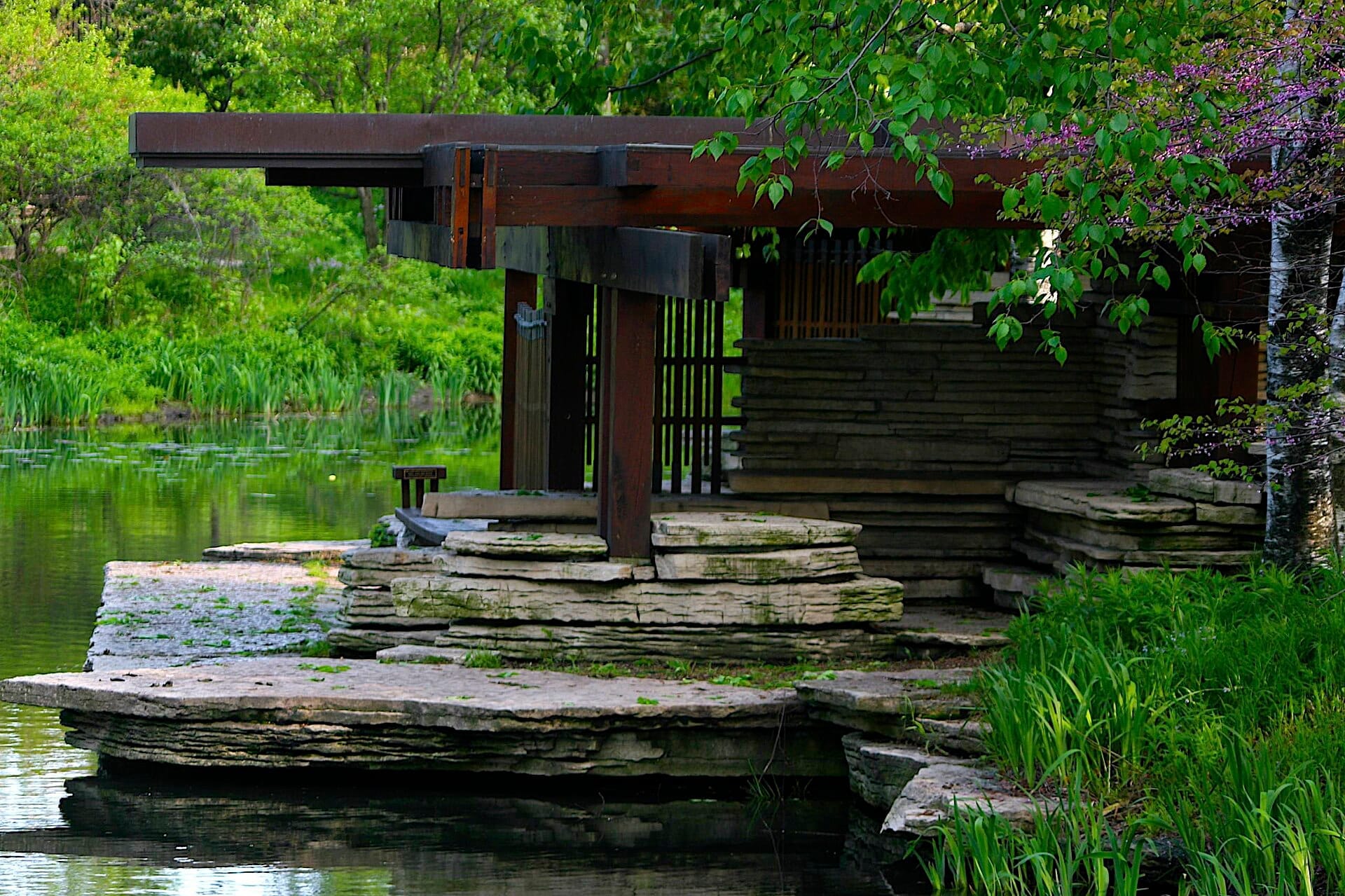
13. Find Absolute Silence at the Alfred Caldwell Lily Pool
This 1936 Prairie Style landscape in Lincoln Park features a still reflecting pool, native plantings, and a council ring of boulders. A National Historic Landmark that most Lincoln Park visitors walk past without noticing. It's free, serene, and unlike anywhere else in the city.
Explore13. Find Absolute Silence at the Alfred Caldwell Lily Pool
This 1936 Prairie Style landscape in Lincoln Park features a still reflecting pool, native plantings, and a council ring of boulders. A National Historic Landmark that most Lincoln Park visitors walk past without noticing. It's free, serene, and unlike anywhere else in the city.
Explore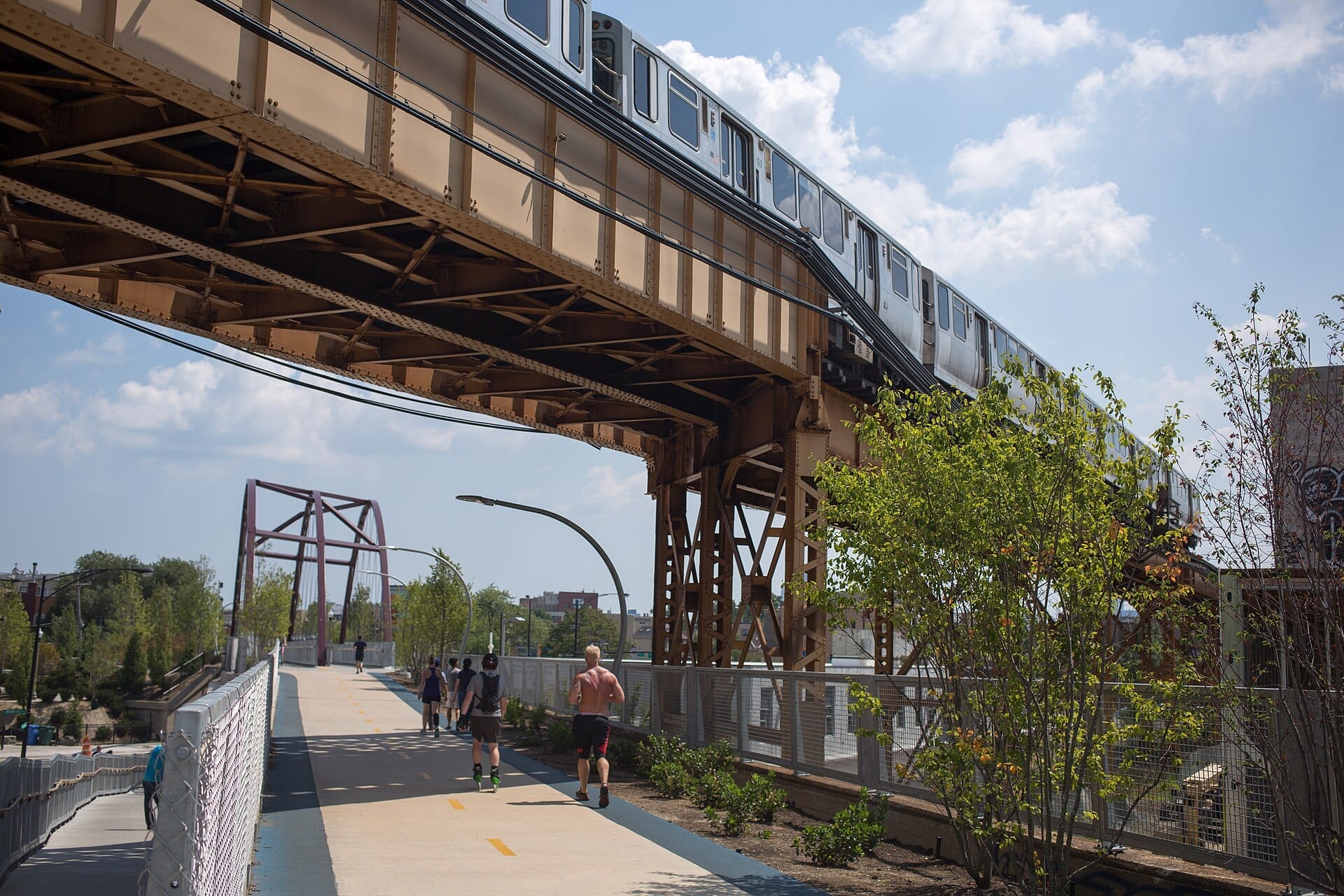
14. Run or Cycle Chicago's Elevated Rail Trail, the 606
This 2.7-mile elevated trail converts a former rail line into a green corridor connecting Wicker Park, Bucktown, and Logan Square. Public art, neighborhood rooftop views, and minimal tourist foot traffic make it one of the best ways to experience Chicago's northwest side.
Explore14. Run or Cycle Chicago's Elevated Rail Trail, the 606
This 2.7-mile elevated trail converts a former rail line into a green corridor connecting Wicker Park, Bucktown, and Logan Square. Public art, neighborhood rooftop views, and minimal tourist foot traffic make it one of the best ways to experience Chicago's northwest side.
Explore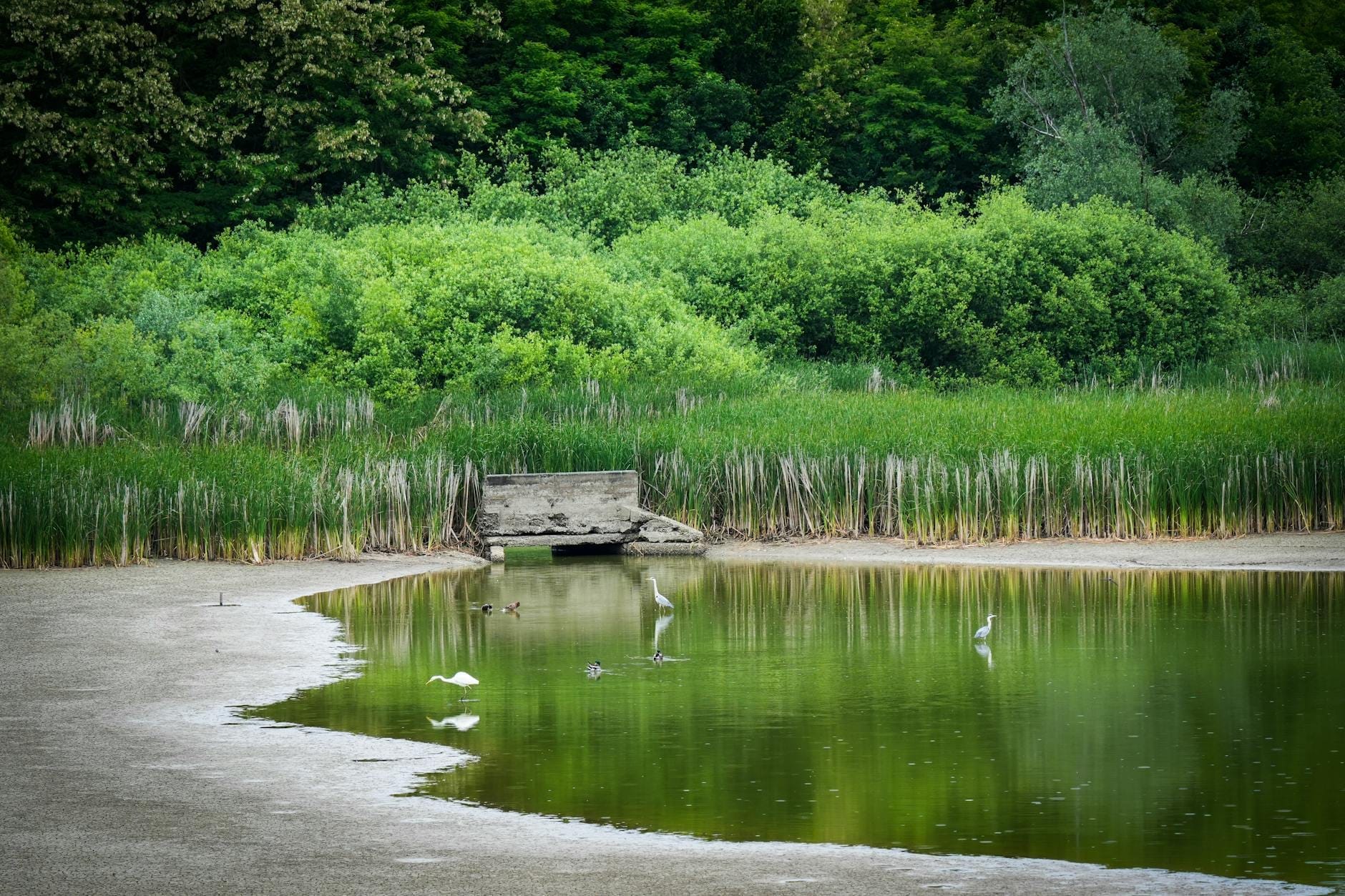
15. Go Birding at One of North America's Best Urban Sanctuaries
Montrose Point draws hundreds of migrating bird species each spring and fall, making it one of the continent's most productive urban birding spots. The small lakefront habitat is free, uncrowded, and remarkable for anyone willing to arrive at dawn with binoculars.
Explore15. Go Birding at One of North America's Best Urban Sanctuaries
Montrose Point draws hundreds of migrating bird species each spring and fall, making it one of the continent's most productive urban birding spots. The small lakefront habitat is free, uncrowded, and remarkable for anyone willing to arrive at dawn with binoculars.
Explore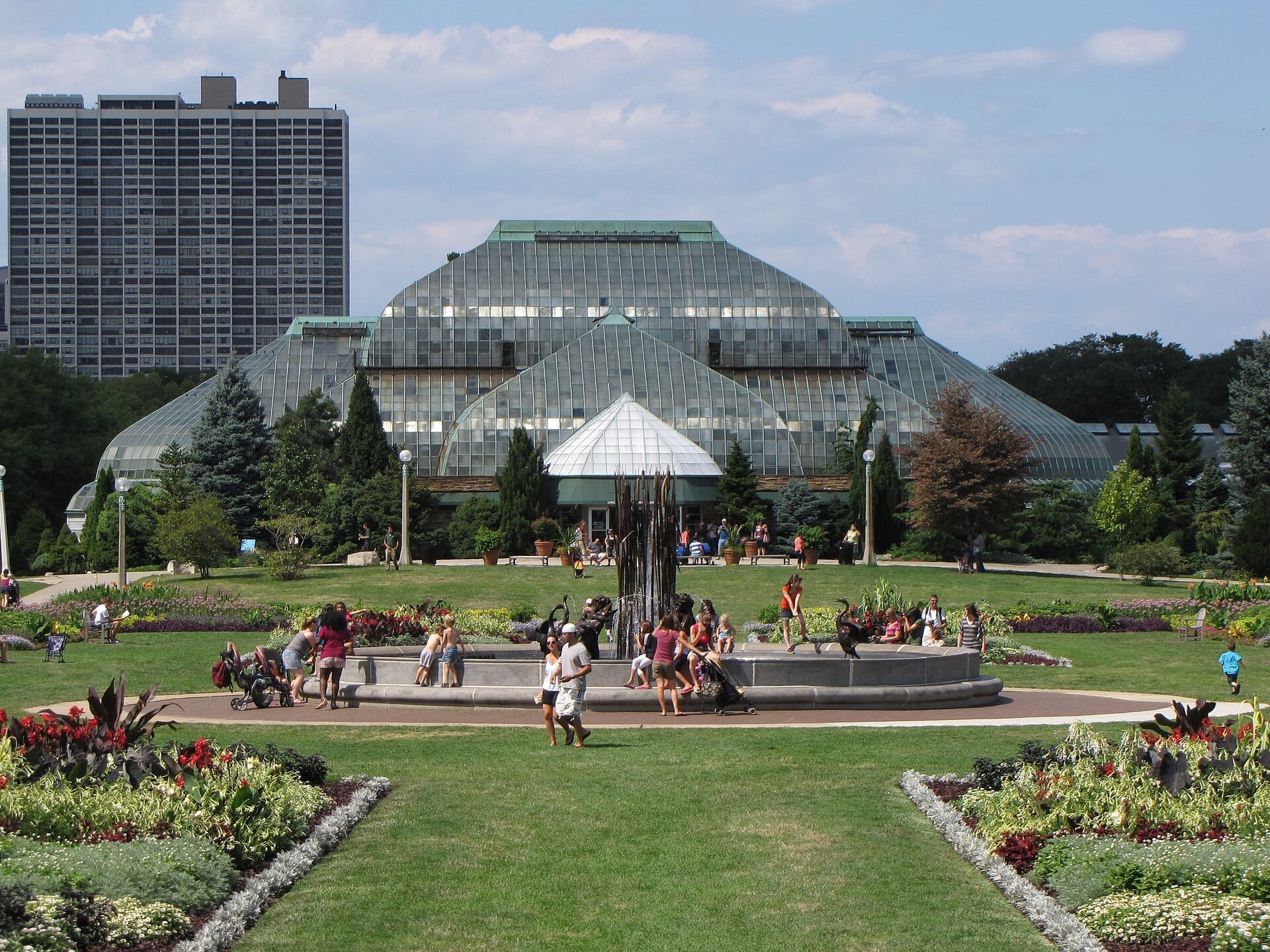
16. Escape the Cold in Lincoln Park's Victorian Glass Conservatory
Four stunning Victorian greenhouse rooms filled with tropical plants, orchids, and ferns, completely free to visit year-round. In winter, when the city is frozen, stepping inside feels genuinely dramatic. It's a five-minute walk from the zoo but far less visited.
Explore16. Escape the Cold in Lincoln Park's Victorian Glass Conservatory
Four stunning Victorian greenhouse rooms filled with tropical plants, orchids, and ferns, completely free to visit year-round. In winter, when the city is frozen, stepping inside feels genuinely dramatic. It's a five-minute walk from the zoo but far less visited.
ExploreNeighborhood Streets & Ethnic Food Corridors
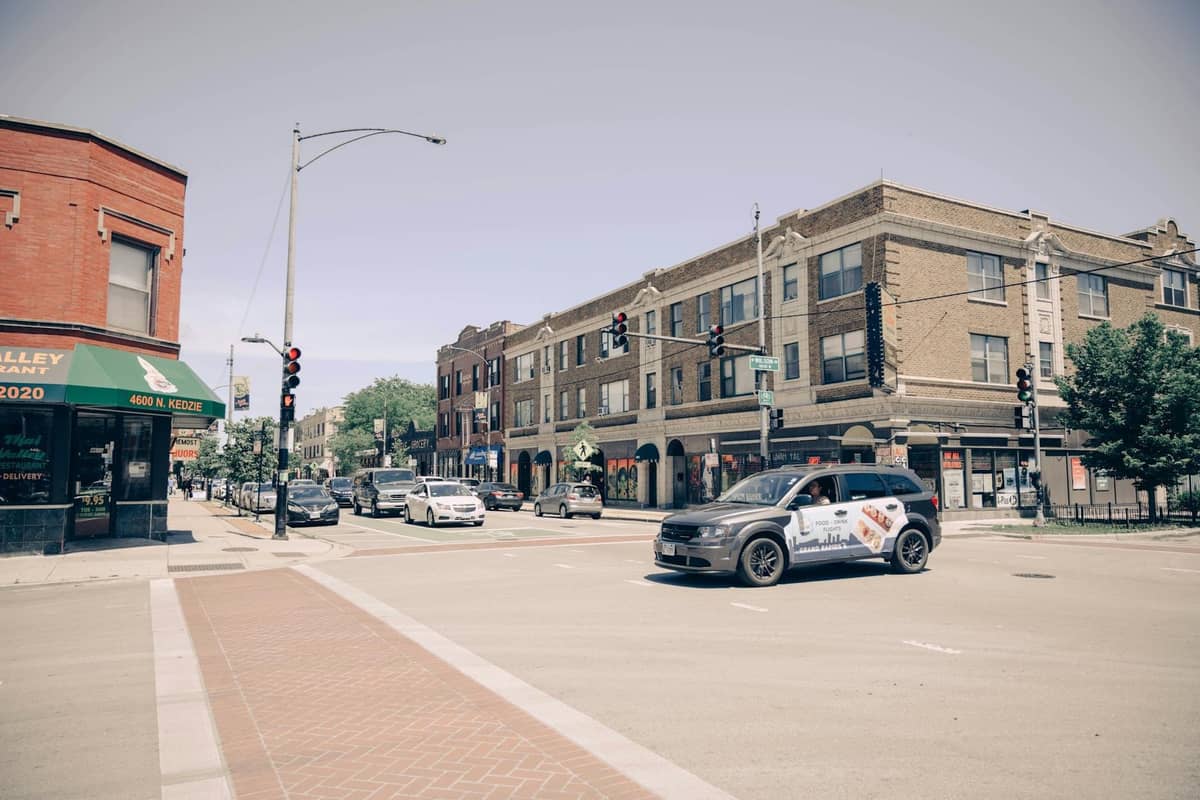
Chicago's real character lives in its ethnic dining corridors and independent neighborhood streets. These aren't tourist zones — they're the daily commercial and cultural life of communities that have shaped the city for generations. For a deeper dive, our Chicago food guide covers the broader eating landscape.
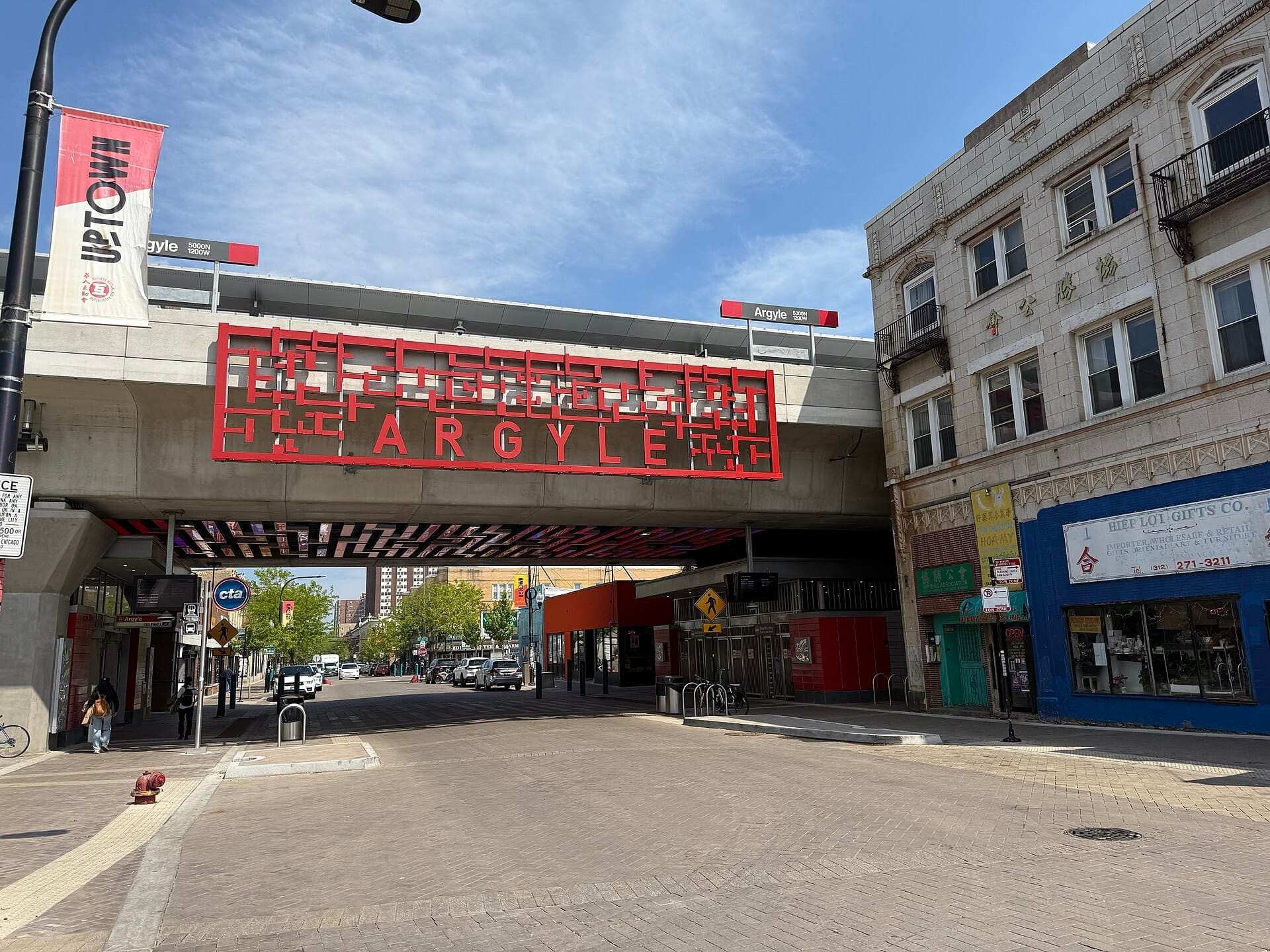
17. Eat Cheap and Authentic on Argyle Street's Vietnamese Corridor
Uptown's Argyle Street is lined with pho shops, banh mi spots, bubble tea cafes, and Asian grocers. It's one of Chicago's most authentic ethnic food streets, budget-friendly, and far removed from the tourist circuit. Go hungry and budget two hours to explore on foot.
Explore17. Eat Cheap and Authentic on Argyle Street's Vietnamese Corridor
Uptown's Argyle Street is lined with pho shops, banh mi spots, bubble tea cafes, and Asian grocers. It's one of Chicago's most authentic ethnic food streets, budget-friendly, and far removed from the tourist circuit. Go hungry and budget two hours to explore on foot.
Explore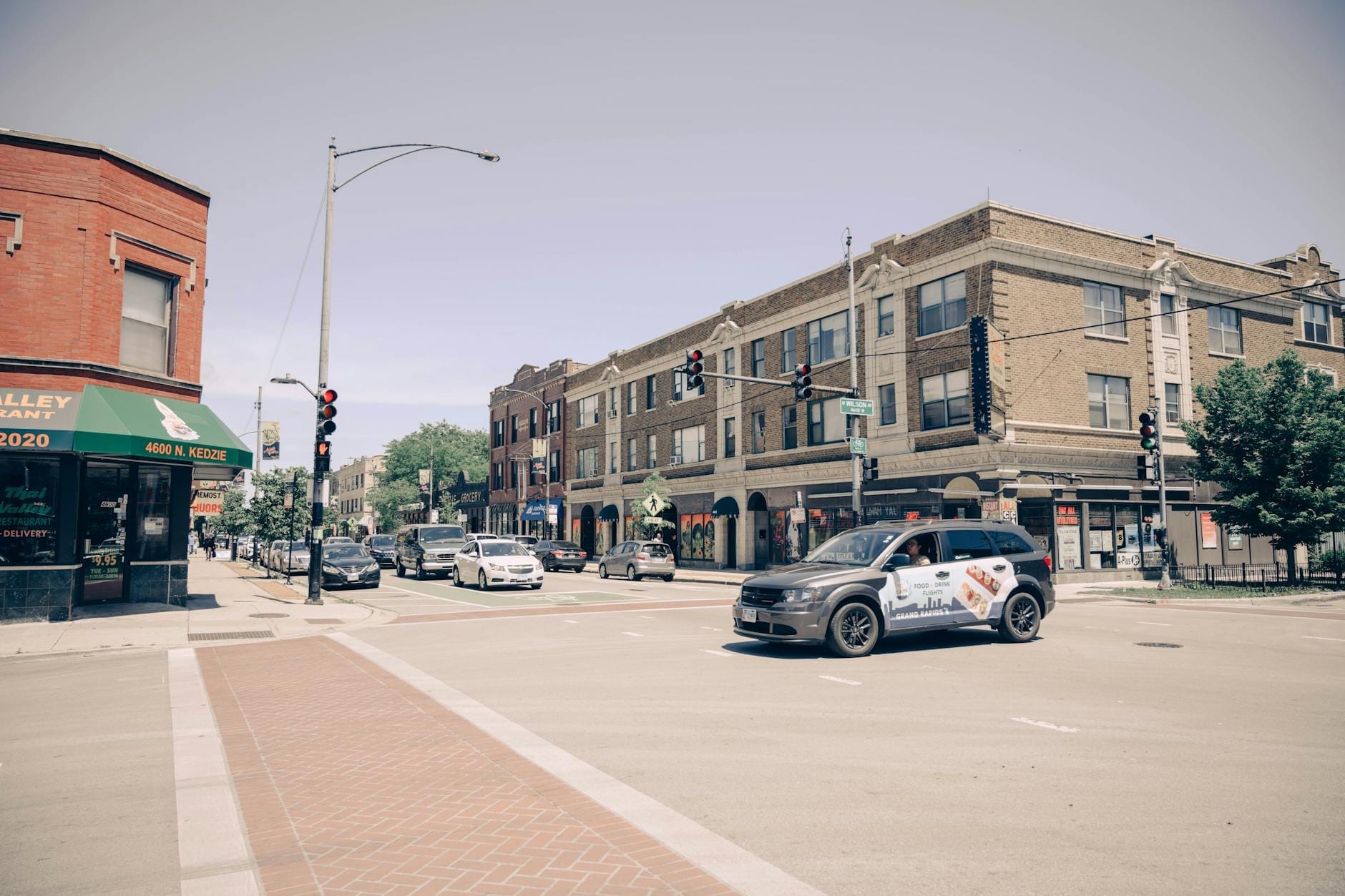
18. Spend an Afternoon on Devon Avenue's South Asian Mile
Devon Avenue on Chicago's Far North Side is one of the most authentic South Asian commercial corridors in the U.S., with Indian and Pakistani restaurants, sari shops, jewelry stores, and grocery stores. Set aside an afternoon and arrive hungry — the food is exceptional.
Explore18. Spend an Afternoon on Devon Avenue's South Asian Mile
Devon Avenue on Chicago's Far North Side is one of the most authentic South Asian commercial corridors in the U.S., with Indian and Pakistani restaurants, sari shops, jewelry stores, and grocery stores. Set aside an afternoon and arrive hungry — the food is exceptional.
Explore
19. Take a Self-Guided Mural Walk Through Pilsen's Open-Air Gallery
Pilsen's building facades carry some of the most impressive murals in the country, depicting Mexican history and community identity in vivid color. The 18th Street corridor and surrounding blocks form a free, outdoor gallery that rewards a slow walk with a camera.
Explore19. Take a Self-Guided Mural Walk Through Pilsen's Open-Air Gallery
Pilsen's building facades carry some of the most impressive murals in the country, depicting Mexican history and community identity in vivid color. The 18th Street corridor and surrounding blocks form a free, outdoor gallery that rewards a slow walk with a camera.
Explore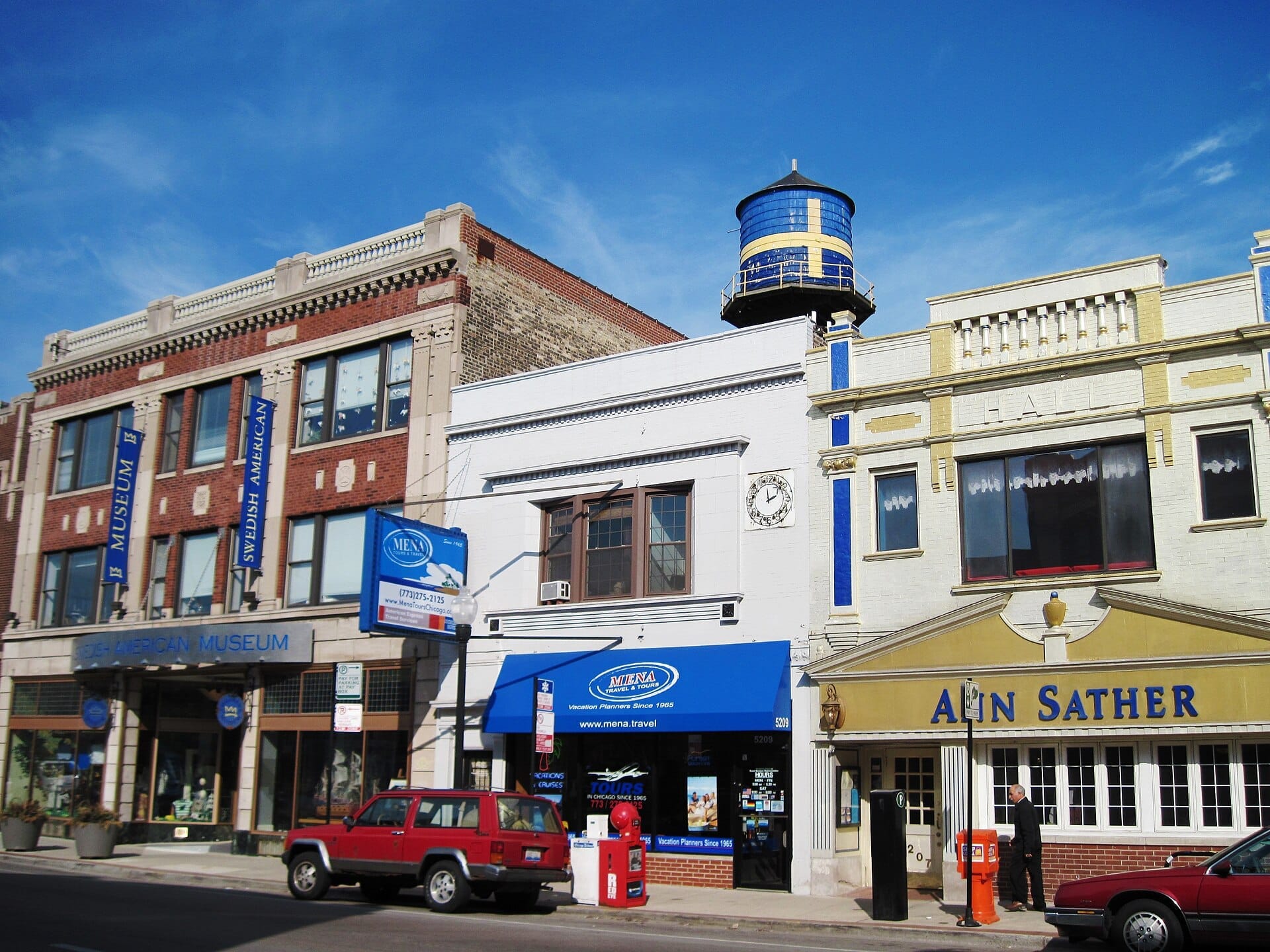
20. Browse Independent Shops Along Andersonville's Clark Street
Andersonville's Clark Street is one of the best independent retail corridors in Chicago, with women-owned boutiques, vintage stores, bookshops, and specialty food stores. It's a genuine alternative to chain-heavy Michigan Avenue, with a distinct neighborhood character all its own.
Explore20. Browse Independent Shops Along Andersonville's Clark Street
Andersonville's Clark Street is one of the best independent retail corridors in Chicago, with women-owned boutiques, vintage stores, bookshops, and specialty food stores. It's a genuine alternative to chain-heavy Michigan Avenue, with a distinct neighborhood character all its own.
ExploreJazz, Blues & Late-Night Institutions
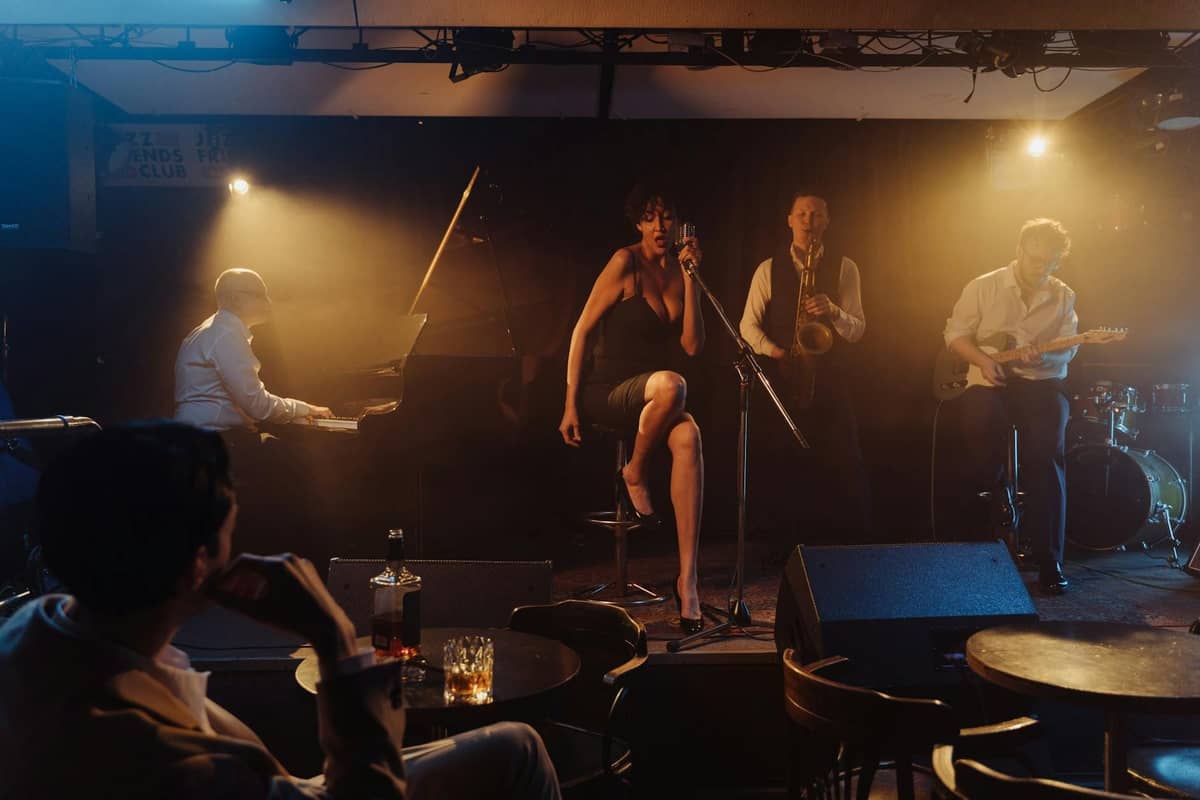
Chicago invented electric blues and was a founding city for American jazz. The venues that carry that legacy are not stadiums — they're intimate, old, and in some cases run by the same families for decades. Our blues and jazz guide has the full story, but these two venues are worth highlighting as experiences unlike anything else in the city.
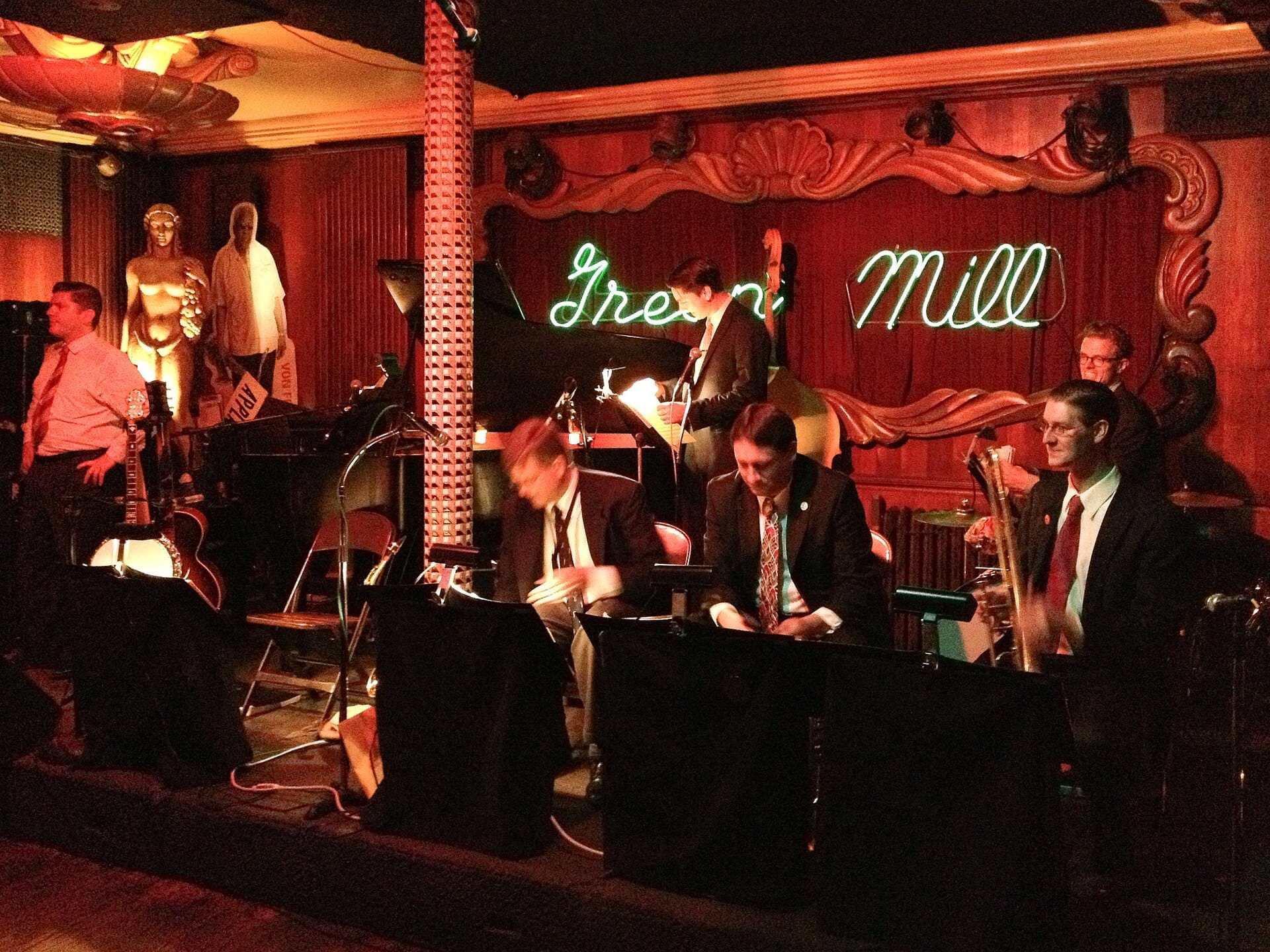
21. Drink in Al Capone's Old Booth at the Green Mill Jazz Club
Operating since 1907, this Uptown jazz club was once a Prohibition-era Capone haunt and still hosts live jazz seven nights a week in a perfectly preserved Art Deco interior. The atmosphere is unmatched anywhere in Chicago. Shows run late — plan to stay past midnight.
Explore21. Drink in Al Capone's Old Booth at the Green Mill Jazz Club
Operating since 1907, this Uptown jazz club was once a Prohibition-era Capone haunt and still hosts live jazz seven nights a week in a perfectly preserved Art Deco interior. The atmosphere is unmatched anywhere in Chicago. Shows run late — plan to stay past midnight.
Explore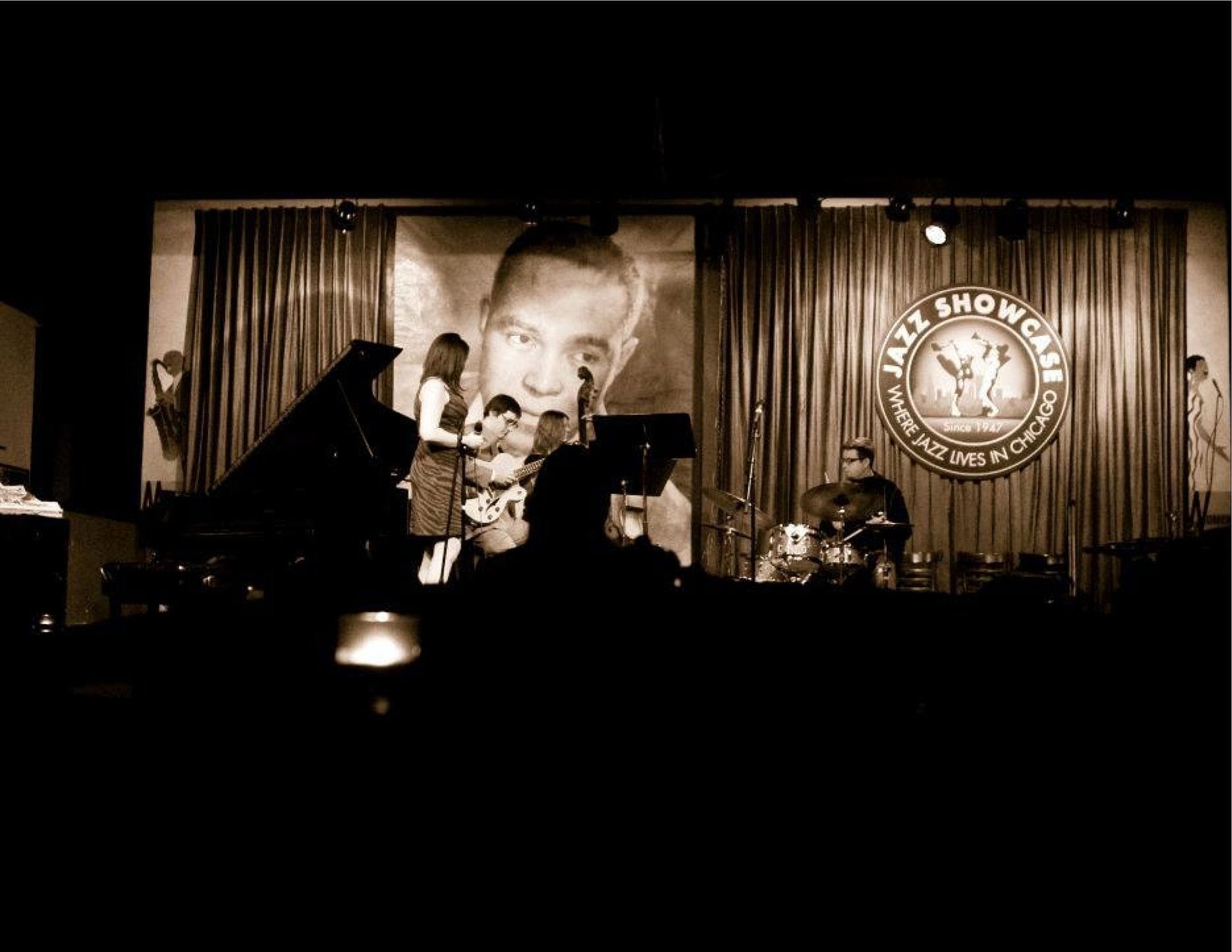
22. Hear World-Class Jazz at Chicago's Most Serious Listening Room
Operating since 1947, Jazz Showcase enforces a no-talking policy that guarantees an extraordinary listening experience. The Dearborn Street space has great acoustics and books national and international jazz artists year-round. It's where Chicago musicians come on their nights off.
Explore22. Hear World-Class Jazz at Chicago's Most Serious Listening Room
Operating since 1947, Jazz Showcase enforces a no-talking policy that guarantees an extraordinary listening experience. The Dearborn Street space has great acoustics and books national and international jazz artists year-round. It's where Chicago musicians come on their nights off.
ExploreThe Loop's Secret Layer: Underground & Overlooked
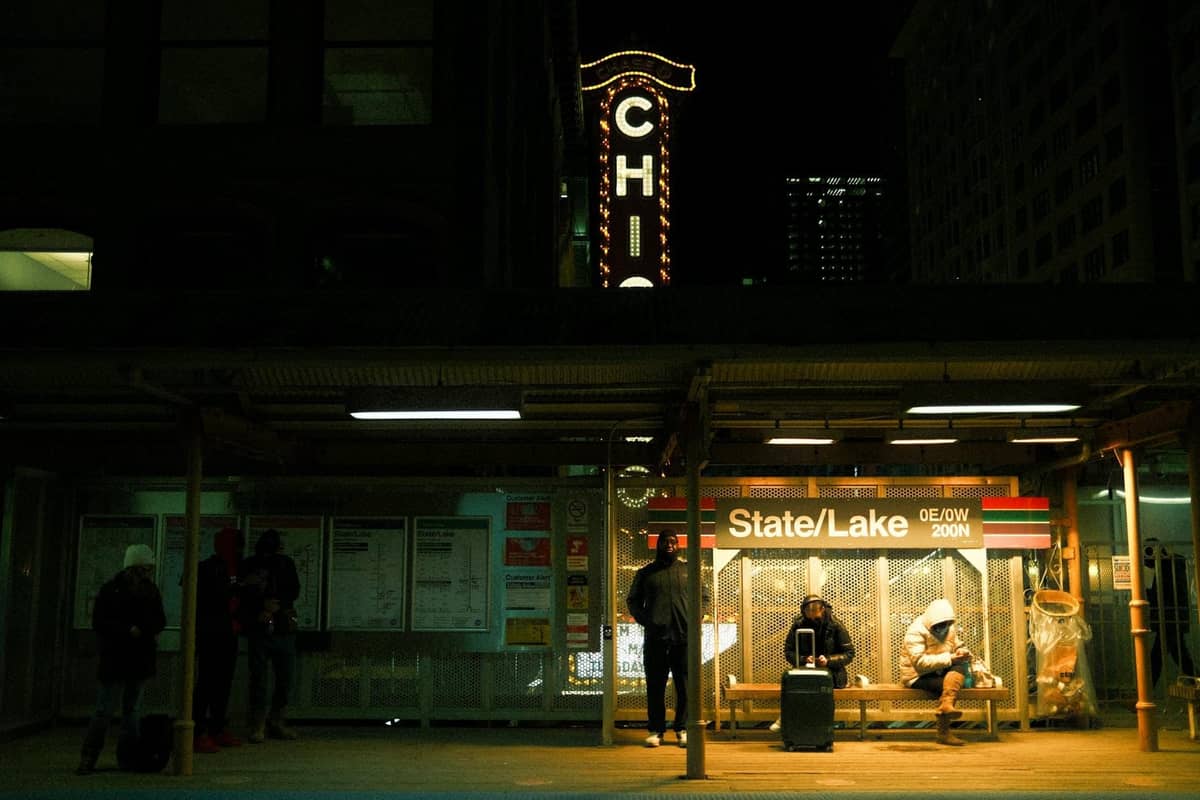
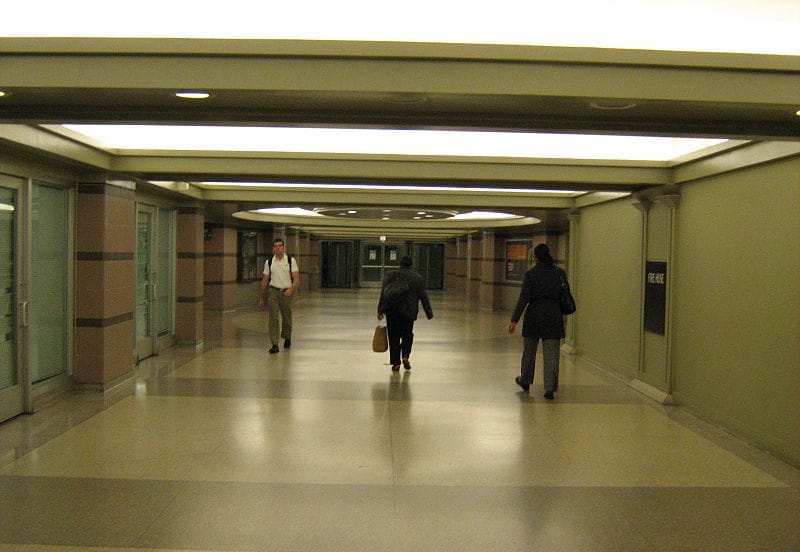
23. Navigate Chicago's Underground City in the Pedway
Chicago's underground pedestrian network links more than 50 buildings across roughly 40 blocks of downtown, with a useful entry point at Millennium Station on Randolph Street. Exploring it in winter is practical and fascinating — few visitors know it exists at all.
Explore23. Navigate Chicago's Underground City in the Pedway
Chicago's underground pedestrian network links more than 50 buildings across roughly 40 blocks of downtown, with a useful entry point at Millennium Station on Randolph Street. Exploring it in winter is practical and fascinating — few visitors know it exists at all.
Explore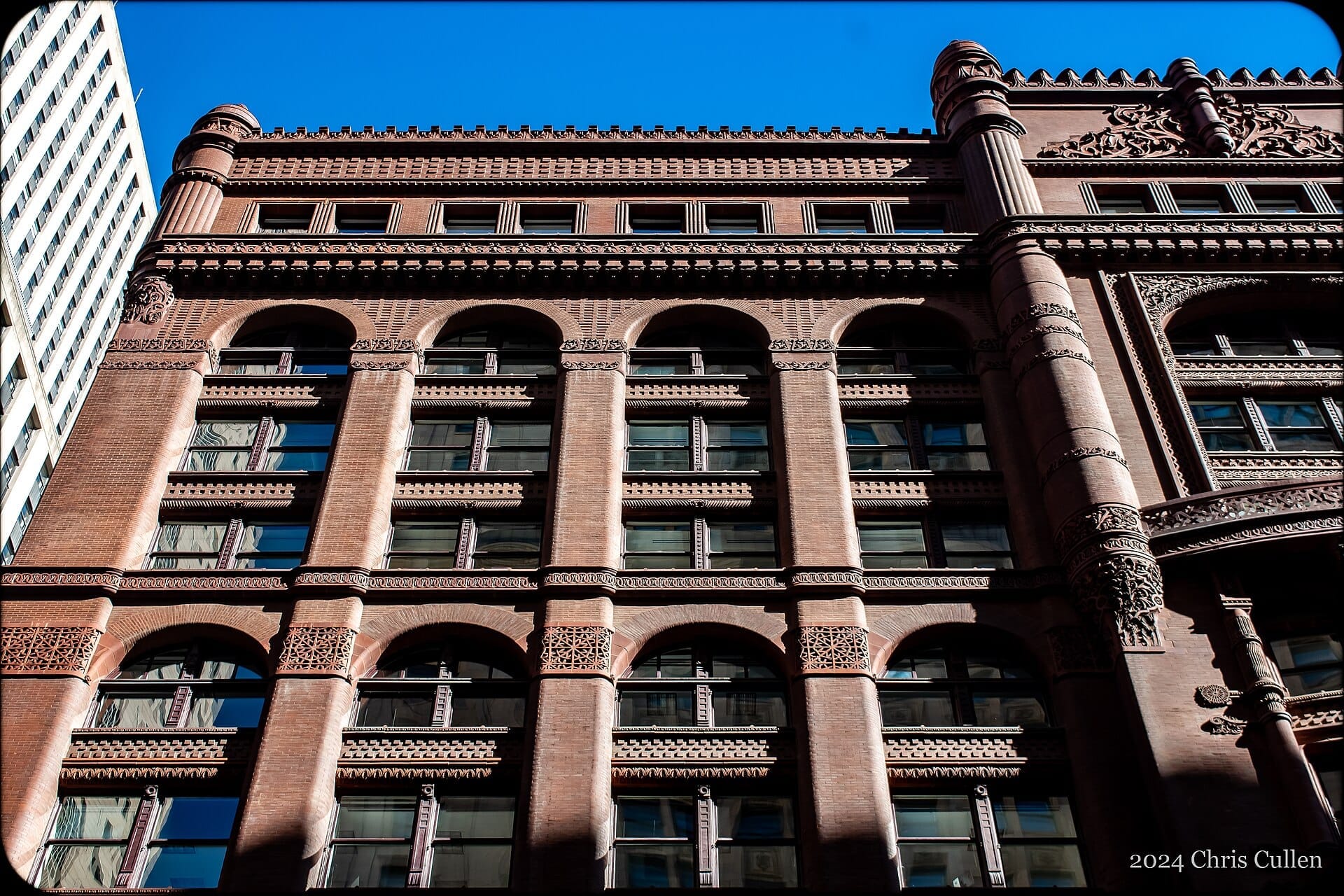
24. Step Inside Frank Lloyd Wright's Light Court at the Rookery Building
The Rookery's 1888 iron-and-glass atrium, redesigned by Wright in 1905, is one of the most beautiful interior spaces in Chicago. It's open to the public during business hours at no charge. Most visitors to the Loop never realize they can walk straight in.
Explore24. Step Inside Frank Lloyd Wright's Light Court at the Rookery Building
The Rookery's 1888 iron-and-glass atrium, redesigned by Wright in 1905, is one of the most beautiful interior spaces in Chicago. It's open to the public during business hours at no charge. Most visitors to the Loop never realize they can walk straight in.
Explore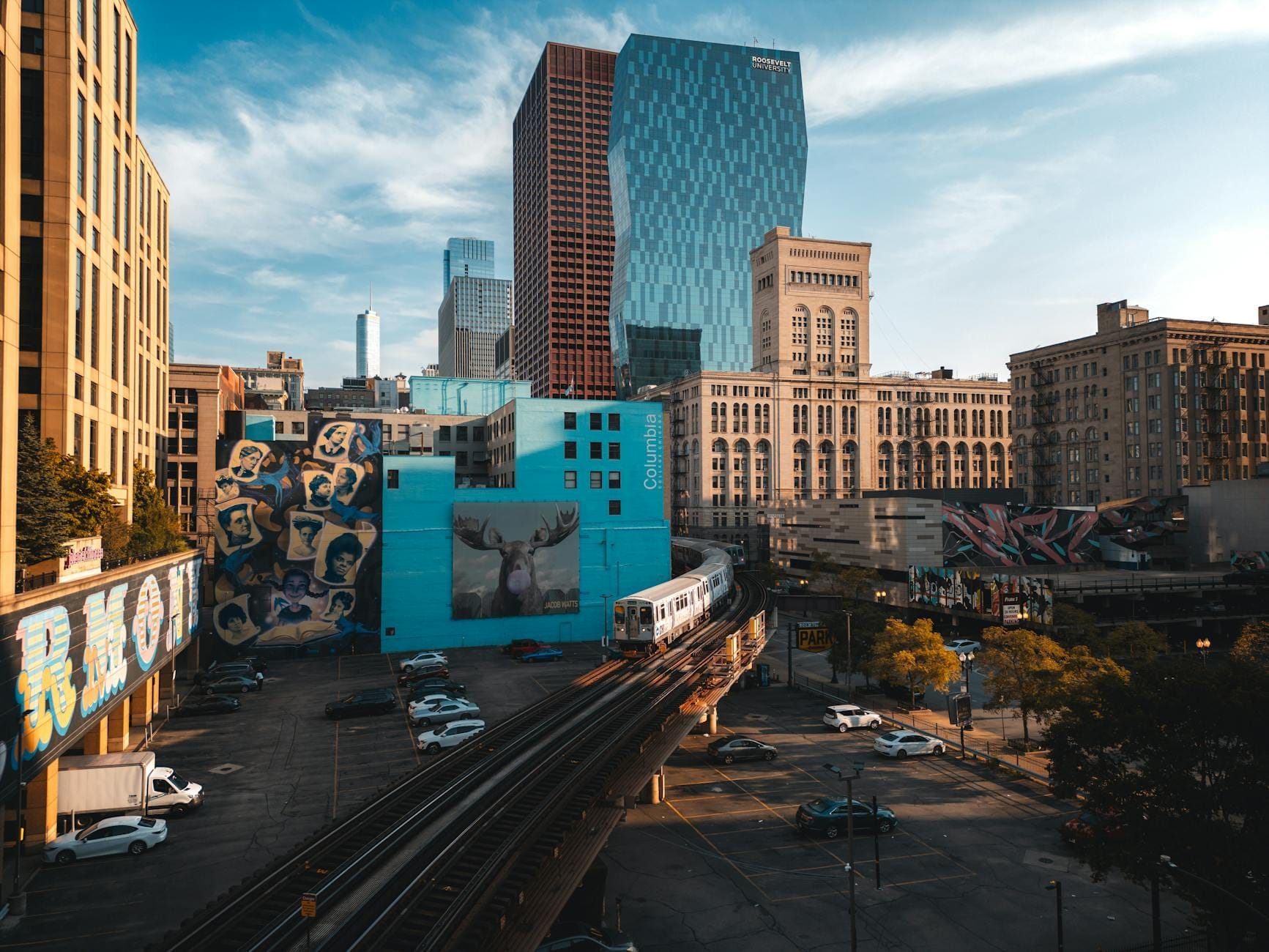
25. Walk Through the Wabash Arts Corridor's Open-Air Mural Gallery
Several blocks of South Wabash Avenue under the 'L' tracks have been transformed into a large-scale outdoor gallery of murals by international artists. It's free, visually striking, and largely overlooked by visitors who stay north of the river. Best on a weekday morning.
Explore25. Walk Through the Wabash Arts Corridor's Open-Air Mural Gallery
Several blocks of South Wabash Avenue under the 'L' tracks have been transformed into a large-scale outdoor gallery of murals by international artists. It's free, visually striking, and largely overlooked by visitors who stay north of the river. Best on a weekday morning.
Explore✨ Pro tip
The CTA 'L' is the best tool for hidden-gem exploration. The Green Line opens up Pilsen and Bronzeville; the Blue Line reaches Wicker Park and Logan Square; the Brown Line runs through Andersonville and Lakeview. A single Ventra card covers all of them.
FAQ
What are the best free hidden gems in Chicago?
The Chicago Cultural Center (Tiffany glass domes, Loop), Garfield Park Conservatory (tropical greenhouse, West Side), Lincoln Park Conservatory, Graceland Cemetery (architectural monuments), the Wabash Arts Corridor mural walk, and the National Museum of Mexican Art in Pilsen are all free and significantly undervisited.
Which Chicago neighborhoods have the most off-the-beaten-path attractions?
Hyde Park, Pilsen, Uptown, and Andersonville consistently deliver the most rewarding off-the-tourist-trail experiences. Hyde Park has ISAC, Robie House, and DuSable Museum. Pilsen has murals, Thalia Hall, and the National Museum of Mexican Art. Uptown has the Green Mill, Argyle Street, and the Aragon Ballroom.
Is it easy to get to Chicago's hidden gems by public transit?
Yes. The CTA 'L' and bus network reaches virtually every attraction listed here. The Green Line serves Pilsen and Bronzeville; the Blue Line reaches Wicker Park, Bucktown, and Logan Square; the Red Line runs through Uptown and Edgewater, with Andersonville a short walk or bus ride west of the closest stations. Google Maps provides accurate real-time CTA directions.
Are Chicago's hidden gems safe to visit?
Yes. All neighborhoods mentioned in this guide — Pilsen, Hyde Park, Uptown, Andersonville, the South Side cultural sites — are active, visited areas with significant foot traffic and active business districts. Standard urban awareness applies, as in any large city. The IIT campus in Bronzeville and Pullman on the Far South Side are daytime destinations best visited during business hours.
What is the best time of year to explore Chicago's off-the-beaten-path attractions?
Late May through early October is ideal for outdoor spots like the 606, Montrose Point Bird Sanctuary, and Pilsen's mural walks. Winter is actually perfect for indoor hidden gems: the Garfield Park Conservatory, Chicago Pedway, Rookery Building, and Green Mill are all warm, uncrowded, and atmospheric from November through March.