Chicago Blues & Jazz Guide: Best Clubs & Live Music Venues
Chicago is a crucible of modern electric blues and one of the great jazz cities on earth. This guide covers the essential clubs, historic venues, and annual festivals where you can hear world-class live music any night of the week.
Plan and book this trip
Tools from our partner Travelpayouts help you compare flights and hotels. If you book through them, we may earn a commission at no extra cost to you.
Flights
Hotels map
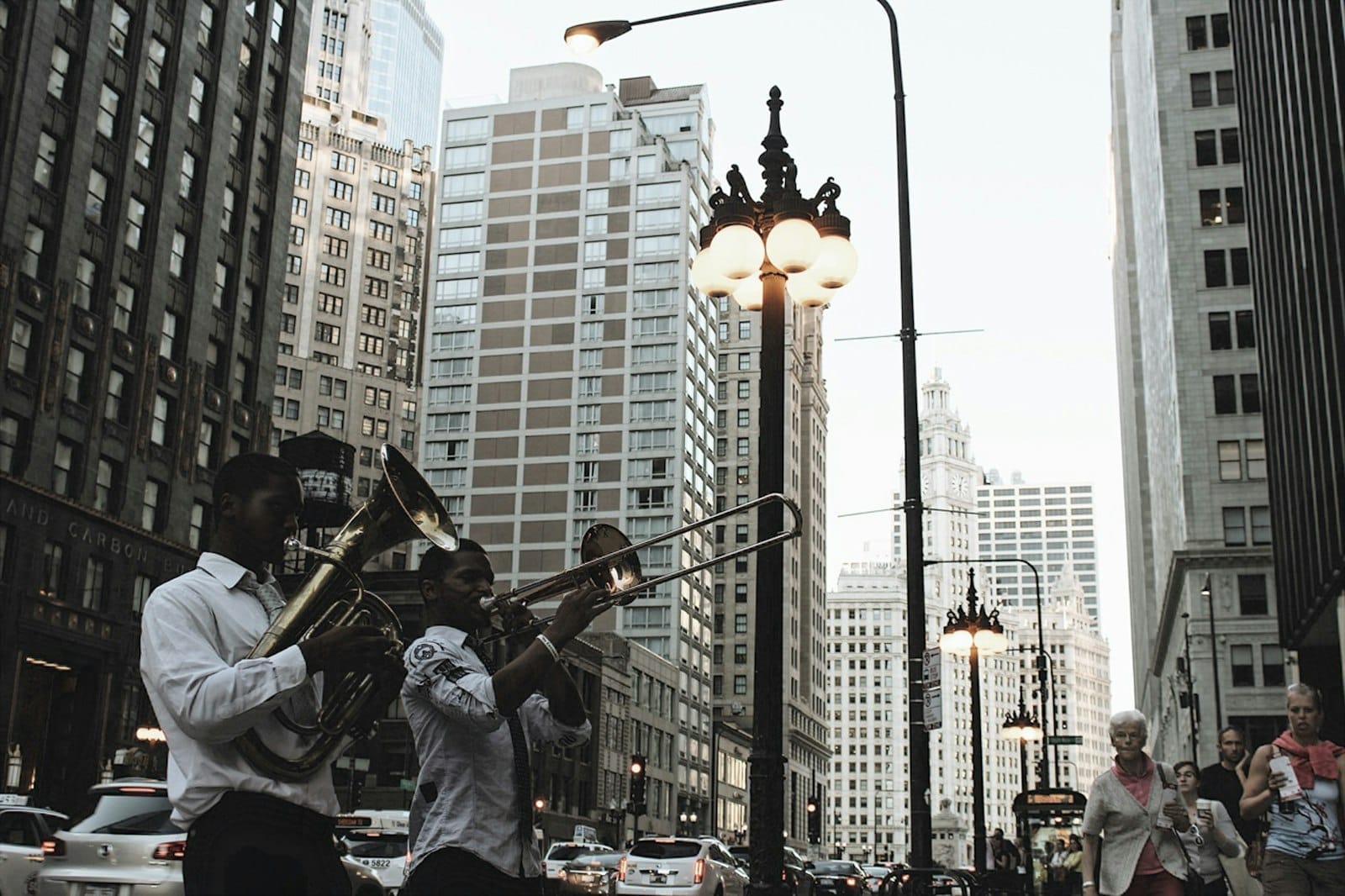
No city in the world has a deeper relationship with blues and jazz than Chicago. The modern electric blues sound was transformed here when Mississippi Delta musicians like Muddy Waters and Howlin' Wolf plugged in and transformed the music forever. Jazz took root in the South Side and Uptown ballrooms of the 1920s and never left. Today, the city supports a thriving ecosystem of dedicated clubs, historic ballrooms, and free outdoor festivals that make Chicago a genuine pilgrimage destination for music lovers. Whether you're chasing late-night blues on Lincoln Park's Halsted Street or soaking up free performances in Millennium Park, this guide covers every essential stop. For a broader look at Chicago's nightlife scene, see our Chicago nightlife guide, and if you're planning your whole trip around live music, the Chicago summer guide covers the festival season in detail.
Essential Blues Clubs
The clubs in this section are the backbone of Chicago's living blues tradition. They book professional artists every night, maintain a serious commitment to the music, and offer experiences you simply cannot replicate anywhere else. The South Loop and Lincoln Park are the two neighborhoods with the highest concentration of dedicated blues venues.
1. Catch a Legend at Buddy Guy's Legends
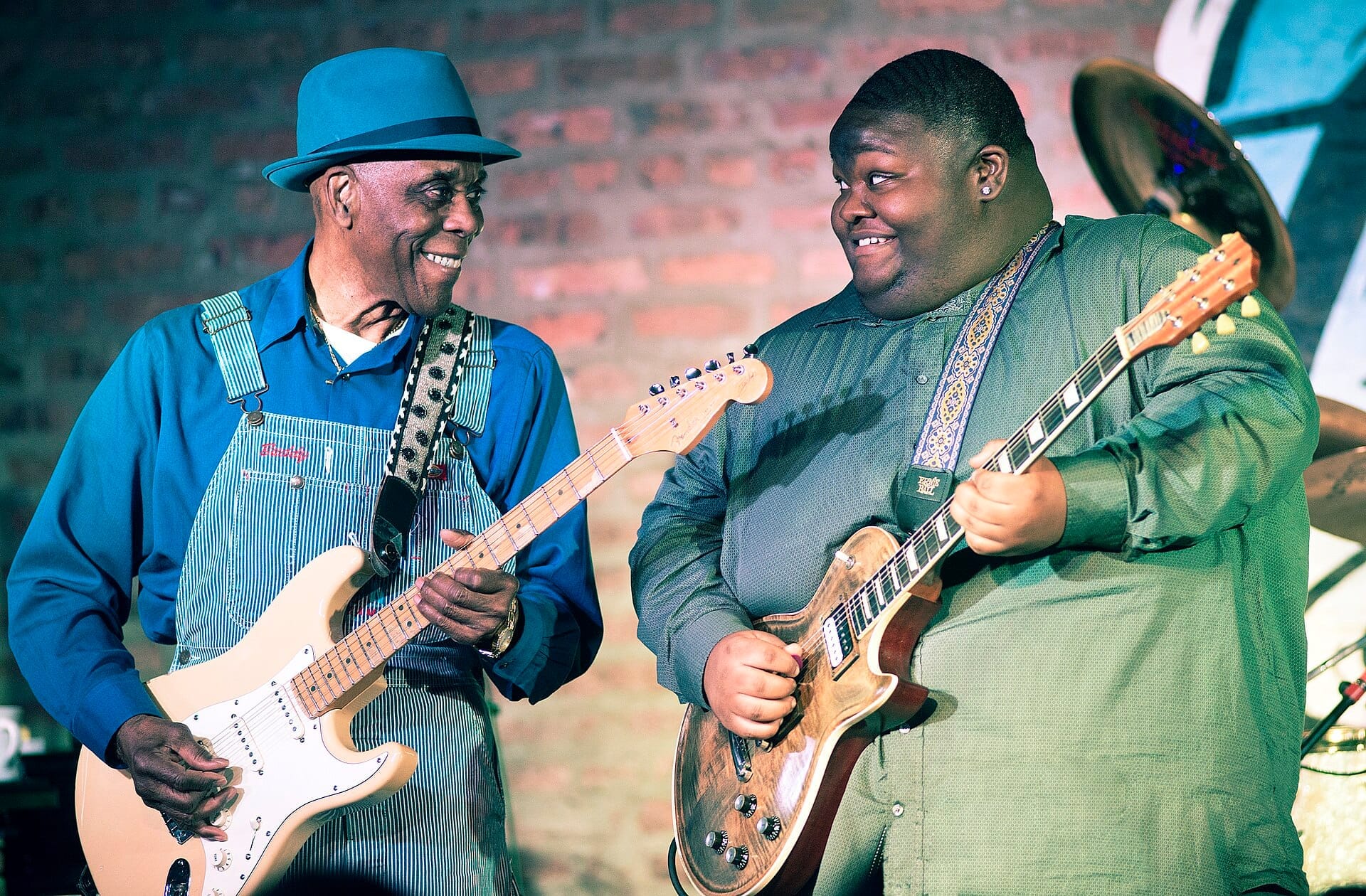
Chicago's most famous blues club, owned by Rock and Roll Hall of Famer Buddy Guy, runs live music seven nights a week. Guy himself typically performs a residency here every January. The walls are covered in memorabilia and the atmosphere is electric year-round.
Explore1. Catch a Legend at Buddy Guy's Legends
Chicago's most famous blues club, owned by Rock and Roll Hall of Famer Buddy Guy, runs live music seven nights a week. Guy himself typically performs a residency here every January. The walls are covered in memorabilia and the atmosphere is electric year-round.
Explore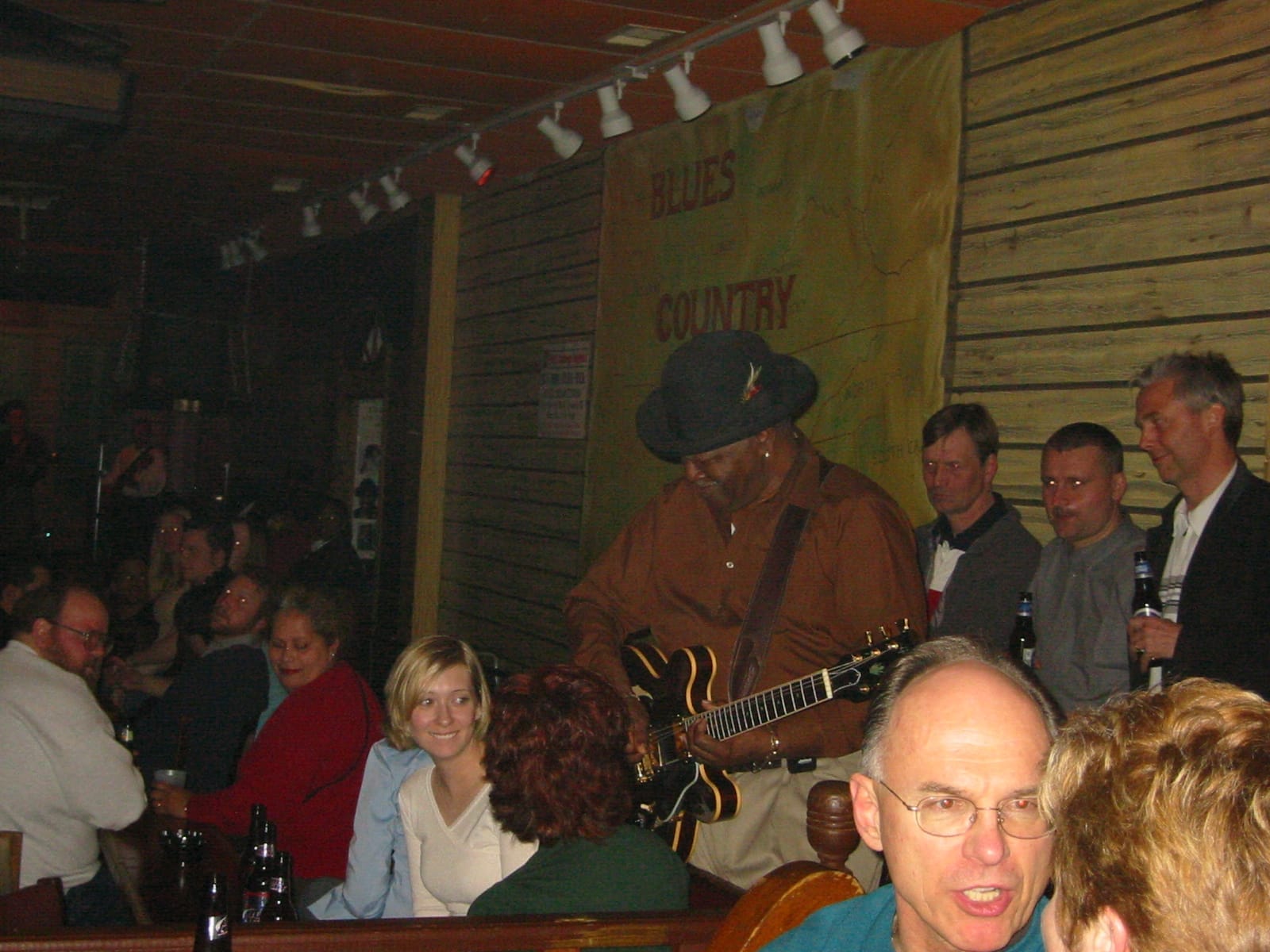
2. Stay Out Until 4am at Kingston Mines
Chicago's oldest continuously operating blues club has been running since 1968, with two stages alternating sets so the music never stops. On Fridays and Saturdays it runs until 4am. Located on Halsted Street in Lincoln Park, it's the city's most authentic late-night blues experience.
Explore2. Stay Out Until 4am at Kingston Mines
Chicago's oldest continuously operating blues club has been running since 1968, with two stages alternating sets so the music never stops. On Fridays and Saturdays it runs until 4am. Located on Halsted Street in Lincoln Park, it's the city's most authentic late-night blues experience.
Explore✨ Pro tip
Most Chicago blues clubs charge a separate cover charge even if you're buying food and drinks. Expect to pay $10-$25 depending on the night and artist. Always check the venue's official site for current pricing before you go.
Classic Jazz Venues
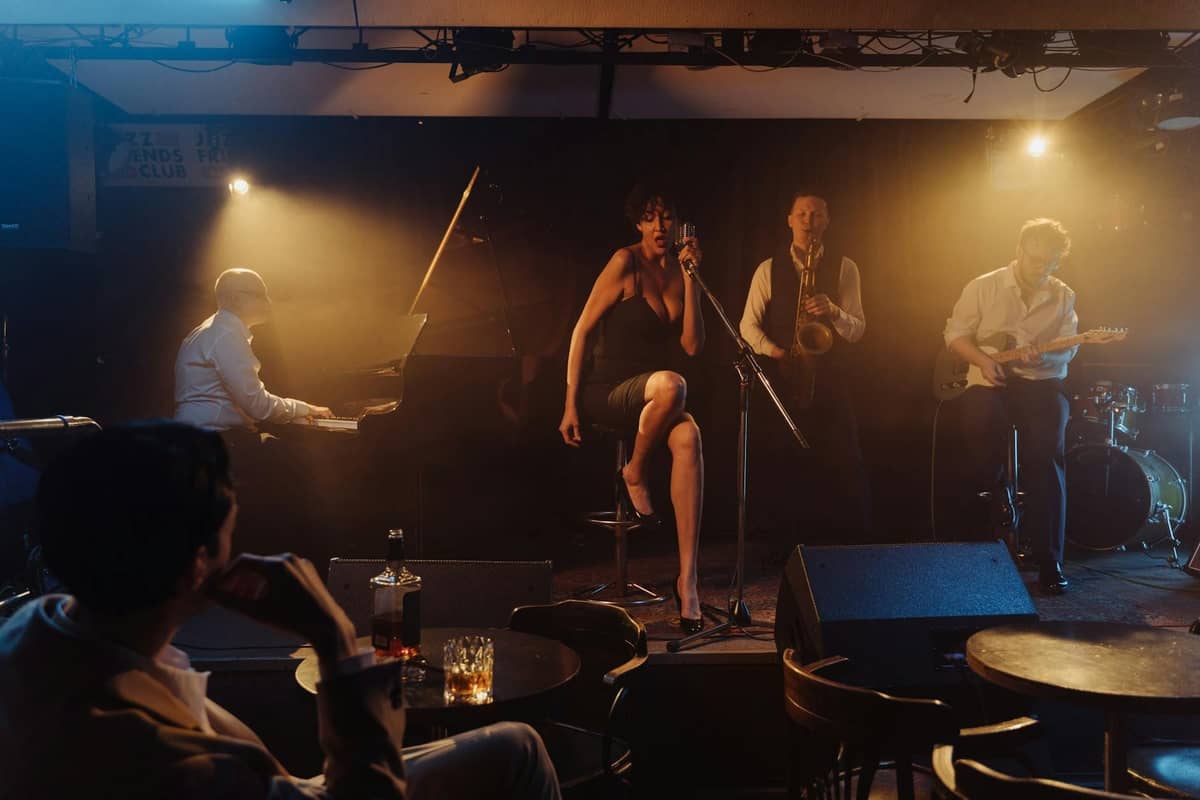
Chicago's jazz scene ranges from small serious listening rooms to grand historic ballrooms. The Uptown neighborhood preserves some of the most atmospheric jazz spaces in the country, while the Loop and River North offer more accessible options for visitors staying downtown.
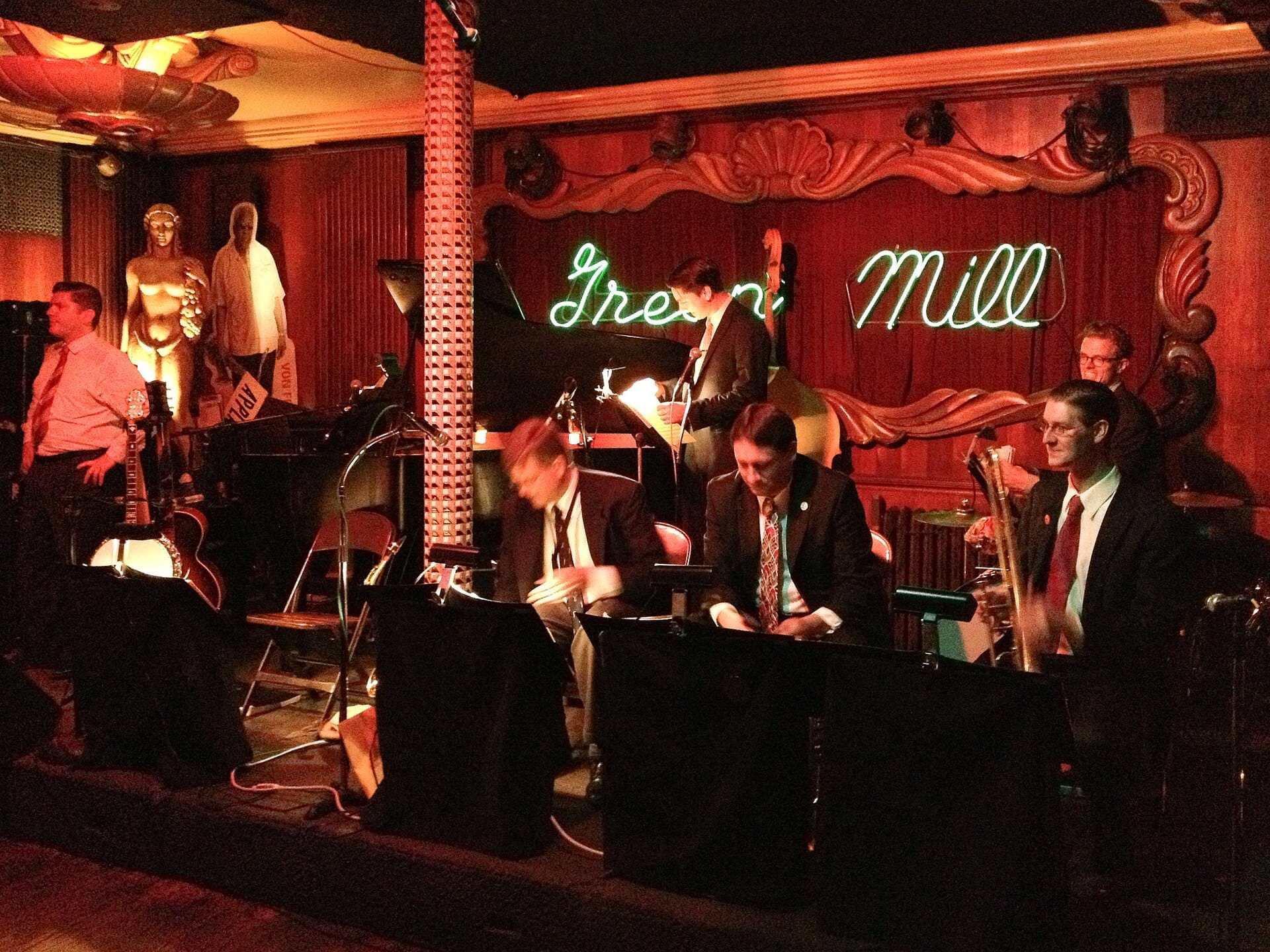
3. Drink in History at the Green Mill Cocktail Lounge
Operating since 1907 and once Al Capone's favorite haunt, the Green Mill is one of the most atmospheric bars in America. The Art Deco interior is perfectly preserved, live jazz runs seven nights a week, and the Sunday Uptown Poetry Slam is a Chicago institution.
Explore3. Drink in History at the Green Mill Cocktail Lounge
Operating since 1907 and once Al Capone's favorite haunt, the Green Mill is one of the most atmospheric bars in America. The Art Deco interior is perfectly preserved, live jazz runs seven nights a week, and the Sunday Uptown Poetry Slam is a Chicago institution.
Explore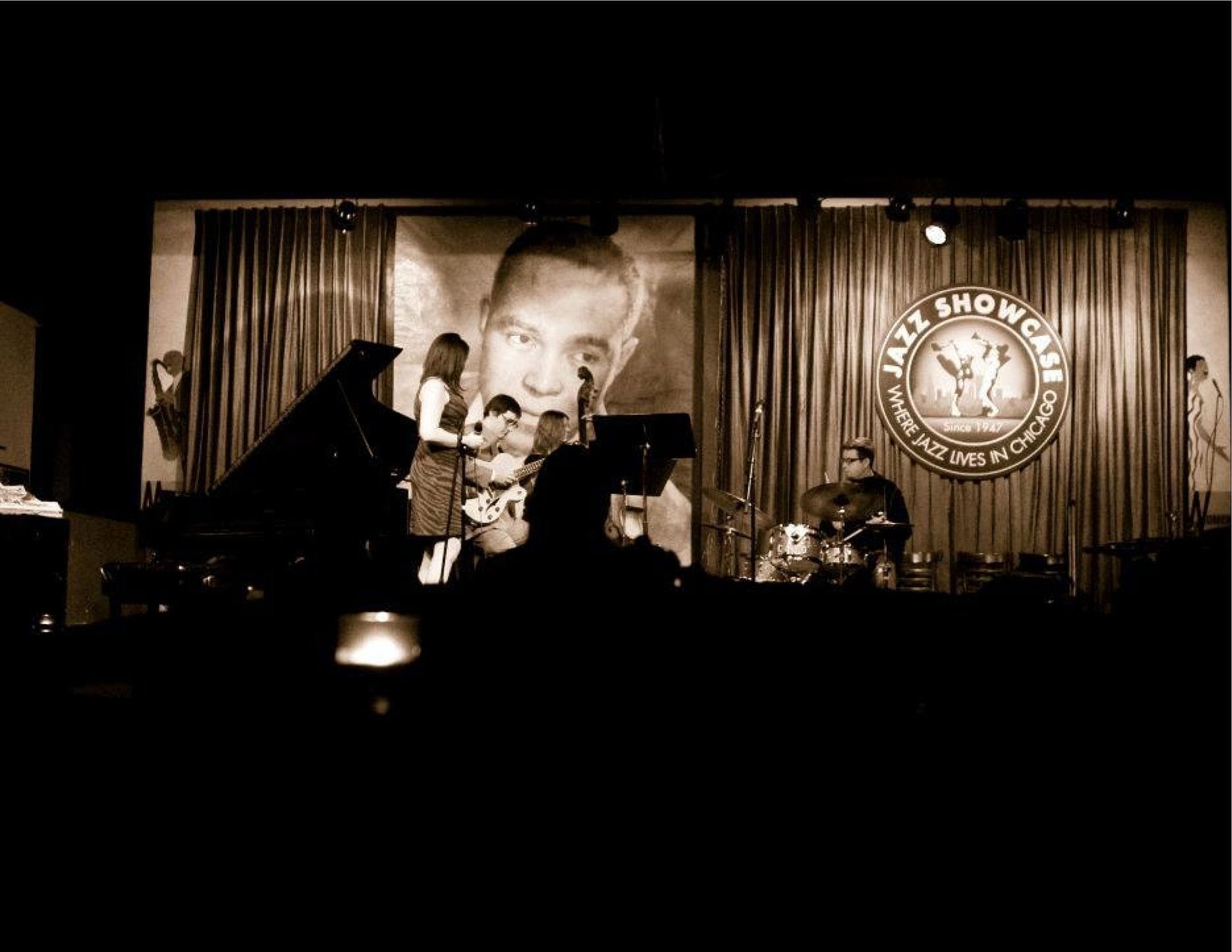
4. Hear World-Class Jazz at Jazz Showcase
Chicago's most serious jazz club has been presenting national and international artists since 1947. The Dearborn Street space has excellent acoustics and a strict no-talking policy during sets. If you care about the music more than the scene, this is your room.
Explore4. Hear World-Class Jazz at Jazz Showcase
Chicago's most serious jazz club has been presenting national and international artists since 1947. The Dearborn Street space has excellent acoustics and a strict no-talking policy during sets. If you care about the music more than the scene, this is your room.
Explore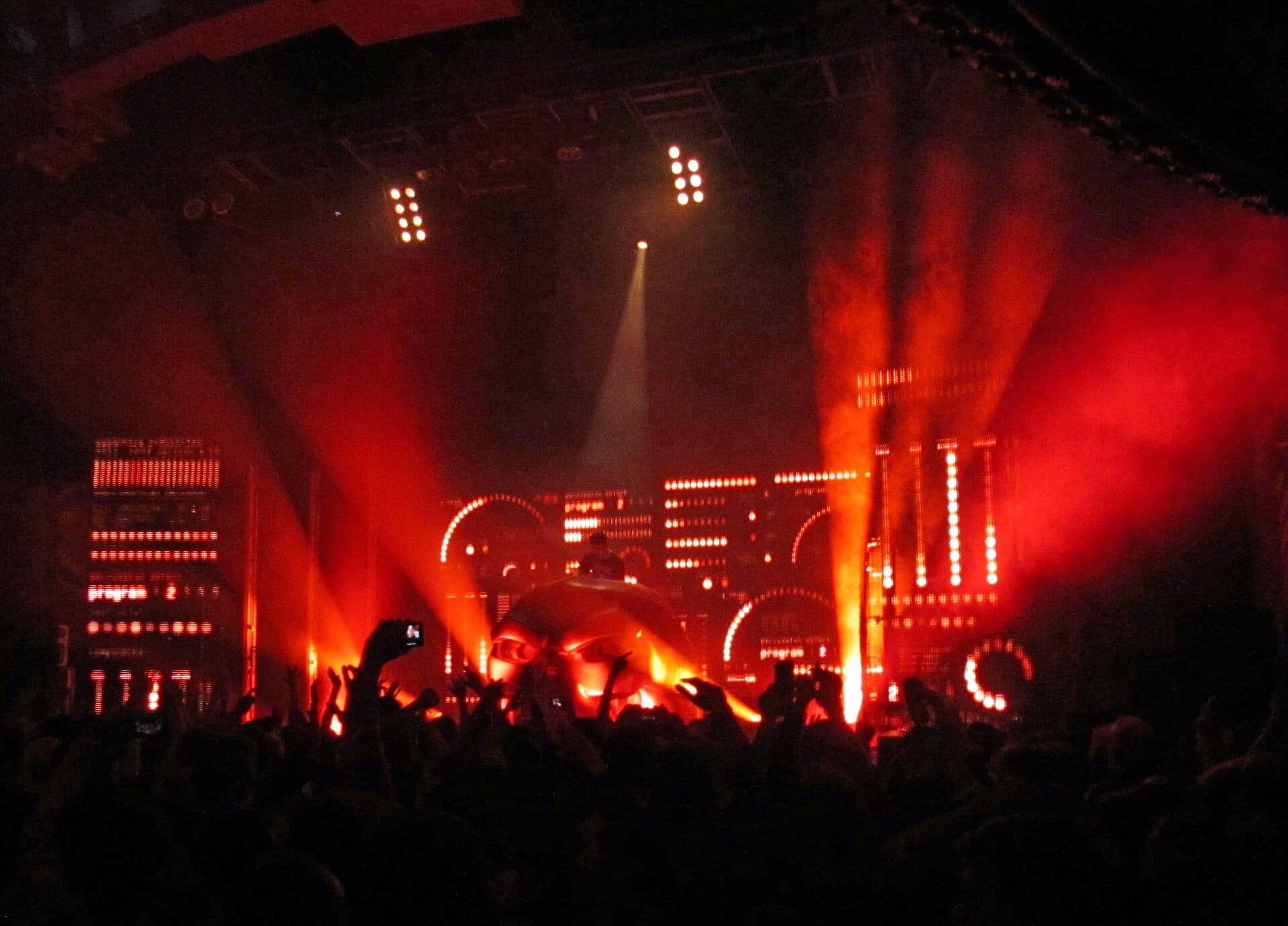
5. See Major Acts at House of Blues Chicago
Set inside the striking Marina City complex in River North, this venue hosts major touring acts across blues, R&B, rock, and hip-hop. The folk art decor and multi-level layout make it one of Chicago's most visually impressive concert spaces. The Sunday Gospel Brunch is a beloved tradition.
Explore5. See Major Acts at House of Blues Chicago
Set inside the striking Marina City complex in River North, this venue hosts major touring acts across blues, R&B, rock, and hip-hop. The folk art decor and multi-level layout make it one of Chicago's most visually impressive concert spaces. The Sunday Gospel Brunch is a beloved tradition.
Explore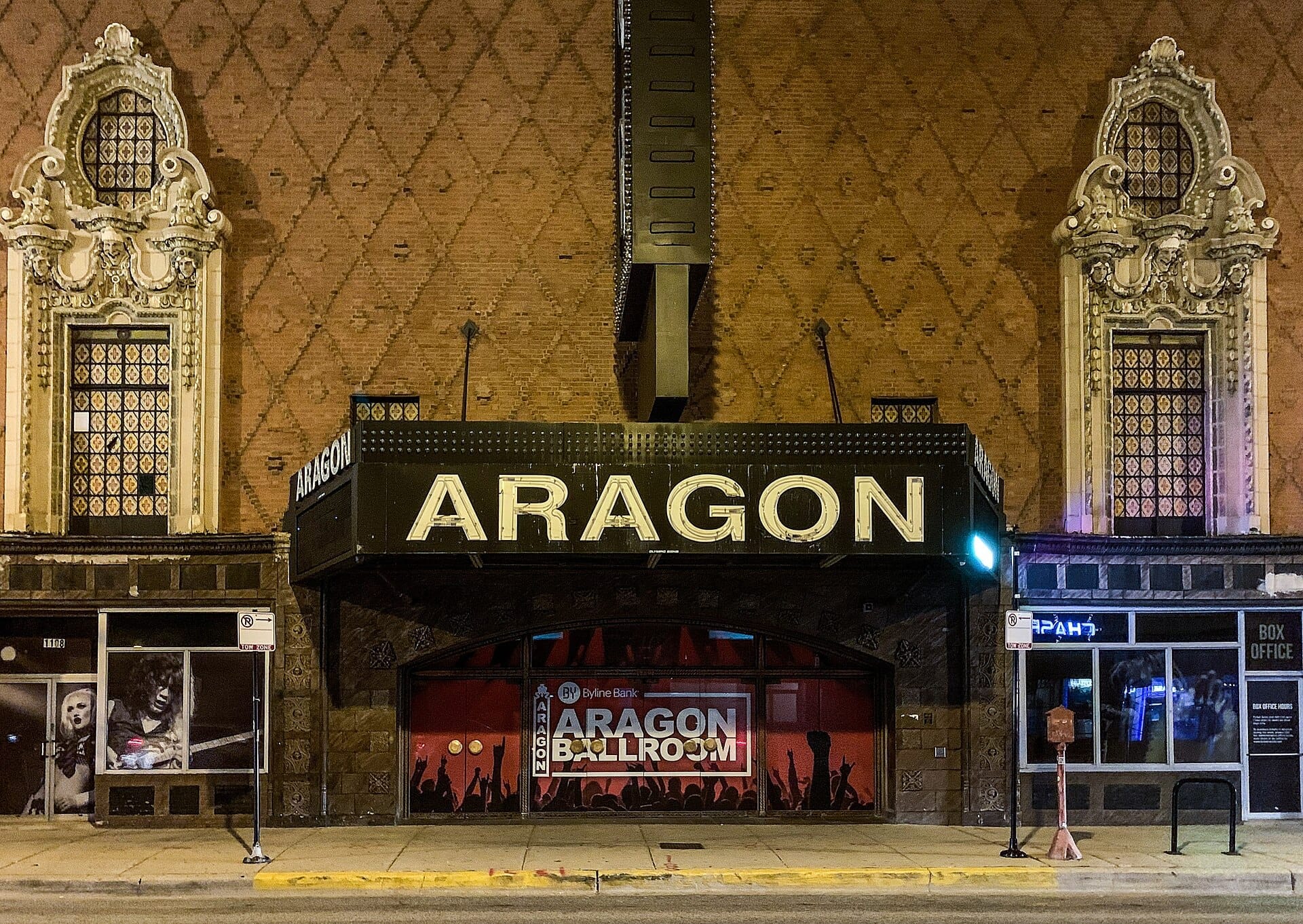
6. Experience the Grandeur of the Aragon Ballroom
Built in 1926 with a spectacular Moorish Revival interior, the Aragon Ballroom in Uptown hosted the big band and jazz legends of the 1930s and 40s. Today it books major touring acts across multiple genres. The ornate architecture alone makes it worth a visit.
Explore6. Experience the Grandeur of the Aragon Ballroom
Built in 1926 with a spectacular Moorish Revival interior, the Aragon Ballroom in Uptown hosted the big band and jazz legends of the 1930s and 40s. Today it books major touring acts across multiple genres. The ornate architecture alone makes it worth a visit.
ExploreFree Festivals & Outdoor Music
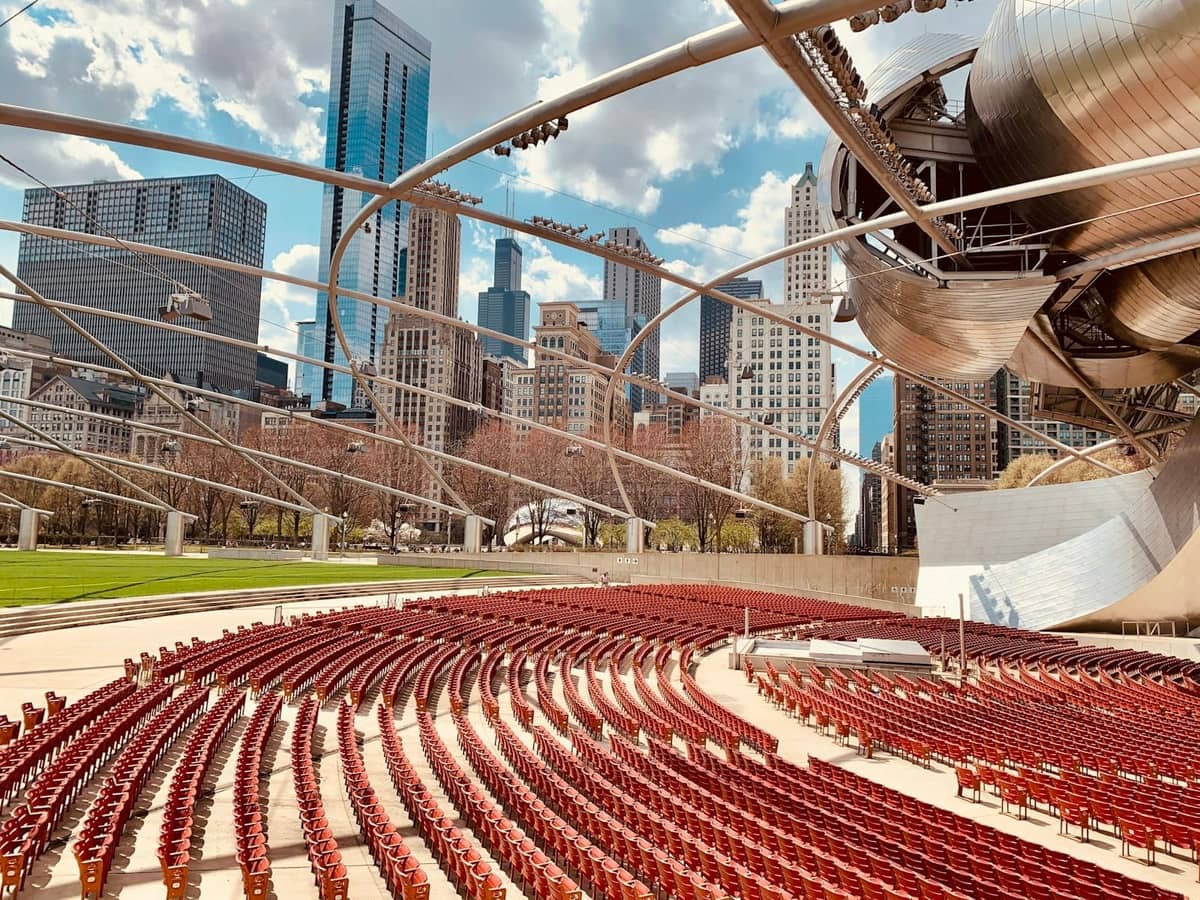
Chicago's commitment to free public music is extraordinary. The city funds two of the world's great blues and jazz festivals, primarily centered in Millennium Park, and the free things to do in Chicago guide has more on no-cost cultural experiences across the city.
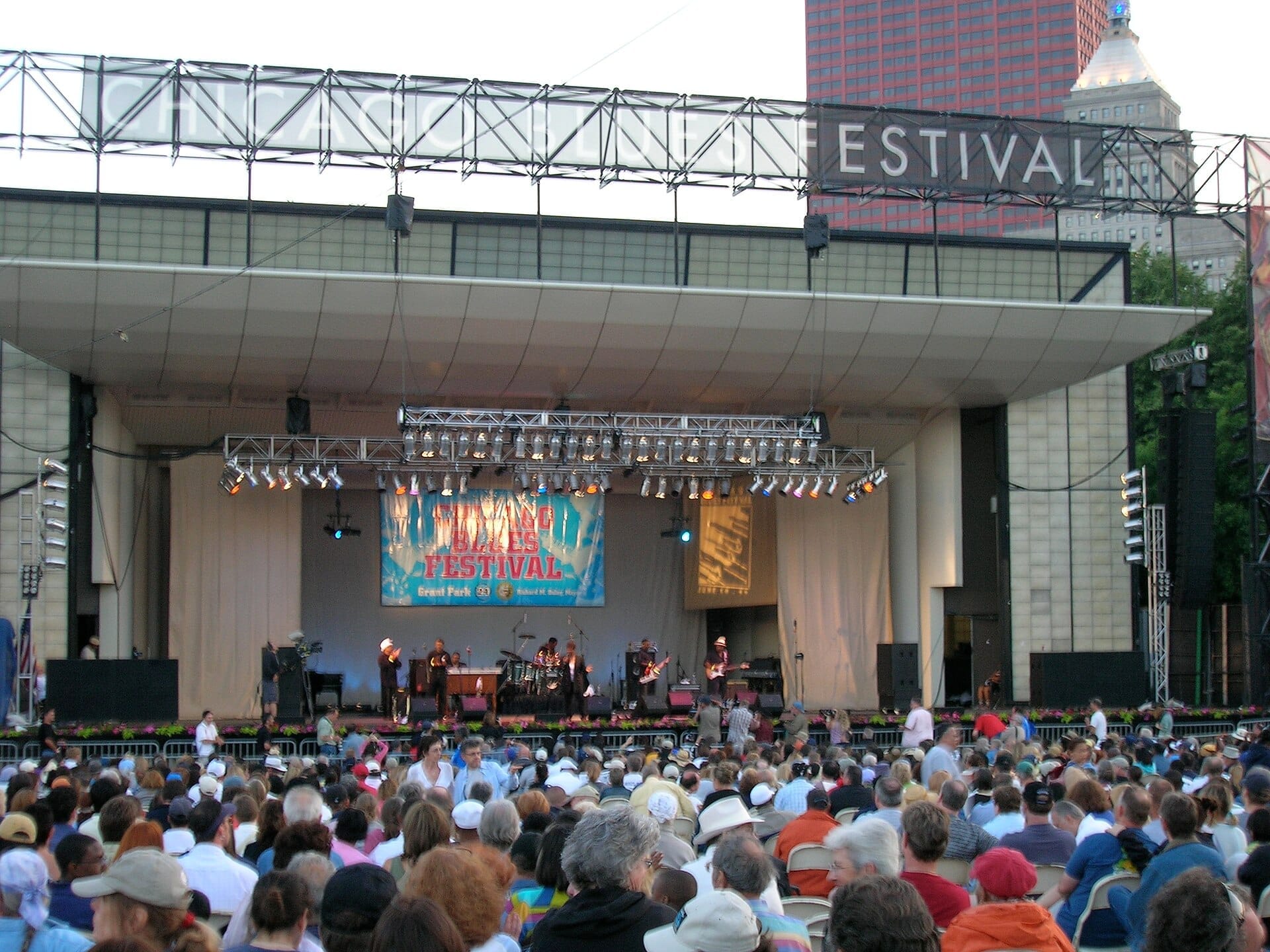
7. Attend the World's Largest Free Blues Festival
Held each June in Millennium Park and Grant Park, the Chicago Blues Festival is the largest free blues event on the planet. Multiple stages run simultaneously, featuring legends and rising artists. It's a deeply moving celebration of Chicago's most important musical contribution.
Explore7. Attend the World's Largest Free Blues Festival
Held each June in Millennium Park and Grant Park, the Chicago Blues Festival is the largest free blues event on the planet. Multiple stages run simultaneously, featuring legends and rising artists. It's a deeply moving celebration of Chicago's most important musical contribution.
Explore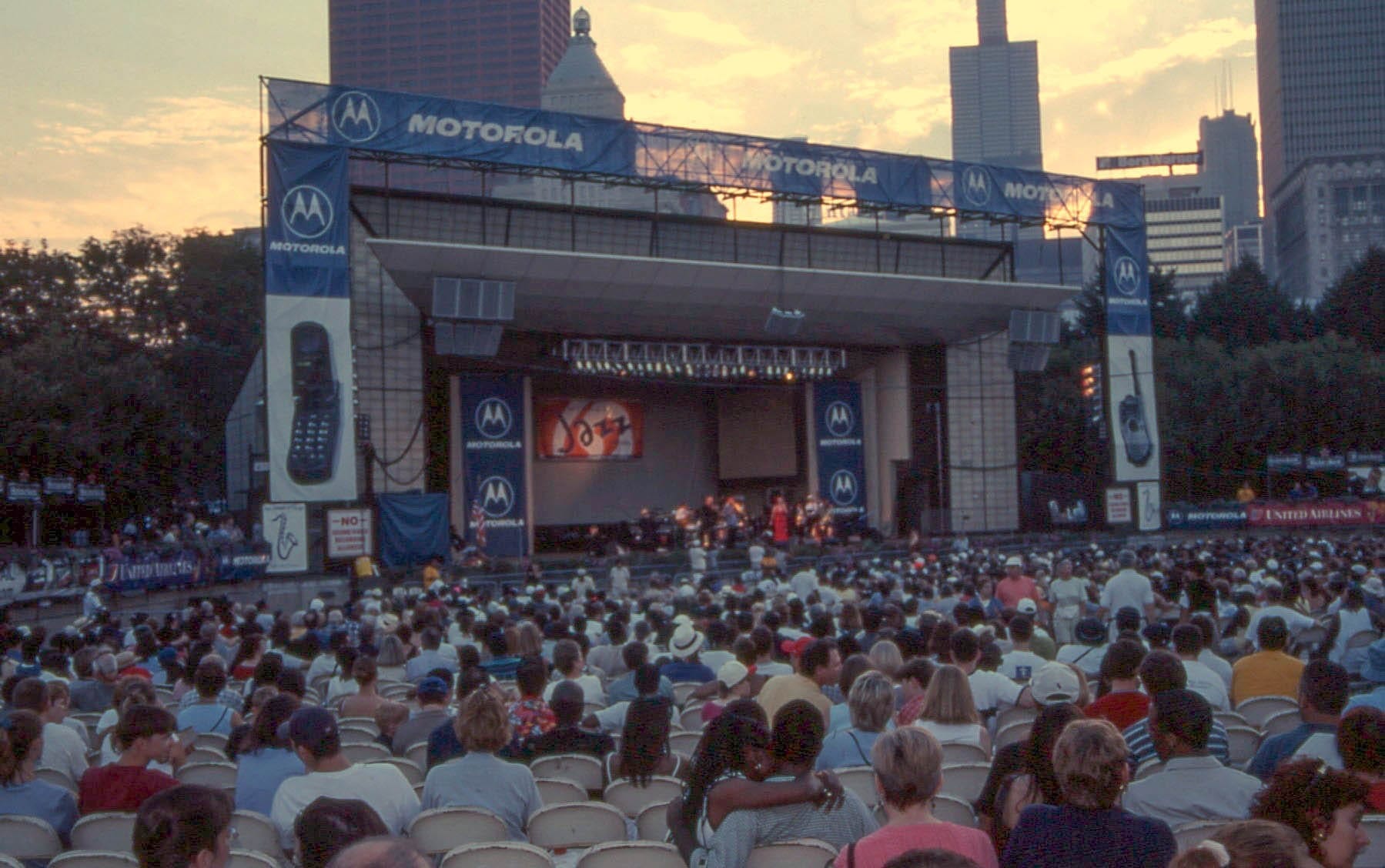
8. Close Out Summer at the Chicago Jazz Festival
The free Chicago Jazz Festival each Labor Day weekend is one of the premier jazz events in the United States, held across Millennium Park and the Chicago Cultural Center. It draws world-class performers and marks a fitting end to Chicago's summer festival season.
Explore8. Close Out Summer at the Chicago Jazz Festival
The free Chicago Jazz Festival each Labor Day weekend is one of the premier jazz events in the United States, held across Millennium Park and the Chicago Cultural Center. It draws world-class performers and marks a fitting end to Chicago's summer festival season.
Explore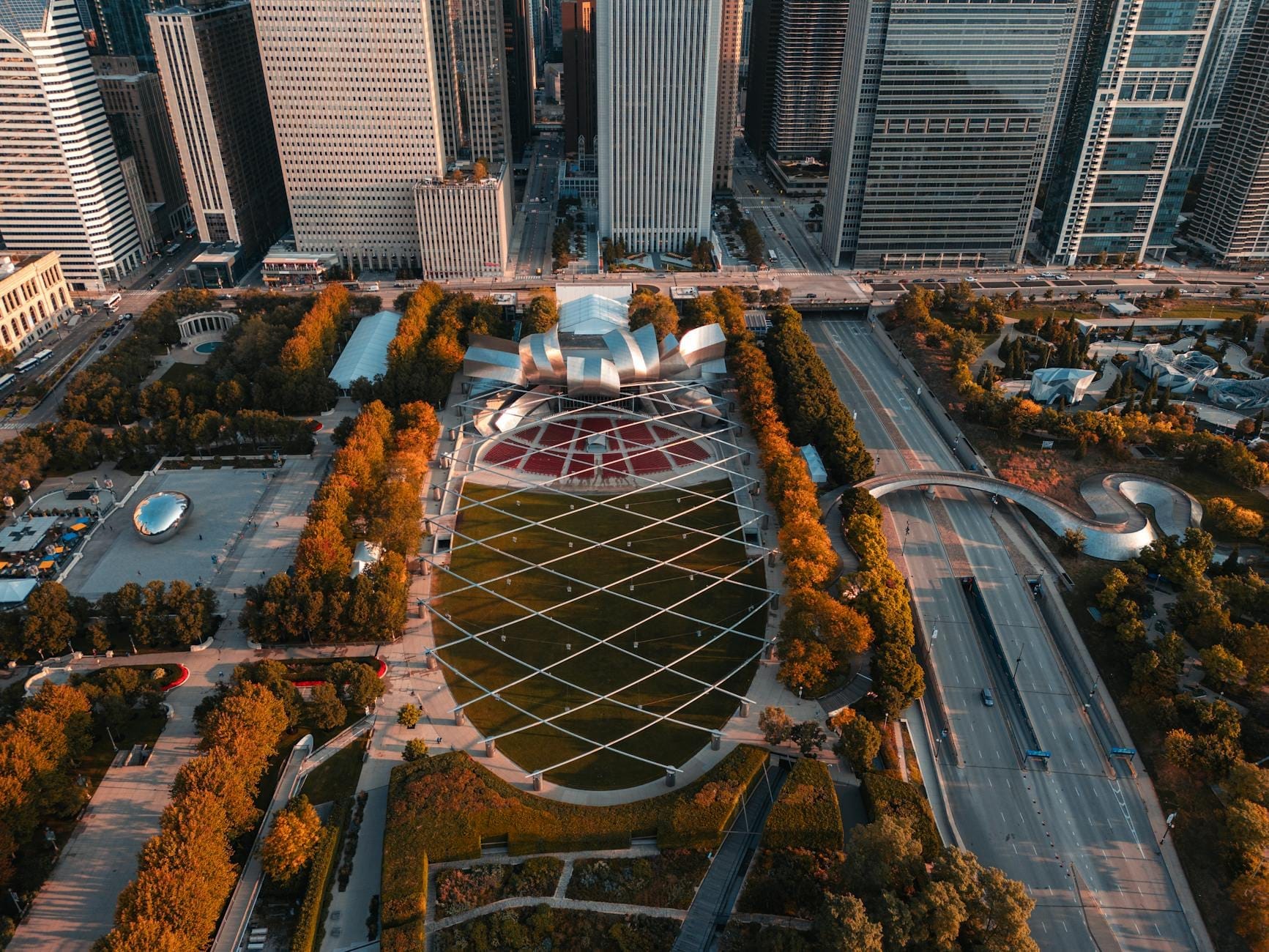
9. Catch Free Summer Concerts at Jay Pritzker Pavilion
Frank Gehry's stainless steel band shell in Millennium Park hosts the Blues and Jazz Festivals plus a full summer concert series, all free on the Great Lawn. The trellis speaker system delivers near-indoor sound quality even far from the stage. Bring a blanket and arrive early for lawn space.
Explore9. Catch Free Summer Concerts at Jay Pritzker Pavilion
Frank Gehry's stainless steel band shell in Millennium Park hosts the Blues and Jazz Festivals plus a full summer concert series, all free on the Great Lawn. The trellis speaker system delivers near-indoor sound quality even far from the stage. Bring a blanket and arrive early for lawn space.
Explore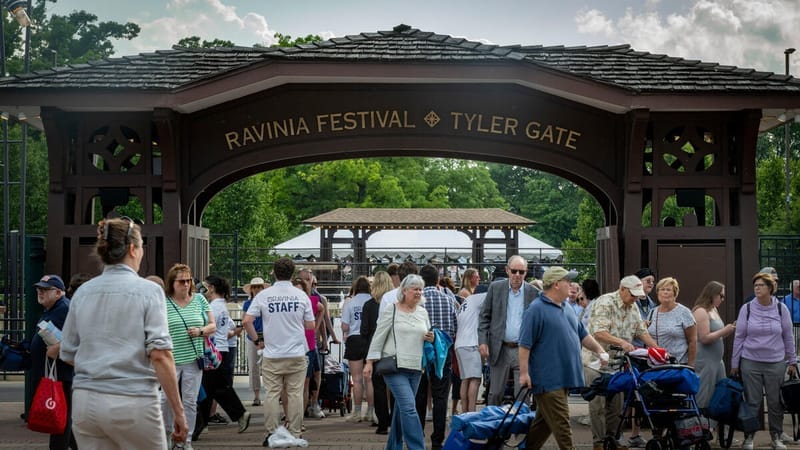
10. Picnic Under the Stars at Ravinia Festival
The oldest outdoor music festival in North America, held in Highland Park from June through September, regularly books top jazz artists alongside the Chicago Symphony Orchestra. Bringing a gourmet picnic to the lawn and watching the stars is the quintessential Chicago summer evening ritual.
Explore10. Picnic Under the Stars at Ravinia Festival
The oldest outdoor music festival in North America, held in Highland Park from June through September, regularly books top jazz artists alongside the Chicago Symphony Orchestra. Bringing a gourmet picnic to the lawn and watching the stars is the quintessential Chicago summer evening ritual.
ExploreMusic History & Context
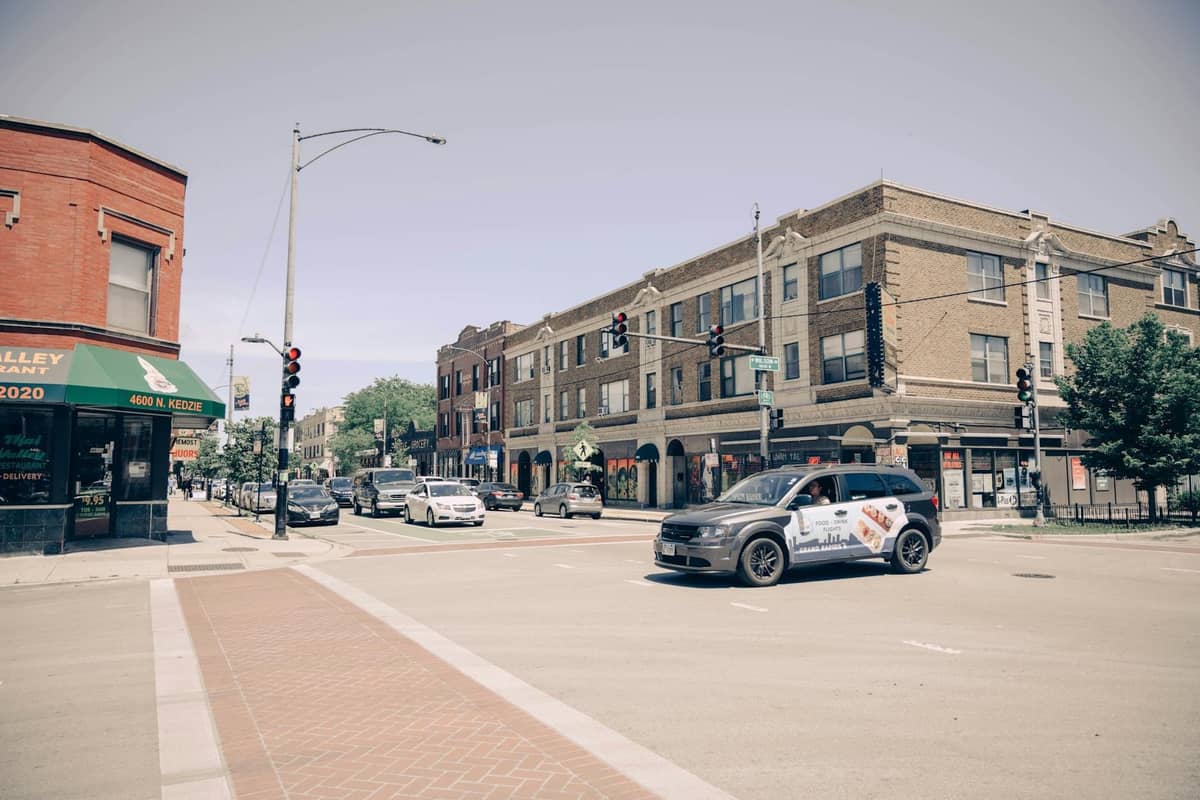
Understanding where Chicago's blues and jazz came from deepens the experience of hearing it live. The city's African American South Side neighborhoods, the Great Migration from the Deep South, and venues like the Aragon were all essential to shaping the sound. The Chicago neighborhoods guide provides useful context on the South Side communities central to this history.
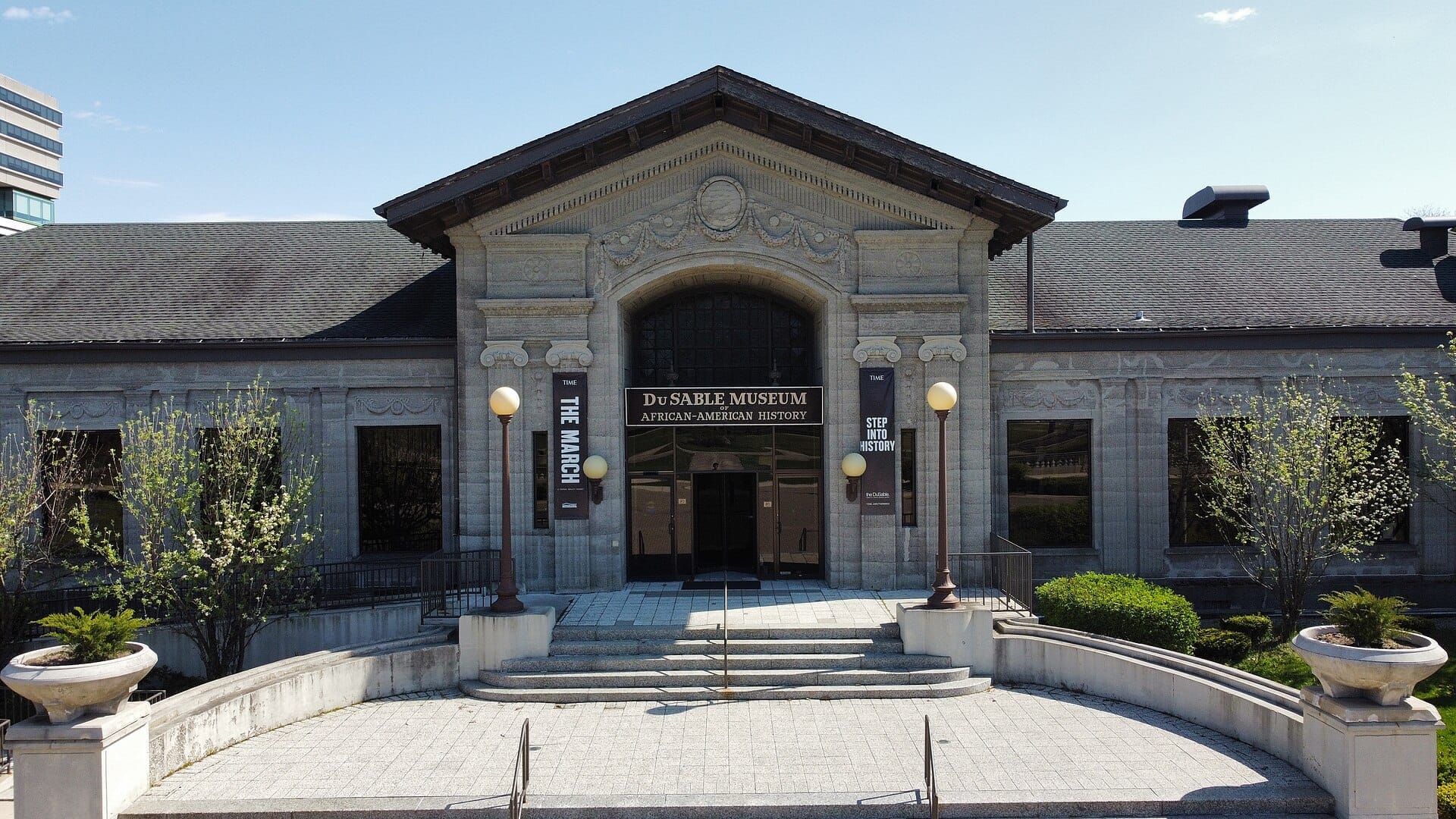
11. Understand the Roots of Chicago Blues at DuSable Museum
One of the oldest Black history museums in the US, the DuSable Museum documents the Great Migration and African American cultural life in Chicago, providing essential context for understanding how the blues and jazz scenes developed on the South Side. It's a profoundly moving visit.
Explore11. Understand the Roots of Chicago Blues at DuSable Museum
One of the oldest Black history museums in the US, the DuSable Museum documents the Great Migration and African American cultural life in Chicago, providing essential context for understanding how the blues and jazz scenes developed on the South Side. It's a profoundly moving visit.
Explore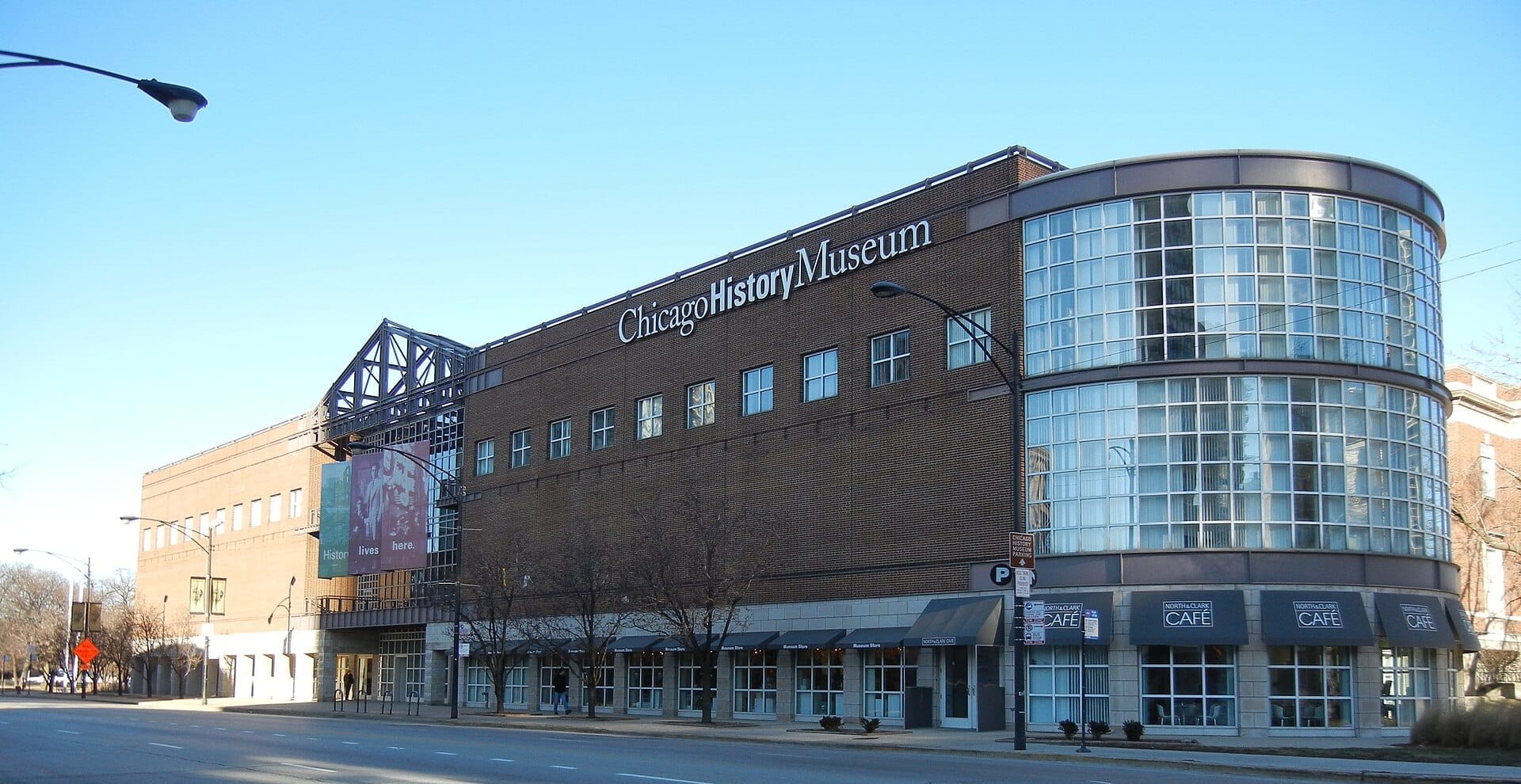
12. Trace Chicago's Music Heritage at the Chicago History Museum
The Chicago History Museum covers the city's cultural history from the 1871 fire through the civil rights era, with exhibits that touch on the jazz age, the blues migration, and Chicago's role in shaping American popular music. Located in Lincoln Park, it's worth a visit before your first club night.
Explore12. Trace Chicago's Music Heritage at the Chicago History Museum
The Chicago History Museum covers the city's cultural history from the 1871 fire through the civil rights era, with exhibits that touch on the jazz age, the blues migration, and Chicago's role in shaping American popular music. Located in Lincoln Park, it's worth a visit before your first club night.
Explore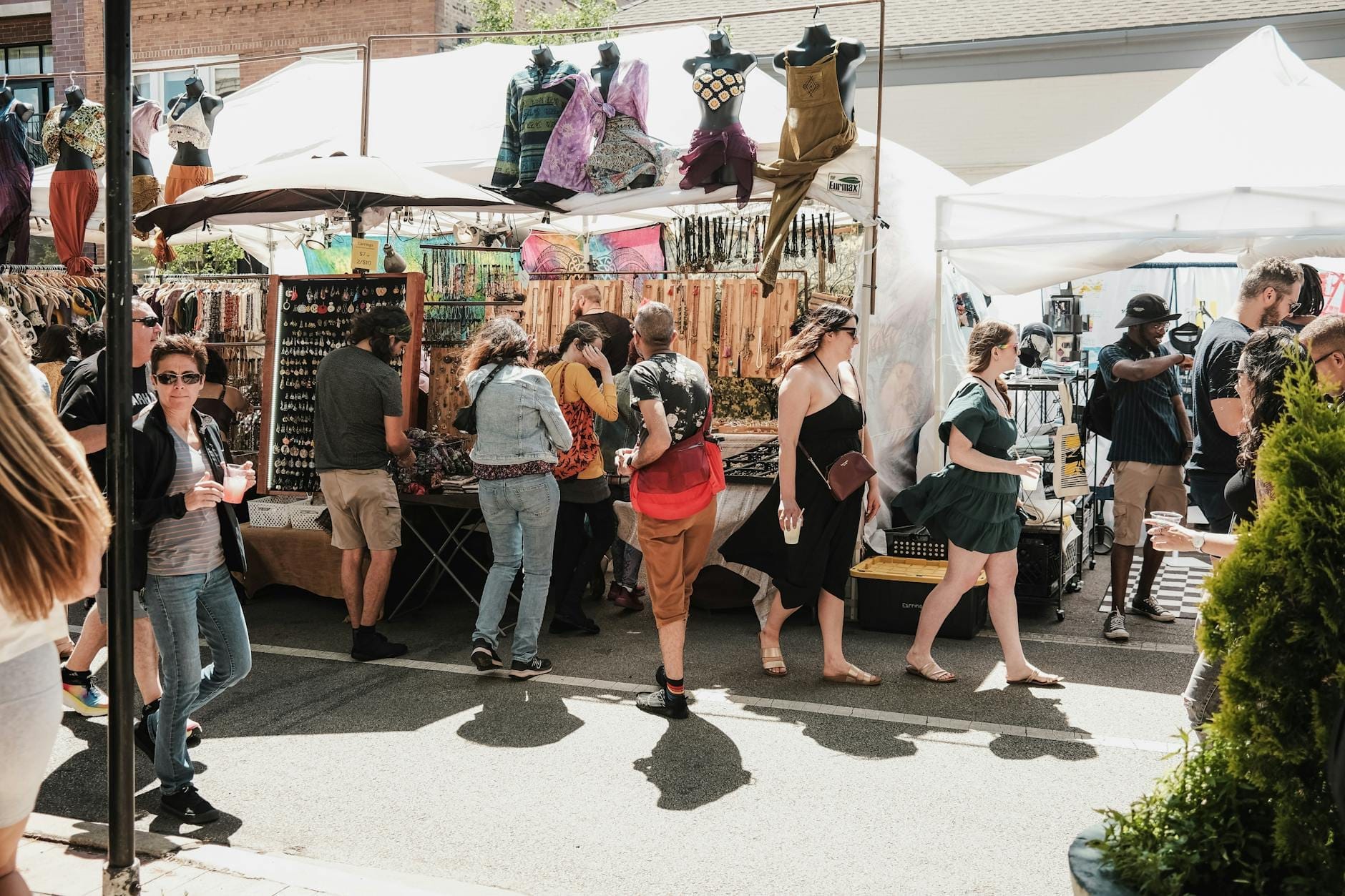
13. Walk the Ground Where Chicago Blues Was Born at Maxwell Street
The original Maxwell Street, now a Sunday open-air market near UIC, was where Delta blues musicians first played on Chicago sidewalks in the 1940s and 50s. Muddy Waters and Little Walter busked here. Today's market preserves some of that raw street energy in a sprawling bazaar of vintage goods and street food.
Explore13. Walk the Ground Where Chicago Blues Was Born at Maxwell Street
The original Maxwell Street, now a Sunday open-air market near UIC, was where Delta blues musicians first played on Chicago sidewalks in the 1940s and 50s. Muddy Waters and Little Walter busked here. Today's market preserves some of that raw street energy in a sprawling bazaar of vintage goods and street food.
ExploreVenues Worth Visiting for the Space Alone
14. See Indie and Alt Acts in a Restored Bohemian Opera House
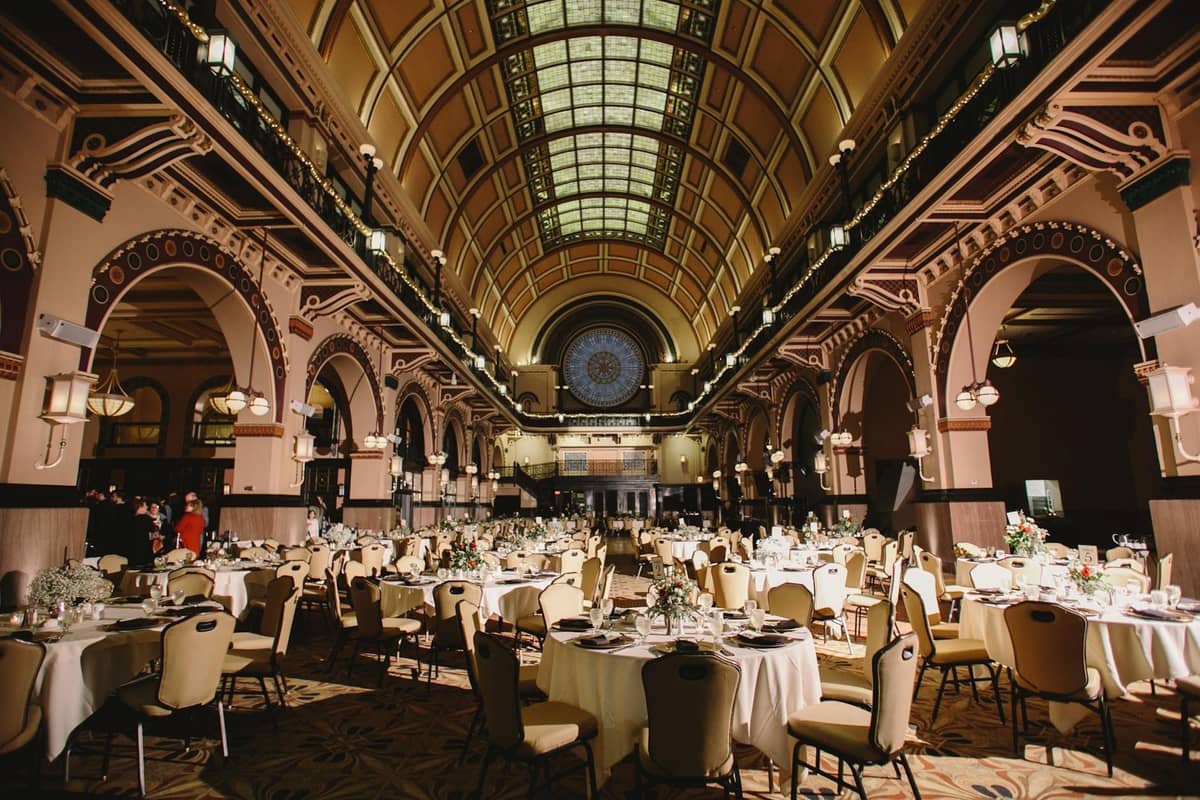
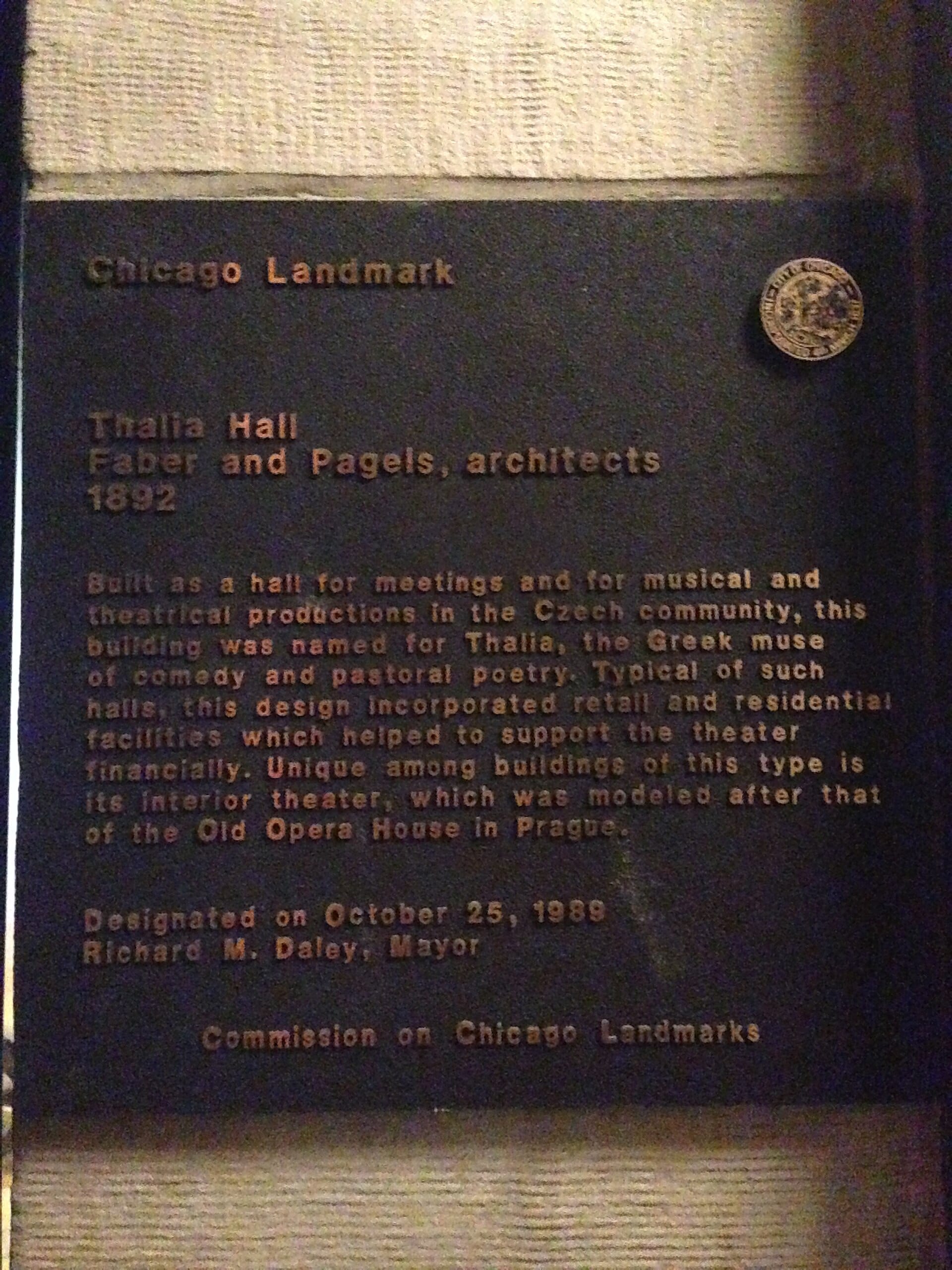
A lovingly restored 1892 Bohemian opera house in Pilsen, Thalia Hall books excellent indie, alternative, and occasionally jazz acts in a stunning space. The ground-floor bar and restaurant are excellent, and the intimate upper hall is one of the most beautiful mid-size rooms in Chicago.
Explore14. See Indie and Alt Acts in a Restored Bohemian Opera House
A lovingly restored 1892 Bohemian opera house in Pilsen, Thalia Hall books excellent indie, alternative, and occasionally jazz acts in a stunning space. The ground-floor bar and restaurant are excellent, and the intimate upper hall is one of the most beautiful mid-size rooms in Chicago.
Explore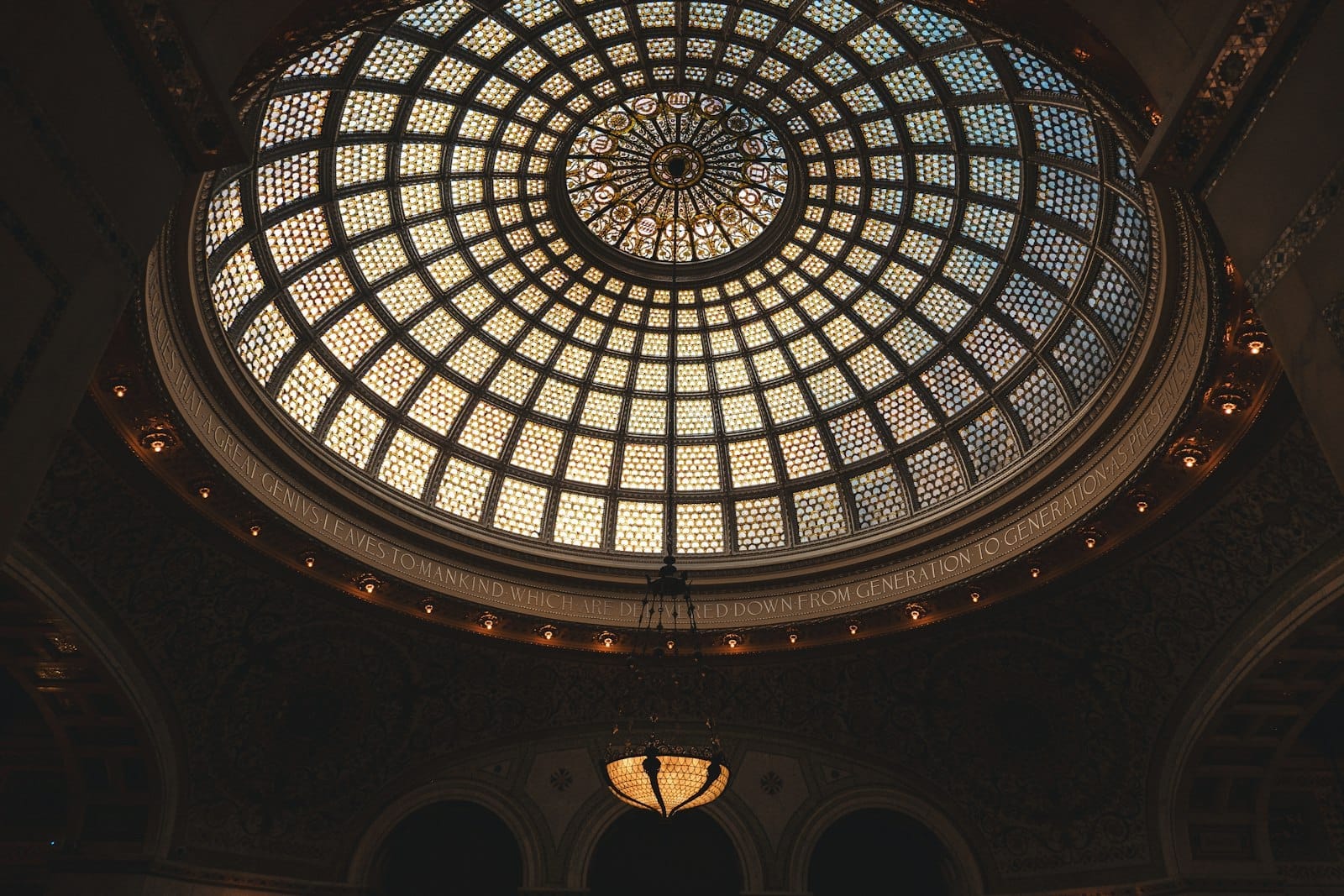
15. Catch Free Jazz Performances Beneath Tiffany Domes
The Chicago Cultural Center hosts free jazz and blues performances during the Chicago Jazz Festival and year-round as part of its cultural programming, all beneath two of the world's largest Tiffany stained-glass domes. The building itself is one of Chicago's most beautiful interiors.
Explore15. Catch Free Jazz Performances Beneath Tiffany Domes
The Chicago Cultural Center hosts free jazz and blues performances during the Chicago Jazz Festival and year-round as part of its cultural programming, all beneath two of the world's largest Tiffany stained-glass domes. The building itself is one of Chicago's most beautiful interiors.
Explore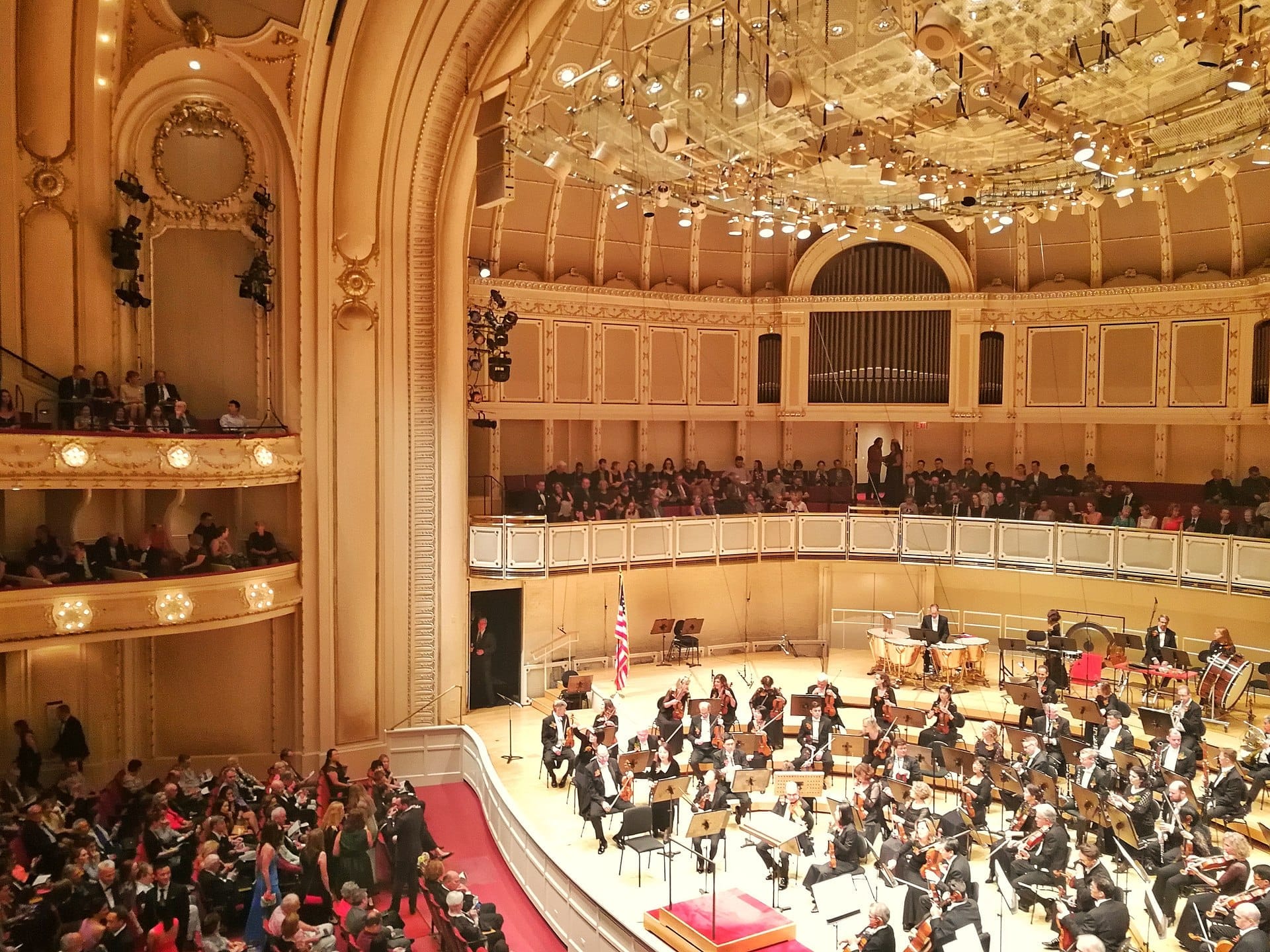
16. Hear Jazz Legends at the Chicago Symphony Center
Orchestra Hall hosts not only the Chicago Symphony Orchestra but also occasional world-class jazz programs in its intimate, acoustically perfect 1905 space. When major jazz artists perform here, it's among the best listening experiences the city offers. Check the calendar for the current season.
Explore16. Hear Jazz Legends at the Chicago Symphony Center
Orchestra Hall hosts not only the Chicago Symphony Orchestra but also occasional world-class jazz programs in its intimate, acoustically perfect 1905 space. When major jazz artists perform here, it's among the best listening experiences the city offers. Check the calendar for the current season.
ExploreFAQ
What is the best blues club in Chicago?
Buddy Guy's Legends in the South Loop is widely considered the top blues venue in Chicago and arguably the world, with live music seven nights a week and Buddy Guy himself often performing in January. Kingston Mines in Lincoln Park is the best choice if you want late-night blues running until 4am on weekends.
When is the Chicago Blues Festival?
The Chicago Blues Festival is held each June, typically over a long weekend, primarily in Millennium Park. It's entirely free to attend and is the world's largest free blues festival. Check the City of Chicago's Department of Cultural Affairs and Special Events website for exact dates each year.
Do Chicago blues clubs charge a cover even if you buy drinks?
Yes. Most dedicated blues and jazz clubs in Chicago charge a separate admission or cover charge in addition to any food and drink purchases. Andy's Jazz Club, for example, charges admission to all guests regardless of what you order. Cover charges typically range from $10 to $25 depending on the night and performer.
What neighborhood has the most live blues and jazz in Chicago?
Lincoln Park (Kingston Mines) and the South Loop (Buddy Guy's Legends) are two of the neighborhoods most associated with dedicated blues clubs. For jazz, Uptown (Green Mill Cocktail Lounge) is the historic heartland, while River North and the Loop offer more centrally located options like House of Blues and Jazz Showcase.
Can I see live blues or jazz in Chicago for free?
Yes. The Chicago Blues Festival in June and the Chicago Jazz Festival over Labor Day weekend are both entirely free, primarily held in Millennium Park. The Jay Pritzker Pavilion also hosts a free summer concert series that regularly includes jazz programming. The Chicago Cultural Center runs free music events year-round.