Buddy Guy's Legends: The Soul of Chicago Blues
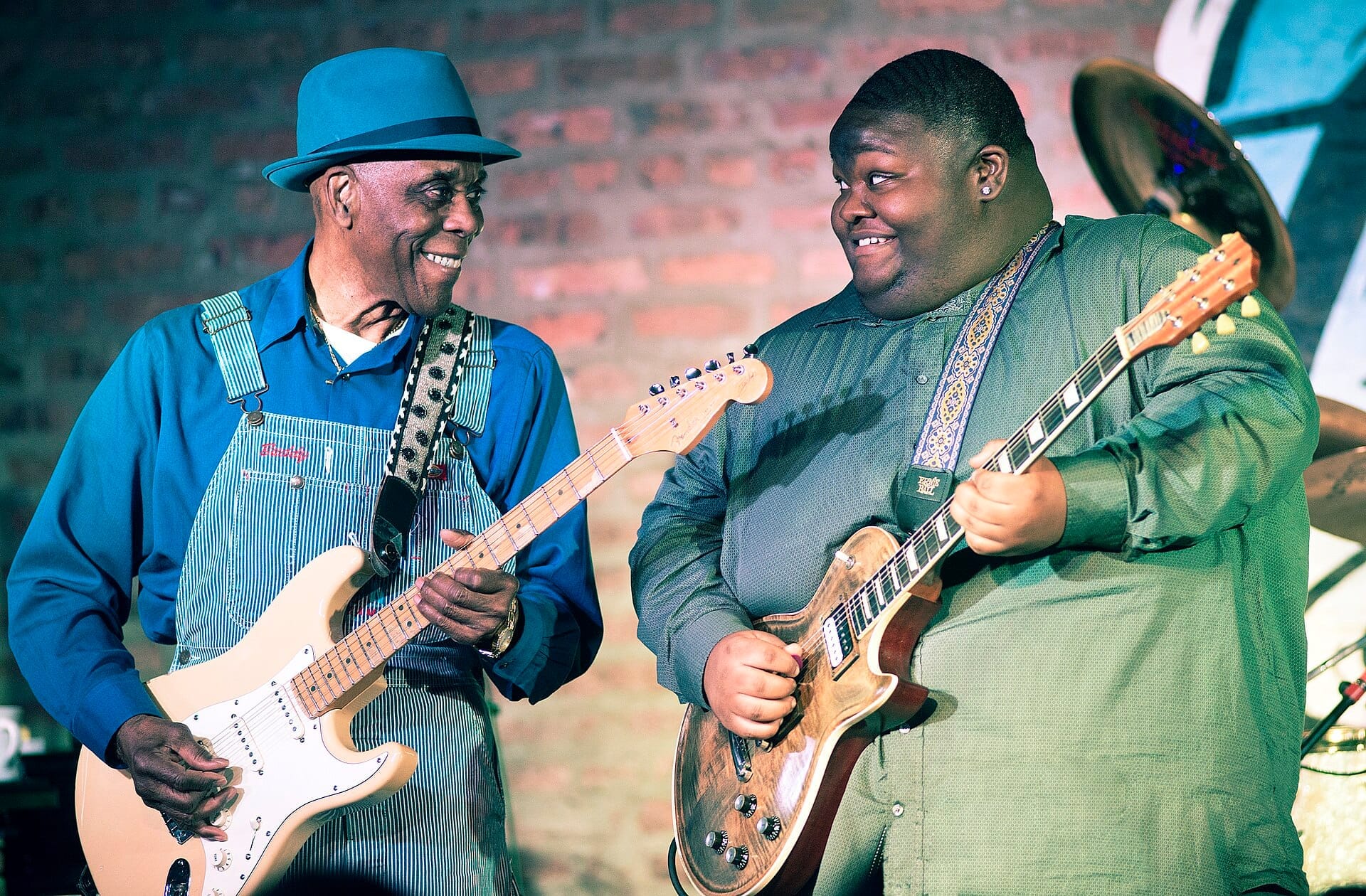
Opened in 1989 by the legendary guitarist himself, Buddy Guy's Legends on South Wabash Avenue is the city's most historically significant blues club. This is where raw Chicago blues plays out in real time, where the walls are covered in signed memorabilia, and where any given Tuesday night can turn into a master class in American music.
Quick Facts
- Location
- 700 S. Wabash Ave, South Loop, Chicago, IL 60605
- Getting There
- CTA Red/Green/Orange Line – Roosevelt station (short walk north); multiple bus routes on Wabash and Michigan Ave
- Time Needed
- 2–3 hours minimum for a full set; plan for a full evening if Buddy Guy is performing
- Cost
- Event-based ticketing; shows typically start around $20 USD plus fees. Check the official events calendar for current pricing.
- Best for
- Blues fans, live music lovers, visitors who want a genuine Chicago cultural experience
- Official website
- buddyguy.com
What Buddy Guy's Legends Actually Is
Buddy Guy's Legends is a blues club at 700 South Wabash Avenue in Chicago's South Loop, founded in June 1989 by guitarist Buddy Guy, a Rock and Roll Hall of Fame inductee and one of the defining figures in Chicago blues history. The club is not a tourist replica of the blues era. It is an active, working music venue where blues is performed most nights the doors are open, by both emerging local acts and established artists. Buddy Guy himself has been known to perform here in January, which has become an unofficial annual tradition.
The club moved from its original location at 754 South Wabash to its current address in 1999, gaining more space without losing the atmosphere. The interior is dense with signed guitars, framed photographs, concert posters, and memorabilia that trace not just Buddy Guy's career but the arc of the Chicago blues tradition. Walking in before a show, before the crowd fills in, it feels more like a living archive than a bar.
If you want broader context before your visit, the Chicago blues and jazz guide covers the musical heritage that makes venues like this so central to the city's identity.
The Experience: What You'll See, Hear, and Feel
The room is mid-sized but intimate by design. Rows of tables face a stage that sits low and close, giving most seats a direct sightline. The ceiling is hung with instruments. The walls are layered with decades of autographed memorabilia. When the lights drop and the first band begins, the sound hits you squarely: electric guitars cranked through tube amplifiers, a drummer pushing a pocket groove, a harmonica cutting through the mix. This is not background music.
Early in the evening, around the 5:00 PM opening, the space is noticeably quieter. The bar staff are restocking, a few regulars occupy the stools near the bar, and the stage is being set. This window is actually valuable: the memorabilia becomes legible without a crowd pressing around you, and the staff have time to talk. If you want to study the guitars on the wall or read the framed photographs without anyone in your way, arrive at opening.
By 8:00 PM on weekends the room fills quickly. The air gets warmer. Conversations at tables rise to compete with stage monitors. The crowd tends to be a genuine mix: out-of-town visitors, neighborhood regulars, music students, and older fans who have been coming for decades. By the time a headline act takes the stage, the energy is collective. People don't sit still.
⚠️ What to skip
Buddy Guy's Legends does not accept reservations. All seating is first-come, first-served. On nights with high-profile performers, the club can fill well before showtime. Arriving 30 to 45 minutes early is not excessive.
Tickets & tours
Hand-picked options from our booking partner. Prices are indicative; availability and final rates are confirmed when you complete your booking.
Go City | Chicago All-Inclusive Pass
From 127 €Instant confirmationFree cancellationiFLY Chicago Lincoln Park indoor skydiving experience
From 126 €Instant confirmationFree cancellationiFLY Chicago Rosemont indoor skydiving tickets
From 117 €Instant confirmationFree cancellationChicago lakefront neighbourhood bike tour
From 18 €Instant confirmationFree cancellation
Who Buddy Guy Is, and Why It Matters
Buddy Guy arrived in Chicago from Louisiana in 1957, during a period when the city's South Side was the epicenter of electric blues. He recorded for Chess Records, toured with the Rolling Stones, and directly influenced guitarists including Eric Clapton and Jimi Hendrix. His style, characterized by string-bending technique, unconventional amplification choices, and theatrical stage presence, helped define what Chicago blues became in the 1960s. The club bears his name because it is genuinely his project, not a brand license.
That context changes how the venue feels. The memorabilia on the walls is not decorative; it is biographical. A photograph of Guy with Muddy Waters or a guitar signed by Clapton carries weight in a room that was created by one of the people in those photographs.
For travelers planning a broader South Loop itinerary, the Museum Campus and South Loop neighborhood guide covers what else is in the area and how to structure a full day.
Practical Walkthrough: Getting There and Getting In
The club sits on South Wabash Avenue, a street that runs under the elevated CTA tracks. The Roosevelt station, served by the Red, Green, and Orange lines, is a short walk to the north. The walk from Roosevelt to the venue takes about 10 minutes on foot. Multiple bus routes serve the Michigan Avenue and Wabash corridors. By car, street parking and nearby garages are available, though weekend evenings in the South Loop can be competitive for spots.
The venue typically opens in the late afternoon or early evening on show nights, with hours varying by day and event. These hours are consistent but event-specific details, including performance start times and support acts, are best confirmed through the official events calendar at buddyguy.com before you visit. Ticket prices are event-based, with recent shows listed around $20 USD plus fees. There is no standing general admission price that applies to every night.
💡 Local tip
Check the events calendar before you go. The difference between a weeknight local act and a weekend headliner is significant, both in energy and in how early you'll need to arrive to get a good table.
The venue is in the South Loop, which is generally considered safe for evening visitors. The block on Wabash has decent foot traffic on show nights. Standard urban common sense applies: be aware of your surroundings when walking to and from transit late at night.
Photography, Acoustics, and What to Bring
The lighting inside is dim and atmospheric, which makes for atmospheric photography but challenging phone camera conditions. If you want clean shots of the memorabilia, the early-evening hour before the crowd arrives is your best window. During performances, flash photography is typically discouraged and the ambient light from the stage creates enough contrast for reasonable images if you're close enough.
The acoustics are tuned for live performance. The volume during a full band set is loud in the real sense of that word. If you are sensitive to amplified sound or attend with someone who is, earplugs are a reasonable thing to carry. The experience is diminished from the back of the room, so arrive early to secure a seat near the stage if sound quality matters to you.
Dress code is informal. Chicago blues has never required a jacket. Come in whatever you're wearing that day. The club serves food and drink; this is a full bar and kitchen, not just a music venue with a bar cart.
Honest Assessment: What This Place Is and Isn't
Buddy Guy's Legends is frequently listed in roundups of top Chicago attractions, which means it draws visitors who have no particular connection to blues music and are checking a box. That's fine. The venue handles mixed crowds without becoming generic. But the experience is significantly better if you arrive with some baseline knowledge of what Chicago blues is and why Buddy Guy's name on the door is meaningful.
This is not a polished dinner-theater production. The schedule changes, performers can run long or start late, and the room gets genuinely noisy. Travelers who prioritize a precisely timed, curated experience may find the unpredictability frustrating. Travelers who can settle into a table with a drink and let the night develop will likely leave with one of the more memorable experiences Chicago offers.
Visitors interested in exploring Chicago's live music scene more broadly might also consider the Green Mill Cocktail Lounge in Uptown, a jazz institution with its own deep history, as a complementary experience on a separate evening.
If your Chicago visit is centered around live music and culture, the Chicago nightlife guide offers a structured overview of the city's music venues, jazz clubs, and late-night options across neighborhoods.
Insider Tips
- January is Buddy Guy's birth month, and he traditionally performs a series of shows at the club during that period. These are among the most sought-after tickets in Chicago's music calendar. If your visit overlaps, plan around it.
- The tables closest to the stage fill first and stay full. Arriving 45 minutes before a listed performance time is not overcautious on a weekend; it is practical.
- The memorabilia on the walls is worth treating as its own exhibit. Give yourself 20 minutes before the show to walk the room slowly and read what's there. Instruments signed by Clapton, photographs with Muddy Waters, posters from Chess Records-era tours: context makes the live music hit differently.
- If you're visiting on a Wednesday or Thursday, the crowd is smaller, the staff more available, and the overall atmosphere is closer to a neighborhood club than a tourist attraction. Weekends are louder and more energetic but also more anonymous.
- The kitchen serves food during show hours. Eating at the venue rather than rushing a meal beforehand gives you a reason to arrive early and hold a table without feeling out of place before the music starts.
Who Is Buddy Guy's Legends For?
- Blues and roots music fans who want to experience the Chicago tradition in its most direct form
- Travelers building a music-focused Chicago itinerary who want one anchor evening at a historically significant venue
- Visitors who enjoy unpredictable, performer-driven live music experiences over scripted entertainment
- Anyone visiting in January who can catch Buddy Guy's annual residency performances
- Couples or small groups looking for an evening out that combines atmosphere, food, drink, and live music in a single space
Nearby Attractions
Other things to see while in Museum Campus & South Loop:
- Adler Planetarium
Opened in 1930 as the first planetarium in the Western Hemisphere, the Adler Planetarium combines immersive sky shows, serious astronomy collections, and one of the best unobstructed views of the Chicago skyline. Perched at the tip of a peninsula on Museum Campus, it rewards both science enthusiasts and casual visitors who stumble onto its lakefront terrace.
- Field Museum of Natural History
One of the largest natural history museums in the world, the Field Museum of Natural History sits at the heart of Chicago's Museum Campus with over 20 million specimens spanning ancient Egypt, dinosaur fossils, and indigenous cultures from every continent. Whether you have three hours or a full day, this guide helps you make the most of it.
- Glessner House Museum
The Glessner House Museum is a surviving residential commission by architect H.H. Richardson in Chicago, completed in 1887 and now a National Historic Landmark. Guided tours of the granite fortress on Prairie Avenue reveal one of the most thoughtfully designed domestic interiors in American architectural history.
- Northerly Island Park
Once an airfield, once a World's Fair site, Northerly Island Park is now 119.7 acres of restored prairie and savanna tucked onto a Lake Michigan peninsula steps from the Museum Campus. Entry is free, the trails are uncrowded, and the skyline views are genuinely hard to beat.