Chicago Nightlife & Live Music Guide: Best Bars, Clubs & Venues
Chicago's nightlife runs deep and wide, from century-old jazz clubs to basement punch bars in Pilsen. This guide maps the best venues by neighborhood, covers last-call logistics, and tells you where the locals actually drink.
Plan and book this trip
Tools from our partner Travelpayouts help you compare flights and hotels. If you book through them, we may earn a commission at no extra cost to you.
Flights
Hotels map
TL;DR
- Last call is 2 a.m. Sunday through Friday, 3 a.m. Saturday, with select venues licensed until 4 or 5 a.m.
- The best bars and live music venues are mostly in neighborhoods like Wicker Park, Logan Square, Uptown, and Pilsen, not the downtown Loop.
- Chicago's jazz scene is anchored by the Green Mill in Uptown, one of the most storied clubs in the country, with nightly live music.
- The CTA Red and Blue Lines run 24/7 on their full routes, making it genuinely easy to get home safely after a late night without a rideshare.
- Rooftop bars are seasonal, typically mid-May through September; always check current hours before heading out in shoulder months.
Understanding Chicago's Nightlife Geography
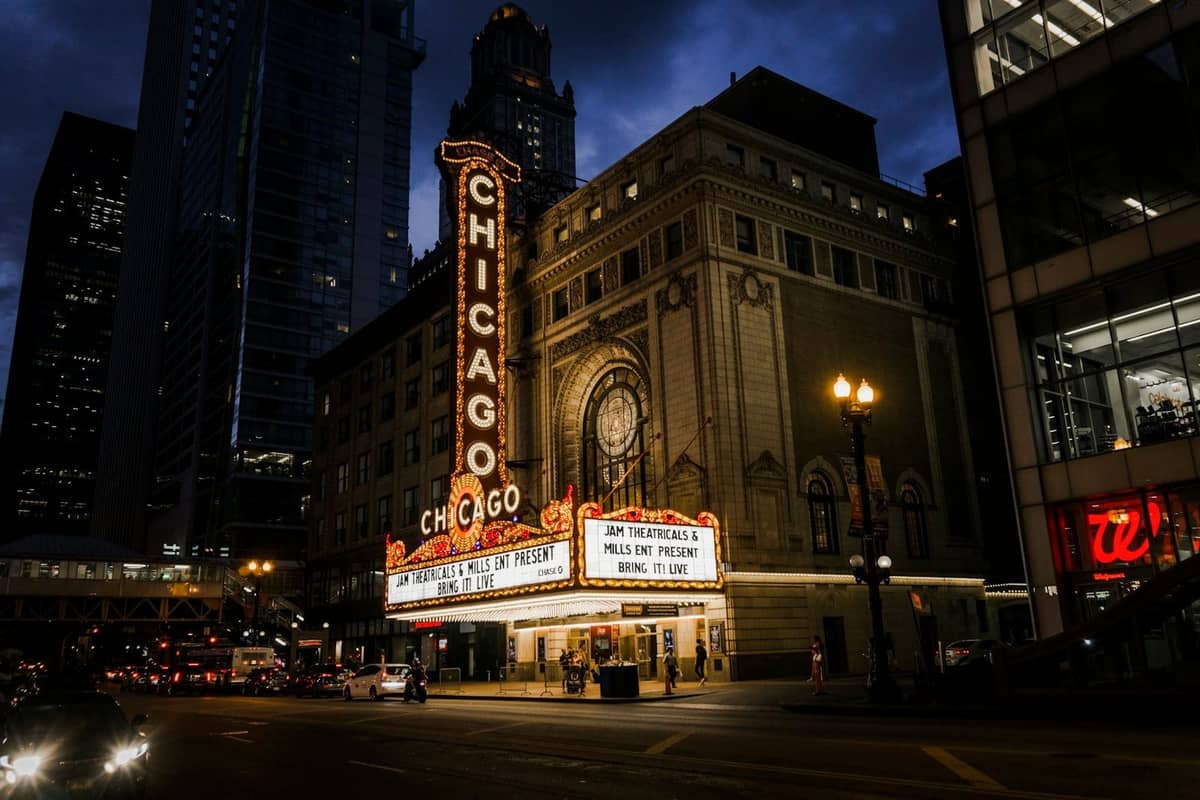
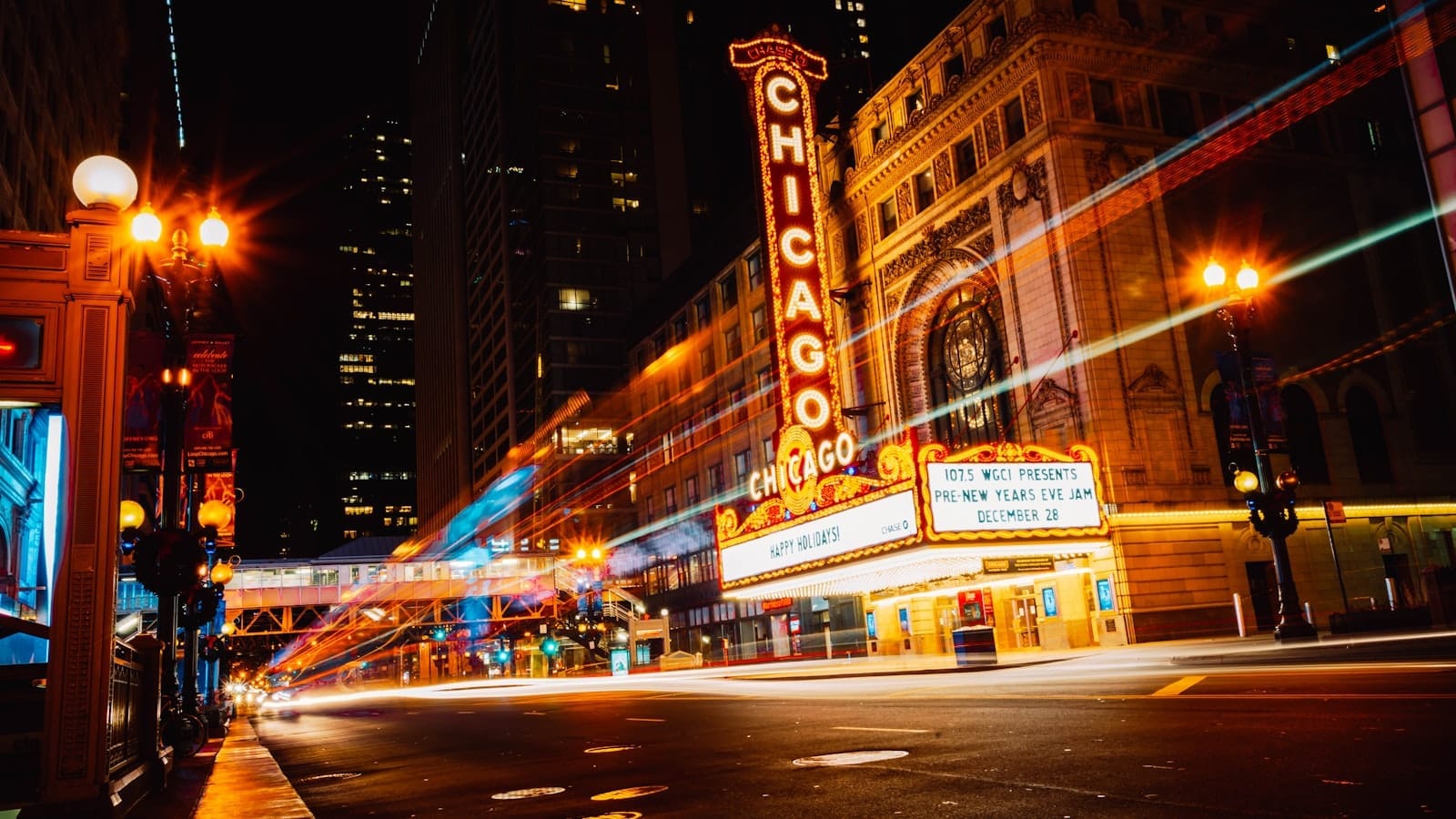
One of the most persistent misconceptions about Chicago nightlife is that it's centered downtown. The Loop quiets down after office hours, and most of the genuinely interesting drinking, dancing, and live music happens in the neighborhoods. The five main corridors are River North, the West Loop and Fulton Market, Wicker Park, Bucktown, and Logan Square, Lakeview (including Wrigleyville), and Uptown.
River North is the most tourist-accessible, with high-density bars and clubs within walking distance of many hotels. It's loud, crowded on weekends, and expensive, but it's also where you'll find some genuinely good cocktail programs alongside the mainstream club scene. The West Loop has evolved from meatpacking district to Chicago's most sophisticated dining-and-drinks corridor, with bars that pair naturally with the area's acclaimed restaurant scene.
If you're willing to take the Blue Line northwest or the Red Line north, you'll find a different Chicago entirely. Wicker Park has one of the highest concentrations of craft cocktail bars per block of any Chicago neighborhood. Logan Square has evolved into the city's indie music and natural wine heartland. Uptown holds the Green Mill, arguably the most important jazz room in the Midwest. Pilsen, further south, is where you find bars that feel genuinely local and entirely unpretentious.
💡 Local tip
Use the CTA 'L' for nightlife. The Red and Blue Lines run 24 hours on their full routes, which means you can get from Wicker Park to Uptown to the South Loop by train, even at 3 a.m. Rideshare surge pricing after 2 a.m. on weekends is significant, often $40-60 for trips that cost $15 at 10 p.m.
Jazz, Blues, and Live Music Venues Worth Your Time
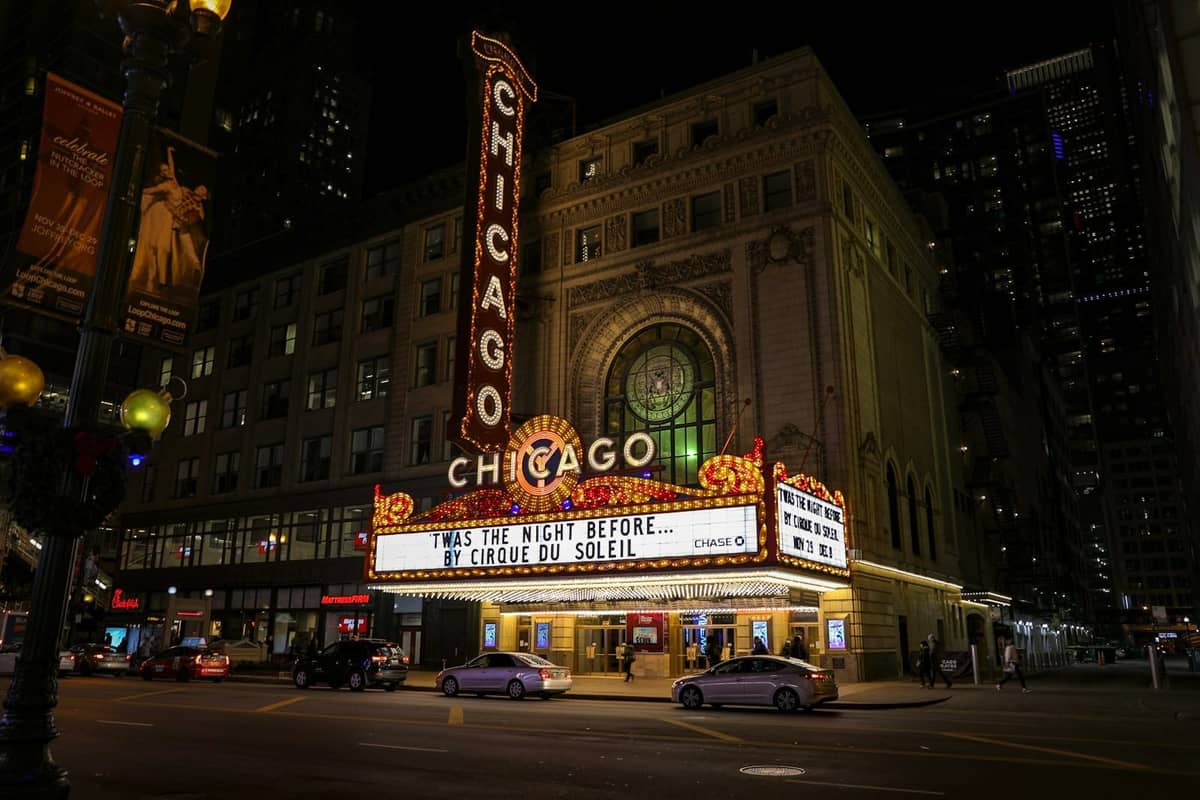
Chicago's contribution to American music is foundational, and the city still takes live music seriously. The Green Mill Cocktail Lounge on Broadway in Uptown is the place to start. Open since 1914, with a history that includes Al Capone's back booth and decades of jazz residencies, it has live music every night of the week. Cover runs roughly $10-20 cash at the door depending on the act. The bar is cash-only, there are no reservations, and the booths fill up fast on weekends. Arriving by 9 p.m. gives you a reasonable chance at a seat.
Winter's Jazz Club near River East is the more polished alternative: reserved seating, better sightlines, and a calendar that books internationally recognized artists. Tickets typically run $20-35 depending on the performance, and reservations are essential. It draws a more mixed crowd than the Green Mill, but the booking quality is consistently high.
For blues specifically, Buddy Guy's Legends in the South Loop is the most famous room in the city, though it skews heavily toward tourists. Kingston Mines in Lincoln Park is the more authentic option: two stages running simultaneously until 4 a.m. on weekends, with no set end time and a rotating cast of Chicago blues musicians. It's not glamorous, but it's the real thing. Jazz Showcase, now in the South Loop neighborhood, is a seated listening room that has been presenting jazz in Chicago since 1947.
- Green Mill Cocktail Lounge (Uptown) Nightly jazz, cash bar, no reservations. Cover $10-20. Arrive early on weekends. The Sunday night Uptown Poetry Slam is a Chicago institution.
- Winter's Jazz Club (River East) Reserved seating, high-caliber bookings, tickets $20-35. Best for a planned evening rather than a spontaneous stop.
- Kingston Mines (Lincoln Park) Two-stage blues club open until 4-5 a.m. on weekends. Unpretentious, loud, and genuinely local. Cover charge applies.
- Buddy Guy's Legends (South Loop) The most famous blues room in Chicago, with a tourist-heavy crowd. Worth it if Buddy Guy himself is performing; otherwise, Kingston Mines delivers more atmosphere.
- Jazz Showcase (Pilsen) Serious listening room with seated concerts. One of the oldest continuously operating jazz venues in the U.S. Check the calendar for weekend late sets.
⚠️ What to skip
Several high-profile music venues like the House of Blues and Aragon Ballroom are excellent for ticketed concerts but function as event spaces, not drop-in bars. Check their calendars before building a night around them. On non-show nights, they're simply closed.
Craft Cocktails: Chicago's Strongest Category
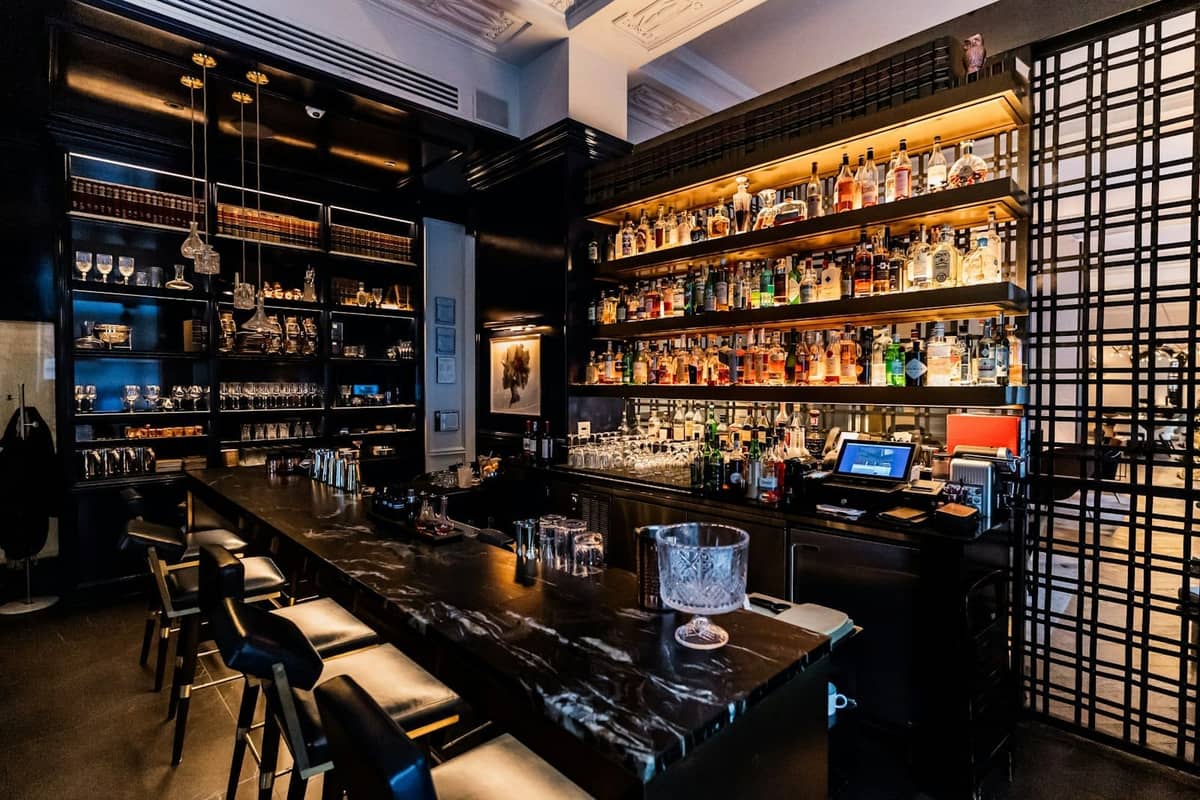
Chicago ranks among the world's strongest cities for craft cocktails, and has done so consistently since the mid-2000s. The city's bartenders tend toward technical precision and serious ingredient sourcing rather than novelty gimmicks, and several Chicago bars have placed on international best-bar lists over the years.
The Violet Hour in Wicker Park is the benchmark. It opened in 2007 and essentially established what Chicago craft cocktails would look like for the next decade. The space is cathedral-quiet by design, there's a house policy (no large groups, cell phone use discouraged at the bar), and cocktails run around $16-20. Reservations are strongly recommended. It's not the place for a casual round of drinks, but for a deliberate, unhurried cocktail experience, it remains the standard.
Longman and Eagle in Logan Square is the antidote: a genuinely unpretentious whiskey-forward tavern with an extensive list of American whiskeys and a bar you can usually walk into. Cocktails run $14-16. It also has rooms upstairs, which means it stays open late and draws a crowd that actually lives in the neighborhood. Broken Shaker at the Freehand Hotel brings a seasonal, produce-driven approach to cocktails in a more social setting, with drinks around $15-18 and an indoor-outdoor setup that works well in warm months.
For something genuinely unusual, Punch House in Pilsen is a basement bar entirely dedicated to punch: both large-format bowls for sharing and single-serve versions built from historic recipes and original formulations. Reservations via Tock are advisable on weekends. It's one of the most specific drinking experiences in the city.
Rooftop Bars and Hotel Lounges
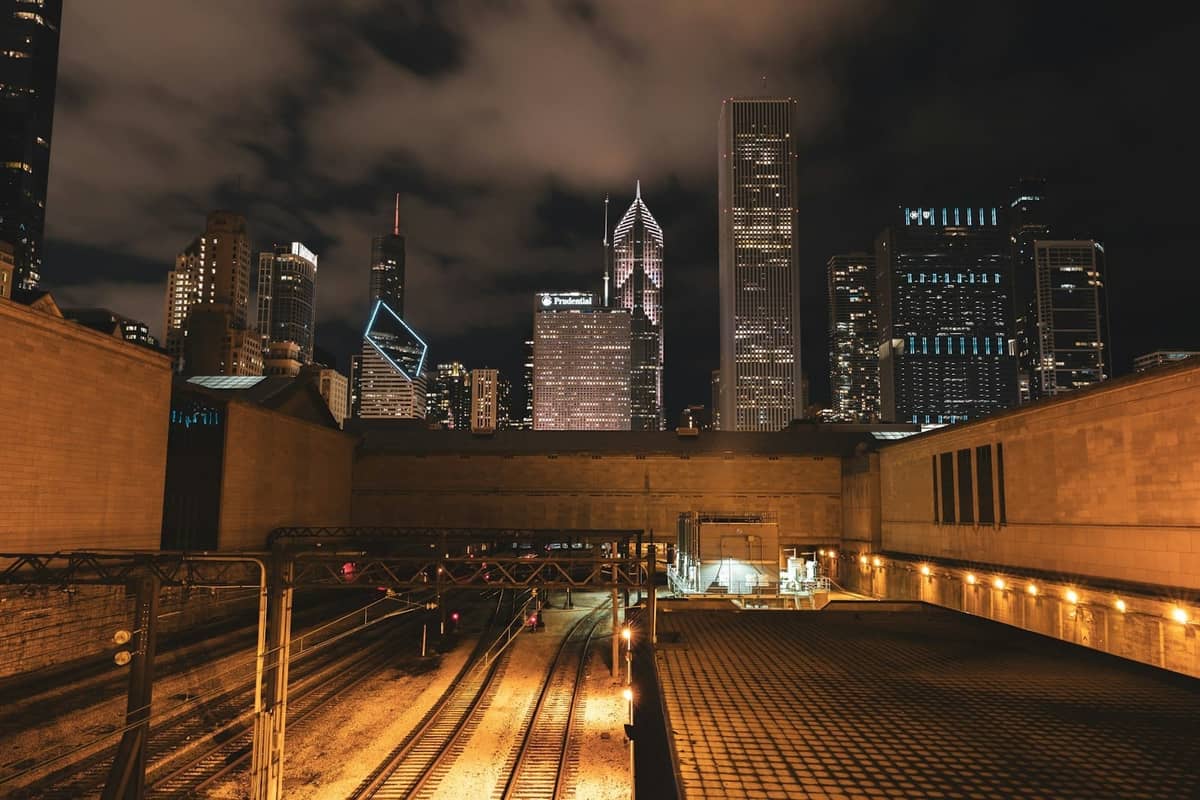
Chicago's rooftop bar scene is real but seasonal. Most rooftop venues open around late April or May and close or shift to indoor-only service by October, sometimes sooner if the weather turns. Always check day-of hours in shoulder seasons; a cold snap in September will close rooftops without notice.
Cindy's at the Chicago Athletic Association Hotel overlooks Millennium Park from the seventh floor, which makes it one of the better perches in the city. Table reservations are strongly recommended and can be made online. The drinks are solid without being exceptional, and the view carries a lot of the weight. The same hotel also has the Milk Room, a micro-bar that seats eight people and focuses on rare spirits, operating on a prepaid reservation system. It's a very different experience from Cindy's: intimate, quiet, and expensive.
The Cabana Club at The Robey in Wicker Park offers 180-degree skyline views from the roof of a converted 1920s clock tower building. Hotel guests get priority access; walk-ins are welcome as capacity allows on slower nights but can face waits on weekends. It's a better bet for a weeknight in June than a Saturday in July.
✨ Pro tip
The Signature Lounge on the 96th floor of 875 North Michigan Avenue closed permanently in 2023. For skyline views today, seasonal rooftop bars (May–October) or a ticketed visit to 360 CHICAGO on the 94th floor are the practical alternatives — check current hours and pricing before you go.
Neighborhood Bars Worth Knowing
Not every good night out involves craft cocktails and reservation systems. Chicago has a strong culture of neighborhood taverns, many of them operating as community institutions rather than destination bars.
Maria's Packaged Goods and Community Bar in Bridgeport is the best example in the city: a hybrid liquor store and bar with an extensive rotating craft beer list, a genuinely local clientele, and none of the pretension that sometimes creeps into the Wicker Park corridor. It's about three miles south of the Loop, accessible via the Red Line to Sox-35th, and worth the trip if you want to understand what Chicago neighborhood drinking actually looks like. The broader Pilsen and Bridgeport area rewards evening exploration on its own terms.
Lakeview and Wrigleyville, covered in more detail in our Lakeview and Wrigleyville neighborhood guide, contain dozens of bars ranging from dive bars to sports-focused venues around Wrigley Field. The Boystown/Northalsted corridor along North Halsted Street is the center of Chicago's LGBTQ+ nightlife, with a mix of bars, dance clubs, and cabaret venues that operate well into the early morning hours. Most of these run weekend specials and have varying cover charges after 11 p.m.
- River North: Dense, accessible, tourist-friendly, and expensive. Good for a first night in the city or when staying nearby. Hubbard Inn is a reliable multi-level option with DJs and occasional live acts.
- West Loop / Fulton Market: Cocktail bars tied to the restaurant scene, generally higher quality and less crowded than River North. Better suited to evenings that start with dinner.
- Wicker Park / Bucktown: The craft cocktail heartland. The Violet Hour sets the tone, but the surrounding blocks hold a dozen strong options. The Blue Line Damen stop puts you right in the middle of it.
- Logan Square: Indie bars, natural wine spots, and music venues with a younger, neighborhood crowd. Longman and Eagle anchors the main boulevard.
- Uptown: Primarily worth visiting for the Green Mill, but the surrounding area on and near Broadway has other late-night options.
- Pilsen: Punch House and a handful of excellent local bars. Quieter, younger crowd, and significantly cheaper than downtown options.
Practical Nightlife Logistics
Chicago operates on Central Time (UTC-6 in winter, UTC-5 in summer). Bars that hold standard licenses close at 2 a.m. Sunday through Friday and 3 a.m. on Saturdays. A smaller number of venues hold late-hour licenses allowing service until 4 a.m. on weekdays or 5 a.m. on Saturdays. Kingston Mines and a handful of others operate in this category. Check getting around Chicago for full transit details, but the key nightlife-relevant fact is that the CTA Red Line (running north-south through the bar-heavy North Side) and Blue Line (running through Wicker Park and Logan Square toward O'Hare) operate 24 hours every day.
Tipping in Chicago bars follows standard U.S. practice: $1-2 per drink at a bar, 18-20% on a table tab. Chicago has a significant restaurant and bar tax, so expect your bill to look higher than the listed prices. Cover charges at live music venues are typically cash at the door, so carry small bills. Several of the city's best bars, including the Green Mill, are entirely cash-only.
Chicago summers bring outdoor festivals that effectively extend the nightlife calendar. The Chicago Blues Festival in June and the Chicago Jazz Festival in September are both free and held in Grant Park, drawing serious audiences and booking international acts. Ravinia Festival north of the city runs through the summer with late-evening concerts. For a full picture of what to do beyond the bars, the Chicago blues and jazz guide goes deeper into the musical history and the venues tied to it.
FAQ
What time do bars close in Chicago?
Standard bar closing time in Chicago is 2 a.m. Sunday through Friday and 3 a.m. on Saturday nights. Some venues hold late-hour licenses and can serve until 4 a.m. on weekdays or 5 a.m. on Saturdays. Kingston Mines is one of the best-known examples of a venue with extended hours.
Is Chicago nightlife mostly downtown?
No. The Loop (downtown) is relatively quiet after office hours. The best bars and live music venues are concentrated in neighborhoods: Wicker Park and Logan Square for cocktail bars and indie music, Uptown for jazz, Lakeview for sports bars and LGBTQ+ nightlife, and Pilsen for low-key, local bars. River North is the main tourist-facing nightlife corridor, but it's not where most Chicagoans go out.
How do I get home safely after a late night in Chicago?
The CTA Red and Blue Lines run 24 hours on their full routes, making late-night transit genuinely viable. Rideshare (Uber and Lyft) is widely available but surge pricing after 2 a.m. on weekends can be steep. Taxi cabs are also available, particularly in busier corridors. Walking alone late at night in unfamiliar neighborhoods is not recommended; stick to well-lit main streets or use transit.
What is the best jazz club in Chicago?
The Green Mill Cocktail Lounge in Uptown is the most historically significant and atmospheric jazz club in the city, with nightly live music and a cover of roughly $10-20 cash. Winter's Jazz Club near River East offers a more formal reserved-seat experience with stronger sight lines and higher-profile bookings. Jazz Showcase in the South Loop is the choice for serious listeners who want a seated, concert-style environment.
Are rooftop bars open year-round in Chicago?
Most rooftop bars in Chicago are seasonal, operating roughly from mid-May through September or early October. Cold snaps can cause temporary closures in shoulder months. Always check with the specific venue on the day of your visit. The Signature Lounge at 875 North Michigan Avenue closed in 2023; for indoor skyline views year-round, check whether 360 CHICAGO or another high-floor venue in the building is open when you visit.