House of Blues Chicago: What to Know Before You Go
Tucked inside the iconic Marina City complex on North Dearborn Street, House of Blues Chicago is one of the city's most recognizable live music venues, hosting up to 1,400 guests across multiple event spaces. From intimate club nights to full-scale concerts, it draws a wide range of acts and crowds in the heart of River North.
Quick Facts
- Location
- 329 N Dearborn St, River North, Chicago, IL 60654
- Getting There
- CTA Brown/Purple/Pink Line: Merchandise Mart station (5-min walk); Blue Line: Clark/Lake (10-min walk)
- Time Needed
- 2–4 hours for a show; 1 hour for a restaurant visit
- Cost
- Ticket prices vary by event; check official site or Live Nation for current listings
- Best for
- Live music fans, blues and rock lovers, late-night dining
- Official website
- chicago.houseofblues.com
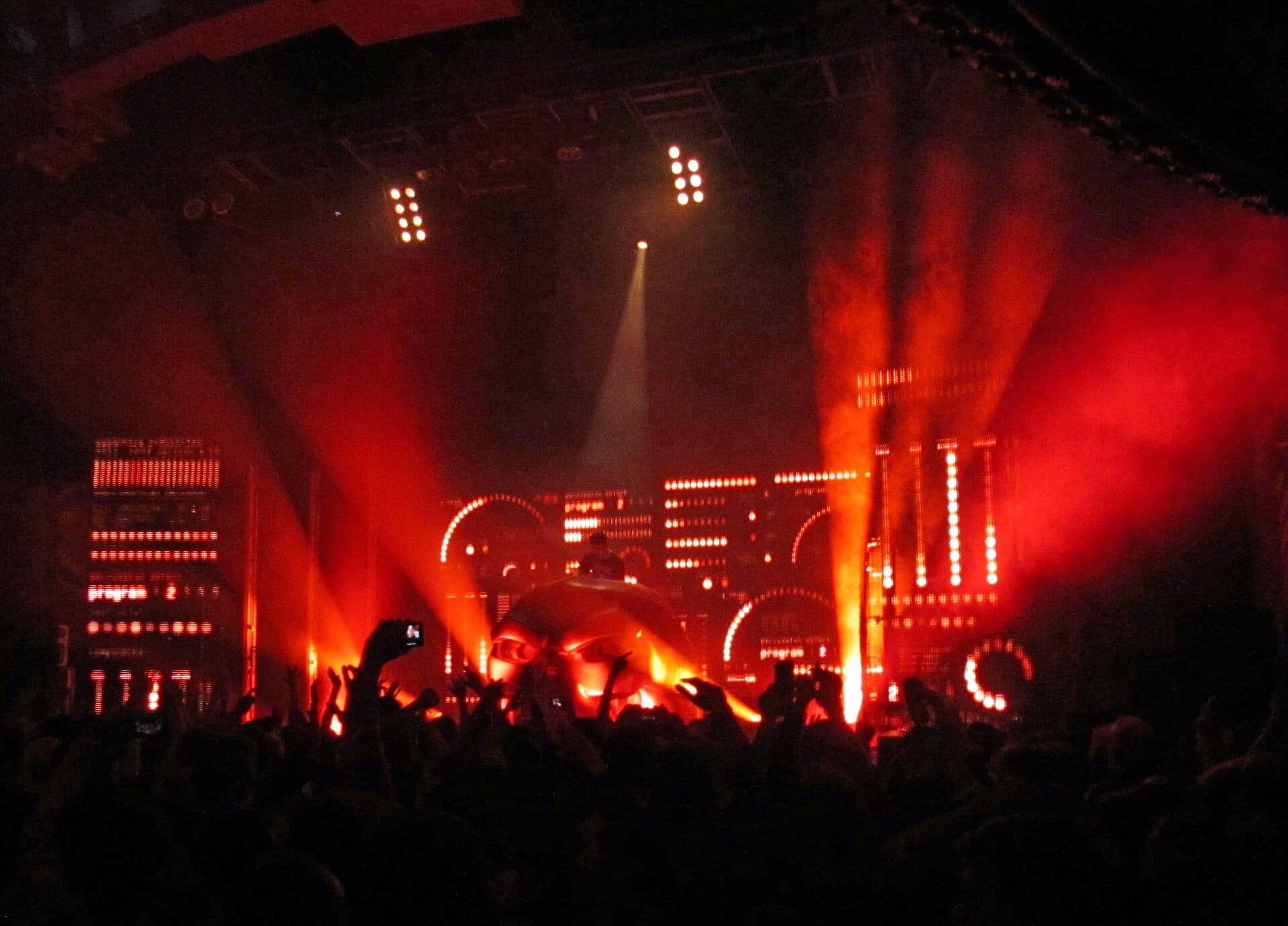
What House of Blues Chicago Actually Is
House of Blues Chicago is a full-service concert venue and restaurant located at 329 N Dearborn Street, embedded within the Marina City mixed-use complex in River North. The venue holds up to 1,400 guests and has been a fixture of Chicago's live music scene for decades, hosting everything from national touring acts to local blues and soul performers. It is part of the nationwide House of Blues chain, now operated under Live Nation Entertainment, but the Chicago location carries particular weight given the city's foundational role in electric blues history.
The venue is located within the Marina City complex, the distinctive corncob-shaped mixed-use towers designed by architect Bertrand Goldberg that opened in the 1960s. The venue occupies space at the base of the complex, facing the Chicago River. That architectural context alone makes arriving here feel different from pulling up to a generic concert hall. The river is a few steps away, and the visual drama of those circular balconies overhead sets an unusual tone before you've even walked through the door.
💡 Local tip
Ticket prices and event schedules vary significantly by act. Always check the official site at chicago.houseofblues.com or Live Nation before visiting, as some shows sell out weeks in advance.
The Venue Layout and Atmosphere
The main concert hall has a general admission floor with a raised balcony on three sides, giving most positions a clear sightline to the stage. The capacity of 1,800 keeps shows feeling accessible rather than arena-scale: you are close enough to read the setlist taped to the floor monitors, and the sound system is consistently well-regarded for a room this size. The decor leans heavily into folk-art and Southern juke-joint aesthetics, with painted murals, religious iconography, and hand-crafted details covering nearly every surface. It is deliberately maximalist, and it works.
Beyond the main hall, the venue includes a restaurant and bar that operates independently of concert programming. You can eat here on nights when no show is scheduled, and it is a reasonable option for dinner before catching a performance elsewhere in the neighborhood. The menu trends toward Southern-influenced comfort food: jambalaya, pulled pork, and similar dishes that fit the blues-bar ethos. Service can be uneven on busy show nights, so arriving early and factoring in extra time is worthwhile.
For private events, the venue can be configured for groups as small as 25, making it one of the more flexible event spaces in River North. That flexibility also means the calendar is varied: a touring rock band on a Friday can be followed by a gospel brunch on Sunday. The Sunday Gospel Brunch is a long-running fixture at House of Blues locations, and the Chicago edition draws a loyal crowd for its live gospel performances and buffet when it is running.
Tickets & tours
Hand-picked options from our booking partner. Prices are indicative; availability and final rates are confirmed when you complete your booking.
Go City | Chicago All-Inclusive Pass
From 127 €Instant confirmationFree cancellationiFLY Chicago Lincoln Park indoor skydiving experience
From 126 €Instant confirmationFree cancellationiFLY Chicago Rosemont indoor skydiving tickets
From 117 €Instant confirmationFree cancellationChicago lakefront neighbourhood bike tour
From 18 €Instant confirmationFree cancellation
What Kinds of Shows to Expect
The booking calendar at House of Blues Chicago runs the full spectrum. Blues artists are well represented, which feels appropriate given Chicago's position in that genre's history, but the venue is not exclusively a blues club. On any given month you might find hip-hop acts, indie rock bands, electronic artists, R&B performers, and tribute shows sharing the calendar. The mid-sized capacity makes it attractive to artists who have outgrown smaller clubs but want something more personal than a theater or arena.
If blues specifically is your focus, Chicago offers deeper dedicated experiences at venues like Buddy Guy's Legends and Kingston Mines. House of Blues is better understood as a premium mid-size live music venue than a dedicated blues club. For a broader overview of where to hear live music across the city, the Chicago blues and jazz guide covers the full landscape.
Timing Your Visit
Doors typically open 60 to 90 minutes before a show starts. Arriving at door time rather than showtime gives you the pick of floor positions, access to the bar without a queue, and time to settle in before the opener. On sold-out nights, the general admission floor fills quickly toward the stage, and the balcony becomes the more comfortable option for anyone who prefers a seat with a direct view.
Weeknight shows tend to draw a more focused crowd than weekend performances, where the atmosphere can tip toward the social end of the spectrum. If the music itself is your priority, a Tuesday or Wednesday concert often delivers a better experience than a Saturday show with the same artist. When scheduled, Sunday Gospel Brunch takes place on weekend mornings and has a completely different energy: festive, family-friendly, and notably louder than you might expect at 11am.
⚠️ What to skip
Bag checks are enforced at the door. Large bags and backpacks may not be permitted. Confirm the venue's current bag policy when purchasing tickets, as it can vary by event and promoter.
Getting There and the Surrounding Area
The Merchandise Mart CTA station, served by the Brown, Purple, and Pink lines, is about a five-minute walk from the venue. The Clark/Lake station on the Blue, Green, Pink, Orange, Brown, and Purple lines is roughly ten minutes on foot. Either option puts you on public transit rather than fighting for parking or surge-pricing a rideshare, which is the practical choice for any evening event.
House of Blues sits in the middle of River North, one of Chicago's densest restaurant and bar corridors. The streets immediately around the venue are full of pre-show dining options at every price point, and post-show drinks are easy to find without going far. The Chicago Riverwalk is steps away and makes for a pleasant approach from the south, especially in warmer months.
Parking exists nearby in several garages along Dearborn and Clark streets, but rates on show nights are high and traffic after large events is slow. If you do drive, consider parking further north or west and walking in. The neighborhood is well-lit and well-trafficked at night.
Honest Assessment: Who This Venue Is and Isn't For
House of Blues Chicago is a polished, professionally run mid-size concert venue with good sound, solid sightlines, and a reliable booking calendar. It is not a raw, historically charged blues club. The aesthetic is theatrical, the drinks are priced for a commercial venue, and the experience is closer to a well-executed production than an intimate night of music. That is not a criticism: for what it is, it does it well. But travelers specifically seeking the unvarnished Chicago blues experience should pair this visit with time at smaller neighborhood venues.
If you are building a broader music itinerary, Chicago's live music scene extends well beyond this block. The Green Mill Cocktail Lounge in Uptown delivers jazz in a setting with genuine historical depth, while the Jazz Showcase is a serious listening room for acoustic performance. For a full picture of Chicago's nightlife across all genres, the Chicago nightlife guide is a useful starting point.
Visitors with mobility considerations should contact the venue directly before attending, as the main floor is standing-only and the balcony access involves stairs. Accessible accommodations may be available but are best confirmed in advance.
Insider Tips
- The balcony offers fixed seats and a clean overhead view of the stage. If you prefer to sit rather than stand on the general admission floor, arrive early and head straight upstairs before the prime spots go.
- Sunday Gospel Brunch tickets sell out, especially in warmer months. If that's your reason for visiting, book online well in advance rather than showing up at the door.
- The restaurant entrance is separate from the concert hall entrance. If you're dining before a show, factor in the time to move from one area to the other and pick up your wristband or ticket.
- Coat check is available and worth using in winter. Navigating a packed general admission floor with a heavy coat is genuinely uncomfortable, and Chicago winters often mean you'll need full outerwear for the walk to and from transit.
- Check the Live Nation app for last-minute ticket releases. Shows occasionally open up additional inventory in the days before, including for events marked sold out on the official venue site.
Who Is House of Blues Chicago For?
- Fans of touring rock, R&B, blues, and hip-hop acts looking for a mid-size venue with good production quality
- Visitors who want a combined dining and live music experience in the same building
- Groups looking for a polished, well-staffed event venue in a central River North location
- Travelers attending Sunday Gospel Brunch as a standalone cultural experience
- Anyone wanting to catch a national touring act in an intimate setting rather than a large arena
Nearby Attractions
Other things to see while in River North:
- Intuit Art Museum
The Intuit Art Museum (IAM) is one of Chicago's only institutions dedicated entirely to intuitive, outsider, and self-taught art. After a $10 million renovation, the museum reopened on May 23, 2025 with expanded galleries and a sharper identity. It's a quieter, more contemplative stop than the city's blockbuster institutions, and that's precisely its appeal.
- Merchandise Mart
The Merchandise Mart is one of the largest buildings in the world by floor area, a 25-story Art Deco landmark straddling two full city blocks along the Chicago River. Free to enter on weekdays, it blends architectural history with working design showrooms, a riverfront plaza, and a front-row seat to Chicago's commercial story.
- River North Gallery District
The River North Gallery District is Chicago's densest concentration of commercial art galleries, occupying converted warehouses and loft buildings around Superior and Franklin Streets. Born from a 1970s real estate reinvention, it once rivaled Manhattan as the top gallery hub in the country and remains a serious destination for art collectors and curious visitors alike.